

Some cats value independence but still develop remarkably close relationships with the people they trust. Devoted breeds may follow familiar humans through the house, stay nearby during daily routines, seek gentle interaction, or simply choose the same room whenever possible. These connections grow through temperament, positive experiences, socialization, predictable care, play, and respect for boundaries. Breed tendencies can suggest sociability, but no pedigree guarantees personality. For people seeking a cat that enjoys companionship, several breeds are known for forming especially strong, lasting bonds with humans.
Ragdoll
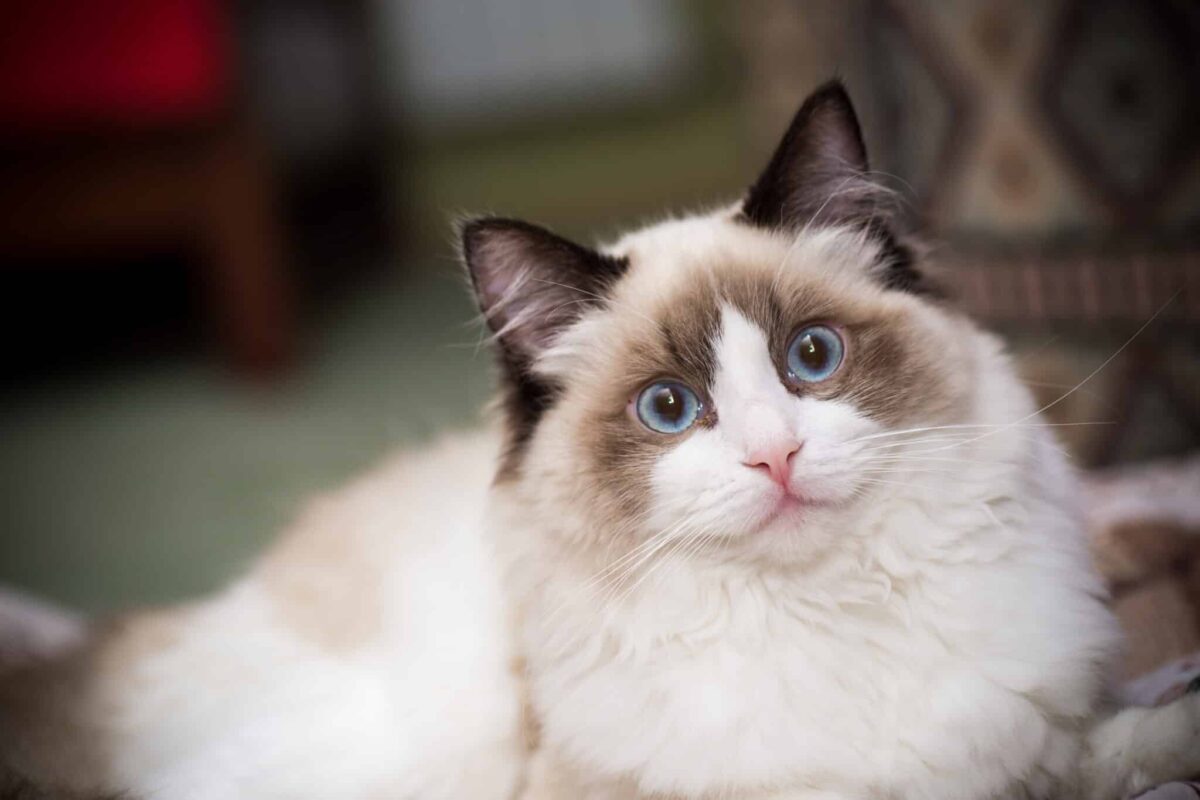
Ragdolls are widely associated with gentle temperaments and a strong interest in human companionship. Many enjoy following familiar people between rooms, settling beside them during quiet evenings, or appearing whenever household activity begins. Their devotion does not always involve constant cuddling, since some prefer resting nearby while keeping their trusted humans within sight. A generally relaxed social style can make predictable routines and gentle interaction particularly rewarding for this breed. Some Ragdolls also enjoy interactive play and greeting family members when they return home, adding more opportunities for shared experiences. Individual personality still determines how affectionate any cat becomes, but Ragdolls frequently thrive when treated as involved household companions. Their steady presence can create a bond that feels affectionate without requiring endless demands for attention.
Burmese

Privacy can become a surprisingly flexible concept when a Burmese decides someone deserves company. Many members of this breed are highly social and prefer participating in household life rather than watching everything from a distant corner. They may follow familiar people, investigate whatever activity is underway, initiate play, or settle nearby once the excitement ends. Their intelligence and curiosity create frequent opportunities for interaction, while their people-oriented temperament can make those experiences an important part of everyday life. Burmese cats may also communicate vocally when they want attention or participation, although individuals vary in how talkative they become. Regular companionship, enrichment, and interactive play generally suit their social nature. Given positive experiences and respectful handling, a Burmese can become an attentive companion who seems genuinely invested in the household routine.
Siamese
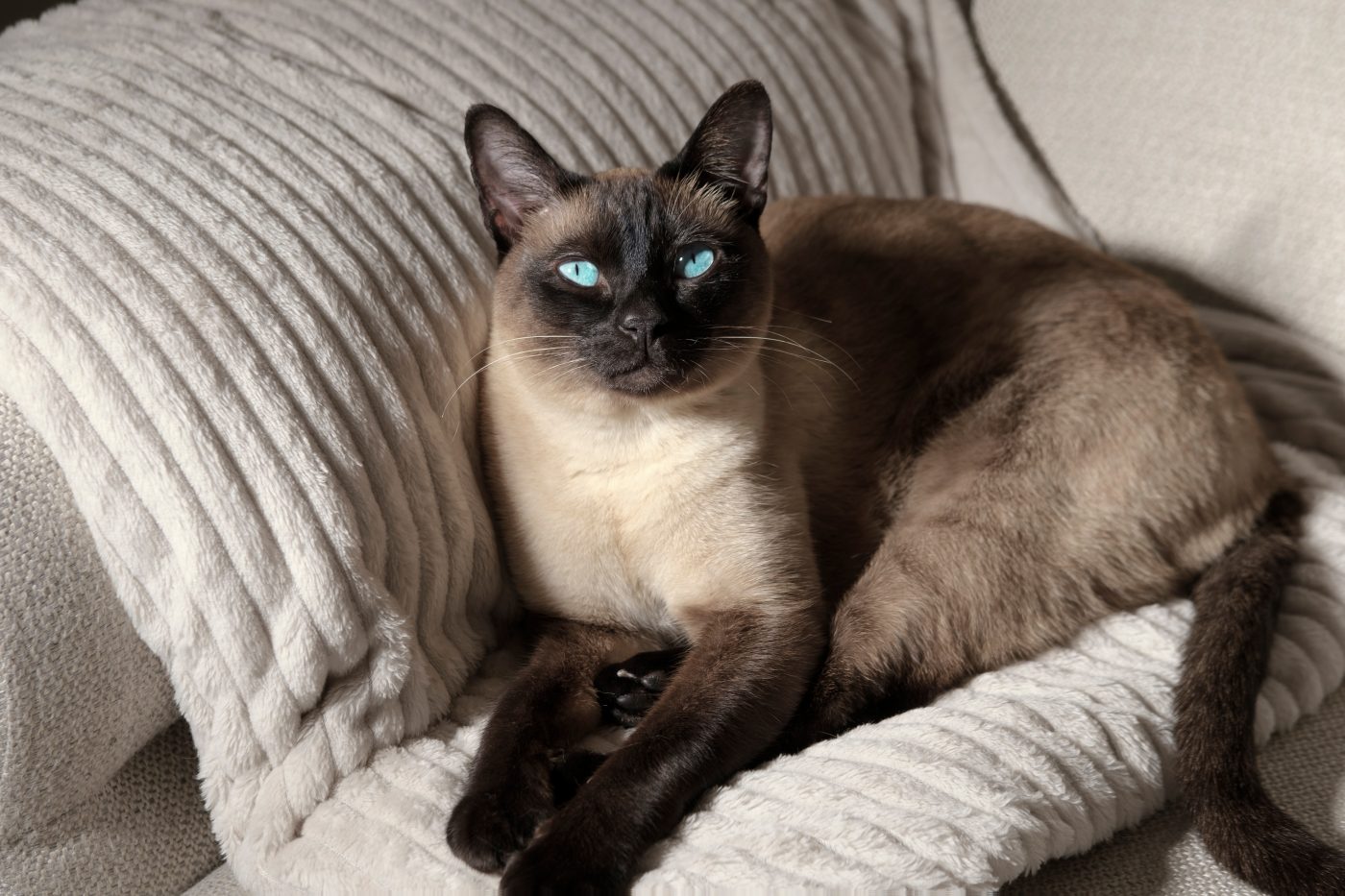
Siamese cats have a famous voice, but their devotion involves much more than enthusiastic conversation. Many become deeply engaged with familiar people and enjoy following them through daily activities, responding to attention, and participating in interactive games. Their intelligence makes routines easy to learn, including the moments when meals arrive, play begins, or a favorite person usually settles down for the evening. Vocal communication can become another layer of that relationship because some Siamese develop recognizable sounds for different situations. Their social nature means regular interaction and mental stimulation are particularly valuable, especially for individuals that dislike spending long periods without companionship. Personality always varies, but the breed’s combination of intelligence, curiosity, communication, and social engagement can produce remarkably close relationships with people who enjoy an involved feline companion.
Maine Coon
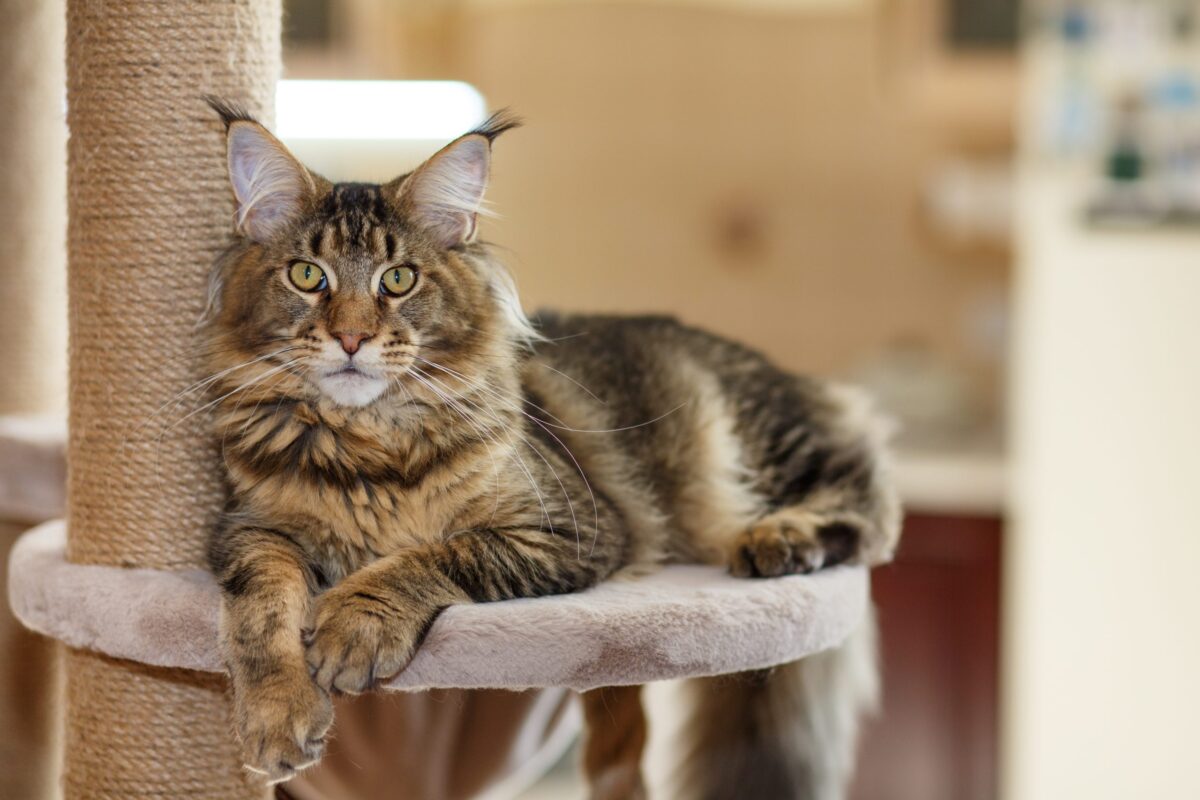
The Maine Coon often demonstrates devotion without abandoning the independent qualities that make cats so appealing. Rather than demanding a lap at every opportunity, many prefer accompanying familiar people through the house, supervising activities from nearby, or resting within a comfortable social distance. Their playful nature also encourages bonding through games, exploration, and other shared activities, particularly when those activities challenge their intelligent minds. Some Maine Coons enjoy substantial physical affection, while others would rather remain close without being constantly handled. Both styles can support strong relationships because voluntary proximity can be meaningful in its own right. Individual temperaments differ, but the breed’s generally sociable reputation makes them appealing to households seeking an interactive companion. Their combination of gentle presence and curiosity can make them feel like remarkably attentive members of everyday family life.
Tonkinese

Social interaction tends to rank highly on the Tonkinese agenda. With ancestry connected to the Siamese and Burmese, this breed frequently displays the curiosity, intelligence, and people-oriented qualities associated with both. Many Tonkinese enjoy following household members, joining games, greeting familiar people, and settling nearby when activity slows down. Their communication may include vocalizations, physical closeness, or persistent participation in whatever seems interesting at the moment. Interactive play can be particularly valuable because it satisfies both their active minds and their desire for engagement. A Tonkinese may quickly learn which behaviors produce attention, making everyday communication increasingly specific over time. Individual cats differ in affection style, but their generally sociable temperament can encourage strong bonds with people who provide companionship, enrichment, predictable routines, and plenty of opportunities for shared activity.
Sphynx
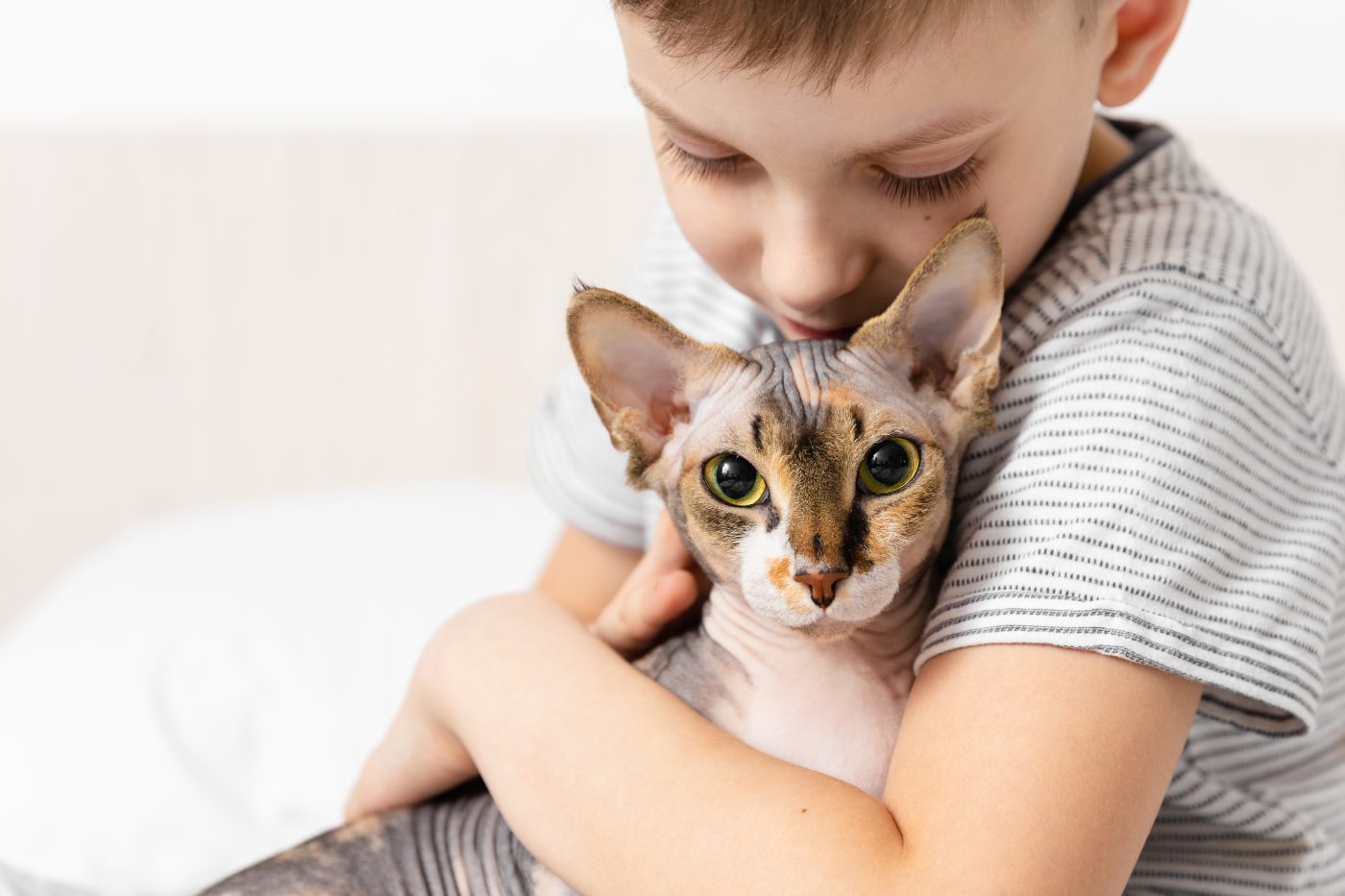
Warm laps have obvious practical appeal for a nearly hairless cat, but the Sphynx reputation for human companionship extends beyond temperature. Many are outgoing, curious, playful cats that actively seek involvement in household activities. They may climb onto familiar people, follow them between rooms, greet visitors, or remain nearby while waiting for the next interesting event. Their need for warmth can certainly influence physical closeness, so every cuddle should not automatically be interpreted as an emotional declaration. Still, repeated voluntary interaction combined with relaxed body language, play, and social engagement can reflect a meaningful relationship. Sphynx cats generally benefit from plenty of attention and enrichment because their active personalities need appropriate outlets. Individual preferences vary, yet many become exceptionally interactive companions whose presence is difficult to overlook once they become comfortable within a household.
Birman

Birmans often bring a quieter style of devotion to their relationships with humans. Many enjoy staying near familiar people, moving between rooms with them, or settling close enough to remain part of household activity without demanding constant attention. Their generally gentle social reputation can make calm interaction especially rewarding, including soft petting, play sessions, and predictable daily routines. Some may greet family members or appear whenever something interesting happens, while others demonstrate attachment simply through repeated choices to share space. That steady companionship can be easy to underestimate because it lacks the intensity associated with more vocal or demanding breeds. Individual temperament, socialization, and life experiences remain important influences. Given security, enrichment, and respectful handling, many Birmans form comfortable relationships characterized by trust, familiarity, and a consistent preference for being around the people they know well.
Bombay
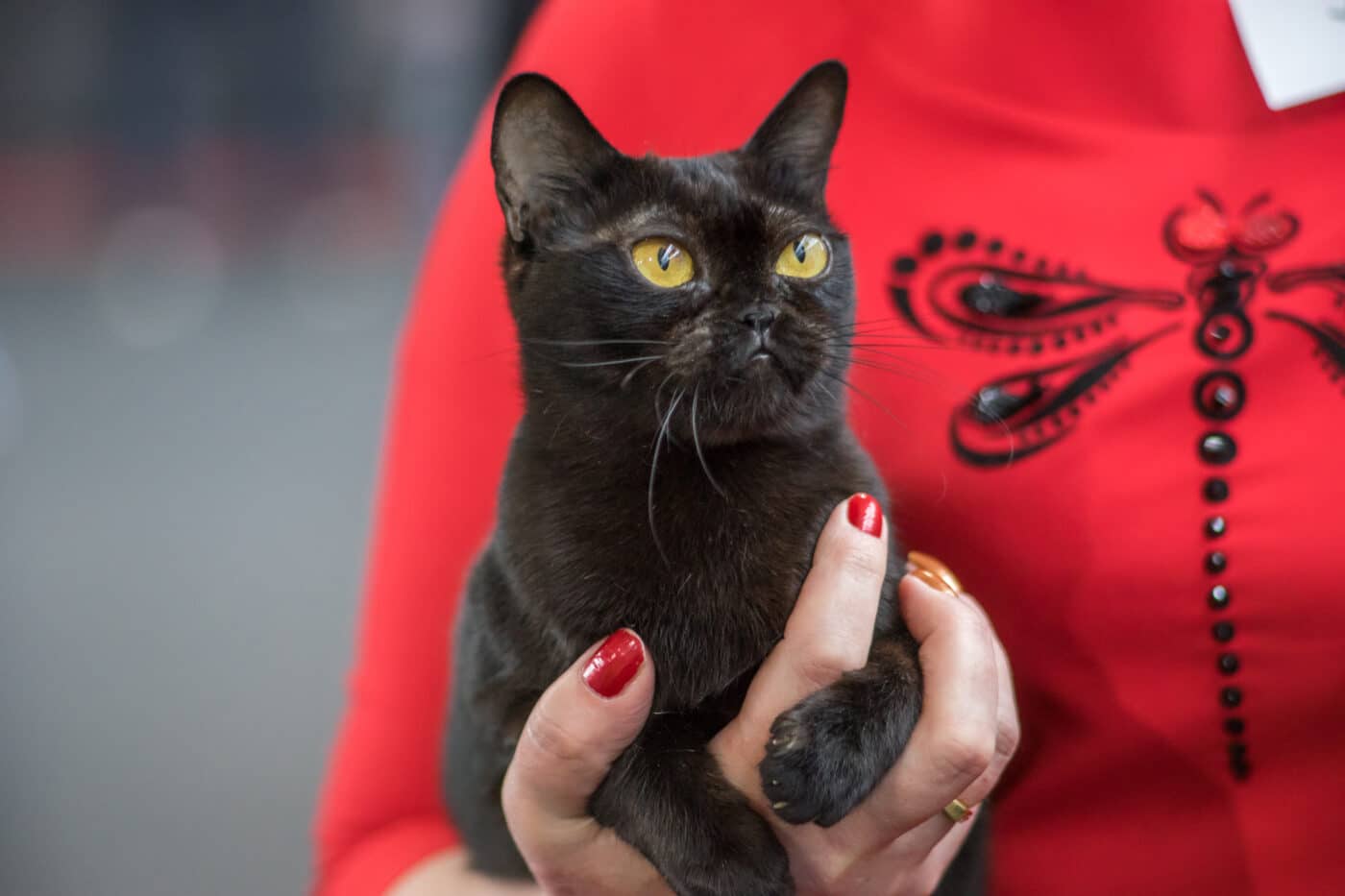
Behind the Bombay’s dramatic black coat is a personality frequently described as social, confident, and interested in people. Many enjoy remaining involved in household routines and may seek out familiar humans for play, petting, warmth, or simple companionship. Their curiosity can keep them nearby while everyday activities unfold, making them less likely to disappear whenever the house becomes busy. Interactive games are particularly useful for strengthening relationships because Bombay cats can be playful and intelligent companions that appreciate engagement. Some individuals enjoy considerable physical affection, while others demonstrate attachment by consistently choosing nearby resting places. Breed tendencies never guarantee personality, and socialization influences how confidently any cat interacts with people. Still, the Bombay’s combination of sociability and curiosity can produce a companion who becomes thoroughly woven into the rhythms of household life.
Balinese
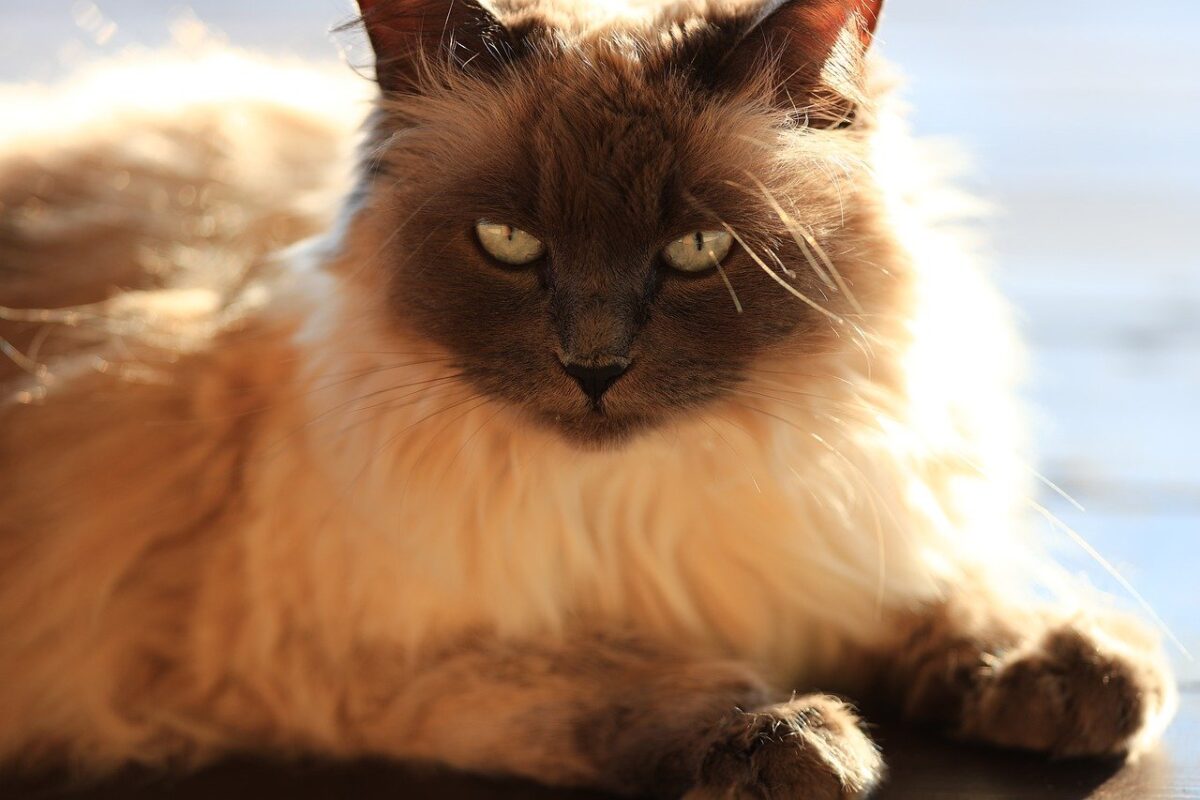
The elegant Balinese can be surprisingly enthusiastic about keeping track of familiar people. Closely related to the Siamese, this breed often shares an intelligent, communicative, and socially engaged temperament. Many enjoy interactive play, following household members, investigating activities, and vocalizing when something seems worthy of discussion. Their active minds benefit from puzzles, training games, climbing opportunities, and other enrichment that can also provide valuable shared experiences with humans. A secure Balinese may repeatedly choose to remain nearby even when nothing exciting is happening, making companionship part of their ordinary routine. Some individuals are more physically affectionate than others, and vocal tendencies vary as well. Still, their interest in social interaction can support remarkably close bonds when people provide attention, stimulation, consistency, and enough freedom for the cat to choose how interaction unfolds.
Ragamuffin
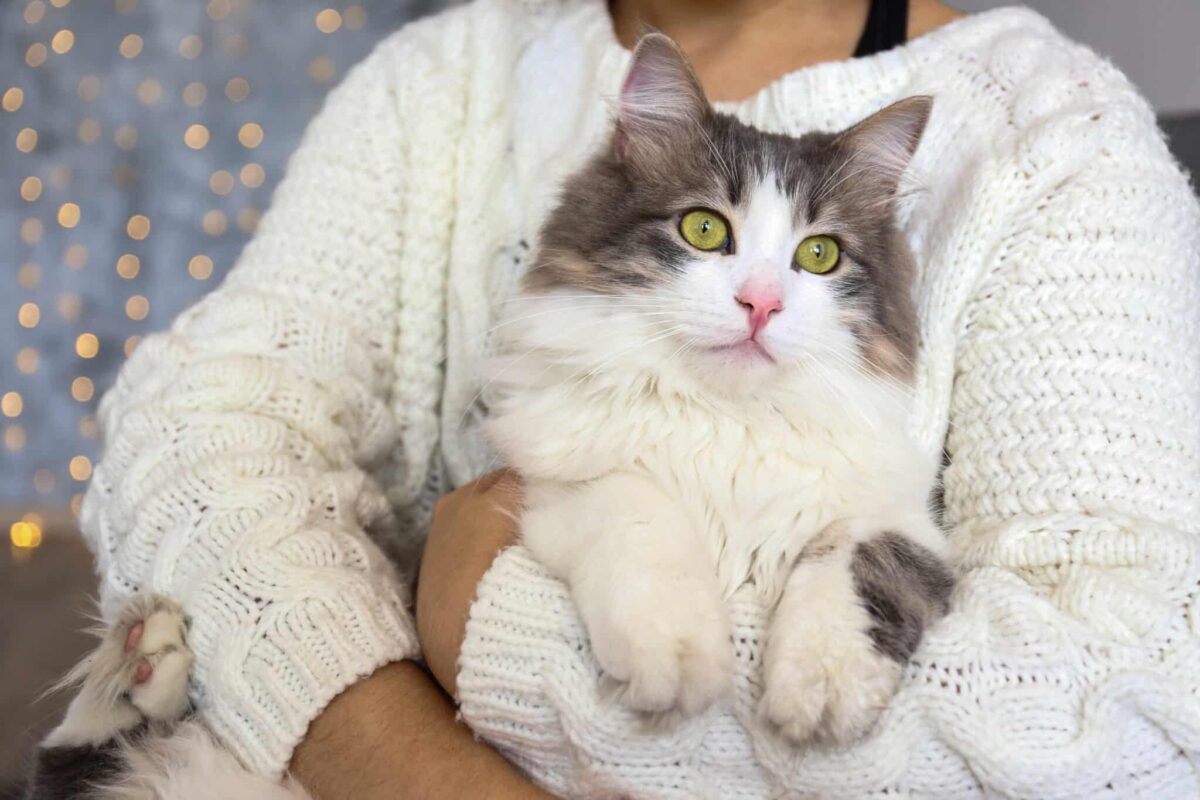
Ragamuffins are frequently associated with gentle personalities and an appreciation for comfortable human companionship. Many enjoy receiving affection, resting beside familiar people, or quietly following household activity without turning every interaction into an urgent demand. Their relaxed reputation does not mean they should spend their days without stimulation, since play, exploration, and enrichment remain important parts of a satisfying feline life. Positive experiences can help strengthen social relationships, especially when the cat has control over when touching and handling occur. Some Ragamuffins become enthusiastic lap companions, while others prefer maintaining a small amount of personal space. Individual preferences always matter more than stereotypes. Even so, the breed’s typically sociable nature can create a steady form of devotion expressed through comfortable proximity, familiar routines, gentle interaction, and a dependable desire to remain part of household life.
Abyssinian

An Abyssinian may demonstrate attachment by joining the action rather than settling down for an extended cuddle. Athletic, intelligent, and intensely curious, many members of this breed want to know what familiar people are doing and why they were not consulted sooner. They may follow household activity, observe from elevated perches, investigate new objects, or enthusiastically participate in interactive play. Shared games and enrichment provide excellent opportunities for bonding because they satisfy the Abyssinian’s need for movement and mental engagement while creating positive social experiences. Some individuals prefer active companionship over prolonged physical affection, which can make their devotion easy to misread. Independence does not necessarily equal distance. A cat that repeatedly chooses to participate in someone’s routine can maintain a strong social relationship while still preserving plenty of personal space.
Russian Blue
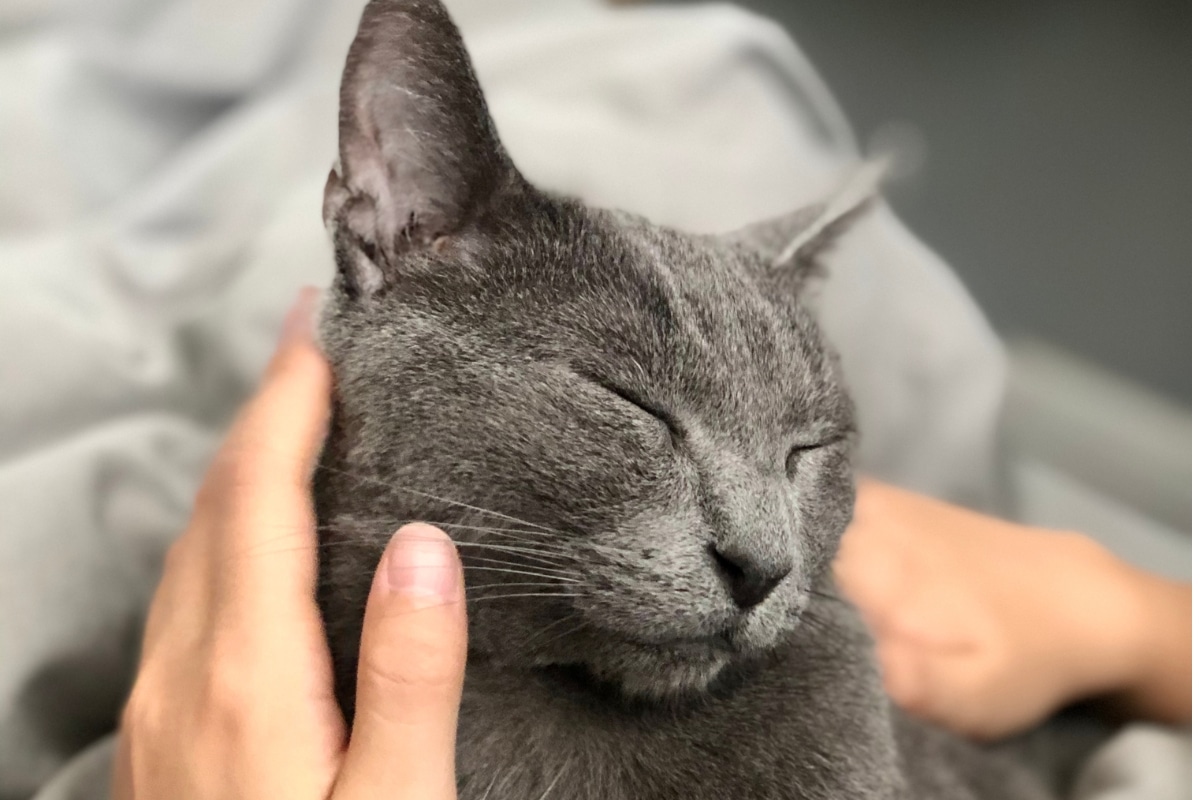
Russian Blues can be reserved around unfamiliar people, making the relationships they develop with trusted household members especially noticeable. Many appreciate predictable routines and may quietly follow familiar people, rest nearby, or appear at expected moments throughout the day. Their affection can be understated rather than physically demanding, which suits people who value companionship without constant requests for attention. A secure Russian Blue may gradually reveal a playful and socially engaged side that visitors rarely see, particularly when interactions remain gentle and predictable. Early socialization, environment, and individual experience strongly influence confidence, so no cat should be expected to fit a single personality description. For many Russian Blues, trust develops through consistency. Once comfortable, their repeated choice to remain near familiar humans can create a wonderfully steady and meaningful relationship.
Turkish Angora
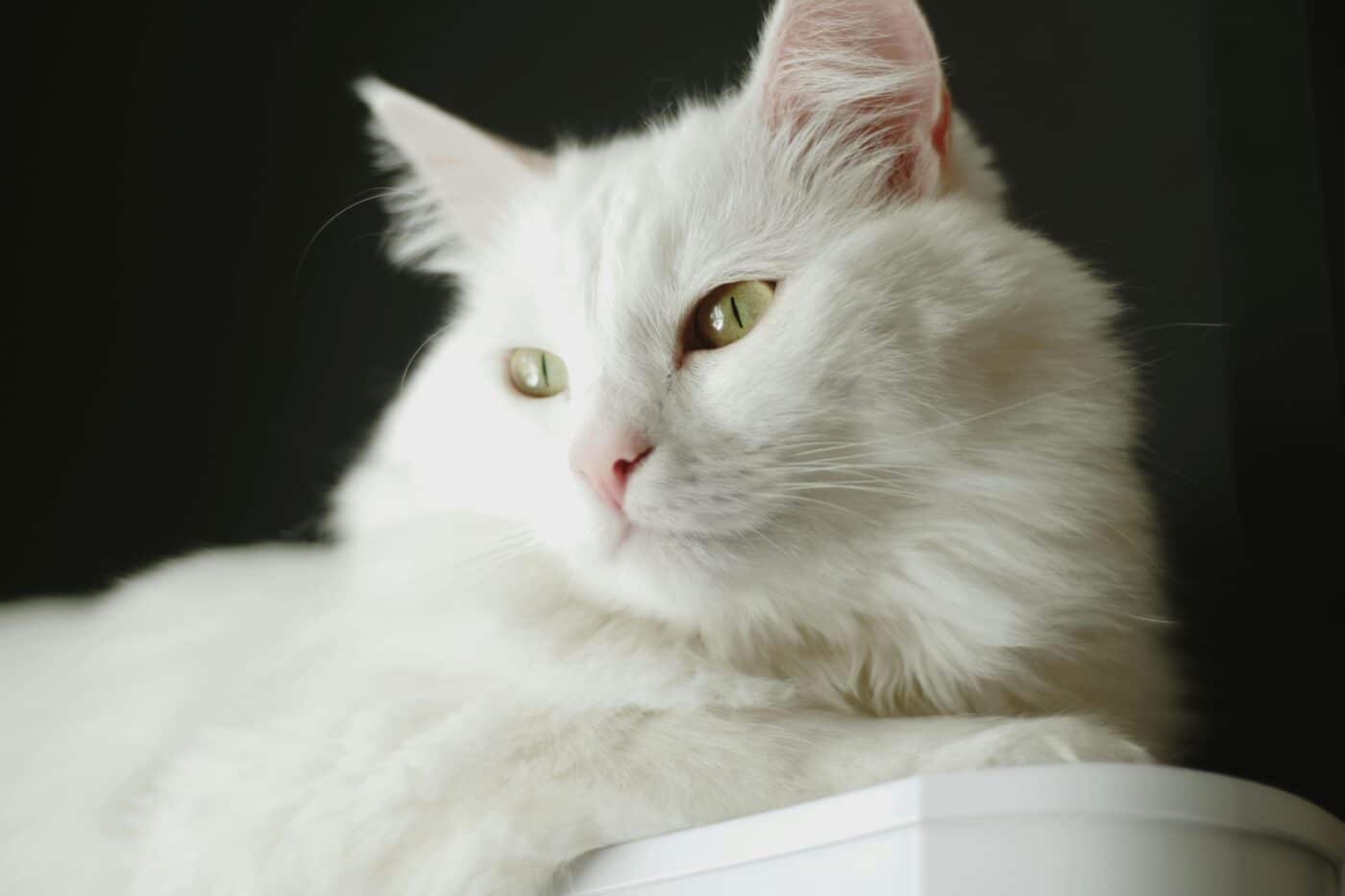
Turkish Angoras combine intelligence, confidence, and curiosity in a way that can make them highly involved companions. Many enjoy keeping track of household activity and may follow familiar people, initiate play, investigate whatever has changed, or settle nearby when they are ready to relax. Their social interest can produce strong relationships, although these cats may also have definite preferences about how and when interaction occurs. Respecting those choices helps build trust far more effectively than insisting on physical affection. Mental stimulation is equally important because an intelligent Turkish Angora without enough to do may invent entertainment that the household did not request. Individual personalities range from cuddly to more independent, but the breed’s active engagement with people can create a distinctive form of devotion built around curiosity, shared routines, play, and voluntary companionship.
The Best Bonds Come With Whiskers

A devoted cat does not need to spend every moment curled in someone’s lap to form an extraordinary relationship. Some breeds express attachment through conversation and closeness, while others prefer shared routines, interactive play, gentle greetings, or simply occupying a nearby comfortable spot. Breed tendencies can influence social style, but genetics are only part of the picture. Early experiences, environment, respectful handling, enrichment, and personality shape each relationship. The strongest connections develop when cats can communicate affection naturally, comfortably, and freely with people they trust.
This content was created with AI assistance and edited by the iHeartCats team.