
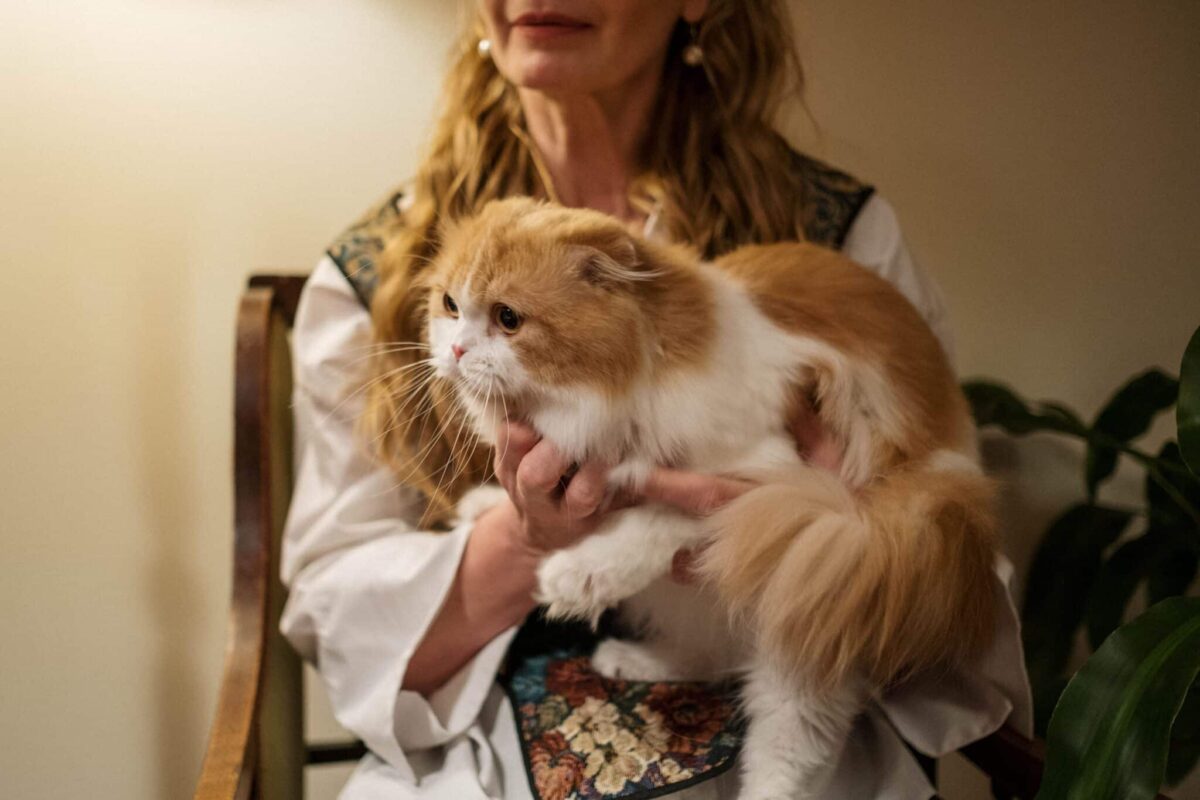
Some cats treat bedtime as an invitation to claim the warmest spot in the house, while others see a human pillow as the perfect place to settle. Breed can influence how social, affectionate, or people-oriented a cat tends to be, although individual personality always matters. Certain breeds are known for seeking companionship, following their people, or enjoying physical contact when comfortable. That can make nighttime cozy when a cat chooses the bed. From gentle lap cats to outgoing breeds, these companions bring warmth, affection, and personality to bedtime.
Ragdoll
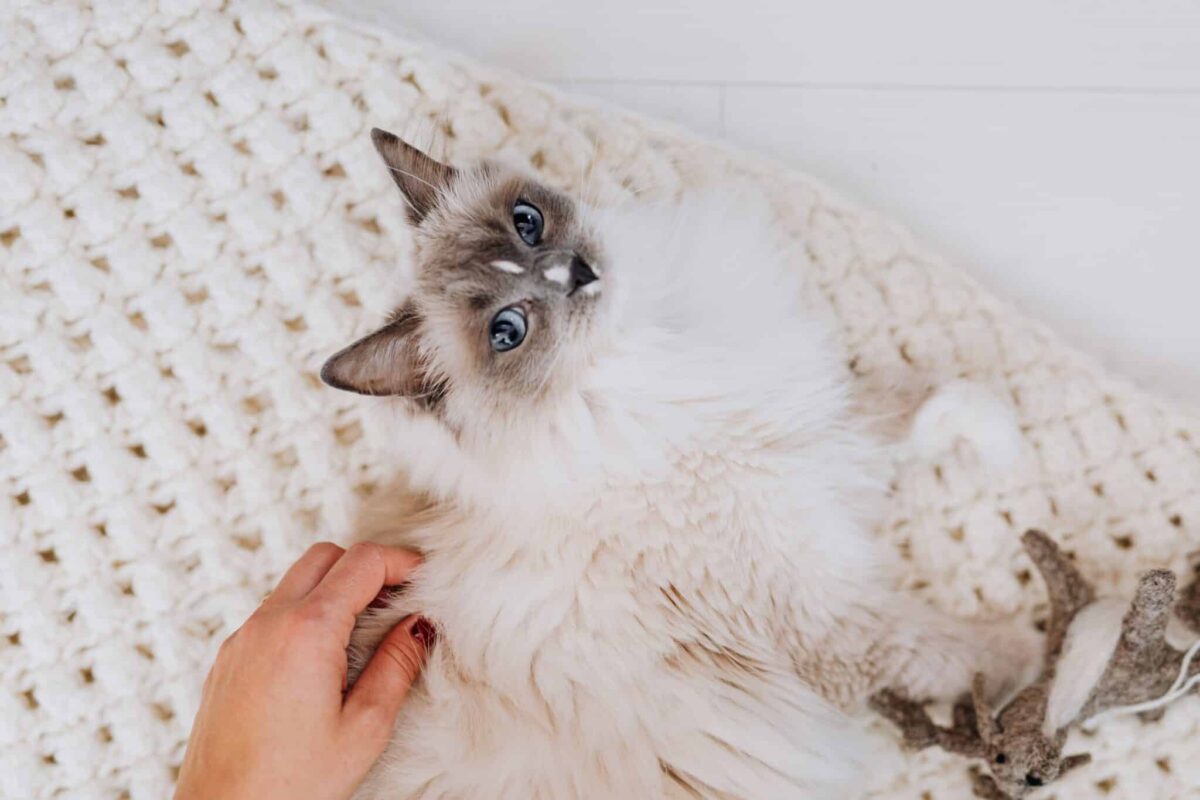
Ragdolls are especially well known for their affectionate, people-oriented personalities, making them natural candidates for bedtime companionship. Many enjoy staying close to their humans and may follow them from room to room before settling nearby. Their generally calm temperament can also suit the quieter atmosphere of nighttime. A Ragdoll may stretch out beside a person, curl against their legs, or simply remain close while everyone settles down. Their relaxed approach to handling can make physical affection particularly appealing, although individual cats still differ in how much contact they want. Their large size and plush coat can also make them wonderfully cozy sleeping companions. A Ragdoll that chooses the bed is often looking for warmth, familiarity, and social contact rather than simply claiming the softest available surface.
Maine Coon
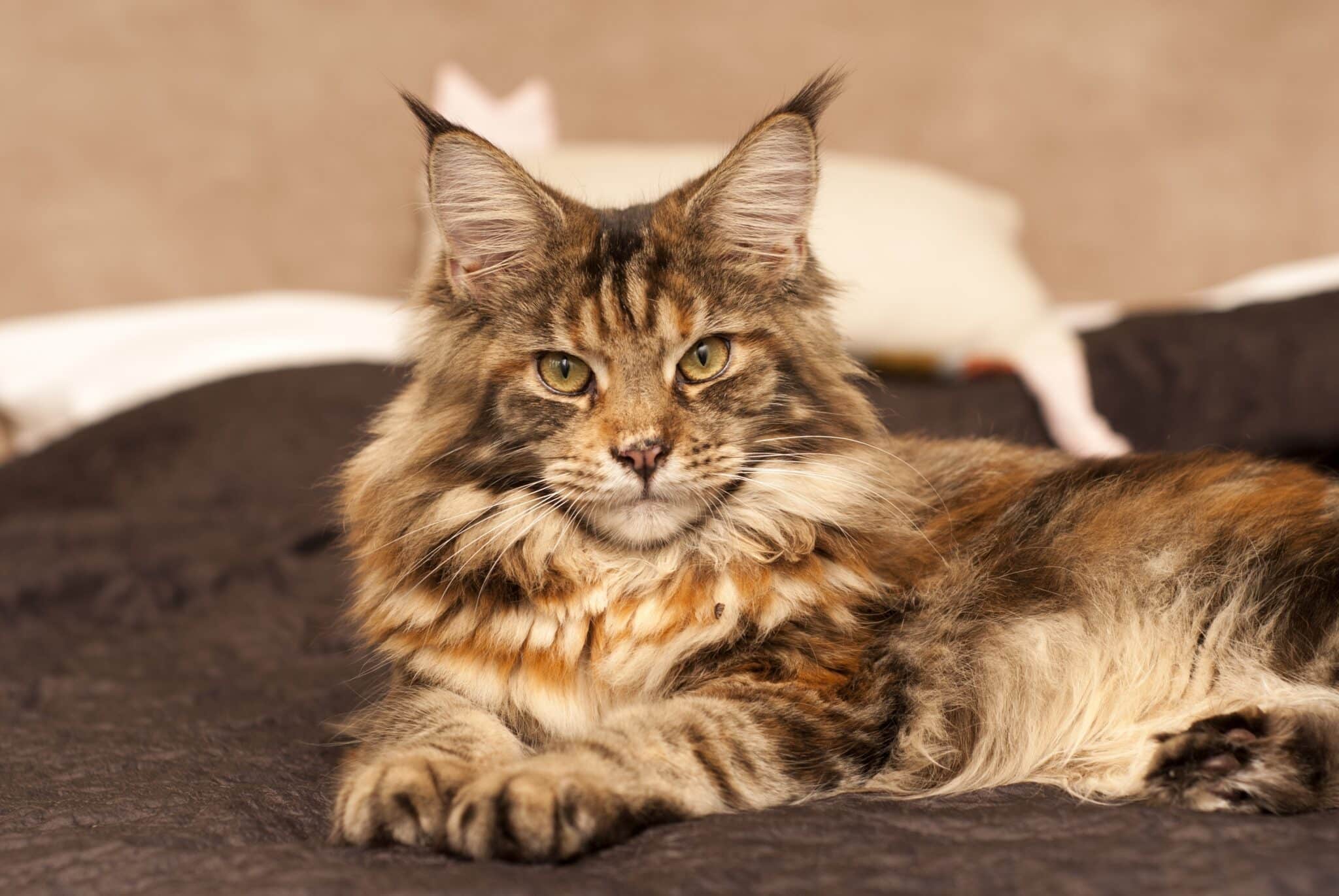
Maine Coons combine a friendly personality with an easygoing approach to companionship. They often enjoy being near their people without demanding constant attention, which can translate nicely into bedtime behavior. A Maine Coon may settle at the foot of the bed, lie beside a pillow, or quietly remain nearby while their person falls asleep. Their size means they may not always fit neatly into a small sleeping space, but that rarely seems to discourage a determined cat from finding a comfortable position. Many are social without being intensely clingy, so their nighttime companionship can feel relaxed rather than overwhelming. Individual Maine Coons vary, but their reputation for friendliness and gentle interaction helps explain why some happily turn bedtime into another opportunity to stay close to their favorite people.
Burmese
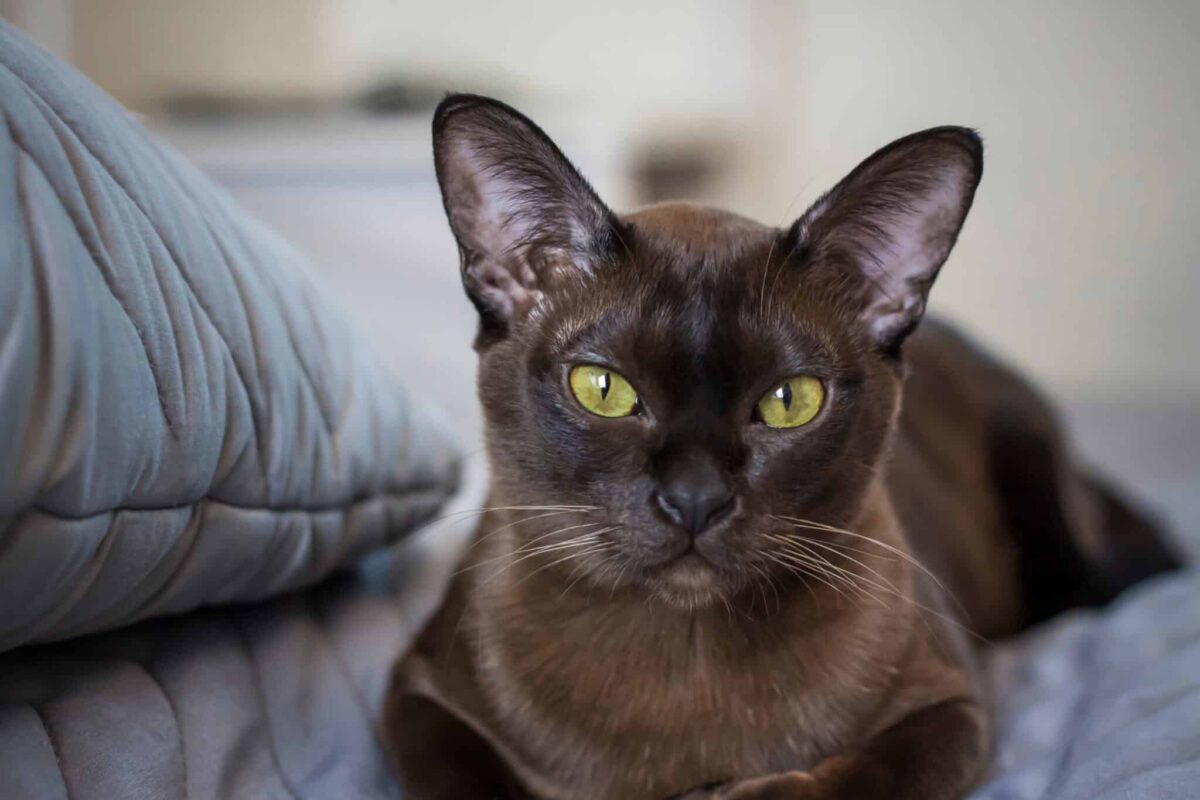
Burmese cats tend to be highly social and strongly interested in human companionship. They often enjoy being involved in household activities, and bedtime can become another opportunity to maintain that connection. A Burmese may curl against a person’s side, settle across their legs, or seek attention when the household becomes quiet. Their affectionate nature can be especially noticeable because they often prefer interaction rather than spending long periods completely alone. These cats can also be vocal, so nighttime companionship may occasionally come with a few conversational sounds. Their closeness should not be mistaken for a universal breed rule, however. Some Burmese prefer sleeping nearby rather than directly on a person. What makes them particularly suited to cuddle time is their general tendency to seek social contact and remain engaged with their humans.
Birman

Birmans are often affectionate without being overwhelmingly demanding, giving them a pleasant balance for people who enjoy a cat nearby at bedtime. They tend to form strong relationships with their families and may follow familiar people around the home. When evening arrives, that social attachment can lead a Birman toward the bedroom, where they may settle beside a person or curl up at the foot of the bed. Their gentle, adaptable temperament can make quiet companionship particularly appealing. The breed is also known for its distinctive color-point coat and striking blue eyes, but its personality is what makes bedtime cuddles especially charming. A Birman may want contact, or they may simply want to share the same sleeping space, depending on their individual preferences.
Sphynx
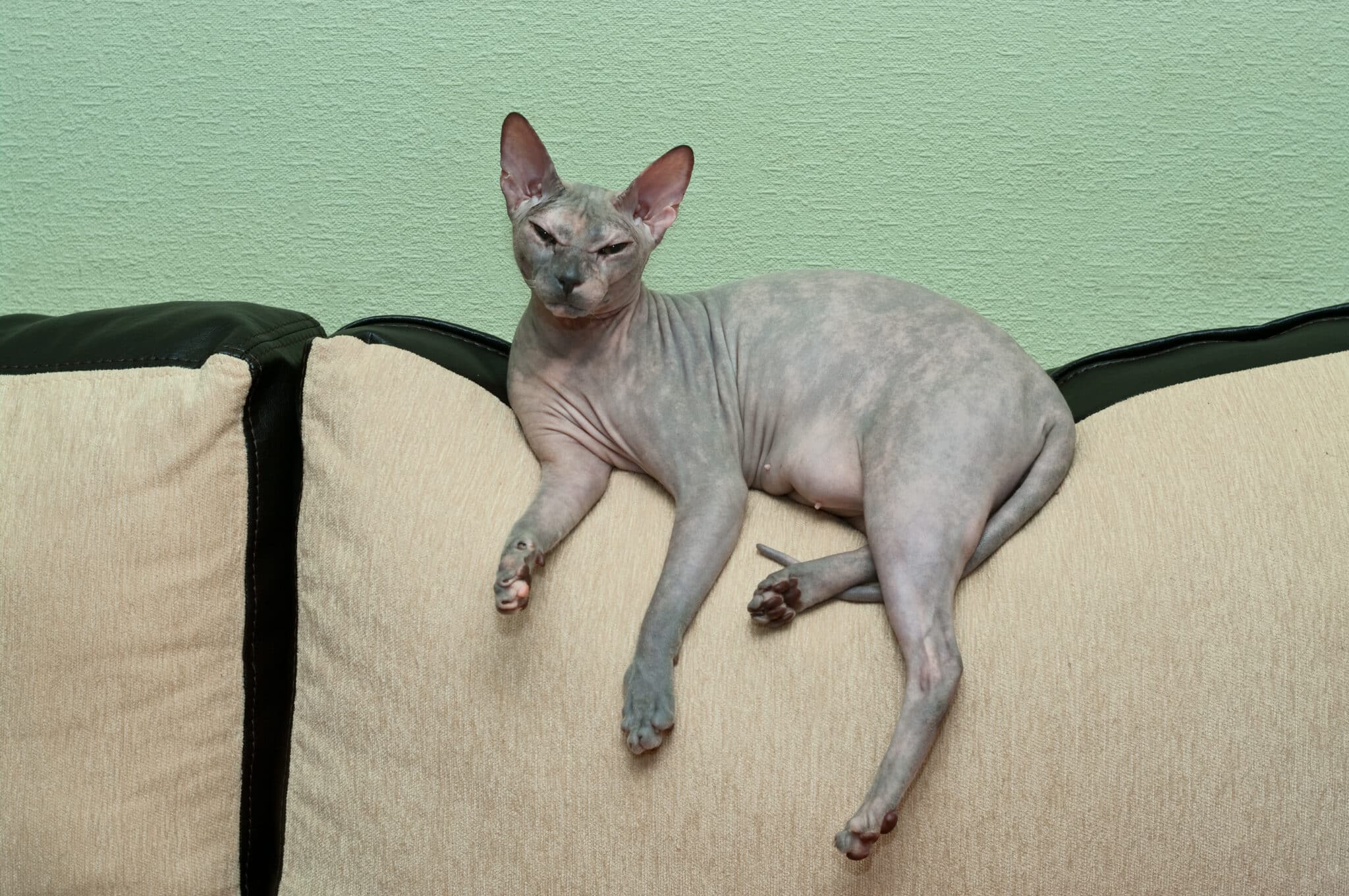
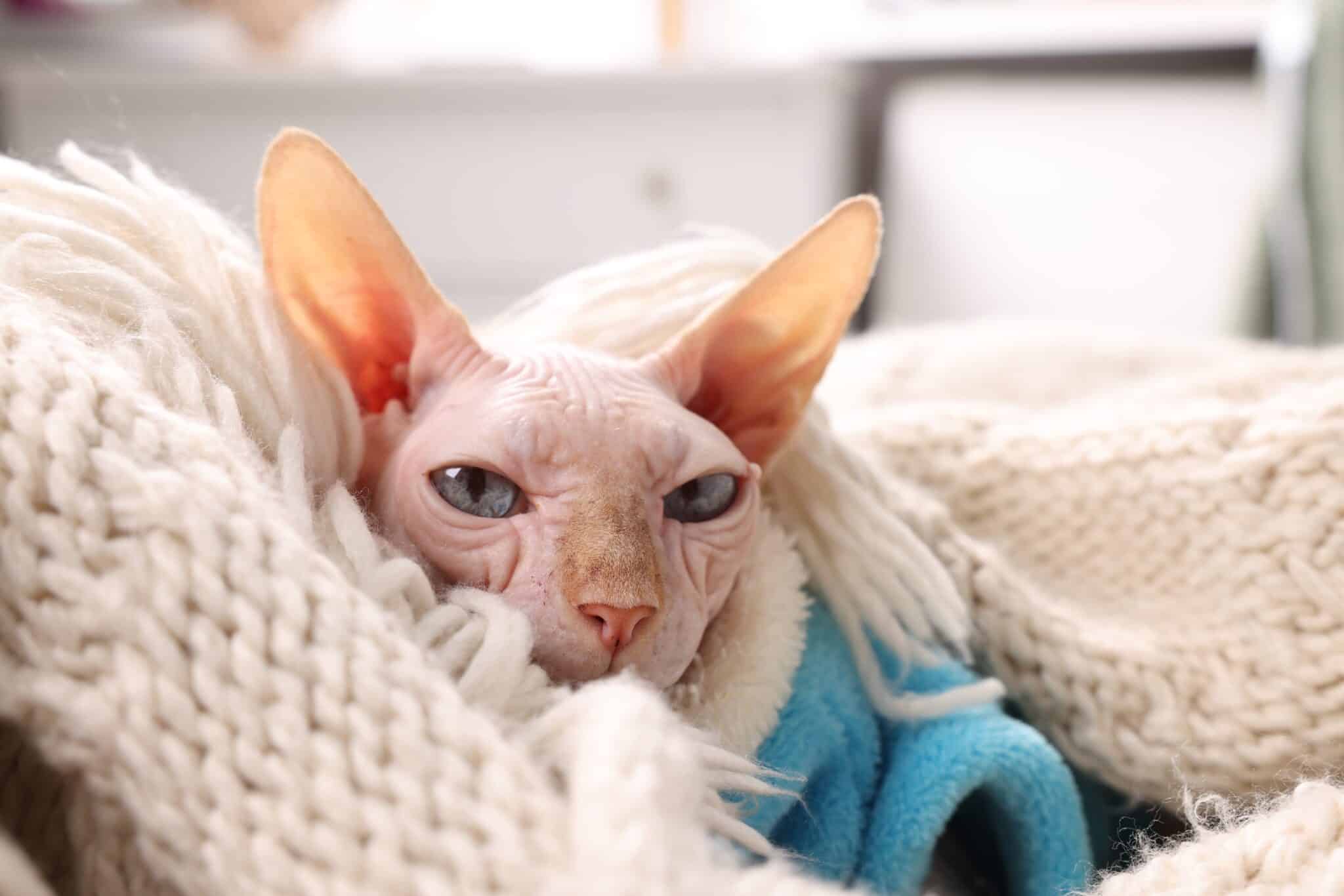
The Sphynx has a reputation for being exceptionally people-oriented, and their lack of a conventional fur coat can add another reason to seek out warm sleeping spots. These active, social cats often enjoy physical closeness and may happily curl up beside a person when the house becomes quiet. A warm bed can provide both comfortable body heat and the companionship they enjoy. Sphynx cats may also seek blankets, heated resting areas, or other cozy locations, particularly in cooler environments. Their affectionate tendencies can make bedtime a favorite opportunity for close contact, although not every Sphynx wants to sleep under the covers. Their skin still requires regular care, and owners should provide safe, comfortable sleeping conditions rather than relying on excessive external heat.
Scottish Fold
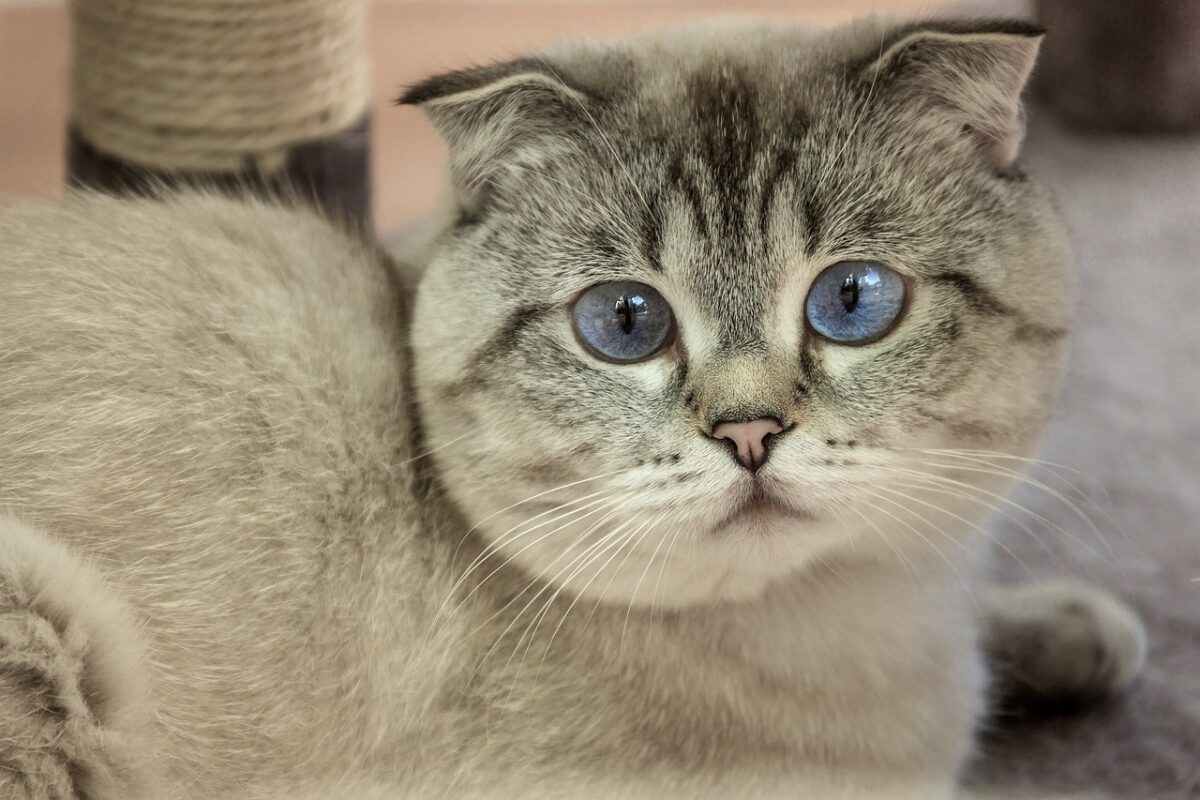
Scottish Folds are often described as calm, affectionate, and people-oriented, traits that can make them comfortable companions during quiet nighttime routines. Many enjoy staying close to their families without constantly demanding interaction. A Scottish Fold may settle beside a person’s legs, curl up nearby, or remain within reach for occasional petting. Their generally relaxed demeanor can suit households where bedtime is peaceful and predictable. It is important to remember that individual personality varies, and breed tendencies never guarantee a particular sleeping habit. Scottish Fold cats also have a genetic condition associated with their folded ears that affects cartilage and can cause painful joint disease. For that reason, responsible care should prioritize comfort and veterinary guidance rather than encouraging strenuous activity or awkward sleeping positions.
Tonkinese

Tonkinese cats are energetic, social, and often deeply interested in what their humans are doing. That people-focused personality can continue into the evening, when a Tonkinese may decide that sleeping near their favorite person is preferable to settling somewhere alone. They may curl against a shoulder, stretch across the bed, or simply stay close enough to maintain contact. Their playful nature means bedtime is not always immediately peaceful, especially if they still have energy to burn. Interactive play earlier in the evening can help provide an appropriate outlet before settling down. Tonkinese cats are also known for being communicative, so some may have plenty to say before finally getting comfortable. Their combination of social attachment, curiosity, and physical affection can make nighttime particularly interactive.
Persian
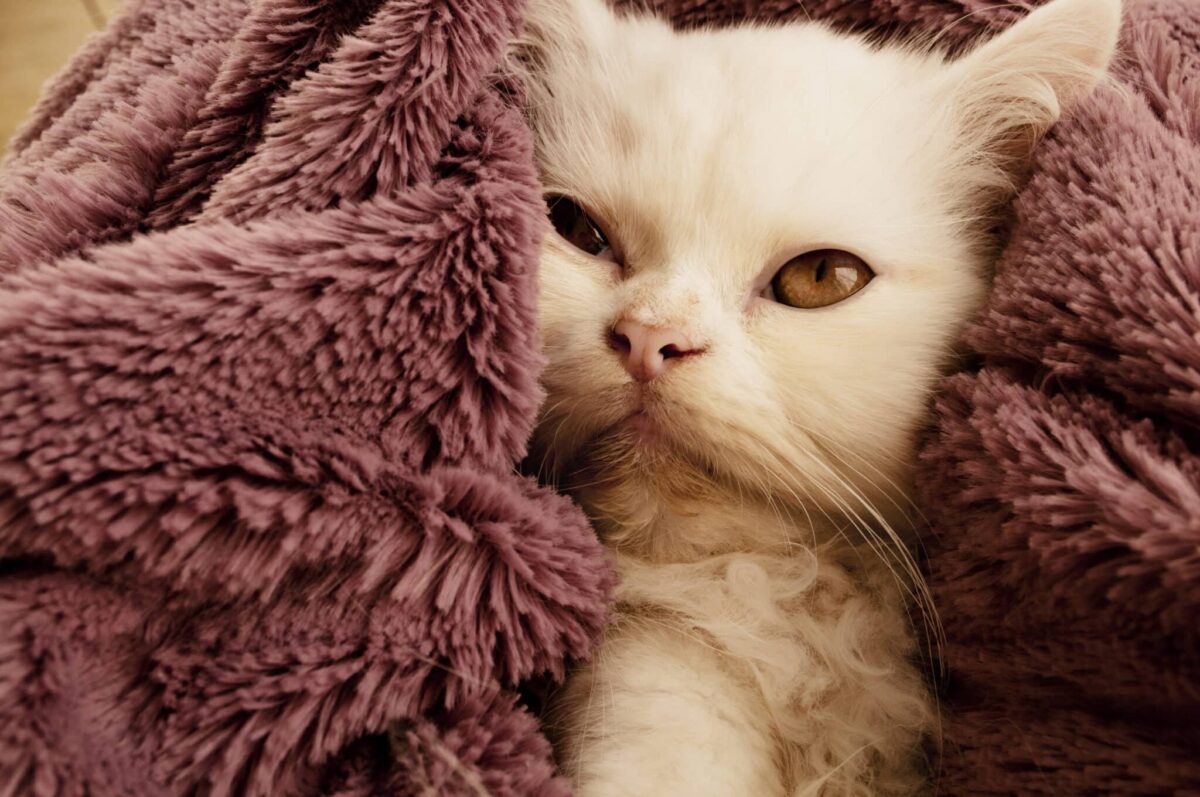
Persian cats often favor calm surroundings, making a quiet bedroom a natural place to relax. Their generally gentle temperament can make them comfortable spending extended periods resting near their people. A Persian may choose a pillow, blanket, or nearby corner of the bed rather than demanding constant physical contact. Their version of cuddle time can therefore be understated, with companionship coming from simply sharing a peaceful space. Because Persian cats have long, dense coats, they can also become uncomfortable if a sleeping area becomes too warm. Regular grooming is important as well, particularly because their coats can mat without consistent care. A Persian’s bedtime preference is often less about energetic interaction and more about finding a comfortable, familiar place where they can rest close to the people they trust.
Ragamuffin
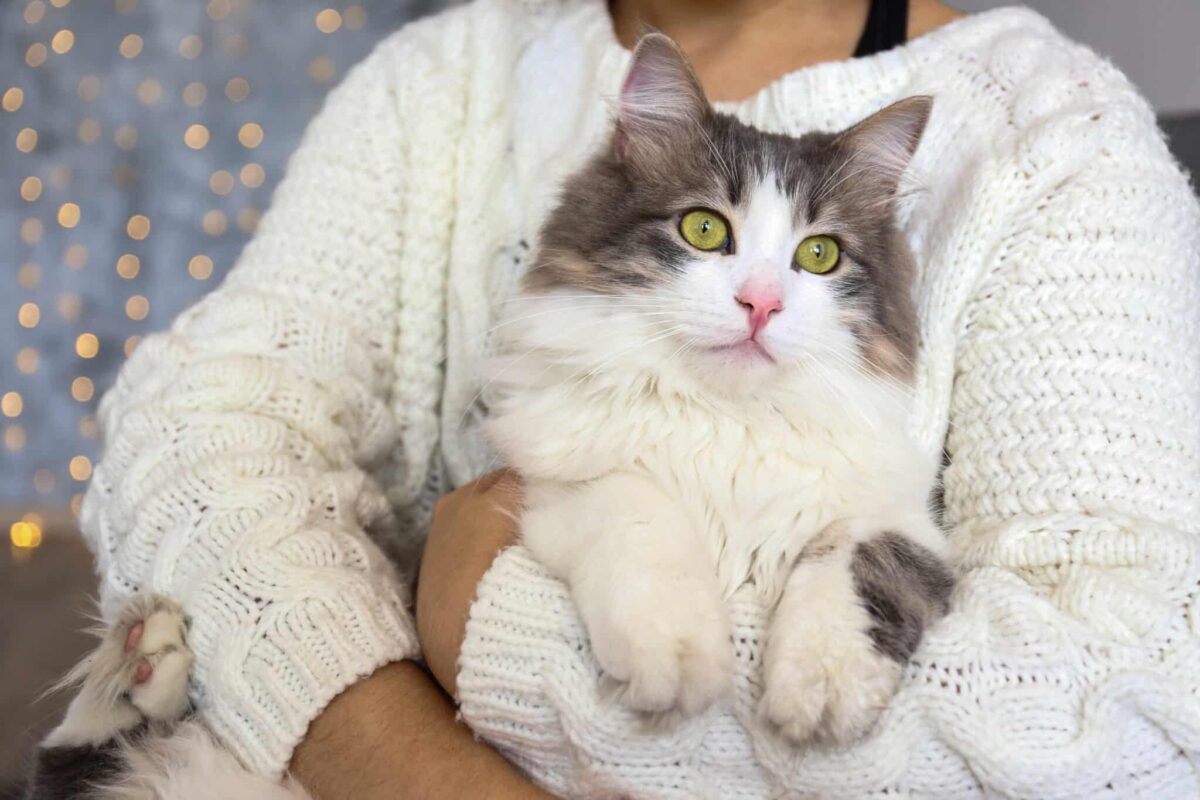
Ragamuffins are known for affectionate, people-oriented personalities and often enjoy staying close to their families. Their calm, easygoing nature can make the bedroom an appealing place to settle after the activity of the day. A Ragamuffin may curl beside a person’s legs, rest against their side, or quietly remain nearby for much of the night. Their plush coats and substantial size can make them especially cozy companions, although their individual preferences still determine whether they want direct contact. These cats generally appreciate companionship without needing constant stimulation, which can fit naturally into a household’s nighttime routine. For some Ragamuffins, bedtime is simply another opportunity to be near their people while enjoying a comfortable, familiar environment.
Devon Rex
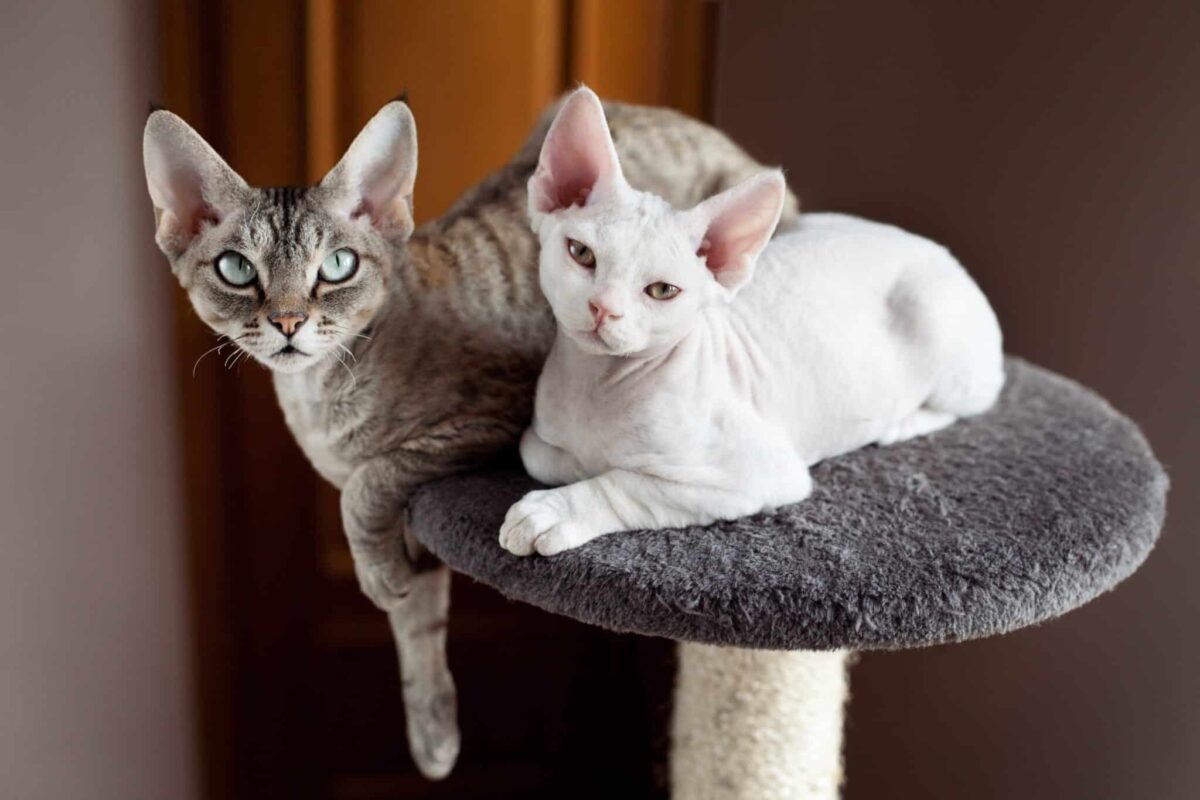
The Devon Rex brings a more playful energy to bedtime companionship. These cats are typically active, curious, and strongly interested in their people, often seeking warmth and interaction throughout the day. When the house settles down, a Devon Rex may climb onto the bed and find a warm spot beside a person. Their short, fine coat offers less insulation than the dense coats of many other breeds, so warmth can be particularly appealing. Some may burrow beneath blankets or curl close to a sleeping companion, provided they can move freely and safely. Their playful personalities also mean that a Devon Rex may interrupt bedtime with a burst of activity. Plenty of enrichment and play during waking hours can help make nighttime cuddling more likely to become a relaxing routine.
Siamese
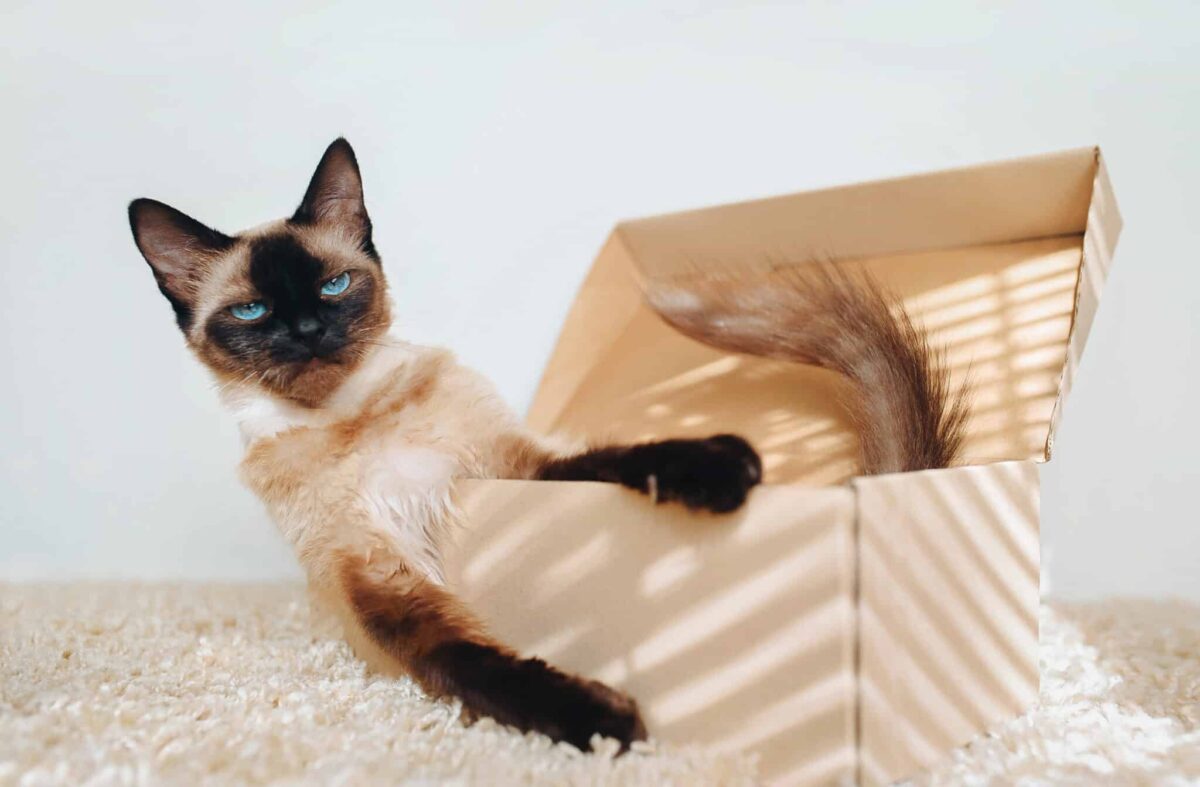
Siamese cats are famously social and communicative, and many enjoy being closely involved in their people’s daily lives. That strong social orientation can extend into the bedroom, where a Siamese may settle beside a person rather than choosing an isolated sleeping spot. Some enjoy curling against a body for warmth, while others simply want to remain close enough to interact or monitor what their person is doing. Their vocal nature can make bedtime a surprisingly conversational experience, particularly if they have learned that nighttime attention follows certain sounds or behaviors. Siamese cats are also active and intelligent, so they benefit from plenty of daytime play and enrichment. When their social and activity needs are met, nighttime can become a comfortable opportunity to stay physically and socially connected.
When Bedtime Becomes Their Favorite Social Ritual
A cat climbing onto the bed is not always a grand declaration of affection. Warmth, comfort, routine, security, and personal preference can all influence where they sleep. Breed tendencies may make some cats more inclined toward close companionship, but individual personality remains important. A cat sleeping at the foot of the bed may be just as connected as one curled against a shoulder. The best nighttime arrangement lets both cat and human rest peacefully. Settling nearby can become a comforting routine built on trust and companionship.
This content was created with AI assistance and edited by the iHeartCats team.