
Living with a cat sometimes feels like being a guest in someone else’s kingdom. The favorite chair belongs to them, bedroom doors must stay open, and dinner should arrive on schedule. Some cats insist on doing things their own way, showing off their independence, intelligence, and strong personalities. Certain breeds are especially known for being curious, confident, vocal, or stubborn enough to keep their humans guessing. Although every cat has a unique temperament, these breeds can make everyday household routines entertaining.
Siamese
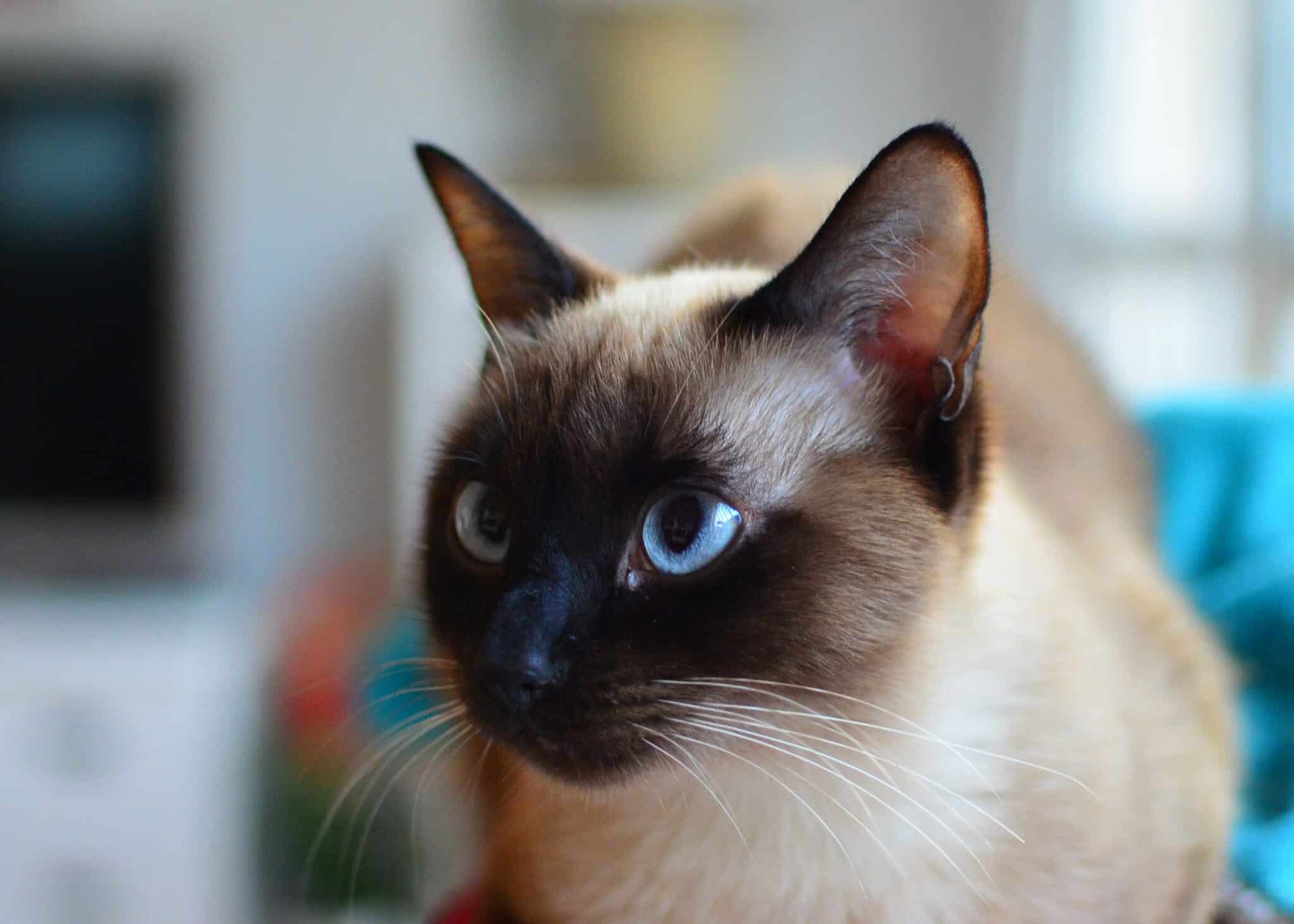
A Siamese Cat rarely seems content to watch household activities from the sidelines. Intelligent, social, and famously vocal, this breed often wants to participate in whatever their humans are doing. Cooking dinner, answering emails, or trying to enjoy a quiet moment can quickly become a group activity when a Siamese decides attention is overdue. Their strong communication skills can make their preferences difficult to ignore. A Siamese may call insistently when a routine changes, lead someone toward a favorite toy, or protest when a closed door separates them from the action. Their curiosity and problem-solving abilities can also help them discover how to open cupboards or reach interesting objects. These cats generally benefit from companionship, interactive play, and mental stimulation. Their house rules are often less about stubbornness and more about wanting engagement on their own terms.
Bengal
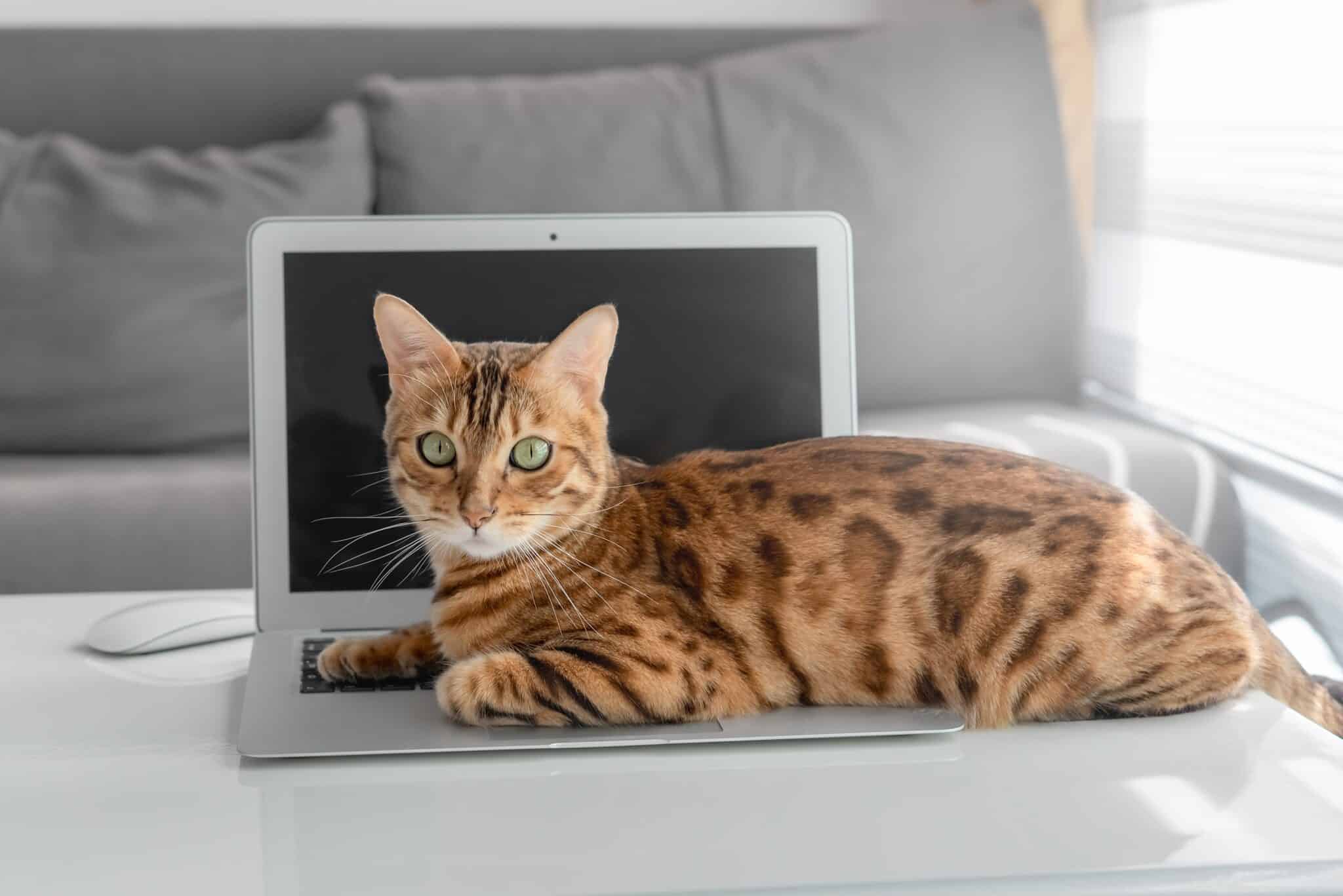
A Bengal Cat can transform an ordinary living room into an adventure course. With their athletic build, striking spotted or marbled coat, and high energy levels, Bengals are often eager to climb, investigate, chase, and explore. A carefully arranged decorative shelf may look like an irresistible climbing challenge rather than something to admire from below. Their intelligence and activity needs can also inspire some impressive mischief. A Bengal may learn to operate a lever-style door handle, investigate running faucets, or repeatedly return to a cabinet that once contained an interesting discovery. These behaviors reflect curiosity, learning, and a desire for stimulation rather than deliberate disobedience. Providing sturdy climbing structures, puzzle feeders, and interactive play can help channel their energy. Bengals tend to thrive when their environment offers plenty of opportunities to explore, giving their adventurous personalities appropriate places to take charge.
Maine Coon
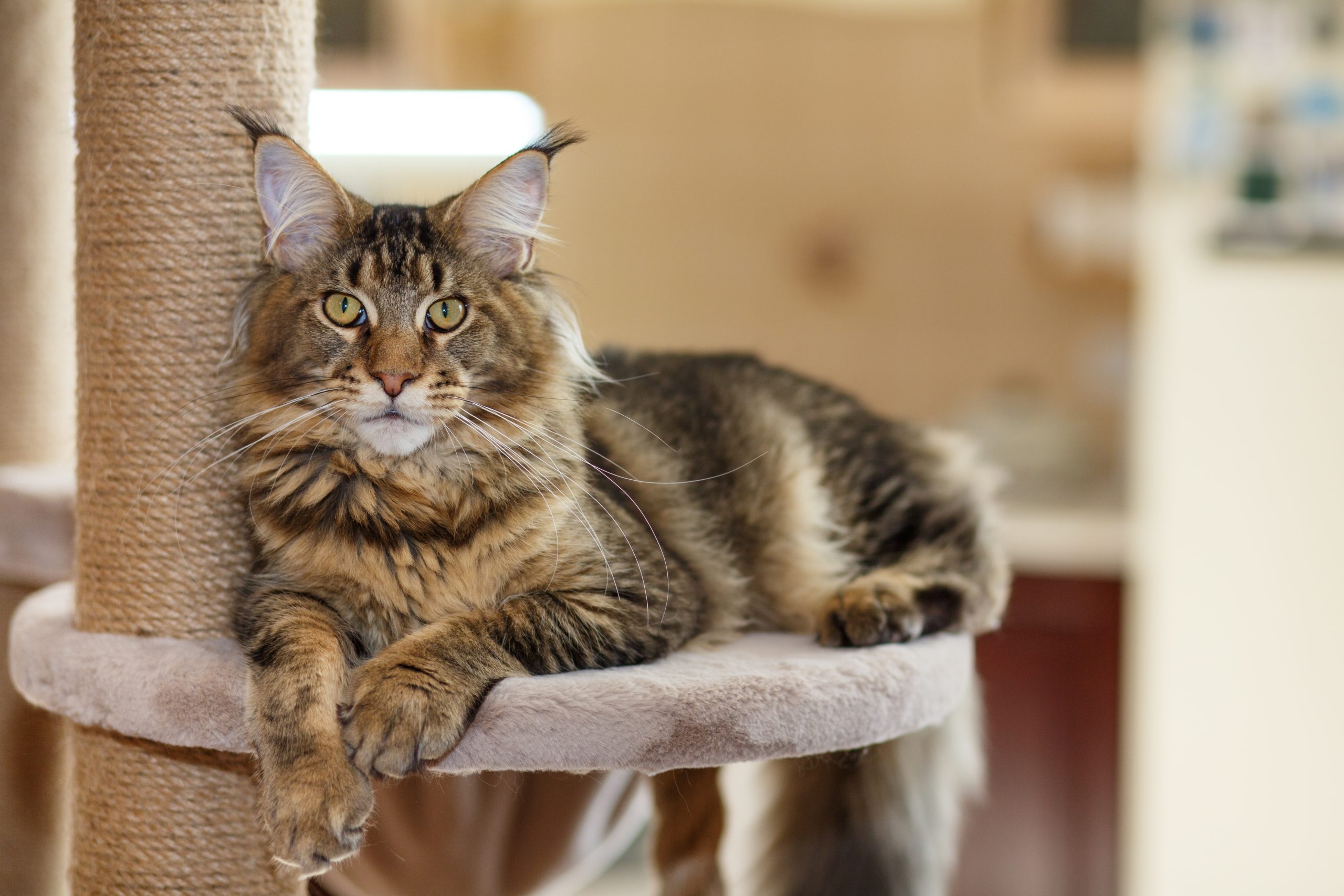
Maine Coons may be gentle giants, but their size and confidence can make them surprisingly influential household companions. These sociable cats often enjoy staying close to their people, following activities around the home, and investigating whatever has captured everyone’s attention. A Maine Coon may decide that the best seat in the house is the one currently occupied by someone else. Their intelligence and playful nature can also make them persistent about getting what they want. Some enjoy learning games, retrieving toys, or figuring out how to access interesting spaces. Their preferences can become familiar household routines, especially when humans consistently accommodate them. Despite their imposing appearance, Maine Coons are frequently described as easygoing and friendly. They are not necessarily demanding, but their confidence and presence can make their opinions hard to overlook. A spacious cat tree, regular play, and comfortable resting spots help satisfy their natural curiosity.
Burmese
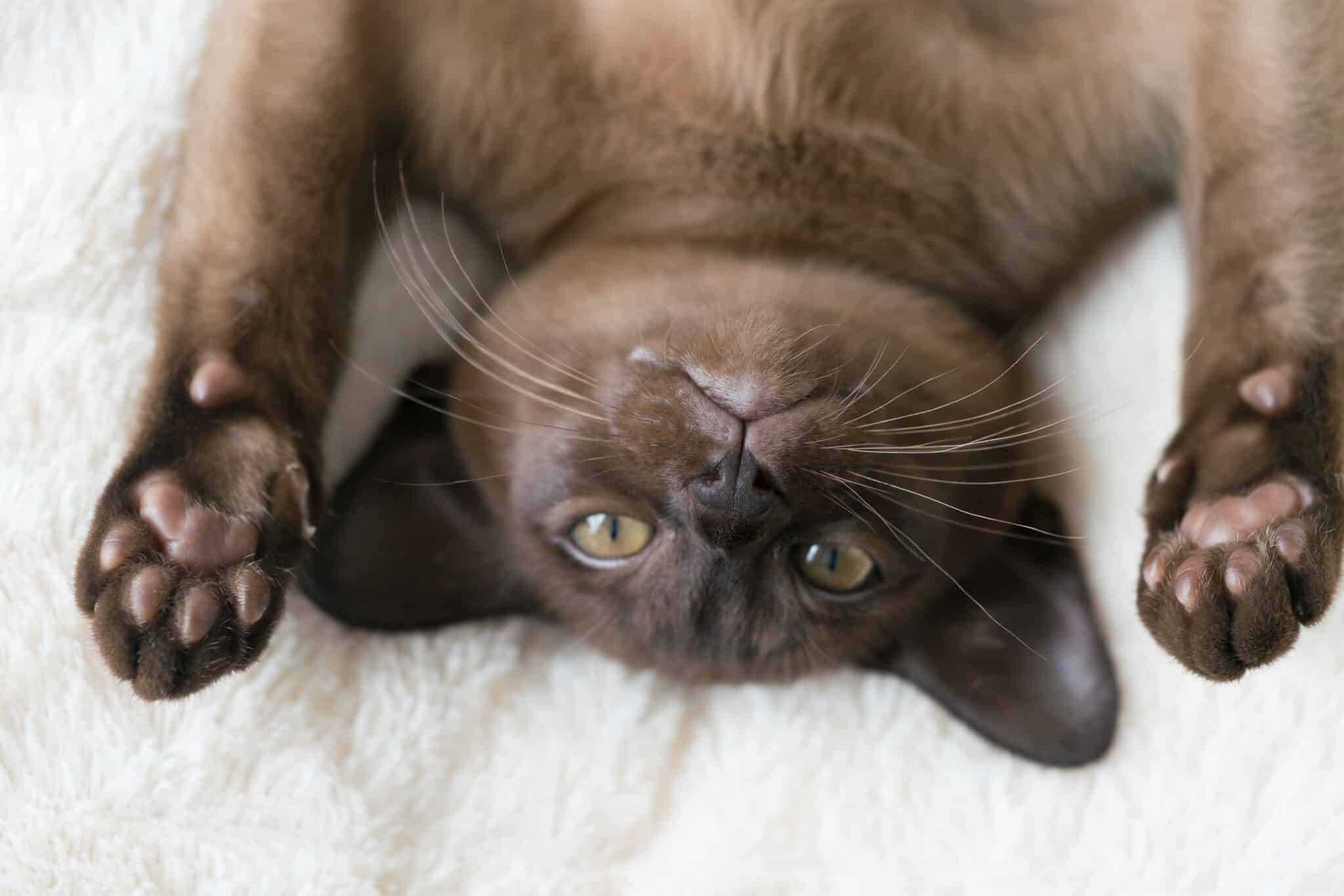
Burmese Cats are known for their affectionate, people-oriented personalities and their desire to remain involved in everyday life. For these cats, a human’s lap is not always an optional invitation. It can become the preferred meeting place for reading, working, watching television, or doing absolutely nothing. Their social nature may also lead them to seek attention when people are occupied elsewhere. A Burmese could climb onto a keyboard, nudge a hand away from a phone, or vocalize when a favorite person seems unusually unavailable. These behaviors often reflect a combination of social motivation, learned routines, and a preference for close company. Burmese Cats tend to enjoy interaction and mental engagement, making regular playtime particularly valuable. They generally do best when they receive plenty of attention without having to compete with household activities for every moment of it. Their personal house rules often revolve around togetherness.
Sphynx
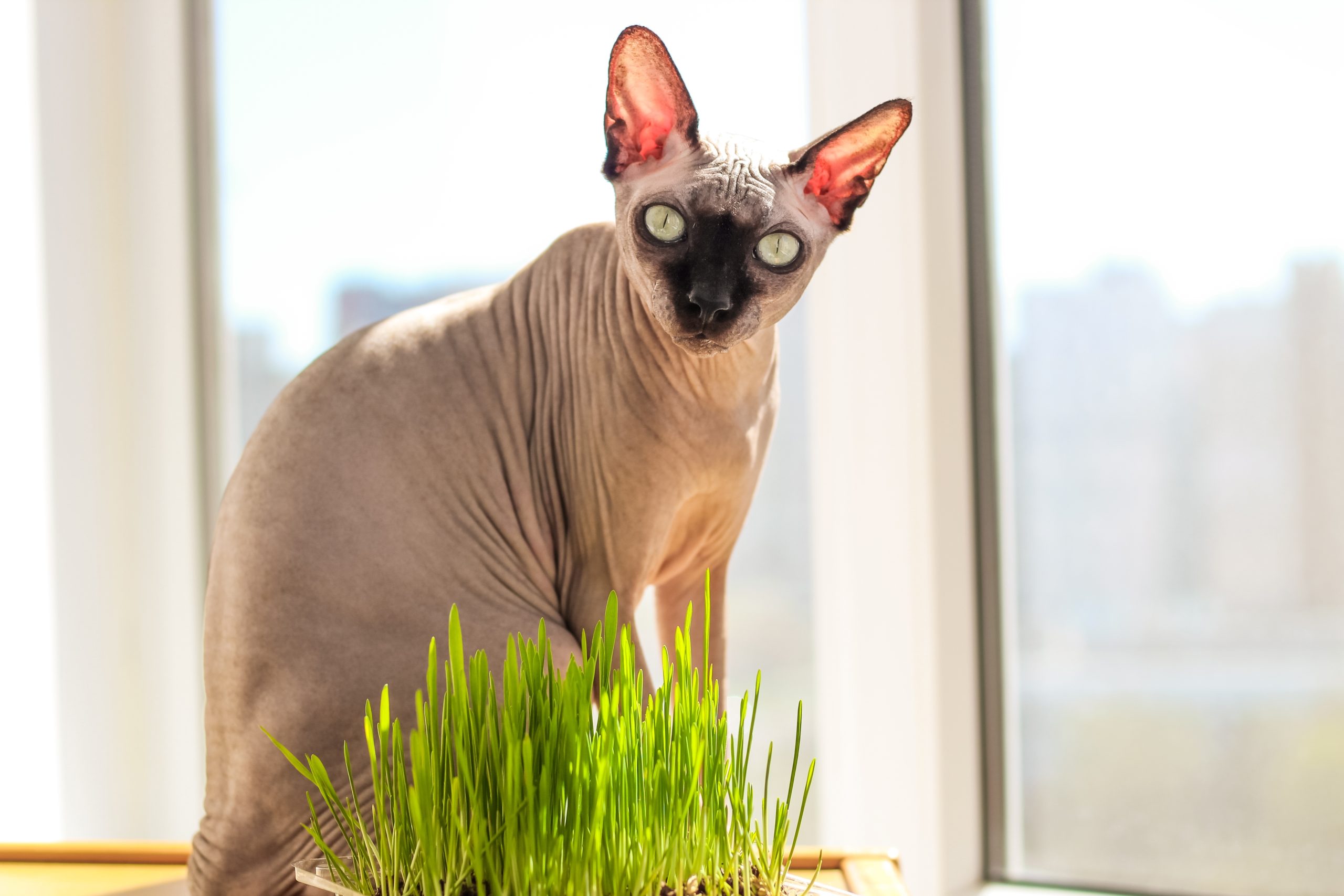
The Sphynx may be famous for its nearly hairless appearance, but its personality can be just as attention-grabbing. These cats are often energetic, curious, and strongly interested in human companionship. Their preference for warm places can also influence where they choose to spend their time, whether that means a sunny windowsill, a cozy blanket, or a warm lap. A Sphynx may decide that a person’s chest is the ideal afternoon resting spot, even when that person has other plans. They may also investigate bags, climb onto furniture, or follow household members from room to room. Warmth, curiosity, and social interaction can all contribute to these habits. Because they have little insulating fur, comfortable resting areas and a warm indoor environment are especially important. Their busy minds also benefit from toys and interactive games. With a Sphynx, comfort and companionship can become the two most important household policies.
Scottish Fold
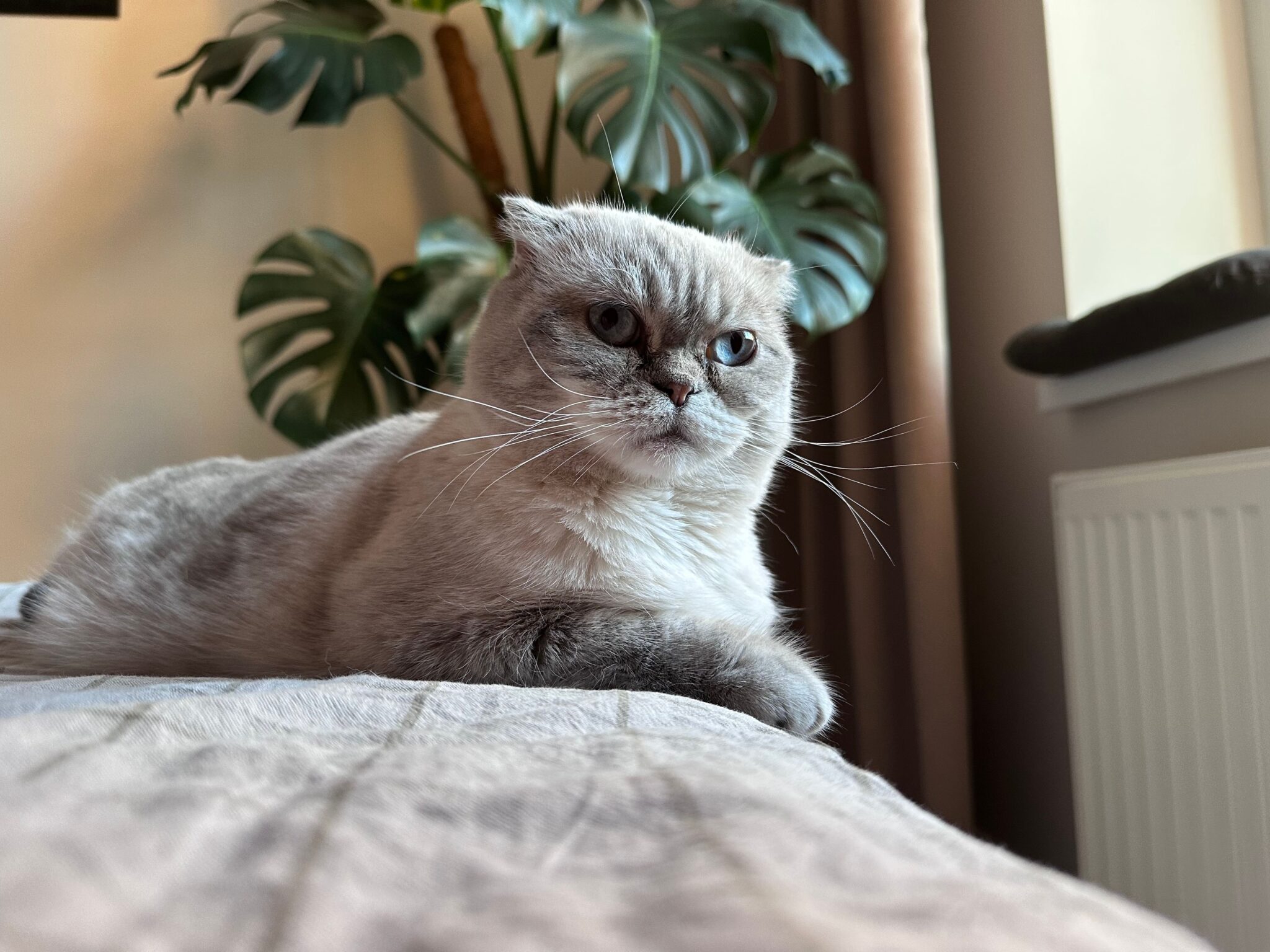
Scottish Folds are recognizable for their folded ears, rounded faces, and expressive eyes. Many have calm, people-friendly temperaments, but their quiet appearance does not mean they lack strong preferences. A Scottish Fold may develop a favorite sleeping spot, insist on a familiar daily routine, or settle directly in the middle of an activity because that is where they feel most comfortable. These cats can be observant and curious without being as relentlessly energetic as some other breeds. They may prefer to supervise from a favored chair or remain nearby while their humans move through the house. Once a particular arrangement becomes familiar, changing it may meet with a very unimpressed stare. Their behavior reflects individual personality, environmental comfort, and learned routines rather than a universal breed trait. Prospective owners should also know that the gene responsible for folded ears is associated with painful cartilage and bone disease. Choosing a cat responsibly and prioritizing veterinary care are essential.
Abyssinian
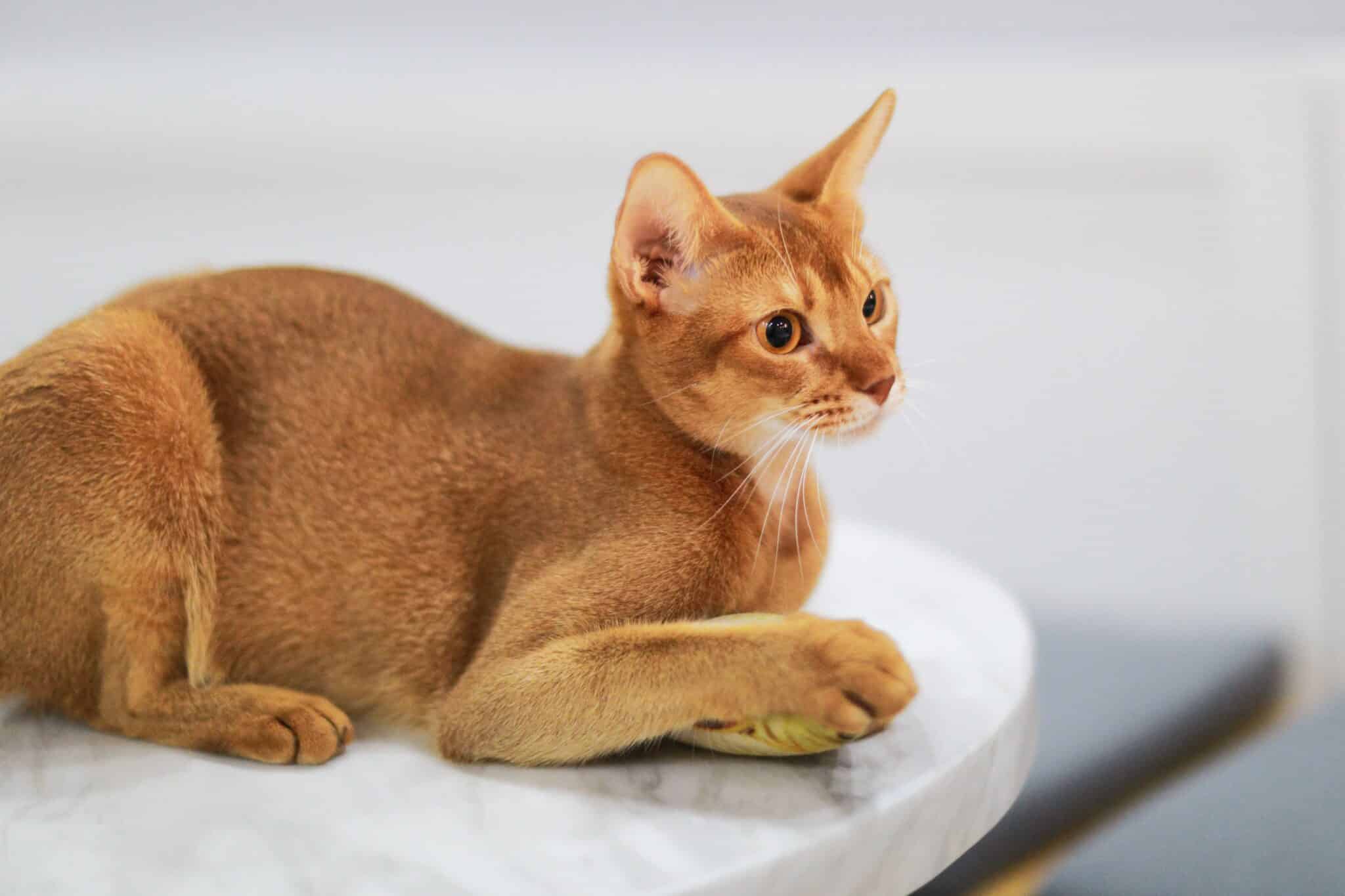
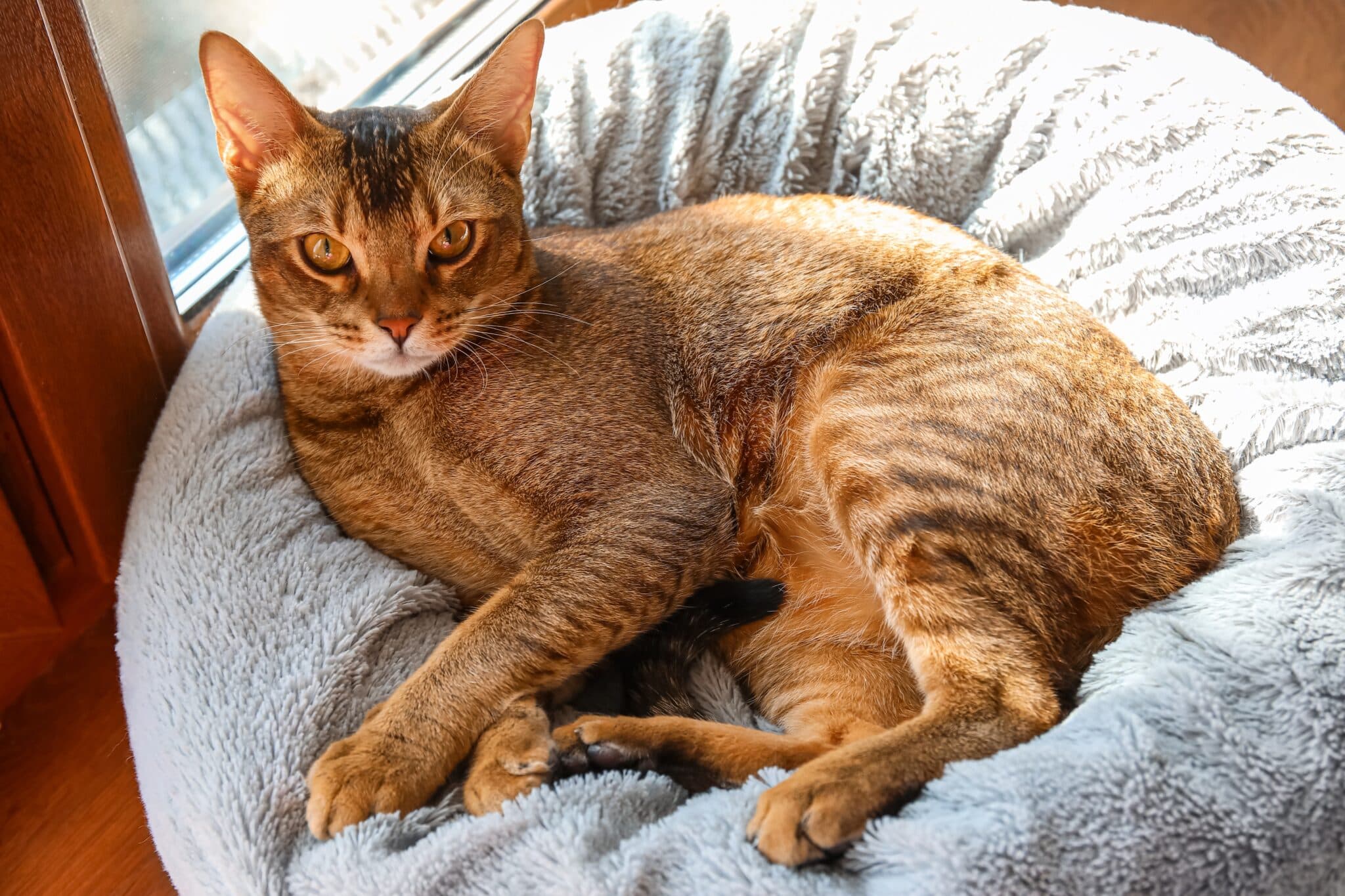
Abyssinians are active, curious cats that often prefer participating in household life over quietly observing it. Their athletic bodies and interest in exploration can make high shelves, climbing towers, and window perches particularly appealing. If something interesting is happening above floor level, an Abyssinian may be determined to investigate it personally. Their intelligence also makes them enthusiastic problem-solvers. They may learn where treats are stored, discover the most effective way to attract attention, or return repeatedly to an object that moves in an intriguing way. Simply providing a few toys may not be enough to satisfy a cat that enjoys challenges and exploration. Abyssinians generally benefit from climbing opportunities, rotating toys, and interactive games that engage their natural hunting instincts. Their version of household management often involves ensuring that nothing interesting goes unexplored. A bored Abyssinian may invent their own entertainment, sometimes at the expense of a neatly organized home.
Turkish Angora
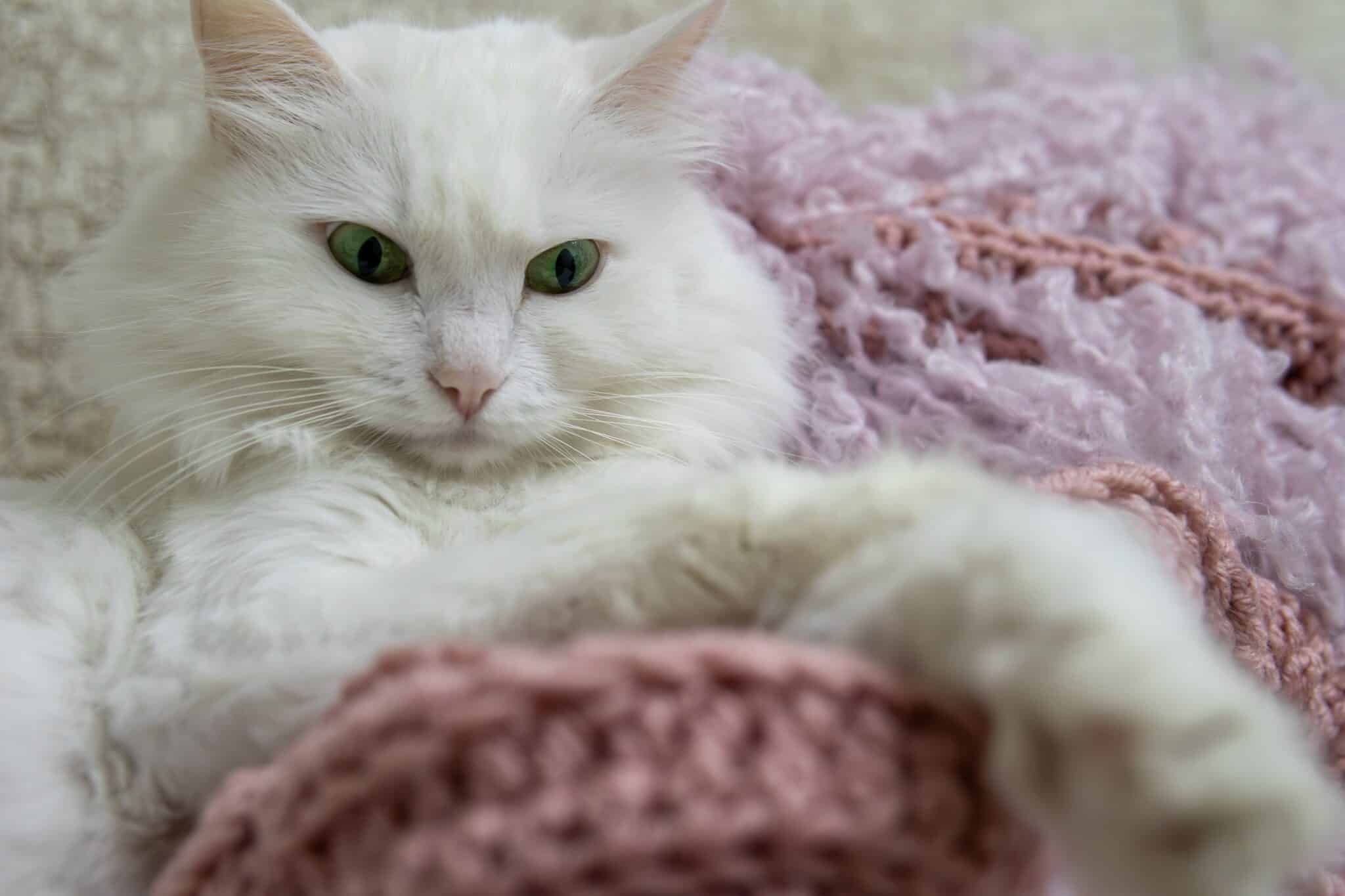
Elegant and athletic, the Turkish Angora often combines a graceful appearance with a lively, confident personality. These cats can be playful, inquisitive, and eager to investigate their surroundings. A high perch, an open cupboard, or a newly introduced household object may quickly become the focus of their attention. Turkish Angoras are frequently described as intelligent and active, qualities that can make them persistent when pursuing something interesting. They may seek elevated resting places, follow their favorite people, or try to join activities that seem off-limits. Their interest in interaction does not necessarily mean they want constant handling, however. Many cats prefer to choose when and how contact happens. Providing opportunities to climb, chase toys, and explore safely can help satisfy their natural curiosity. Their house rules may change with the day’s latest discovery, but an engaging environment gives their energy somewhere constructive to go.
Oriental Shorthair
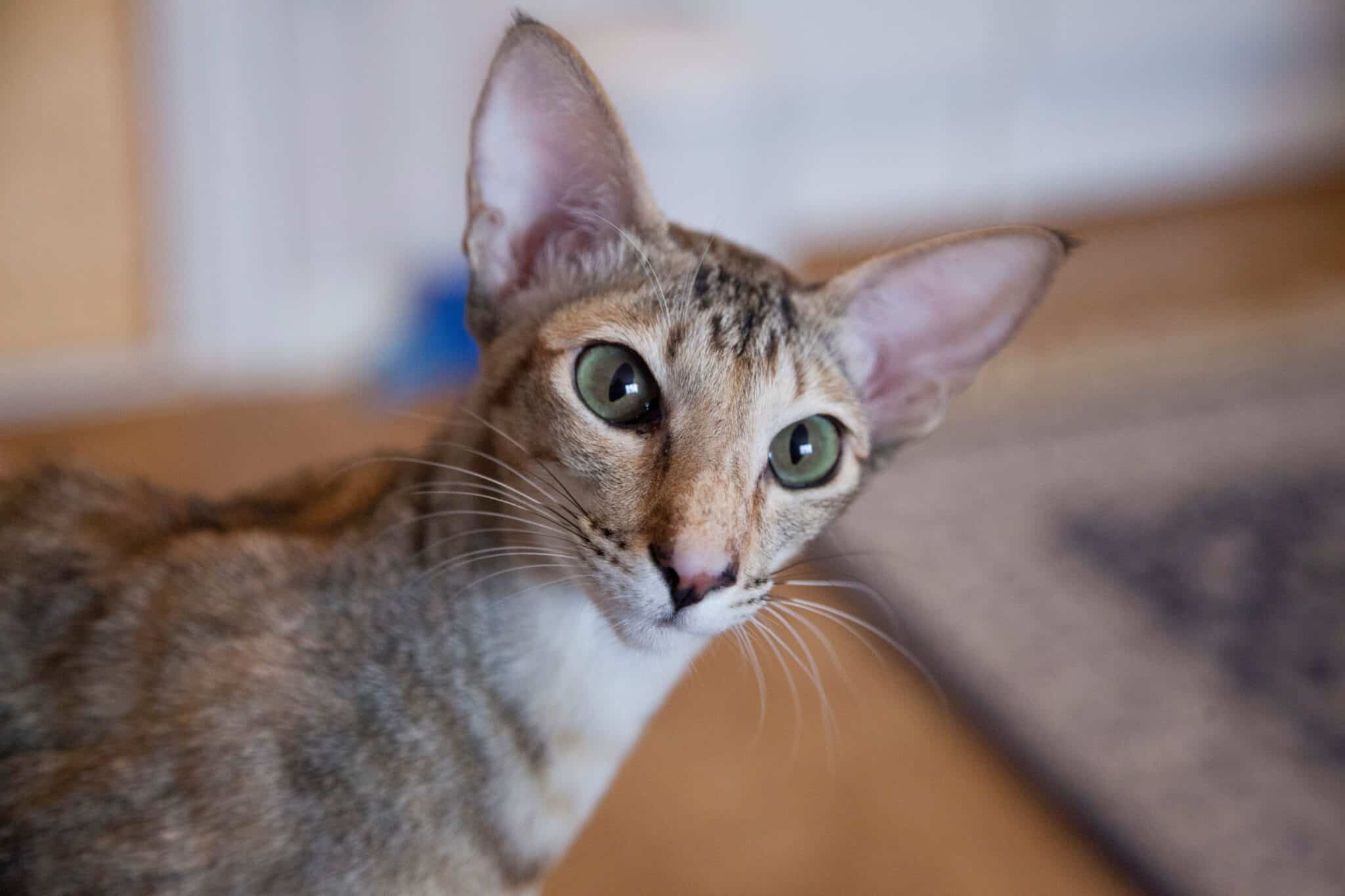
Oriental Shorthairs are known for their sleek appearance, large ears, intelligence, and expressive personalities. Closely related to Siamese Cats, they are often sociable and vocal, with a strong interest in communicating with their people. Silence is not always their preferred way to make a request. An Oriental Shorthair may announce that breakfast is late, complain when a door closes, or follow someone around while providing a running commentary. Their curiosity can also lead them to investigate cupboards, inspect shopping bags, and explore anything new in the home. When a behavior produces attention or access to something desirable, they may learn to repeat it. These cats generally appreciate companionship and regular mental stimulation. Puzzle toys, interactive play, and predictable social time can help keep them engaged. Their house rules often center on communication, participation, and making sure their preferences are noticed.
Cornish Rex
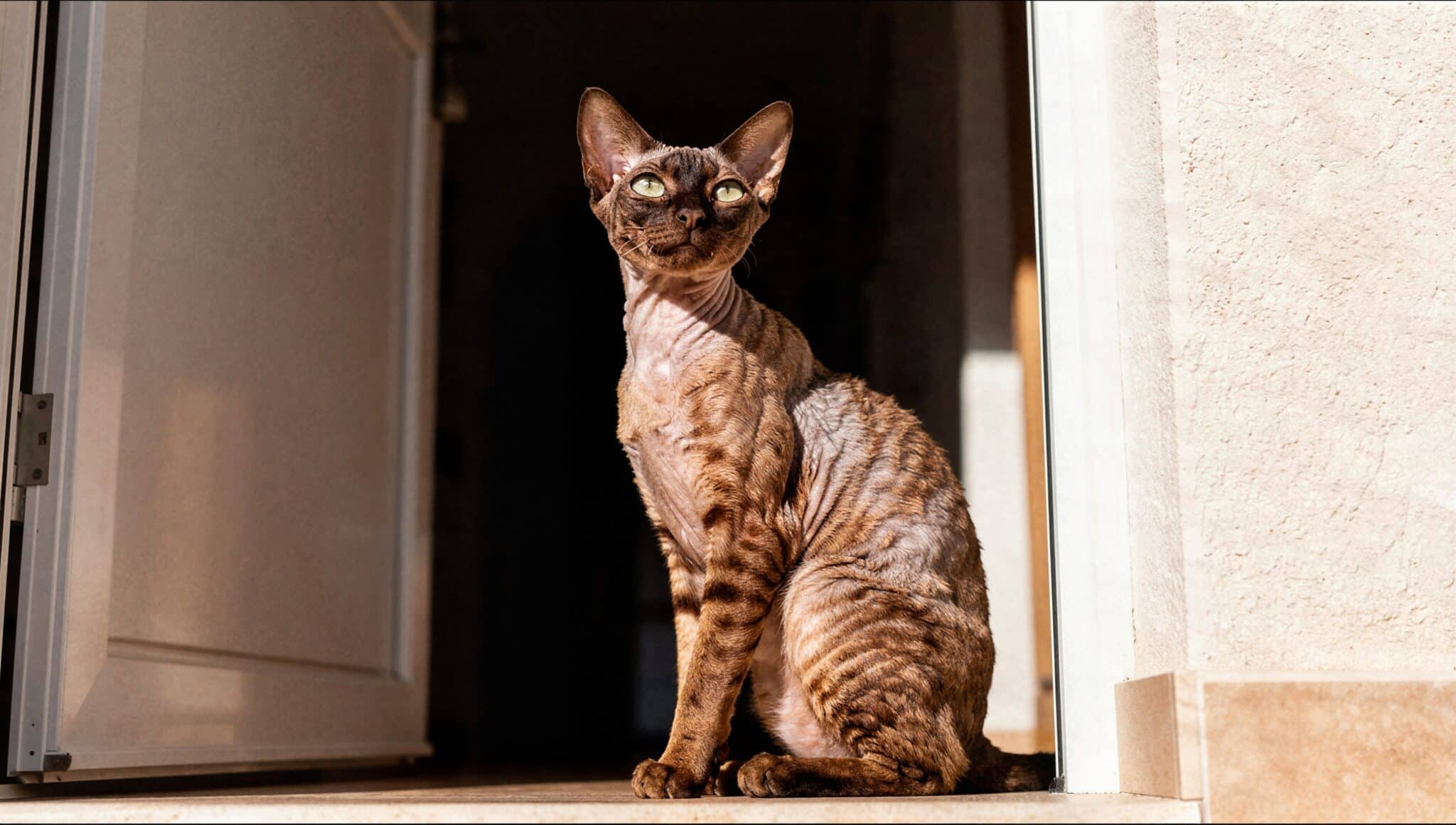
The Cornish Rex has a distinctive wavy coat, long legs, and an energetic personality that can make ordinary household boundaries seem like interesting suggestions. These cats are often playful, agile, and eager to investigate their surroundings. A bookshelf or the top of a cabinet may be much more appealing than the perfectly comfortable bed provided on the floor. Their athleticism and curiosity can encourage them to leap between surfaces, chase toys through the house, or join activities that were supposed to happen without feline assistance. Many also enjoy social interaction, making it common for them to seek out people rather than entertain themselves all day. Cornish Rex Cats benefit from active play sessions, safe climbing spaces, and engaging toys. Their enthusiasm is easier to manage when they have appropriate outlets for it. Giving them approved places to jump and explore can preserve household peace without dampening their spirited personalities.
Turkish Van
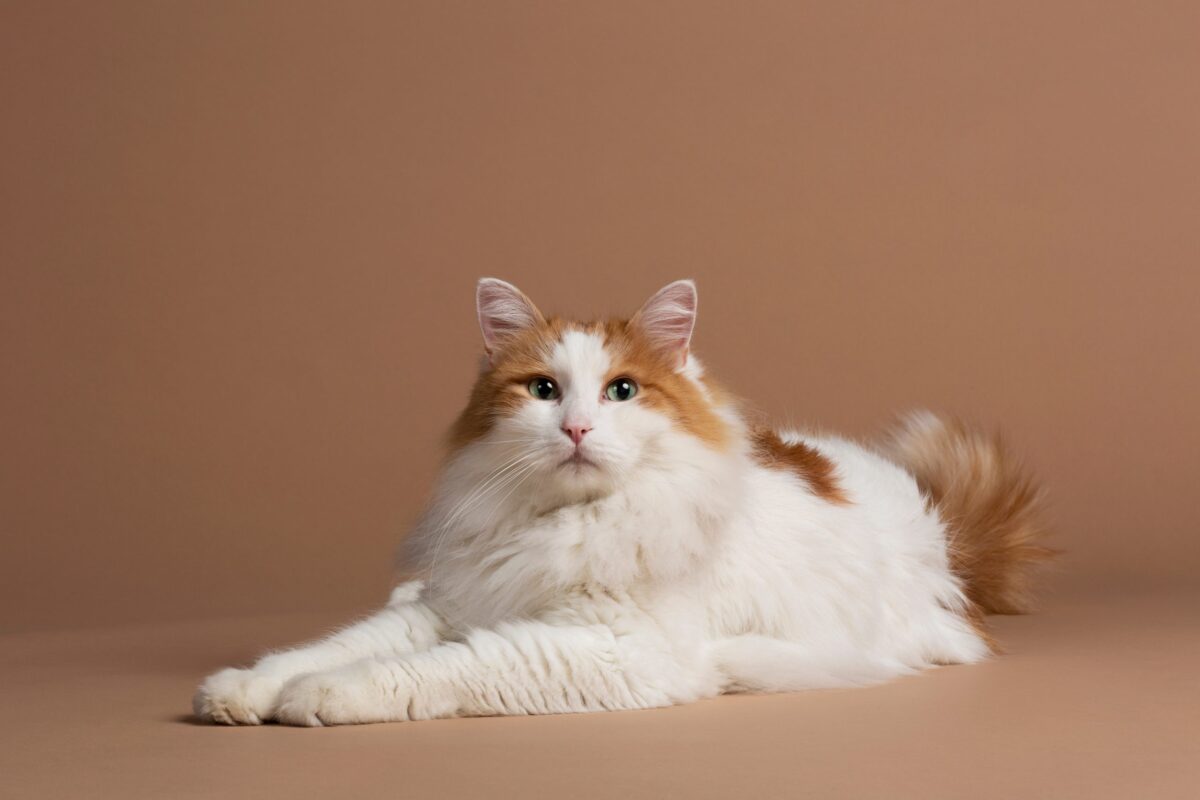
The Turkish Van is an athletic, energetic breed with a reputation for curiosity and an unusual interest in water compared with many other cats. Individual preferences vary, but some Turkish Vans enjoy investigating dripping faucets, splashing in shallow water, or watching the movement of water in a sink. A bathroom visit can become an impromptu inspection if an interesting sound catches their attention. Their confidence and physical abilities can also encourage climbing and exploration. They may seek elevated viewpoints, investigate newly opened doors, or insist on examining objects that have appeared in familiar spaces. These tendencies can make the home feel like a place that always needs one more inspection. Turkish Vans benefit from active play and opportunities to explore safely. Secure windows, stable climbing structures, and supervised access to water can help accommodate their adventurous side. Their house rules often revolve around curiosity and the freedom to investigate whatever has caught their eye.
Living With A Cat Who Has Their Own Rulebook
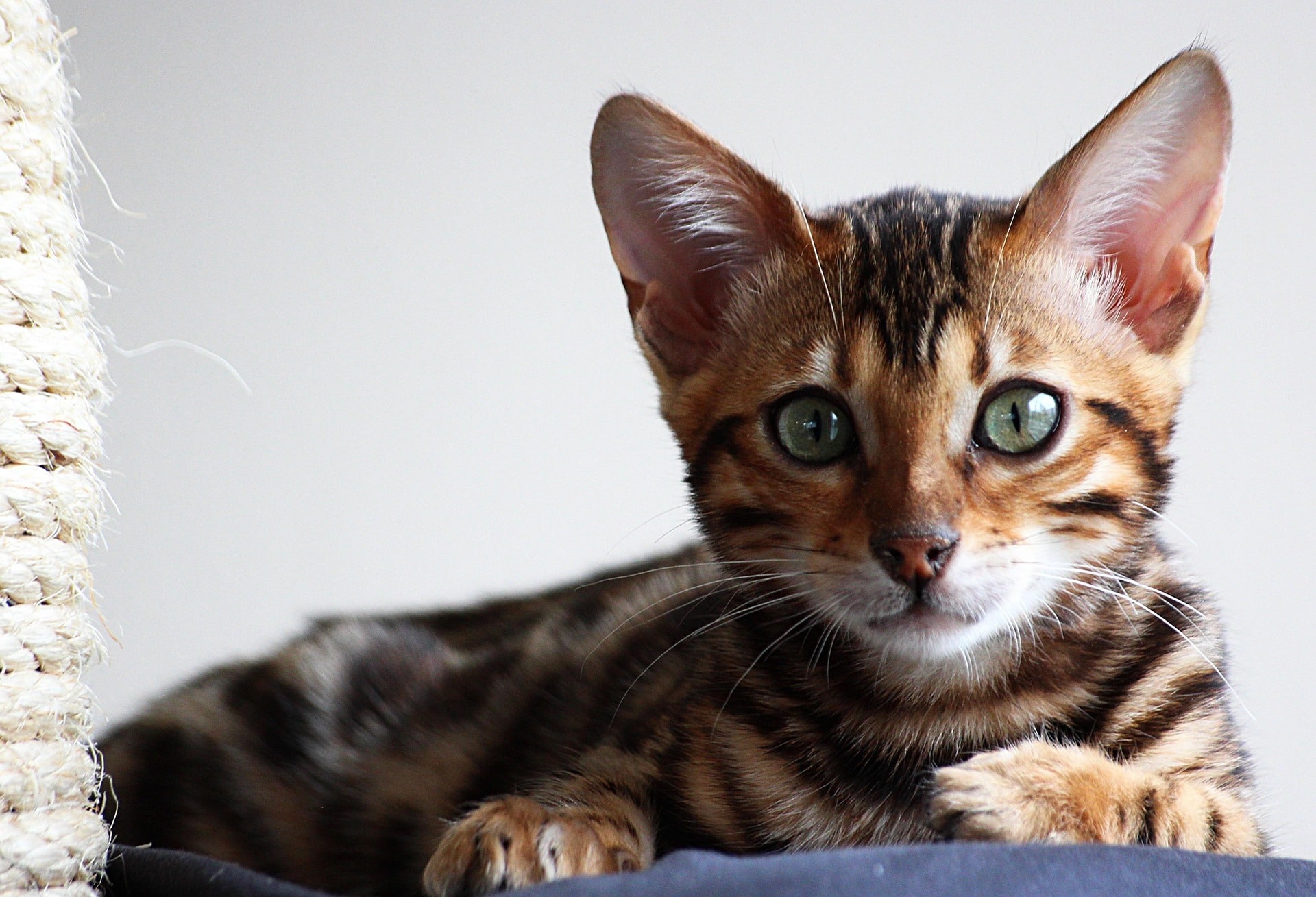
Sharing a home with a confident cat means learning that cooperation works better than controlling every habit. A favorite sleeping spot, familiar routine, or determination to investigate closed doors often reflects instinct, intelligence, comfort, and personality. Breed tendencies offer clues, but every cat is different, even littermates. Providing enrichment, maintaining predictable routines, and respecting a cat’s choices can make household life easier. With patience, interactive play, and suitable spaces to explore, even the most opinionated cat can thrive while making everyday life more entertaining for everyone.
This content was created with AI assistance and edited by the iHeartCats team.