
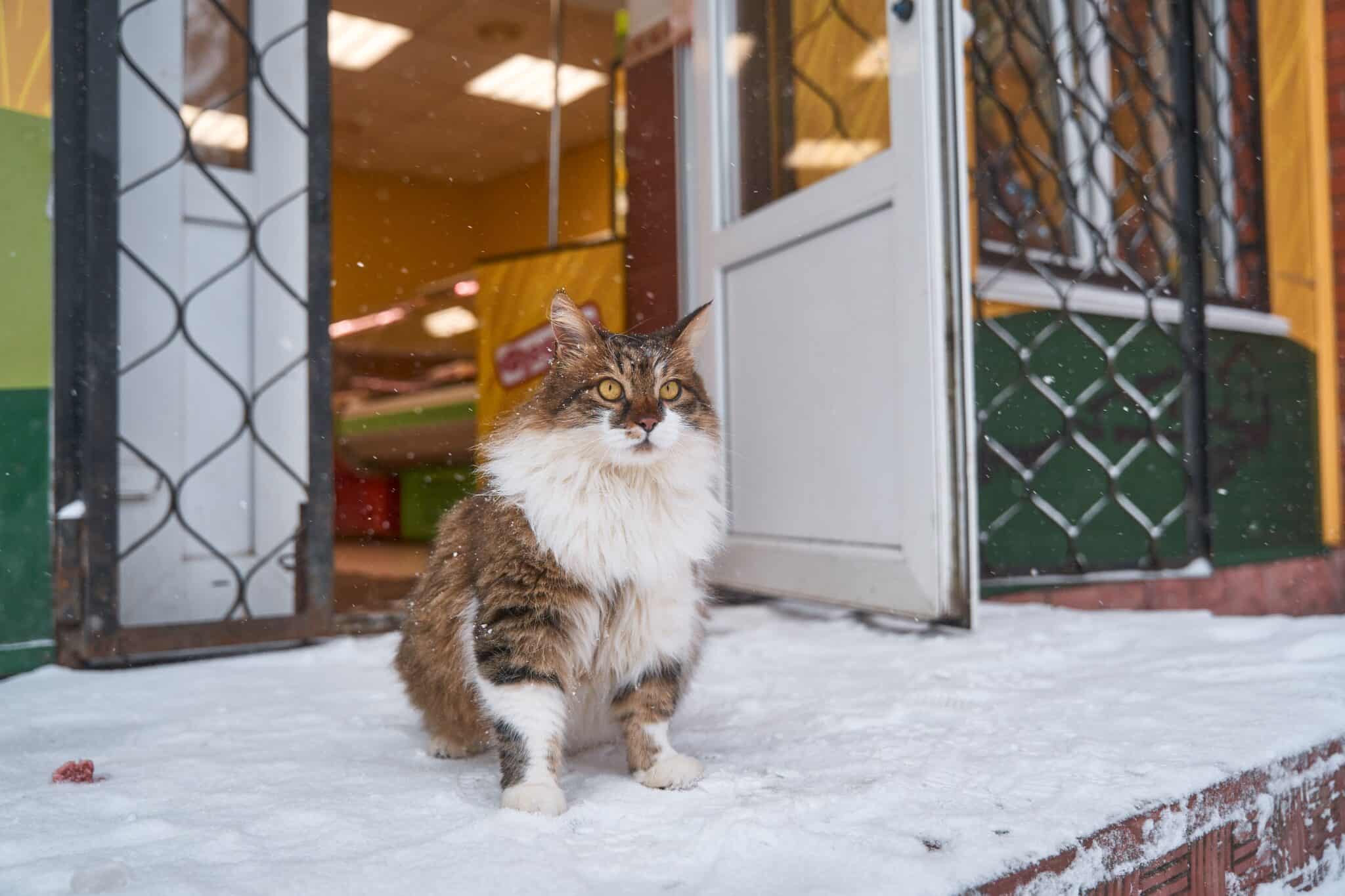
Coming home to a cat waiting by the door can make any day brighter. Some cats rush over with raised tails, excited chirps, and affectionate rubs, while others offer quieter welcomes from nearby spots. Although every cat has a unique personality, certain breeds are especially known for their sociable, people-oriented nature. Their greetings may reflect affection, curiosity, familiar routines, or anticipation of dinner and playtime. From chatty companions to gentle observers, these cats make homecomings feel extra special, reminding families of the beautiful bond they share with their beloved pets.
Siamese
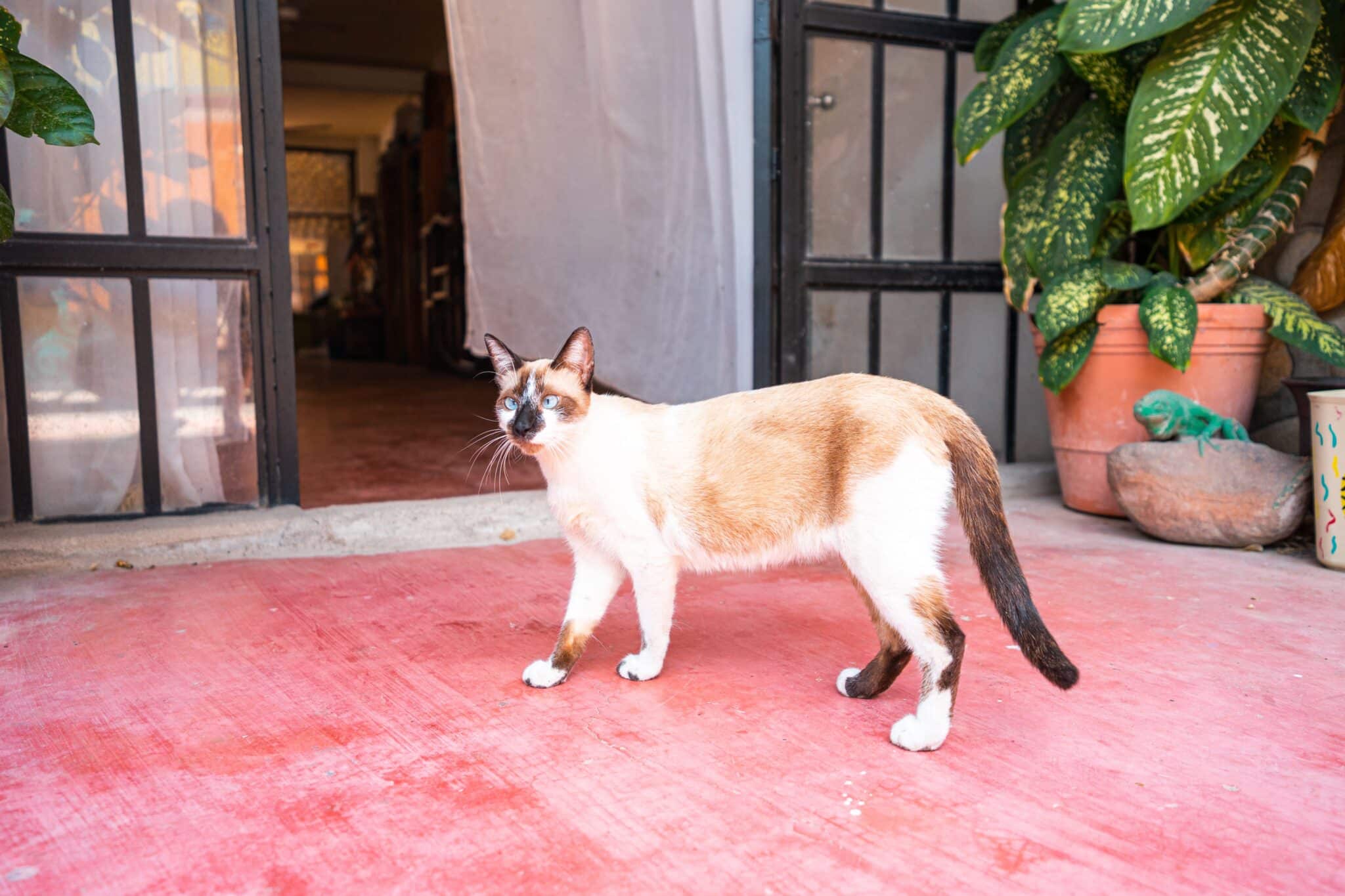
Siamese cats are famous for their vocal personalities and strong interest in their human companions. When someone returns home, a Siamese may rush over with an enthusiastic series of meows, chirps, or other distinctive sounds. Their greetings can feel like a conversation, especially when they continue vocalizing while weaving around their person’s legs. This breed thrives on social interaction and mental stimulation, so a returning family member offers an opportunity to reconnect after time apart. Siamese cats also learn household routines quickly. If coming home usually leads to playtime, petting, or dinner, they may become eager to participate in the familiar ritual. Their outgoing nature makes them particularly likely to seek attention at the entrance, although individual personalities vary. Siamese cats generally do best with people who can provide plenty of companionship, interactive play, and opportunities to engage their clever minds.
Maine Coon
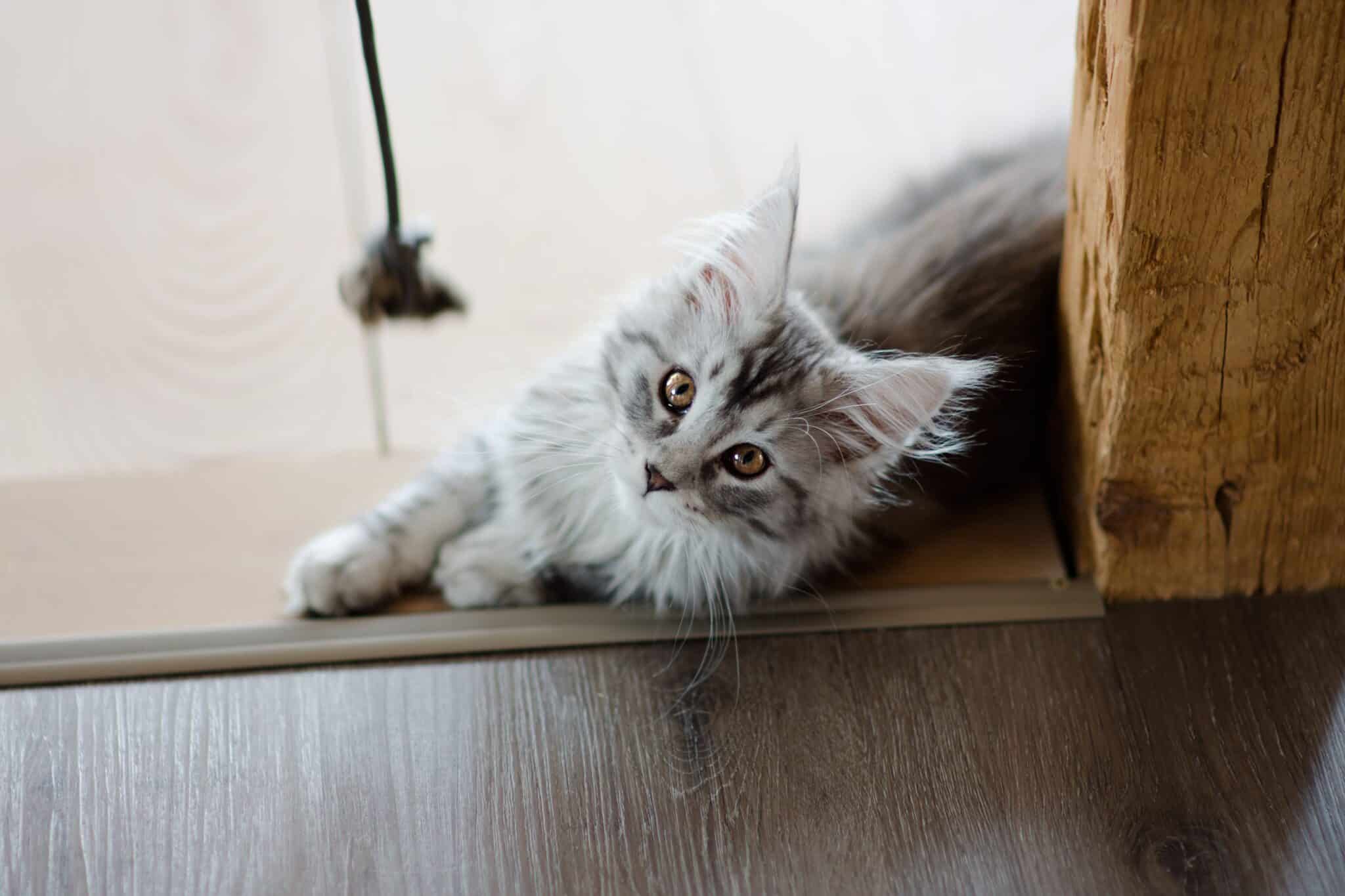
Despite their impressive size and rugged appearance, Maine Coons are often friendly, sociable cats who enjoy being involved in family life. A Maine Coon greeting may involve trotting toward the entrance, raising their magnificent tail, or producing a soft chirp when a familiar person walks through the door. Unlike particularly vocal breeds, Maine Coons frequently communicate with gentle trills and chirps rather than constant meowing. Their greeting style may be enthusiastic without being demanding. Some approach for a quick head rub before following their person into another room, while others prefer to supervise the arrival of shopping bags and shoes. Their curious, people-oriented nature helps explain why they may want to investigate every homecoming. Maine Coons can also form strong attachments to household routines, learning when family members typically arrive. Regular play, climbing opportunities, and social interaction help keep these intelligent cats content.
Ragdoll
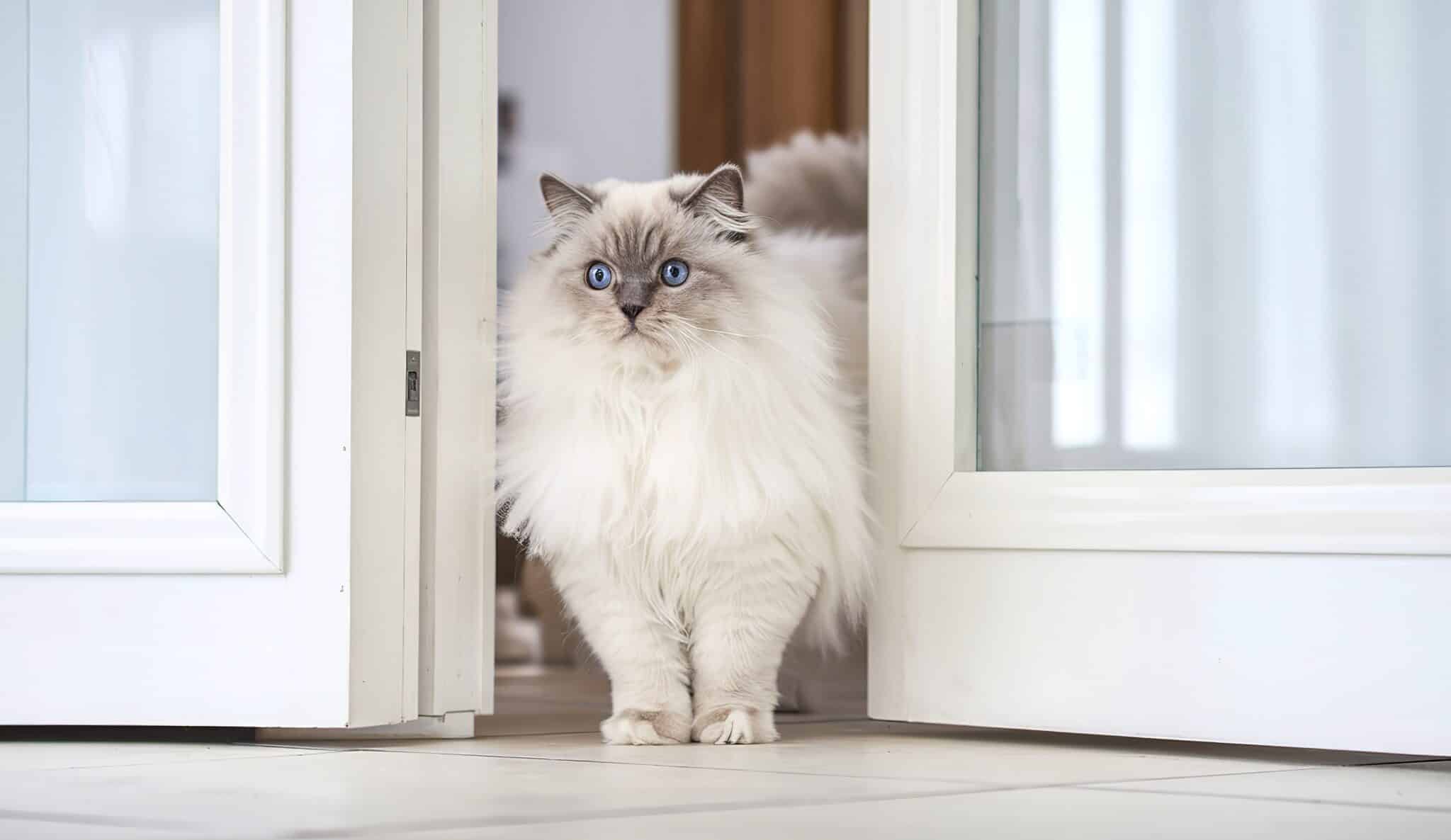
Ragdolls are well known for their gentle temperaments and enjoyment of human company. Rather than greeting someone with a flurry of loud meows, many approach calmly, rub against their person’s legs, or follow them inside while waiting for an opportunity to settle nearby. Their relaxed personalities can make their homecomings especially sweet. A Ragdoll may wander over when they hear a familiar voice, stretch toward an offered hand, or follow their owner to the sofa for some quiet companionship. These behaviors can reflect familiarity and social attachment, particularly when the cat regularly seeks out the same person. Ragdolls are not necessarily passive or sleepy all the time. They still enjoy interactive toys, exploration, and attention. Because many appreciate predictable companionship, they may notice when someone has been away longer than usual. A welcoming greeting can become one of their favorite daily routines, especially when it leads to gentle interaction.
Burmese
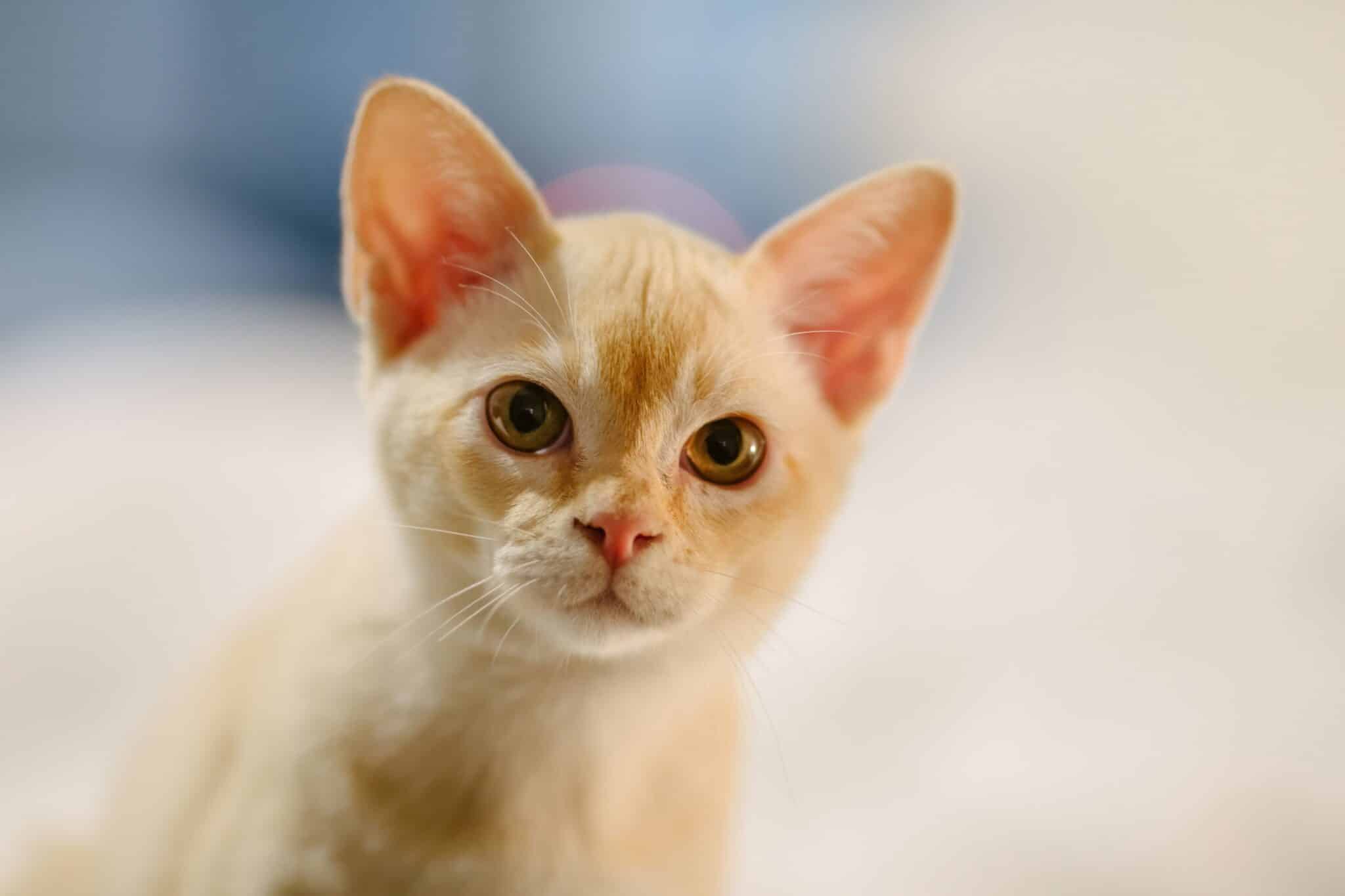
Burmese cats are often exceptionally people-focused, making them strong candidates for enthusiastic door greetings. When a familiar person arrives, a Burmese may hurry over, rub against their ankles, or vocalize until they receive attention. Their affectionate personalities often extend beyond brief greetings, with many eager to remain involved in whatever happens next. This breed tends to enjoy interactive companionship rather than spending long stretches without stimulation. A returning family member brings fresh opportunities for play, conversation, and exploration. Burmese cats are also intelligent and observant, so they can quickly learn the sounds associated with someone’s arrival, including footsteps, keys, or a familiar vehicle. Their short, glossy coats are easy to maintain, but their social needs deserve particular consideration. Regular play sessions and meaningful interaction can help prevent boredom. For households seeking a lively companion who is likely to notice when someone comes home, the Burmese can be a wonderful match.
Abyssinian
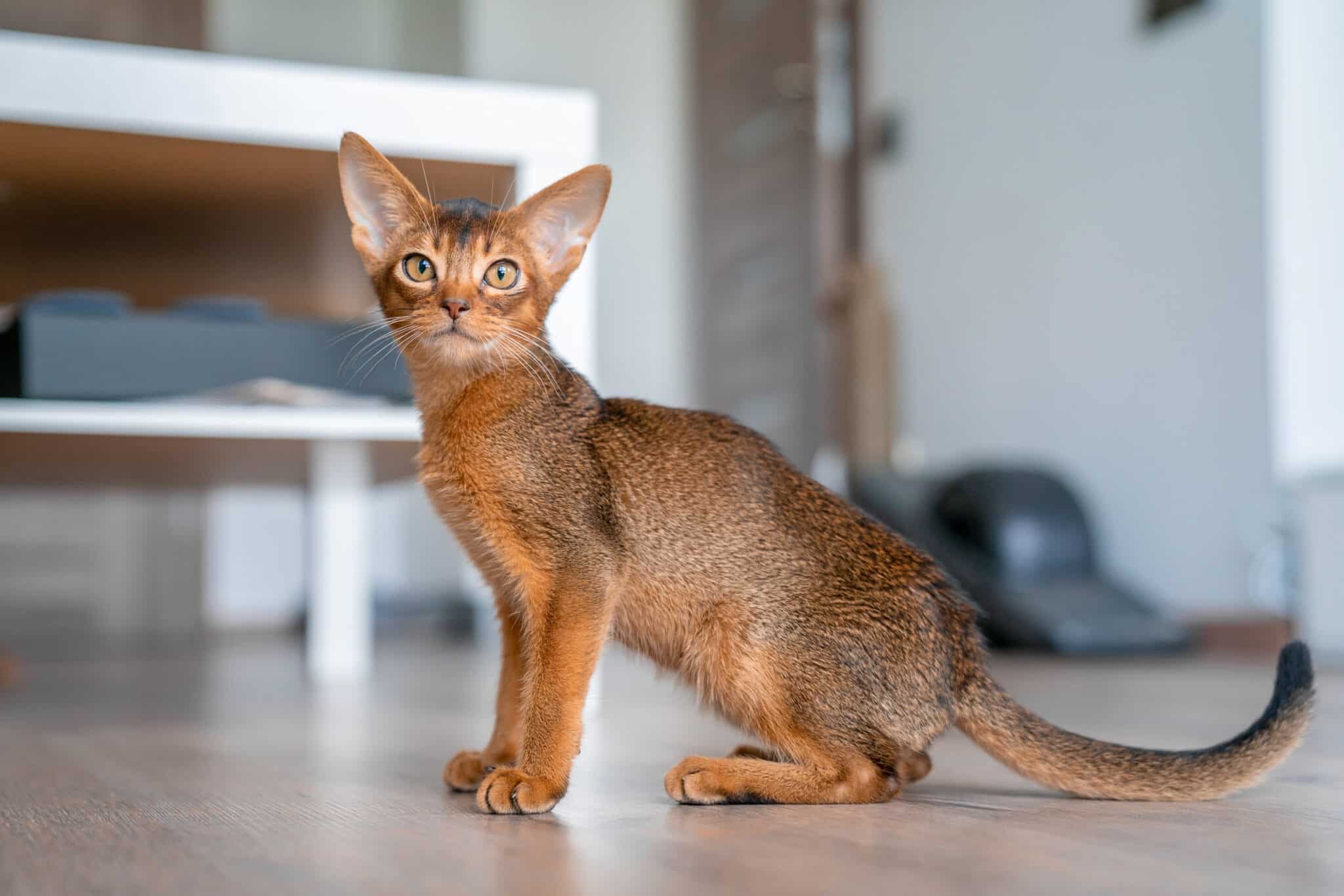
Abyssinians are curious, athletic cats who like to keep track of their surroundings. When a person comes home, an Abyssinian may appear quickly to investigate the commotion, inspect their belongings, or follow them into the next room. Their greeting may look more like an energetic inspection than a request for cuddles. This breed is known for its intelligence and active nature. New sounds, moving objects, and changes in the household environment can capture an Abyssinian’s attention immediately. A returning person brings all three, making the entrance an interesting place to investigate. Abyssinians often prefer interactive activities over prolonged periods of lounging. They may greet their person before darting toward a favorite climbing spot or presenting a toy for a game.
Scottish Fold
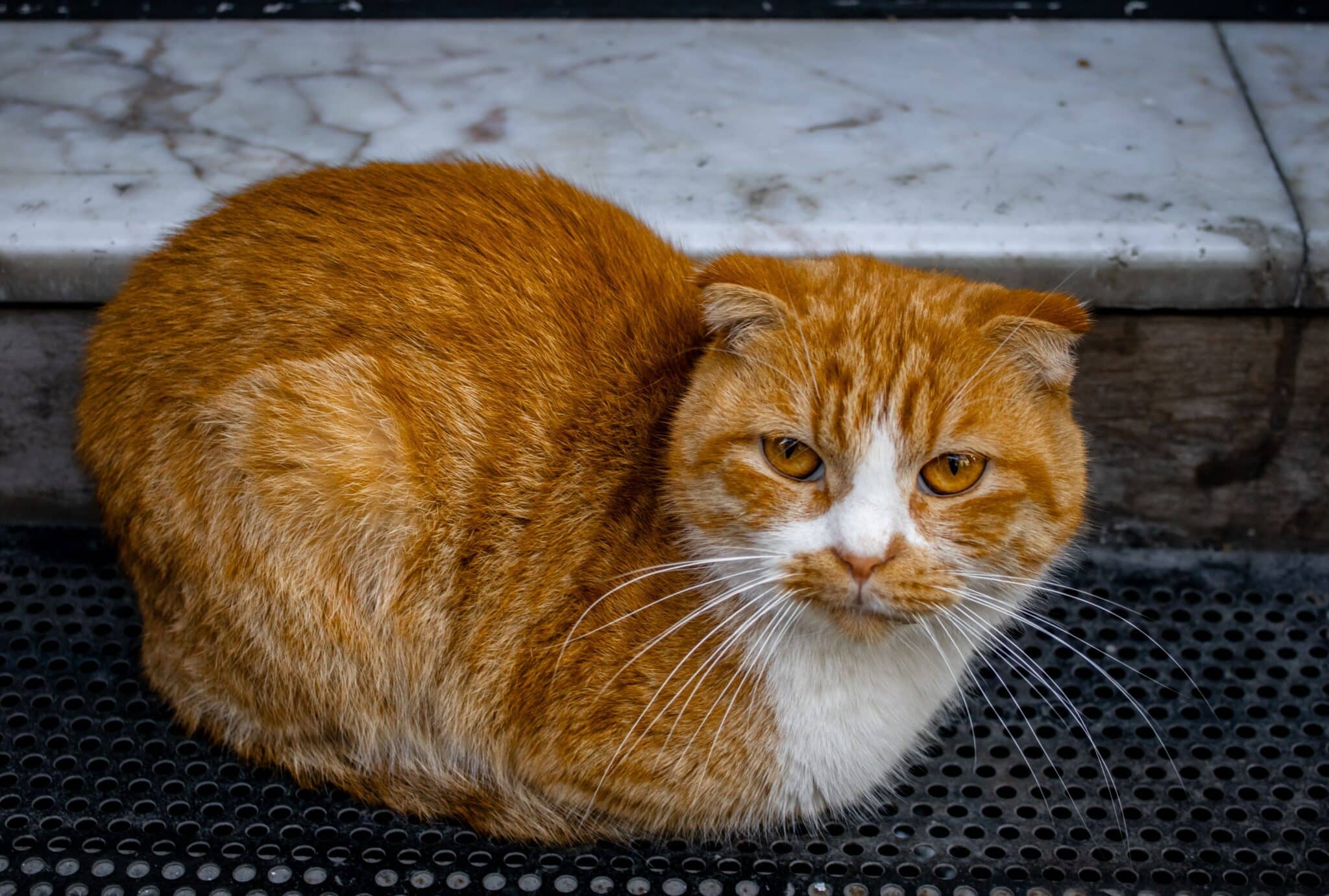
Scottish Folds are often described as gentle, adaptable cats who enjoy being near familiar people. A greeting may involve sitting beside the entrance, approaching with a relaxed posture, or following their person into the living room once they arrive home. Many appreciate companionship without demanding constant attention. Rather than making a dramatic entrance, a Scottish Fold may quietly position themselves nearby and wait for a familiar voice or an offered hand. Their interest in predictable household routines can also make them attentive to the sounds associated with someone’s return.
Sphynx
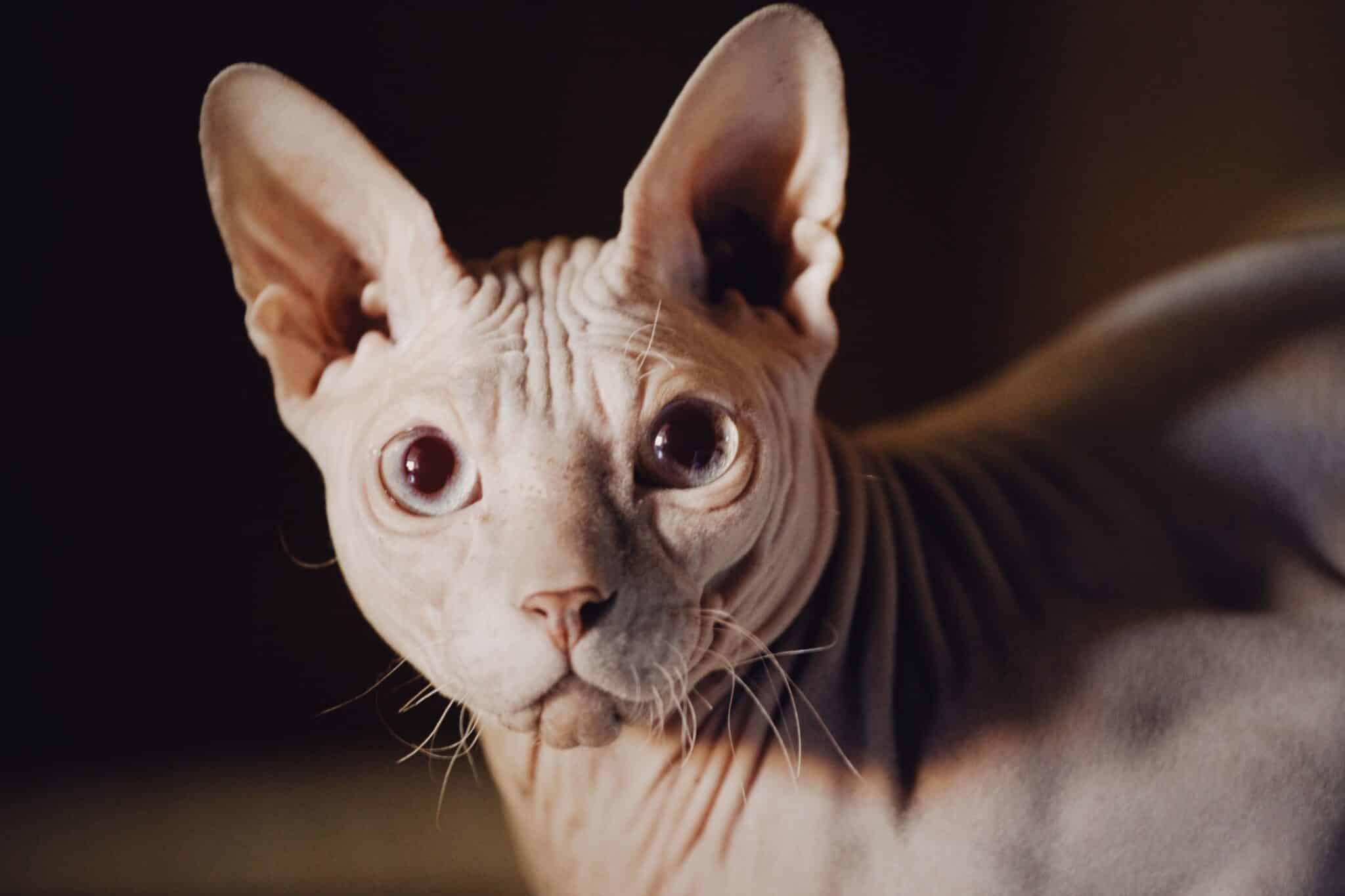
The Sphynx is known for its outgoing personality, high energy, and strong interest in human companionship. When their person arrives home, these nearly hairless cats may hurry over, climb onto a nearby surface, or seek physical contact almost immediately. Their desire for warmth can also influence their greeting habits. A Sphynx may enjoy pressing against someone’s legs or settling into their arms because close contact offers both social interaction and body heat. Many are playful and inquisitive, so a returning person may quickly become the center of attention. Because Sphynx cats often enjoy being involved in everyday activities, they may follow their owners around the house long after the initial greeting. Interactive play and regular companionship help satisfy their social and physical needs. Their exposed skin also requires appropriate care, and they need protection from cold temperatures and excessive sunlight. For someone who enjoys an involved, attention-seeking companion, the Sphynx can make every homecoming memorable.
Turkish Angora
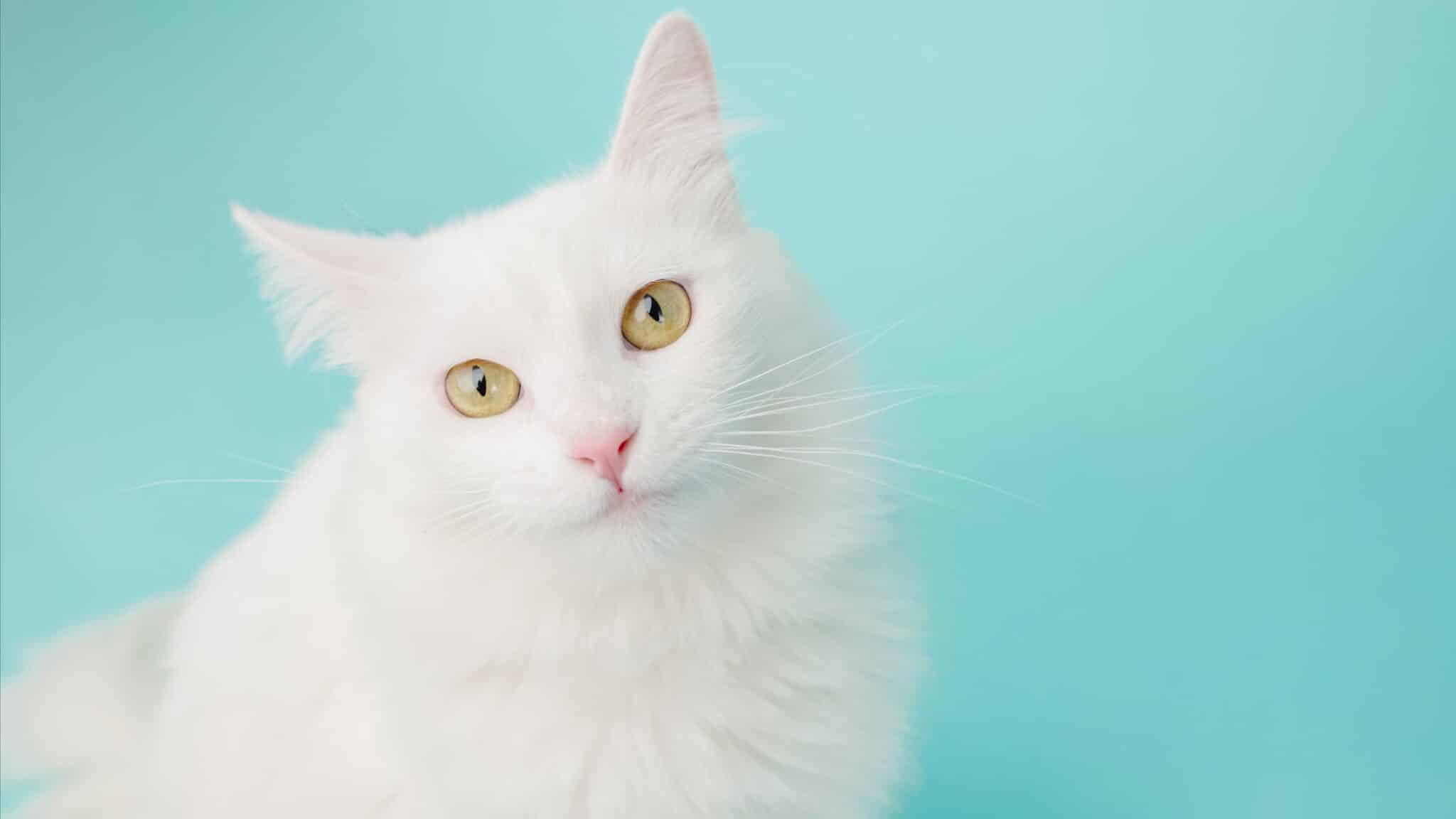
Turkish Angoras are graceful, intelligent cats with curious personalities and a reputation for being actively involved in household life. When someone comes through the door, a Turkish Angora may hurry over to investigate, circle their person’s feet, or follow them around to see what happens next. Their interest in people often combines social connection with curiosity. These athletic cats like exploring their environment, and a homecoming introduces new sounds, scents, and movements to investigate. Some also enjoy interactive play, so a greeting may quickly turn into a game involving a wand toy or a tossed ball. Turkish Angoras can be affectionate without always wanting to sit still for cuddles. Their energetic nature means they may greet someone enthusiastically before climbing onto a high perch to observe the room.
Devon Rex
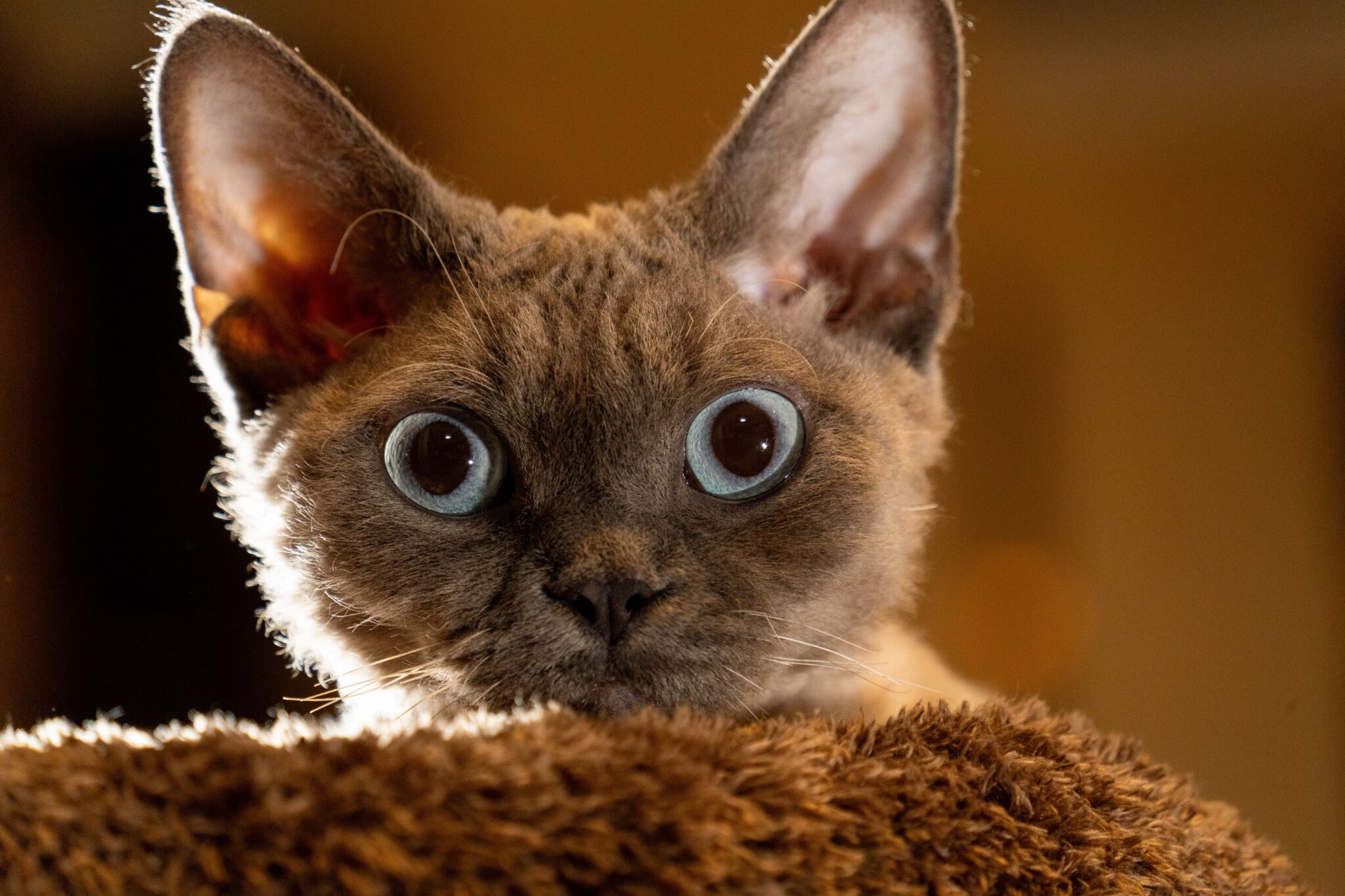
The Devon Rex has an unmistakable appearance, with large ears, prominent eyes, and a soft, wavy coat. Their playful, people-oriented personalities can make them enthusiastic greeters, often appearing as soon as they hear a familiar person arrive. Some Devon Rex cats follow their owners closely, investigate bags and shoes, or jump onto a nearby surface to get a better view of the action. Their curiosity makes a returning family member an exciting source of activity, while their social nature can encourage them to seek attention after time apart. These cats often enjoy interactive play and close companionship, although not every Devon Rex wants to be held or cuddled. Their small size and active temperament do not prevent them from being adventurous explorers around the home. Gentle handling, regular play, and comfortable resting places help keep them content. For cat lovers who appreciate a playful companion with plenty of personality, the Devon Rex can turn an ordinary arrival into an entertaining little event.
Bombay
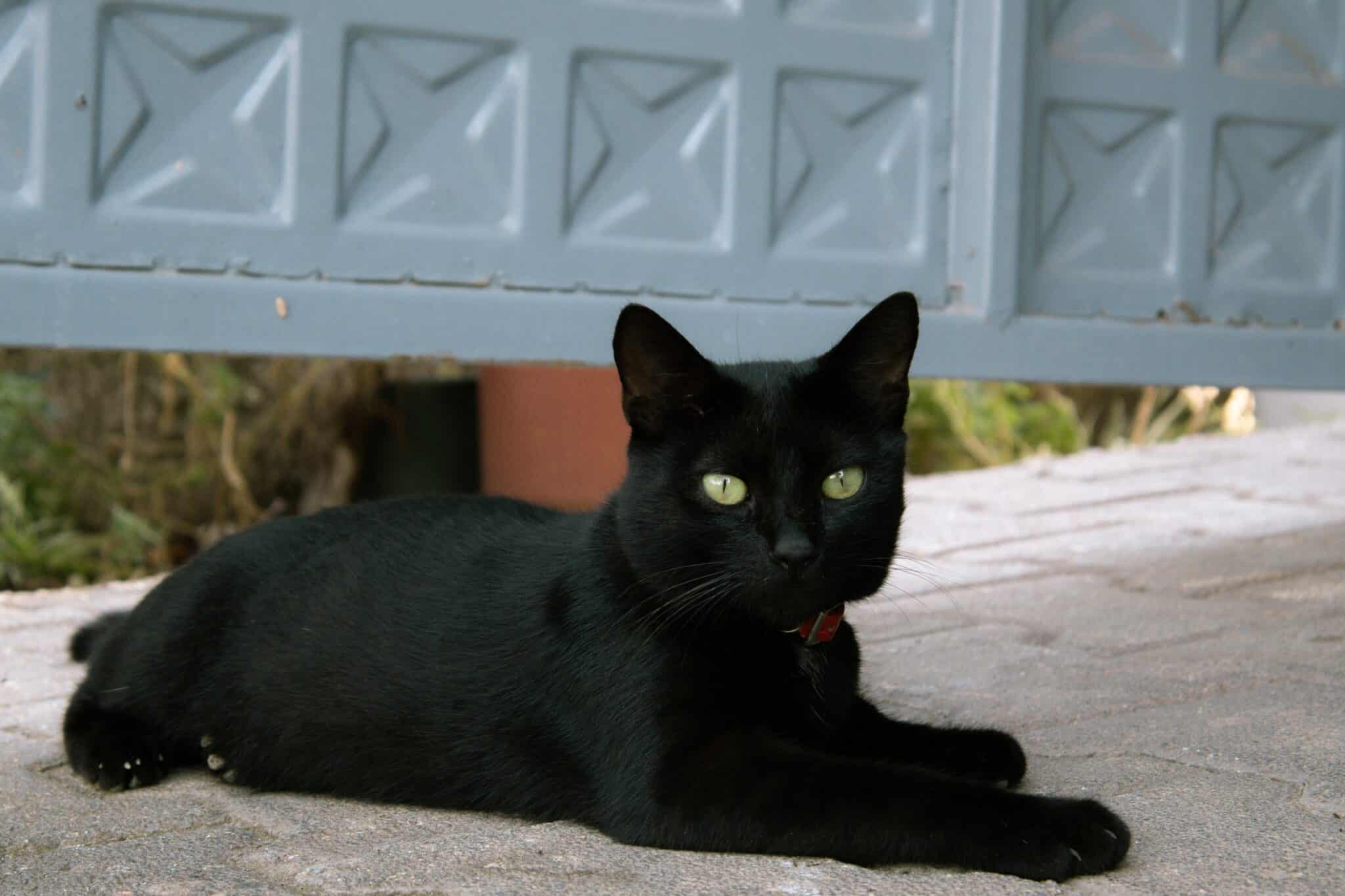
With a sleek black coat and striking copper or golden eyes, the Bombay has the appearance of a miniature panther. Its personality, however, is often described as affectionate and sociable. A Bombay may meet a returning person with a raised tail, a gentle rub against the legs, or an eager attempt to stay close as they walk through the house. Many Bombays enjoy being involved in household routines and appreciate regular attention from familiar people. They can be playful and curious, so a greeting may lead to an inspection of a shopping bag or a request for an interactive game. Their short coats also make grooming relatively straightforward. Because these cats often value companionship, long periods without interaction may leave some feeling bored.
Oriental Shorthair
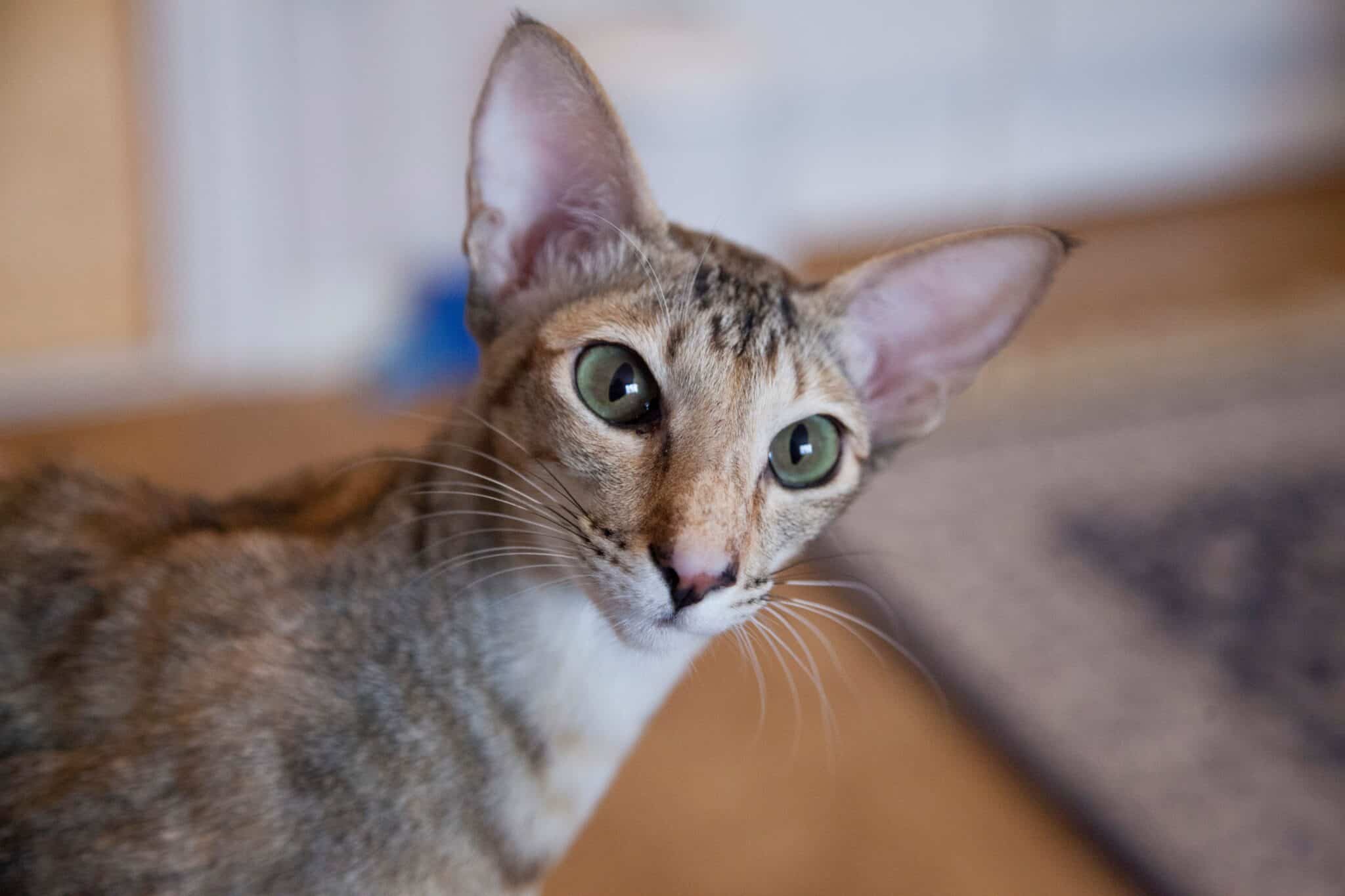
Oriental Shorthairs are energetic, intelligent cats that often enjoy communicating with their families. Their long bodies, oversized ears, and expressive faces give them a distinctive appearance, while their sociable temperaments can make their greetings hard to miss. When someone arrives home, an Oriental Shorthair may vocalize, approach quickly, or follow their person around while continuing a running commentary. Like Siamese cats, they are known for being talkative, and they can learn that familiar sounds signal the return of someone they enjoy interacting with. Their active minds also mean that a greeting may be the beginning of a busy evening. They often appreciate puzzle toys, climbing opportunities, and games that let them chase and pounce.
Cornish Rex
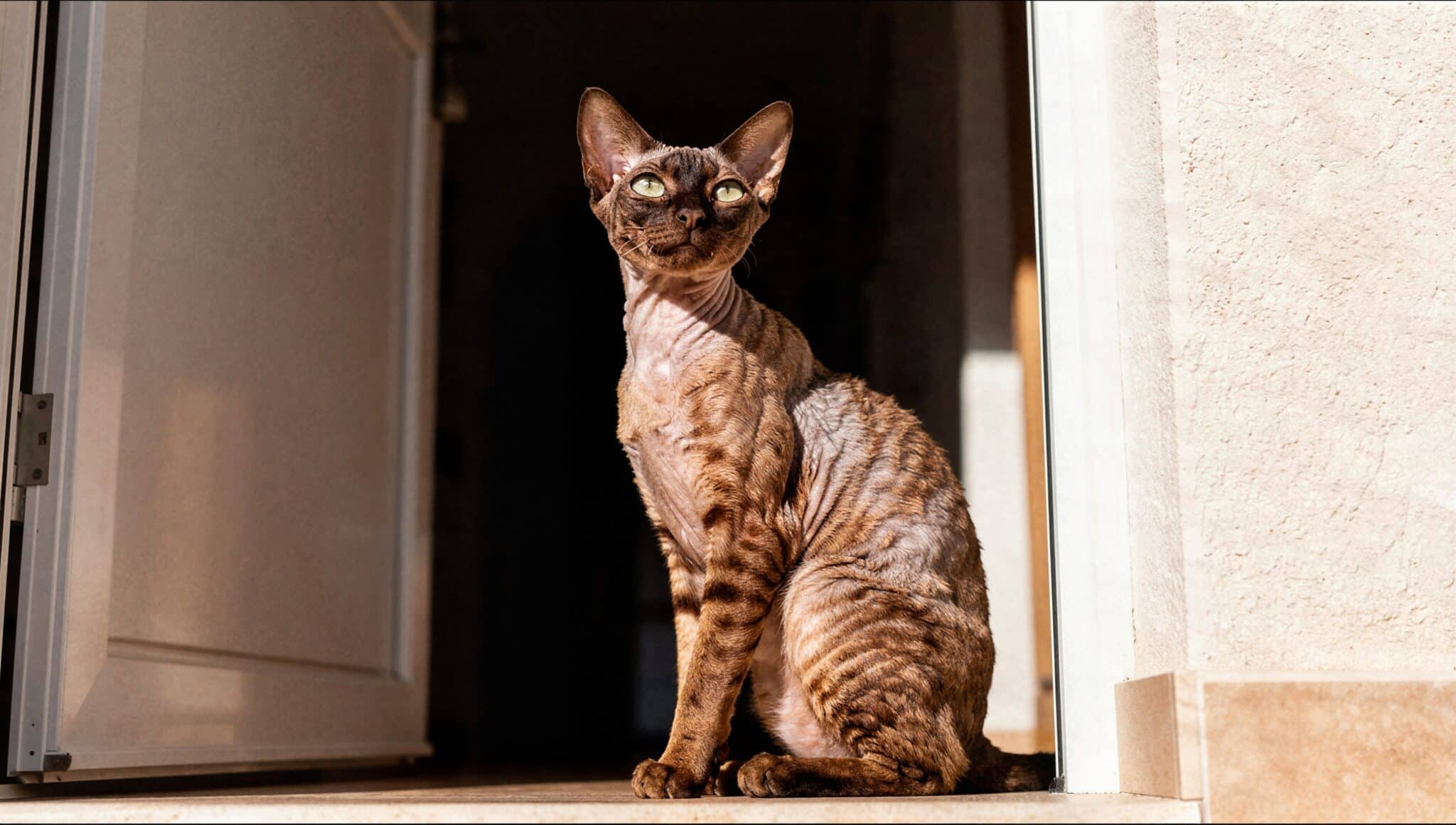
The Cornish Rex is a lively, athletic breed recognized for its slender build, large ears, and distinctive curly coat. These cats often remain playful well into adulthood and may respond to a familiar person’s arrival by running toward the entrance or immediately looking for an opportunity to interact. Their quick movements and curious personalities can make homecomings entertaining. A Cornish Rex may investigate a bag, chase a toy across the hallway, or follow their person to see what happens next. Many enjoy attention and social interaction, particularly when it involves games that challenge their speed and agility. Their interest in greetings can also reflect a learned routine. If arriving home consistently brings playtime or a favorite activity, the cat may begin anticipating that moment. Cornish Rex cats benefit from regular exercise, enrichment, and comfortable, warm resting places because their fine coats provide limited insulation. For active households, their combination of curiosity and sociability can make the daily welcome especially lively.
Siberian
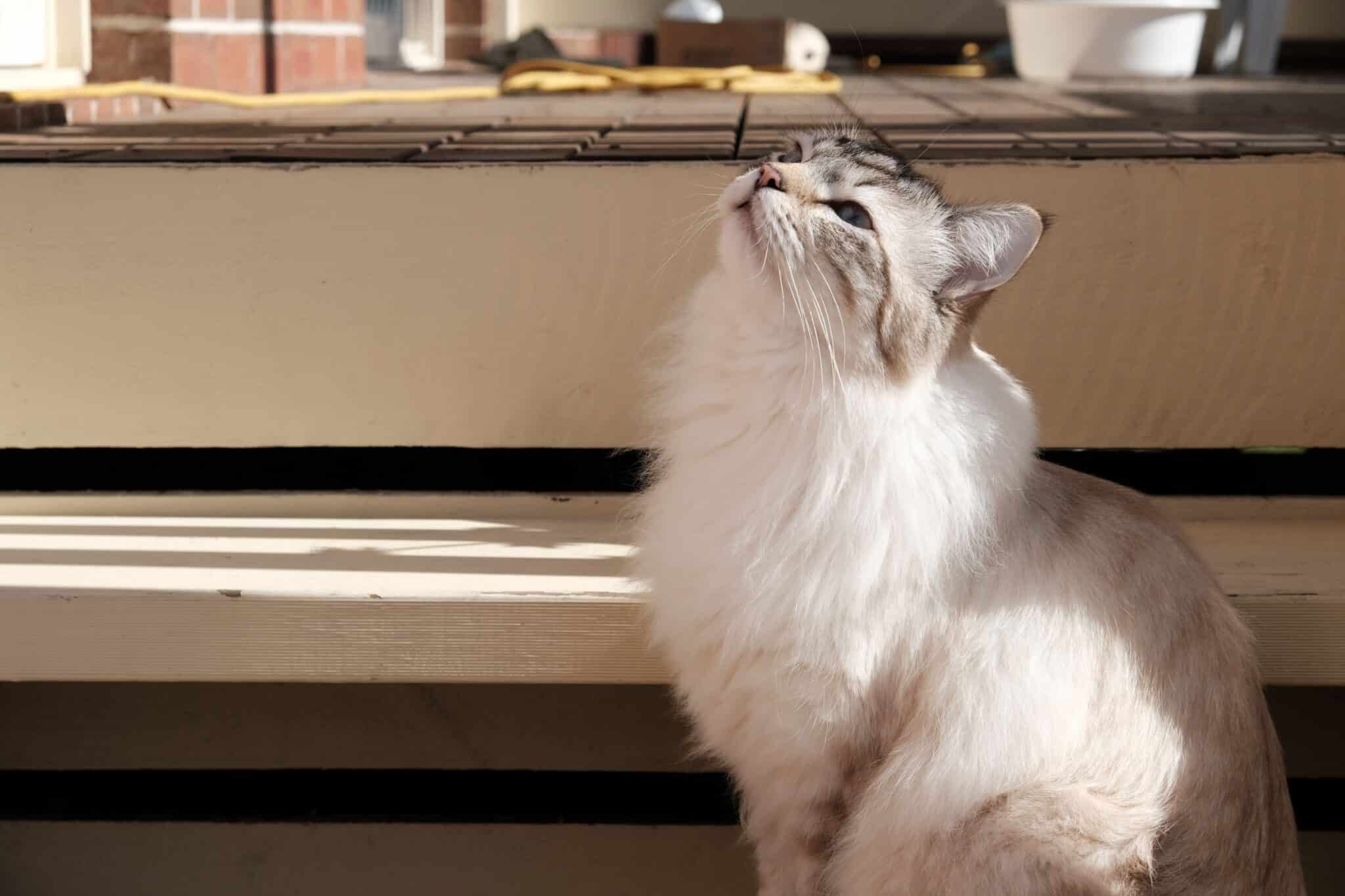
Siberian cats are sturdy, playful companions often described as affectionate and confident. Many enjoy being involved in household activities and may approach the entrance when a familiar person returns. Their greeting might include a raised tail, a friendly rub, or a curious inspection before they follow their owner inside. Siberians are intelligent and athletic, so a homecoming can provide an opportunity for interaction after a quiet stretch of the day. Some prefer staying close rather than sitting directly on a lap, showing companionship in their own way. Regular brushing, interactive play, and climbing opportunities help meet their needs and keep these fluffy cats engaged.
Making Every Homecoming Special For Your Cat
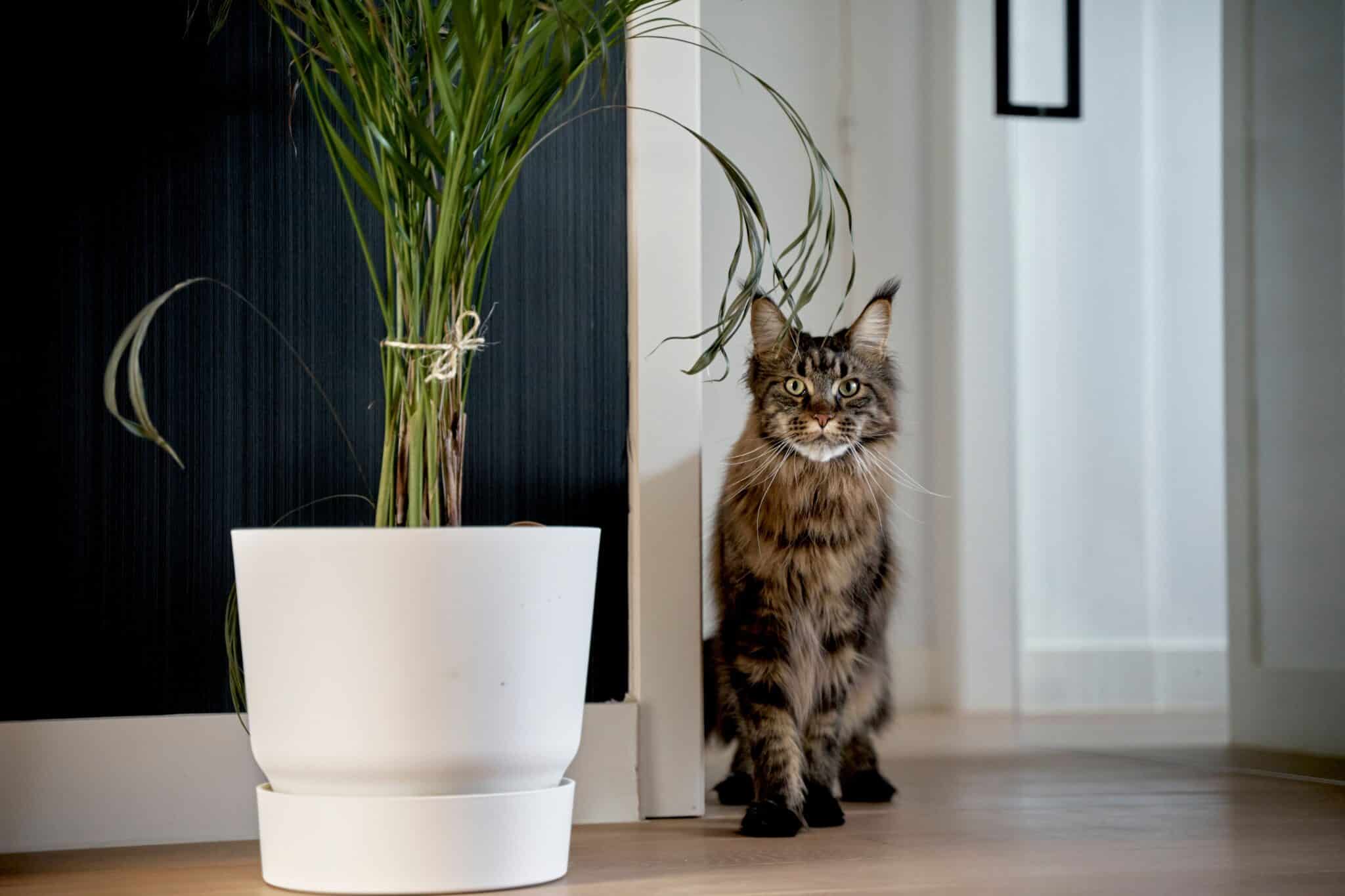
A cat waiting by the door can make coming home feel special, but greeting habits vary by personality, socialization, and routine. Even independent cats may develop welcoming rituals, while sociable cats sometimes prefer watching from a distance. Encourage positive greetings by keeping arrivals calm and allowing your cat to approach at their own pace. Offer attention when welcomed and make time for play or companionship. Over time, these familiar moments can become comforting daily rituals that strengthen the bond between cats and their families.
This content was created with AI assistance and edited by the iHeartCats team.