
The best flea treatment for cats comes down to two questions: how fast do you need fleas dead, and how much of the flea life cycle do you need covered? Prescription isoxazolines such as fluralaner kill adult fleas and hold protection for up to 12 weeks per the label. Monthly spot-ons built on fipronil, imidacloprid, or selamectin run on a 30 day schedule, and some pair an adult flea killer with an egg and larva blocker. Plant-based sprays kill and repel on contact but need reapplying every few days. And because most of an infestation isn’t on your cat, the house needs treating too.
Evidence-reviewed, not hands-on tested; prices verified on May 22, 2026.
iHeartCats is reader-supported. When you buy via links on our site, we may earn an affiliate commission at no extra cost to you.
Every dose, duration, and safety claim below links to a product label, a regulatory document, or a veterinary reference, and the link sits on the sentence it supports. None of it replaces your own vet, who knows your cat’s weight, age, and medical history.
Flea treatments for cats at a glance
Here’s the short version of what each option does and doesn’t do. One note on the speed column: onset times are product specific and get revised whenever a label does, so we point you to each label instead of repeating an hour count we can’t attach to a dated source. Prices move constantly too, so check the current listing rather than trusting a number in a table.
| Product (active ingredient) | Format | Speed and onset | Duration | Covers | Rx? | Kitten and pregnancy notes | Price |
|---|---|---|---|---|---|---|---|
| Bravecto for cats (fluralaner) | Topical | Adult flea killer; see label for stated onset | Up to 12 weeks per label | Adult fleas, ticks | Yes | Label: cats 6 months and older, 2.6 lb and up; ask your vet about pregnant or nursing cats | Rx pricing varies by clinic |
| Credelio CAT (lotilaner) | Oral chew | Adult flea killer; see label for stated onset | Monthly dosing | Adult fleas, ticks | Yes | Label age and weight minimums apply; confirm with your vet | Rx pricing varies by clinic |
| Revolution Plus (selamectin with sarolaner) | Topical | Adult flea killer; see label for stated onset | Monthly dosing | Fleas, ticks, ear mites, some intestinal worms, heartworm prevention | Yes | Label minimums apply; confirm with your vet | Rx pricing varies by clinic |
| Frontline Plus (fipronil with S-methoprene) | Topical | Adult flea killer plus egg and larva blocker; see label for stated onset | Monthly dosing | Adult fleas, flea eggs and larvae, ticks | No | Check label minimum age, commonly 8 weeks | Check current retail listing |
| Advantage II (imidacloprid with pyriproxyfen) | Topical | Adult flea killer plus egg and larva blocker; see label for stated onset | Monthly dosing | Adult fleas, flea eggs and larvae, lice | No | Check label minimum age, commonly 8 weeks | Check current retail listing |
| Comfortis (spinosad) | Oral chew | Adult flea killer; see label for stated onset | Monthly dosing | Adult fleas only | Yes | Label age and weight minimums apply; confirm with your vet | Rx pricing varies by clinic |
| Wondercide spray (cedarwood, lemongrass, or peppermint oil) | Spray for pet and home | On contact, per the manufacturer | Repeat every few days to weekly | Fleas, ticks, mosquitoes; repel and contact kill | No | Label says pets of all ages; ask your vet before use on young kittens | Check current Amazon listing |
| Vet’s Best Flea and Tick Spot-On (cedarwood and peppermint) | Topical | On contact | Reapply on the label’s schedule | Fleas, flea eggs, ticks; repels mosquitoes | No | Follow the label’s age guidance | Check current Amazon listing |
| Home sprays (TropiClean, Vet’s Best) | Surface spray | On contact | Reapply per label during an outbreak | Fleas, eggs, larvae, ticks on carpet and furniture | No | Surface use only, not a substitute for on-cat treatment | Check current Amazon listing |
| Flea comb and vacuum | Mechanical | Immediate for what you catch | Daily during an outbreak | Adult fleas, flea dirt; vacuuming lifts eggs and larvae | No | Safe at any age, including newborn kittens | Cost of a comb |
Why the fleas on your cat are the smallest part of the problem
So where do the rest of them live? In your floor. University of California IPM specialists describe a cycle where eggs drop off the cat into carpet, bedding, and floor cracks, hatch into larvae, and then sit as pupae that stay protected for weeks before an adult emerges, which is why only a small fraction of a flea population is ever on the pet at one time.
That’s the whole reason single-product plans fail. You wipe out every adult on your cat Monday, and Tuesday’s batch hatches out of the rug.
Fleas do more than itch, too. Flea bite hypersensitivity is one of the most common skin diseases in cats, and a single bite can set off intense itching in a sensitized cat. If your cat is suddenly chewing patches of coat off, fleas belong high on the suspect list, alongside the other reasons cats pull and eat their own fur.
Then there’s tapeworm. Cats swallow infected fleas while grooming, and the CDC notes that Dipylidium caninum spreads to cats and dogs through ingested fleas. Those rice-grain segments you might spot near your cat’s rear are the tip-off, which is one more thing worth knowing about what’s going on back there.
Prescription flea treatments: fastest and longest lasting
If your cat has an active infestation, this is the category that ends it quickest. Veterinary parasitology guidance from the Companion Animal Parasite Council covers the feline options in current use, including monthly oral lotilaner and spinosad, monthly topical selamectin combinations that also prevent heartworm and treat ear mites and certain intestinal worms, extended-duration fluralaner, and a standing recommendation for year-round flea control in every cat.
Isoxazolines are the newer class of the group, and the FDA has asked manufacturers to highlight that some pets given fluralaner, lotilaner, sarolaner, or afoxolaner have had neurologic reactions such as tremors, incoordination, or seizures, while still considering the products safe and effective for most animals.
Fluralaner (Bravecto)
One topical dose, then you don’t think about it for months. Merck’s label for Bravecto Topical Solution for Cats covers fleas for 12 weeks in cats 6 months and older weighing at least 2.6 pounds. A cat with a seizure history is worth a separate conversation with your vet before you start.
Lotilaner (Credelio CAT) and spinosad (Comfortis)
Both are monthly chews, which suits cats who hate having wet product between their shoulder blades. Spinosad covers adult fleas and nothing else, so it pairs best with home treatment rather than standing alone. Age and weight minimums live on each label, along with the onset time each manufacturer has data for, and your vet will match the product to your cat’s size and health history.
Selamectin (Revolution and Revolution Plus)
This is the pick when you want one monthly topical handling fleas plus heartworm prevention, ear mites, and some intestinal worms. Indoor-only cats still need it, since mosquitoes and hitchhiking fleas get inside. Even a cat who never sees grass, including one living happily in an apartment, can end up with both.
Over-the-counter spot-ons you can buy without a vet visit
Frontline Plus and Advantage II are the two most recognized non-prescription topicals for cats. Veterinary pharmacology references describe fipronil and imidacloprid as topical adult flea killers applied at monthly intervals, frequently combined with an insect growth regulator such as S-methoprene or pyriproxyfen that stops flea eggs and larvae from developing. That combination matters, because killing what you can see does nothing about what’s already in the carpet.
The permethrin warning, and it’s a serious one
Never put a dog’s flea product on a cat. Cats metabolize pyrethroids poorly, and veterinary toxicology references describe severe tremors, hyperthermia, and seizures in cats exposed to concentrated permethrin spot-ons made for dogs. It can be fatal. If it happens, that’s an emergency vet visit, not a wait-and-see.
The EPA’s guidance for pet owners is blunt about this too: read the label, use the product only on the species and weight range it names, and watch your pet after application. In a multi-pet house, keep the treated dog away from the cat until the spot dries.
Natural and plant-based flea products for cats
Does any of this mean plant-based products are useless? No. It means you should know what you’re buying them for. Essential oil sprays and plant-based spot-ons mostly work on contact and as repellents, they don’t carry the multi-week residual activity of a prescription product, and most of them say nothing dependable about pupae sitting in your carpet.
Where they earn their place: cats who’ve reacted badly to a conventional product, households cutting down on chemical residue, surface and bedding treatment between vet-recommended doses, and light seasonal pressure rather than a full infestation.
What natural flea products get right
- Less synthetic chemical residue on your cat and your furniture.
- Lower chance of the skin irritation some cats get from conventional spot-ons.
- Usable on bedding, rugs, and upholstery, not just the cat.
- A reasonable option for sensitive cats whose vet has ruled out stronger products.
Where they fall short
- Shorter working life, so you’re reapplying every few days instead of monthly.
- Weaker control of eggs, larvae, and pupae, which is most of the infestation.
- Natural doesn’t mean non-allergenic; cats can react to essential oils.
- Frequent reapplication can cost more over a season than one monthly dose.
Talk to your veterinarian before you switch a cat off a conventional preventive, especially a cat with asthma, liver disease, or a history of skin reactions.
Wondercide Flea, Tick and Mosquito Spray, Peppermint 16 oz
A 3-in-1 spray for the cat, the house, and the yard, built on essential oils and designed to kill on contact. It’s the most flexible bottle in this group because one product covers pet and surfaces. Check the current price on Amazon.
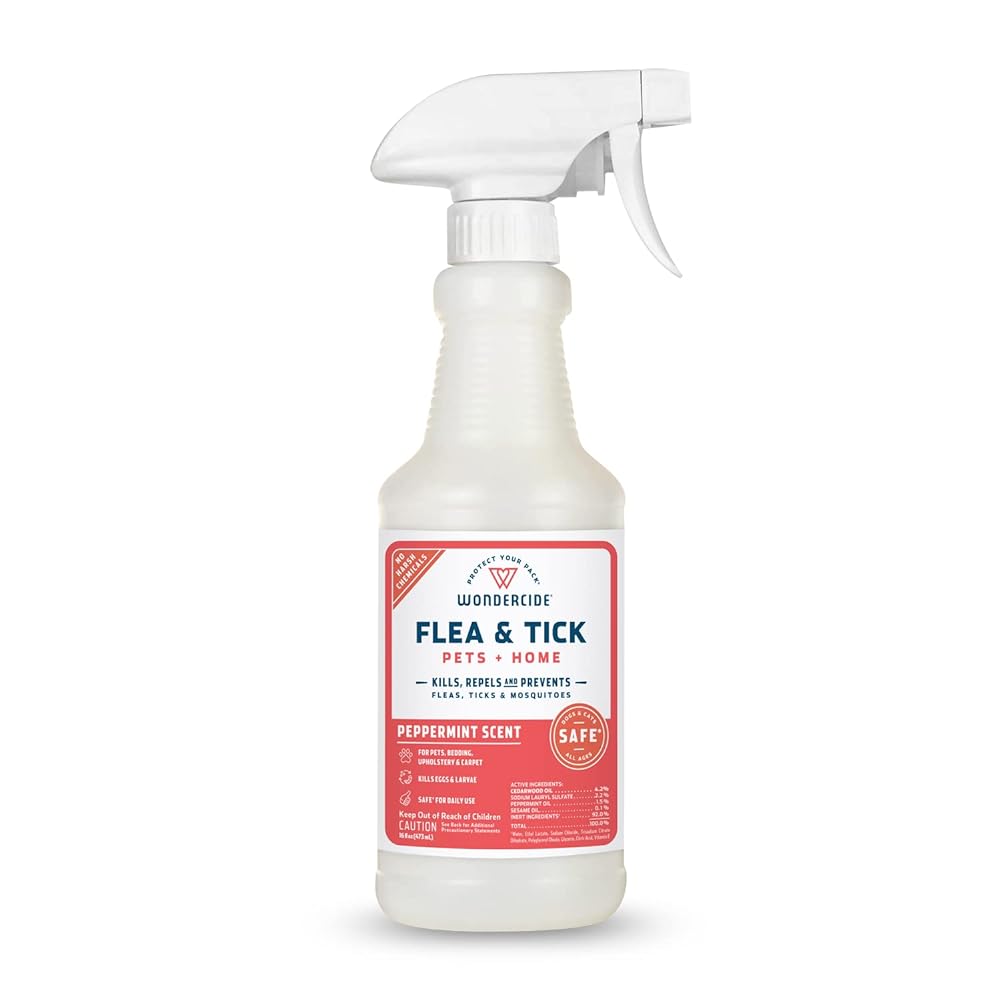
Best for: pet and home protection from one bottle.
Vet’s Best Flea and Tick Spot-On for Cats
A plant-based topical using certified cedarwood and peppermint oils, sold in single-use twist and squeeze applicators. Application takes seconds, which matters with a squirmy cat. See the current listing on Amazon.
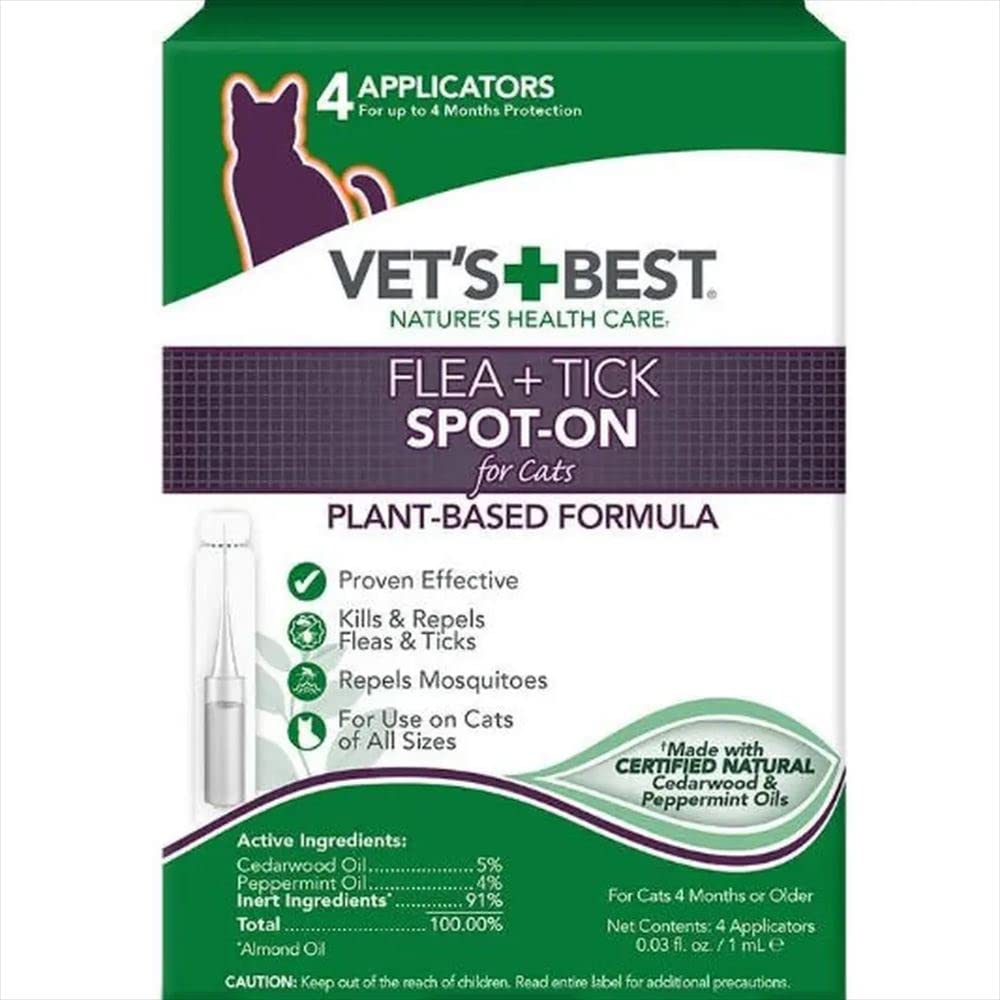
Best for: ingredient sourcing and easy dosing.
Natural Care Flea and Tick Spray for Dogs and Cats
A 14 ounce bottle built on plant extracts that can go on the cat and on bedding or carpet without staining. Handy if you’re treating a small apartment where the cat’s spots are also the family’s spots. Check it on Amazon.
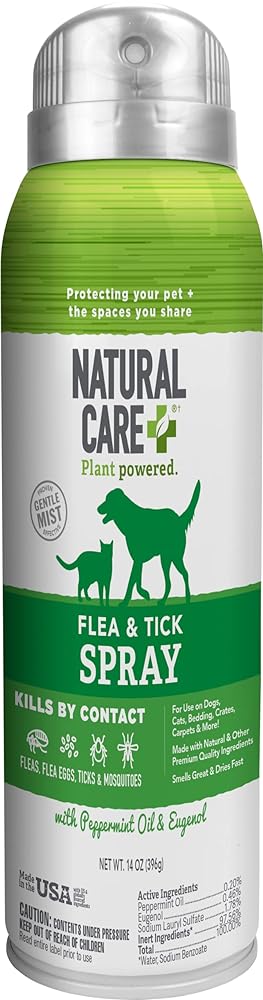
Best for: owners who want one spray for cat and soft surfaces.
Wondercide Flea, Tick and Mosquito Spray, Lemongrass 16 oz
Same formula family as the peppermint version with a different scent, which matters more than you’d think in a house where someone hates mint. One caution on the label copy: the efficacy percentages the brand advertises come from company-commissioned testing, so read them as marketing claims rather than independent trial results. See the lemongrass version on Amazon.

Best for: best overall among the natural sprays here.
GreenFort NEO Spot-On for Cats and Small Dogs
An essential-oil topical sold in single-dose drops, marketed for kittens, pregnant pets, and animals with allergies. Those safety claims come from the manufacturer, so run them past your vet before using anything on a pregnant queen or a very young kitten. Check the current listing.
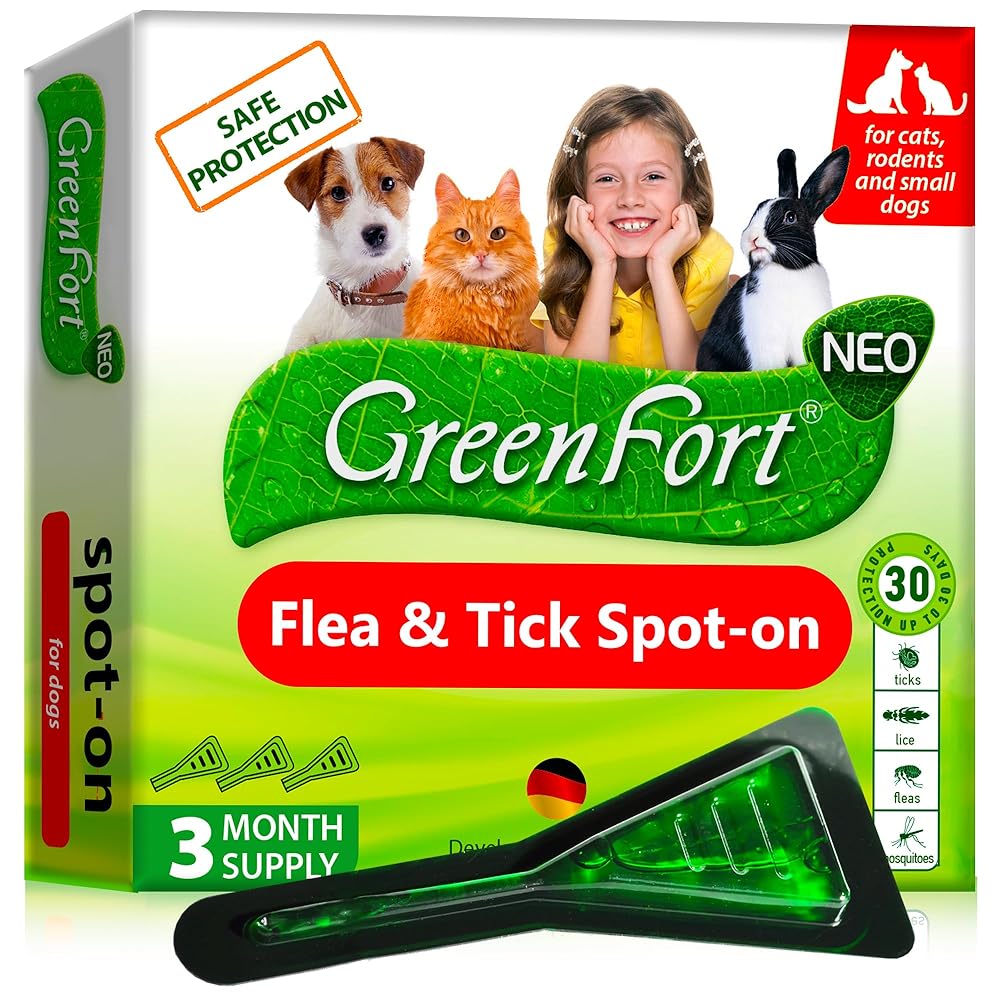
Best for: owners who prefer drops over sprays.
Salmon-flavored chewable flea tablets for cats
Despite how this listing is titled, it isn’t Zoetis’s prescription Revolution. It’s a non-prescription chewable, so treat the efficacy language as a manufacturer claim and don’t make it your only line of defense during an active infestation. See the product on Amazon.

Best for: cats who refuse anything topical, as a supplement to a vet-directed plan.
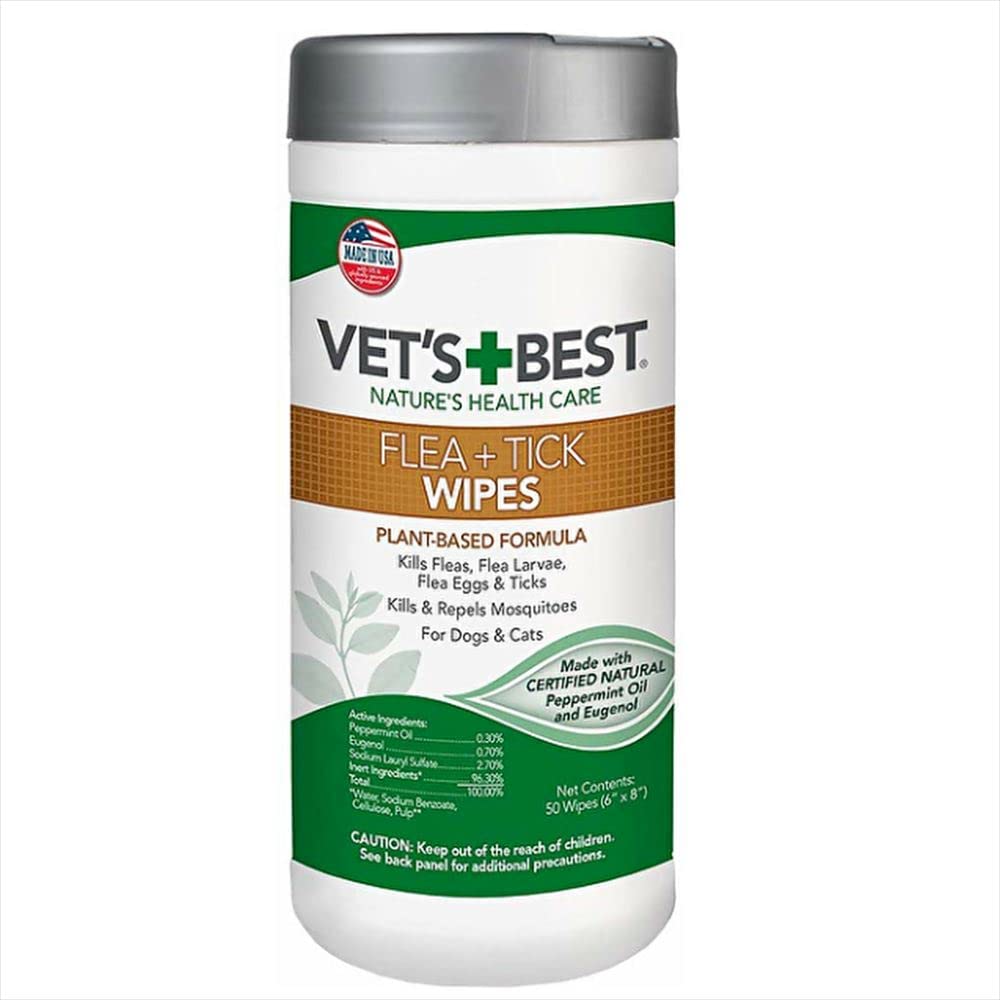
Vet’s Best Flea and Tick Wipes
Fifty wipes using peppermint oil and eugenol, useful for spot-cleaning a cat who panics at spray bottles. They also work on hard surfaces around the litter area. Check the current price.
Best for: spray-averse cats and quick touch-ups.
Kittens, pregnant cats, and cats with health conditions
This is the part where guessing gets expensive. Most cat spot-ons set a minimum age, commonly 8 weeks, plus a minimum weight, and those numbers exist because kittens process insecticides differently than adults do. For a kitten under the label minimum, the safe plan is warm soapy baths, a fine-toothed flea comb, and aggressive cleaning of the bedding until the kitten is old enough for a product.
Pregnant and nursing cats need a vet’s call, not a label skim. Same goes for cats with liver or kidney disease, a seizure history, or ongoing skin conditions. Ask before you apply anything new, natural or otherwise.
Best flea treatment for the home
Treating the cat and skipping the house is why people say flea products “stopped working.” The EPA’s home guidance lines up with what pest specialists recommend: treat the pet and the indoor environment at the same time, vacuum thoroughly and often, wash pet bedding in hot water, and choose indoor products carefully according to the label. Here’s the sequence that actually clears a house.
- Vacuum daily, including under furniture and along baseboards, then empty the canister outside. Vacuuming pulls out eggs and larvae and nudges pupae into hatching where treatment can reach them.
- Wash all pet bedding and any throw blankets in hot water, weekly, for at least a month.
- Treat carpets and upholstery with a home spray that includes an insect growth regulator, so the next generation never matures.
- Keep the cat on a vet-recommended preventive through the entire cycle, not just the first week.
- Repeat for 6 to 8 weeks, because pupae keep hatching long after the visible adults are gone.
For step three, the TropiClean Natural Flea and Tick Spray for Home covers carpet and furniture at maximum strength and is built on essential oils, which makes it easier to live with in a room the cat sleeps in. See the 32 oz bottle on Amazon.
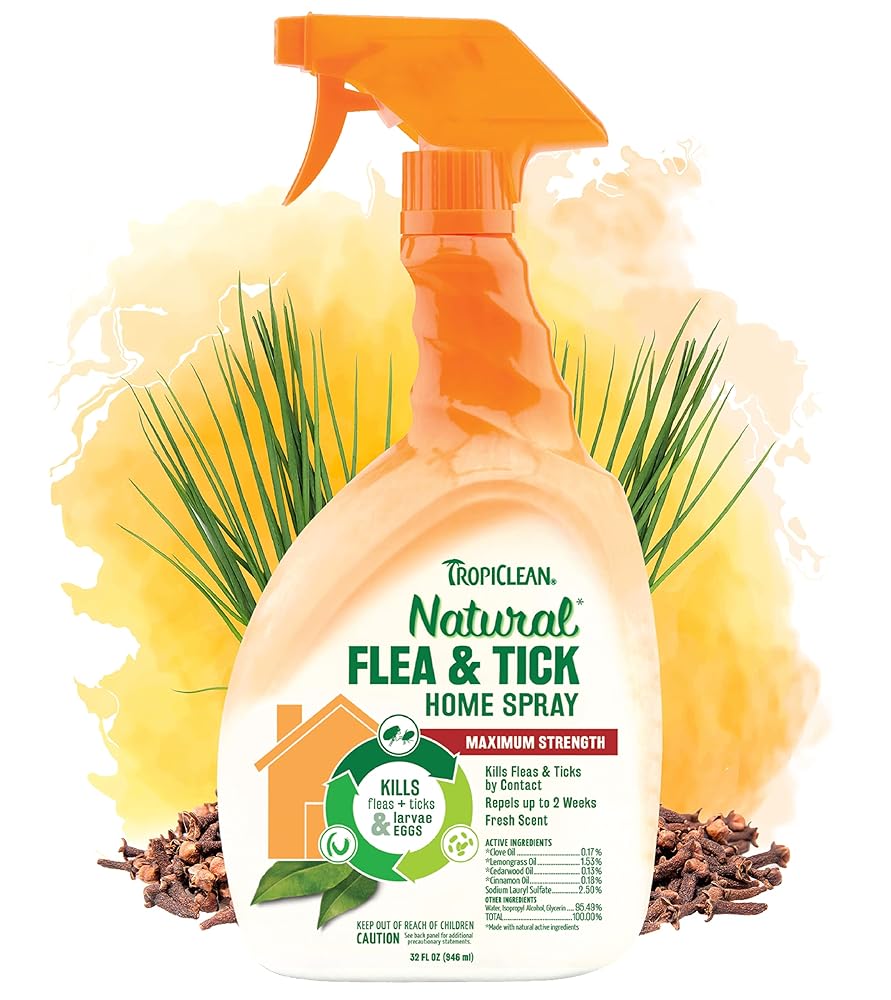
Vet’s Best Flea and Tick Home Spray is the other plant-based option for floors and furniture, sold in a 32 oz bottle. Use it on surfaces, not as a replacement for on-cat treatment. Check the current listing.
One more thing while you’re deep cleaning. Itchy, stressed cats sometimes stop using the box, and if that happens you want a proper enzyme cleaner for those spots rather than a masking spray that leaves the marker behind.
Frequently asked questions
What is the best flea treatment for cats?
For an active infestation, a vet-prescribed product is the fastest route. Fluralaner covers fleas for up to 12 weeks in cats 6 months and older per Merck’s label, and your vet may instead choose a monthly oral or a monthly topical combination, some of which also handle heartworm prevention and ear mites. For light prevention or a chemical-sensitive cat, a plant-based spray plus home treatment can hold the line.
How fast does flea treatment work on a cat?
Prescription and OTC adult flea killers act faster than repellent sprays, but the stated onset time differs by product and gets revised with each label update, so check the label or ask your vet for the specific number rather than trusting a blog’s rounded figure. Either way, expect to keep seeing fleas for weeks, because new adults keep emerging from pupae in the carpet.
Do natural flea treatments really work on cats?
They work on contact and as repellents, and they’re useful on bedding and carpet. What they generally don’t do is provide weeks of residual protection or reliably break the egg-to-pupa cycle, so plan on reapplying every few days and treating the environment at the same time.
What’s the best flea treatment for the home?
A three-part routine: daily vacuuming with the canister emptied outside, hot-water washing of all bedding, and a carpet and upholstery spray containing an insect growth regulator. Keep it up for 6 to 8 weeks, since pupae in the carpet keep hatching after the visible fleas are gone.
What flea treatment is safe for kittens?
Check the label age and weight minimum on any product you’re considering; most cat spot-ons start at about 8 weeks. Below that, use a flea comb, warm soapy baths, and thorough bedding laundry, and call your vet rather than improvising with an adult product.
Can I use my dog’s flea treatment on my cat?
No. Permethrin and related pyrethroids found in many canine spot-ons can cause tremors, high body temperature, seizures, and death in cats. If a dog product gets on your cat, call your veterinarian or an animal poison control line immediately.
How long before the fleas are actually gone?
Expect 6 to 8 weeks of consistent treatment, sometimes longer in a heavily infested house. Adults die quickly with a good product, but pupae protected in carpet fibers keep emerging for weeks, which is why people think a treatment failed when it’s really the clock.
Are natural flea products better for the environment?
Plant-based formulas are often marketed as biodegradable, but environmental claims vary by product and aren’t uniformly verified. Read the manufacturer’s documentation for the specific bottle you’re buying rather than assuming the whole category is greener.
Do indoor-only cats need flea prevention?
Often yes. Fleas ride in on shoes, on dogs, and on secondhand furniture, and mosquitoes carrying heartworm get indoors too. Veterinary parasitology guidance leans toward year-round control for every cat, so ask your vet what makes sense where you live.
What we’d keep in a flea kit
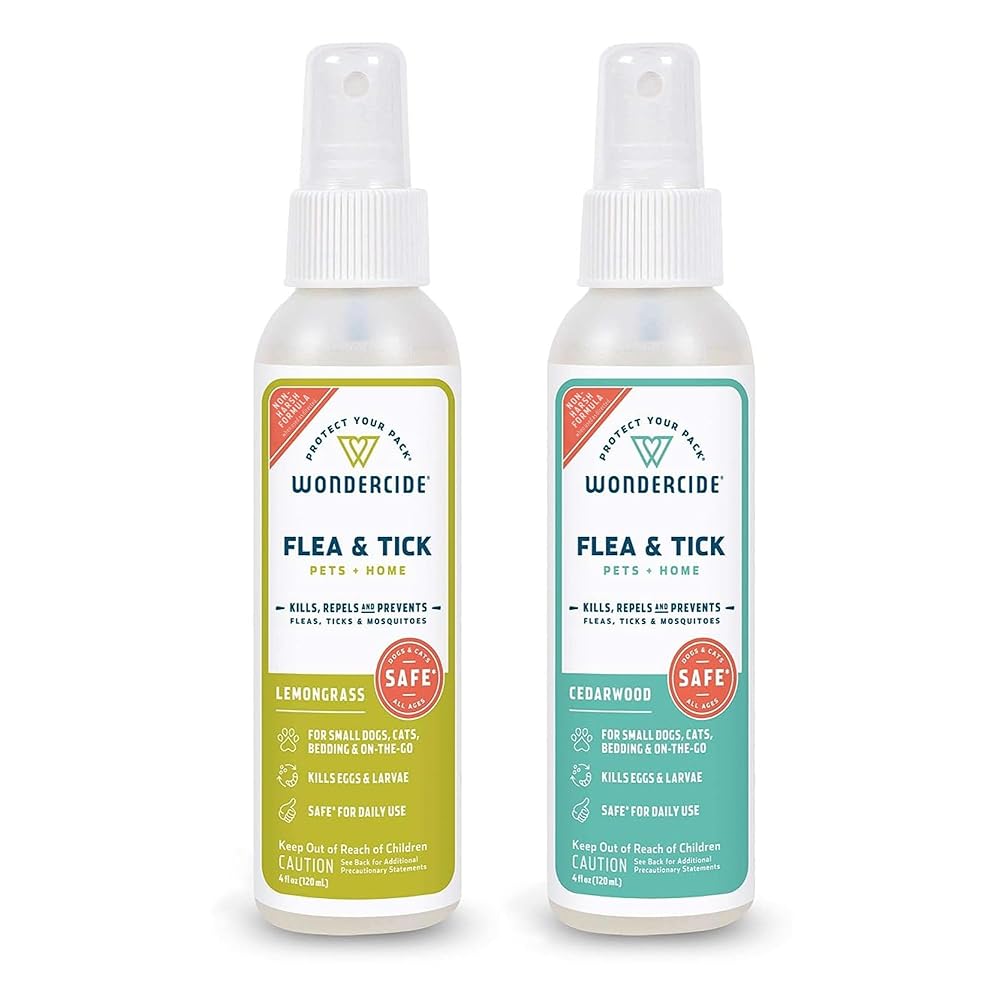
A stocked kit beats a panicked Saturday trip to the store. Ours: a vet-recommended preventive on a calendar reminder, a fine-toothed flea comb, a white towel for checking flea dirt, hot-wash bedding, and a small travel-size spray for carriers, car seats, and vacation rentals. The Wondercide 4 oz lemongrass and cedarwood two-pack fills that last slot nicely. See the two-pack on Amazon.
The bottom line
Pick your product based on how bad the problem is right now. Active infestation with a scratching, scabbing cat? Call the vet and start with a prescription adult flea killer, then treat the house on the same day. Light seasonal pressure, or a cat who’s reacted badly to conventional products? A plant-based spray plus disciplined vacuuming and laundry can hold it.
Either way, the house is not optional. Treat the cat and the carpet together, give it two months, and confirm your choice with your veterinarian before you switch anything.
iHeartCats is reader-supported. When you buy via links on our site, we may earn an affiliate commission at no extra cost to you.