7 Rare Cat Coat Colors in 2026

7 Rare Cat Coat Colors in 2026

| September 21, 2026

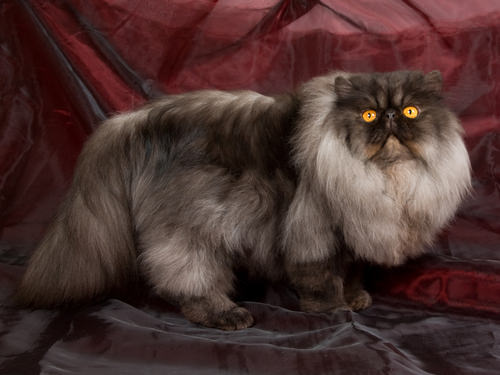
#1 – Smoked

shutterstock_35015263

Smoked cats are produced by color inhibiting genes and is when a seemingly solid colored cat actually has banded hairs, a mechanism documented by the UC Davis Veterinary Genetics Laboratory. This means that the cat’s hairs are dark (usually black) at the tips but have much lighter colored bands near the bottom. When the cat’s hair is parted, you’re able to see the unique smokey-looking color.

Comparing all 12 color names cats get called, including breeder nicknames that overlap with genuinely rare colors, and the patterned coats people sometimes confuse with them.
Color Genetic basis / dilution chain Rarity level Breeds most likely to show it
Smoked Smoke inhibitor gene causes dark tips with lighter banding underneath Rare outside pedigreed lines Persian, Maine Coon, Norwegian Forest Cat
Chocolate Mutation of the black gene that dilutes black to brown Rare; almost always purposefully bred Havana Brown, Persian, Oriental Shorthair
Cream Dilution of the red (orange) gene Uncommon in non-pedigreed cats British Shorthair, Persian, Scottish Fold
Lilac / Lavender Double dilution: chocolate diluted a second time Very rare; double-recessive Havana Brown, Burmese, Oriental Shorthair
Roan Any base color evenly mixed with white hairs, not a single dilution gene Uncommon; occasional in mixed-breed litters No specific breed association documented
Fawn Double dilution: cinnamon diluted a second time Very rare; double-recessive Abyssinian, Somali
Chinchilla Light-tipping variant of the smoke pattern Rare outside specifically bred lines Persian, British Shorthair (chinchilla silver line)
Buff (also called Champagne or Taupe by some breeders) Not a distinct genotype; overlaps with fawn or cream Not documented as its own genetic category Informal term, no fixed breed association
Cameo Red or apricot tipping over a white or silver undercoat Rare; recognized color division Persian, Exotic Shorthair
Champagne Diluted chocolate-based color, a registry-specific term Rare outside specific breeds Burmese, Tonkinese
Taupe Not a distinct genotype; breeder term overlapping with lilac or beige Not documented as its own genetic category Informal term, no fixed breed association
Beige Not a distinct genotype; breeder term overlapping with cream or fawn Not documented as its own genetic category Informal term, no fixed breed association
Calico Pattern, not a color: two X chromosomes each carrying a different color gene, plus white spotting Not rare; a common pattern often confused with rare colors Any breed with both orange and black-based genes present (almost always female)

Click page 2 below for the next rare color!

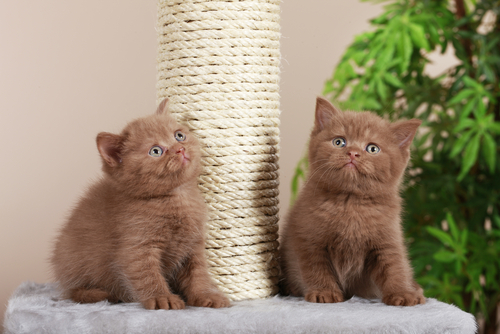
#2 – Chocolate
shutterstock_191612741

If you’re looking into pedigreed cats such as Persians and Havana Browns, you will find true chocolate colored cats. But the color is a genetic mutation of the black gene, diluting it to a brown color. It’s rarely found outside of cats purposefully bred for the mutation.

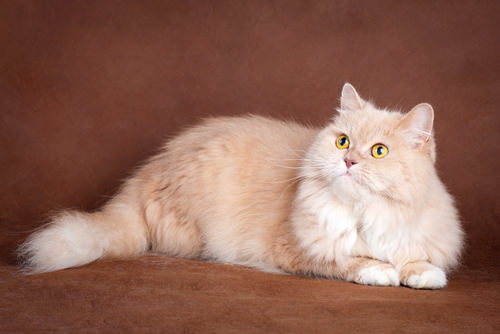
#3 – Cream
shutterstock_231884194

Cream is a dilution of the red (commonly called orange) gene in cats. Cream can show up in any number of patterns, such as a full cream colored tabby cat to a cream colored pointed cat. While many purebred cats are starting to become more popular in the cream color, it’s still very rare in domesticated, non-pedigreed felines.

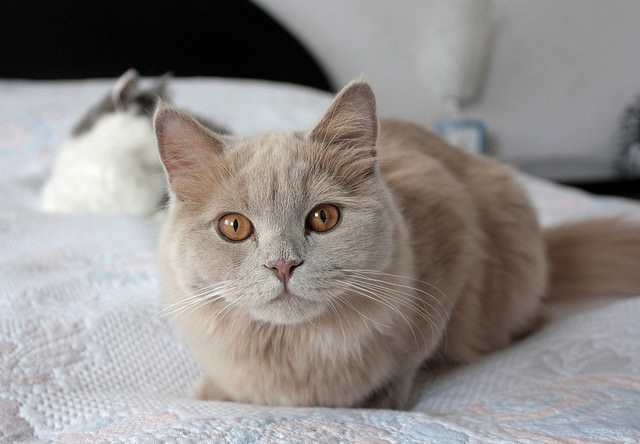
#4 – Lilac/Lavender
4151218056_380d580f5a_z
Photo credit: Mel via Flickr.

Lilac, or Lavender, is a much rarer coat color found in cats and isn’t purple at all, but is the result of a diluted chocolate color. It is considered a dilution of an already diluted color and is therefore not as commonly seen in even pedigreed cats.

#5 – Roan
shutterstock_244361923
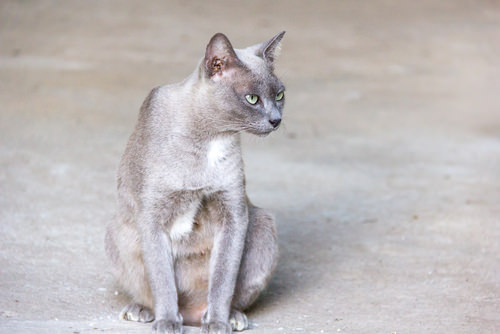
A roan color is essentially any color evenly mixed with white hairs, giving the coat a salt-and-pepper look instead of a flat, solid shade. It shows up occasionally in mixed-breed litters, and it isn’t tied to any single pedigreed breed. The same white-spotting genetics that create roan coats also show up in more common markings, like a cat’s white “socks”.

#6 – Fawn
15053007858_af456ee7aa_z
Photo credit: Sheila Sund via Flickr.

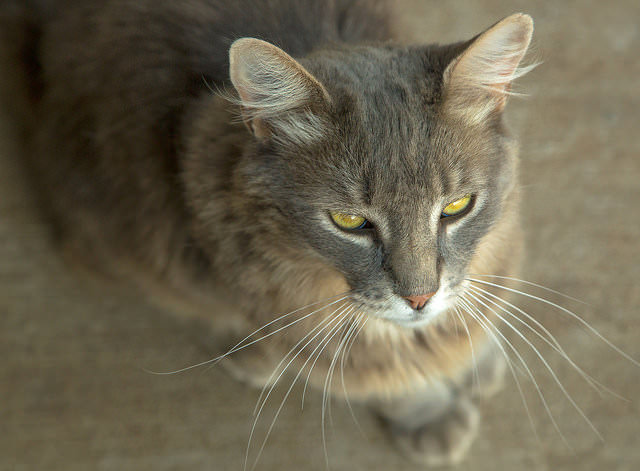
Fawn is similar to Lilac in that it’s a dilution of an already diluted color. Fawn is the dilution of Cinnamon, a color often found in Abyssinians and a few other breeds. Outside of breeding for the fawn color, it’s rarely seen.

#7 – Chinchilla
2536219743_9163d59ab7_z

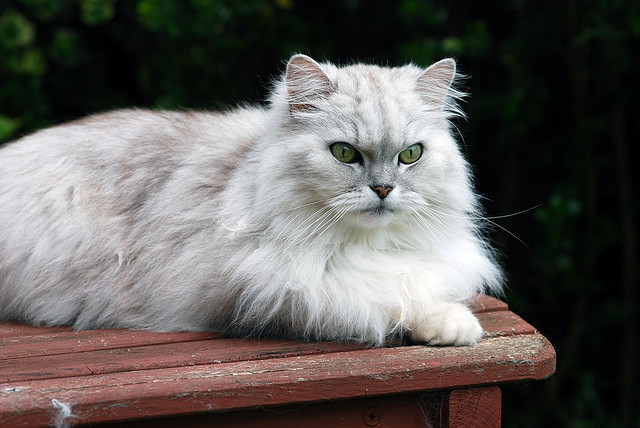
Chinchilla seems to be becoming more and more popular, but if it’s a color that pops up only rarely in cats not being bred specifically for the coloration. Chinchilla is similar to smoked coloration, but the tipping is very light. In this case, almost the entire hair shaft is a light color and only the tips are darkened.

Rare Cat Color Questions, Answered

Is cream a rare cat coat color?

Cream is a diluted form of the red (orange) gene, and it’s still fairly uncommon outside of specific pedigreed breeds. In non-pedigreed domestic cats, cream shows up far less often than tabby, black, or orange.

Is buff a rare cat color?

Buff isn’t a formally recognized coat-color genotype. Breeders sometimes use it informally for pale, warm dilute tones that are really describing fawn or cream underneath, so its rarity depends on which real color it’s standing in for.

Is taupe a rare cat color?

Taupe is a breeder nickname rather than its own genetic color. It usually describes a cool, grayish-tan shade that overlaps with lilac or beige, and major registries don’t list it as a separate color division.

What’s the difference between champagne and cameo cat colors?

Champagne is the term some registries, including Burmese and Tonkinese standards, use for a diluted chocolate-based color. Cameo is different: a red or apricot tipping over a white or silver undercoat, recognized in Persian and Exotic Shorthair color divisions.

Is a calico cat’s coloring rare?

No. Calico is a pattern, not a color, and it’s common. It comes from two X chromosomes carrying different color genes plus a white-spotting gene, similar to the pattern genetics behind tuxedo cats, which is why calico cats are almost always female.

What is the rarest cat coat color overall?

Fawn and lilac (lavender) are generally considered the rarest, since each requires a cat to inherit two separate recessive dilution genes stacked together, a combination that shows up almost only in a handful of pedigreed breeds.

Recent Articles

Interested in learning even more about all things dogs? Get your paws on more great content from iHeartDogs!

Read the Blog