
Across the United States, cat rescues are facing a growing problem that has nothing to do with how much they love animals. There are simply more cats needing help than many organizations have the space, funding, or foster families to care for. Some shelters have waiting lists stretching for weeks, while others have temporarily stopped accepting new arrivals. Yet behind every request for help is a cat or kitten whose future may depend on whether someone can make room.
LoveMeow recently spoke with five rescue organizations across five states, and their experiences revealed a troubling pattern. From Florida to Nevada, rescuers described the same challenges: limited access to affordable spay and neuter services, slower adoptions, fewer available foster homes, and increasing requests for assistance. Even organizations helping record numbers of cats are struggling to keep up.
Cat Rescues Are Reaching Their Limits
At Abandoned Pet Rescue in Fort Lauderdale, Florida, finding available space has become a constant challenge. Executive director Kara Starzyk explained that the shelter operates at capacity, with new animals waiting to enter whenever another leaves. The organization receives approximately 30 calls, emails, and walk-in requests daily, about half involving cats.
Florida presents an additional challenge because its warm climate allows cats to reproduce throughout the year. Without widespread access to affordable spay and neuter services, the number of cats needing assistance continues to grow.
The situation is equally difficult for Sparkle Cat Rescue in Burlington, North Carolina. The organization has paused intake since summer because adoptions have slowed, donations have declined, and fewer people are volunteering to foster animals. President Stephanie Grantham explained that kittens are growing older while waiting in foster homes, and adult cats are struggling to find permanent families.
For rescue groups relying entirely on foster homes, every available caregiver matters. Without someone willing to temporarily welcome another cat, there may be nowhere for a new arrival to go.
One Rescue Welcomed 40 Cats Despite Limited Space
Homeward Bound Cat Adoptions in Las Vegas, Nevada, has experienced an extraordinary increase in demand. During the first ten months of 2026, the organization admitted 1,736 cats, surpassing every previous full-year total in its records. Its admissions are already scheduled several weeks ahead, but one recent situation required an especially difficult decision.
A family needed help placing 26 cats and kittens. Homeward Bound agreed to accept them in stages so its veterinary team could manage their care. Then the family revealed that another 12 kittens and two mother cats also needed somewhere to go within two days.
The family had unsuccessfully contacted other organizations and lacked the money to arrange additional care. Some kittens needed urgent veterinary attention, and the animals faced being left outdoors if help could not be found. Although Homeward Bound was already beyond its preferred capacity, the team found a way to accommodate the entire group. All 40 cats and kittens were accepted into the rescue’s care.
Why Foster Families Make Such a Difference
Four of the five organizations interviewed by LoveMeow operate without traditional shelter buildings. Instead, they depend on volunteers who temporarily care for cats in their homes. At Whiskers-A-GoGo in Brooklyn, New York, Eva Prokop explained that the rescue’s ability to accept animals depends on available foster families and financial resources. The organization works to expand its network by recruiting and training new caregivers. Foster volunteers are matched with animals whose needs they feel comfortable managing.
Little Wanderers NYC faces similar pressure while assisting cats in underserved New York City neighborhoods. Lisa Scroggins emphasized the importance of increased funding for spay-and-neuter programs, which could help address the growing number of cats in need of rescue.
For these organizations, having an empty cage or available room is only part of the solution. Every animal also needs food, veterinary care, attention, and people who can provide consistent support.
A Forgotten Cat Gets Another Chance
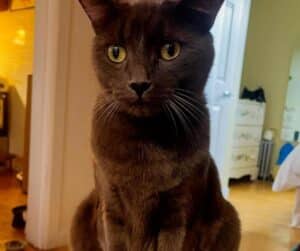
One cat’s experience shows why having space available can make such a difference. Truly Scrumptious, a gray kitten adopted through Whiskers-A-GoGo in 2022, once appeared to have found his happy ending. But years later, following changes in his adopter’s personal circumstances, he was passed between different homes. Eventually, he ended up outside on a Brooklyn sidewalk.
Fortunately, a rescuer found him and checked for a microchip. The scan revealed that Whiskers-A-GoGo was still connected to his identification, allowing the organization to welcome him back. This time, the rescue had room.
After approximately three weeks, Truly Scrumptious began settling into his surroundings. His affectionate personality emerged, including an adorable habit of holding hands while being cuddled and playing fetch with toy mice. His story could have unfolded very differently if the organization had been unable to accept him.
How Cat Lovers Can Help Create More Happy Endings
Rescue organizations say two things could make a particularly meaningful difference: more adoptions and better access to affordable spay-and-neuter services. Adoption gives one cat a permanent home while opening space and freeing resources for another animal needing assistance.
Fostering can also provide immediate relief, particularly for organizations without physical shelters. Donations, volunteering, and supporting accessible veterinary services offer additional ways to help. Rescuers also encourage cat parents to make arrangements for their pets in case illness or another unexpected event prevents them from providing care.
At Homeward Bound, more than 80 cats and kittens are waiting for families. Meanwhile, organizations across the country continue working to help as many animals as their resources allow. For cats like Truly Scrumptious, having somewhere safe to return to can change everything. And for the many cats still waiting, one adoption or one new foster family could make room for their own second chance.
This content was created with AI assistance and edited by the iHeartCats team.