
As temperatures drop, outdoor cats face a challenge that can quickly become dangerous. While some have access to warm garages, insulated shelters, or caring neighbors, others must find whatever protection they can from freezing temperatures, wind, and snow.
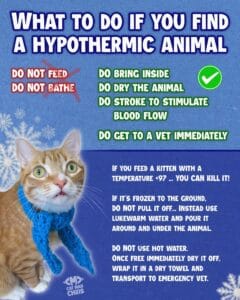
Cat rescuer and animal advocate Cat Man Chris reminds people that a little knowledge can make an enormous difference when a cat struggles in the cold. In a Facebook post, he shared an infographic explaining what to do if someone discovers an animal suffering from hypothermia, along with an important reminder that many outdoor cats don’t have adequate shelter when winter weather arrives.
His message matters because some instinctive responses, like immediately offering food or using hot water to warm a freezing kitten, can actually make the situation worse. Knowing how to respond safely could give a vulnerable cat a much better chance of recovery.
Why Cold Weather Can Be So Dangerous for Cats
Cats may have fur coats, but that doesn’t mean they’re protected from dangerously cold temperatures. Prolonged exposure to freezing weather, especially when combined with wind, rain, or snow, can cause their body temperature to fall below normal. Hypothermia occurs when an animal loses body heat faster than it can produce it. As the body’s temperature drops, essential functions such as circulation, breathing, and metabolism can begin to slow.
Young kittens, senior cats, and animals who are underweight or already unwell are particularly vulnerable. Wet fur can make the situation even more dangerous because it reduces the insulation that normally helps cats retain body heat. A cat experiencing hypothermia may shiver, seem unusually weak, move slowly, or become disoriented. In more serious cases, the animal may stop shivering, become difficult to wake, or appear barely responsive.
These signs should never be ignored, even if the cat seems to improve after being brought indoors. Hypothermia is a veterinary emergency, and professional care is important to identify complications that may not be immediately visible.
What to Do If You Find a Cat Suffering From Hypothermia
Cat Man Chris’s infographic emphasizes several important first steps, beginning with getting the animal out of the cold. If you discover a cat who appears dangerously chilled, the priority is to move them into a warm, dry environment as safely as possible. If the cat’s fur is wet, gently pat it dry with a towel. Avoid vigorous rubbing, especially if the animal has areas of skin that may be affected by frostbite.
Next, wrap the cat in a dry towel or blanket to help prevent further heat loss. A warm, not hot, water bottle wrapped in a towel can provide gentle additional warmth during transport, but it should never touch the animal’s skin directly.
It’s important to warm a hypothermic cat gradually rather than trying to raise their body temperature as quickly as possible. Heating pads placed directly against the skin, hair dryers, hot baths, and other intense heat sources can cause burns or additional complications.
Keep handling to a minimum, particularly if the cat is weak or struggling to respond. Place the animal in a secure, ventilated carrier lined with dry towels and contact an emergency veterinarian immediately. Even if the cat begins moving around or seems more alert, a veterinary examination is still necessary. Serious hypothermia can affect several body systems, and some animals require carefully controlled warming and supportive treatment.

Why You Should Never Feed a Cold Kitten
One of the most important warnings in Cat Man Chris’s infographic concerns feeding kittens who are dangerously cold. Although offering food or milk may seem like the kindest thing to do, feeding a hypothermic kitten before warming them can be extremely dangerous.
Very young kittens cannot regulate their body temperature effectively, and their digestive systems depend on adequate warmth to function properly. When a kitten becomes hypothermic, digestion slows, and feeding can increase the risk of regurgitation and aspiration. The National Kitten Coalition specifically advises caregivers never to feed a cold kitten. Instead, the kitten should be warmed gradually with a safe, moderate heat source while veterinary help is arranged.
A wrapped warm-water bottle or a properly covered pet-safe warming device may help, but the kitten must be protected from direct heat. Ideally, the setup should allow a kitten capable of moving to shift away from the warmth if necessary.
The infographic mentions a temperature below 97 degrees Fahrenheit, but kitten temperature requirements vary with age. Rather than relying on one number, anyone who finds a cold, weak, or unresponsive kitten should treat the situation as urgent and contact a veterinarian.
Once the kitten has been safely warmed, a veterinarian or experienced kitten-care professional can advise when and how feeding should resume. For tiny kittens, getting the order of care right is especially important.
What If a Cat Is Frozen to the Ground?
Cat Man Chris also addresses a frightening situation that can occur during severe winter weather. An animal may become stuck to an icy surface when moisture around its fur or body freezes. If you encounter a cat in this situation, never try to pull the animal free. Doing so could injure delicate skin or other tissues.
Instead, contact animal control, a veterinarian, or an experienced animal rescue organization for immediate assistance. If you can safely help while waiting for guidance, carefully applying small amounts of lukewarm water to the frozen contact area may help release the ice without pulling on the animal.
Never use hot water or attempt to force the cat away from the frozen surface. Once the animal is free, gently dry the wet areas, wrap the cat in a dry towel, and arrange immediate veterinary care.
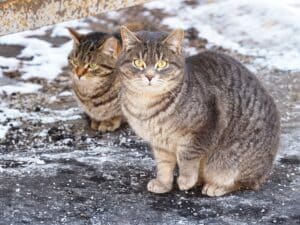
Cats exposed to freezing conditions may also develop frostbite, particularly on their ears, paws, and tails. Because frostbite isn’t always obvious right away, a veterinary examination is important even when the animal appears to be recovering.
A Little Preparation Can Help Protect Outdoor Cats
Beyond sharing emergency advice, Cat Man Chris wants people to remember the outdoor cats who may have nowhere warm to go. His message encourages animal lovers to share potentially lifesaving information before the coldest weather arrives. One of the most helpful things people can do is provide insulated outdoor shelters for community cats. These shelters should be elevated when possible, protected from wind and moisture, and positioned somewhere safe from traffic and other hazards.
Straw is generally recommended as bedding for outdoor cat shelters because it resists moisture better than ordinary blankets or towels. Fabric bedding can become damp and freeze, making an already cold shelter even less comfortable.
Providing fresh water and appropriate food can also help community cats during winter, although these everyday feeding recommendations are different from the emergency care needed for a severely hypothermic animal. Heated water bowls designed for outdoor use can help prevent drinking water from freezing.
People should also check around vehicles before starting their engines, as cats sometimes seek warmth near parked cars. A quick look beneath the vehicle and a gentle tap on the hood can help alert any animal hiding nearby.
Sharing This Advice Could Make a Difference
For Cat Man Chris, the message behind the infographic is simple: too many cats face cold weather without the shelter they need. By helping people recognize hypothermia and understand the safest first steps, he hopes more animals will receive help when they need it most.
His reminder also highlights the importance of looking out for community cats throughout the colder months. Whether that means providing an insulated shelter, contacting a rescue about a vulnerable animal, or helping a neighbor understand what to do in an emergency, small actions can make a meaningful difference.
And if you ever find a cat who is dangerously cold, remember the most important steps. Bring them somewhere warm and dry, handle them gently, avoid intense heat or feeding a chilled kitten, and seek veterinary care without delay.
Winter weather can be difficult for animals without reliable shelter, but informed and compassionate people can help make their world a little safer. Sometimes, simply knowing what to do is the first step toward giving a cat the help they desperately need.
This content was created with AI assistance and edited by the iHeartCats team.