
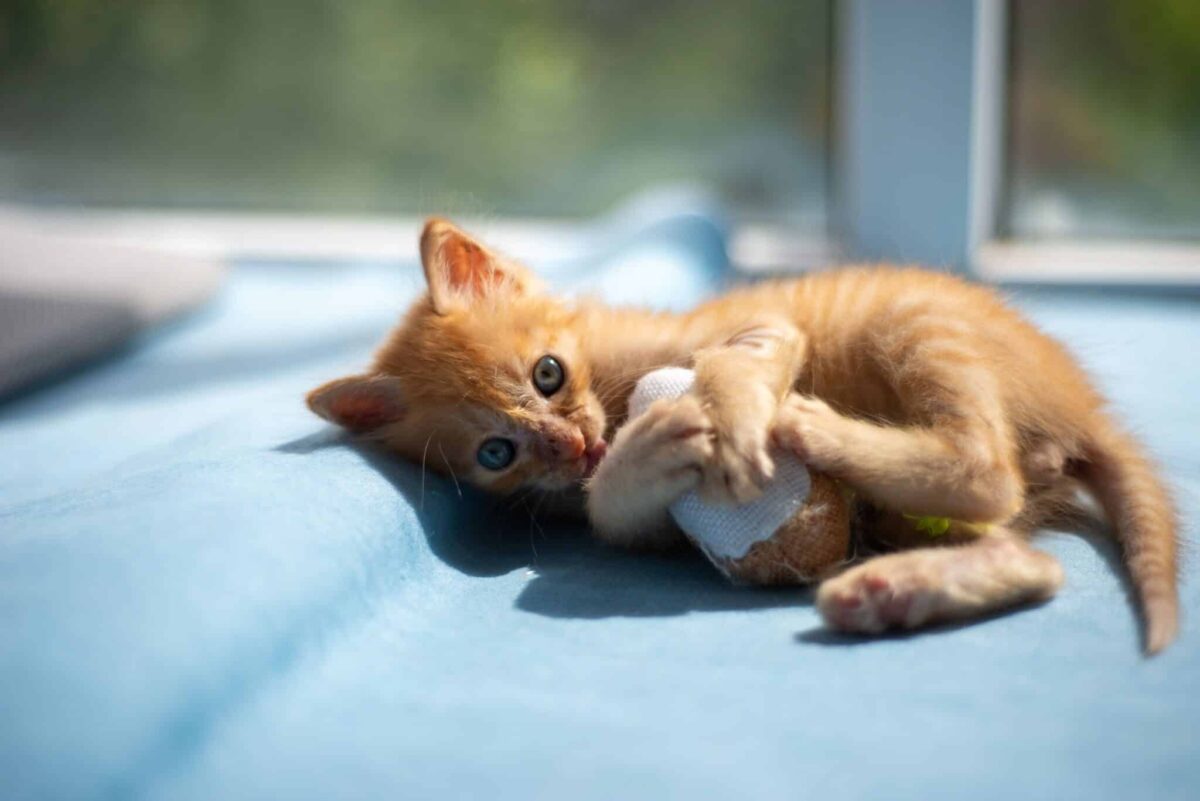
When fall brings cooler air and longer evenings, cats have a special talent for making home feel warmer. A once-ordinary blanket suddenly has a furry occupant, while a sunny windowsill becomes prime real estate. Some cats become enthusiastic lap warmers, while others prefer a nearby perch where they can quietly observe the household. These cozy habits are not always about affection. Temperature, routine, security, curiosity, and individual preference can all shape what a cat does as the seasons change, turning ordinary autumn days into peaceful, comforting moments.
They Curl Up in Warm Blankets
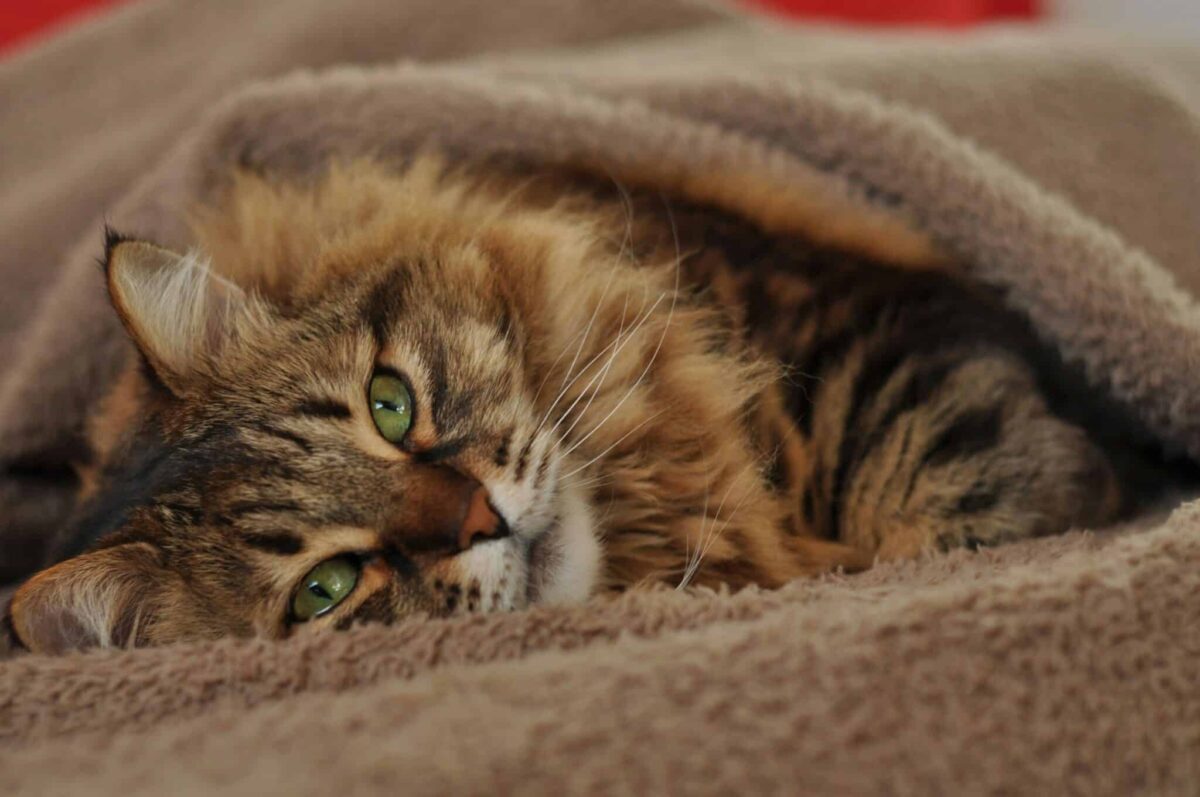
Few things look cozier than a cat disappearing into a pile of blankets. Soft bedding provides insulation, cushioning, and a comfortable surface for resting, making it especially appealing when indoor temperatures feel cooler. Curling into a compact position can also help a cat conserve body heat, while familiar textures and scents can make a particular blanket even more appealing. Some cats tuck their paws underneath themselves, wrap their tails around their bodies, or burrow beneath the covers. Fall simply gives them another reason to claim the softest spot in the house.
They Chase the Sun Around the House
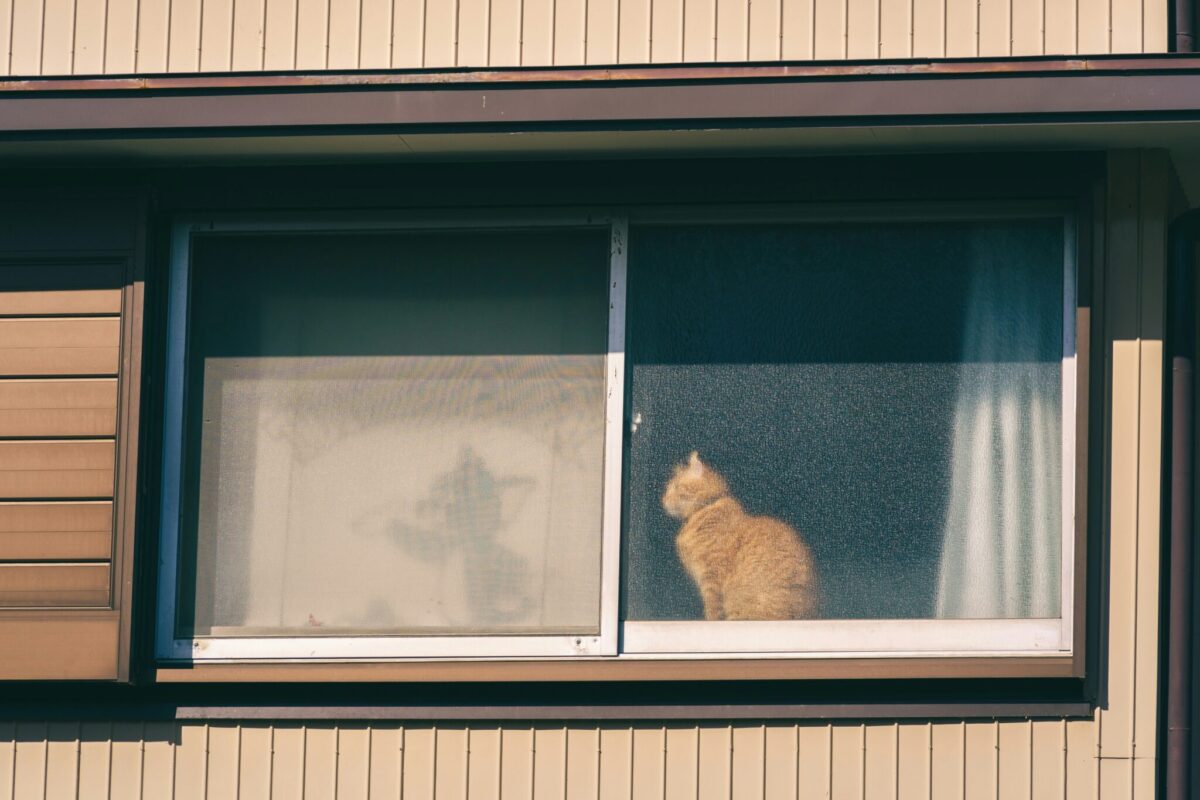
As the sun moves across the room, a cat may move with it. Sunlight provides radiant warmth, making sunny floors, windowsills, and furniture particularly attractive resting spots when the surrounding air is cooler. A window also offers visual stimulation from birds, leaves, people, and other outdoor activity. That combination of warmth and entertainment can make a sunny spot especially valuable to an indoor cat. A cat may nap in one location for an hour, wake up, and relocate several feet simply because the patch of sunlight has shifted, creating one of autumn’s most recognizable cat scenes.
They Turn Laps Into Cozy Loungers
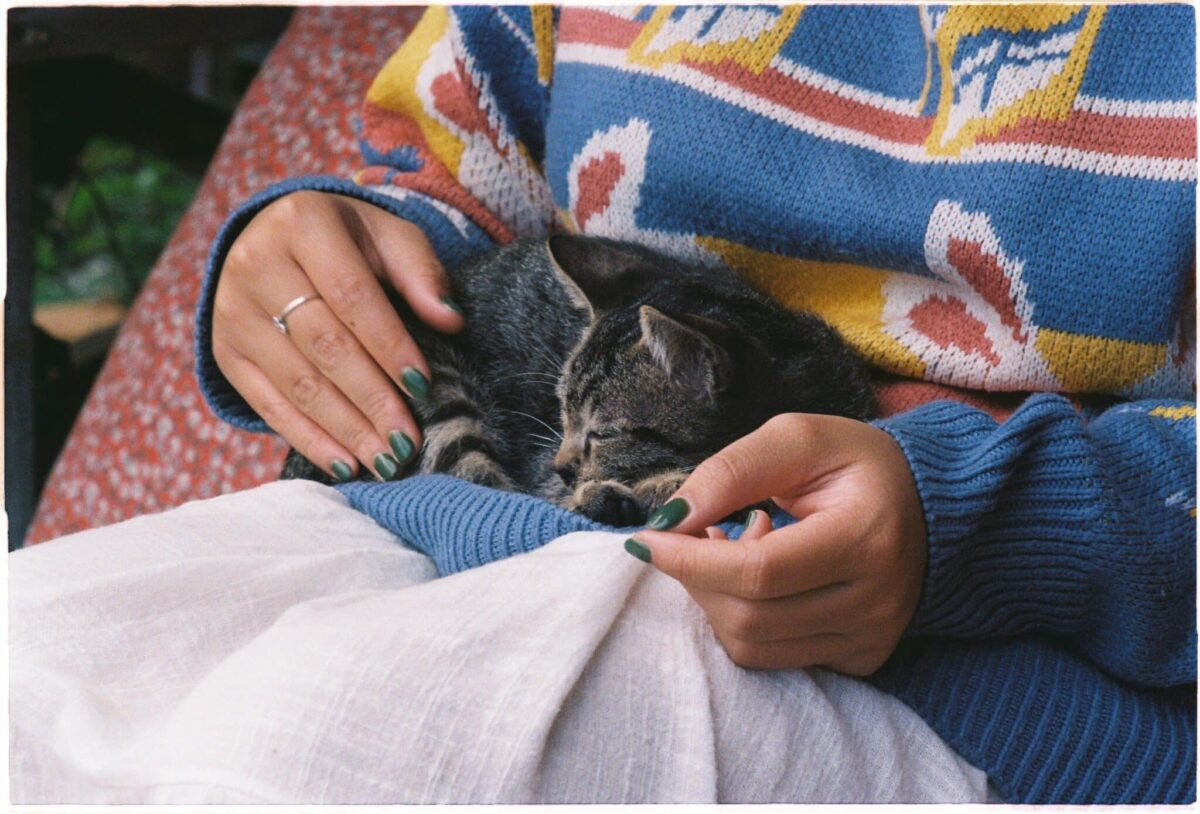
A human lap offers warmth, stability, and a familiar scent, making it an appealing resting place when temperatures drop. For cats that already enjoy physical contact, cooler weather can make lap time even more attractive. Not every cat wants to be held, though. Some prefer resting on a person’s legs, while others settle beside them instead. When a normally independent cat starts appearing during chilly evenings, the temperature may simply be adding another incentive to an established social routine. The cat gets a warm resting place, while their human gets a purring companion.
They Settle Beside Their Humans
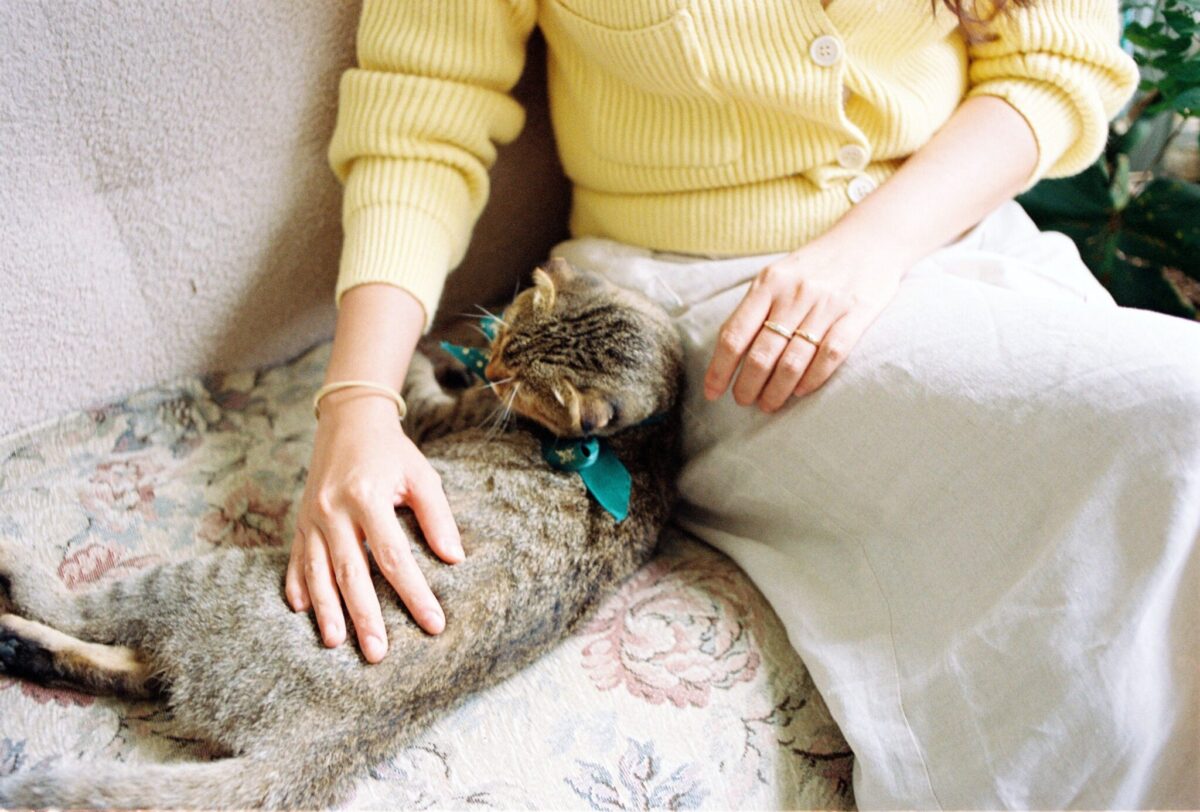
Not every cozy cat wants to sit directly on someone. Some are perfectly content to curl up beside a person while they read, watch television, or work. Choosing to rest nearby can reflect warmth, familiarity, security, or social attachment, depending on the individual cat. Cats can enjoy companionship while still maintaining control over personal space, so sharing a couch without demanding attention can be their preferred version of togetherness. During a peaceful fall evening, simply being close may provide everything they want from the interaction.
They Purr During Quiet Moments
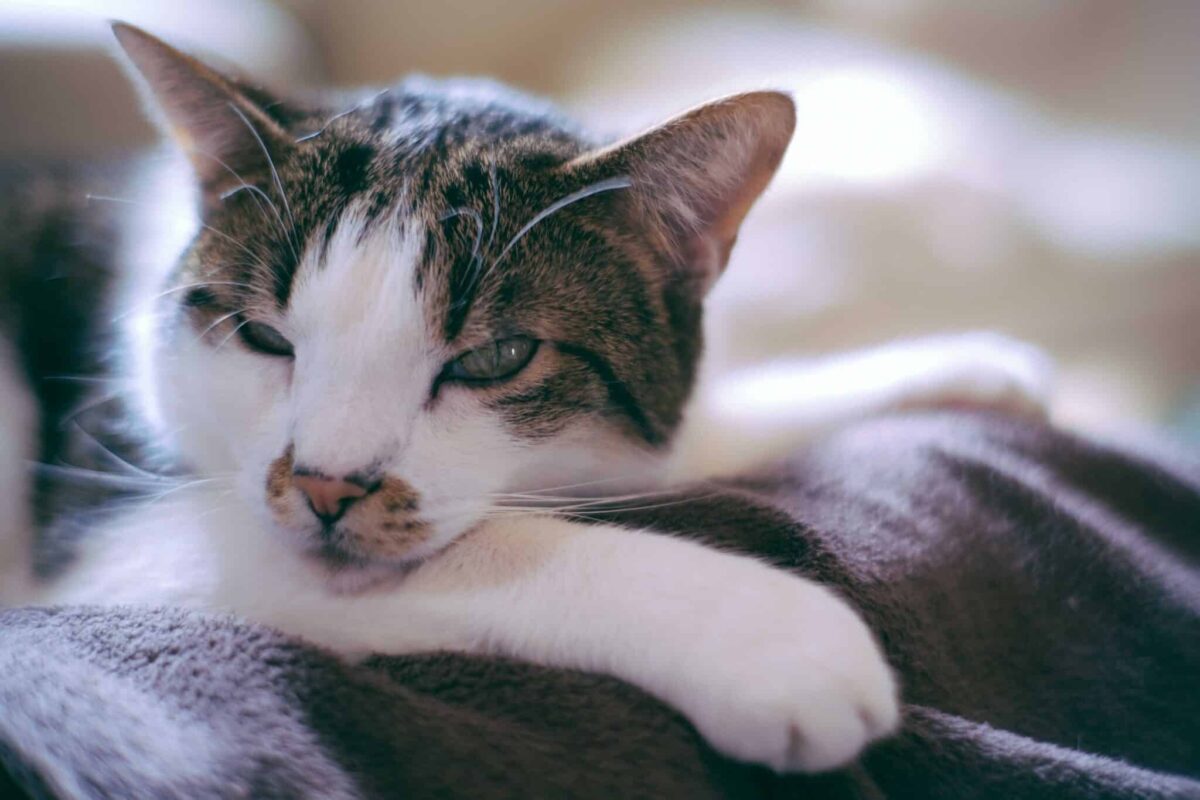
A softly purring cat can instantly make a quiet room feel more peaceful. Purring commonly occurs when cats are relaxed and content, although it can also happen during stress or discomfort, so the surrounding body language matters. A cat stretched comfortably on a blanket with relaxed muscles and soft eyes is displaying a different picture from one who is hiding or acting unusually withdrawn while purring. When a cat is clearly comfortable, that gentle sound can become part of the household’s familiar soundtrack, especially during calm autumn evenings.
They Take Extra-Comfortable Naps
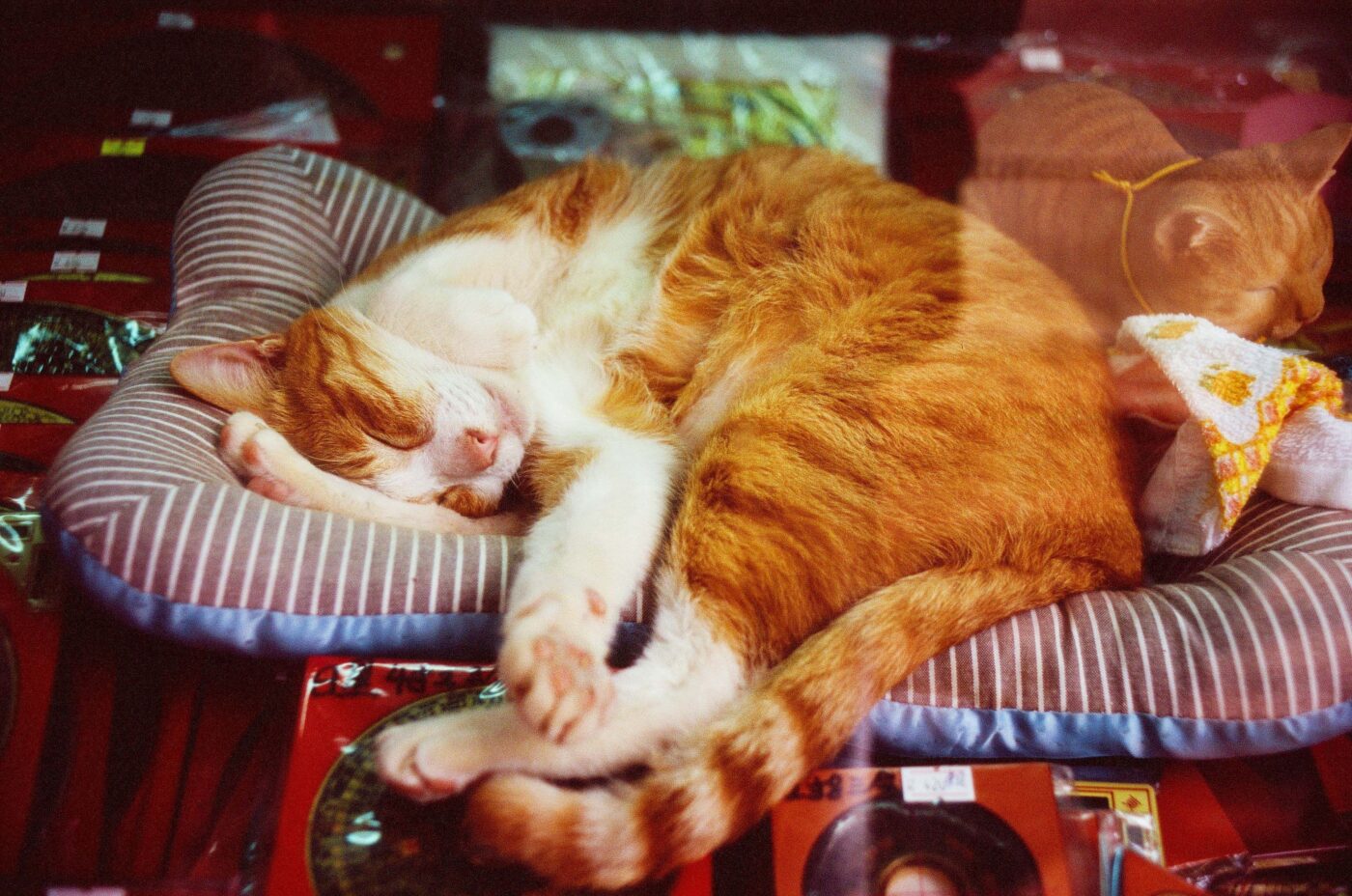
Cats already spend a substantial portion of their lives sleeping, and a cool day can make a comfortable resting spot even more attractive. A warm bed, fleece blanket, or quiet corner may become the preferred destination for another long nap. Cats generally sleep in multiple periods rather than following one long human-style sleep schedule, alternating between deeper sleep and lighter resting. Temperature, age, activity, and individual habits all influence how much a particular cat sleeps, so a cat settling into a cozy bed for hours on a chilly afternoon may simply have found an excellent place to rest.
They Knead Soft Blankets
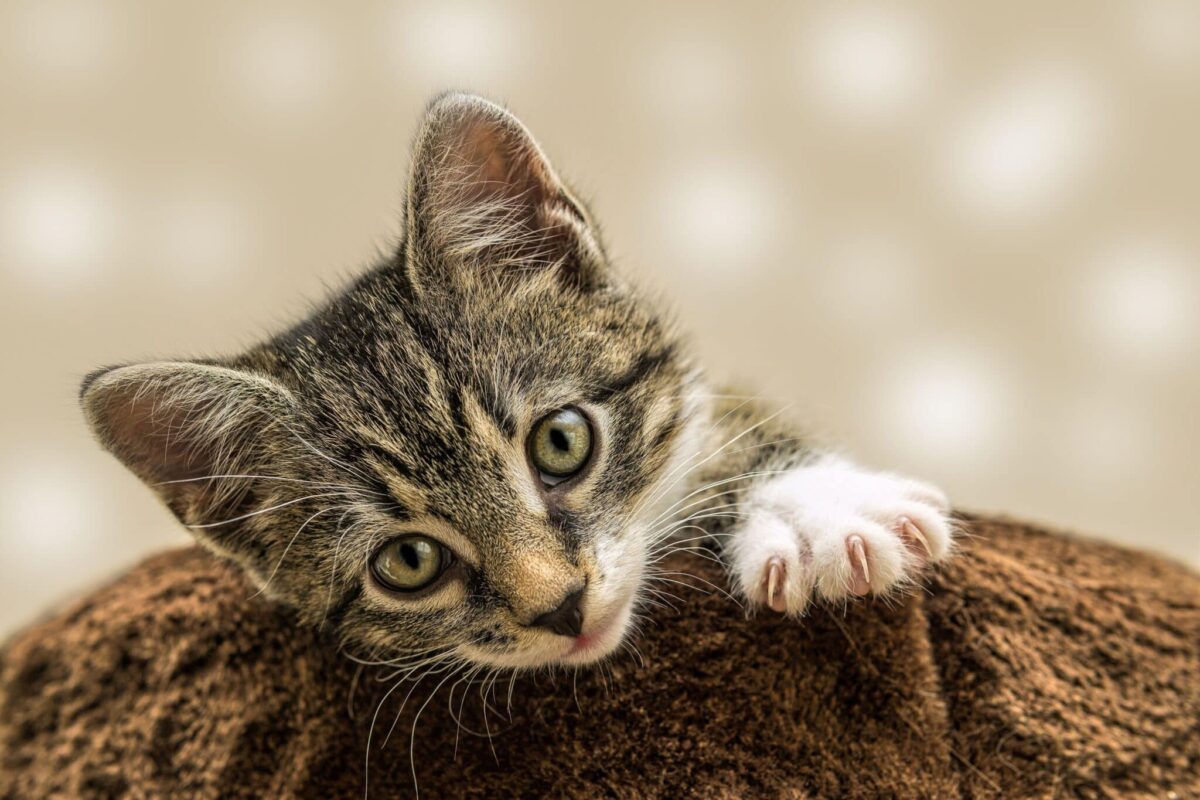
The rhythmic motion of paws pressing into a blanket is one of the most recognizable cozy-cat behaviors. Kneading begins during kittenhood, when kittens press their paws against their mother while nursing, and many cats continue the behavior as adults. Soft surfaces can be particularly inviting because they provide comfortable resistance beneath the paws. A cat may knead before lying down, while purring, or during another relaxed moment. It does not have one universal meaning, but comfort and relaxation are common contexts for the behavior, especially when a cat is preparing to settle down.
They Bring Their Playful Energy Indoors
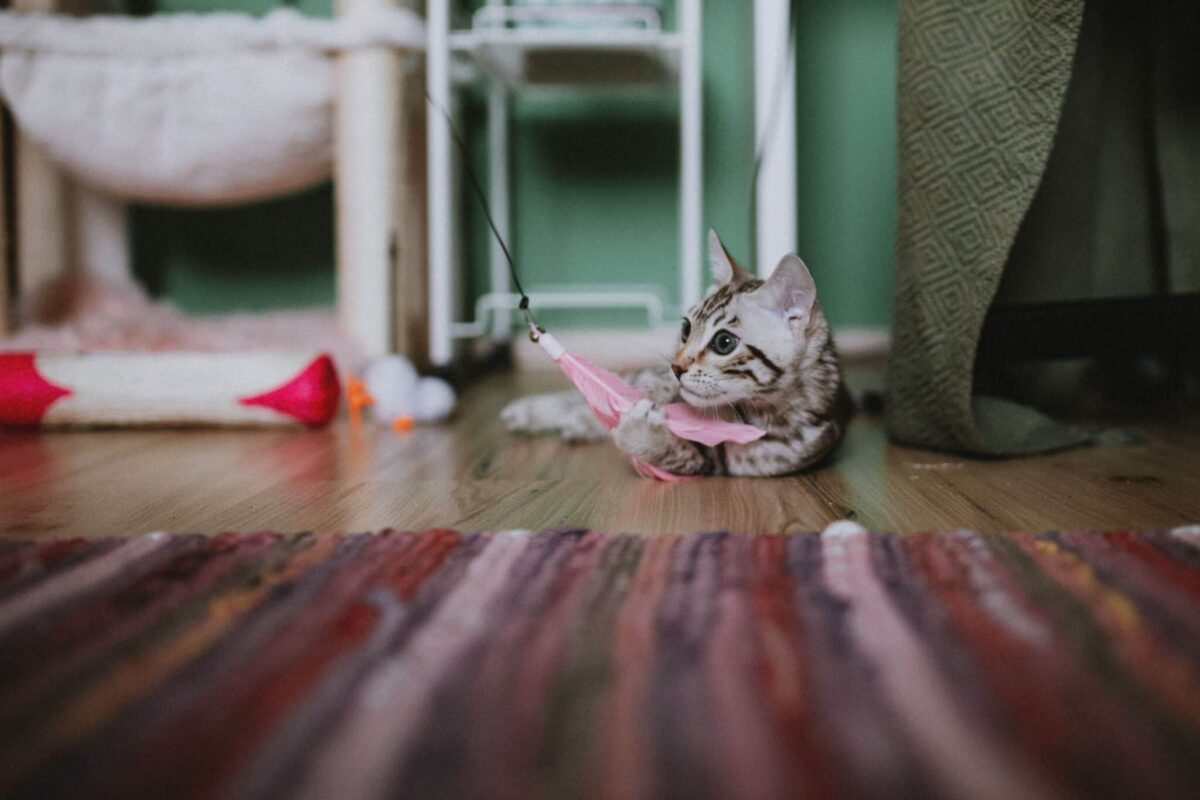
Cooler weather can encourage more indoor activity, particularly for cats accustomed to spending time exploring enclosed outdoor spaces. That can mean more chasing, pouncing, climbing, and toy-based games inside the home. These activities are closely connected to natural predatory behaviors, including watching, stalking, chasing, pouncing, and grabbing. Toys provide a safe outlet for those instincts while offering physical and mental stimulation. A fall evening can therefore become unexpectedly lively when a cat decides the hallway is a racetrack, while interactive toys and climbing structures give that energy an appropriate outlet.
They Stick Closely to Familiar Routines
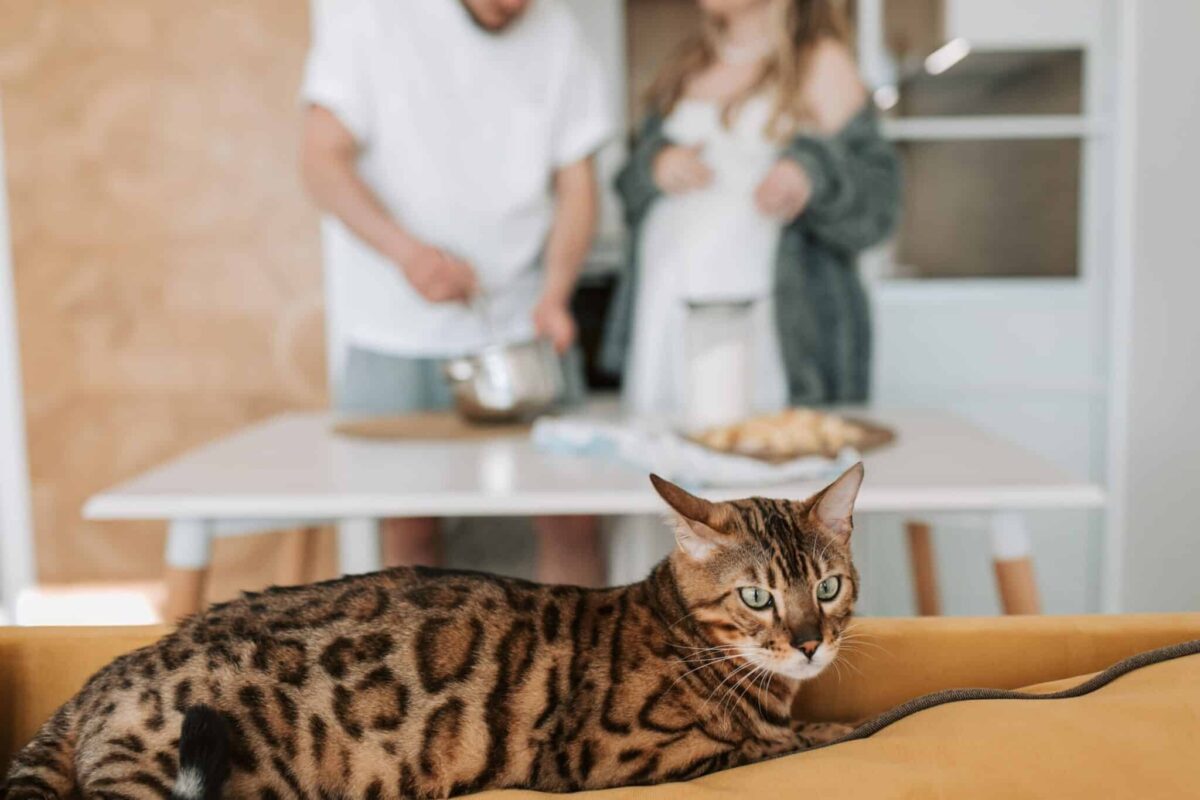
Cats are remarkably attentive to patterns in their environment. Feeding times, bedtime rituals, play sessions, and familiar household sounds can all become predictable cues. Fall often changes household routines, with people spending more time indoors and evenings beginning earlier. A cat may respond by appearing at familiar moments, such as following someone into the kitchen or joining the household when everyone settles down. This can look especially affectionate, but routine and learned associations may explain much of it. Cats notice repeated sequences and learn what tends to happen next.
They Watch Autumn From the Window
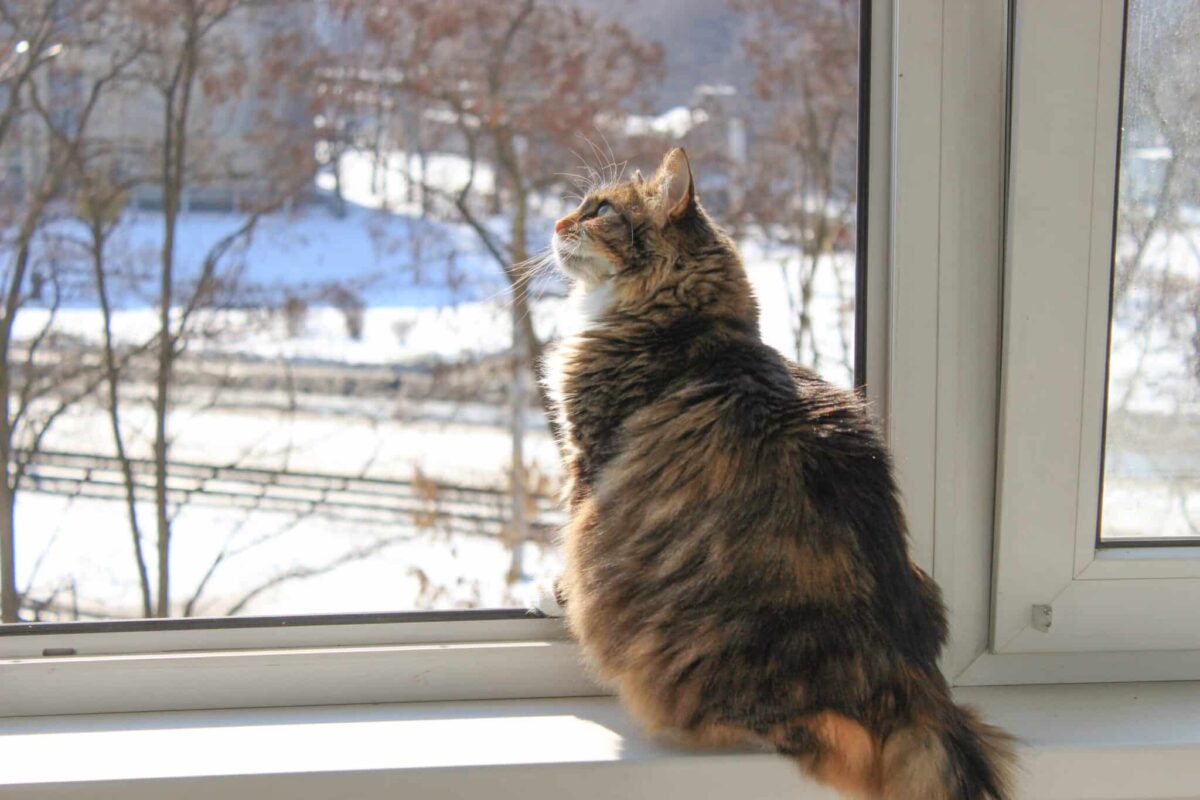
An autumn window can provide hours of feline entertainment. Moving leaves, birds, insects, changing light, and people passing outside all offer visual stimulation for an observant cat. The elevated position of a windowsill can make the experience even more appealing by giving them a broad view while remaining safely indoors. A cat may sit perfectly still while watching something outside, then suddenly twitch their tail or shift their ears toward a new sound. Even when nothing dramatic happens, window watching can provide useful mental stimulation during days when outdoor exploration is less appealing.
They Hide in Snug Little Spaces
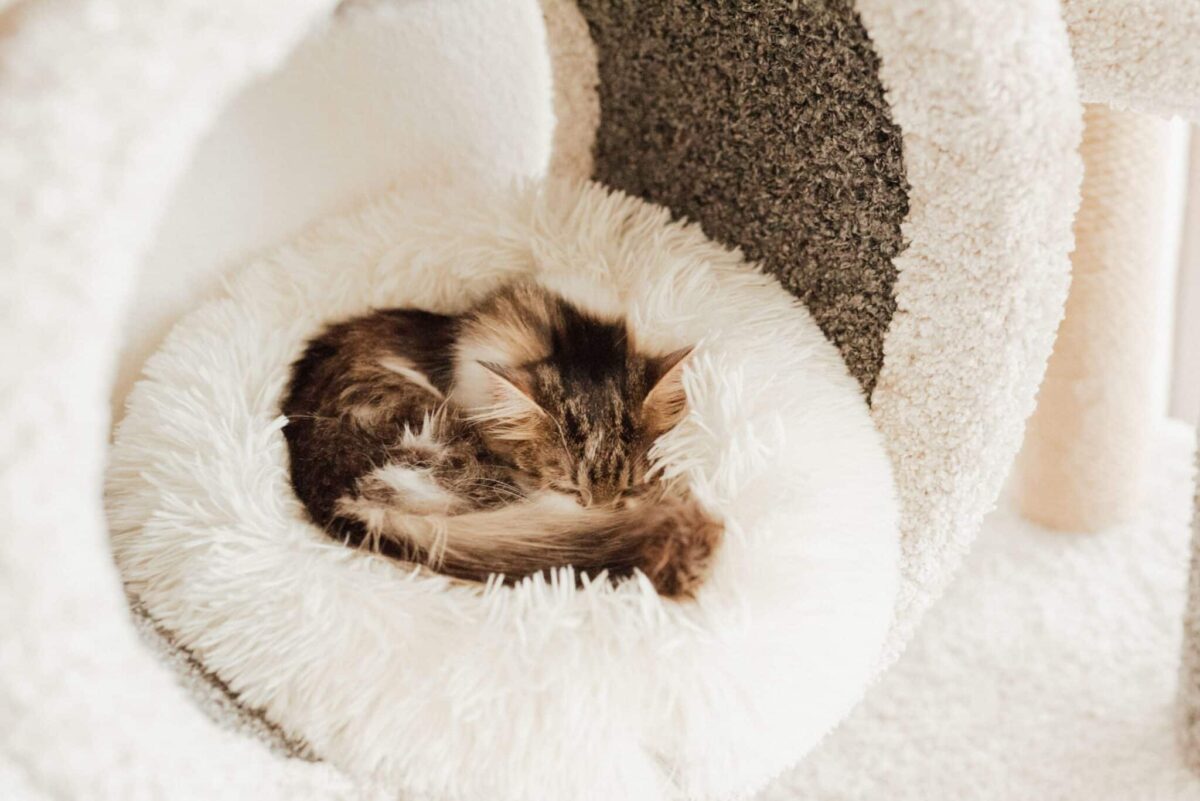
Boxes, covered beds, baskets, and other enclosed spaces have an obvious appeal to many cats. They can provide warmth while also giving the cat a quiet place where household activity feels less intrusive. Cats often appreciate locations that allow them to control how exposed they are, making an enclosed resting area a useful retreat within familiar territory. A cat may choose it after a busy household moment, during a nap, or simply because the space feels comfortable. As long as normal eating, grooming, play, and social behavior continue, choosing a snug retreat is generally just another expression of personal preference.
They Add a Little Mischief to Indoor Days
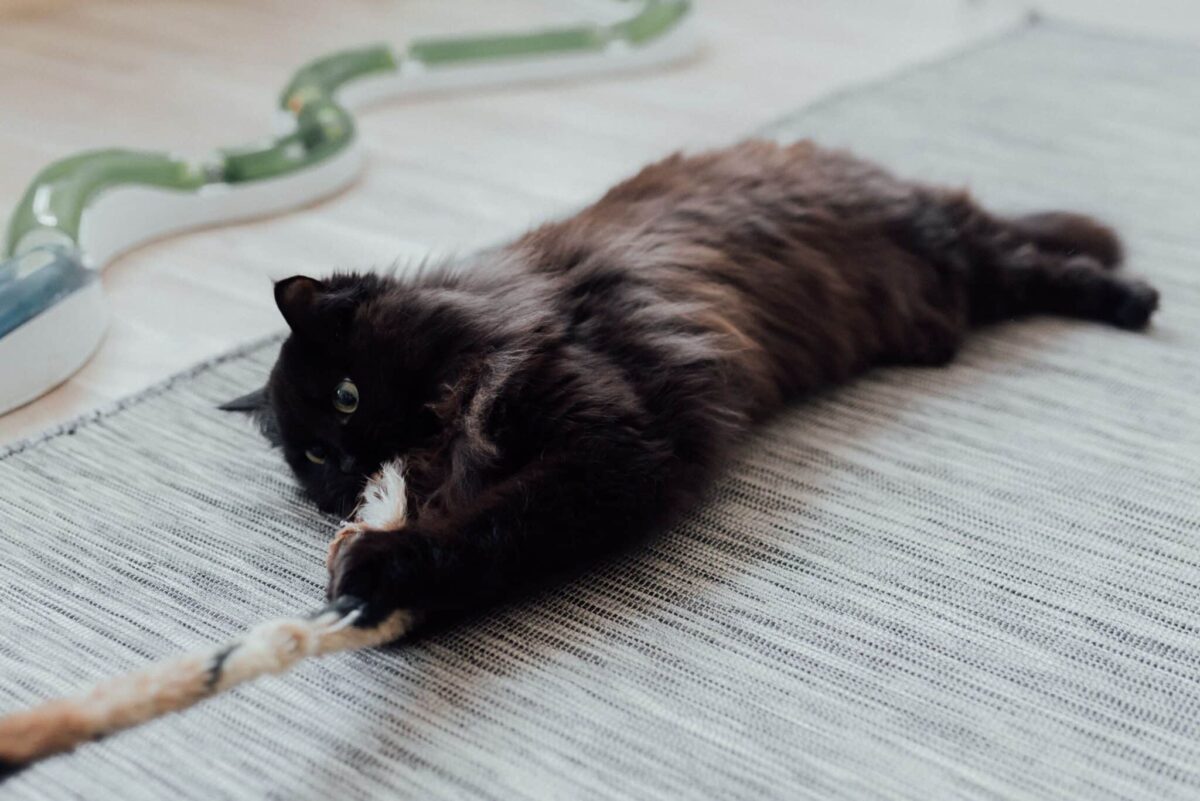
When the weather encourages everyone to stay inside, a curious cat may decide that the home needs some investigation. Cardboard boxes, paper bags, toys, furniture, and previously ignored objects can suddenly become fascinating. Curiosity is a normal part of feline behavior, helping cats gather information and investigate changes in their environment. A predictable home can also benefit from occasional enrichment to keep an active cat mentally engaged. That explains why a quiet afternoon can suddenly turn into a hallway sprint. Safe toys, climbing opportunities, and interactive games give that curiosity appropriate outlets.
They Make Bedtime Feel Warmer
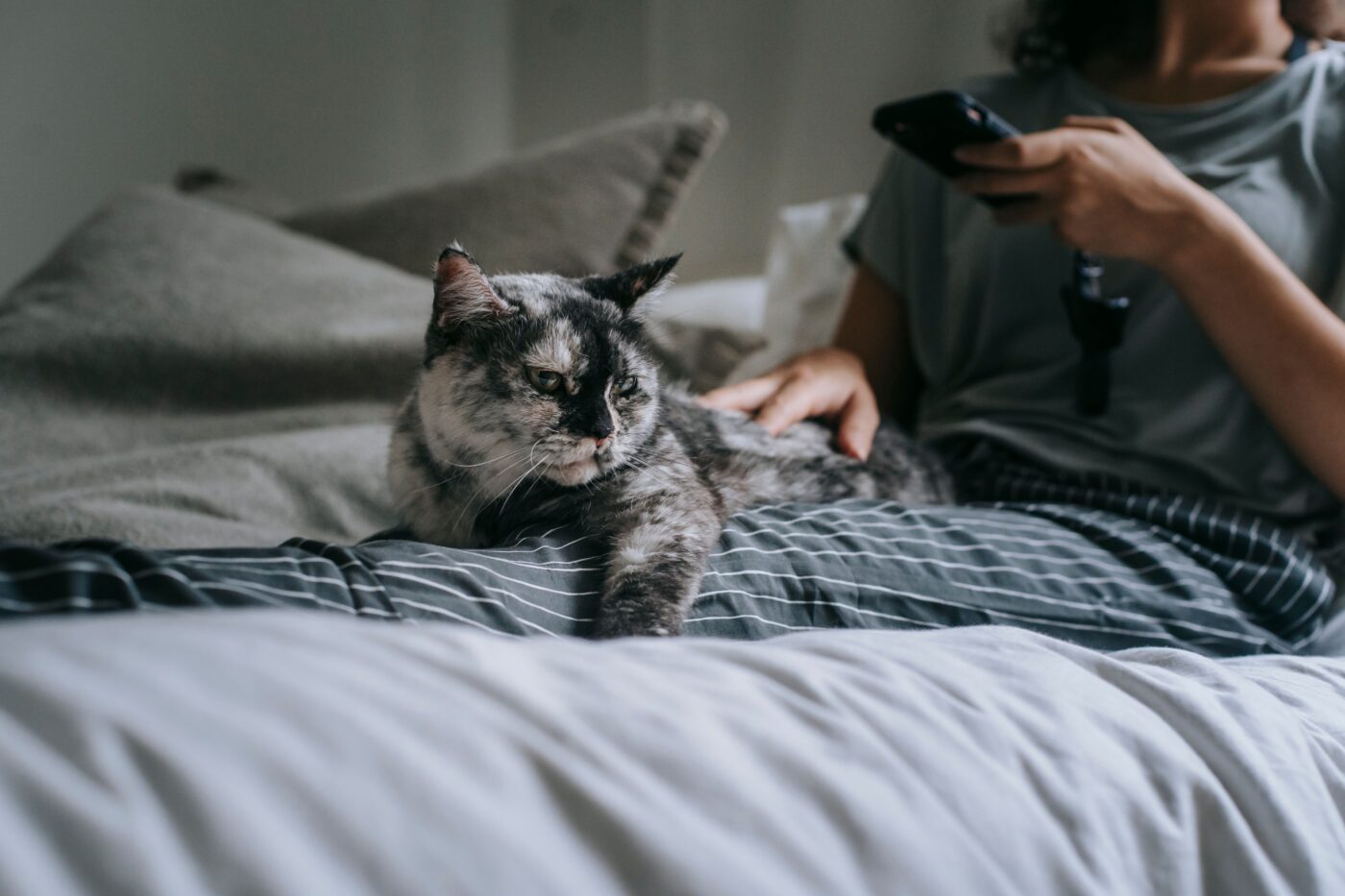
For some cats, nighttime becomes the perfect opportunity to find a warm and familiar sleeping spot. A bed offers soft bedding, body heat, and a predictable environment, making it appealing when temperatures drop. A cat may curl beside someone’s legs, settle at the foot of the bed, or claim a completely separate pillow. The choice can reflect warmth, security, habit, or social attachment, while individual preferences determine how much physical contact they want. Sharing a bedroom does not necessarily mean a cat is seeking attention. Sometimes simply resting in the same quiet space is enough.
The Little Rituals That Make Fall Feel Like Cat Season
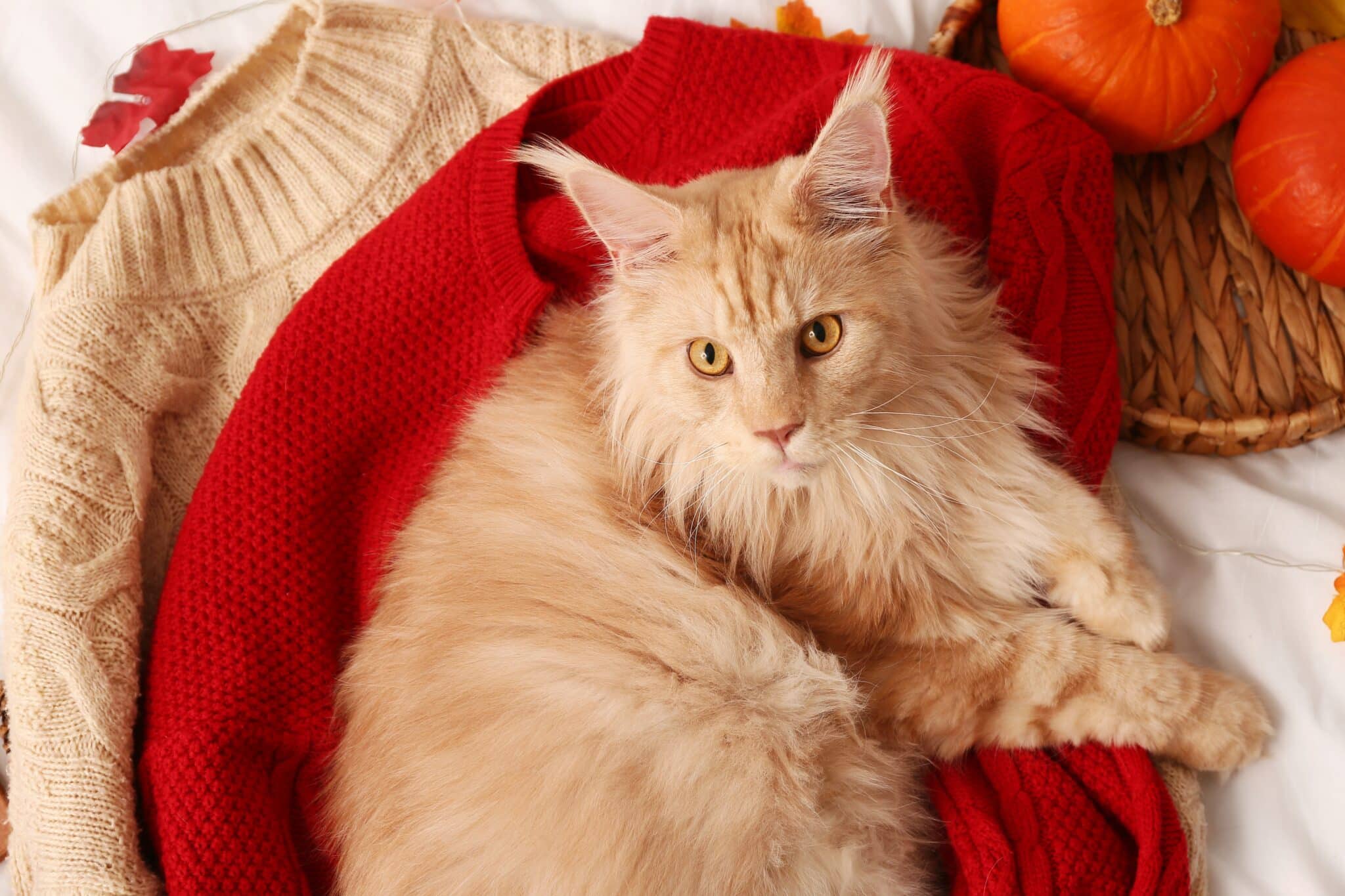
Cooler weather can make ordinary cat habits feel especially inviting. A sunbeam becomes a favorite lounge, a blanket becomes prized territory, and an evening nap can become a quiet moment of companionship. Some cats seek warmth directly, while others simply continue familiar routines in comfortable places. Every cat has their own version of cozy, whether that means becoming a dedicated lap warmer or preferring a sunny windowsill nearby. Their small rituals may reflect instinct, comfort, routine, or personality, making chilly days at home feel even warmer.
This content was created with AI assistance and edited by the iHeartCats team.