
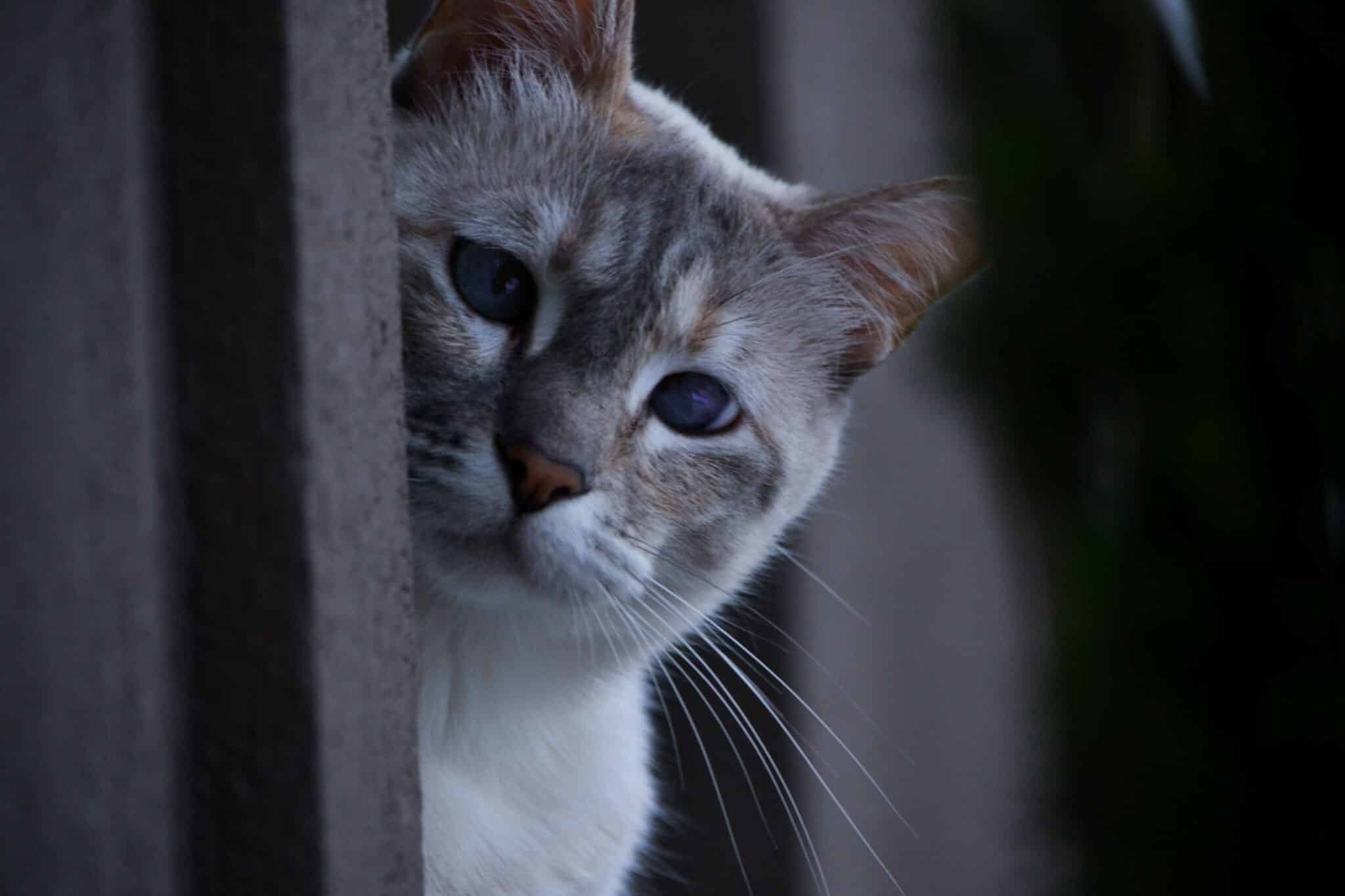
Halloween brings glowing pumpkins, rustling decorations, costumes, doorbells, and unfamiliar faces. For people, it can be an exciting night, but cats may find the festivities overwhelming. The front door keeps opening, strangers wear unusual outfits, and familiar rooms suddenly fill with mysterious objects. Even confident cats may feel unsettled by these changes, while shy companions might hide beneath the bed until the excitement passes. Understanding what cats need during Halloween helps protect their comfort, reduce stress, and keep the holiday safer for everyone.
They Want Us to Stop Bringing Strange Things Into Their Territory
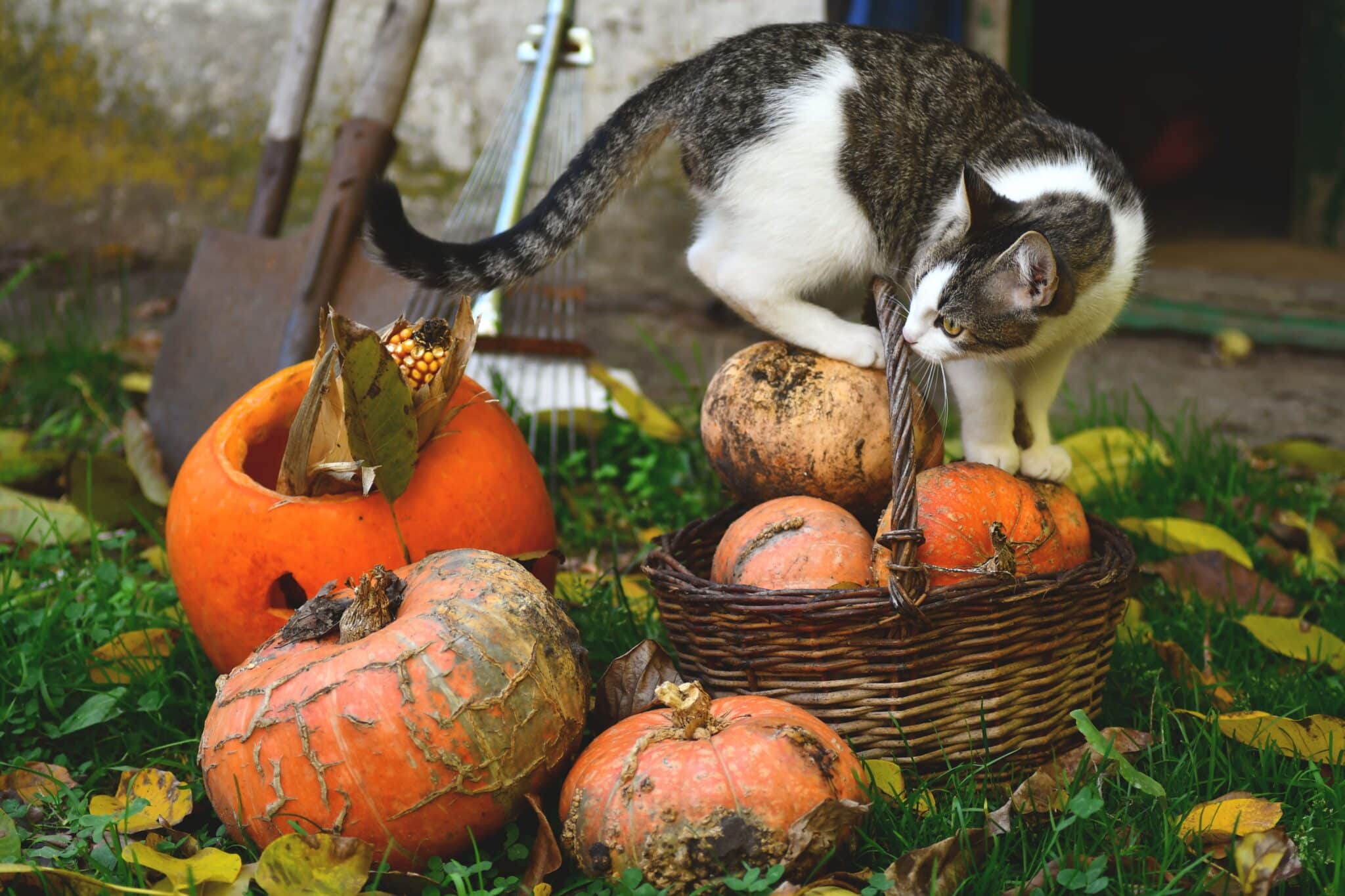
Cats are creatures of habit, and their homes are filled with familiar smells that help them feel secure. When Halloween decorations suddenly appear, the environment changes in ways that may be confusing or unsettling. A plastic skeleton in the hallway, a fake spider on the sofa, or a large inflatable figure near the window can become an unexpected object that deserves careful investigation. Scent plays an important role in feline communication and territorial comfort. Cats rub their cheeks against furniture and other familiar surfaces, depositing scent markers that help make their surroundings feel recognizable. New decorations introduce unfamiliar smells and shapes into that established territory. A confident cat may investigate immediately, while a more cautious companion may avoid the area. Giving cats time to approach new decorations voluntarily can help them adjust without unnecessary stress.
That Costume Makes You Look Like a Stranger
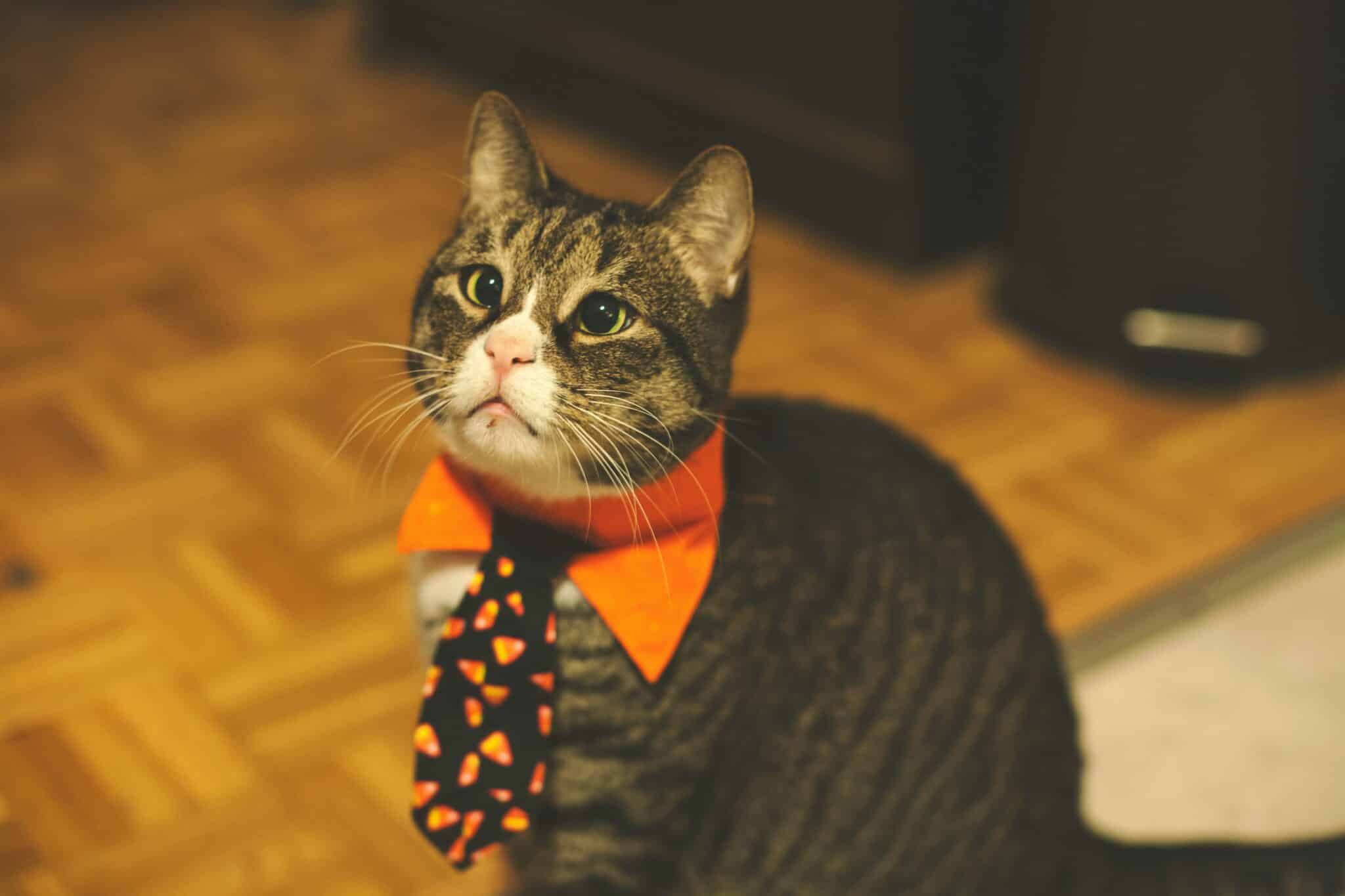
A favorite human can look surprisingly unfamiliar in a Halloween costume. Hats, masks, wigs, oversized sleeves, and dramatic makeup alter the shapes and movements cats recognize. Because cats rely on a combination of visual cues, scent, sound, and routine to identify familiar individuals, a dramatic costume change can briefly make their person seem unusual. Some cats respond with curious sniffing, while others retreat or watch from a safe distance. A mask that covers the face can be particularly confusing because it hides familiar expressions. Moving slowly, speaking in a recognizable voice, and allowing the cat to approach can make the encounter less intimidating. Costumes should never be forced onto a reluctant cat, either. Even a harmless-looking outfit can restrict movement, cause discomfort, or turn a fun photo opportunity into an unpleasant experience.
The Doorbell Is Getting Out of Control
A quiet evening can become a nonstop series of doorbell chimes, knocking sounds, and footsteps during Halloween. To a cat, these noises may signal that something unusual is happening near an important boundary of their territory. Repeated interruptions can keep an otherwise relaxed cat on alert, especially when each sound is followed by unfamiliar voices and movement. Cats have sensitive hearing and can detect sounds across a broader frequency range than humans. That sensitivity helps them notice small movements in their environment, but it can also make sudden, repetitive noises overwhelming. Some cats hide after the first few knocks, while others rush toward the entrance to investigate. A comfortable room away from the front door, complete with familiar bedding and water, gives them somewhere to retreat. Keeping the doorbell volume low, when possible, can also help reduce the commotion.
Please Do Not Let Them Sneak Outside
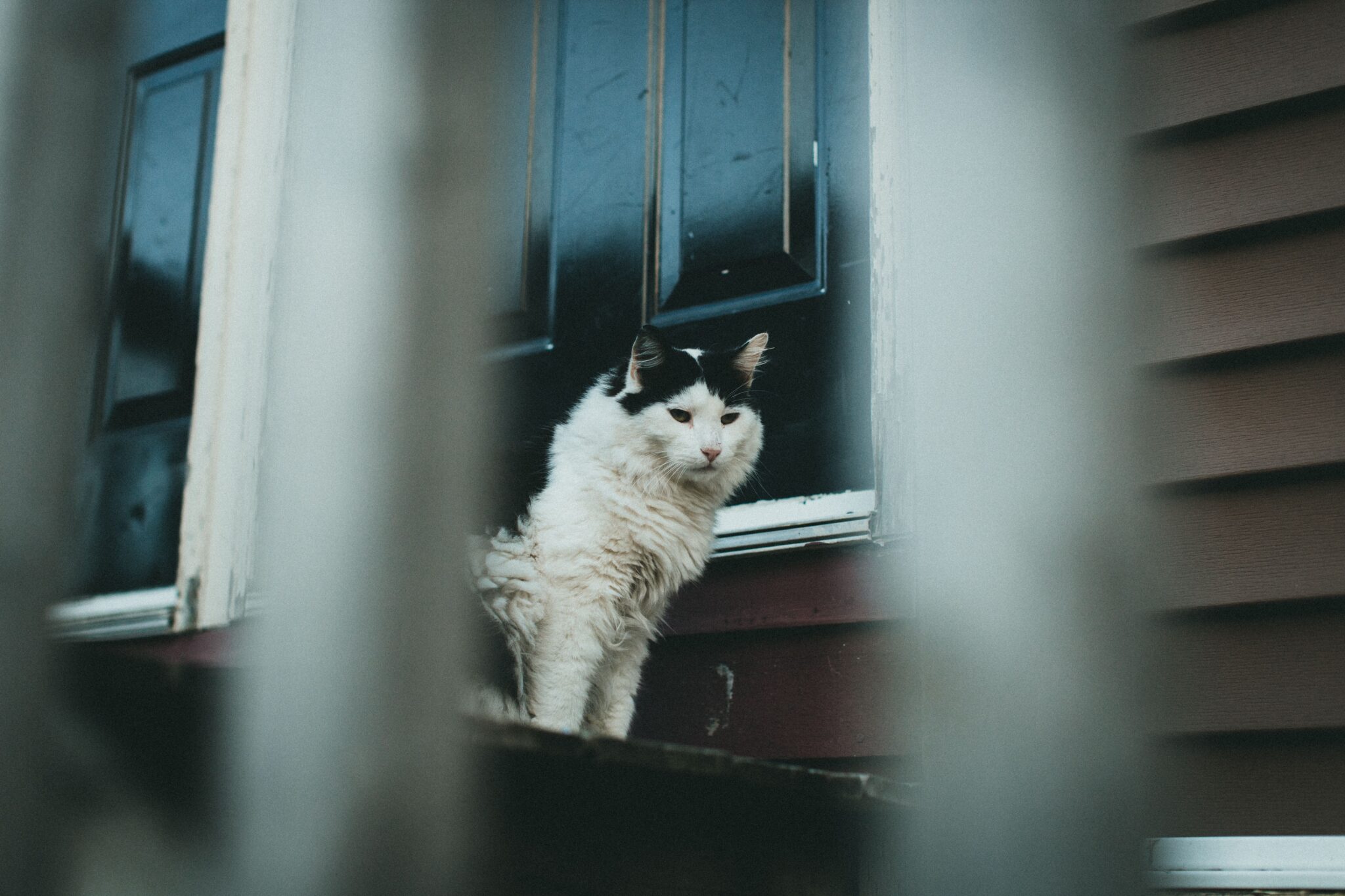
Every time the front door opens, an opportunity for an adventurous cat to slip outside appears. Halloween creates extra chances for this to happen because visitors arrive frequently, and people may be distracted by costumes, candy, or conversations. A cat who normally stays indoors could dart between someone’s feet before anyone realizes what happened. Outside, the risks can include traffic, unfamiliar animals, getting lost, and encountering frightening noises or crowds. Cats may also become disoriented when their surroundings are unfamiliar or when darkness makes navigation more difficult. Keeping cats in a secure room before trick-or-treating begins is often the simplest precaution. Everyone in the household should know to keep that door closed. A properly fitted identification collar and an updated microchip registration provide additional protection if an unexpected escape occurs.
Those Candies Smell Interesting, but Are They Safe?
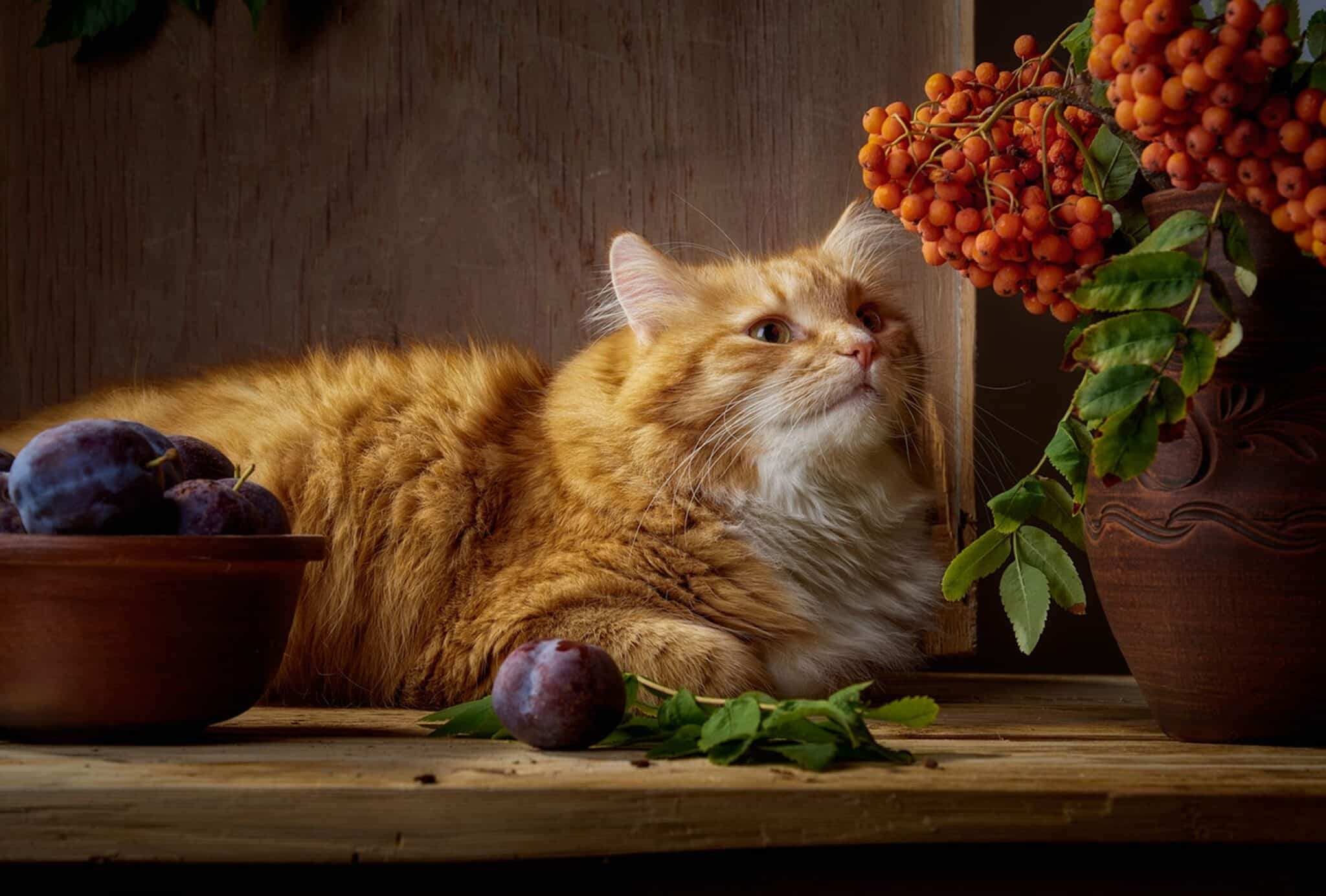
Cats are curious about unfamiliar smells, especially when treats and food wrappers appear in places they rarely visit. Although cats generally lack the strong attraction to sweet tastes that humans experience, the fat, dairy, or other ingredients in certain candies may still interest them. Crinkling wrappers can also resemble the sounds of toys, making a candy bowl seem worth investigating. Unfortunately, Halloween treats are not suitable snacks for cats. Chocolate contains substances that are toxic to them, and sugar-free products may contain ingredients that present additional risks depending on the formulation. Candy wrappers can also cause choking or intestinal obstruction if swallowed. Keep sweets sealed and stored where curious paws cannot reach them. If a cat eats chocolate or an unknown candy ingredient, contact a veterinarian promptly rather than waiting for symptoms to appear.
They Need a Quiet Place Where Nobody Can Find Them
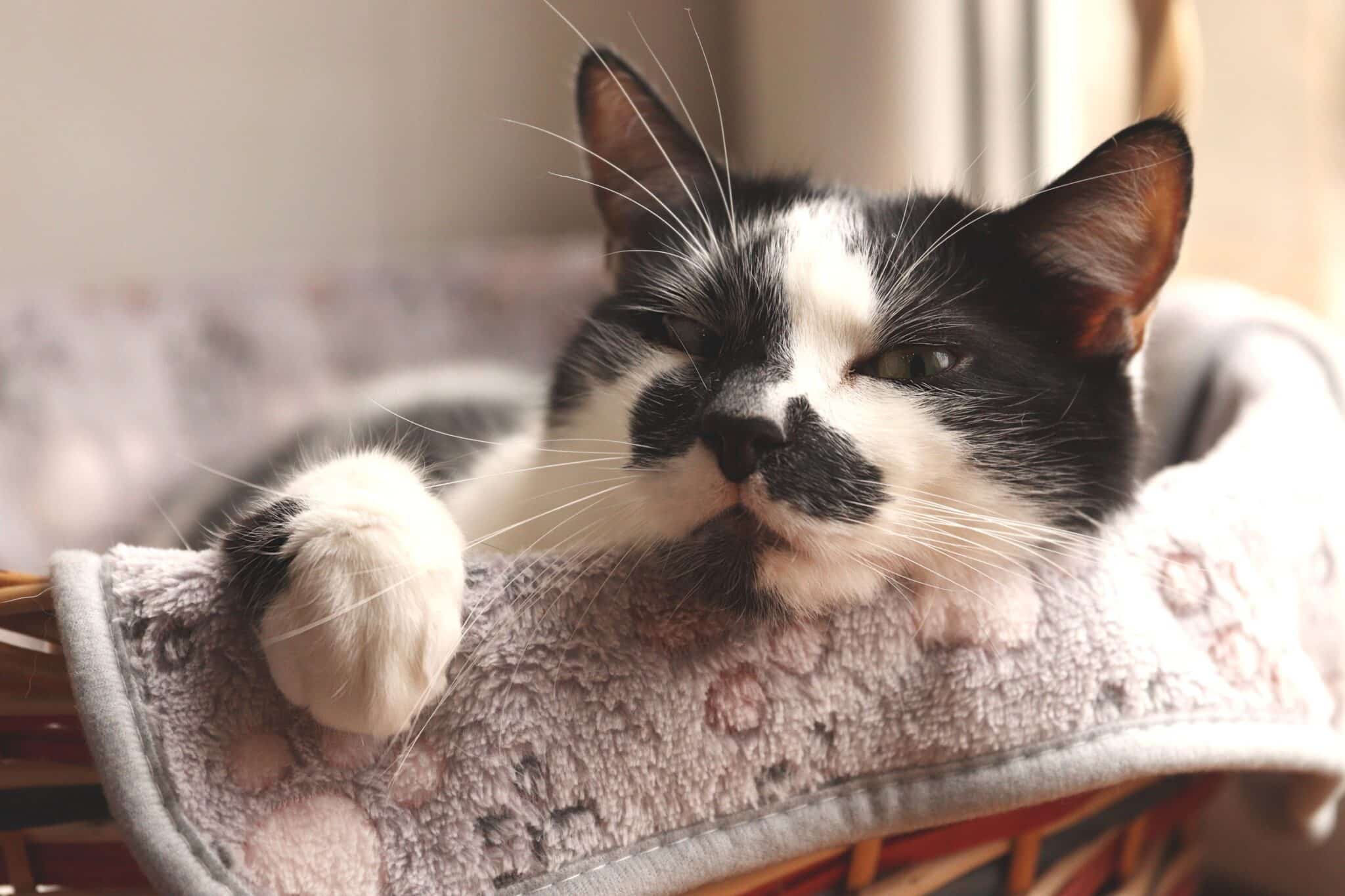
A hiding place is more than a convenient escape from holiday chaos. For cats, having access to a secure retreat can help them cope with unfamiliar sounds, visitors, and changes in their surroundings. A cat who disappears beneath a bed or curls up inside a covered carrier may simply be choosing a familiar strategy for feeling safe. Cats often manage uncertainty by controlling how much contact they have with their environment. A concealed spot allows them to observe without being approached or touched. Pulling a hiding cat out for photographs or introductions can increase distress and make future interactions more difficult. Instead, provide a quiet room with comfortable bedding, water, a litter box, and a few familiar toys. Let the cat decide when to emerge. Some will return to the festivities on their own, while others may prefer to skip the excitement entirely.
Please Keep the Spooky Decorations Away From Their Paws
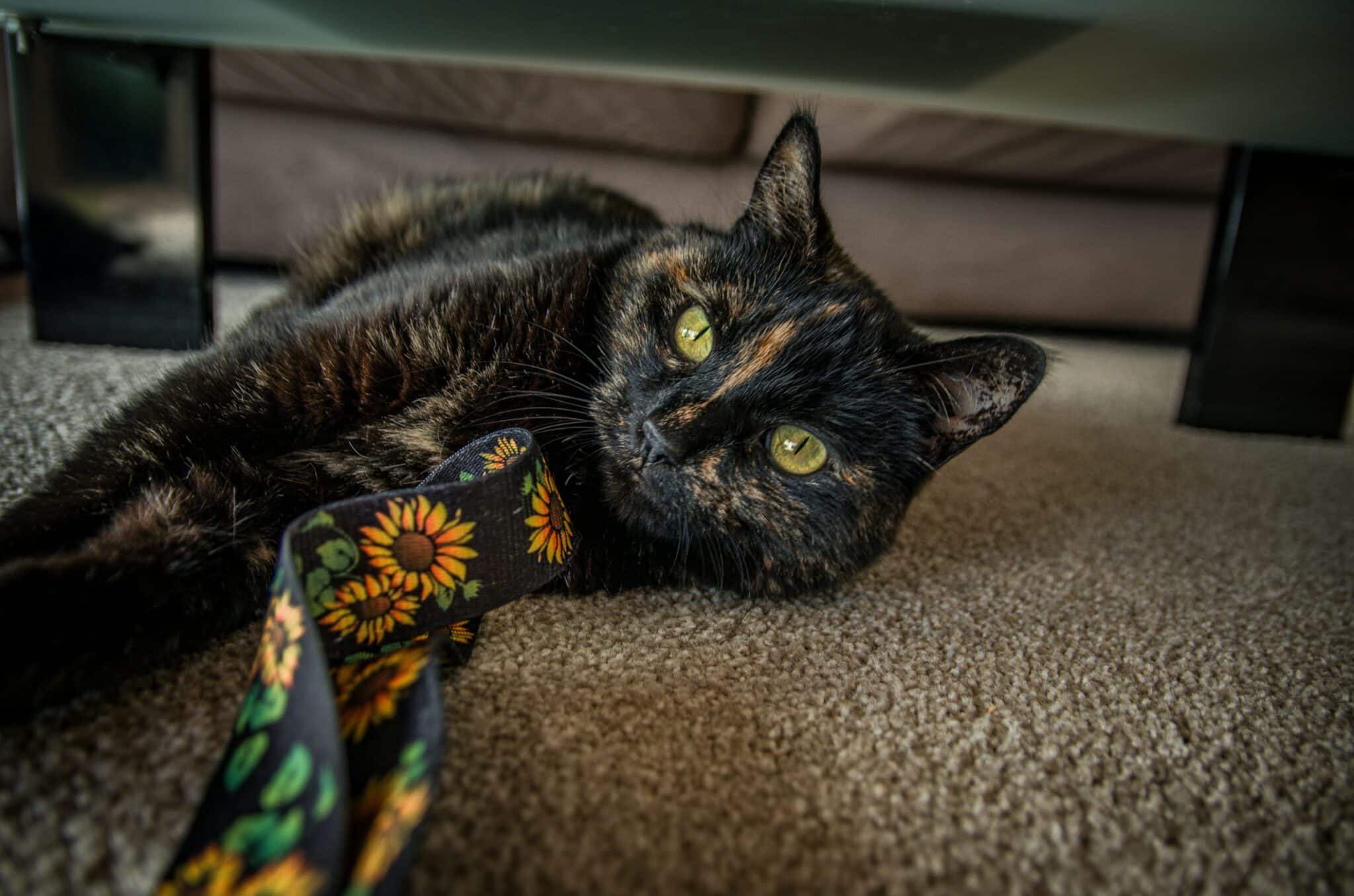
Dangling ribbons, artificial cobwebs, tinsel-like strands, and lightweight decorations can look irresistibly entertaining to a cat with a playful streak. Their movement activates the same attention that makes feathers, strings, and other moving objects appealing during play. Unfortunately, decorations can pose hazards even when they appear harmless. Strings and thin decorative materials are especially concerning if swallowed because they can become linear foreign bodies that damage the digestive tract. Small plastic pieces may also present choking or obstruction risks. Open flames from candles can burn curious paws or ignite nearby materials, while electrical cords may tempt cats that enjoy chewing. Secure decorations, avoid leaving stringy materials within reach, and choose battery-operated candles instead of exposed flames. Providing appropriate toys gives an inquisitive cat a safer outlet for those hunting instincts.
The Loud Music and Screaming Are Not Helping
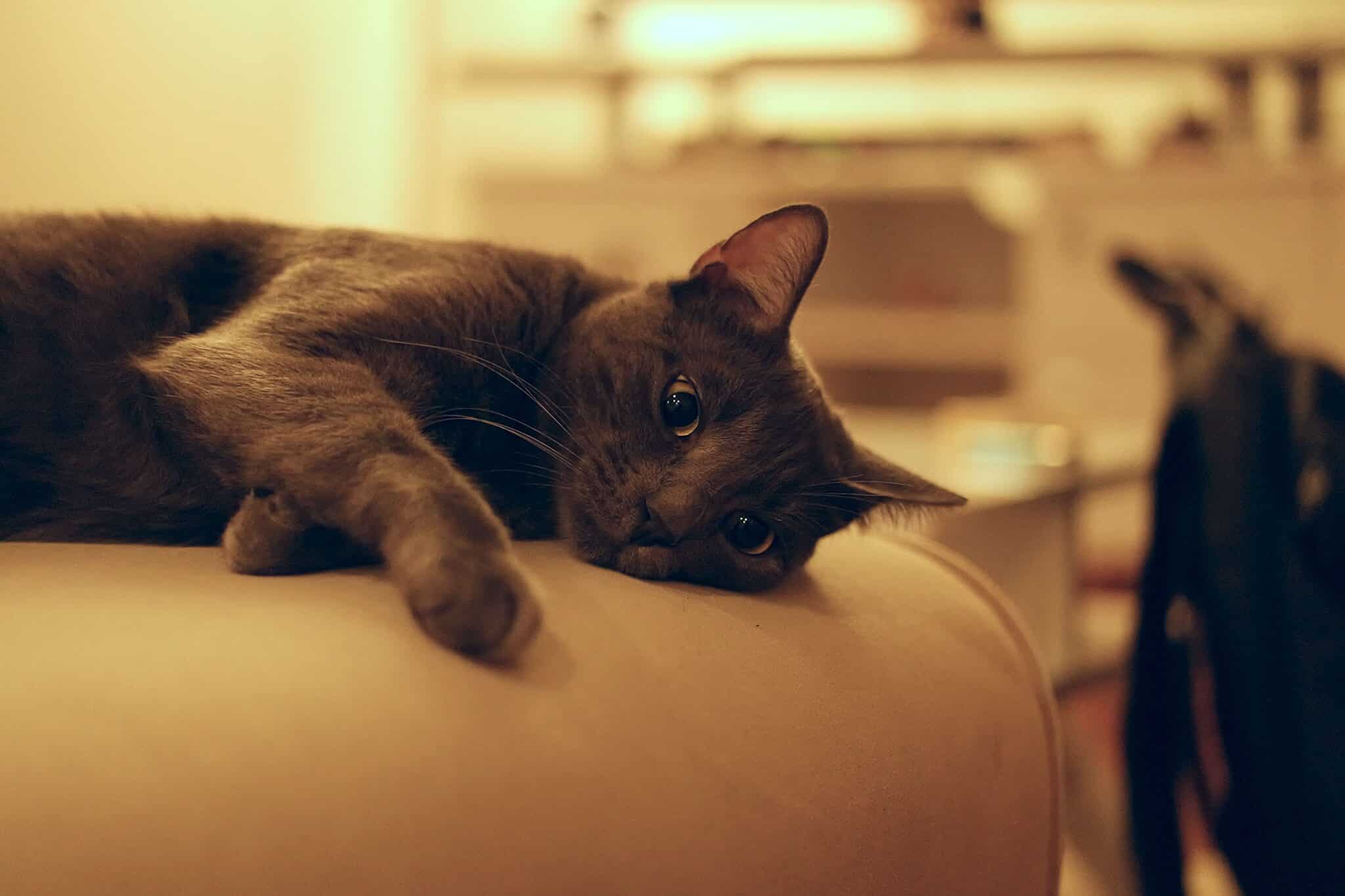
Halloween parties can introduce booming music, excited shouting, laughter, and sudden bursts of noise into an otherwise peaceful home. People may find the atmosphere entertaining, but cats can experience the same sounds as unpredictable disturbances. Their sensitive hearing makes it especially important to consider how loud environments affect them. A cat that flattens its ears, crouches low, flicks its tail rapidly, or repeatedly attempts to leave may be showing discomfort. Some cats respond by hiding, while others become unusually vocal or restless. These reactions do not necessarily mean a cat dislikes people. The combination of volume, unfamiliar activity, and limited escape options may simply be too much. Keeping party activities away from the cat’s retreat and closing the door to a quiet room can help. Soft background noise may also mask some sudden sounds without creating additional disturbance.
Their Regular Dinner Time Still Matters
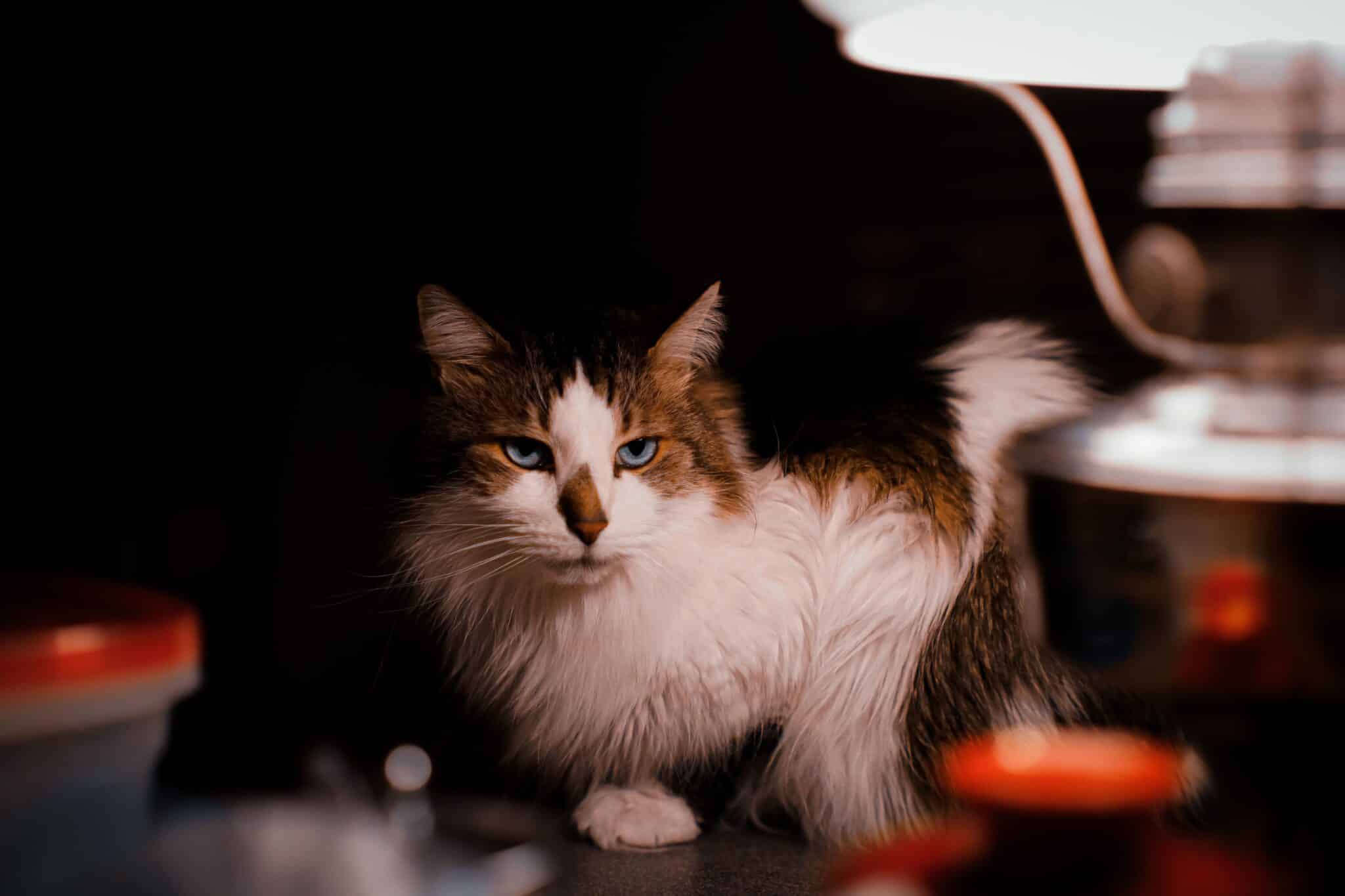
Halloween can disrupt the household schedule, with people preparing costumes, organizing candy, welcoming visitors, and attending parties. Amid the excitement, a cat’s usual dinner or playtime may be delayed. For a companion who expects meals at predictable times, even a small change can lead to persistent meowing, pacing, or an enthusiastic attempt to remind everyone that the food bowl exists. Cats learn household routines through repetition. Predictable feeding, resting, and interaction times help them anticipate what happens next, giving their day a sense of structure. Maintaining the usual schedule can make a busy holiday feel less disruptive. Automatic feeders may help if the household will be occupied, although food portions should remain appropriate. Fresh water, a clean litter box, and familiar resting places are equally important. A little planning can prevent Halloween activities from turning an ordinary evening into a confusing one.
They Would Rather Meet Visitors on Their Own Terms
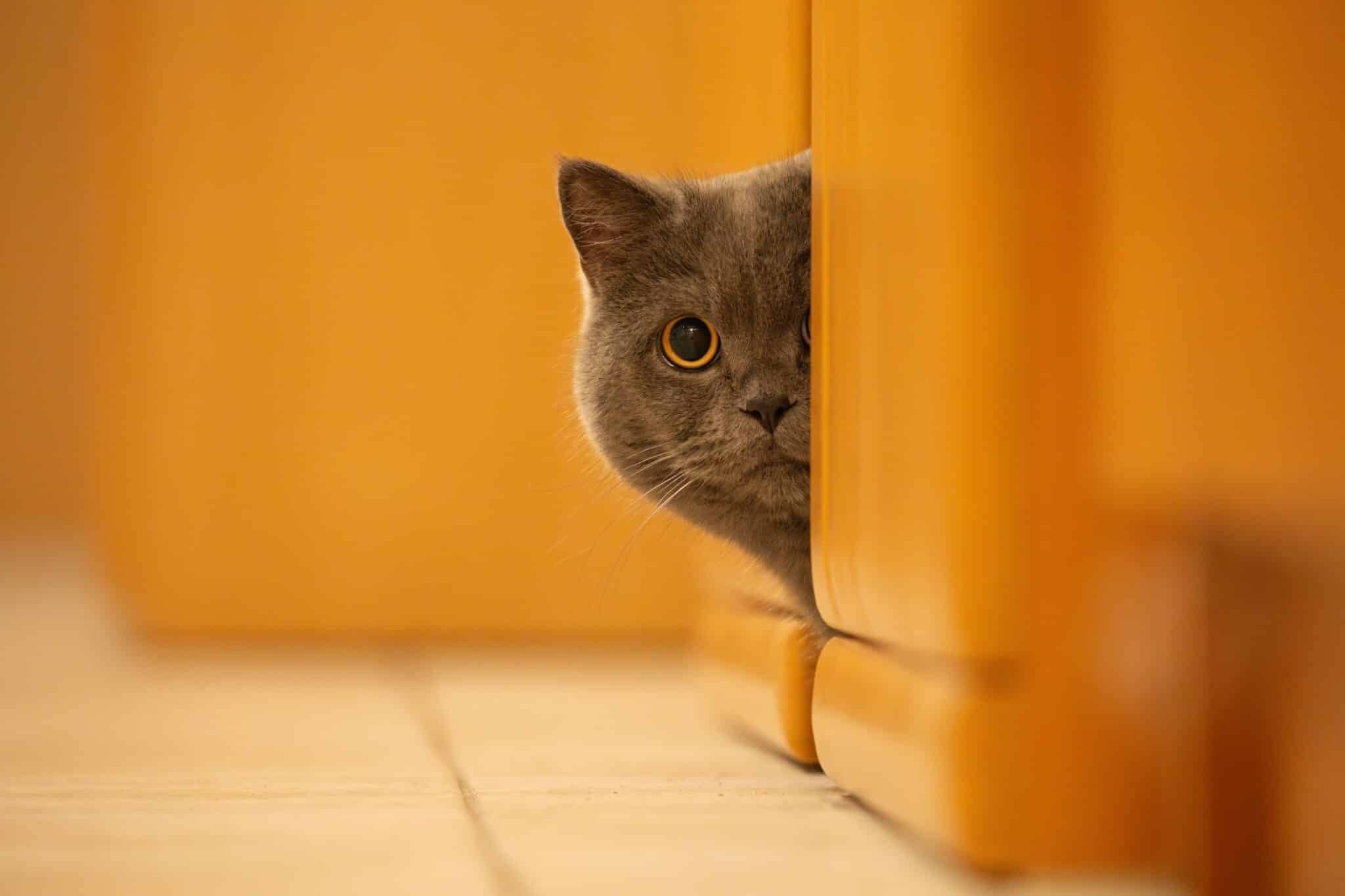
Some cats enjoy greeting familiar guests, but an evening filled with unfamiliar visitors can be a different experience. Costumes conceal recognizable features, children may move quickly, and excited guests might approach before a cat feels comfortable. Even a sociable cat can become overwhelmed when too many people compete for their attention. Cats generally benefit from having control over social interactions. Allowing them to approach first gives them time to investigate a person’s scent, movements, and voice. Visitors should avoid cornering cats, reaching into hiding places, or picking them up without permission. Children also need reminders to interact gently and respect a cat’s signals. A relaxed posture, forward-facing ears, and a voluntary approach may indicate curiosity, while flattened ears, a tucked tail, or attempts to retreat suggest a need for space. Letting cats choose their level of participation makes encounters safer and more pleasant.
Halloween Can Be Fun Without Putting Them in Danger
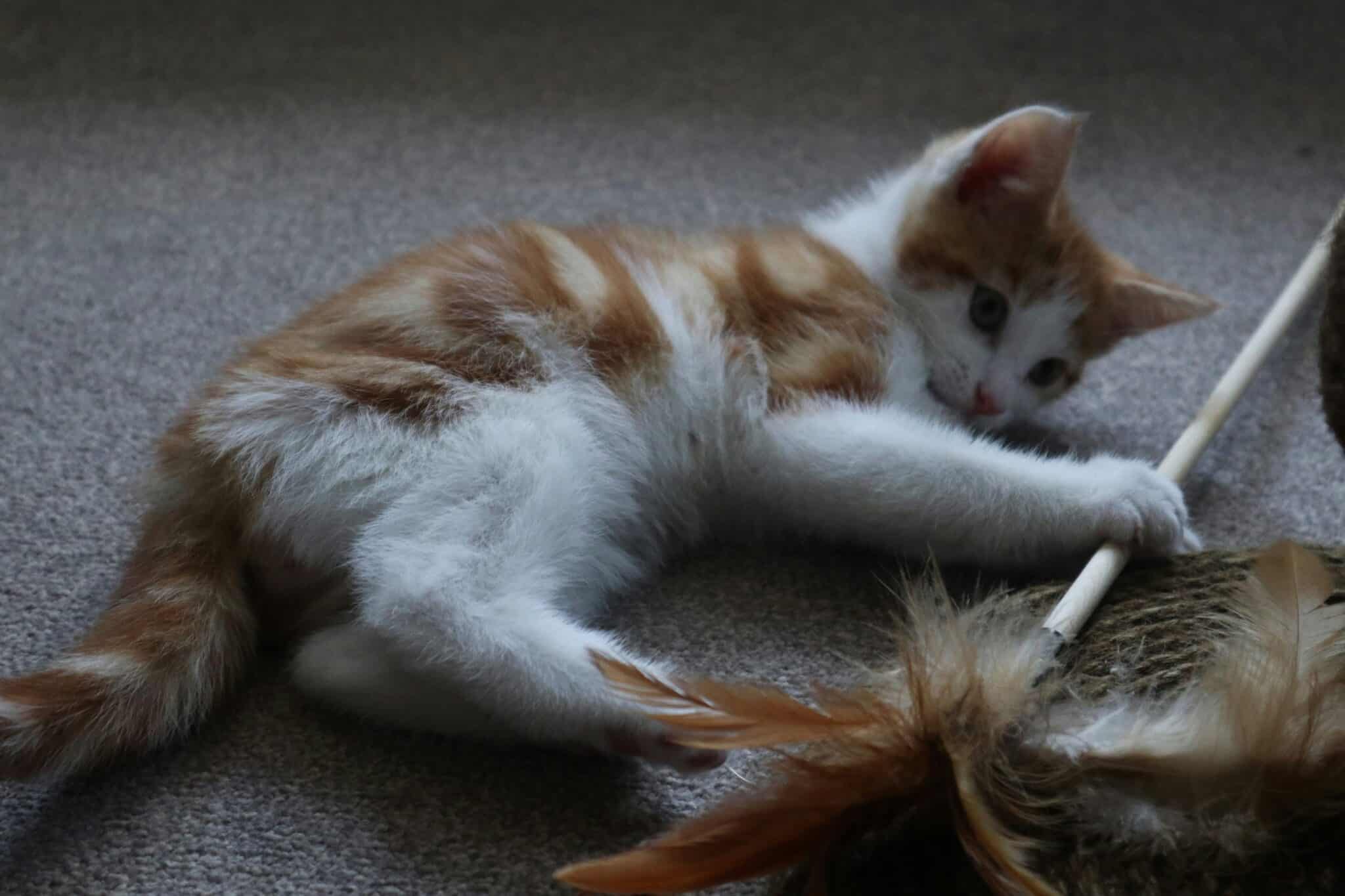
Halloween does not have to be a frightening experience for cats. With a few thoughtful adjustments, the holiday can include familiar playtime, comfortable resting spots, and safe opportunities to investigate seasonal changes. A cat may even enjoy watching decorations from a favorite perch, provided the objects are secure and the surrounding activity remains manageable. The important distinction is between offering enrichment and expecting a cat to tolerate something uncomfortable. A costume, crowded gathering, or noisy celebration may be enjoyable for people without being enjoyable for their feline companions. Interactive play before guests arrive can help some cats settle, while treats and familiar toys provide positive distractions. Every cat has an individual temperament, so the best celebration respects those differences. Keeping hazards out of reach and allowing the cat to retreat helps make the evening safer, even for curious adventurers.
A Happier Halloween Starts With Understanding Your Cat
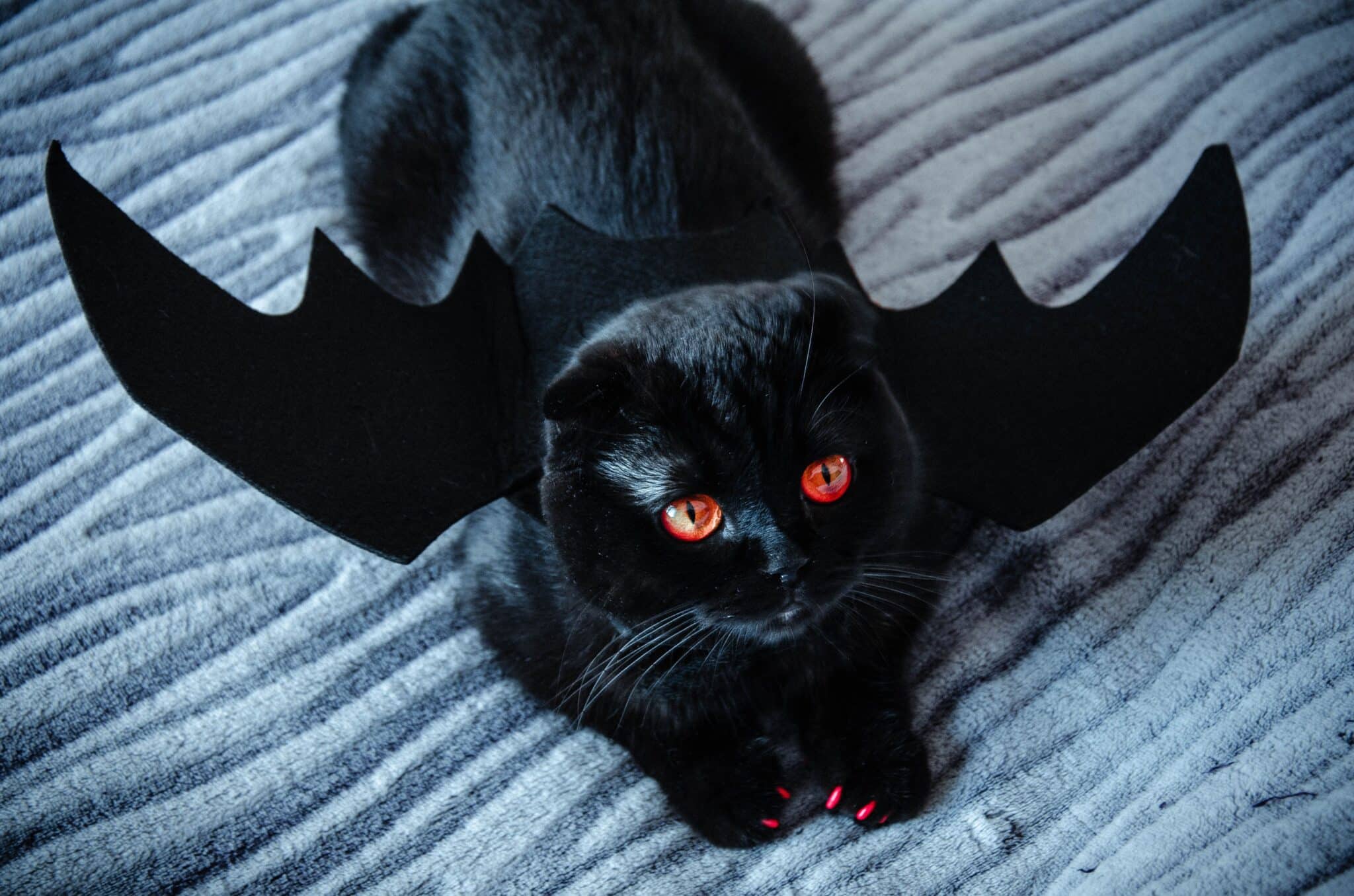
Halloween brings surprises for people, but cats experience these changes through their instincts, senses, and expectations. A hiding cat is not being difficult, a curious companion may not want to join the party, and a restless pet might need familiar routines restored. Paying attention to body language and offering safe choices makes a difference. Secure doors, appropriate treats, quiet retreats, and safe decorations help everyone enjoy the festivities. Sometimes, the kindest Halloween gift is a peaceful room where cats can relax comfortably and feel secure.
This content was created with AI assistance and edited by the iHeartCats team.