
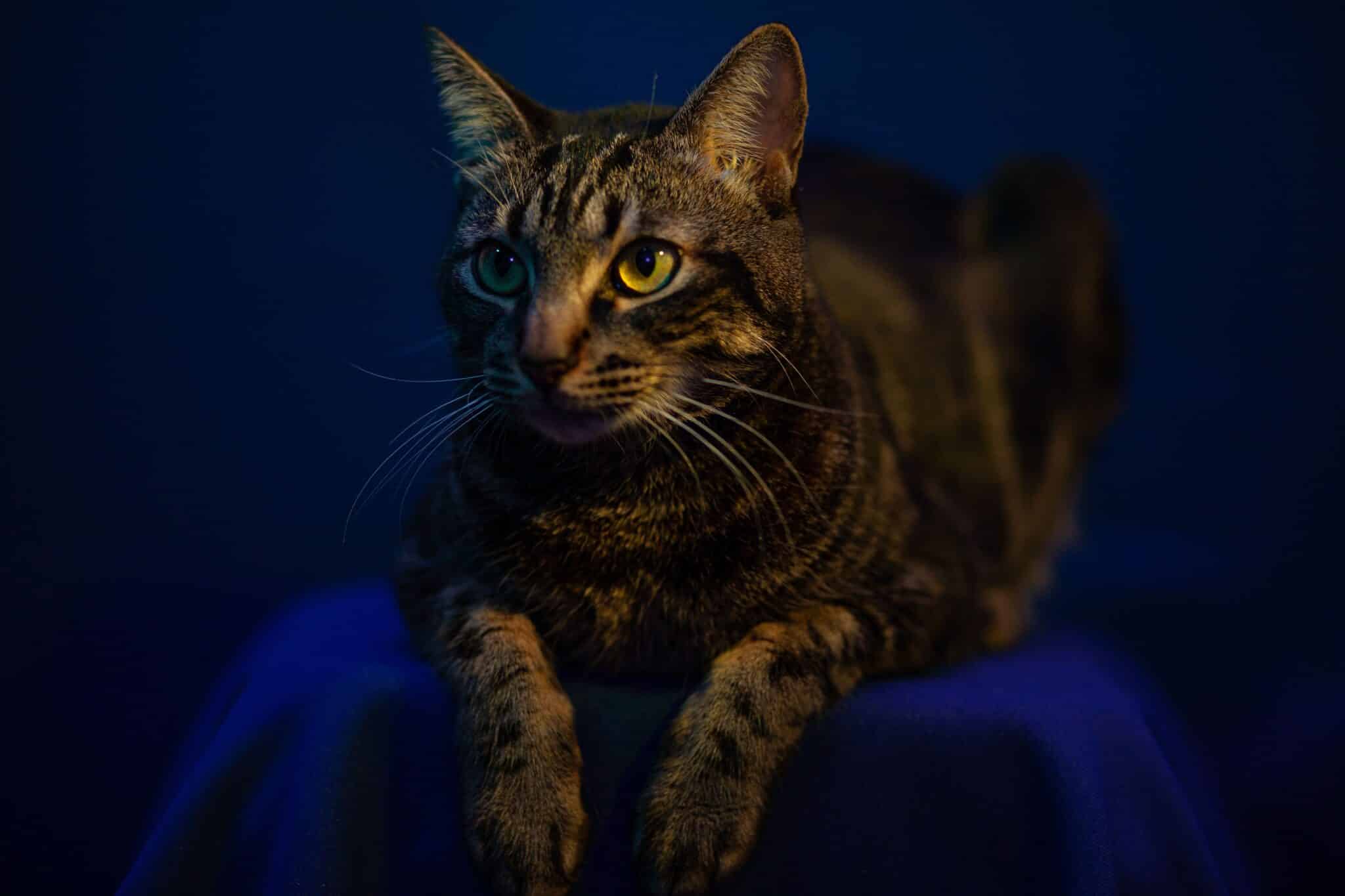
Cats have a reputation for being mysterious, and their nighttime behavior adds to their fascinating personalities. One minute, your cat is sleeping peacefully, and the next, it is racing through the hallway, staring into dark corners, or meowing like it has a secret. While these habits may seem strange, many have explanations rooted in feline instincts, senses, and natural rhythms. Understanding what happens after dark can help cat parents appreciate their pets’ quirks and recognize when unusual nighttime behavior might require closer attention.
Cats Are Naturally More Active Around Dawn And Dusk
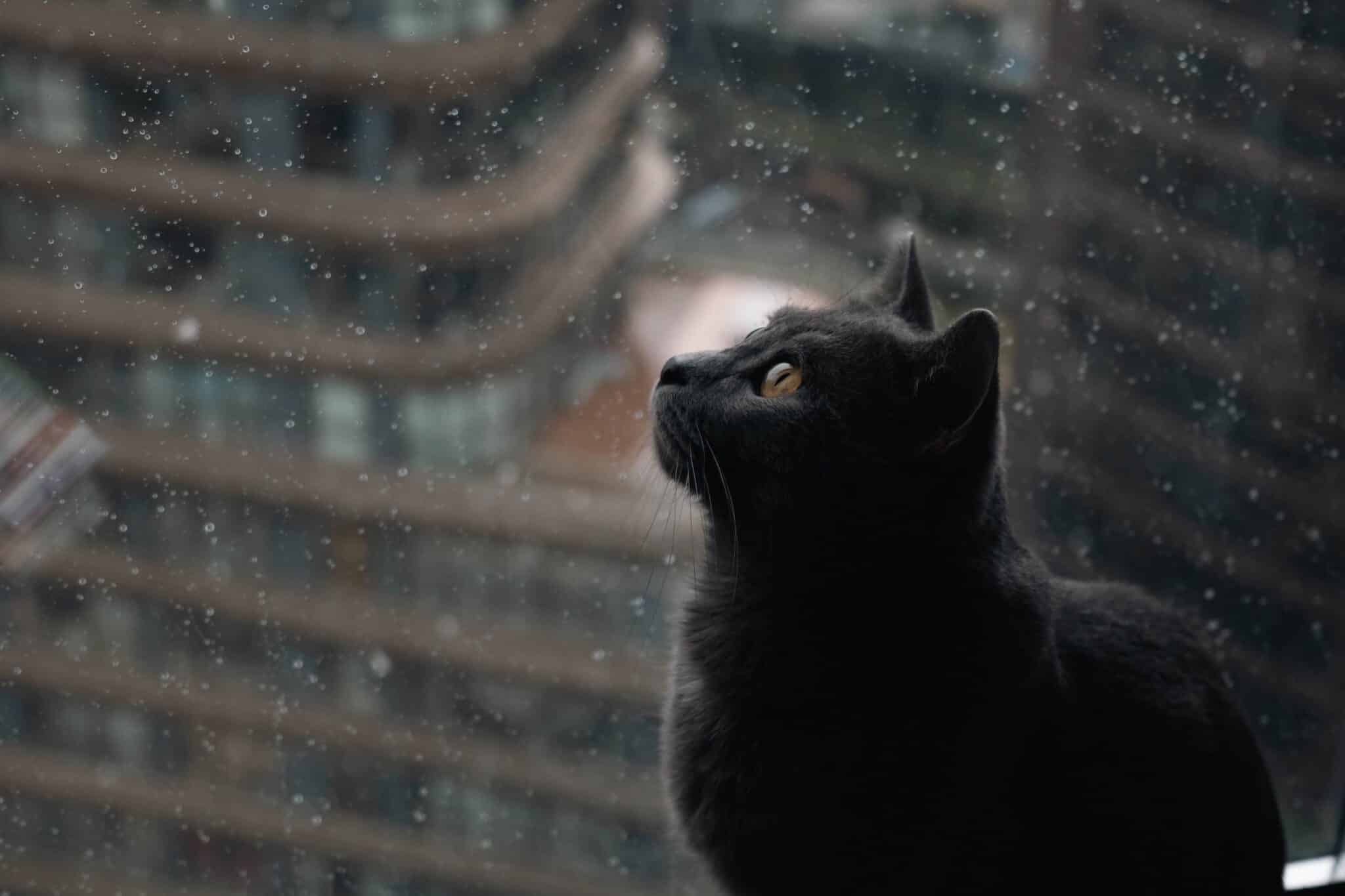
Cats are crepuscular, meaning they tend to be most active around dawn and dusk. These periods traditionally offered wild cats favorable opportunities to hunt while taking advantage of changing light conditions. Even though house cats no longer need to catch their own dinner, their internal rhythms can still influence when they want to play, explore, or demand attention. This is one reason your cat might become energetic just as you are getting ready for bed or start moving around before your alarm goes off.
Their Eyes Are Designed For Dim Light
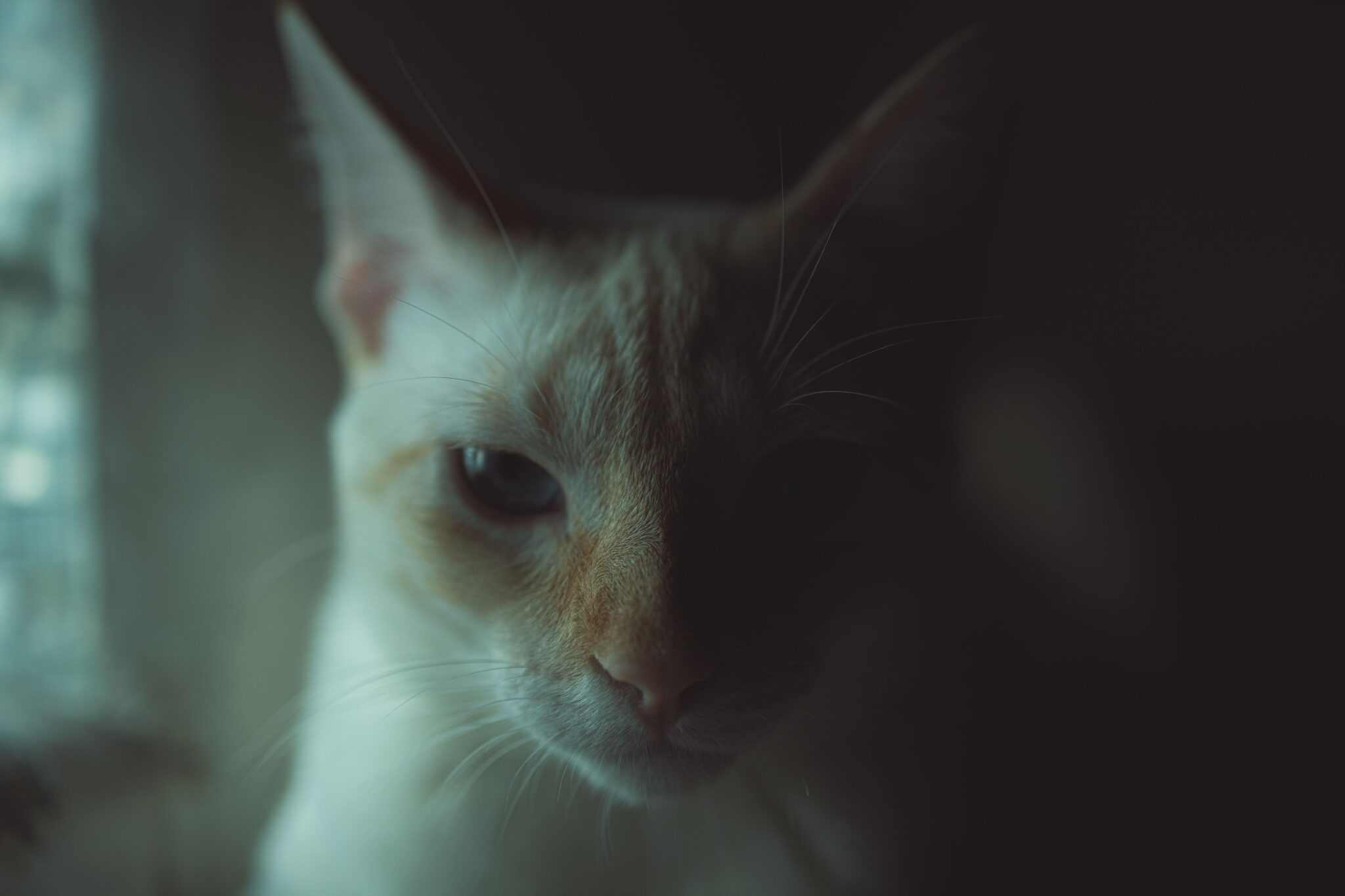
Cats have remarkable vision in low-light conditions, helping them navigate spaces that appear nearly dark to humans. Their eyes contain a reflective layer called the tapetum lucidum, which sends light back through the retina and helps them make better use of available illumination. However, cats cannot see in complete darkness. They still need some light to distinguish shapes and movement, which is why a cat exploring a dim hallway may seem almost supernatural without actually possessing any mysterious nighttime powers.
Tiny Sounds Can Capture Their Attention

A quiet house makes subtle sounds easier to notice, and cats have sensitive hearing that helps them detect noises humans might overlook. The faint movement of an insect, the rustle of fabric, or a sound coming from inside a wall can be enough to make a cat suddenly turn its head or stare intently in one direction. When your pet appears fascinated by something invisible, it may simply be listening carefully. Its still posture and focused expression can make an ordinary sound seem like a secret message from the shadows.
The Midnight Zoomies Come From Stored Energy

Some cats suddenly race from room to room, leap onto furniture, and skid across the floor in bursts of energy commonly called the zoomies. These episodes can happen when a cat has been resting for much of the day and becomes ready to move, play, and explore. Cats that receive limited opportunities for activity may be especially eager to release energy when the household becomes quiet. Providing interactive play sessions, climbing spaces, and stimulating toys can help satisfy these natural needs and make late-night sprints less disruptive.
Their Hunting Instincts Don’t Switch Off At Bedtime
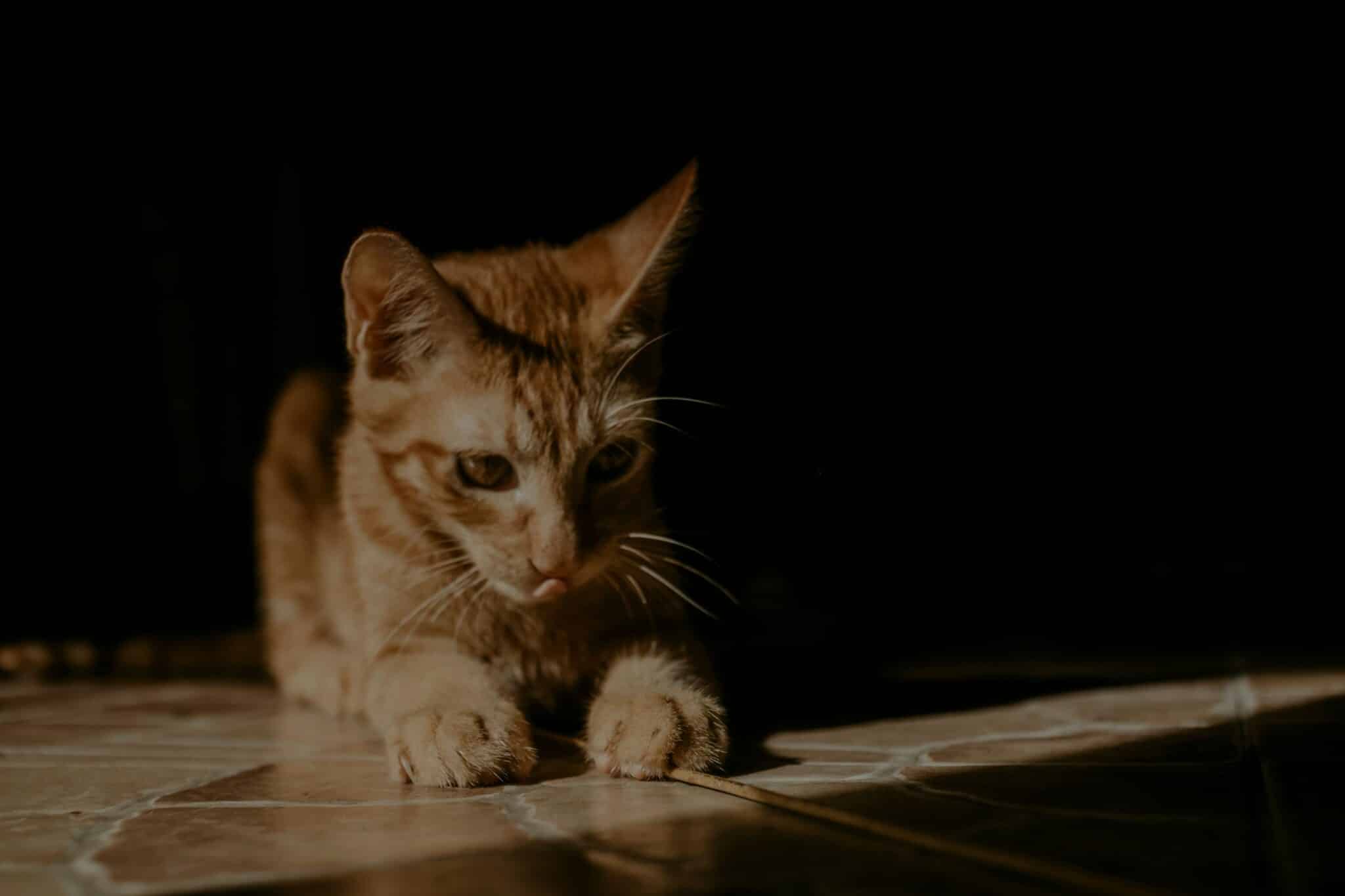
Even well-fed cats retain the instincts of their wild ancestors. Stalking, chasing, pouncing, and investigating movement are natural feline behaviors, and nighttime can provide plenty of opportunities for practice. A cat might suddenly attack a toy, chase a shadow, or crouch behind a chair as though preparing for an important hunt. These actions are not necessarily signs of hunger or aggression. They are often expressions of normal predatory behavior, especially when a cat has not had enough opportunities to engage in active play during the day.
Whiskers Help Cats Explore Their Surroundings
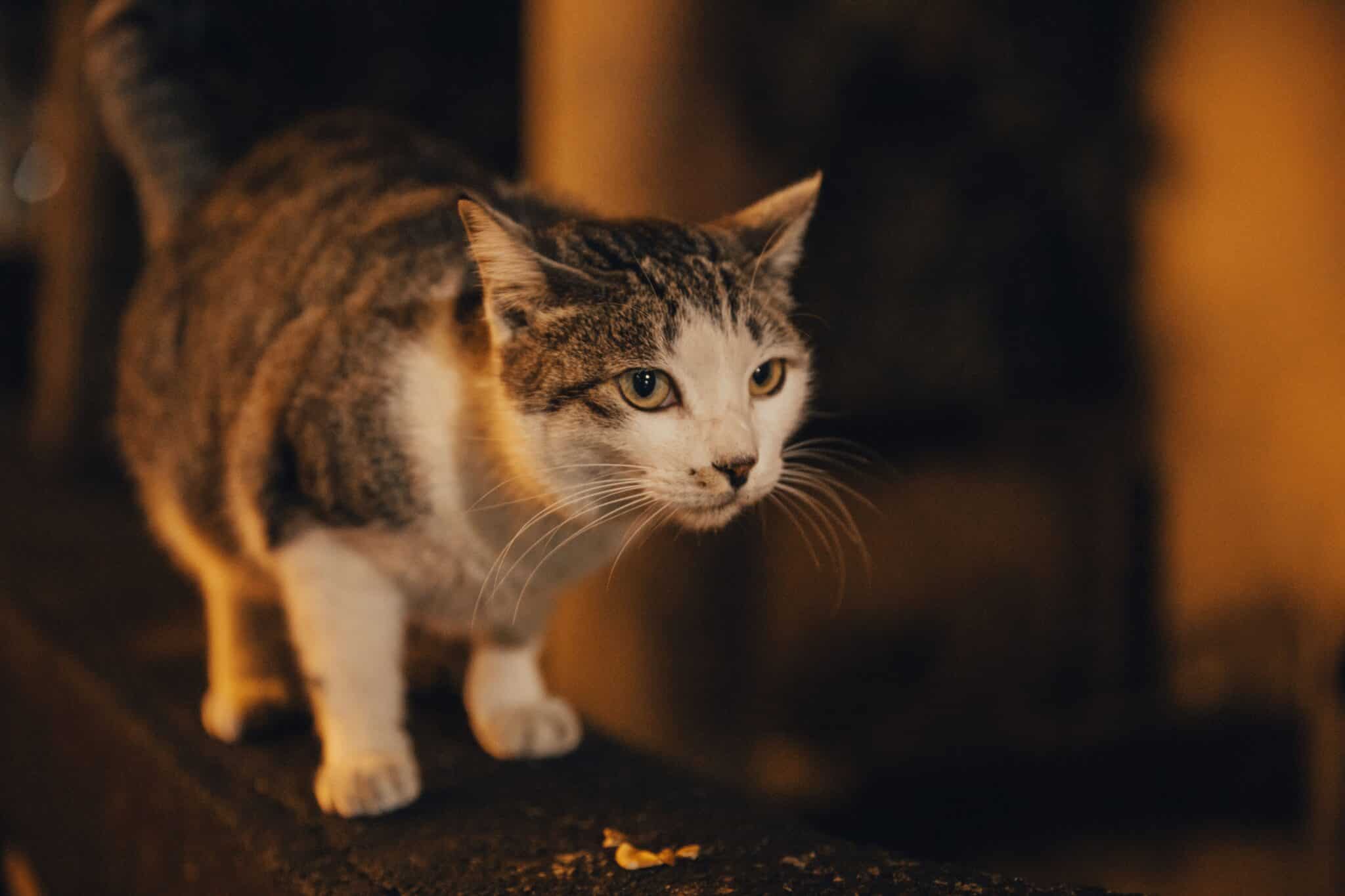
A cat’s whiskers are highly sensitive sensory tools that help it gather information about nearby objects and changes in its surroundings. They can detect subtle air movements and provide useful information when a cat approaches narrow spaces or investigates unfamiliar areas. In a quiet, dim room, a cat may move slowly with its whiskers angled forward as it examines something interesting. Although whiskers do not allow cats to see in the dark, they contribute to the detailed sensory picture that helps cats move confidently through their environment.
Nighttime Meowing Can Be A Way To Communicate
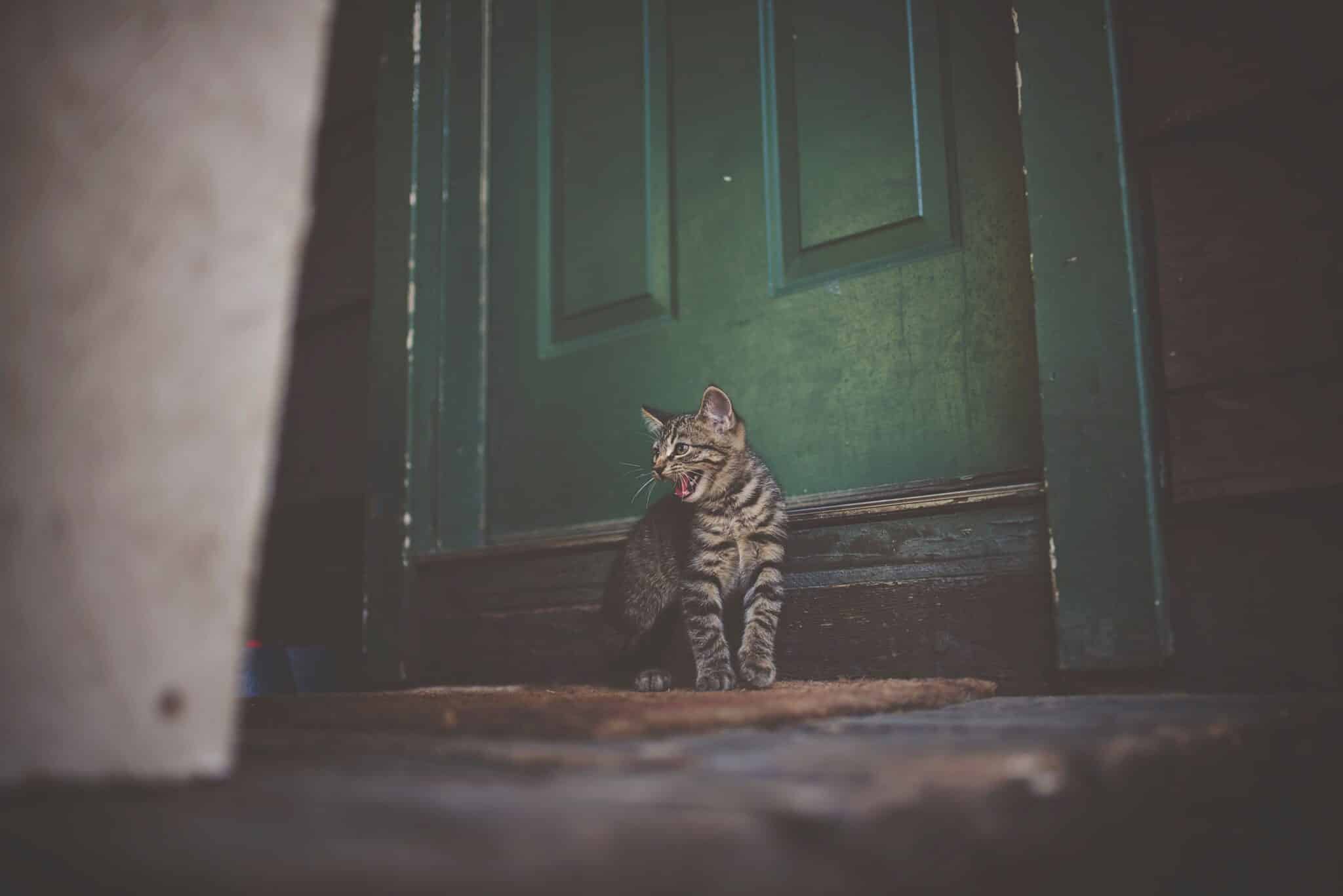
Cats use vocalizations to communicate with people, and some become especially talkative when the household grows quiet. Your cat might meow because it wants food, attention, playtime, or access to a room. Changes in routine can also encourage nighttime calling, particularly if a cat has learned that meowing brings someone over. Some cats are naturally more vocal than others, but a sudden increase in nighttime noise deserves attention. If the behavior is new or comes with other changes, a veterinarian can help rule out discomfort or an underlying health issue.
Shadows And Reflections Can Look Like Prey
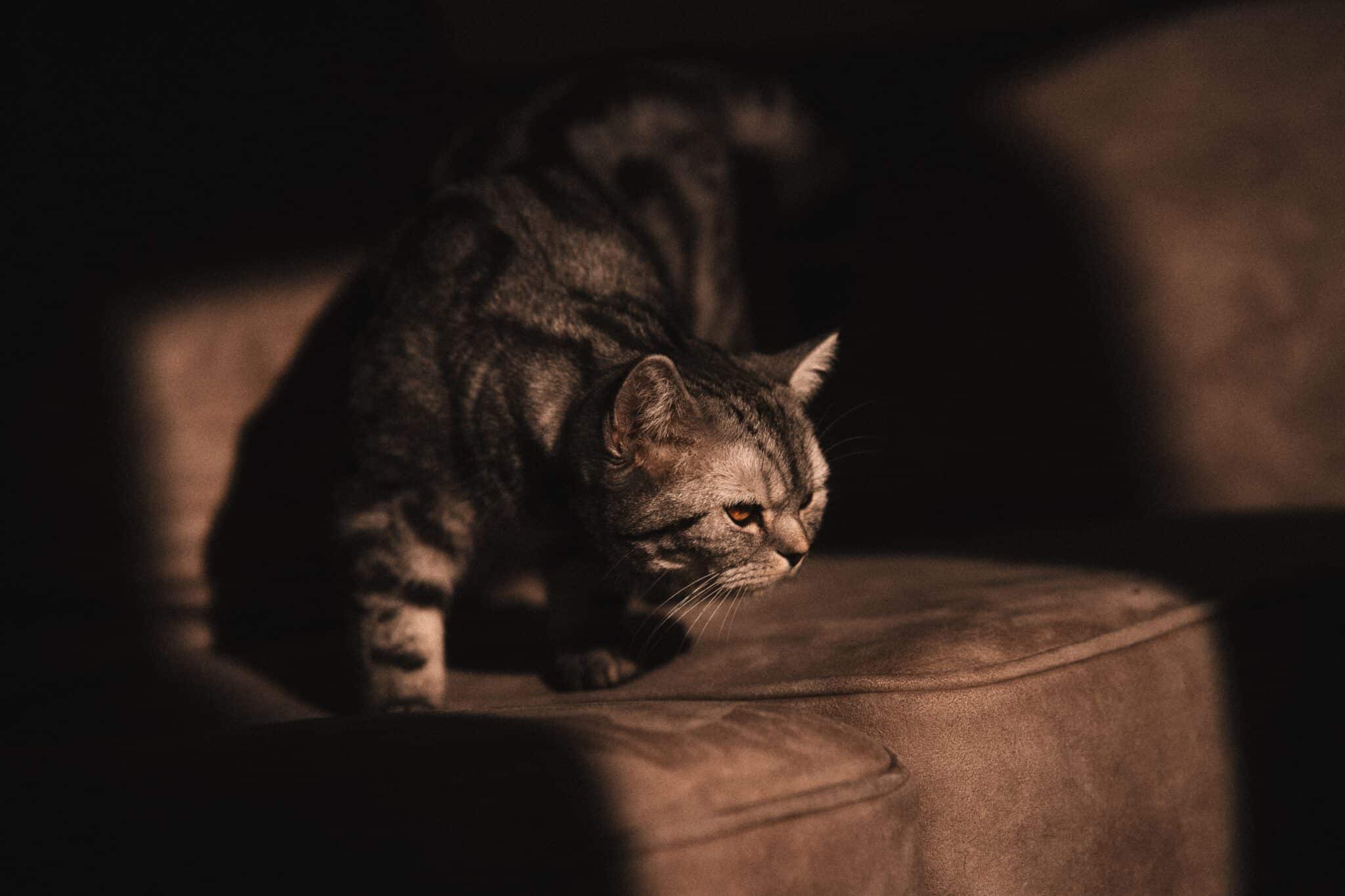
Moving shadows, headlights passing through windows, and tiny reflections can trigger a cat’s instinct to investigate potential prey. Because cats are attentive to movement, even a brief flicker of light can capture their interest and send them into hunting mode. A cat batting at a shadow or following a reflection across the floor may appear to be chasing something mysterious, but its behavior often has a simple visual explanation. Keeping bright moving lights away from your cat’s sleeping area may help reduce distractions if these nighttime games become disruptive.
Cats Often Choose High Places To Observe The Room

A cat sitting on top of a cabinet or climbing onto a tall shelf may seem mysterious as they keep watch over the household, but elevated positions give cats a useful vantage point for observing movement, monitoring their surroundings, and resting away from busy areas. These locations can also provide a sense of security because the cat has a clearer view of what is happening nearby. Offering sturdy cat trees, accessible shelves, or other safe elevated resting spots can help satisfy this natural preference without encouraging risky nighttime climbs.
Their Nighttime Routine Can Reflect Their Daytime Habits

Cats can spend many hours resting throughout the day, although their sleep is distributed across multiple periods rather than one long stretch. If your cat naps frequently while the household is busy, they may be ready to socialize or play when everyone else is winding down, making them ready to be busy at night. Daily routines, feeding times, and opportunities for enrichment can all influence when a cat becomes active. Scheduling interactive play before bedtime and offering a small meal afterward may help some cats settle more comfortably, though every cat has its own preferences and activity patterns.
Changes In The Home Can Make Cats More Alert At Night
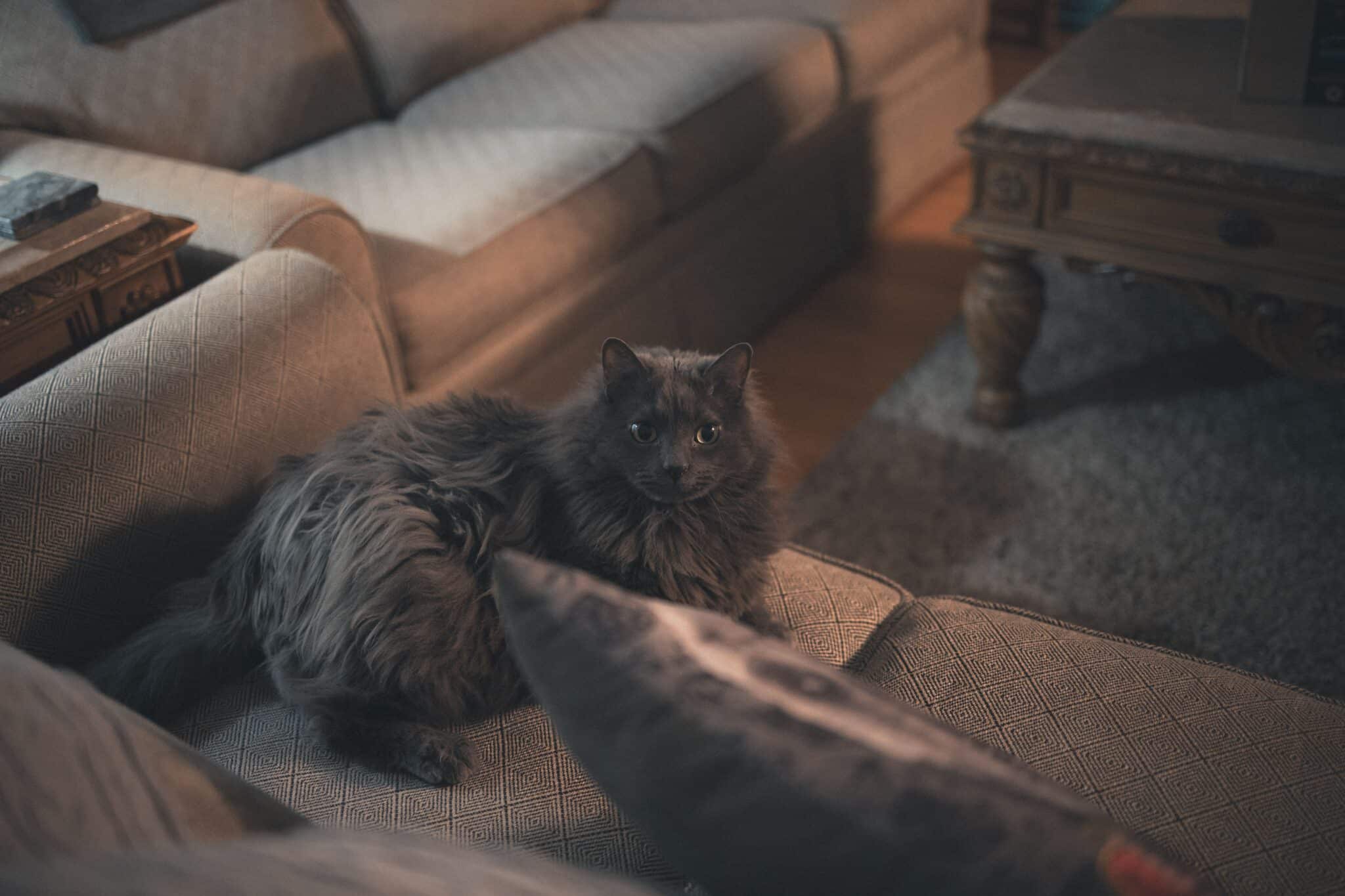
Cats often rely on familiar surroundings, scents, and routines to feel secure. A new pet, rearranged furniture, unfamiliar visitors, or changes in household schedules may make a cat more watchful than usual, particularly when the environment is quiet. It might investigate rooms repeatedly, hide in a favorite spot, or react strongly to sounds that previously seemed unimportant. Giving your cat predictable routines, safe hiding places, and time to adjust can help reduce stress. If nighttime restlessness persists or is accompanied by other concerning changes, professional veterinary advice is a sensible next step.
Older Cats May Behave Differently After Dark
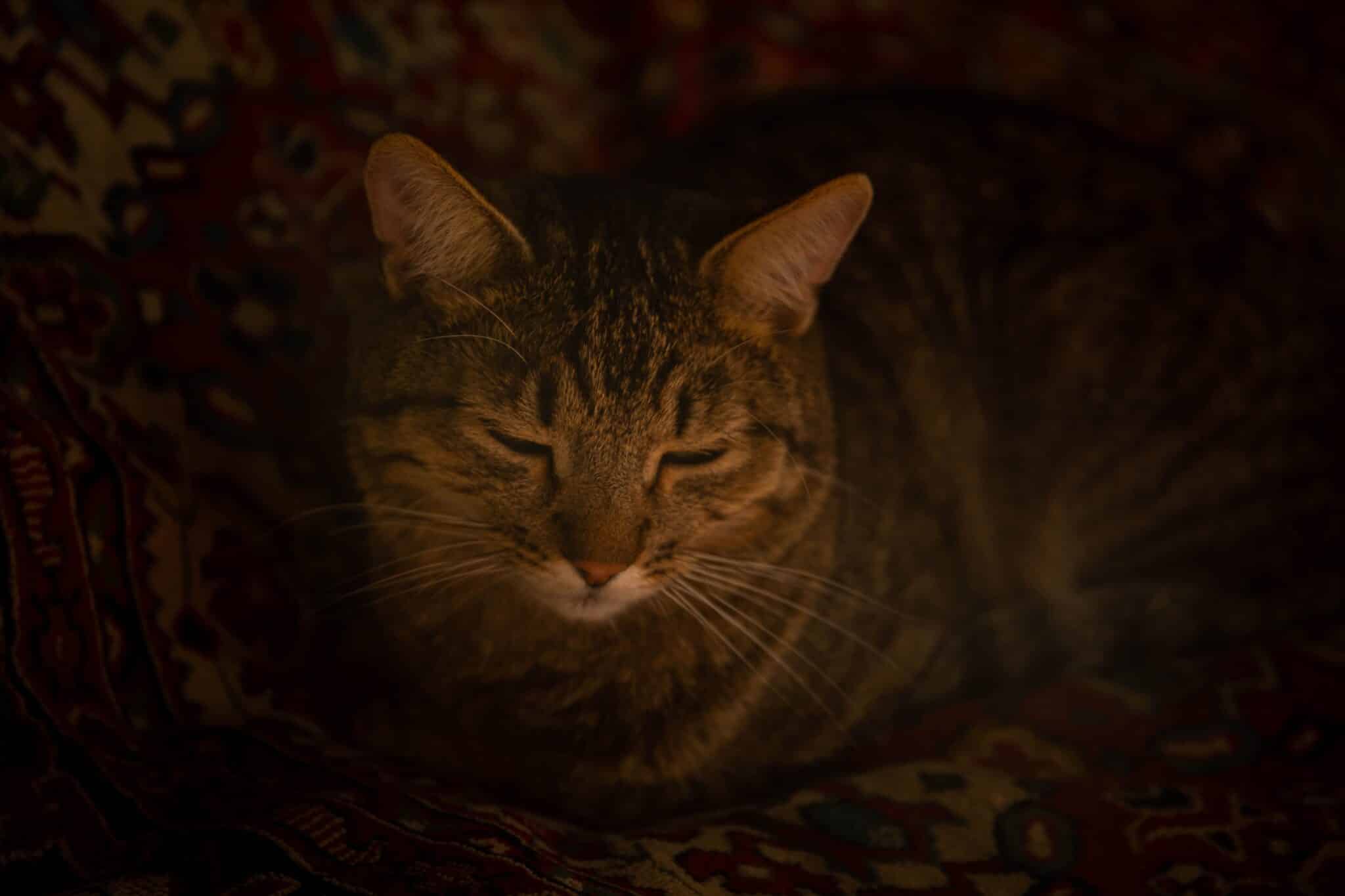
As cats age, changes in hearing, vision, mobility, and cognitive function can affect how they behave at night. Some older cats may vocalize more, wander around, seem confused in familiar spaces, or have trouble settling down. These behaviors should not automatically be dismissed as normal aging, especially when they appear suddenly or become more frequent. Pain, medical conditions, and age-related changes can all influence sleep and nighttime activity. A veterinary examination can help identify possible causes and determine whether changes to the home environment or treatment may improve your cat’s comfort.
Cats Can Notice Things We Simply Miss
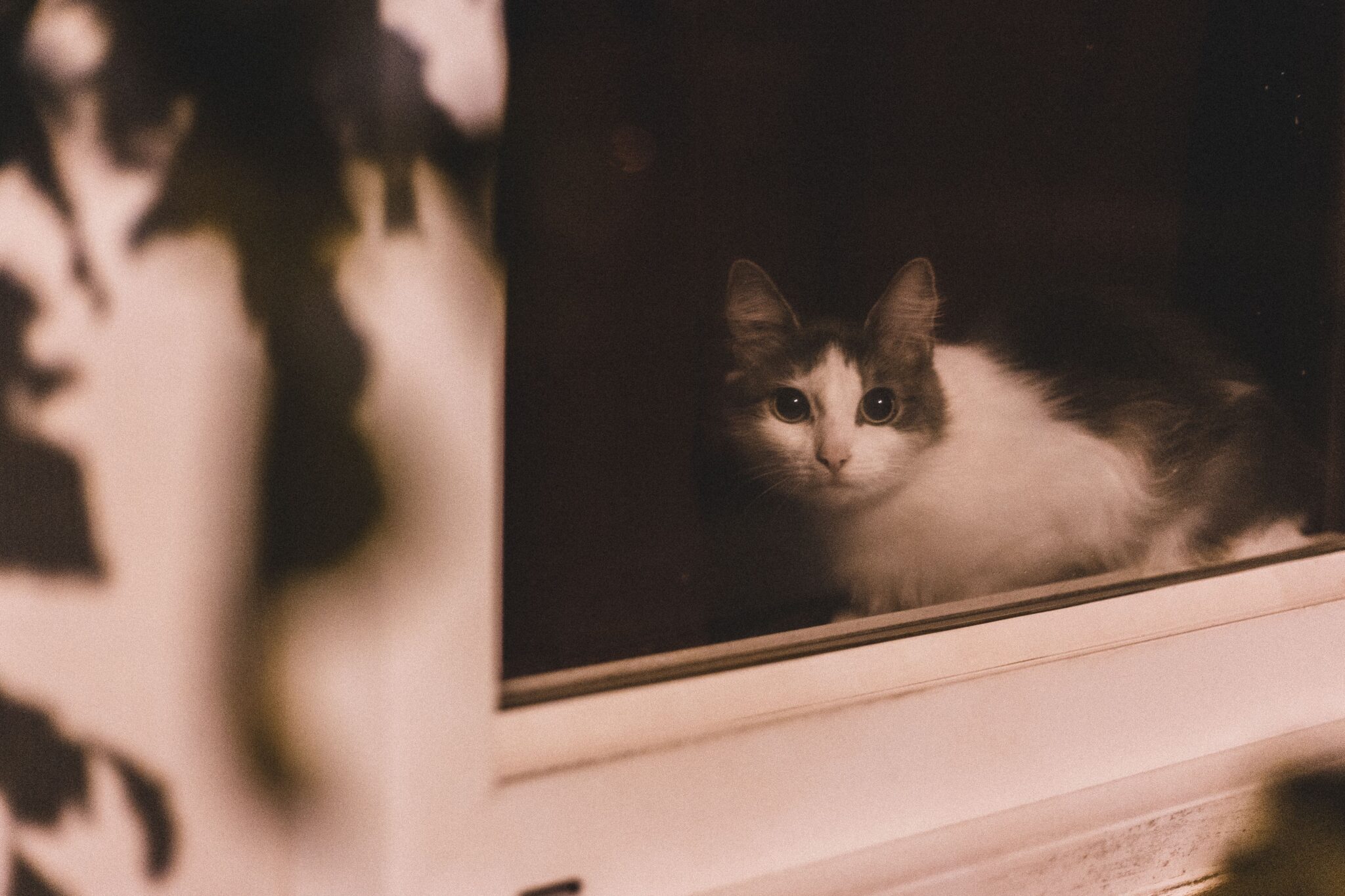
A cat that freezes and stares into an apparently empty corner can leave its human wondering what it has discovered. In many cases, the explanation may be a faint sound, a tiny insect, a subtle movement, or a scent that people cannot easily detect, especially in darkness. Cats gather information through several senses at once, so their attention may be drawn to something that escapes human notice. Still, persistent staring accompanied by disorientation, unusual movements, or a noticeable change in behavior should not be assumed to be harmless and may warrant veterinary assessment.
The Night Belongs To The Curious Cat
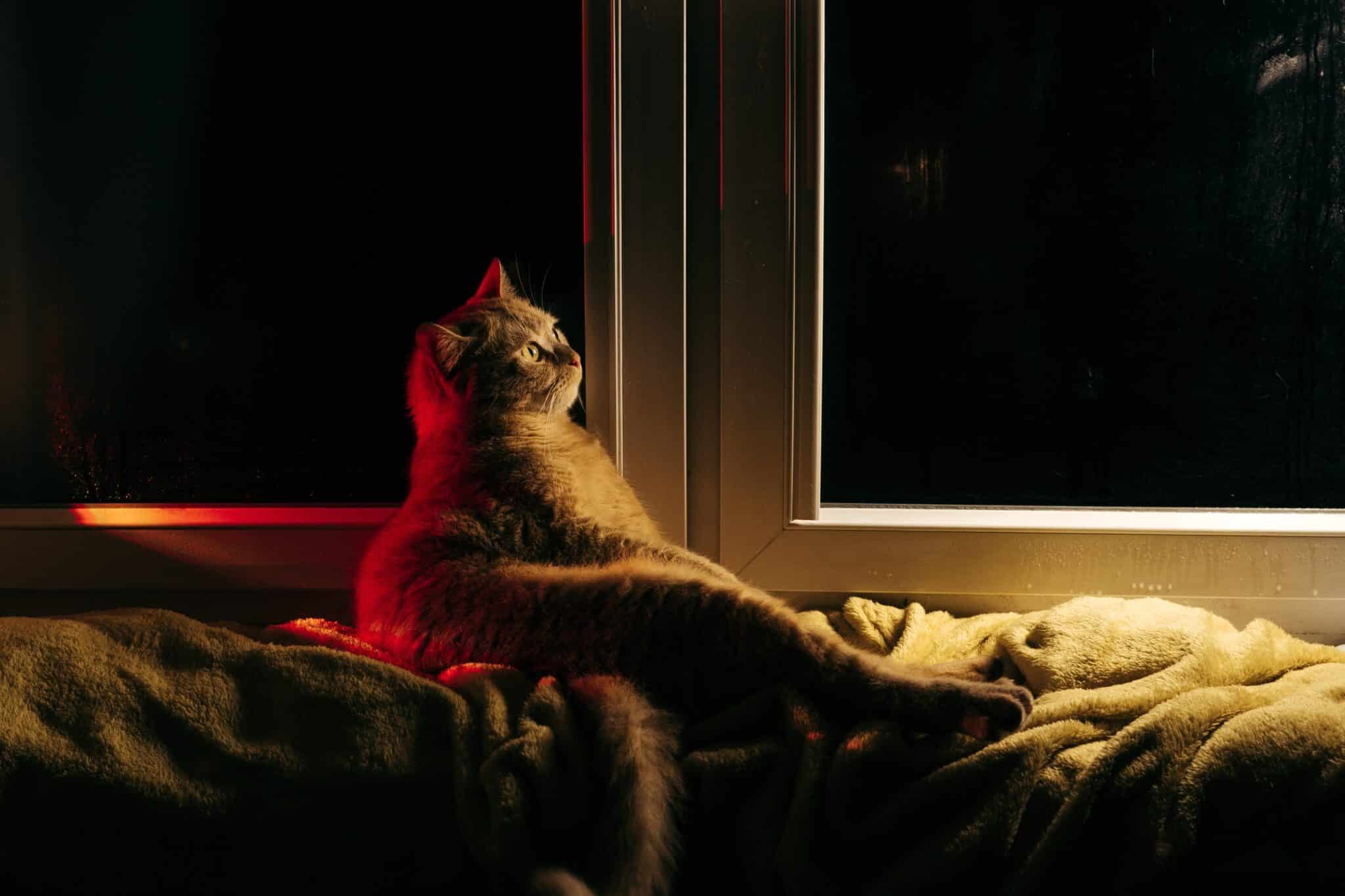
When darkness settles over the house, cats enter a world filled with subtle sounds, shifting shadows, interesting scents, and opportunities to explore. Their nighttime behavior may seem mysterious, but much of it stems from instincts and senses that have helped them thrive for generations. With regular play, predictable routines, and a comfortable environment, you can help your feline companion stay active and content without turning every night into a household adventure. Next time your cat stares into the darkness, remember it may have noticed something your human senses missed.
This content was created with AI assistance and edited by the iHeartCats team.