

A cat may seem absorbed in a nap, ignore a familiar voice, or act as though a returning family member has interrupted something important. Yet its memory can be remarkably impressive. Cats recognize familiar people, remember experiences, and learn which humans provide food, comfort, playtime, or unpleasant surprises. Some even remember routines and familiar voices long after interactions end. Their memories work differently from human memories, but remain fascinating. Behind those sleepy eyes is a clever animal capable of remembering far more about its favorite people than it sometimes reveals.
Cats Can Remember People for Years
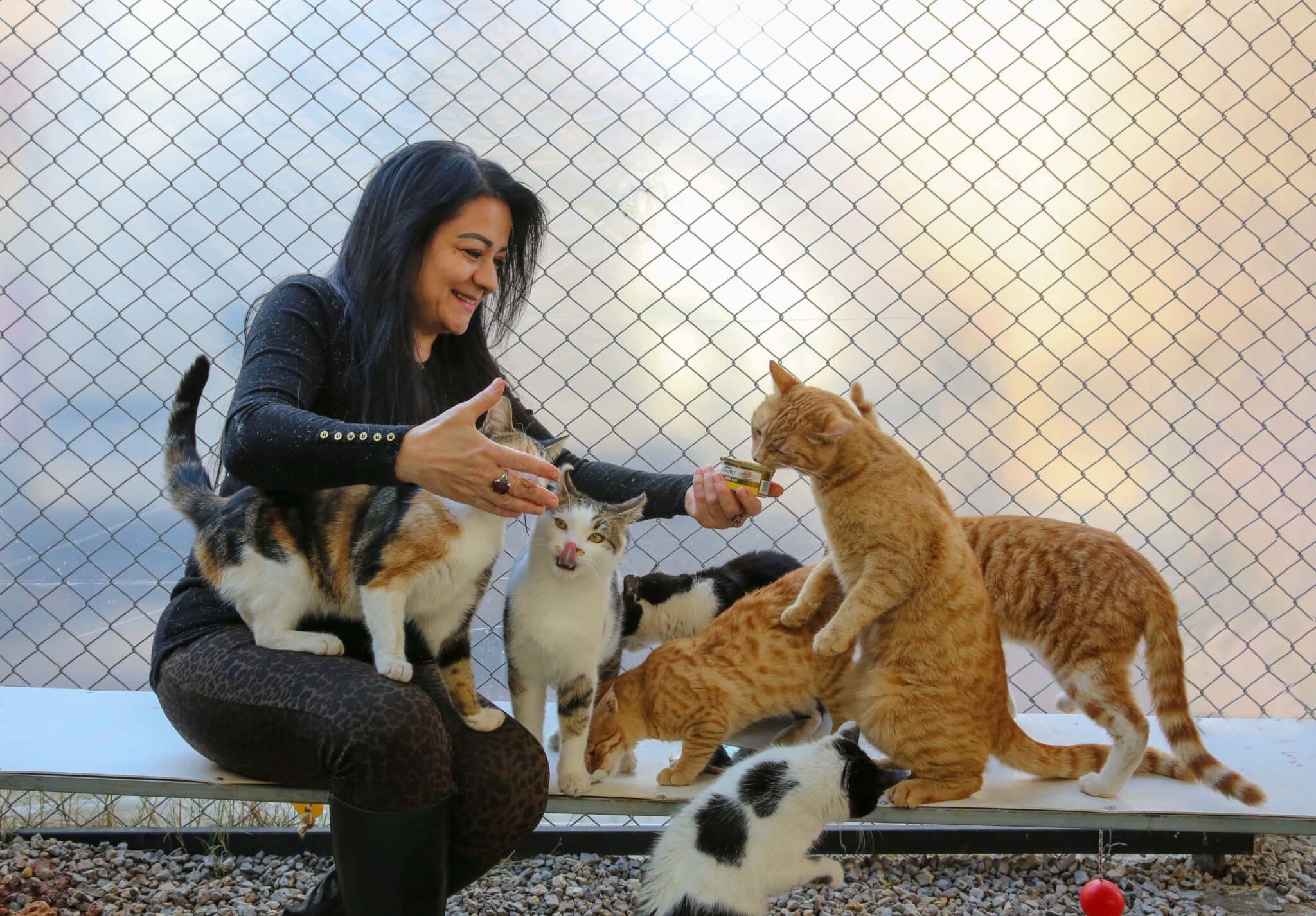
A cat’s memory of a person can last much longer than a single visit or interaction. Cats can form lasting associations with people who have provided consistent care, companionship, and positive experiences. Even after extended separations, some cats recognize familiar individuals when they meet again. Their ability to remember someone depends on factors such as the strength of the relationship, the experiences they shared, and how much time has passed. A person who regularly fed, played with, or comforted a cat may leave a particularly strong impression. This helps explain why a cat can sometimes appear immediately comfortable with someone they have not seen in quite a while.
Their Sense of Smell Helps Them Recognize Familiar People
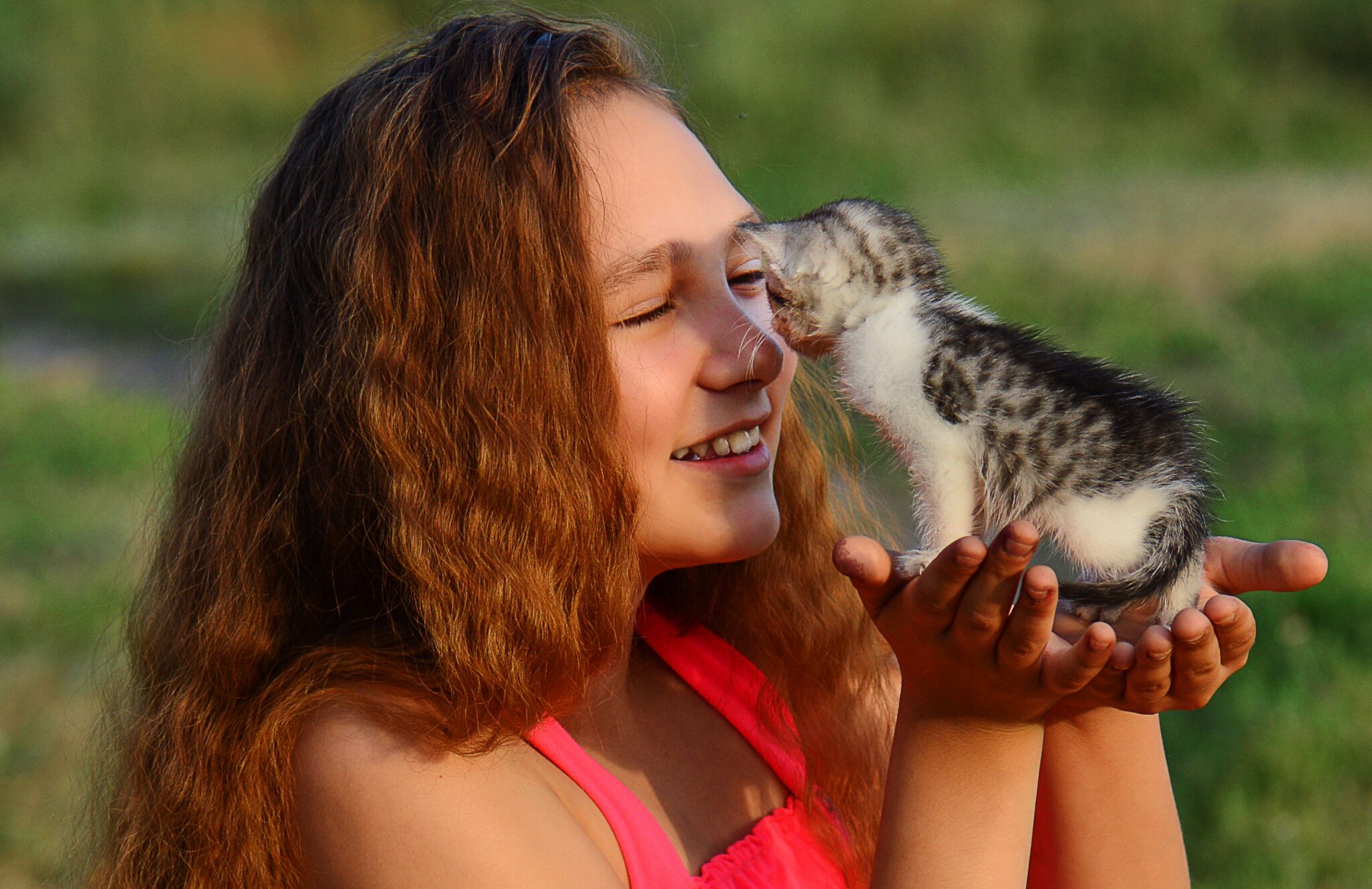
A familiar scent can provide important information about someone’s identity. Cats have an exceptionally developed sense of smell, which helps them recognize familiar individuals and distinguish between different people and animals. They may remember the scent of a family member’s hands, clothing, shoes, or belongings. This explains why a cat might spend several moments sniffing someone who has just returned home. Even when that person looks familiar, their scent offers another layer of recognition. Changes in perfume, laundry detergent, or other smells can sometimes make a returning person seem temporarily unfamiliar. Scent is an important part of how cats understand and remember their social environment.
Cats Remember Who Feeds Them
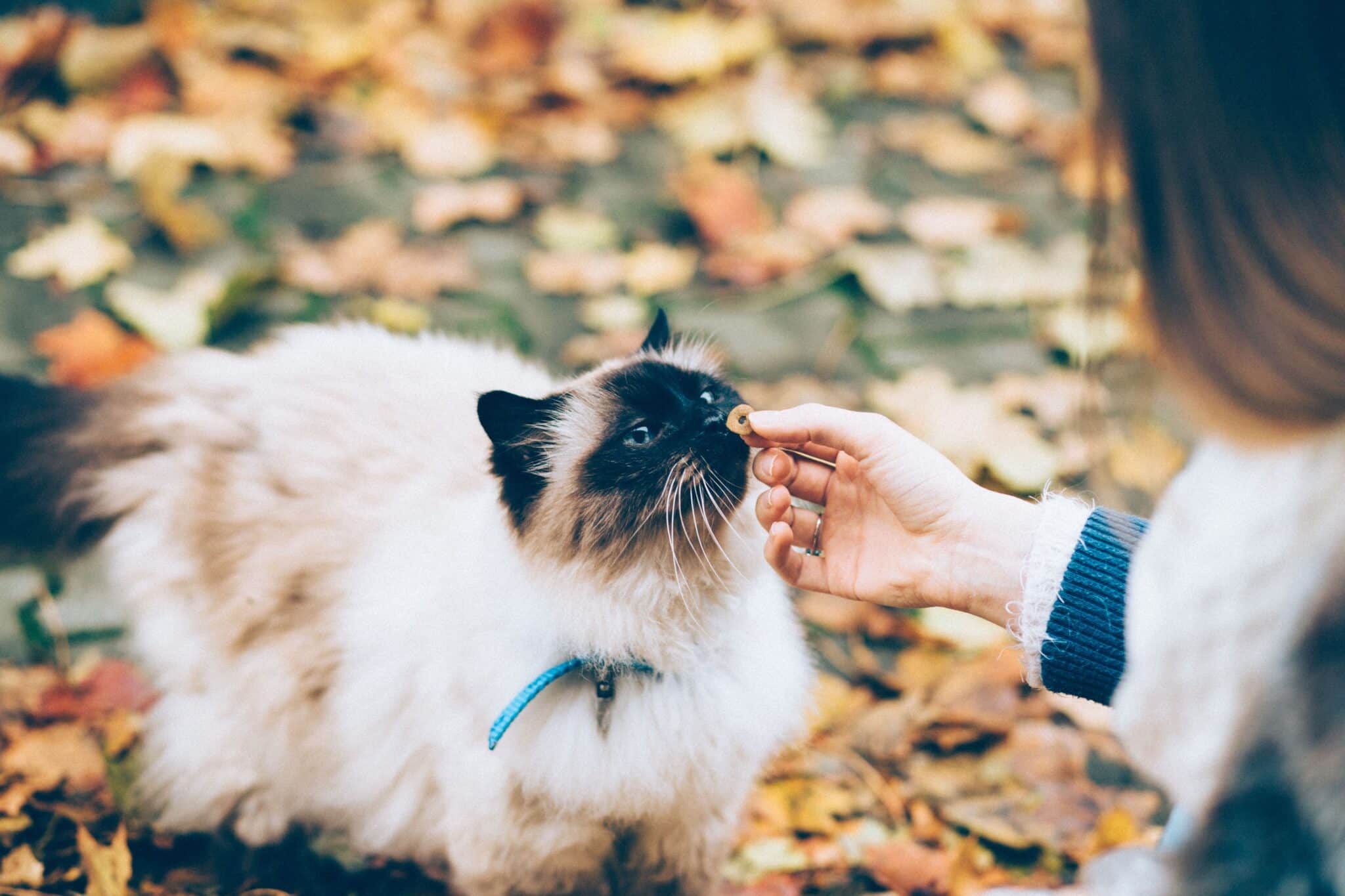
Few things capture a cat’s attention quite like the sound of a food container opening. Cats can learn to associate particular people with meals, treats, and other rewarding experiences. Through repeated interactions, they remember who usually prepares breakfast, fills their bowls, or offers an occasional snack. This is an example of associative learning, where an animal connects a person or event with a predictable outcome. It also explains why a cat may suddenly appear when a specific family member enters the kitchen. Their enthusiastic greeting may have less to do with conversation and more to do with remembering who controls the delicious supplies.
They Recognize Familiar Voices

A cat may not always come running when called, but that does not mean the voice goes unrecognized. Research has shown that domestic cats can distinguish their owner’s voice from unfamiliar voices. They may respond through subtle movements, such as turning their ears, shifting their heads, or briefly looking toward the speaker. Cats can also become familiar with the voices of other household members through repeated exposure. Tone, rhythm, and familiar speech patterns can all contribute to recognition. Their reactions may be much less dramatic than a dog’s enthusiastic greeting, but those small ear movements can reveal that a familiar voice has captured their attention.
Cats Remember How People Treat Them
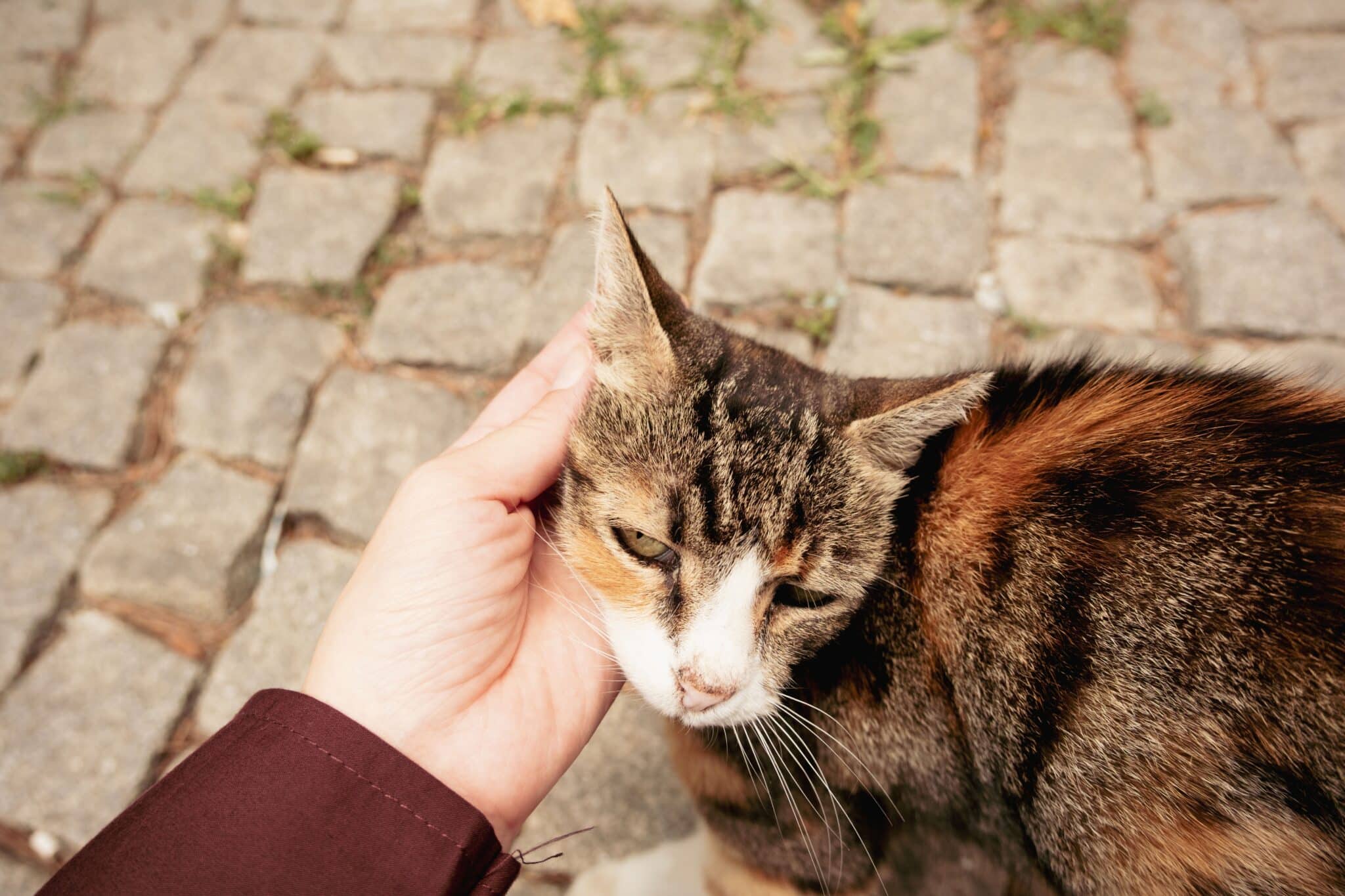
A cat’s past experiences can strongly influence how they behave around particular people. Gentle handling, patience, and positive interactions can help build trust, while frightening experiences may create lasting negative associations. A cat that remembers someone handling them carefully may approach that person more confidently during future encounters. Another cat that experienced rough treatment may become hesitant, hide, or avoid contact. These memories help cats make decisions about their surroundings and social interactions. Their responses are not necessarily signs of stubbornness or resentment. Instead, they can reflect learned expectations based on what happened during previous encounters.
They Can Remember Familiar Household Routines

Cats are excellent observers of patterns, and their memories help them anticipate familiar household activities. They may learn when someone usually wakes up, prepares breakfast, leaves for work, or returns home. Over time, these repeated experiences create predictable associations that influence their daily behavior. A cat might wait beside the bedroom door shortly before an alarm sounds or appear in the kitchen around the usual dinner hour. Their ability to remember routines helps them navigate their environment and anticipate important events. It can also explain why changing a feeding schedule sometimes leads to persistent meowing from a particularly observant household supervisor.
Cats May Recognize People by Their Walking Patterns

A person’s identity is communicated through more than their face or voice. Cats are sensitive observers of movement, and they can become familiar with the way particular people walk, approach, and move around the home. A cat may recognize the sound of familiar footsteps or notice the distinctive rhythm of someone entering a room. These patterns can become associated with specific individuals through repeated exposure. For example, a cat may leave its favorite sleeping spot when it hears the familiar footsteps of someone who usually offers affection. Movement and sound provide additional clues that help cats distinguish familiar people from unfamiliar visitors.
They Remember Where They Feel Safe With Certain People
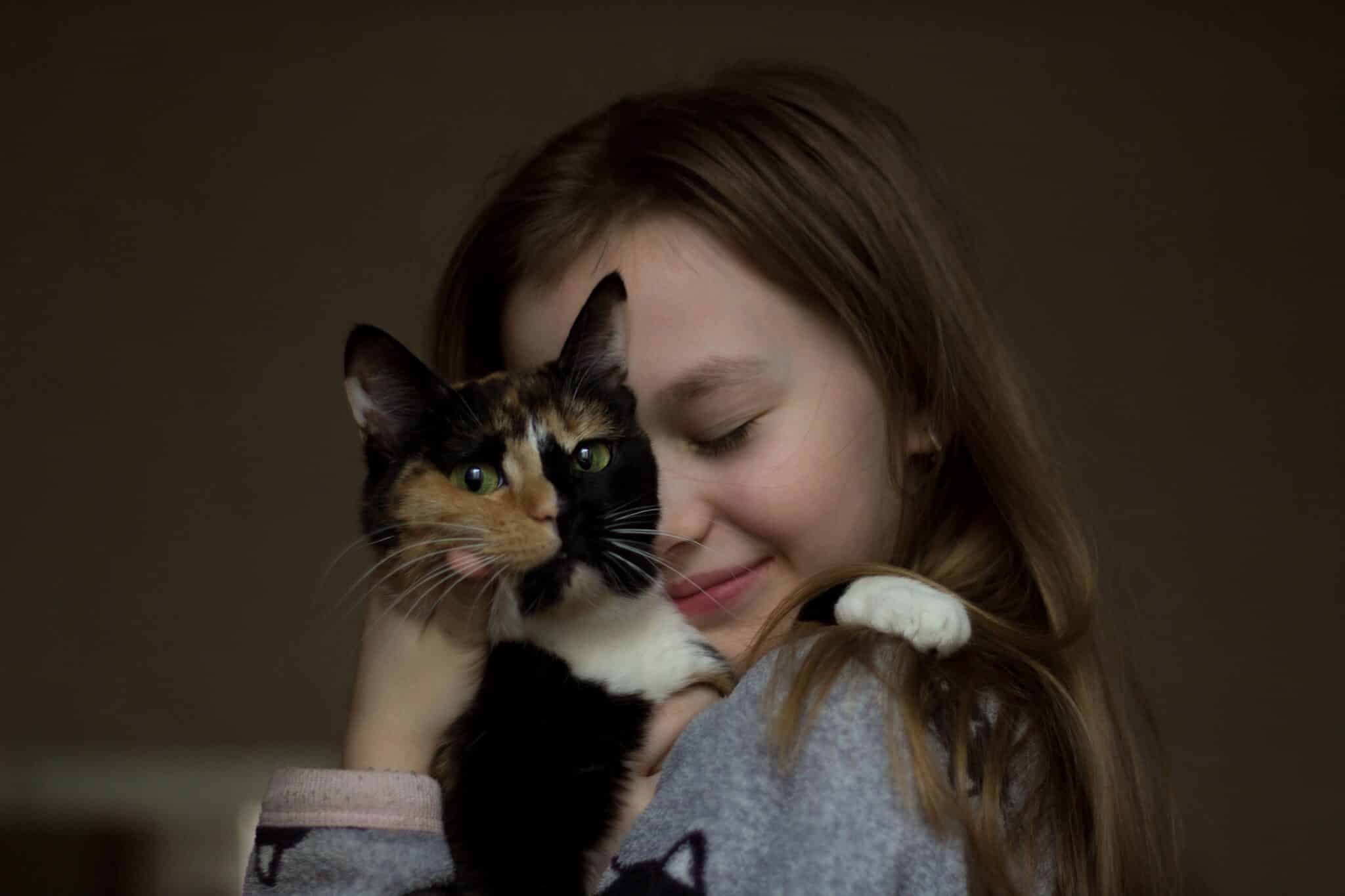
Cats develop preferences for people who make them feel secure and comfortable. A person who consistently respects their boundaries, offers gentle attention, and provides a predictable environment may become someone the cat seeks out during uncertain moments. These positive experiences can create lasting associations between an individual and feelings of safety. A nervous cat might hide when unfamiliar visitors arrive but settle beside a trusted family member once the home becomes quiet. This behavior reflects learned comfort and social familiarity. Their choice of resting companion can reveal which people have become dependable parts of their everyday environment.
Cats Can Remember People Through Positive Play Experiences
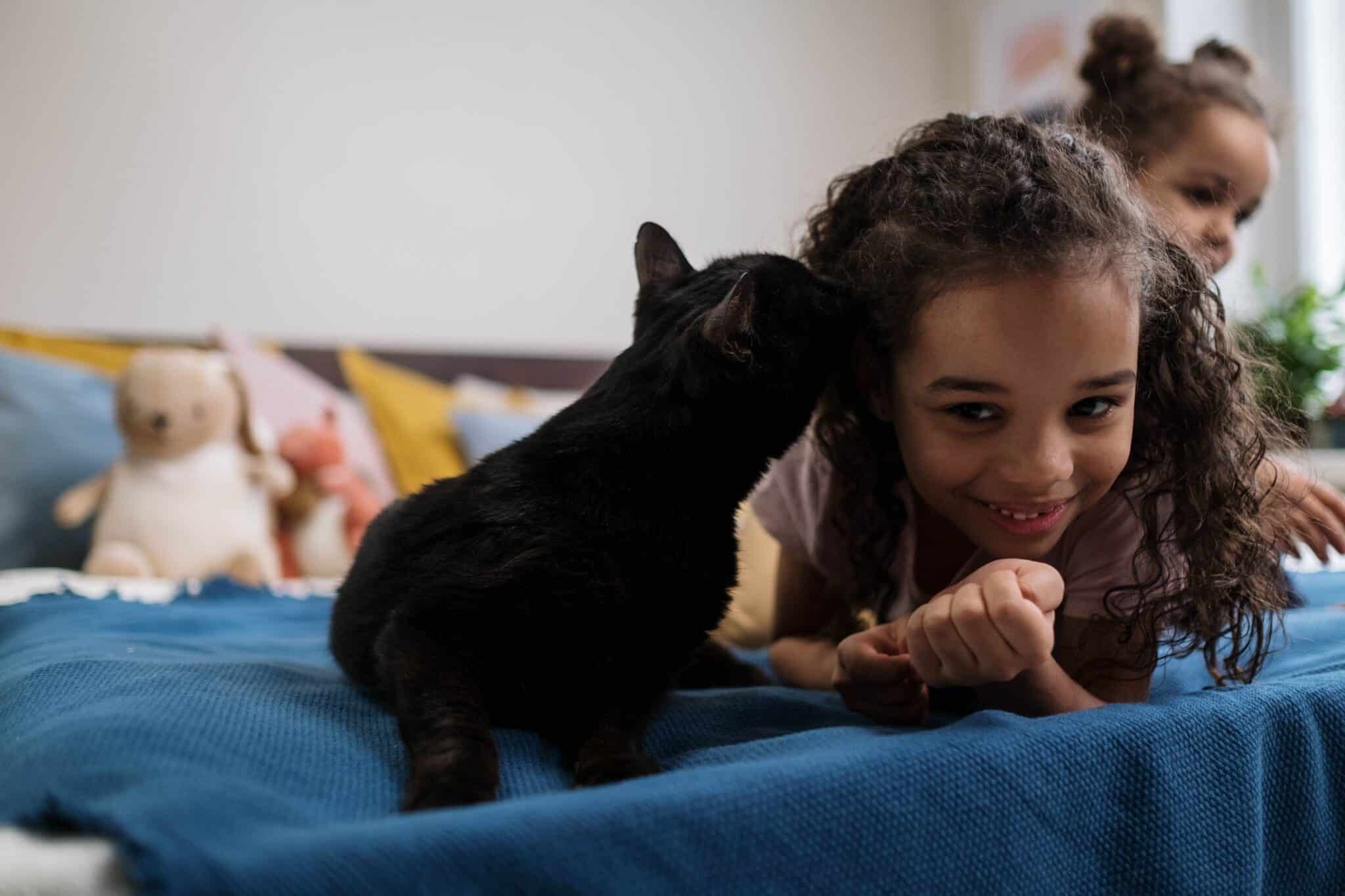
Playtime can create memorable associations that influence how cats interact with people. Someone who regularly offers exciting games, moving toys, and opportunities to practice hunting instincts may become especially interesting to a cat. They can learn to associate that individual with enjoyable activities and may approach them when they want entertainment. A cat might even bring a favorite toy to a familiar person who frequently joins their games. These interactions combine movement, attention, and positive reinforcement, helping strengthen recognition and familiarity. Play is more than a way to burn energy because it also gives cats opportunities to build rewarding relationships with the people around them.
They May Remember People Who Scared Them
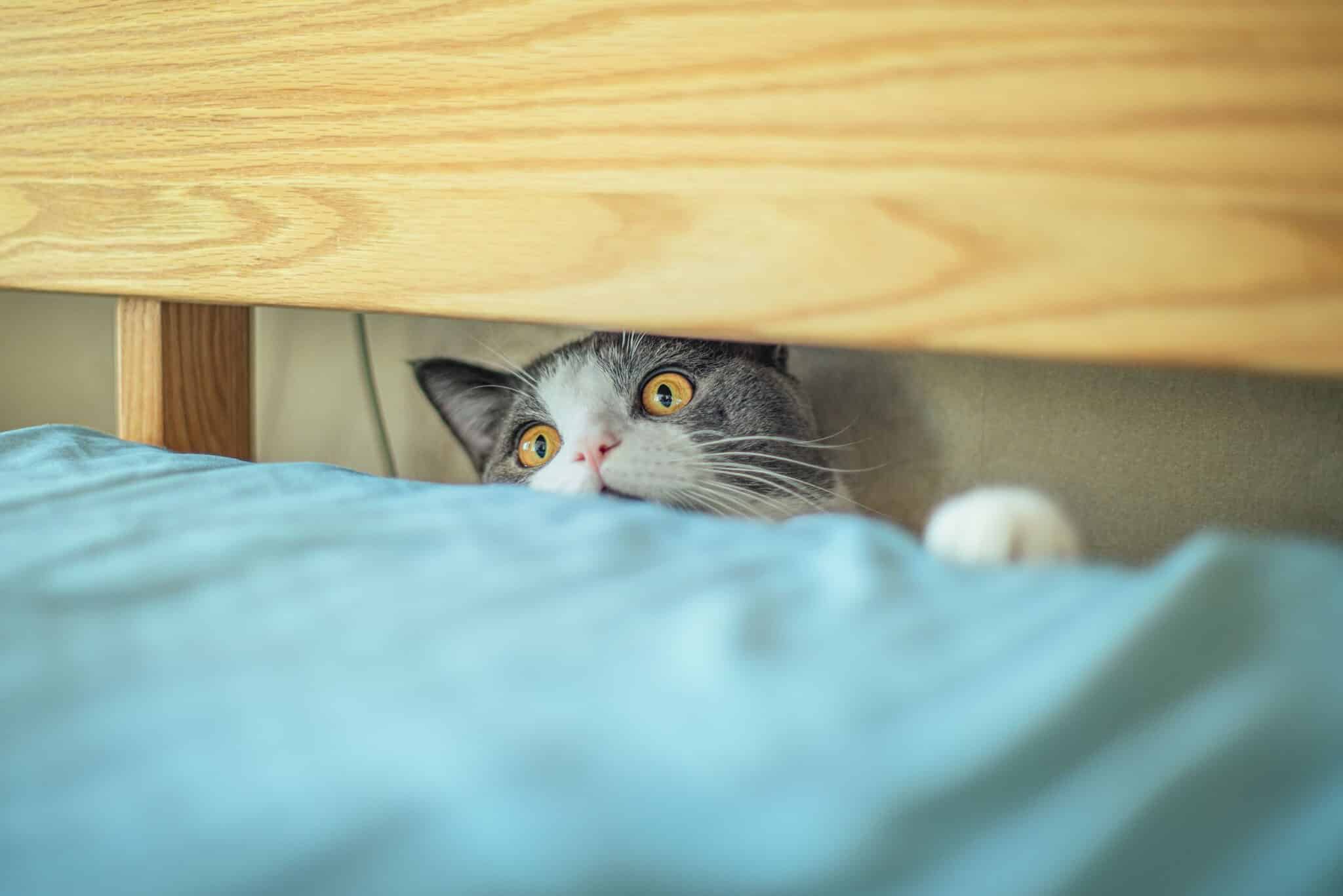
Cats can remember unpleasant experiences, and those memories may affect how they respond to particular individuals. A person who accidentally startled a cat, handled them roughly, or repeatedly ignored their warning signals may become associated with discomfort. The cat might hide, keep its distance, or become visibly tense when that individual approaches. These reactions are protective responses shaped by previous experiences rather than evidence of deliberate revenge. With patience and respectful interactions, some cats can gradually develop more positive associations. Allowing them to approach voluntarily is particularly important because forcing contact can reinforce their discomfort and make trust harder to establish.
Cats Remember Familiar Faces

Although cats rely heavily on scent and other sensory information, visual recognition also contributes to how they identify familiar individuals. Studies suggest that cats can distinguish familiar human faces from unfamiliar ones under certain conditions. Their ability to recognize people visually may be less straightforward than their recognition of familiar voices or scents, but it still forms part of their social awareness. Cats often observe facial features, posture, and other visual cues during everyday interactions. A familiar face appearing in a favorite chair may therefore provide another clue about who has entered the room. Their recognition becomes even more reliable when visual information is combined with familiar sounds and smells.
They Can Remember People Associated With Comfort
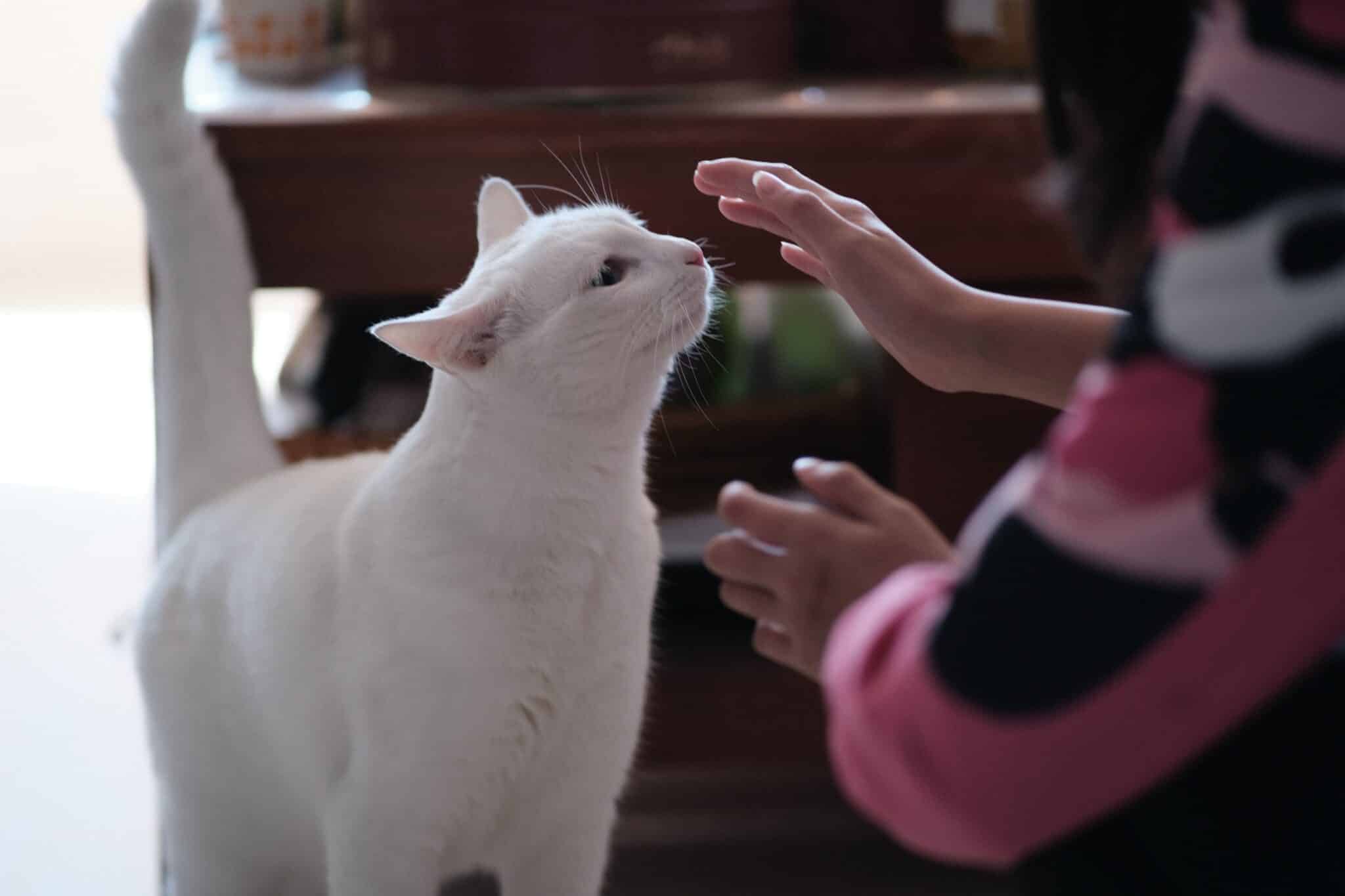
Comfortable experiences can leave lasting impressions, especially when they involve consistent care and companionship. Cats may develop strong associations with people who provide warm resting spots, gentle petting, soothing attention, and a predictable environment. A cat that regularly naps beside someone may return to that individual because the familiar interaction has become rewarding. These memories can influence where they choose to rest and whom they approach when seeking reassurance. However, every cat has different preferences for physical contact. Some enjoy curling up on a lap, while others prefer sleeping nearby. Both behaviors can reflect familiarity and a positive relationship.
Cats May Remember Their Favorite People Even After Long Separations
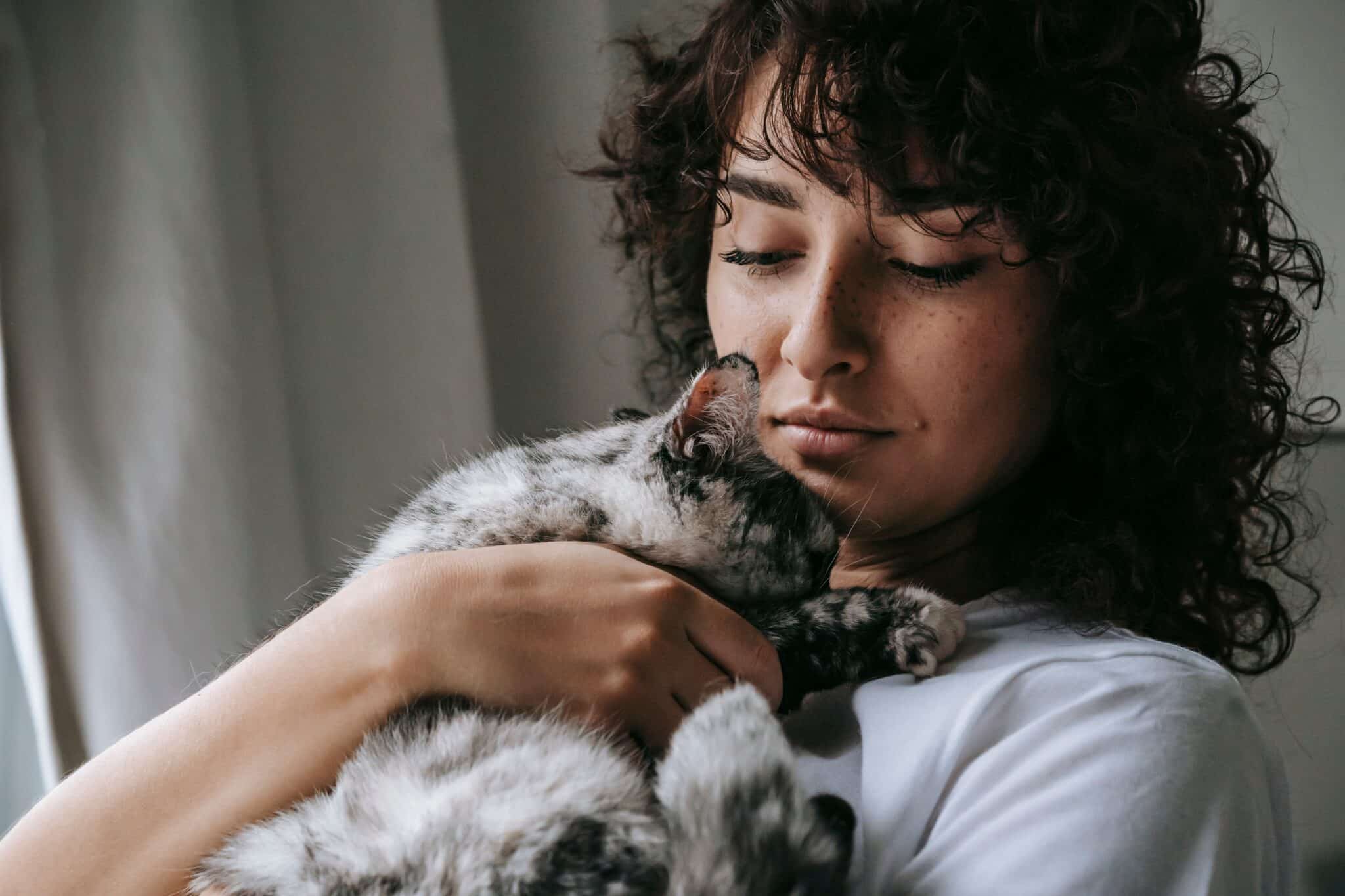
A long separation does not necessarily erase the memories cats have formed with familiar people. Their recognition may depend on previous experiences, the strength of their social bond, and the sensory clues available when they meet again. Some cats approach a returning family member with immediate curiosity, while others need time to investigate familiar scents and sounds before becoming comfortable. A change in appearance or scent can also influence their initial reaction. Their responses may look different from the enthusiastic reunions people expect, but recognition can still be present. A quiet greeting, familiar sniff, or gradual return to an old routine can reveal that the relationship remains meaningful.
The Memories Behind Those Mysterious Cat Expressions
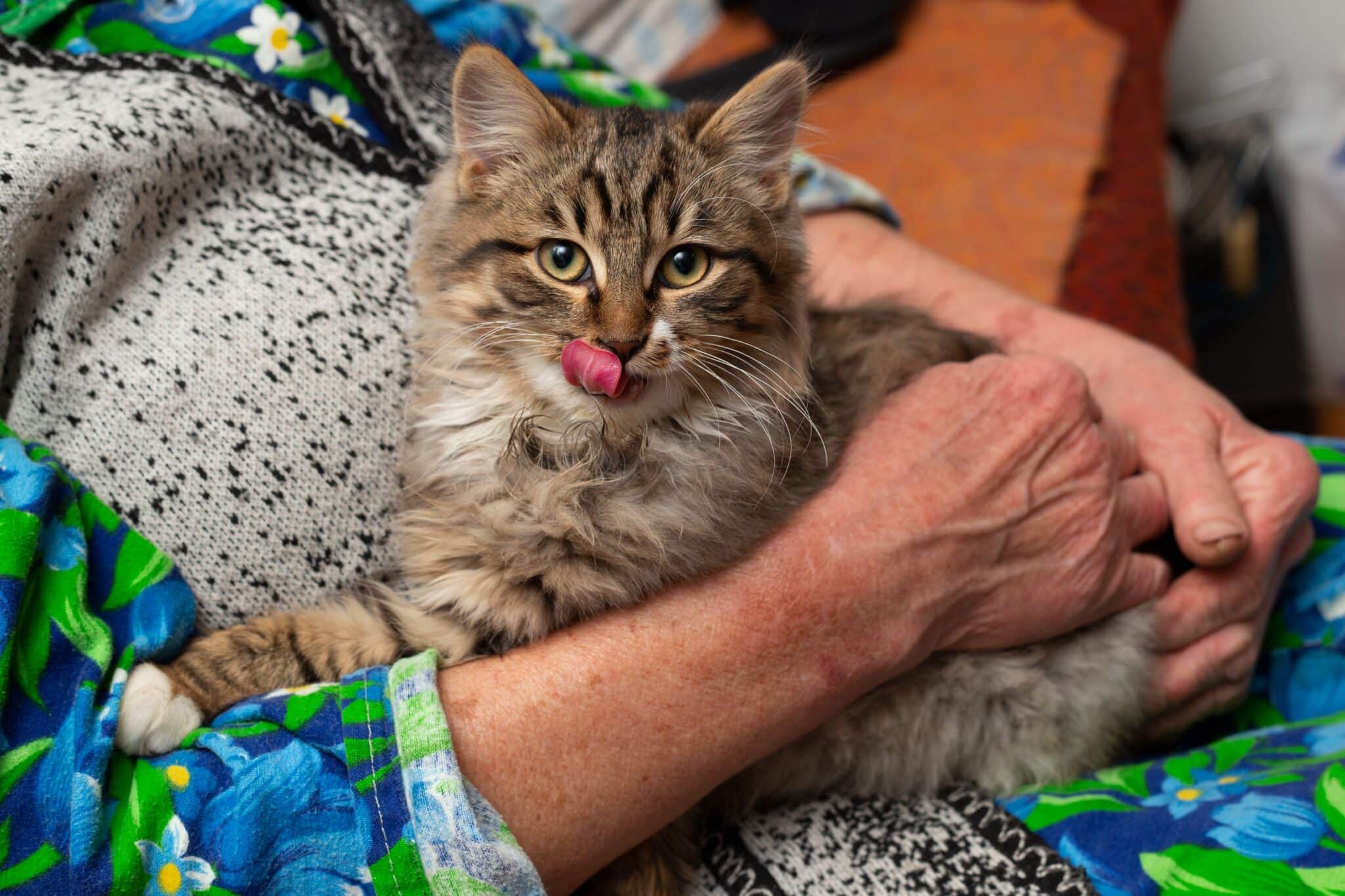
Cats may not always show recognition through enthusiastic greetings or obvious excitement, but their memories play a role in everyday relationships. They learn who provides comfort, remember familiar voices and scents, and develop expectations based on past experiences. Their reactions reflect individual personalities, social preferences, and the environments they share with people. Patience, consistency, gentle handling, and enjoyable interactions can help build lasting associations. The next time a cat quietly follows someone around the house, there may be more happening behind those observant eyes than meets the eye.
This content was created with AI assistance and edited by the iHeartCats team.