
There is something special about a cat who chooses your company despite having an entire home to explore. Maybe they follow you from room to room, settle beside your laptop, or curl up at the foot of your bed each night. These habits can leave you wondering whether your companion wants food, warmth, or simply enjoys being near you. Cats express affection differently from humans, and their feelings are not always obvious. By observing their body language and daily routines, you can discover heartwarming clues about your bond.
They Follow You From Room to Room
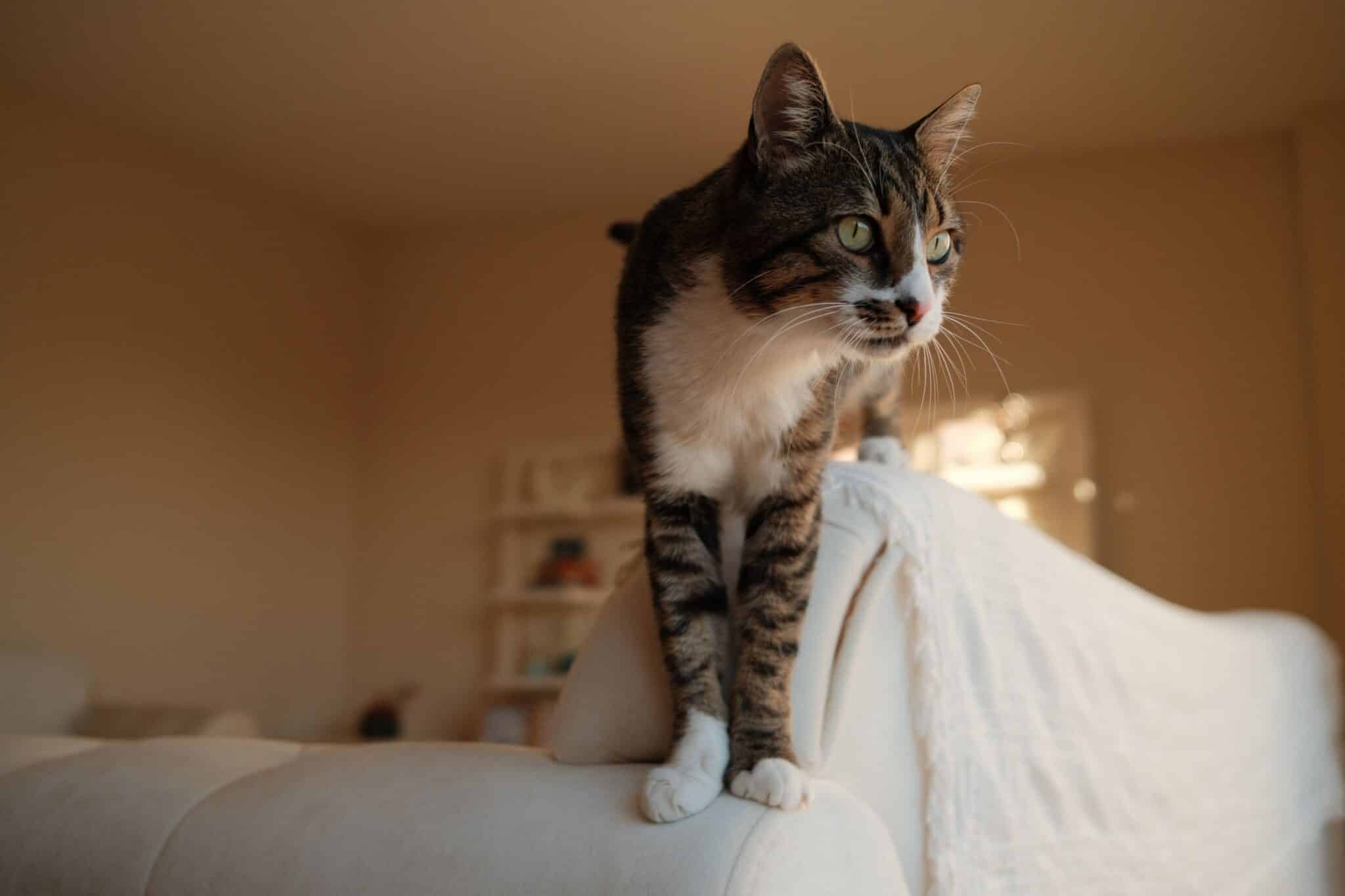
You barely make it to the kitchen before your cat appears behind you. Head to the bathroom, and there they are again. Even a quick trip to another room can turn into a little parade with your cat bringing up the rear. Following a person can reflect social attachment, curiosity, or a desire to stay close to someone familiar. Cats are naturally observant, and they learn that human movement often predicts interesting things, from mealtimes to play sessions. However, when your cat regularly follows you without demanding food or another obvious reward, they may simply enjoy sharing your space. Pay attention to what happens after they catch up. A cat who settles nearby, relaxes, or begins grooming themselves is often comfortable in your presence. Their quiet decision to remain close can be just as meaningful as an enthusiastic greeting.
They Choose to Sit Beside You

Cats are experts at finding comfortable places to rest, but sometimes the best seat in the house happens to be right next to you. Your cat may settle against your thigh during a television show, sit beside your chair while you work, or occupy the cushion immediately next to yours when other spots are available. Choosing proximity can indicate that a cat feels safe and enjoys your company. Cats are both predators and potential prey in the wild, so feeling secure enough to relax around another individual matters. A familiar human can become part of that safe environment. Not every nearby nap is an emotional declaration, of course. Your body heat, a soft blanket, or a desirable view might also influence their choice. Still, when your cat repeatedly chooses to rest beside you even when other comfortable options exist, that preference offers a lovely clue about your relationship.
They Give You Slow Blinks
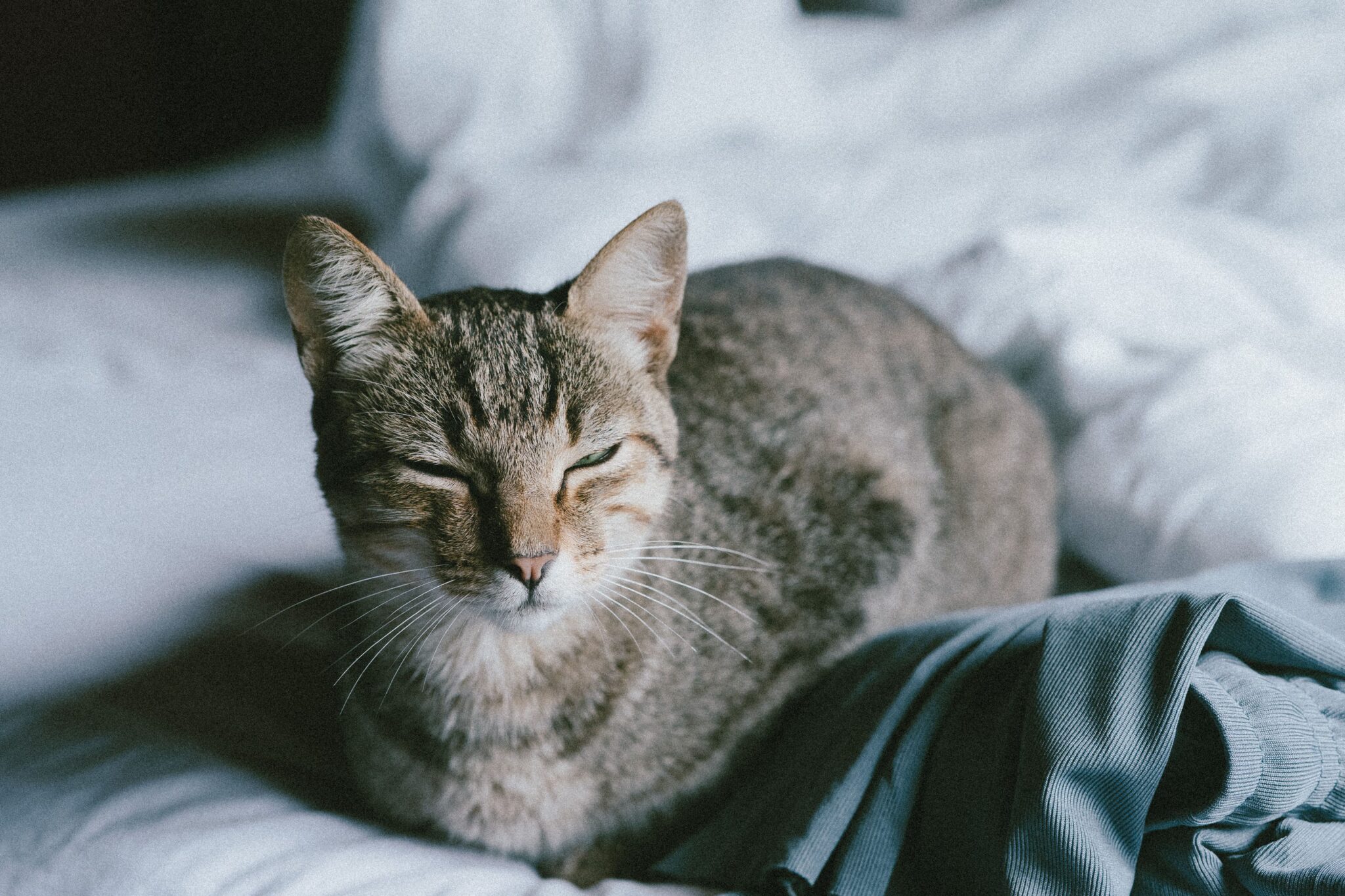
Your cat catches your eye from across the room, closes their eyes slowly, and opens them again with an almost sleepy expression. It may look like an ordinary blink, but this gentle gesture can be part of friendly feline communication. Research suggests that cats respond positively to slow-blinking interactions with humans. Relaxed, narrowed eyes can communicate that a cat feels comfortable rather than alert or threatened. When your companion offers slow blinks while resting nearby, it may be a sign that they feel at ease in your presence. Try returning the gesture by softening your expression, slowly closing your eyes, and opening them again without staring. Give your cat the freedom to respond or look away. A slow blink is not a universal declaration of love, but combined with relaxed ears, a loose posture, and a calm tail, it can be a reassuring sign of social comfort.
They Greet You When You Come Home
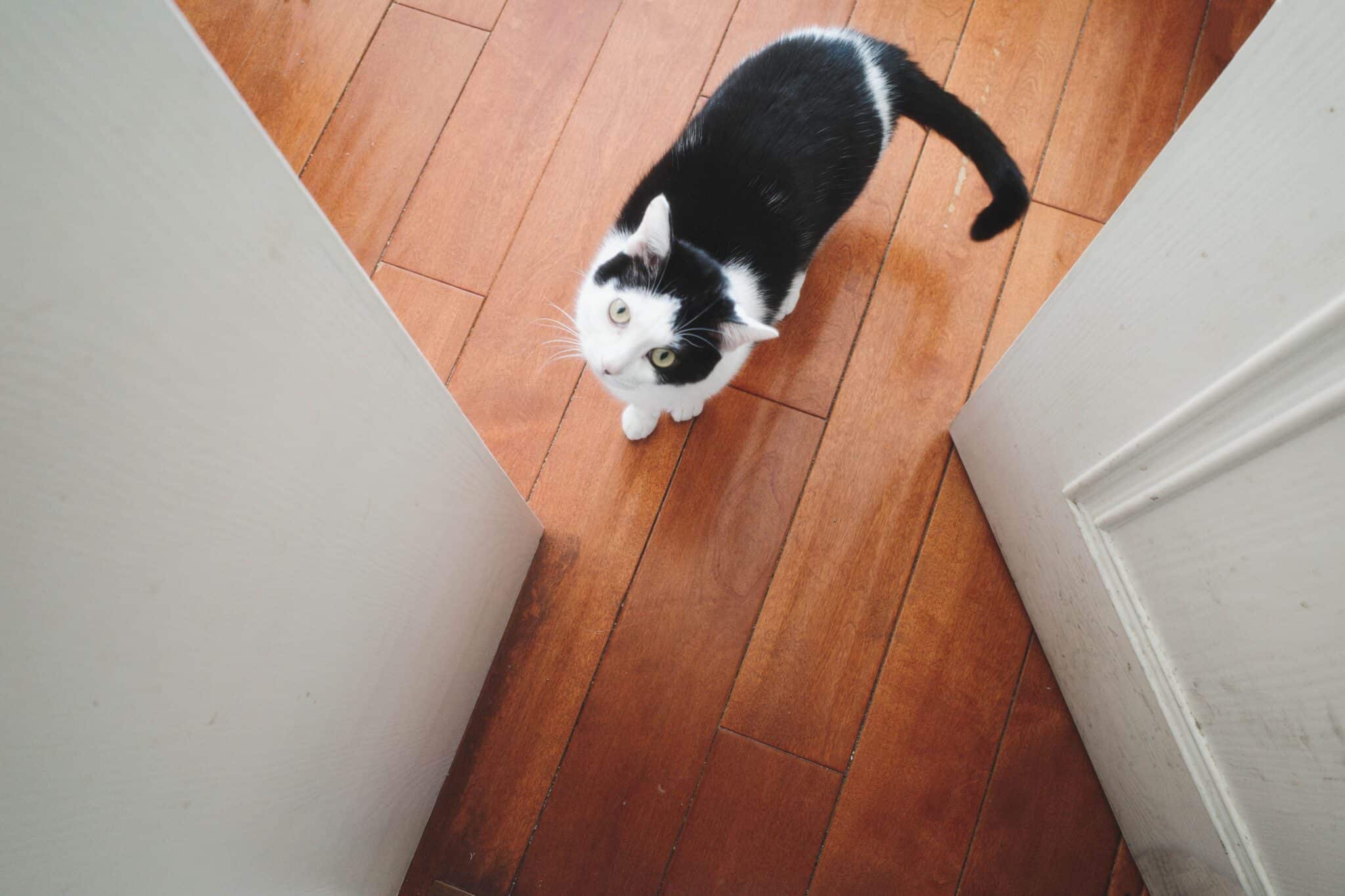
The door opens, and suddenly your usually independent companion is waiting nearby. They may trot toward you, lift their tail, rub against your legs, or make a little chirping sound as you put down your bags. Cats can recognize familiar people through a combination of scent, sound, sight, and learned routines. Your arrival may also predict pleasant things, such as dinner, attention, or playtime. Even so, an eager greeting can reflect more than an expectation of rewards. It may show that your cat recognizes you as a familiar social partner and enjoys reconnecting after time apart. Look at the whole greeting rather than focusing on one movement. An upright tail, relaxed posture, forward-facing ears, and voluntary approach generally suggest friendliness. Some cats will rush to the door, while others offer a brief glance from the sofa. Both can be perfectly normal expressions of familiarity and comfort.
They Rub Their Face Against You
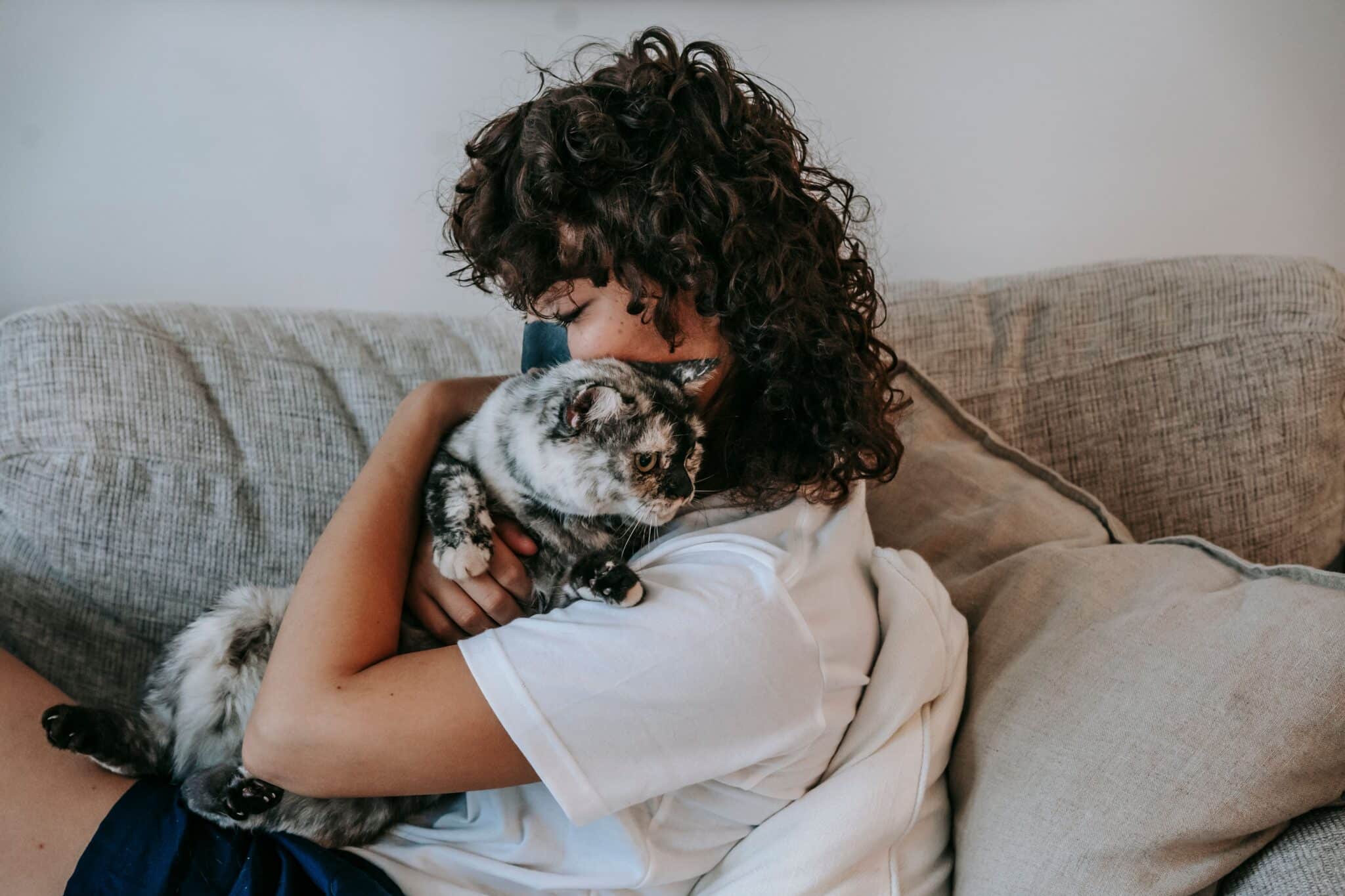
A cat weaving around your ankles or pressing their cheek against your hand is doing more than finding a convenient scratching surface. Cats have scent-producing glands around their cheeks and other parts of their bodies. Rubbing helps distribute familiar scent cues and contributes to the shared scent environment of their home. When your cat bunts your hand with their forehead or brushes their face against your leg, the gesture can be a friendly social interaction. It may also help them reinforce familiarity with a person they trust. In a cat’s world, scent carries valuable information about surroundings and social relationships. The behavior can have a practical side, too. Some cats rub against people to request petting, food, or access to a favorite room. Rather than assuming every head bump means the same thing, notice what follows. A relaxed cat who lingers for gentle attention is likely enjoying the interaction as well as the familiar contact.
They Sleep Near You
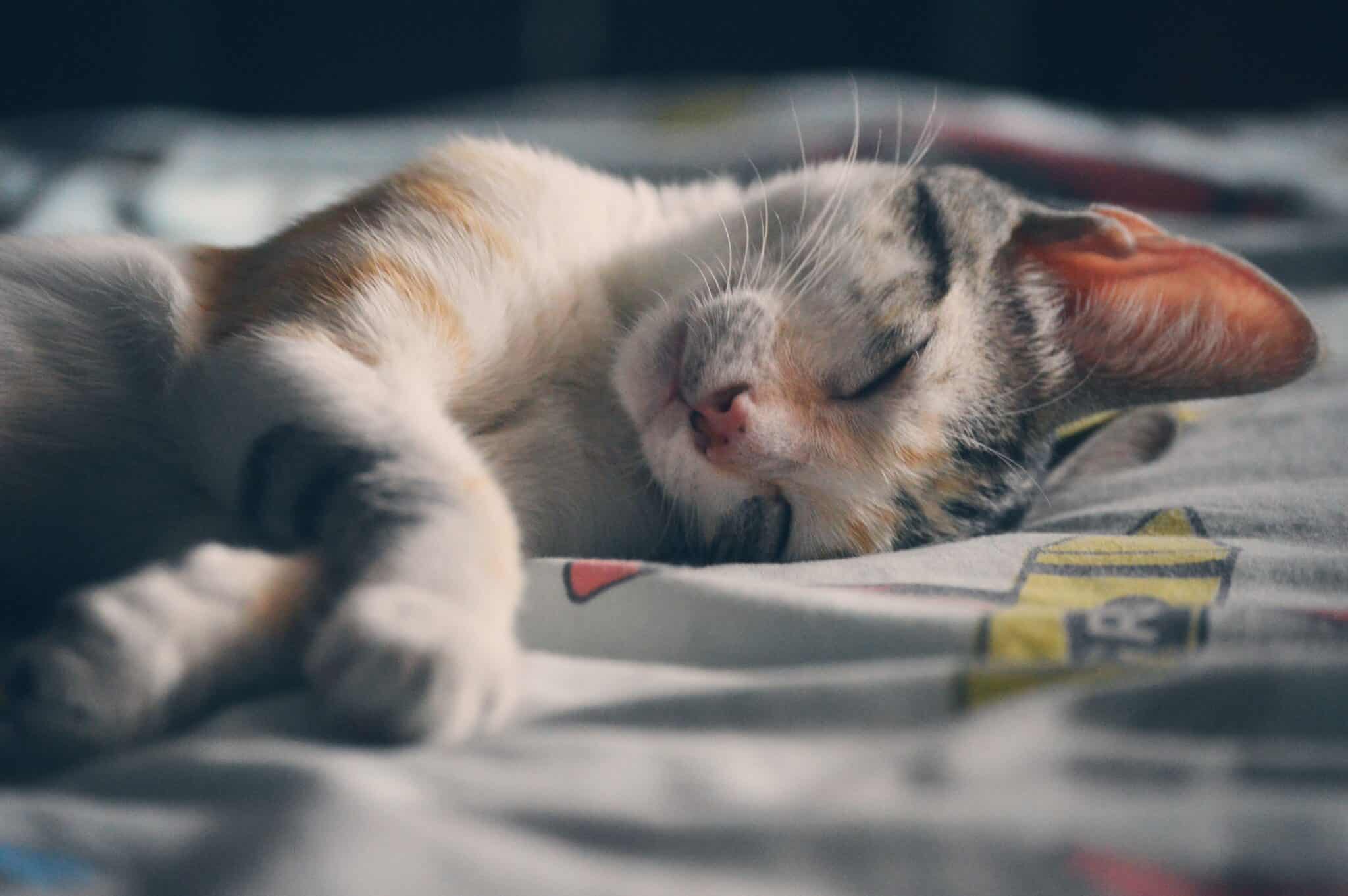
Cats spend a substantial portion of their lives sleeping, and they are selective about where they settle down. If your companion regularly curls up on your bed, beside your pillow, or on a blanket near your desk, your presence may be part of what makes that spot appealing. Sleep leaves an animal less prepared to respond to sudden changes in its surroundings. Choosing to rest near a familiar person can therefore reflect a sense of security. Your scent, predictable movements, and established routine may help make the area feel comfortable. Of course, cats also appreciate warmth, soft bedding, and undisturbed sleeping spots. A cat who chooses your feet over an expensive bed may simply prefer the location. Still, when they consistently return to your side for naps, even when you are not offering food or entertainment, it is reasonable to see their choice as one sign that they enjoy sharing their environment with you.
They Groom Themselves Around You
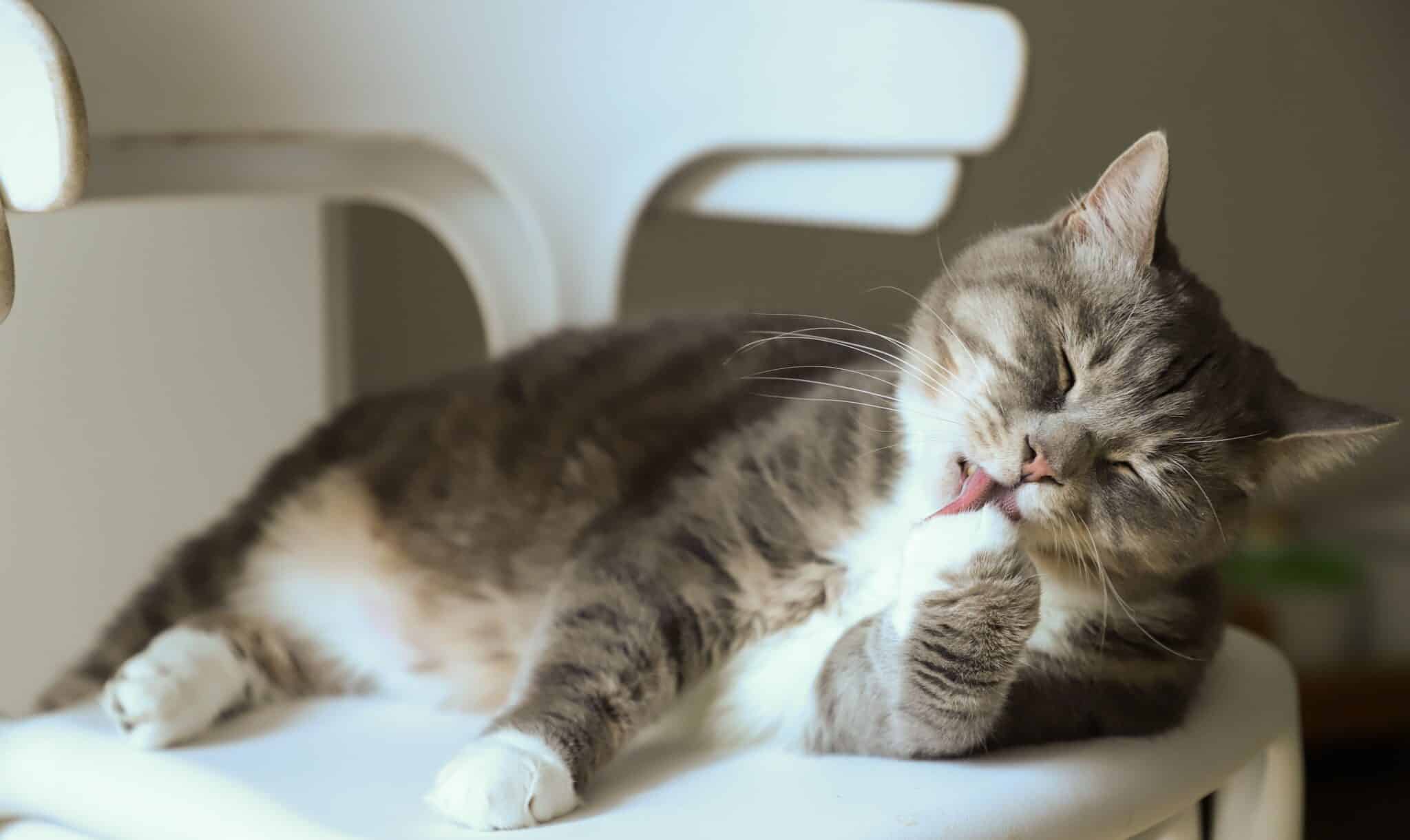
You are reading on the couch when your cat settles nearby and begins a thorough grooming session. They lick their paws, smooth their fur, and perhaps pause to stretch before continuing. Although this may seem like an ordinary part of their day, the setting can provide a useful clue about how comfortable they feel. Grooming is a normal maintenance behavior, and cats frequently perform it throughout the day. A cat who can comfortably groom themselves in your presence may feel sufficiently secure to focus on routine activities instead of monitoring every movement around them. Context matters, however. Cats also groom when they are mildly unsettled, using the activity as a way to redirect their attention. Relaxed muscles, neutral or forward ears, and an easy transition into resting or playing make comfort a more plausible interpretation. Excessive licking, bald patches, or sudden changes in grooming habits deserve attention because they can indicate stress or a medical problem.
They Bring Their Toys to You
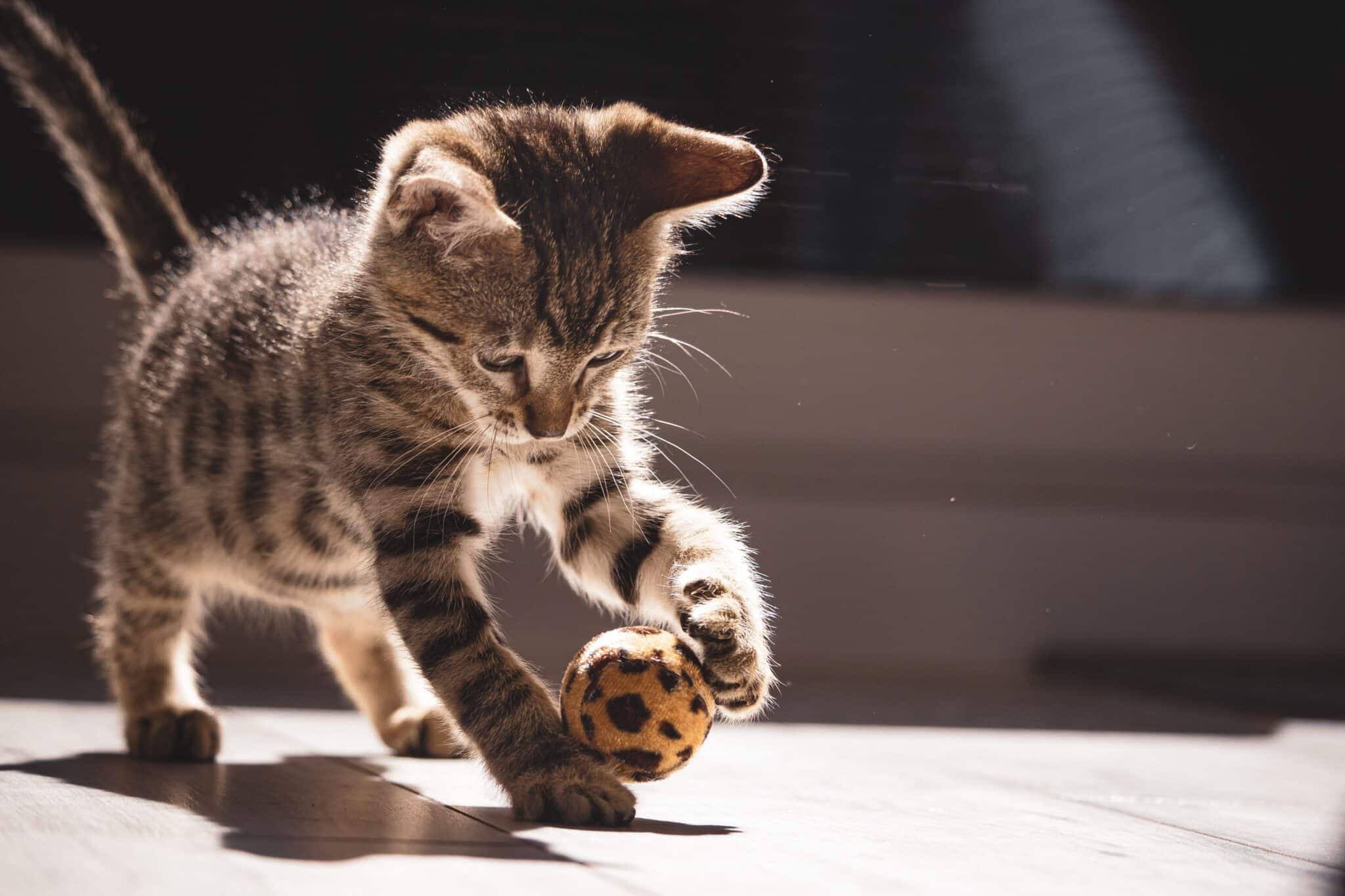
A toy mouse suddenly appears beside your laptop, or your cat drops a crinkly ball at your feet before staring expectantly at you. It is hard not to feel that you have been personally invited to participate in something important. Play allows cats to practice behaviors associated with stalking, chasing, grabbing, and pouncing. When your cat brings a toy to you, they may be initiating a game, seeking interaction, or repeating a routine they have learned earns an enjoyable response. Some cats also carry toys around the house because the objects themselves are appealing. If your cat frequently approaches you with a toy and remains nearby, they may have learned that you are a reliable source of fun and engagement. Responding with a short play session using a wand toy or another safe option can strengthen that positive association. The invitation is not necessarily a human-style gift, but it can still reflect a rewarding relationship.
They Show You Their Belly
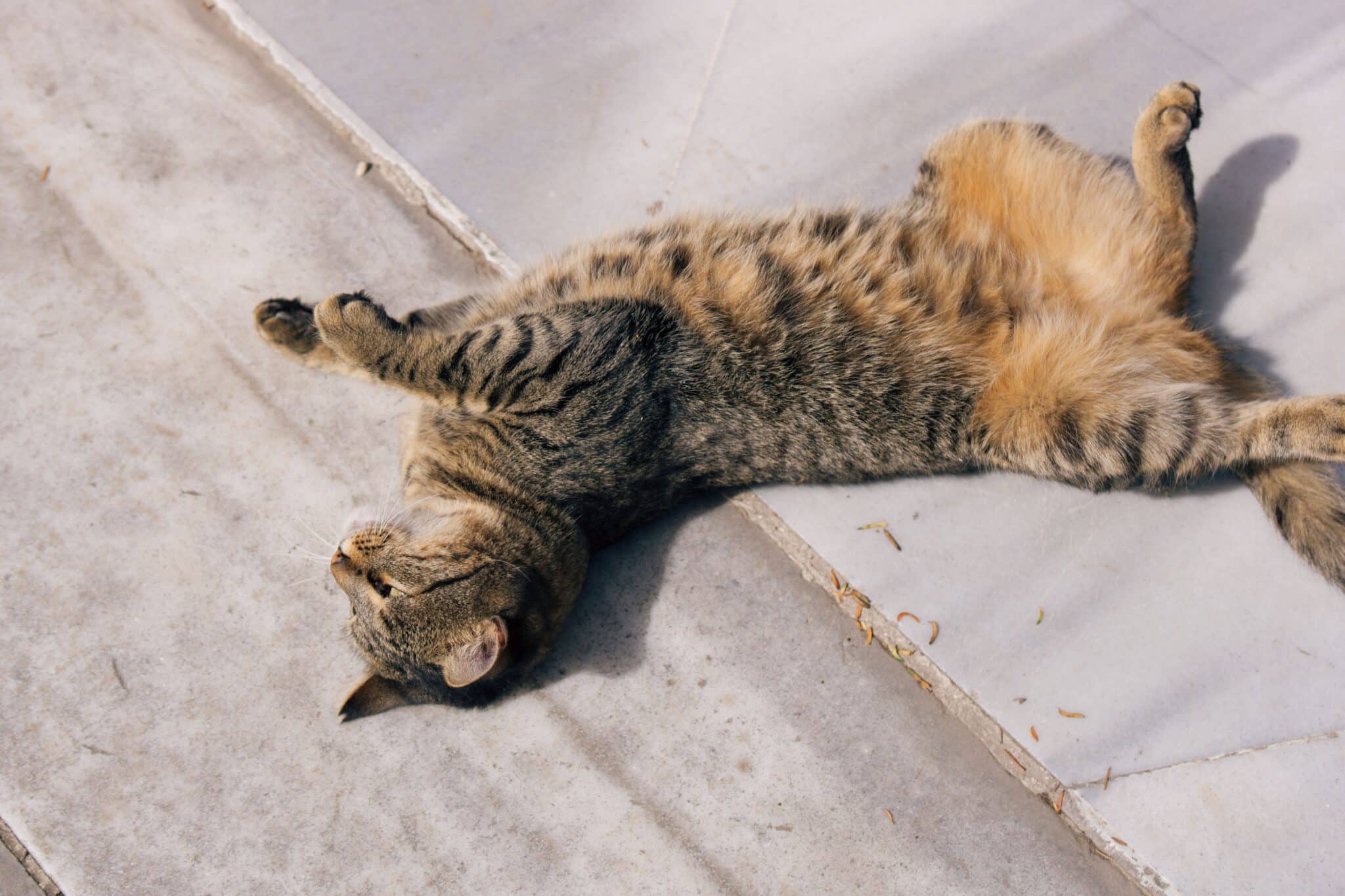
Your cat rolls onto their back, stretches out all four paws, and displays their fluffy belly as though inviting a cuddle. It is an adorable sight, but this particular gesture can be easy to misunderstand. Exposing the abdomen can indicate relaxation because the cat is adopting a position that would be less convenient for a quick defensive response. It may also be part of a playful stretch or a way to enjoy a comfortable surface. When your cat chooses to do this near you, it can suggest that they feel safe enough to relax. However, a belly display is not automatically an invitation to touch. The abdomen is a vulnerable area, and many cats instinctively grab or bite when someone pets it. Enjoy the moment without assuming physical contact is welcome. If your cat has a loose posture, soft eyes, and relaxed paws, simply sharing that peaceful space may be exactly what they want.
They Talk to You With Chirps and Meows
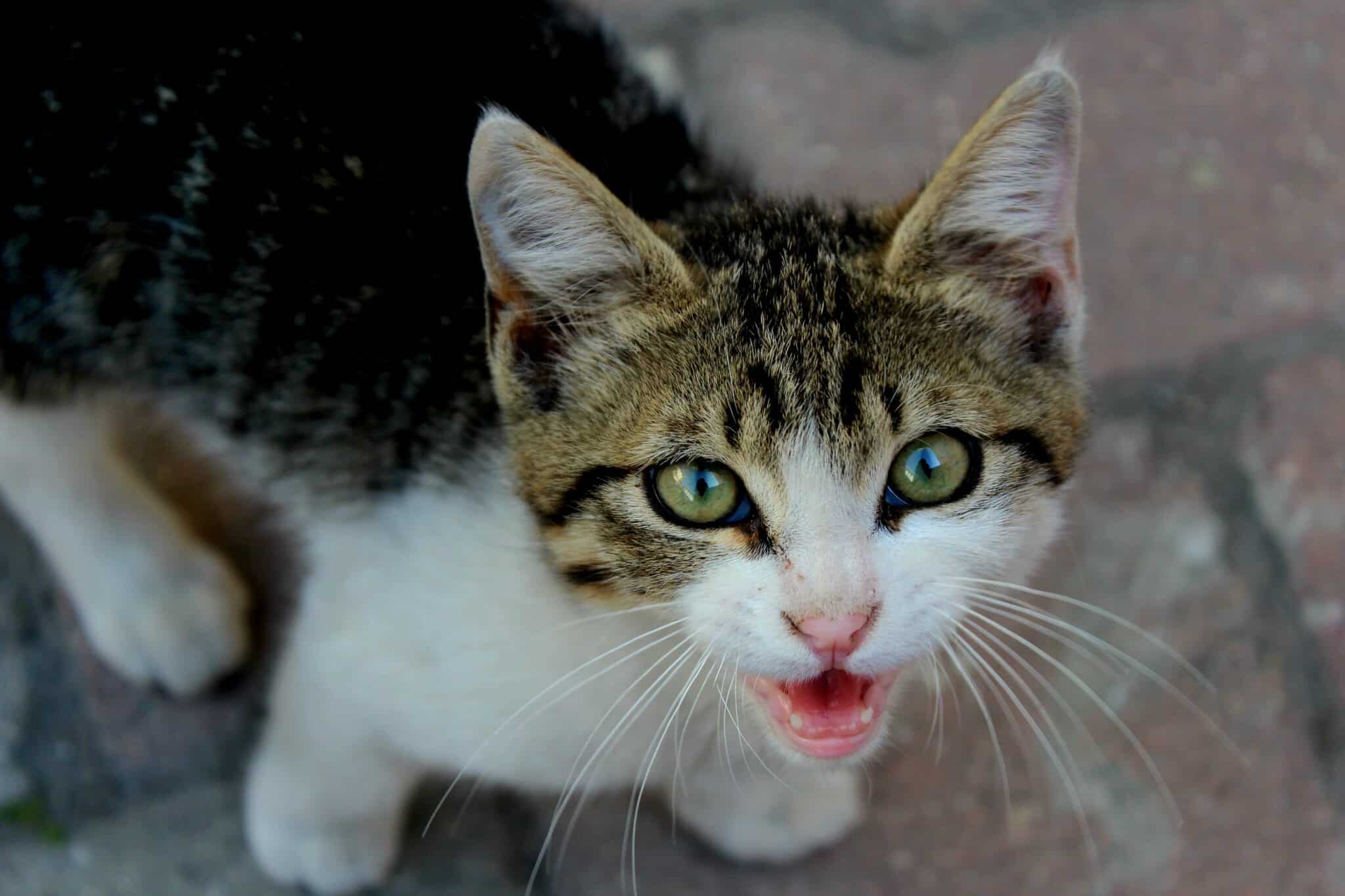
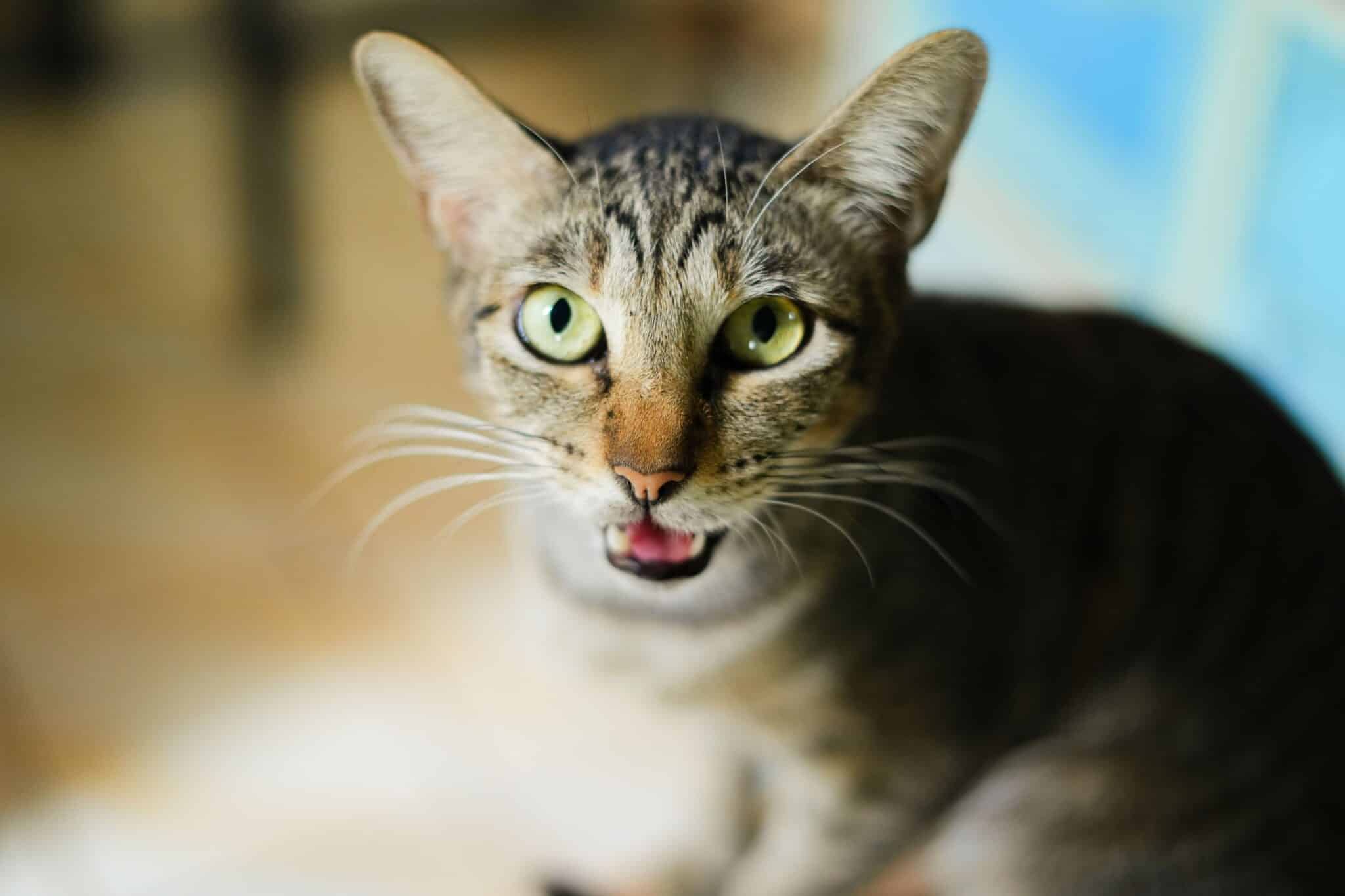
Some cats greet their favorite people with tiny chirps, trills, or a series of conversational meows. Others announce their arrival from the hallway or respond when spoken to, creating the impression of a surprisingly lively conversation. Adult cats rely heavily on body language and scent when communicating with other cats, while meowing is especially common in their interactions with humans. Through everyday experience, cats can learn that certain vocalizations attract attention, open doors, or signal that a meal is coming. Vocal exchanges can also become familiar social routines between a cat and their person. A cat who regularly approaches you to chirp or meow may enjoy the interaction itself, particularly when they remain relaxed and engaged afterward. Still, vocalization can express many needs, including hunger, frustration, or a desire for access to something. Consider the timing and accompanying body language rather than treating every meow as an affectionate message.
They Knead a Blanket While Sitting With You
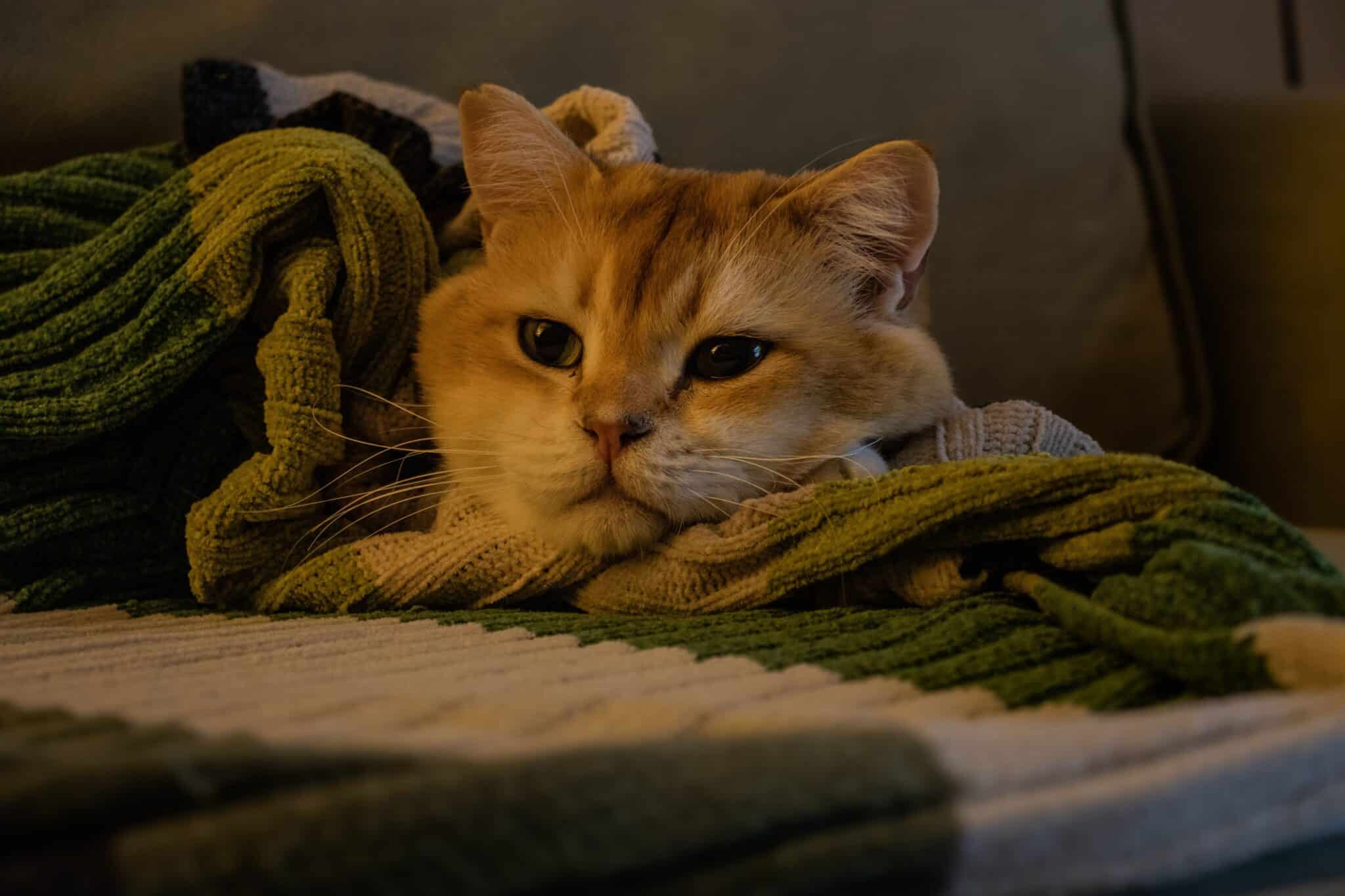
The little paws start pressing into a blanket, alternating one at a time as your cat settles into a comfortable spot. Sometimes the claws come out, the purring begins, and the fabric receives a surprisingly enthusiastic massage. Kneading starts early in kittenhood, when kittens press against their mother’s mammary area during nursing. Many cats retain the movement into adulthood, performing it on blankets, cushions, or people. The behavior is commonly associated with comfort and can become part of a familiar settling-down routine. When your cat chooses to knead beside you or directly on your lap, they may be enjoying the warmth, texture, and security of that location. The behavior does not prove that they see you as a parent, but it can be consistent with a relaxed, positive state. Place a thick blanket between their paws and your skin if their claws make the experience less comfortable. Let them knead without interruption when possible.
They Purr While Spending Time With You
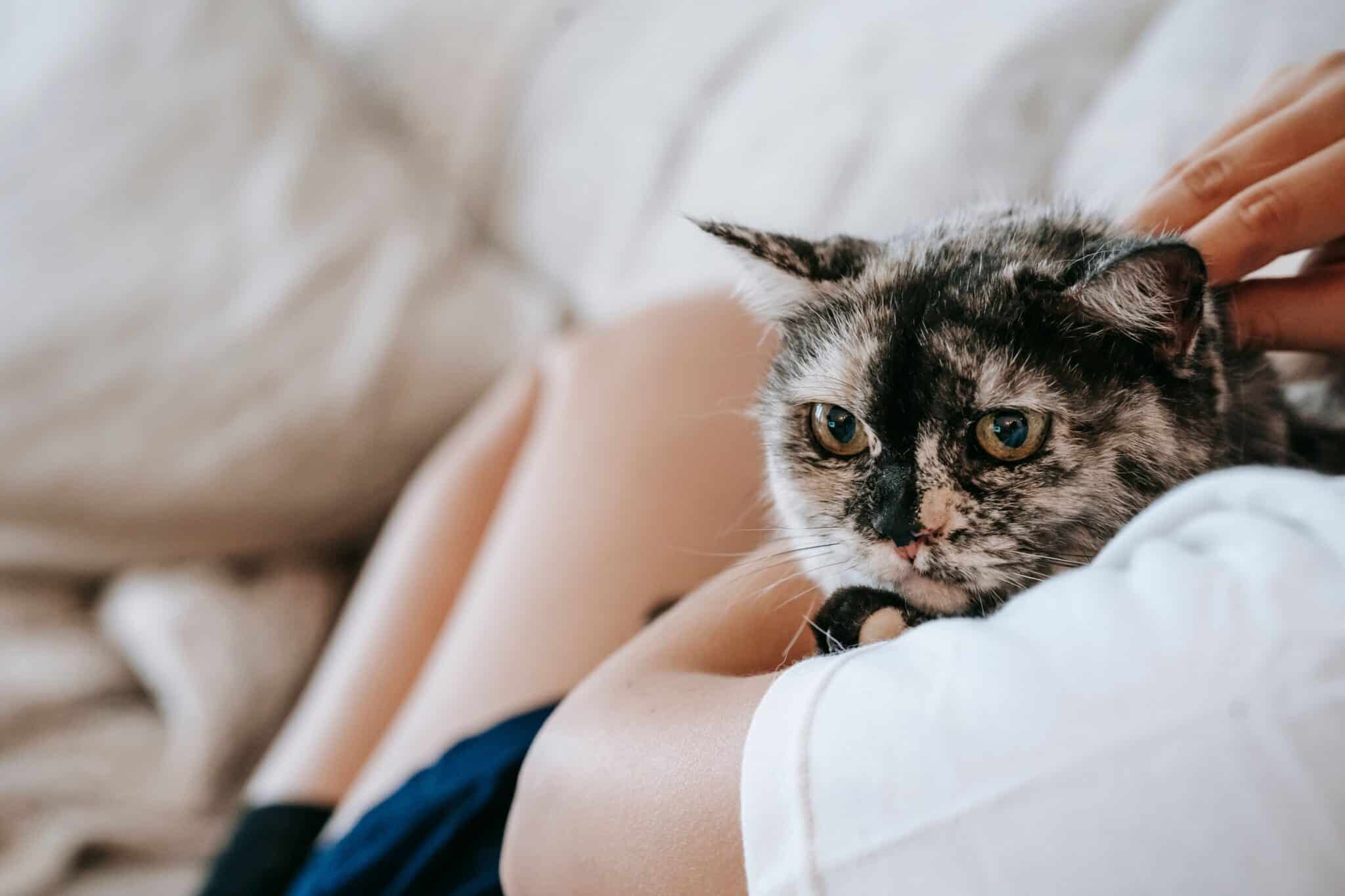
A soft rumble begins as soon as your cat settles beside you. You stroke their head, and the purring grows louder. Moments like these can make even an ordinary evening feel special. Cats commonly purr during positive social interactions, including petting, resting, and close contact with familiar companions. When purring appears alongside relaxed muscles, half-closed eyes, gentle head movements, and a willingness to remain near you, it often fits the picture of a comfortable cat enjoying attention. Purring alone, however, does not always mean happiness. Cats can also purr when they are frightened, distressed, unwell, or seeking reassurance. Pay attention to the surrounding circumstances and any changes from your cat’s usual behavior. A relaxed cat purring during a familiar cuddle is very different from a cat who is hiding, hunched over, or showing signs of discomfort while purring. The sound becomes more informative when considered alongside the rest of their body language.
They Choose to Stay With You Even When Nothing Is Happening
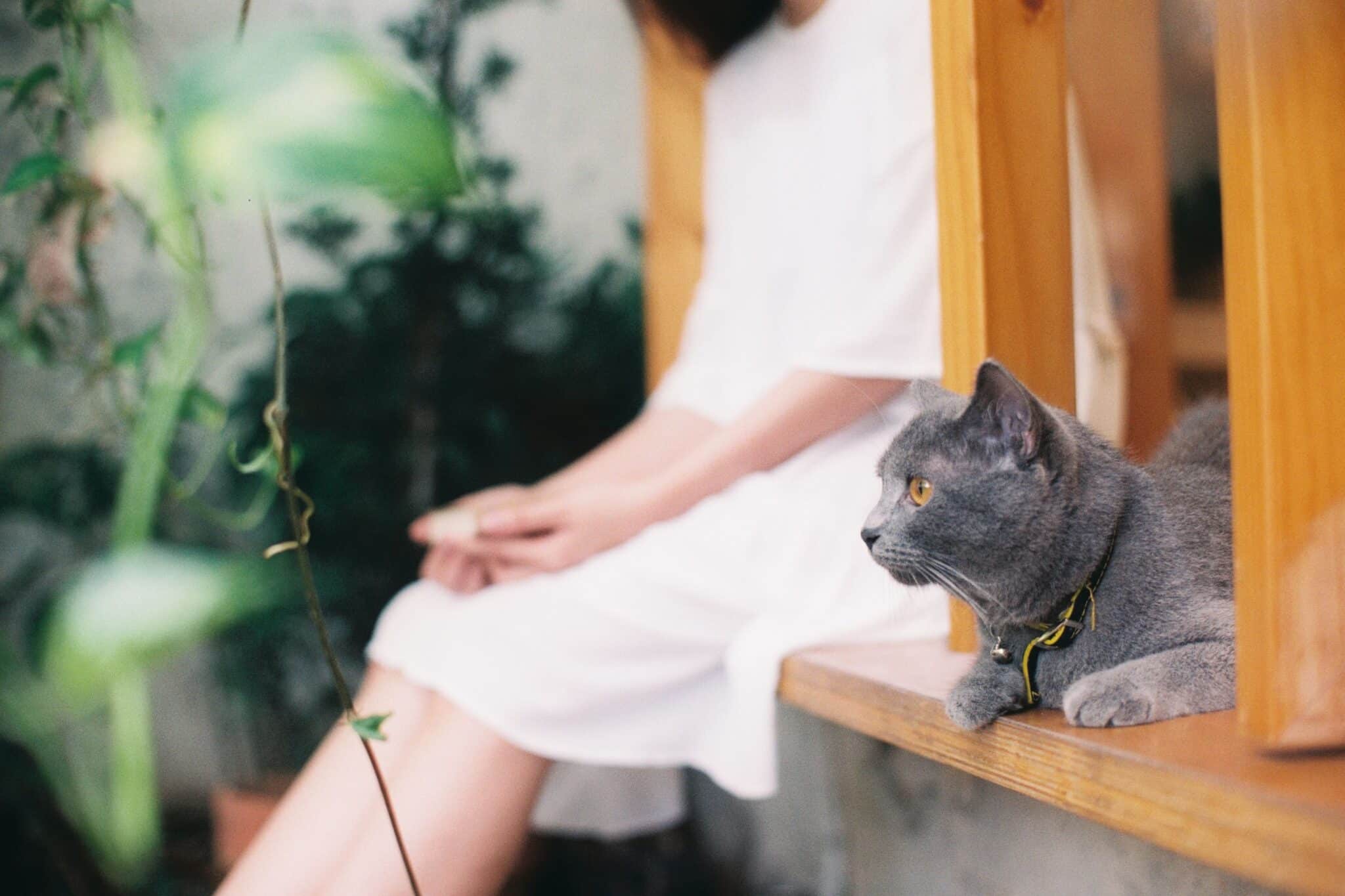
Perhaps the clearest sign is also the easiest to overlook. Your cat is not hungry, no toys are moving, and nobody is opening a cupboard. You are simply sitting quietly, and your companion decides to stay. Cats can form meaningful social relationships with people while retaining their independent personalities. Some seek frequent cuddles, while others prefer sitting a short distance away, watching the room, or resting at the opposite end of the couch. Enjoying someone’s company does not always require direct contact or constant interaction. When your cat repeatedly chooses to remain near you during uneventful moments, that voluntary companionship can be especially telling. They may appreciate your familiar scent, predictable presence, or the security of a shared environment. There is no need to turn every quiet moment into a petting session. Allowing your cat to decide when to approach, interact, or move away helps preserve the sense of safety that makes companionship enjoyable.
The Little Choices That Make Your Bond Special
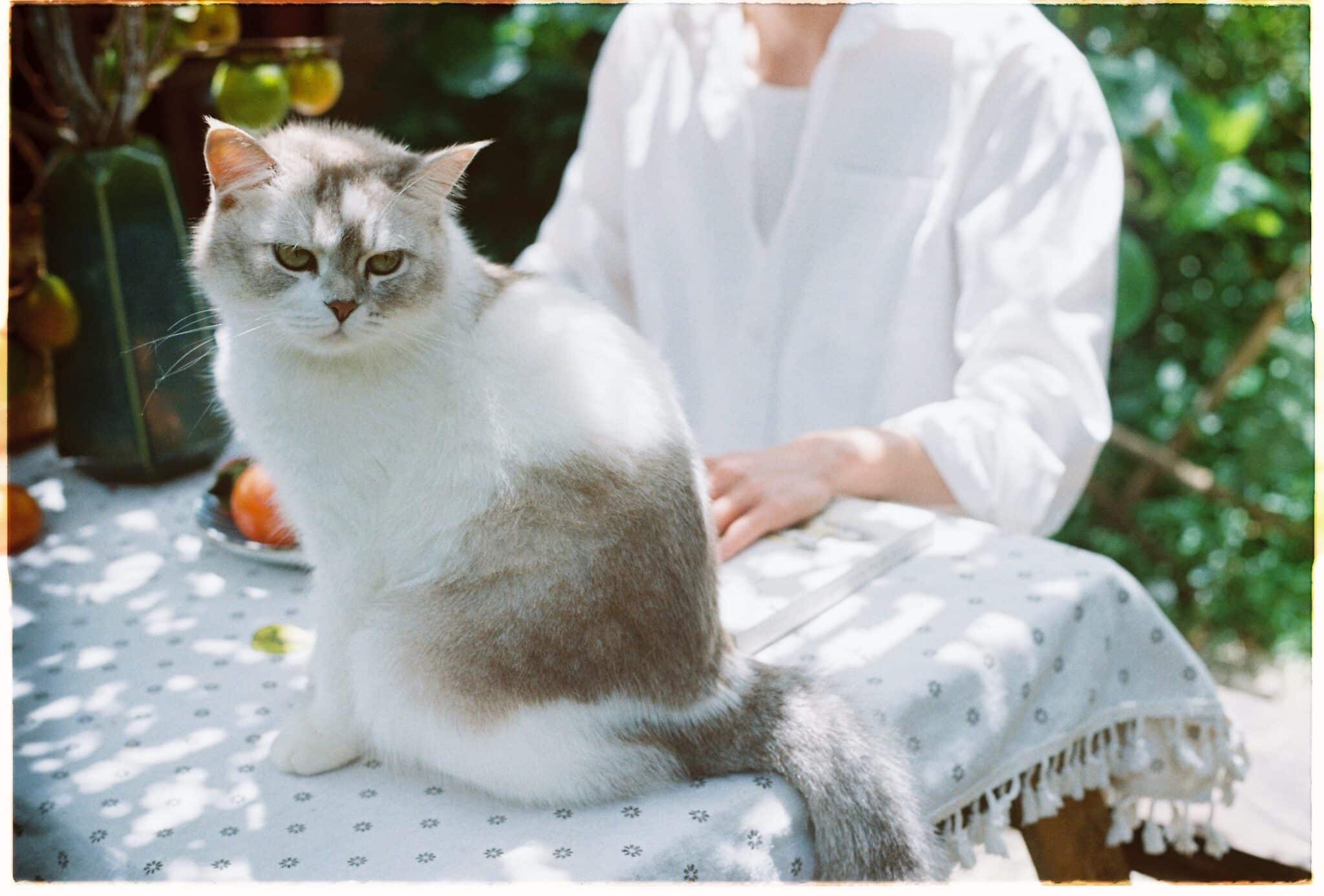
Cats express their feelings differently, and their preferences can change with age, personality, past experiences, and surroundings. One cat may greet you with cheerful chirps, while another quietly settles on the same sofa cushion each evening. Both can enjoy a close bond with their person. The best clues come from consistent patterns rather than isolated gestures. Notice whether your cat seeks company, relaxes nearby, and welcomes interaction. Respecting their boundaries matters just as much as recognizing affection. When cats feel free to approach and leave, companionship becomes even more meaningful.
This content was created with AI assistance and edited by the iHeartCats team.