
Being selected as a cat’s favorite human rarely comes with an official ceremony. Instead, clues appear in ordinary moments, like a familiar shadow following through the house, a warm body settling nearby, or a gentle gaze from across the room. Cats form meaningful social bonds with people, expressing them through behaviors shaped by personality, experience, routine, and comfort. A cat that consistently seeks one person’s company may be showing trust and social preference. No single gesture proves favorite-person status, but repeated choices can paint a surprisingly convincing picture over time.
They Follow You Around the House
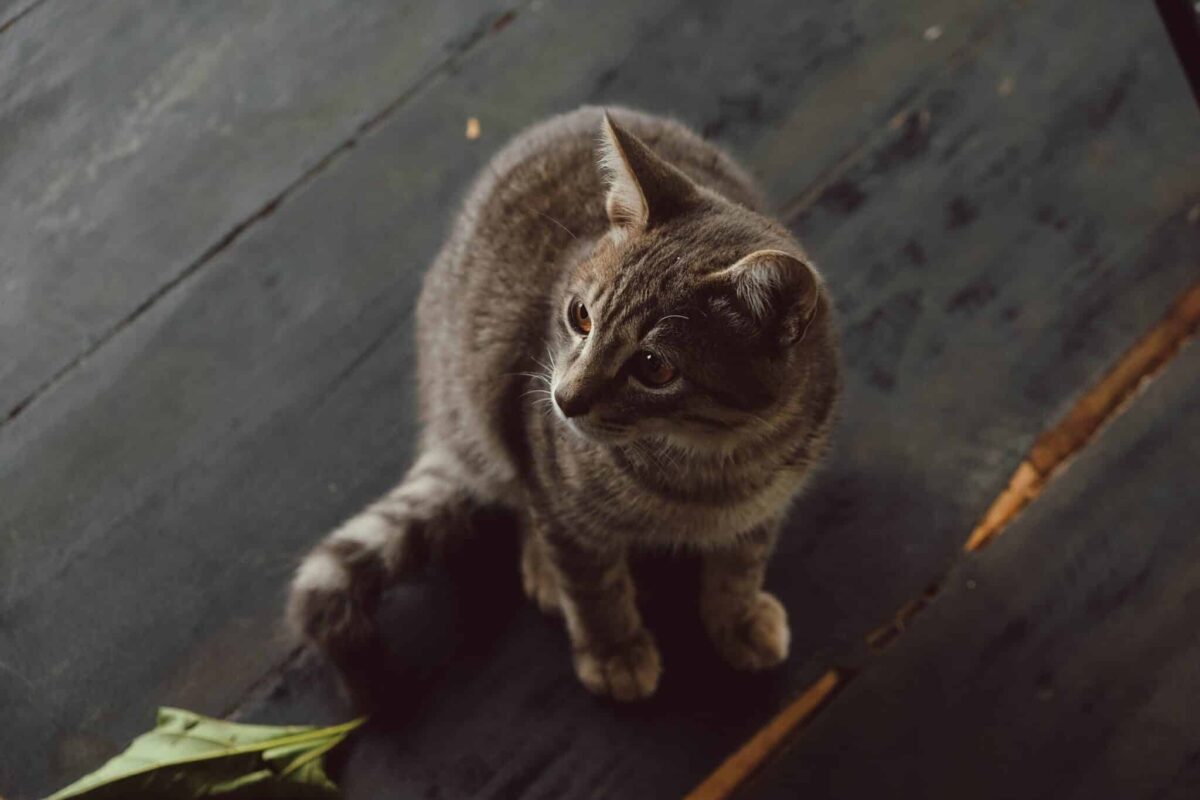
The trip from the bedroom to the kitchen somehow gains a furry escort, and even a quick bathroom visit may attract supervision. Regularly following a particular person can reflect social interest, curiosity, learned routine, or anticipation of something rewarding. Cats quickly learn which household members provide meals, play sessions, open doors, or interesting activities, so following is not automatically an expression of affection. Still, a cat that chooses to trail someone even when food and entertainment are not involved may simply enjoy staying close to that person. Look at the broader pattern. Relaxed posture, voluntary proximity, friendly greetings, and comfortable resting nearby can strengthen the impression that following is part of a positive social relationship rather than merely an efficient strategy for reaching dinner first.
They Choose to Sleep Near You
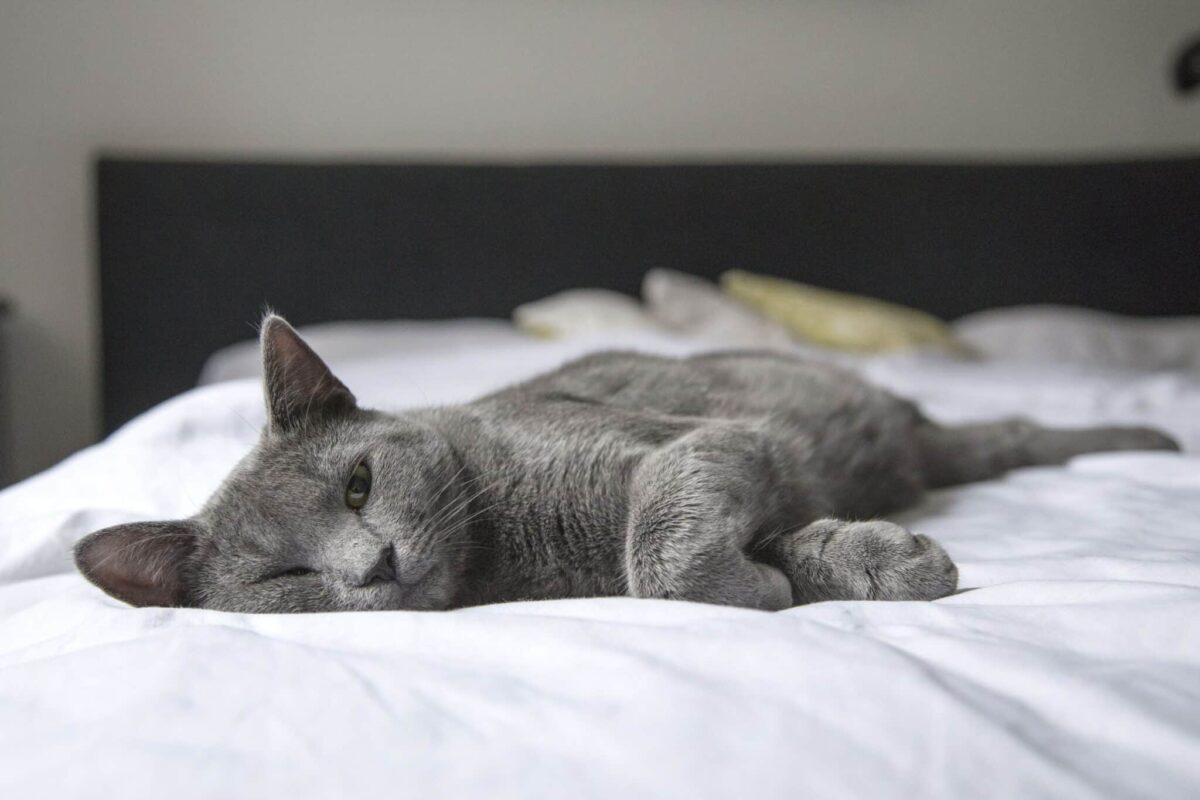
Sleep leaves a cat less prepared to react immediately to changes in the environment, making resting locations an important choice. A cat that repeatedly sleeps beside someone, at the foot of their bed, or nearby while they work may feel comfortable enough to relax deeply in that person’s presence. Warmth and a particularly comfortable sleeping surface can certainly influence the decision, so location alone does not prove a special bond. Patterns provide better clues. Choosing the same person even when other cozy options are available can suggest social preference alongside physical comfort. Some cats sleep directly on their humans, while others maintain a polite cushion of personal space. Both approaches can occur within secure relationships because feline companionship does not require constant physical contact to be meaningful.
They Give You Slow Blinks
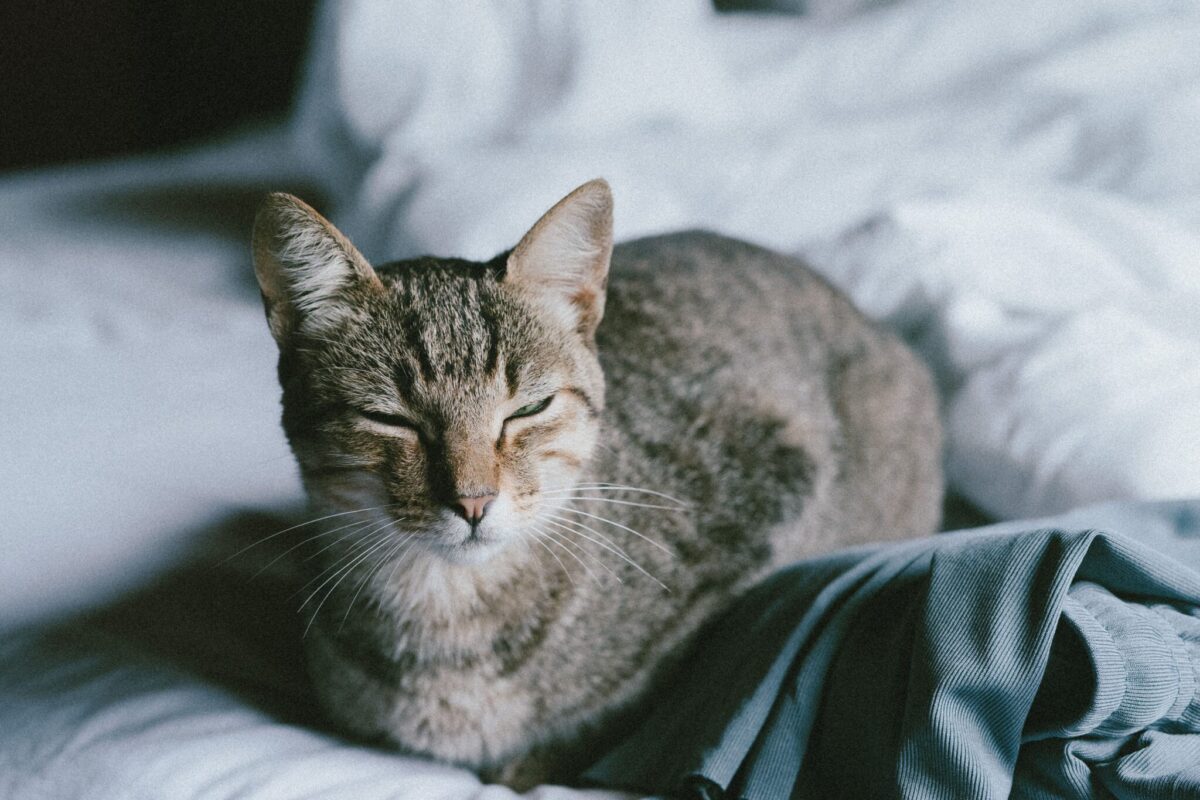
A direct stare can feel socially intense to cats, while softly narrowing and closing the eyes creates a much gentler interaction. Research into cat-human communication suggests slow-blink exchanges are associated with positive interactions, and cats may respond to humans who perform similar eye-narrowing movements. When a relaxed cat looks toward a familiar person and slowly closes their eyes, the gesture can fit within a broader picture of comfort and peaceful social communication. It should not be translated into a precise human sentence, however. Sleepiness can produce similar dreamy eyes, and context remains important. Relaxed ears, loose muscles, voluntary proximity, and repeated friendly interactions make a slow blink more meaningful than the eyelid movement alone. Returning the gesture gently offers a quiet way to participate without demanding physical contact.
They Greet You When You Come Home
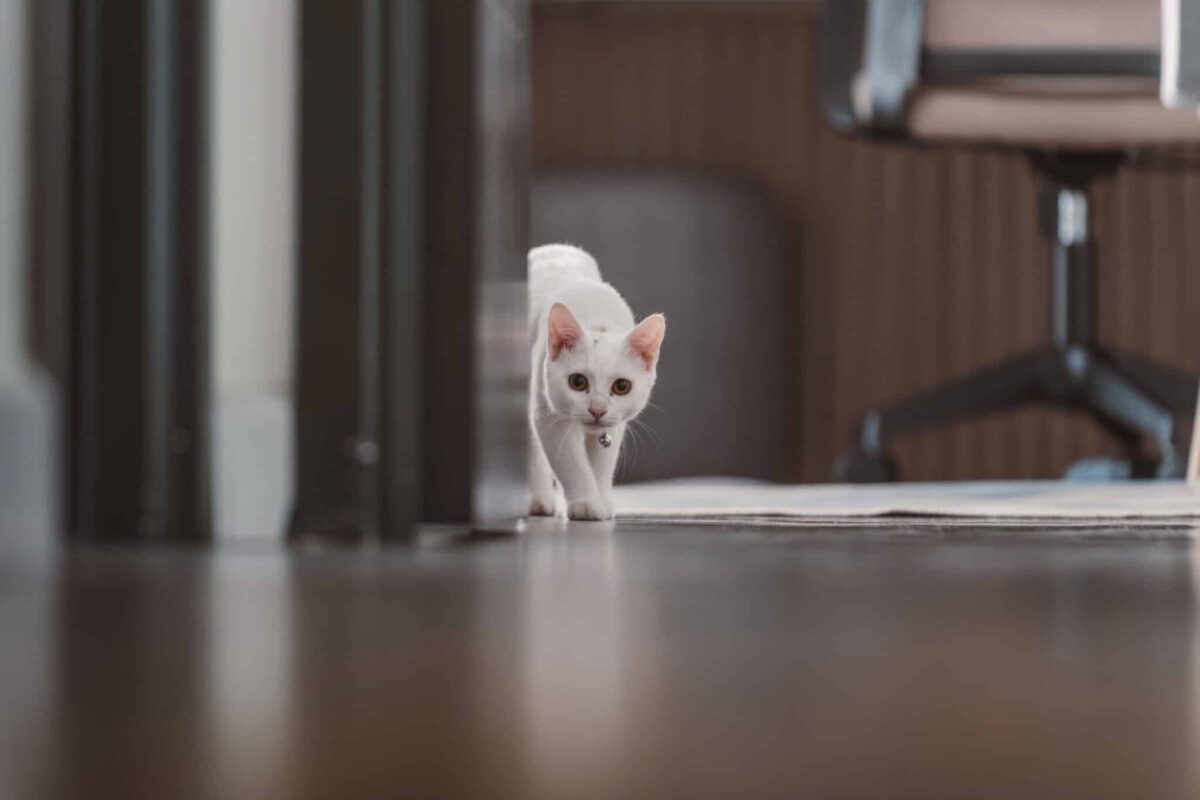
Some homecomings come with a cat waiting near the door as though someone has been checking the clock. Approaching with an upright tail, rubbing against legs, vocalizing, or simply appearing promptly when a familiar person arrives can form part of a cat’s greeting routine. The excitement may have several motivations, including anticipation of dinner, play, or another predictable event associated with that person’s return. Still, consistent greetings can also reflect social interest and recognition. Cats learn household schedules remarkably well and can associate specific sounds, voices, and routines with familiar people. A greeting becomes particularly telling when the cat seeks interaction, even when no immediate resource follows. Their chosen welcome may be enthusiastic or wonderfully understated, depending on personality, but repeated voluntary engagement can reveal whose arrival matters.
They Rub Their Face Against You
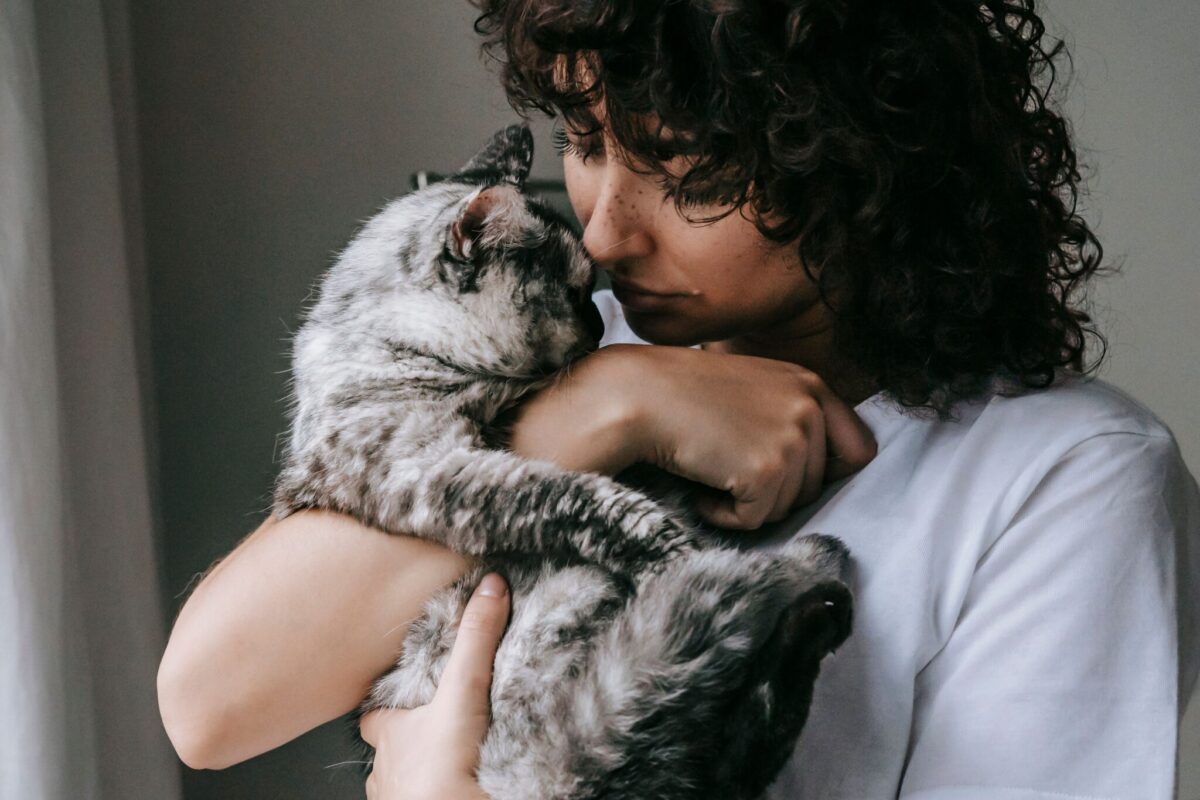
That gentle cheek rub has a practical feline purpose alongside its undeniable charm. Cats possess scent glands around areas of the face, and rubbing against familiar individuals or objects can contribute to scent marking and social communication. A cat may press their cheek, forehead, or side of the face against someone they interact with comfortably, adding that person to the familiar scent landscape of the home. Facial rubbing can occur for several reasons, including greeting and solicitation of attention, so it should not be interpreted as a simple declaration of love. Repetition and context matter. When a cat voluntarily approaches one person, rubs against them with relaxed body language, and remains nearby afterward, the behavior can fit naturally into an established social relationship built around familiarity, security, and positive interaction.
They Show You Their Belly While Relaxing
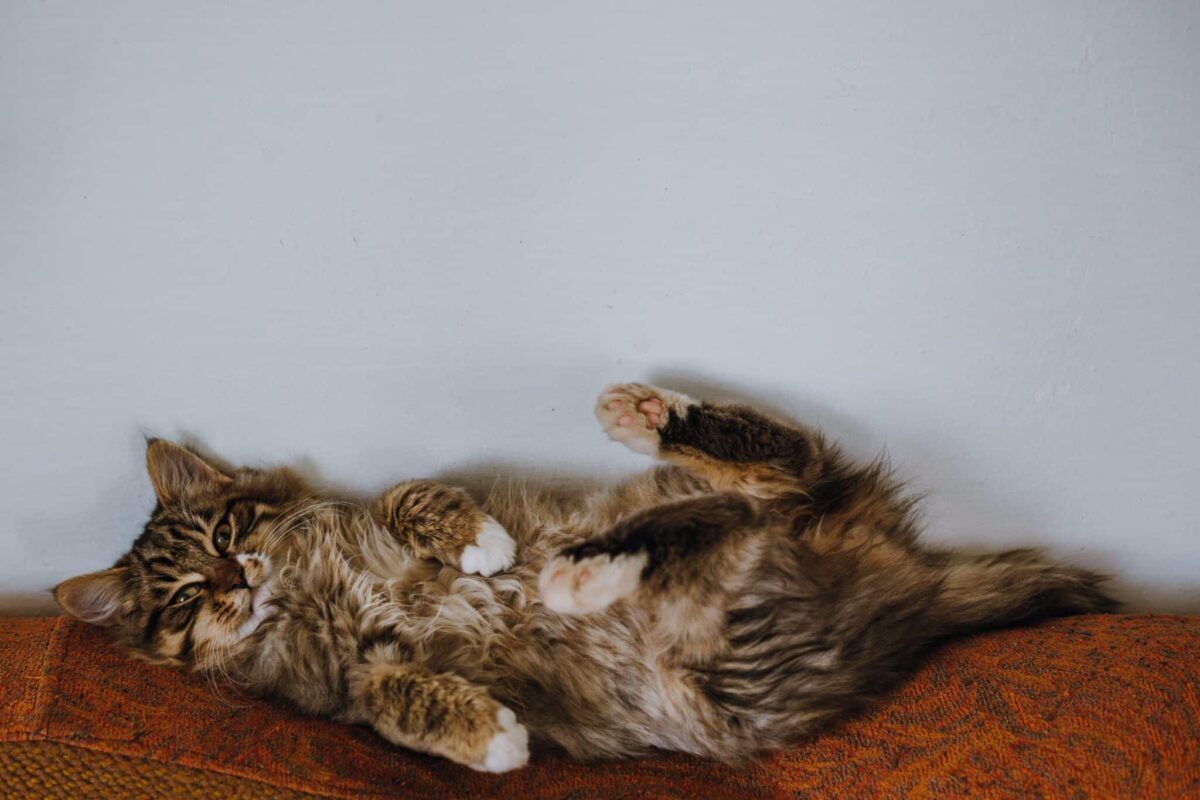
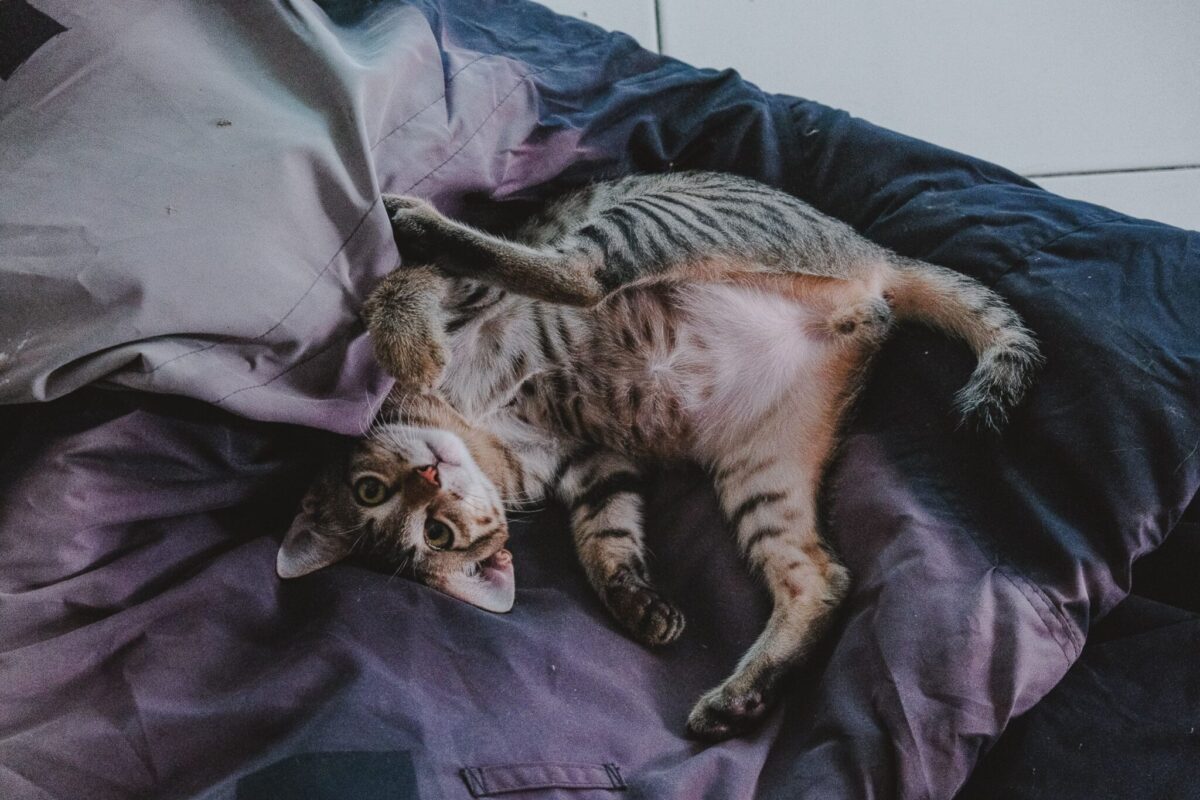
A cat stretched out with their belly exposed can look like an irresistible invitation, but hands should proceed with caution. The abdomen protects vulnerable organs, so comfortably exposing it can indicate that a cat feels relatively secure in the current environment. It does not necessarily mean they want their stomach touched. Many cats prefer petting around the head or cheeks and may grab an approaching hand when someone misreads the pose. When a cat regularly sprawls in vulnerable-looking positions near a particular person, however, their relaxed posture can contribute to a larger pattern of trust. Loose muscles, neutral ears, peaceful resting, and the freedom to leave are important contextual clues. Sometimes being chosen means receiving the privilege of seeing the belly without receiving permission to touch it.
They Bring Their Favorite Toys to You
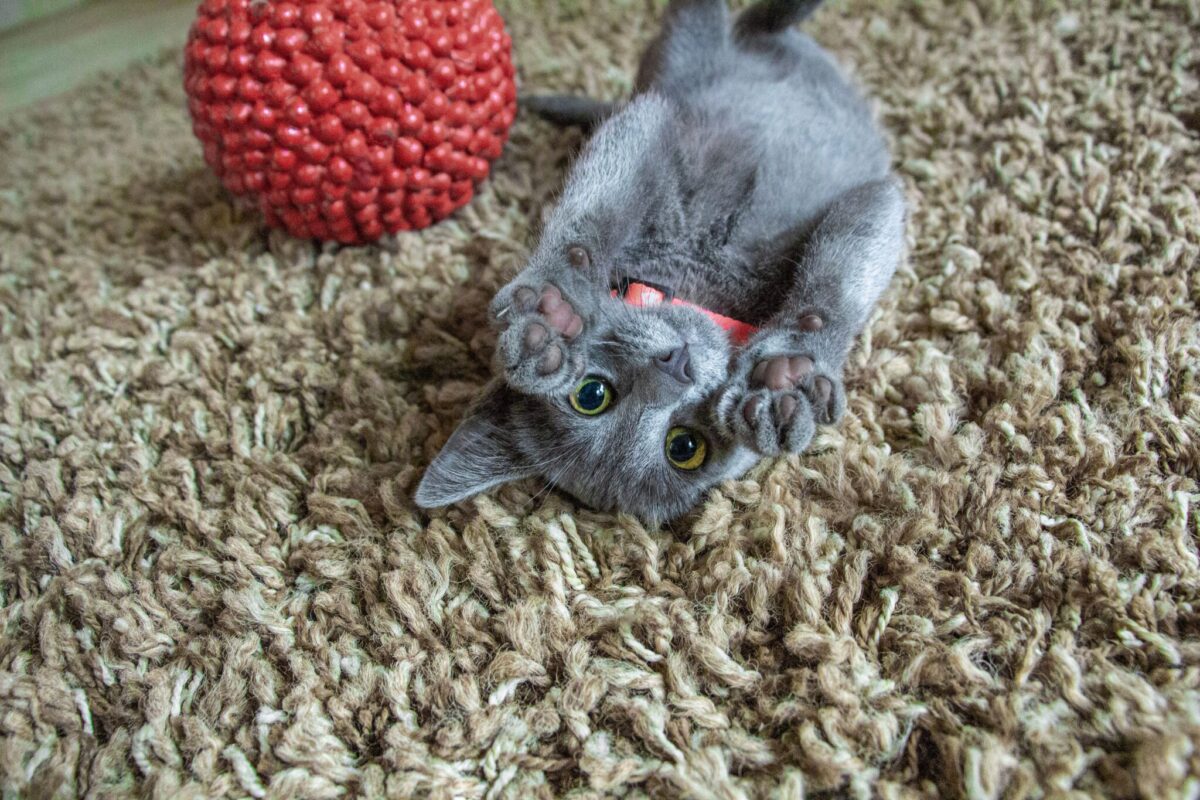
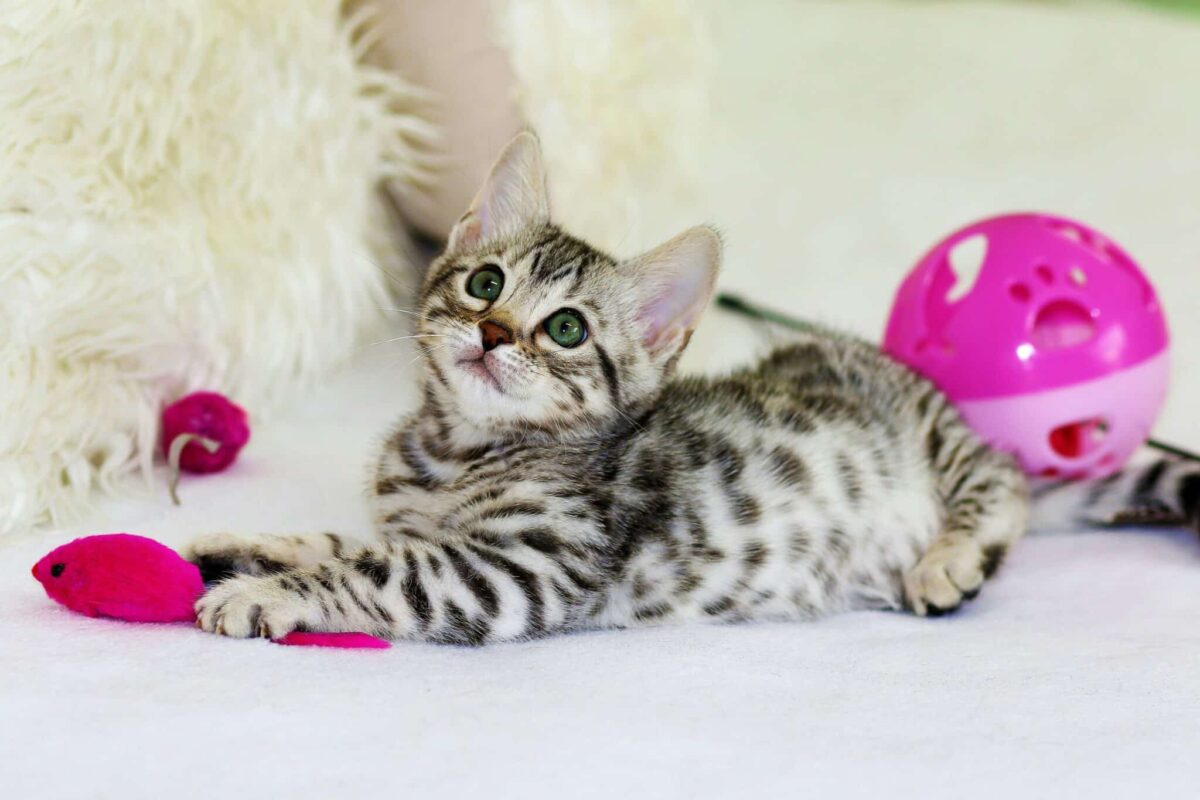
Finding a battered toy mouse beside the bed can feel suspiciously like receiving a present, but feline motivations are usually more complicated. Carrying toys can connect with hunting behavior, play, learned routines, excitement, or attempts to start an interaction. Some cats discover that dropping a favorite object near a particular person reliably results in a game, conversation, or attention, making the delivery worth repeating. Others simply prefer playing near someone they feel comfortable around. The behavior becomes especially interesting when one household member consistently receives the deliveries. That pattern may reflect learned expectations or social preference, and sometimes both. Instead of assuming every toy is a heartfelt gift, watch what happens next. An expectant stare or playful crouch may reveal that the recipient has actually been selected for immediate entertainment duty.
They Seek You Out When They Want Comfort
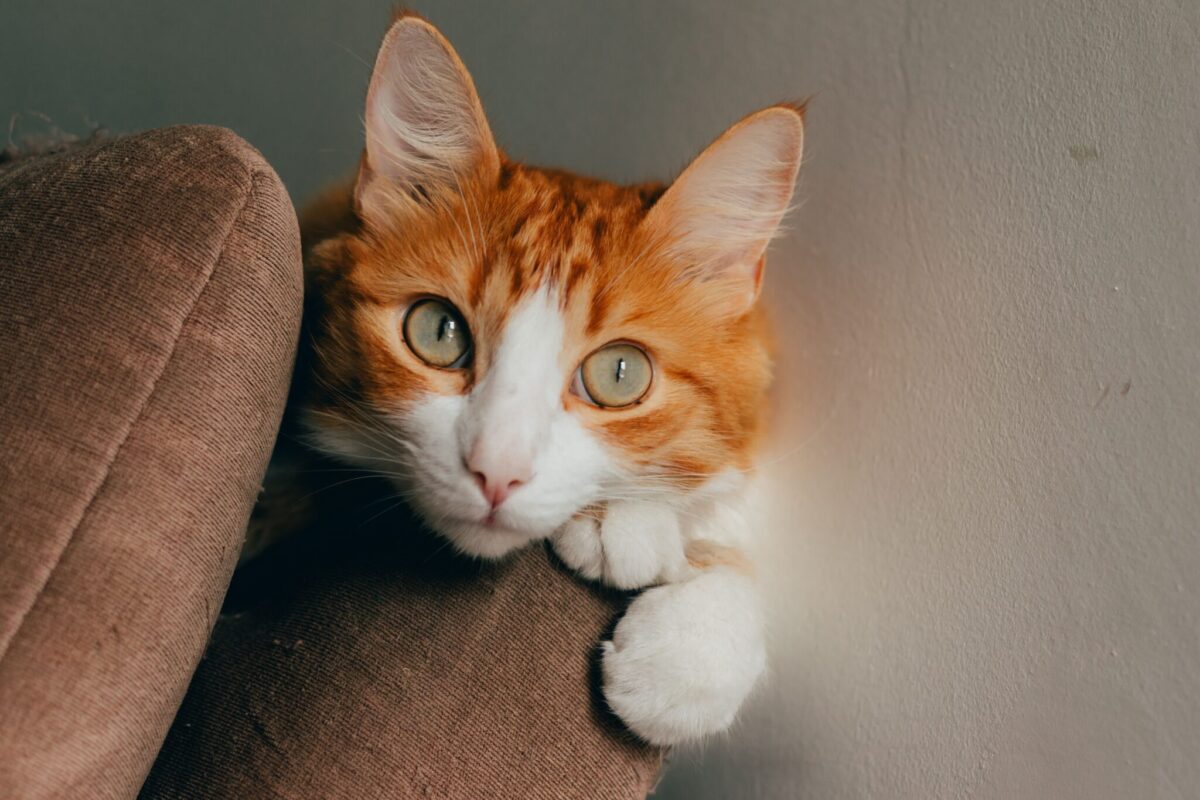
Unexpected noises, unfamiliar visitors, or changes in household activity can make some cats look for a familiar place or individual. A cat that approaches a particular person during uncertain moments may associate that human with safety, predictability, or calm interaction. Not every cat responds to stress by seeking company. Many prefer hiding or retreating somewhere quiet, so avoiding contact during an unsettling event does not indicate a weak relationship. For cats that do seek social reassurance, however, consistently choosing the same person can be meaningful. The best response is usually to remain calm and allow the cat control over proximity rather than forcing cuddles. Trust grows when a person responds predictably and respects boundaries, giving the cat confidence that approaching them will not create additional pressure during an already uncertain moment.
They Talk to You More Than Everyone Else
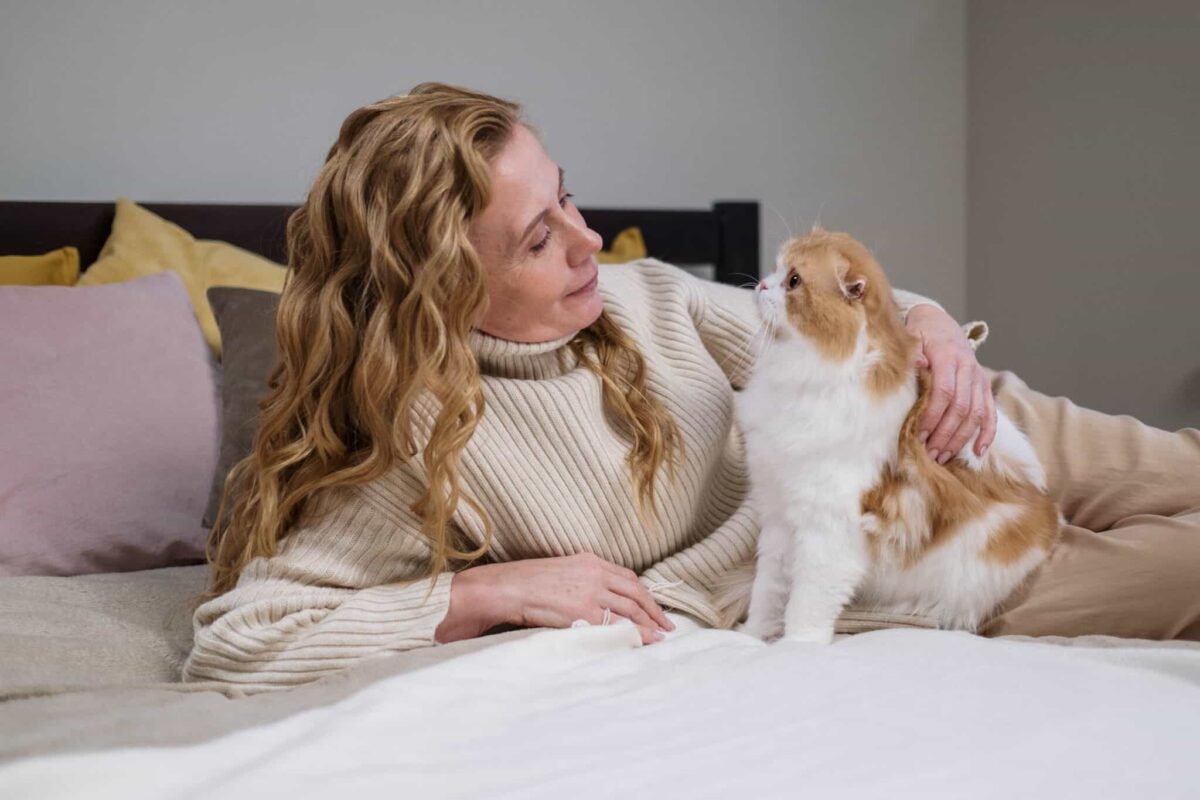
Domestic cats can develop surprisingly specific vocal routines with the humans around them. One person may receive chirps in the morning, another gets meows near the food cupboard, and someone special might inspire an entire running commentary. Cats learn through experience which sounds produce useful responses, so frequent vocalizing toward a particular human can reflect successful communication rather than affection alone. That distinction makes the behavior even more interesting. A cat and person can gradually build a shared vocabulary in which certain sounds reliably lead to food, play, opened doors, attention, or acknowledgment. When vocal communication occurs alongside voluntary companionship and relaxed social behavior, it may become another part of a close relationship. Sudden unexplained changes in vocalization, however, deserve attention because behavior can also shift with stress or health problems.
They Knead on You
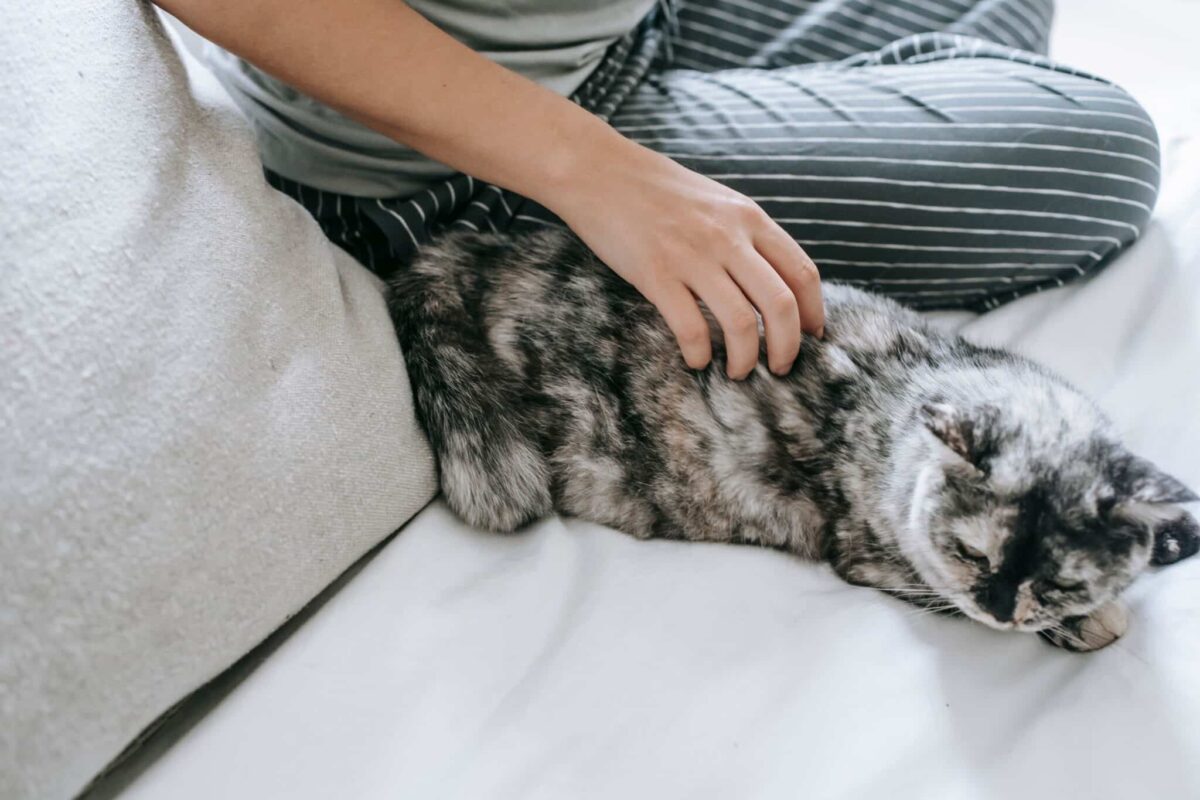
Rhythmic paw pressing begins early in feline life, when kittens knead around their mother’s mammary glands while nursing. Many cats continue kneading into adulthood, particularly when they are relaxed or settling into a comfortable resting place. A soft blanket may receive the treatment, but sometimes a trusted human becomes the chosen kneading surface instead. Warmth, texture, familiarity, and comfort can all contribute to that decision. When kneading happens during peaceful social contact, it can accompany a deeply relaxed emotional state, although it should not automatically be described as a direct expression of affection. Some cats knead frequently, while others barely do it at all. For humans fortunate enough to become the preferred cushion, a thick blanket can preserve the sweetness of the moment while protecting against enthusiastically deployed claws.
They Sit on Your Belongings
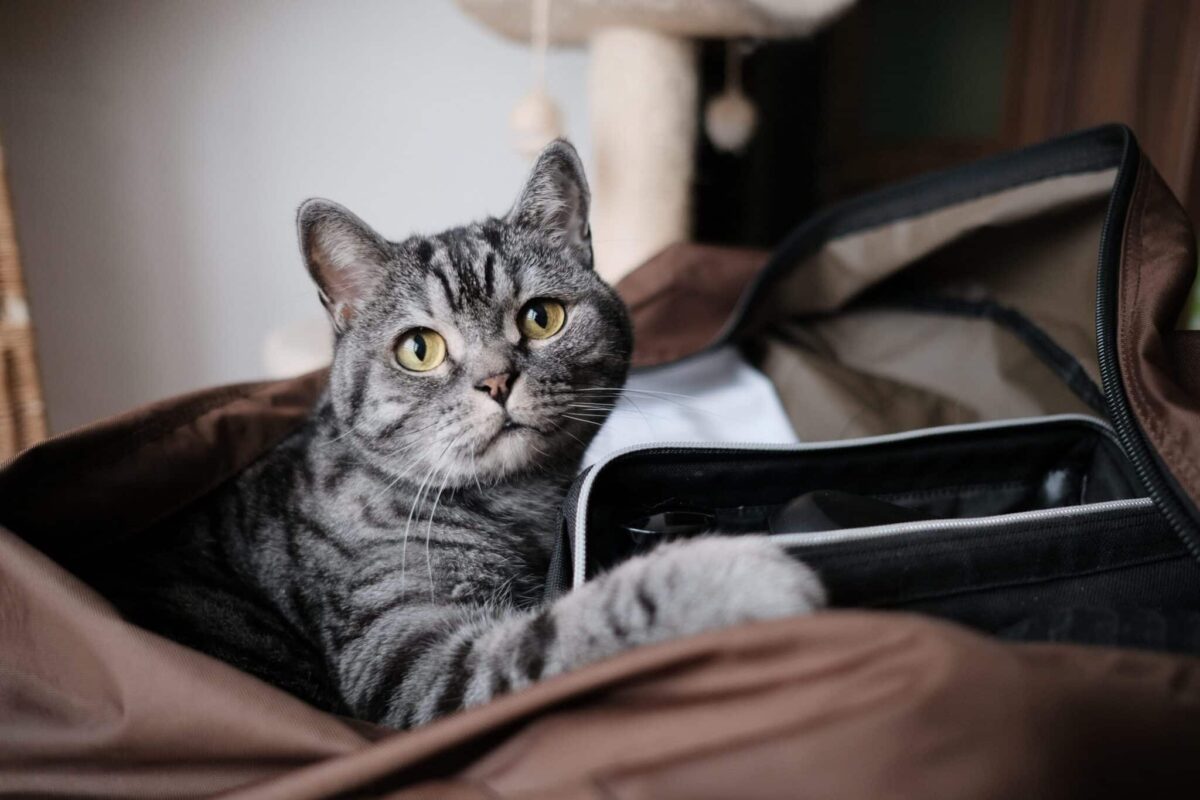
A freshly removed sweater, occupied desk chair, or conveniently open laptop can become premium cat real estate for several reasons. Belongings carry familiar scents, and cats also seek comfortable textures, warmth, useful locations, and places connected with household activity. Choosing objects strongly associated with one person may therefore combine environmental preference with familiarity. A cat resting on someone’s clothing is not necessarily staging a sentimental tribute to their favorite human, especially when that sweater also happens to be exceptionally soft. Still, a familiar scent can contribute to a comfortable environment, and repeatedly selecting one person’s belongings may fit into a broader pattern of social attachment. The strongest interpretation comes from combining this habit with other voluntary behaviors, such as following, greeting, resting nearby, and regularly seeking interaction with that same individual.
They Prefer Your Lap or Your Side of the Couch
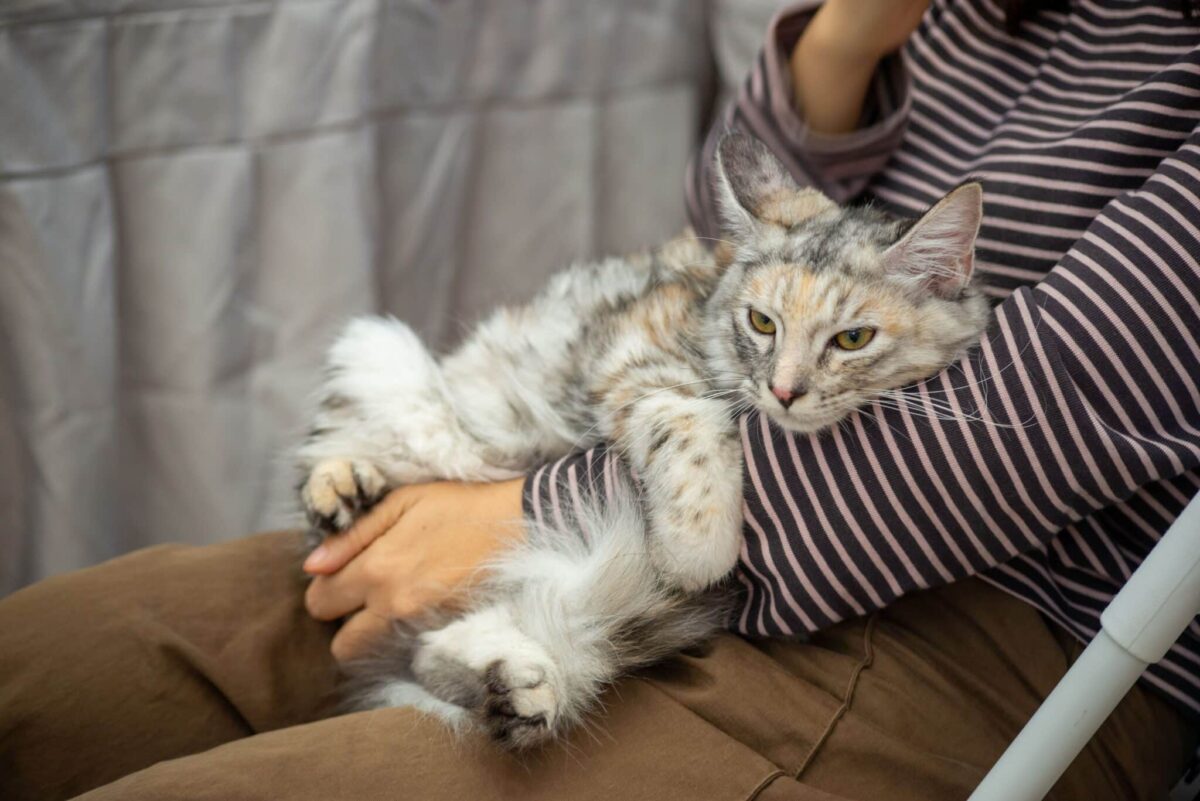
In a house filled with acceptable seating, repeatedly choosing the same lap can feel like a fairly convincing endorsement. Cats select resting spots according to warmth, comfort, security, familiarity, and individual social preferences. One person’s lap may simply provide the perfect combination, especially when that human sits still and respects signals that petting time has ended. Preference becomes more noticeable when the cat bypasses other comfortable options to settle beside or on the same individual again and again. Not every bonded cat enjoys laps, however. Some prefer sitting at arm’s length or occupying a neighboring cushion while remaining socially connected. The important clue is voluntary choice. Consistently selecting someone’s company, at whatever distance feels comfortable, can say more about the relationship than demanding physical closeness ever could.
They Look for You Even When They Need Nothing
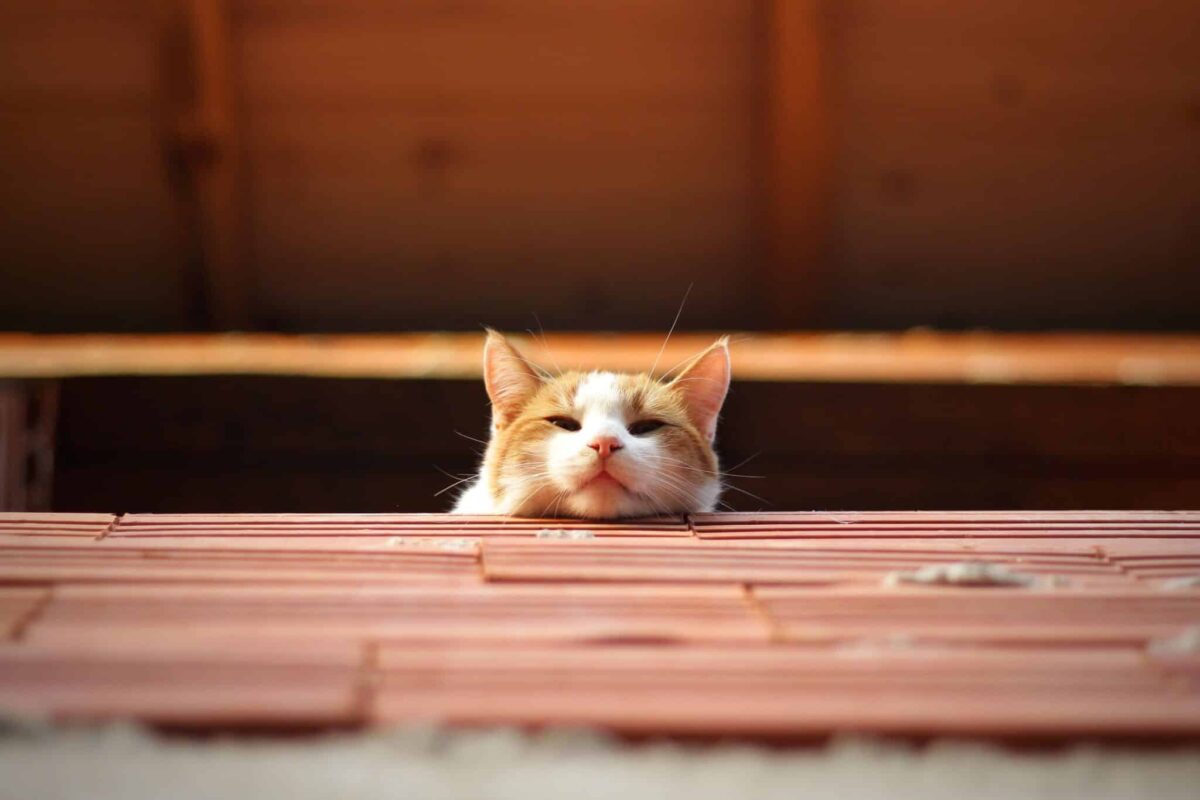
Food bowls are full, no doors need opening, and the favorite toy remains untouched, yet the cat still appears and settles nearby. Social approaches without an obvious resource request can provide one of the clearest clues that a cat values someone’s company for its own sake. They might sit beside that person while they read, appear in the room where they are working, or quietly choose a nearby resting place. Cats remain individuals, and some are naturally more socially motivated than others, so these choices should be understood within each cat’s normal personality. When a cat repeatedly seeks the same human without immediately asking for food, play, access, or another practical reward, the pattern can reflect familiarity, security, and a genuine preference for sharing space with that person.
The Favorite Human Has Been Selected
Cats rarely announce their closest relationships with one unmistakable gesture. Their preferences usually emerge through repeated choices, including where they rest, whom they approach, how comfortably they communicate, and whose company they seek. Some cats express attachment through physical closeness, while others prefer quieter companionship with plenty of personal space. Personality, history, environment, and daily experiences influence those differences. Looking at the complete pattern is more meaningful than treating one behavior as proof. When a cat repeatedly chooses the same person, that voluntary connection can speak remarkably loudly.
This content was created with AI assistance and edited by the iHeartCats team.