
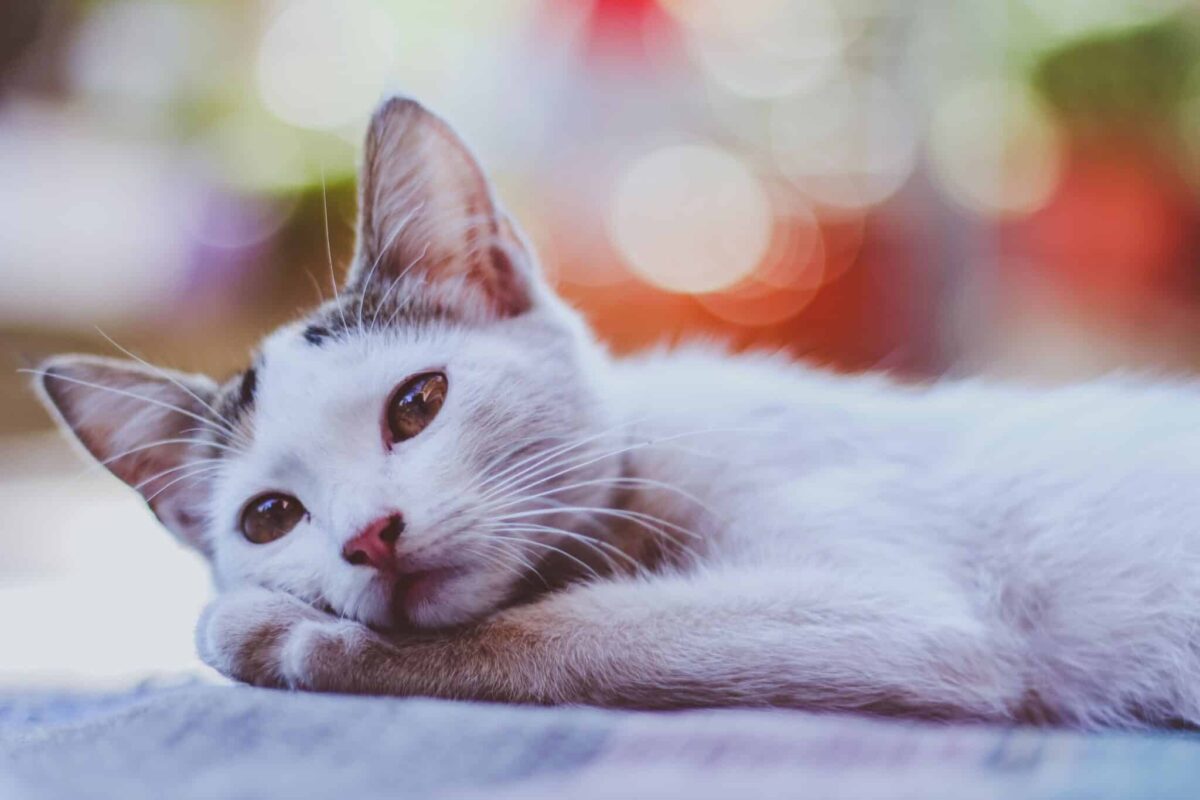
A cat that feels secure at home may reveal it through small moments that are easy to overlook. They might nap with paws stretched out, greet you with an upright tail, play confidently, or settle nearby while you work. Safety and happiness cannot be determined by a single gesture alone, as feline behavior depends on personality, health, experience, and environment. Still, relaxed body language, comfortable routines, social choices, and playful behavior can offer meaningful clues that your cat feels genuinely safe, content, and comfortable sharing their life with you.
They Sleep in Relaxed Positions
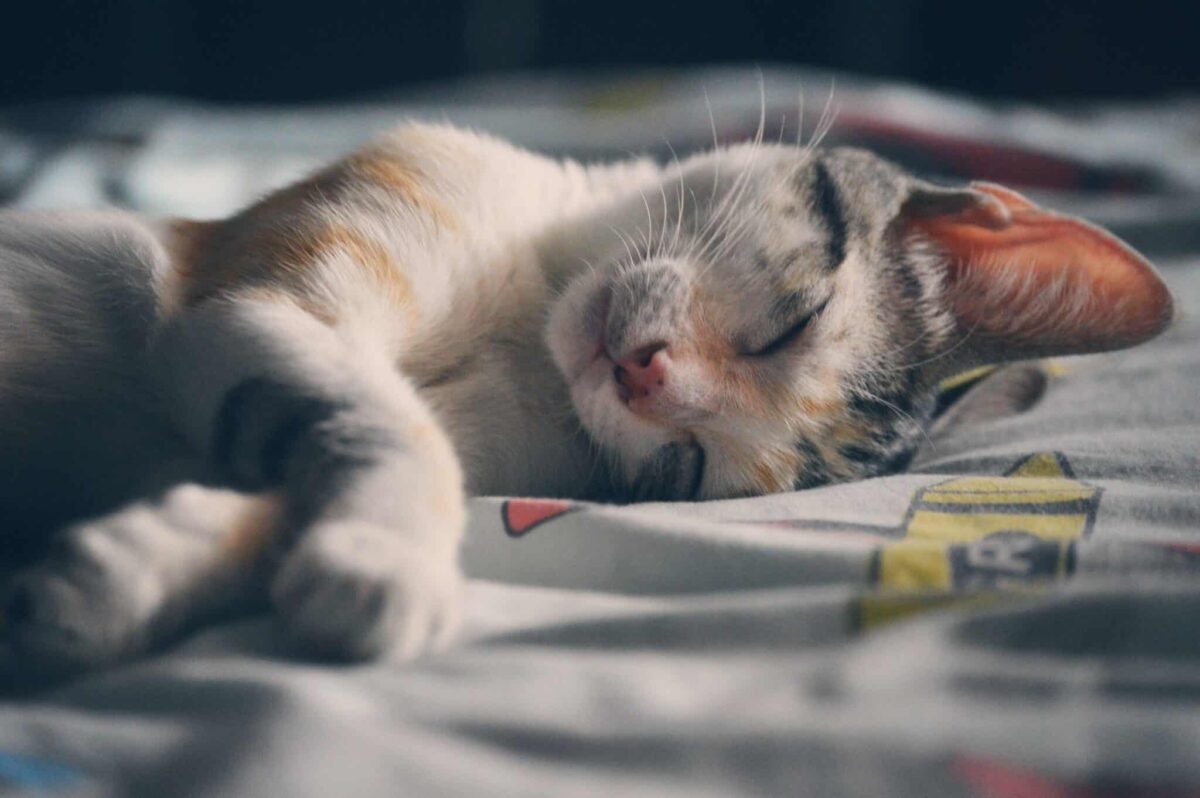
Sleep leaves cats less prepared to respond immediately to unexpected events, so choosing a relaxed sleeping position can suggest that the surrounding environment feels reasonably secure. A comfortable cat might stretch across a favorite surface, curl loosely, sleep on their side, or otherwise allow their muscles to soften instead of remaining tightly positioned for quick movement. Context matters because sleeping posture also depends on temperature, physical comfort, and individual preference. Some perfectly content cats naturally choose compact positions. Rather than treating one dramatic sprawl as definitive proof of happiness, notice the larger pattern. Regularly sleeping deeply in familiar areas without repeatedly startling awake can be a useful indication that your cat feels comfortable enough to lower their guard.
Their Tail Rises When They Greet You
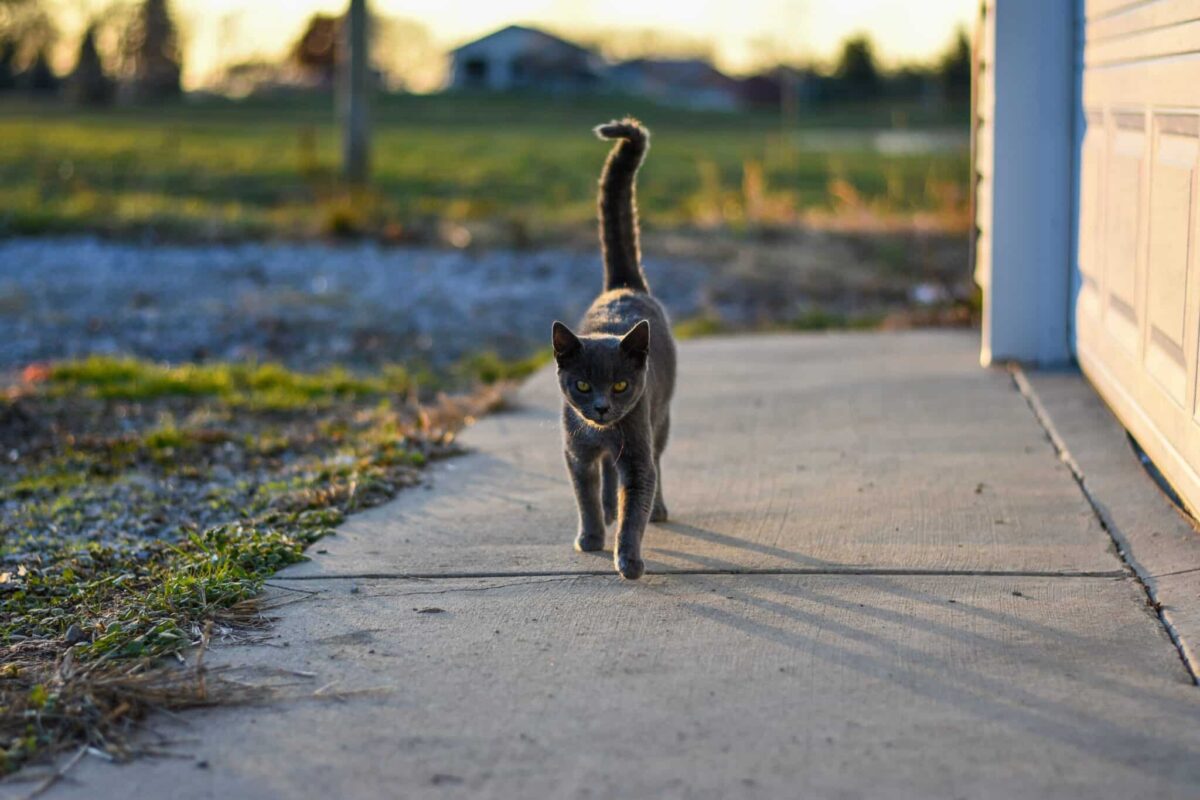
An upright tail is one of the most recognizable friendly signals in domestic cat communication. When a cat approaches a familiar person with their tail held comfortably upward, sometimes with the tip slightly curved, the posture commonly appears during positive social interactions. Researchers studying feline communication have also observed the tail-up display during friendly approaches between cats, making it particularly meaningful when paired with relaxed movement and voluntary proximity. Look at the entire body rather than focusing on the tail alone. Soft facial features, forward movement, and comfortable interaction strengthen the friendly interpretation, while puffed fur or tense posture changes the picture. That cheerful tail appearing when you enter the room can be a small but meaningful sign of social comfort.
They Give You Slow Blinks
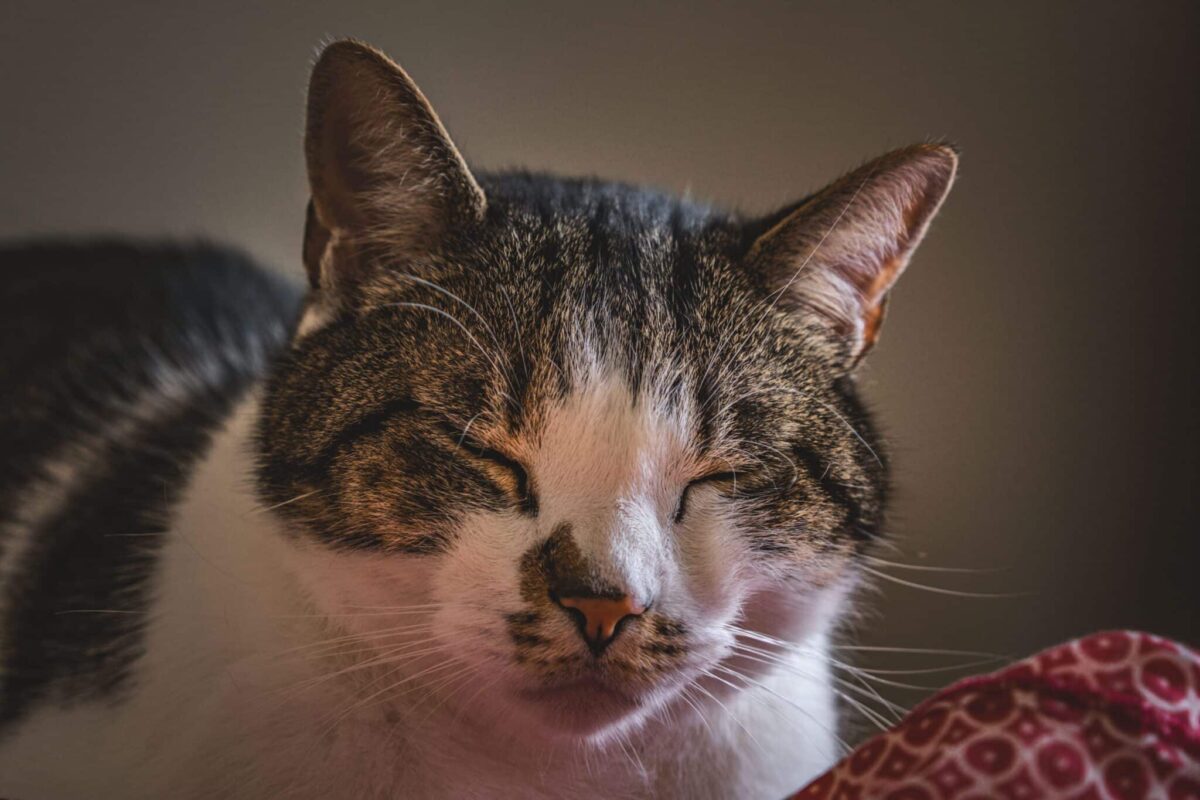
A long, gentle narrowing of the eyes can be part of relaxed communication between cats and humans. Research has found that cats may respond positively to slow-blink interactions with people, suggesting this familiar expression has genuine social significance rather than existing entirely in the imagination of devoted cat lovers. The surrounding body language still matters. A cat resting comfortably with loose muscles and softly blinking eyes presents a very different picture from one crouching tensely or trying to escape interaction. Slow blinking does not need to be translated into a precise human emotion to be meaningful. It can simply reflect a calm social moment in which the cat feels comfortable enough to maintain peaceful visual communication instead of remaining intensely alert.
They Play Freely Around You
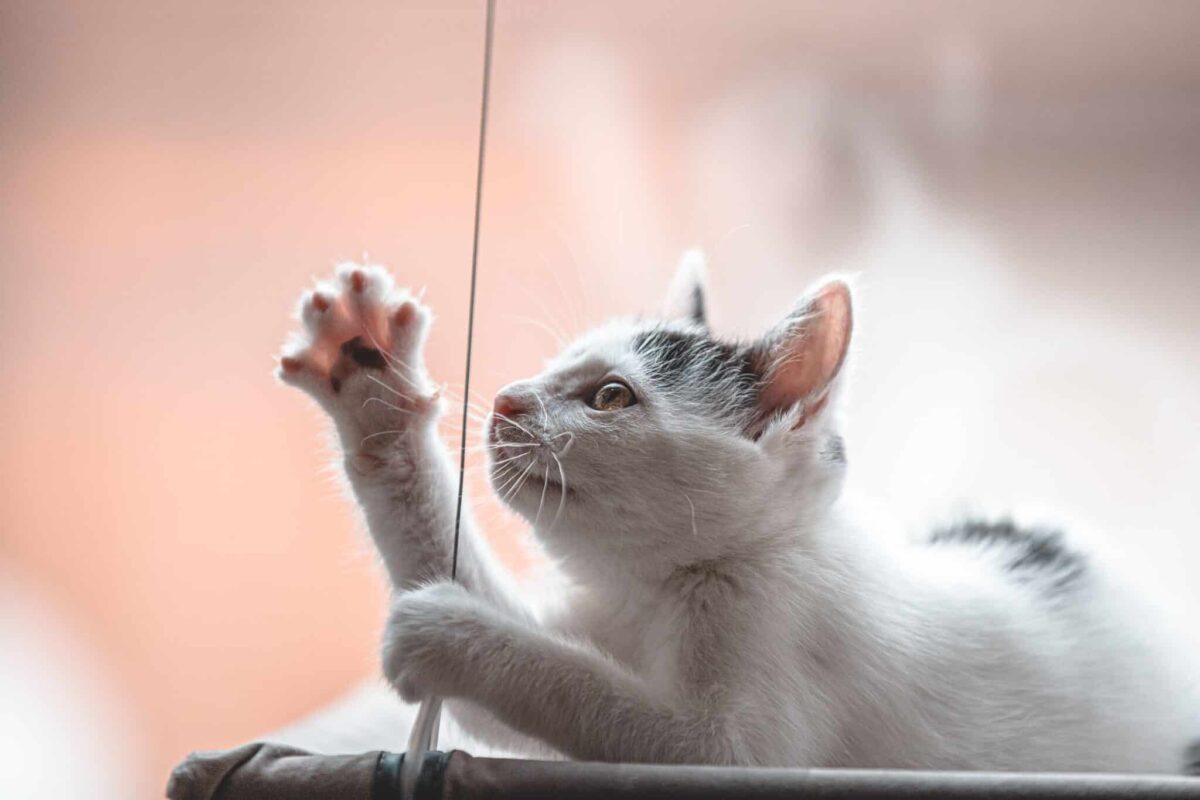
Play requires attention, movement, and engagement with the environment, making regular playful behavior an encouraging part of a cat’s overall welfare picture. A comfortable cat might stalk a moving toy, chase, pounce, leap, or suddenly race through the house with the enthusiasm of someone who has remembered an extremely urgent appointment in another room. Age, personality, physical condition, and individual energy levels strongly influence how much cats play, so quieter adults should not be judged against energetic kittens. Sudden changes deserve more attention than comparisons between different cats. When a cat regularly engages in enjoyable activities and appears relaxed afterward, that willingness to play can suggest they feel secure enough to focus their energy on something other than monitoring possible threats.
They Groom Normally in Your Presence
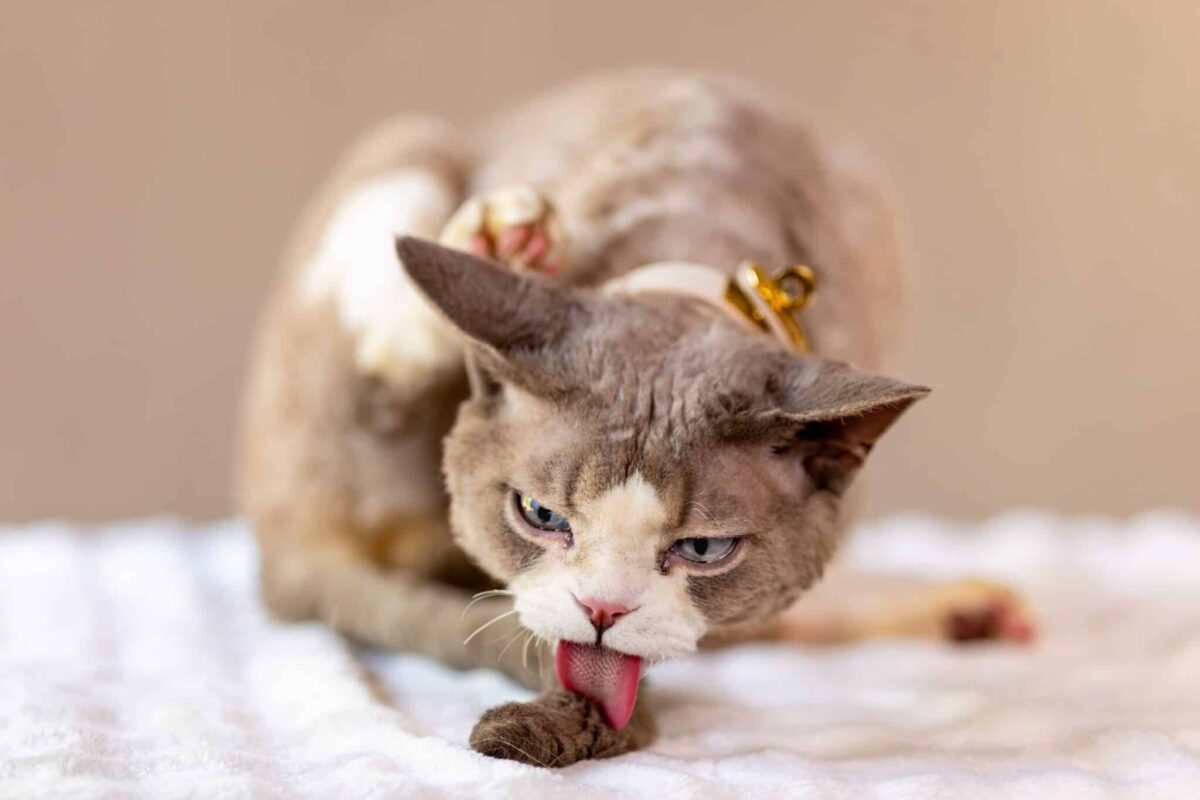
Routine grooming is an important part of normal feline behavior, helping maintain the coat while also appearing during periods of ordinary rest and daily maintenance. A cat that calmly settles down and begins washing their paws, chest, or sides near you may feel comfortable enough to focus attention on grooming rather than continuously watching the environment. The keyword is normally. Excessive licking, hair loss, skin irritation, sudden reductions in grooming, or an unkempt coat can sometimes accompany stress or medical problems and deserve appropriate attention. Normal grooming alone does not prove happiness, but when it appears alongside relaxed posture, healthy routines, play, and comfortable social behavior, it contributes another useful clue that your cat is functioning confidently within their familiar environment.
They Choose to Spend Time Near You
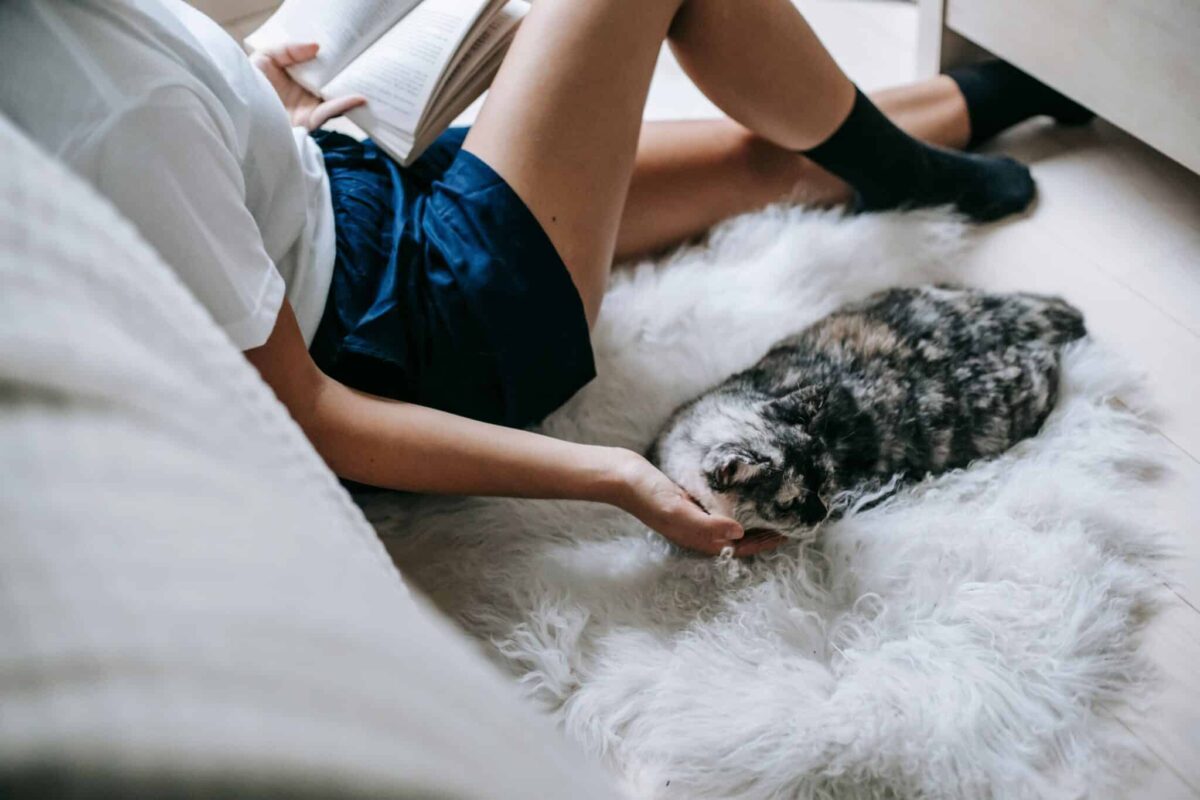
Cats have different ideas about closeness. One may climb directly onto a lap, while another considers sitting three feet away an impressively intimate social gesture. Voluntarily choosing to spend time near someone can still be meaningful because the cat controls that distance and repeatedly decides that proximity is comfortable. They might settle beside you while you read, appear nearby during work, or quietly move into the same room without demanding attention. Warmth, routine, comfortable furniture, and curiosity can also influence these choices, so proximity should not automatically be interpreted as affection. When a cat consistently seeks your company across different situations while displaying loose, relaxed body language, however, that pattern can reflect social comfort and a secure relationship.
They Knead While Relaxing
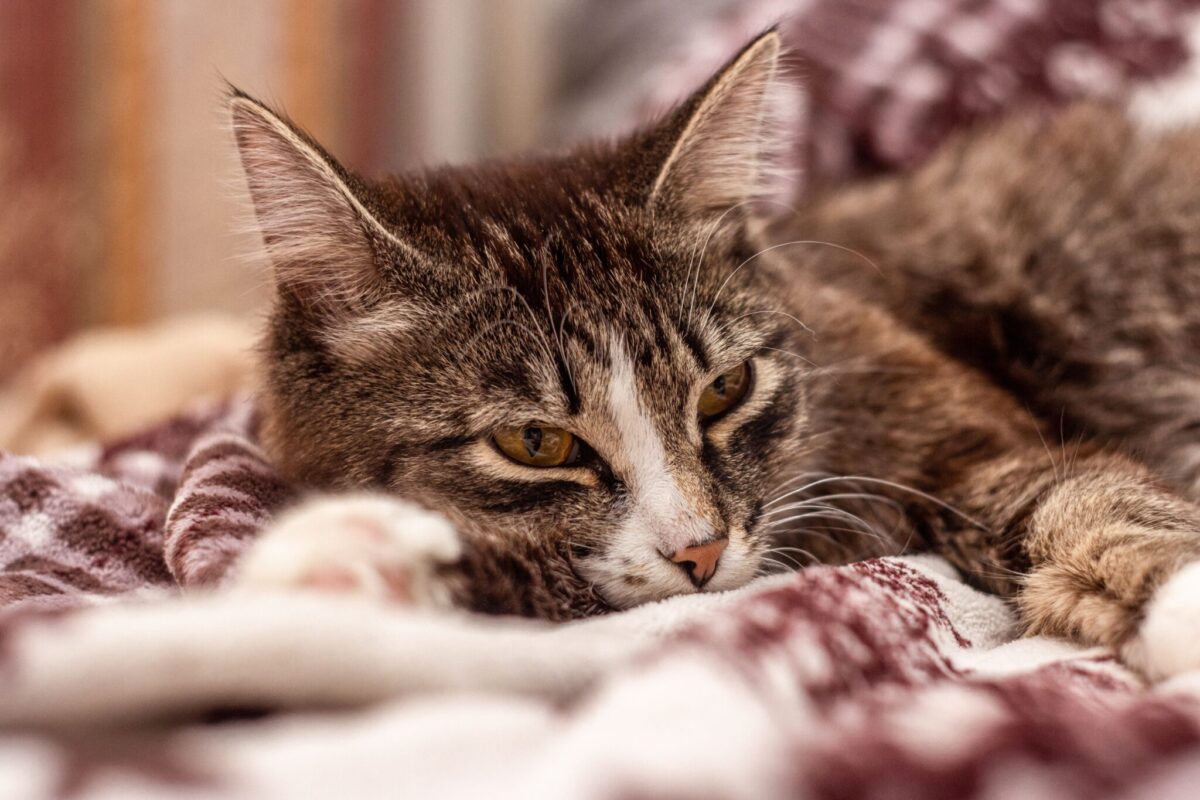
Alternating pushes of the front paws begin during kittenhood, when kittens knead around their mother’s mammary glands while nursing. Many cats continue the motion into adulthood, particularly during comfortable or soothing situations, although exactly why individual adults knead can vary. Some perform the familiar rhythm before settling down, while others knead soft surfaces or even a favorite person when they are relaxed. Purring may accompany the behavior, but neither kneading nor purring should automatically be treated as proof of happiness because context remains important. When kneading occurs during an otherwise peaceful resting session, with loose posture and no signs of distress, it fits naturally among the behaviors associated with comfort and positive arousal.
They Rub Their Face Against You
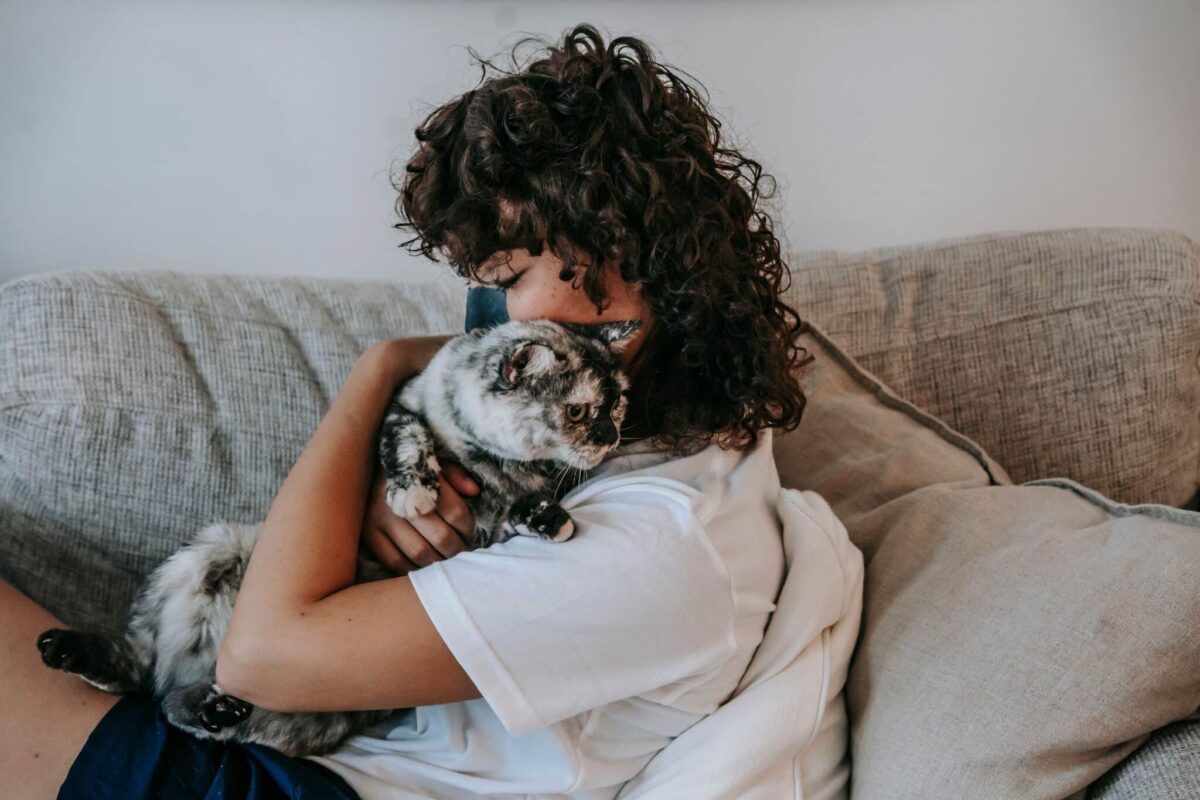
Those deliberate cheek rubs have a practical feline component alongside their social charm. Cats possess scent glands around areas of the face, and rubbing against familiar individuals and objects can deposit chemical information that contributes to scent communication within their environment. Friendly cats may approach, rub their cheeks or head, and continue comfortably with whatever they were doing, making the interaction part greeting and part familiar scent exchange. It should not be reduced to a human-style declaration of ownership or love, since feline scent behavior is more nuanced. Still, voluntary facial rubbing during calm social encounters is generally consistent with familiarity and friendly interaction. Being included among the things your cat willingly rubs against can therefore be a pleasantly fragrant vote of confidence.
They Eat Comfortably and Follow Familiar Routines
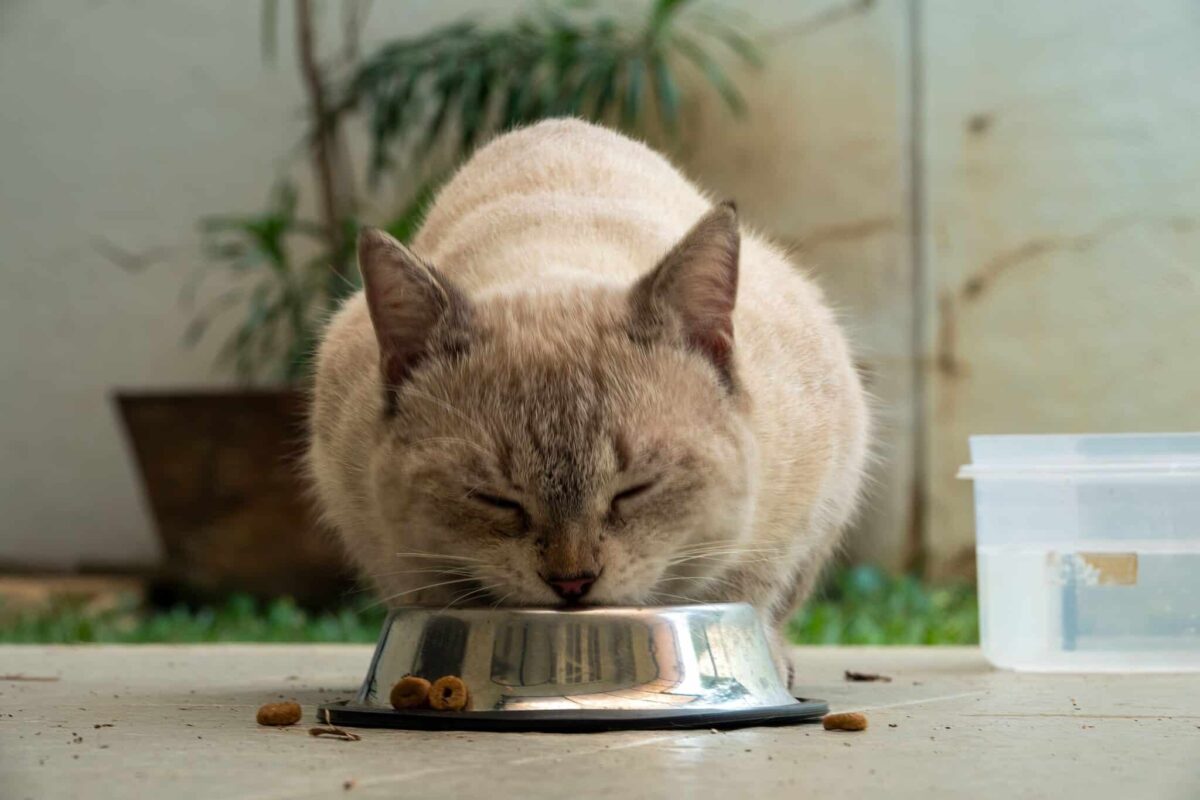
Predictability can help cats navigate their environment, and familiar routines around meals, rest, play, and social interaction may contribute to a sense of security. A cat that comfortably moves through their normal day, eats appropriately, visits preferred resting places, and anticipates recurring activities is showing that their surroundings have become understandable and familiar. Routine alone does not establish happiness, since cats can maintain habits for many reasons, but stable everyday behavior provides useful context when considered with other positive signs. Pay particular attention to sudden changes. Appetite loss, hiding, altered litter box habits, or major shifts in activity can warrant closer observation and sometimes veterinary guidance. A happy household rhythm is less about following a strict timetable and more about life feeling reliably safe.
They Expose Their Belly While Resting
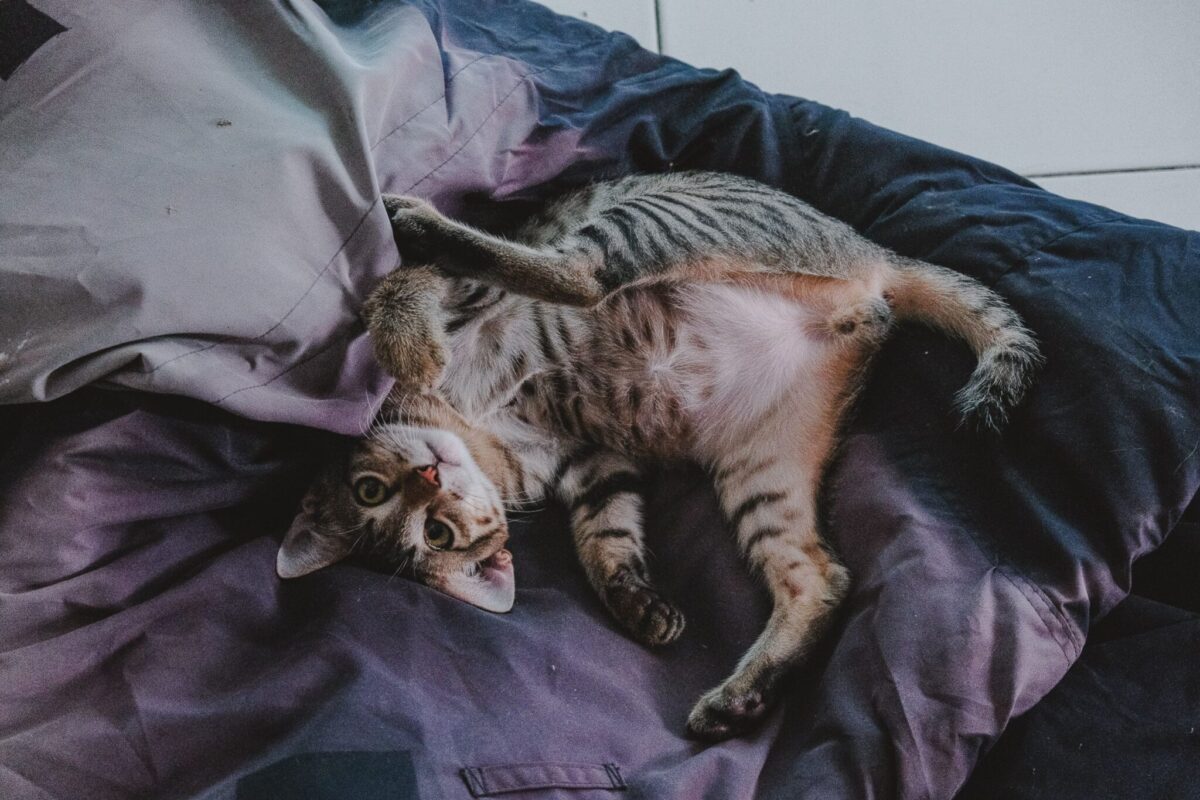
The abdomen is a vulnerable part of a cat’s body, so resting with it exposed can indicate considerable physical relaxation in the right circumstances. A cat sprawled on their back or side may simply feel safe enough to adopt a position that would be less practical if they expected immediate danger. However, this posture should never automatically be interpreted as an invitation for a belly rub. Many cats are perfectly comfortable displaying their stomach while strongly preferring that nobody touches it. Reading the whole interaction prevents a peaceful moment from becoming an unwanted handling session. When the body remains loose, ears and facial features look relaxed, and the cat continues resting comfortably, an exposed belly can be one charming clue that vigilance is currently off duty.
They Explore With Confidence
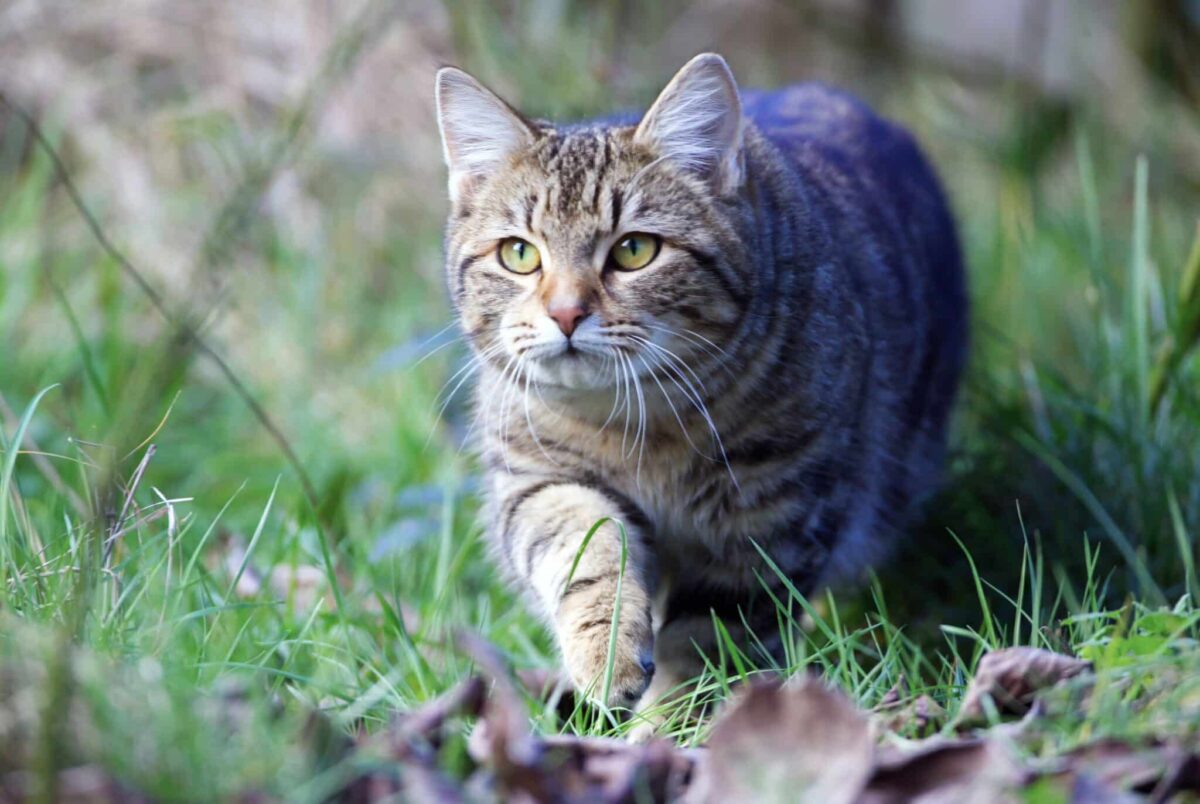
Security does not always look sleepy. A comfortable cat may move through familiar territory with curiosity, investigate changes, climb onto preferred vantage points, and approach interesting objects without spending every moment crouched or preparing to retreat. Confidence varies enormously by personality, and cautious cats can still be perfectly happy while taking more time to investigate unfamiliar situations. The useful comparison is usually with the individual cat’s normal behavior. Growing willingness to explore, play, and move openly through the home can be especially meaningful for a cat that previously hid frequently after adoption or a major environmental change. When curiosity begins replacing constant vigilance, it may suggest the surroundings have become predictable enough for exploration to feel worthwhile instead of risky.
They Show Relaxed Body Language Around You
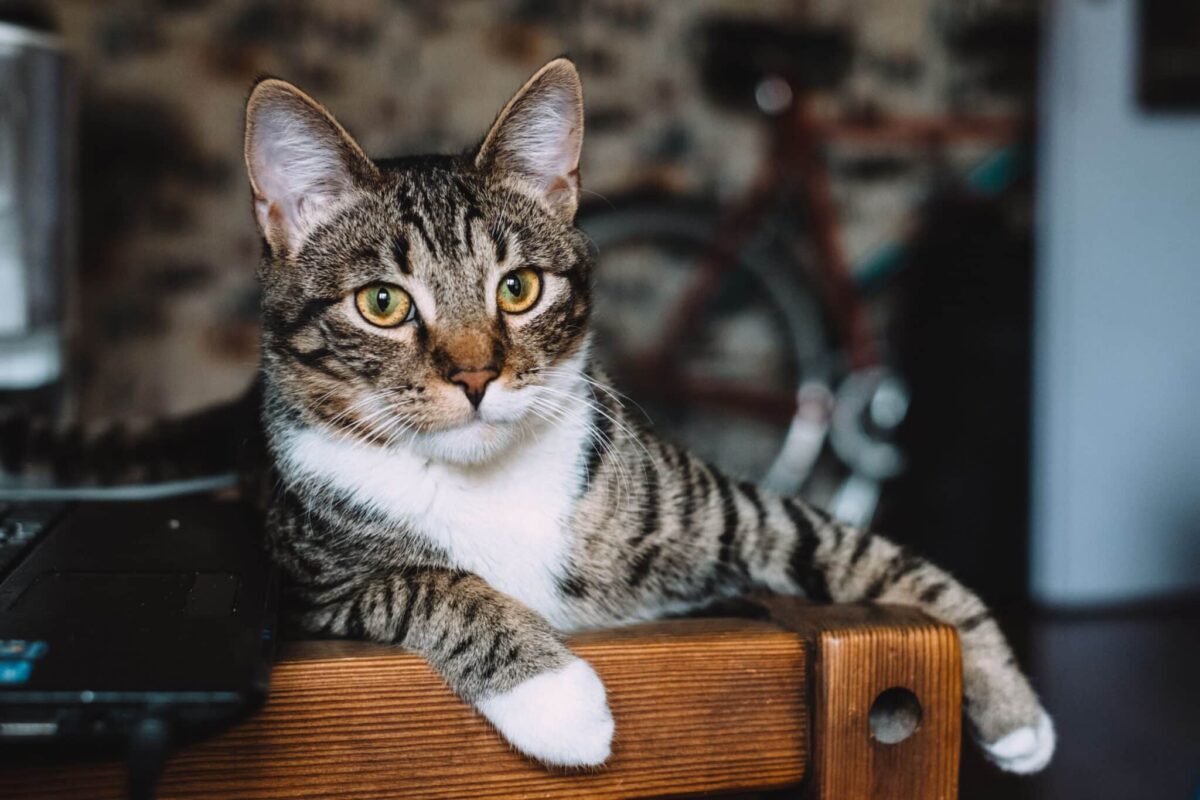
A cat’s entire body can reveal more than any isolated gesture. Comfortable muscles, a natural posture, softly positioned ears, normal pupils for the lighting conditions, and an unhurried manner can collectively suggest relaxation. A content cat does not need to look identical every minute, of course. Excitement during play, focused attention at a window, and brief reactions to unexpected sounds naturally change posture and expression. The broader pattern matters most. Frequent crouching, flattened ears, persistent hiding, tightly tucked posture, or repeated attempts to escape interaction would tell a different story and deserve attention to possible stressors. When your cat regularly moves, rests, and interacts around you without obvious tension, their body may be quietly communicating something reassuring: this situation feels manageable and familiar.
They Seek You Out Without Always Asking for Something

Sometimes a cat arrives without demanding dinner, initiating play, or directing someone toward a suspiciously empty bowl. They simply choose to be nearby. Those quiet visits can be meaningful because social relationships among cats and humans are not limited to resource requests. Familiarity, warmth, habit, companionship, and individual social preference can all influence why a cat chooses someone’s company. Look for repeated voluntary choices rather than assigning one appearance an elaborate emotional explanation. A cat that regularly settles nearby, greets you, rests comfortably in your presence, and remains free to leave is demonstrating that proximity itself has value to them. For an independent animal with plenty of alternative places to sit, repeatedly choosing the same company can be a particularly satisfying sign of comfort.
The Happiness Report Is Looking Pretty Pawsitive
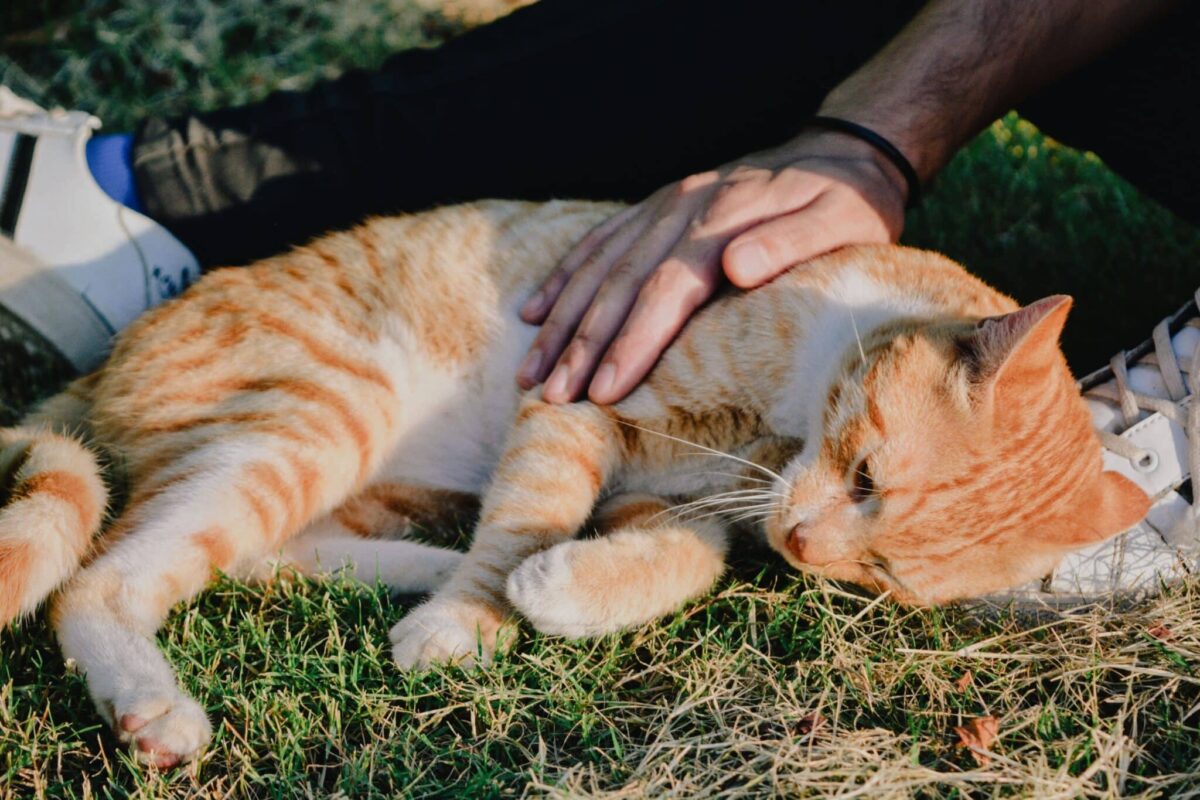
Feeling safe and happy involves more than any single slow blink, belly display, nap, or cheerful tail. The clearest picture comes from patterns in a cat’s body language, routines, appetite, play, exploration, resting habits, and social interactions. Personality matters too, since reserved cats may express security more quietly than outgoing companions. Predictable care, enrichment, comfortable resting areas, respectful handling, and control over interaction help relaxed behavior flourish. When your cat comfortably eats, sleeps, plays, explores, and simply stays near you, those moments can reveal how secure home feels.
This content was created with AI assistance and edited by the iHeartCats team.