
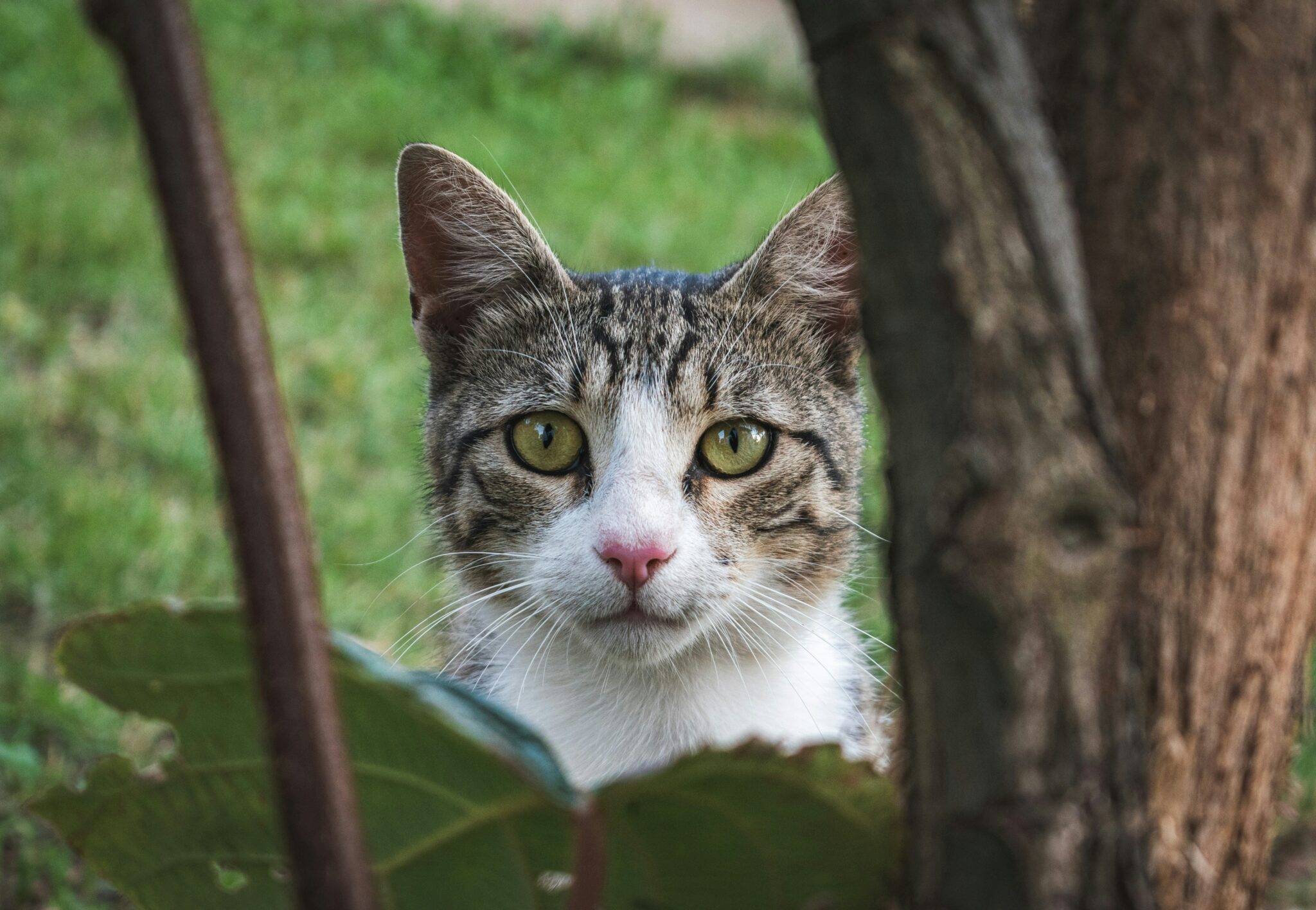
A cat staring quietly across the room can turn an ordinary moment into a funny staring contest. Perhaps they watch while you work, lounge on the sofa, or sit silently in a doorway. Although their intense gaze may seem mysterious, cats have several reasons for keeping an eye on their humans. Their attention can reflect curiosity, communication, learned routines, or a desire for something specific. Sometimes, the explanation is sweet, while other times, your cat is simply observing everything happening in their territory.
They Are Curious About What You’re Doing
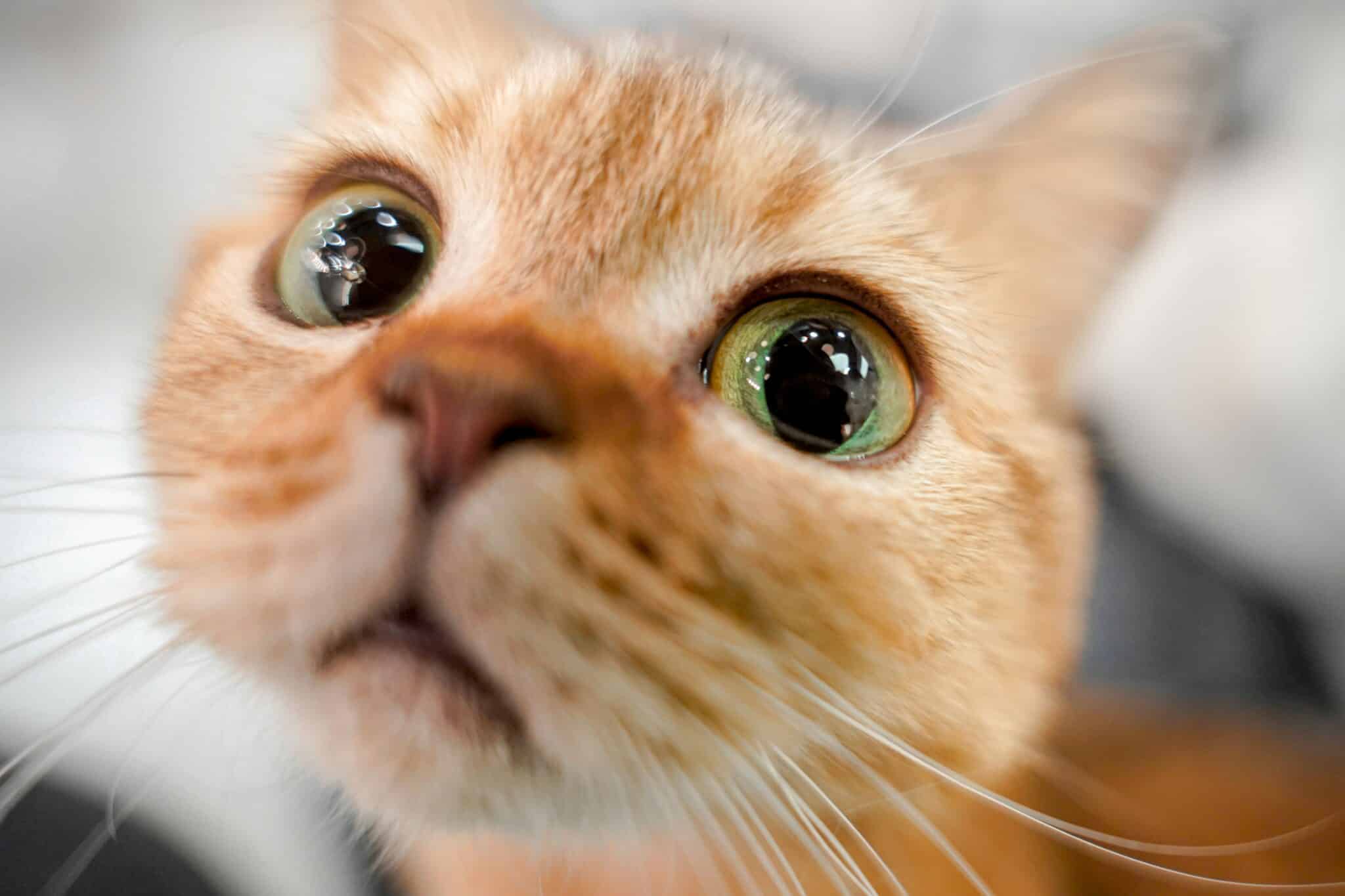
Cats are natural observers, and watching their surroundings helps them gather information about what is happening. When you move around, use a computer, fold laundry, or prepare something in the kitchen, your activities can catch their attention. Even familiar actions may interest them because cats notice small changes in movement, sound, and routine. Their distant stare may simply be a way of studying something that has captured their curiosity. Rather than approaching every interesting activity, some cats prefer to watch quietly from a comfortable spot where they can see everything.
They Are Waiting for Something They Want
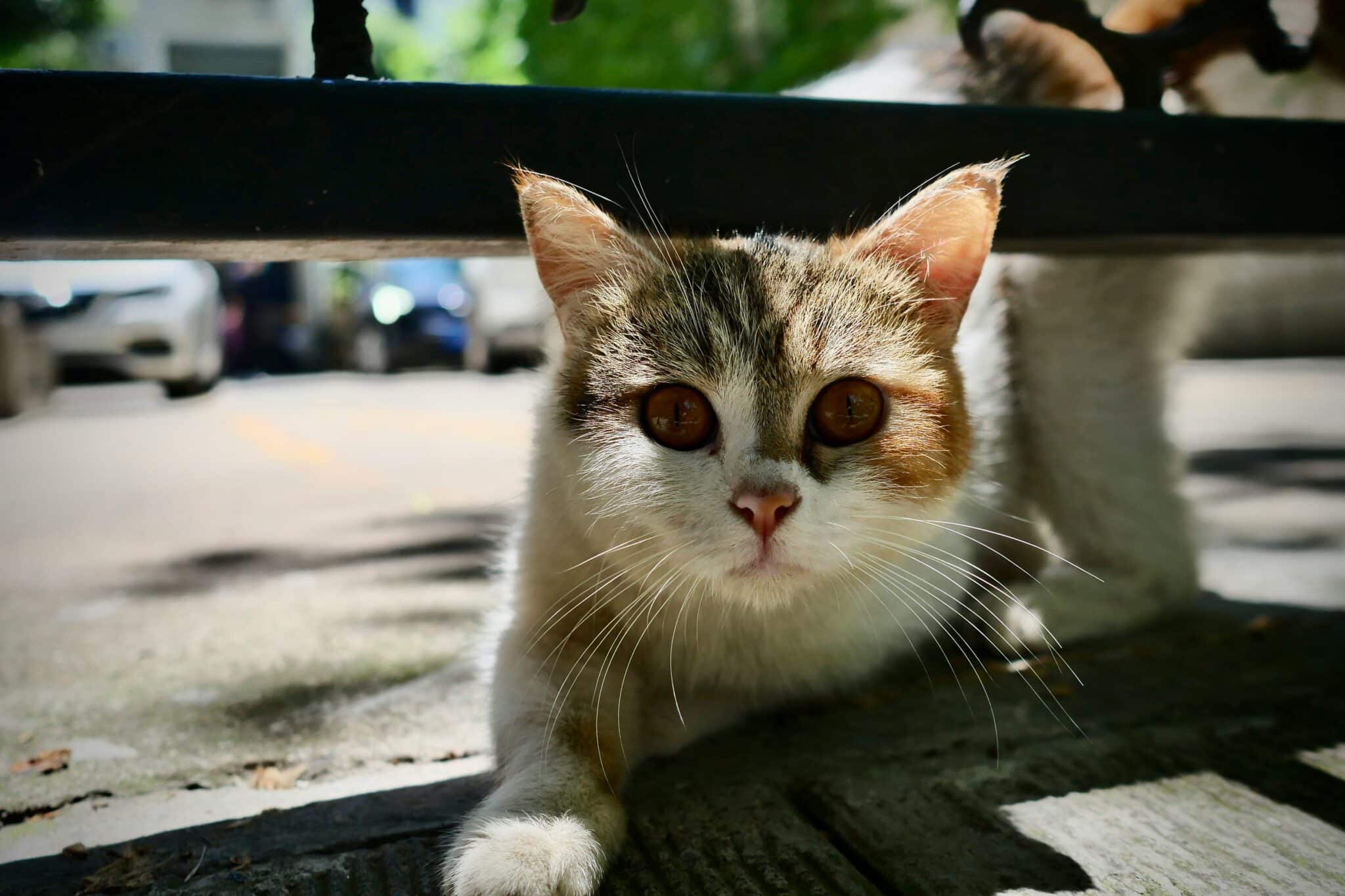
That steady gaze can sometimes be a polite, or not-so-polite, request for food, treats, or attention. Cats quickly learn that certain human actions predict rewards, such as opening a cupboard, walking toward the kitchen, or reaching for a familiar container. If staring has previously resulted in a snack or an affectionate response, the behavior may become part of their communication routine. Your cat could be waiting for dinner, hoping for a treat, or reminding you that playtime is overdue. Pay attention to the timing and what happens next to understand the message.
They Feel Comfortable Watching You From a Distance
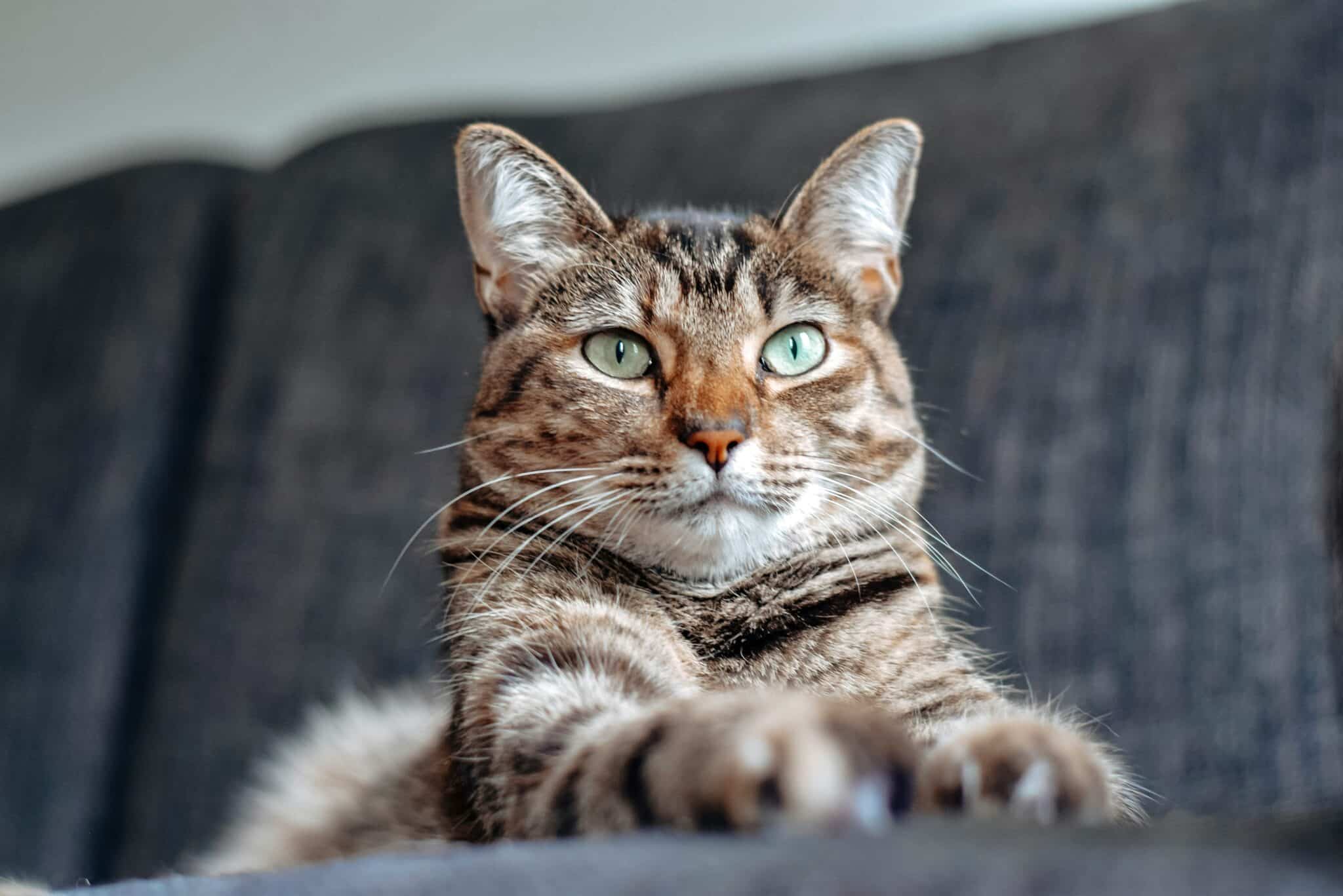
Not every affectionate cat wants to spend the entire day sitting on someone’s lap. Some enjoy being near their favorite people while maintaining a little personal space. Watching from across the room allows them to stay connected without giving up a preferred resting place. A relaxed posture, softly blinking eyes, and comfortably positioned ears can suggest that the cat feels secure in the environment. This quiet companionship is especially common among independent cats that enjoy sharing a room without demanding constant physical contact. Their presence may be their preferred way of spending time together.
They Are Monitoring Their Territory
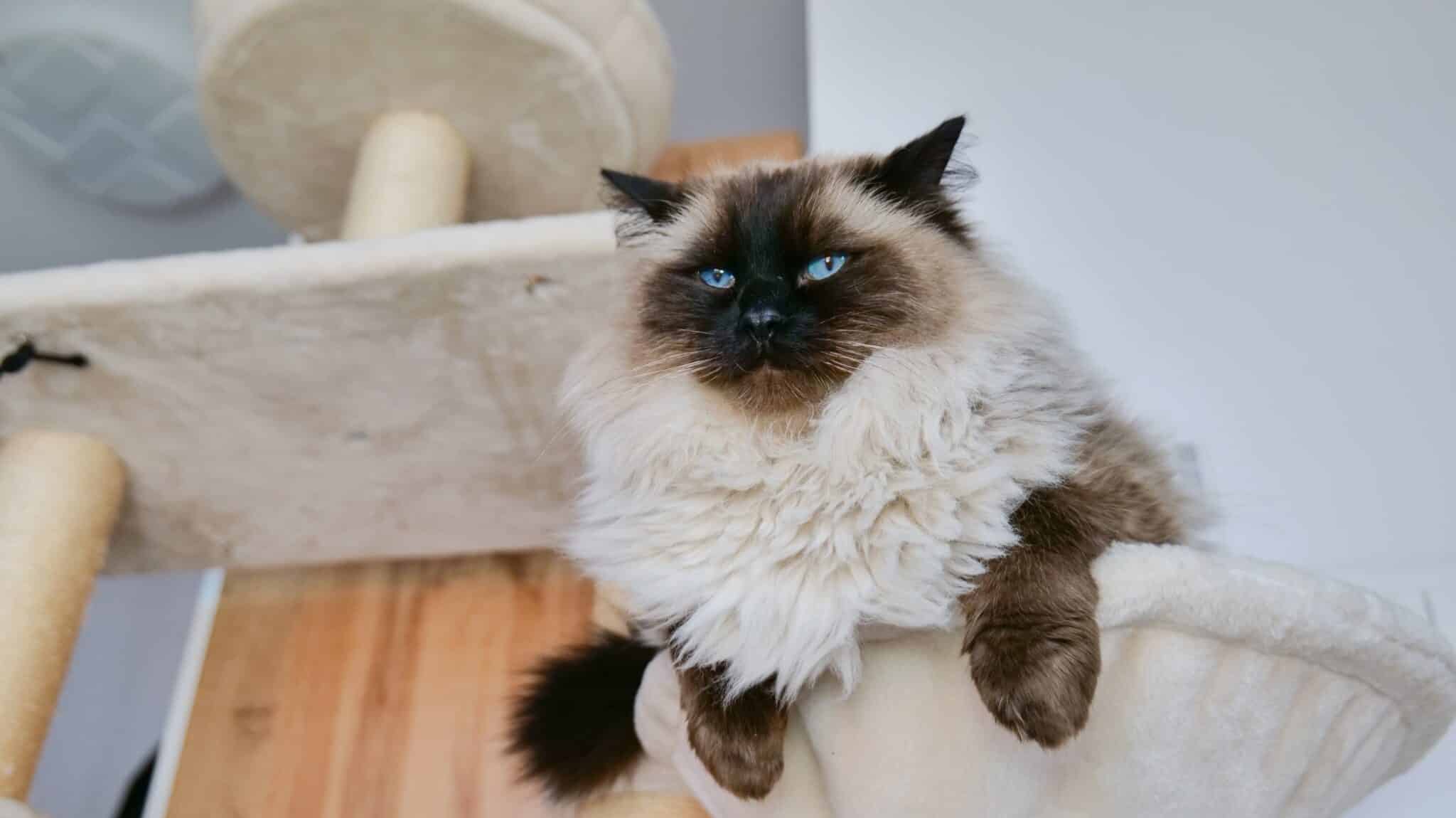
Cats pay close attention to their surroundings because understanding their territory helps them feel secure. A favorite chair, windowsill, or elevated perch provides a useful view of familiar spaces and the people moving through them. From that position, your cat can monitor activity, notice changes, and keep track of what is happening around the home. Watching you cross the room may be part of this broader awareness rather than a personal message. Cats are particularly attentive to unfamiliar sounds, visitors, and changes in household routines, so their gaze may shift as the environment changes.
They Are Reading Your Body Language
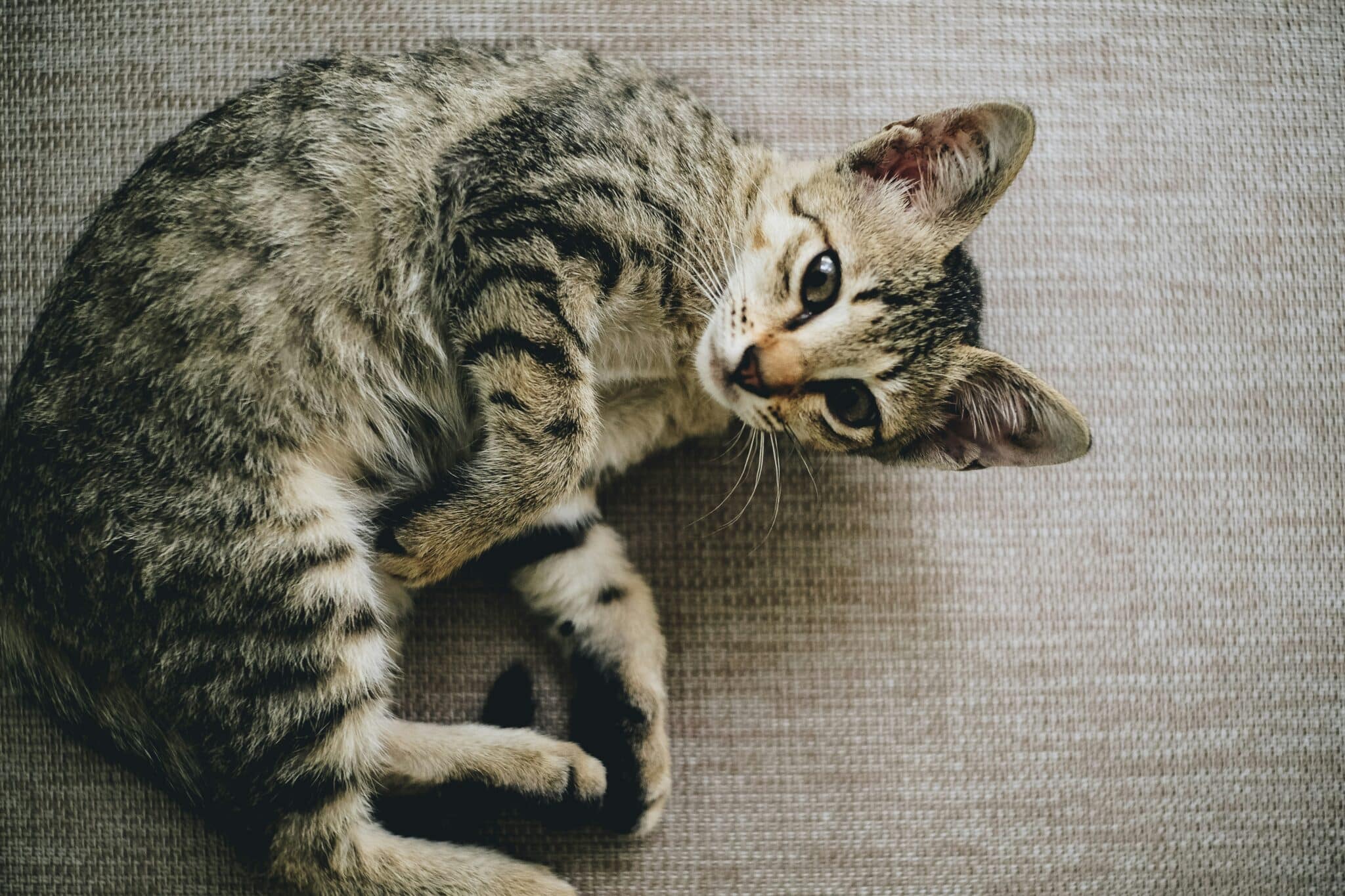
Cats are skilled at noticing movement and patterns, including the gestures people make throughout the day. Your cat may watch your face, hands, posture, and movements to anticipate what you are about to do. Reaching for a toy, standing up, or moving toward the food area can signal familiar activities. Research suggests cats can use human cues, including gestures and vocal signals, to guide their behavior. A focused stare may therefore be part of how they gather information about your intentions. They are not necessarily interpreting every expression like a person would, but they can learn a great deal from consistent patterns.
They Want to Play or Hunt
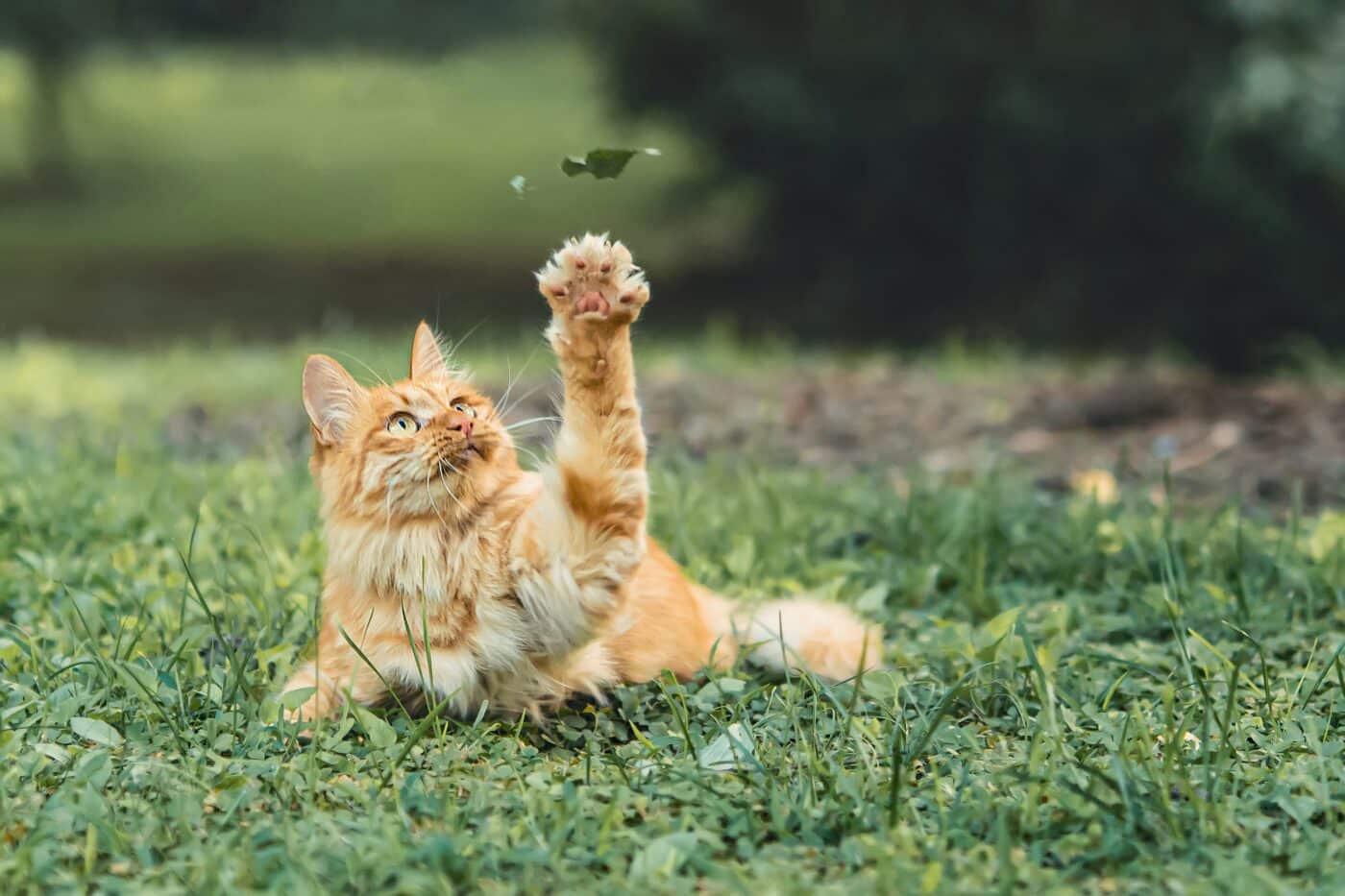
A focused stare accompanied by a crouched body, twitching tail, or wide pupils may signal excitement and readiness to play. Cats have strong predatory instincts, and watching carefully is an important part of their natural hunting sequence. A moving hand, dangling string, or small object can trigger their attention, even when they are not actively chasing anything. Your cat may also be waiting for you to initiate a familiar game. Offering an appropriate wand toy or interactive play session can help channel that energy into a safe activity instead of encouraging them to pounce on hands or feet.
They Have Learned That Staring Gets Your Attention
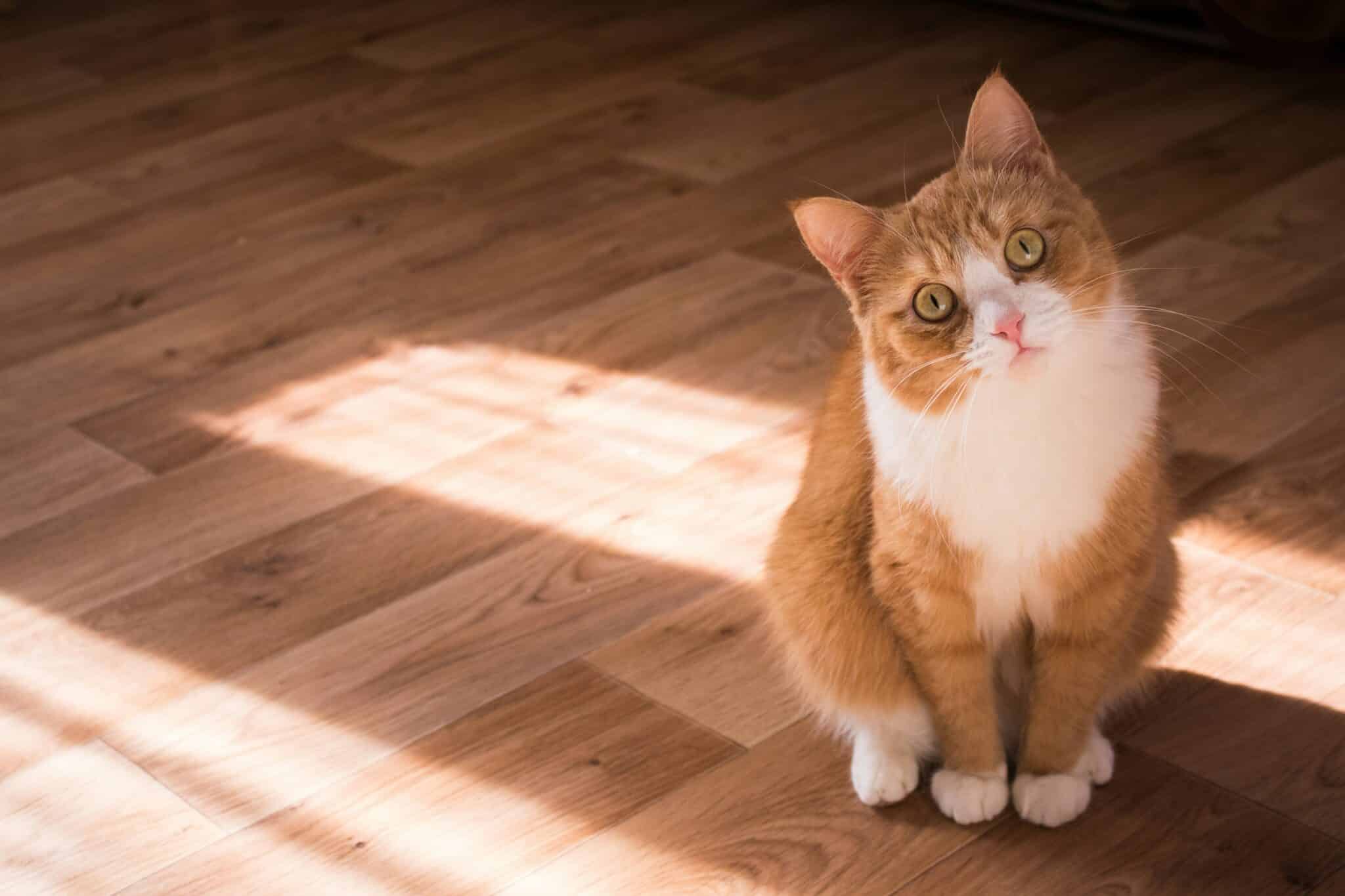
Cats are observant learners, and they can discover which behaviors produce a response from their humans. If looking directly at you leads to conversation, petting, treats, or play, your cat may repeat the behavior because it works. Even a brief glance in their direction can reinforce the habit if they are seeking interaction. Over time, staring may become part of a familiar routine between you and your pet. Some cats are especially persistent communicators, using eye contact alongside meows, tail movements, or changes in posture to make their requests more noticeable.
They Are Showing Social Interest and Attachment
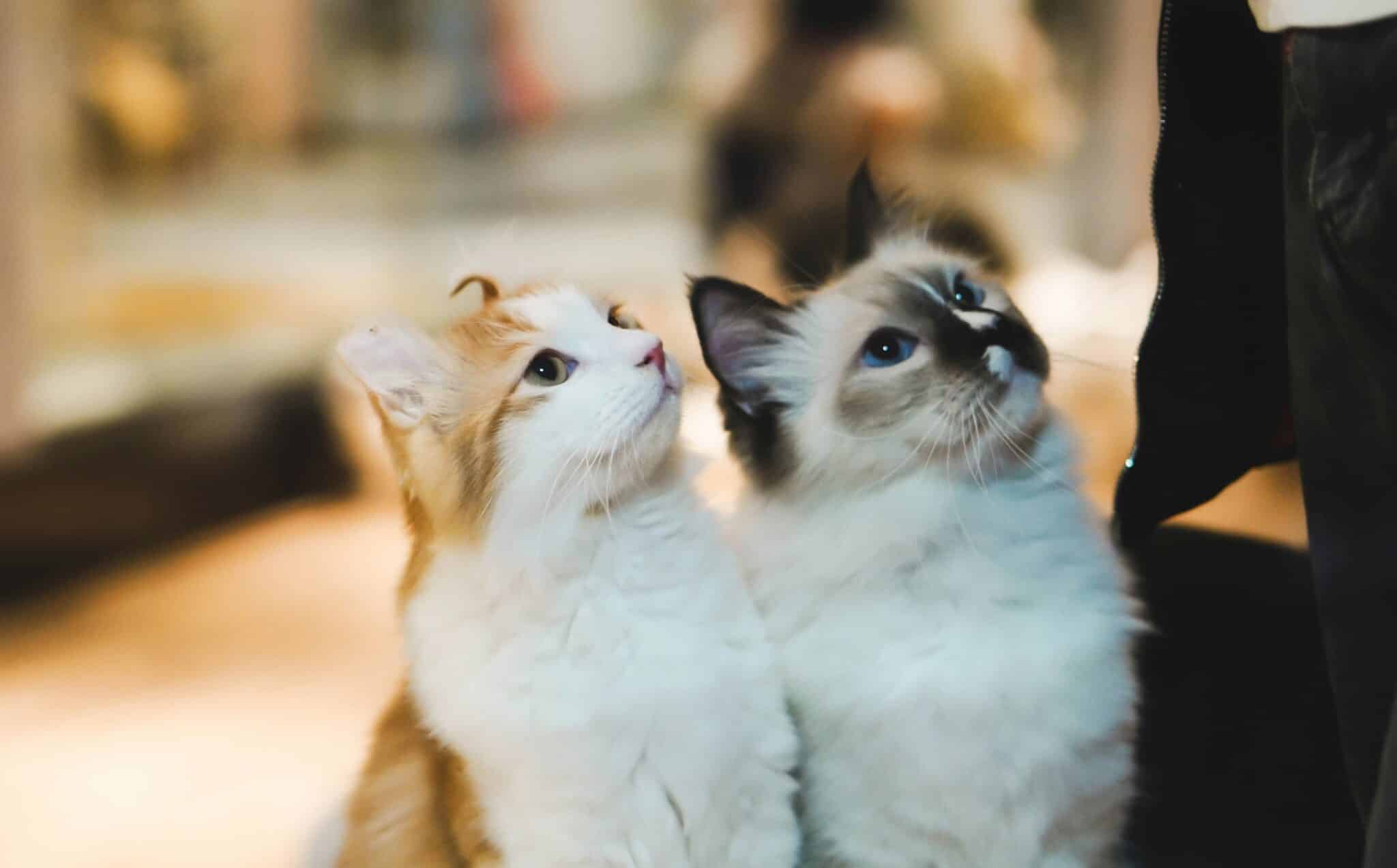
Cats can form strong social bonds with familiar people, and observing someone from a distance may be one way they maintain contact. They may choose a spot where they can see you while resting, grooming, or quietly enjoying the room. Some cats also use relaxed eye contact and slow blinking during comfortable social interactions. These behaviors can be associated with trust, although a stare alone does not prove affection. A cat’s overall body language and relationship history offer better clues. If they regularly choose to remain in your company, their quiet attention may be part of a meaningful social connection.
They Are Reacting to Something You Haven’t Noticed
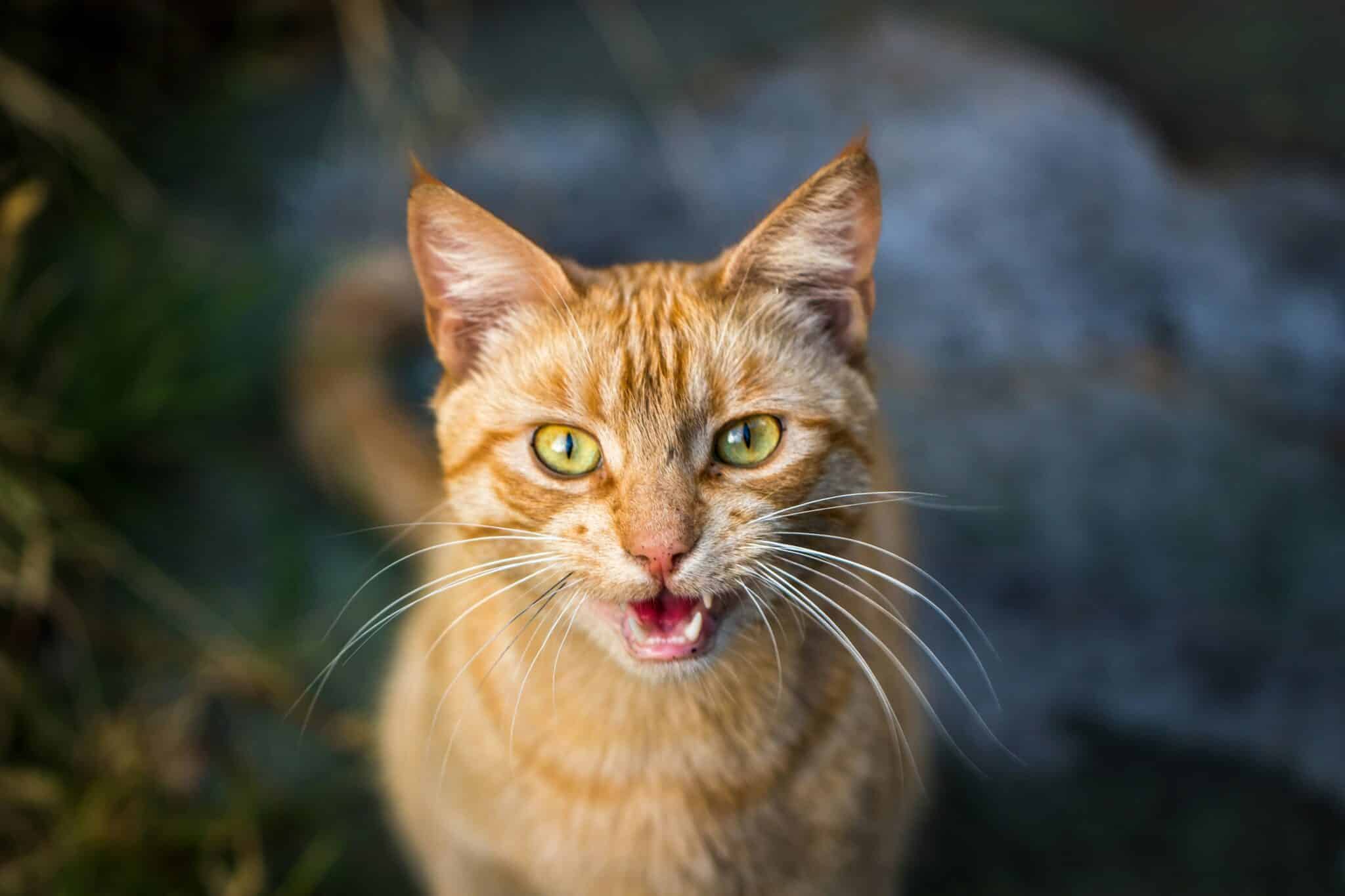
Cats can detect subtle sounds and movements that escape human attention. A faint noise behind a wall, a bird outside, a small insect, or movement in another room may capture their focus. Their ears may turn toward a particular direction while their eyes remain fixed on the area. Sometimes, it can look as though they are staring directly at you when their attention is actually focused on something nearby or behind you. Their sensitive hearing and sharp awareness make them excellent observers. Before assuming the gaze is meant for you, consider what else might be happening around the room.
That Quiet Stare May Be Saying More Than You Think
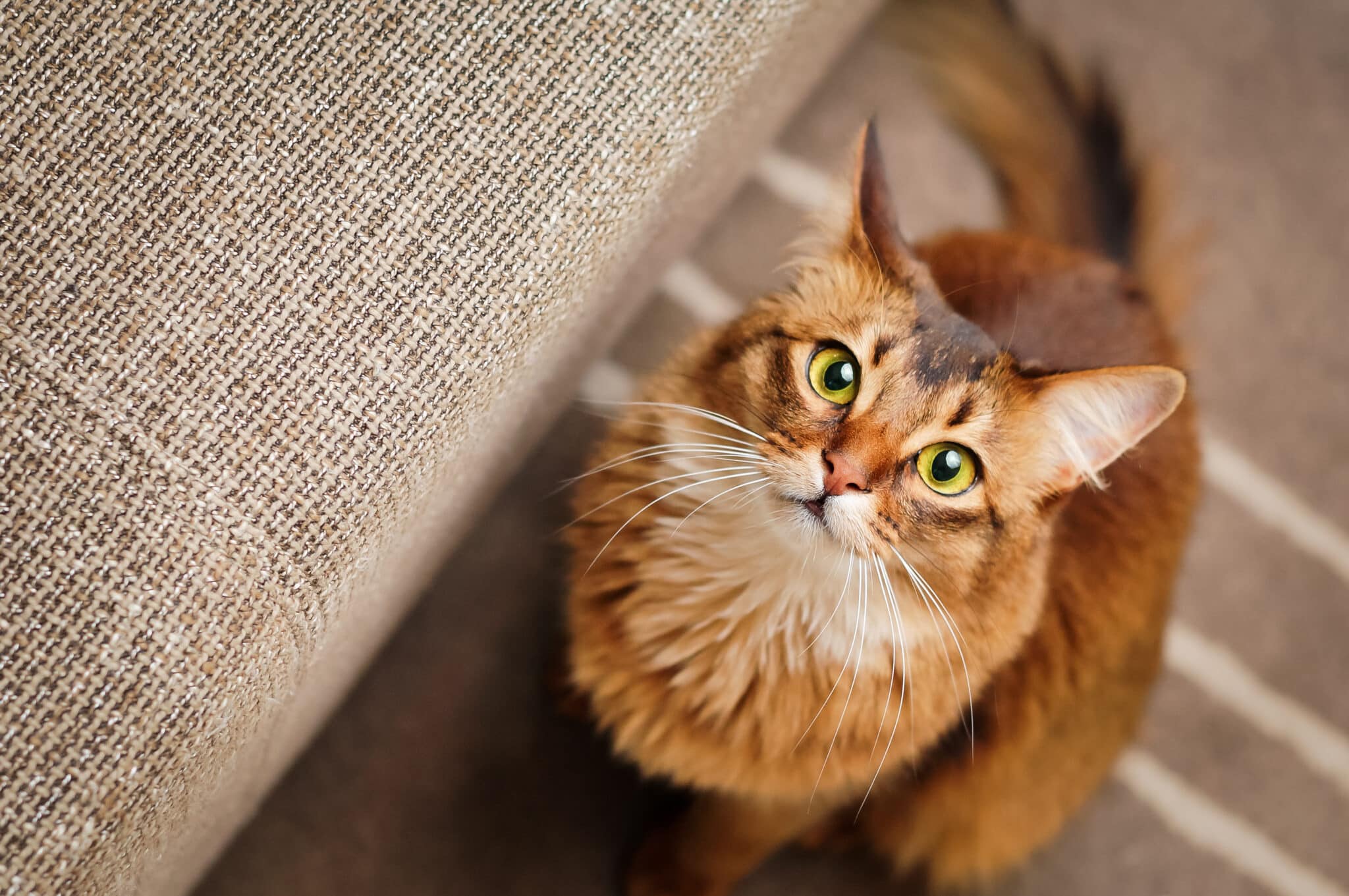
A cat’s steady gaze can mean many things, from curiosity to communication and social connection. Clues often come from body posture, ear position, tail movement, and what happens afterward. Relaxed watching is usually normal feline behavior, but sudden changes in eye contact or signs of discomfort deserve attention. Understanding your cat’s individual habits makes these silent moments easier to interpret. Sometimes, that mysterious look is simply a curious companion keeping watch over the person who shares their home and makes everyday life feel safe and familiar.
This content was created with AI assistance and edited by the iHeartCats team.