
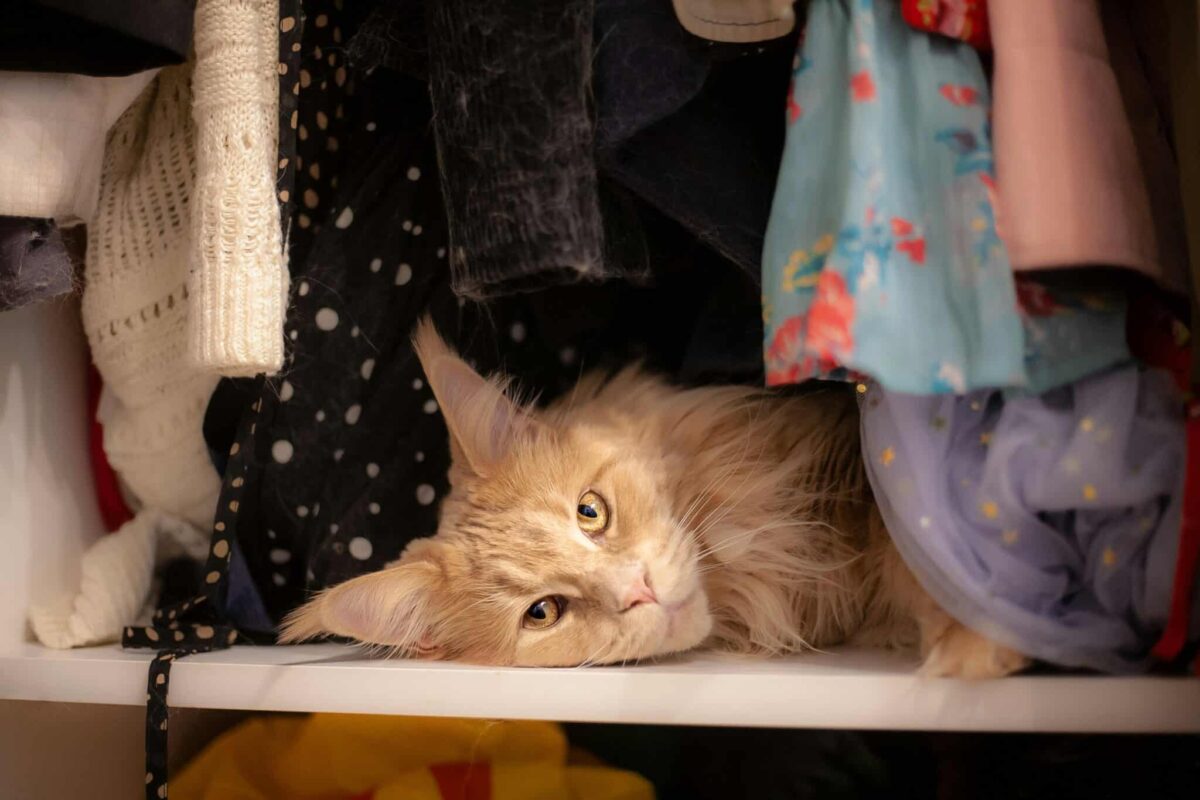
A freshly folded stack of clothes can look perfectly organized for thirty seconds before a cat decides it needs a furry addition. Clean towels become beds, worn shirts invite intense sniffing, and laundry baskets transform into irresistible lounging spots. While this may seem like another example of cats claiming everything humans own, laundry offers qualities that naturally appeal to them. Familiar scents, soft textures, warmth, secure spaces, and routines influence their interest. Every cat is different, but that comfortable nap on your favorite sweater makes perfect sense through feline eyes.
Your Clothes Carry Familiar Scents
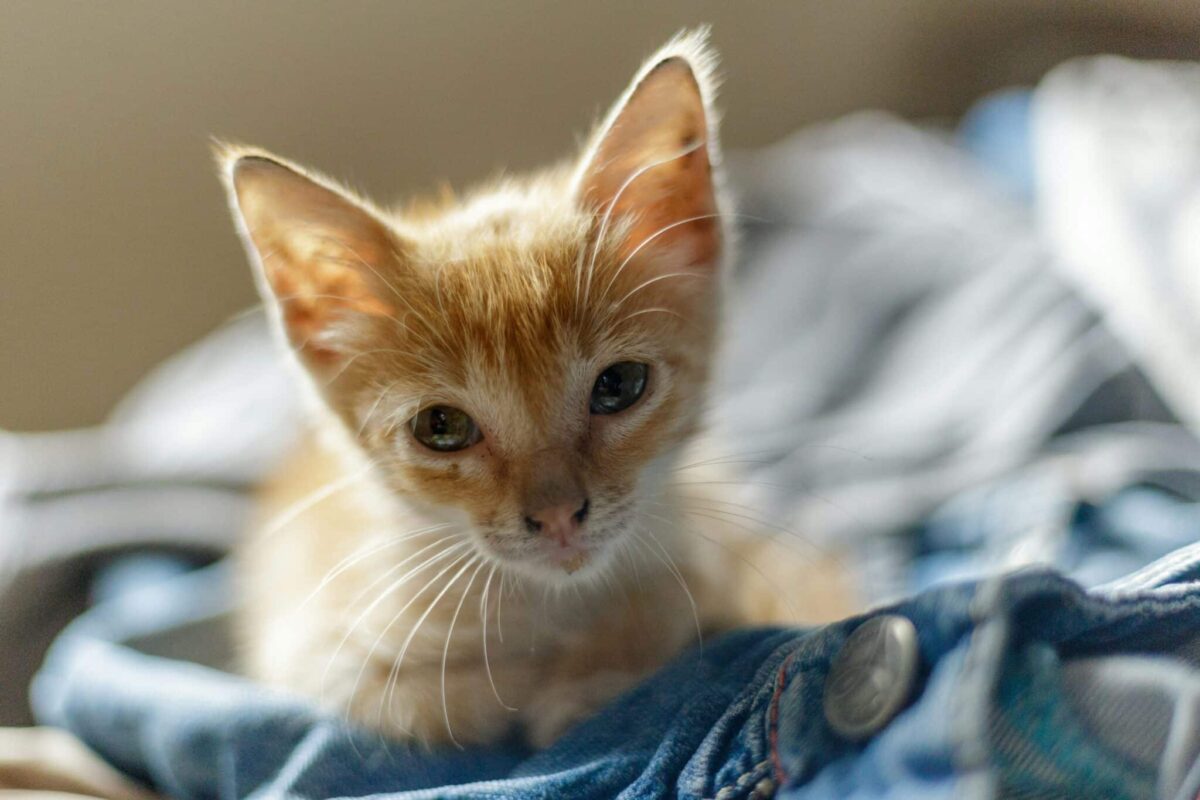
A cat experiences much of their environment through scent, and clothing can carry a concentrated collection of familiar smells. Shirts, pajamas, socks, and other frequently worn items retain traces of a person’s natural scent along with smells collected throughout the day. For a cat accustomed to sharing a home with that person, these odors are recognizable parts of their normal environment. Sniffing, resting on, or rubbing against clothing may therefore be partly driven by familiarity rather than simple affection. Scent helps cats identify individuals, places, and objects while gathering information about their surroundings. A recently worn shirt may not seem especially interesting to a human, but to a sensitive feline nose, it can provide an entire collection of recognizable information.
Fresh Laundry Can Be Wonderfully Warm
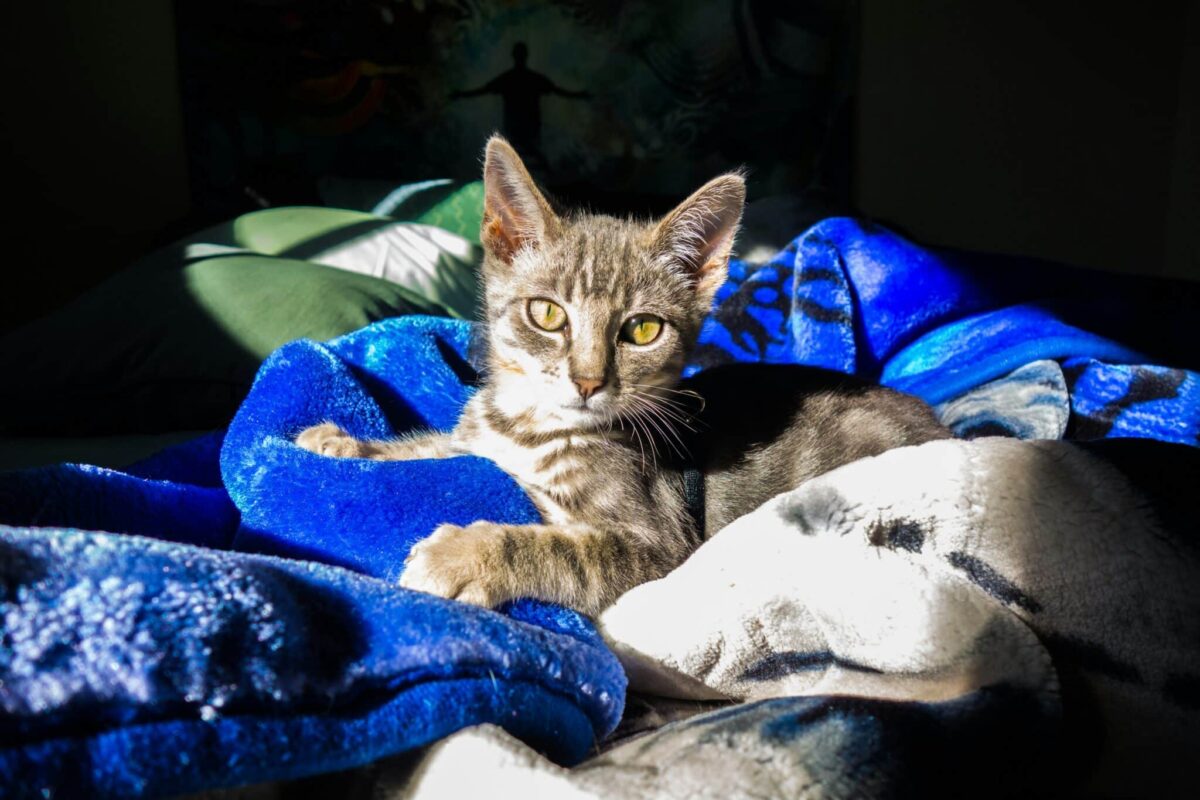
Warmth has remarkable persuasive power where cats are concerned, and clothing fresh from the dryer can offer an especially appealing resting place. Cats naturally seek comfortable temperatures and frequently choose sunny windows, warm blankets, heated surfaces, or cozy laps when those options are available. A pile of freshly dried clothes creates a temporary pocket of warmth combined with softness, making it difficult for a comfort-seeking cat to ignore. This attraction does not necessarily have anything to do with the specific clothes themselves. Timing can be everything. If a cat repeatedly appears as soon as warm laundry lands on the bed, they may simply have discovered one of the most comfortable opportunities in the household. Unfortunately for anyone trying to fold quickly, cats can be extremely efficient at recognizing premium seating.
Soft Fabrics Make Comfortable Beds
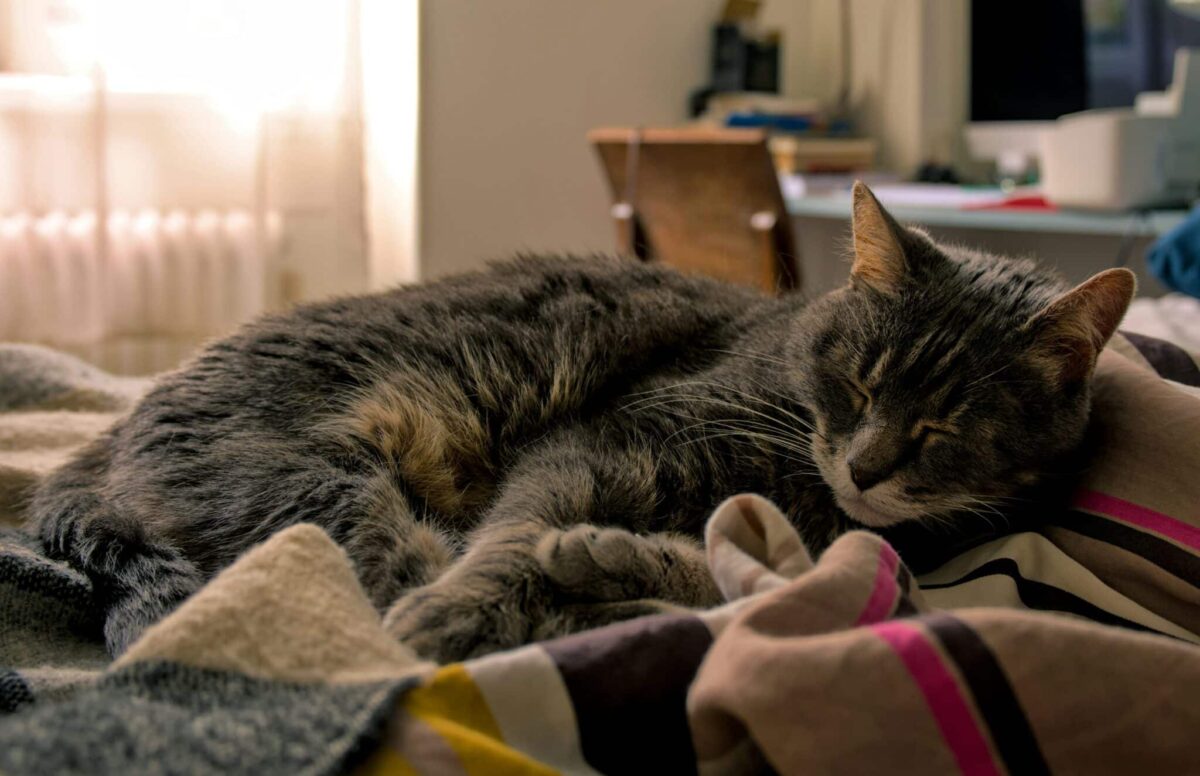
Laundry can provide exactly the kind of soft, flexible surface many cats enjoy for resting. Sweaters, towels, blankets, pajamas, and other fabrics conform around the body more easily than a hard floor or bare piece of furniture. A loosely arranged pile can even create supportive little dips where a cat can curl into a preferred sleeping position. Texture preferences vary, so one cat may favor fluffy towels while another consistently chooses smooth cotton shirts. Their attraction can also change depending on temperature, mood, or what other resting places are available. When a cat repeatedly selects laundry despite having an expensive bed nearby, the decision may be less mysterious than it appears. The clothing simply happens to meet their personal standards for softness, positioning, and overall nap quality.
Laundry Piles Create Cozy Nesting Spots
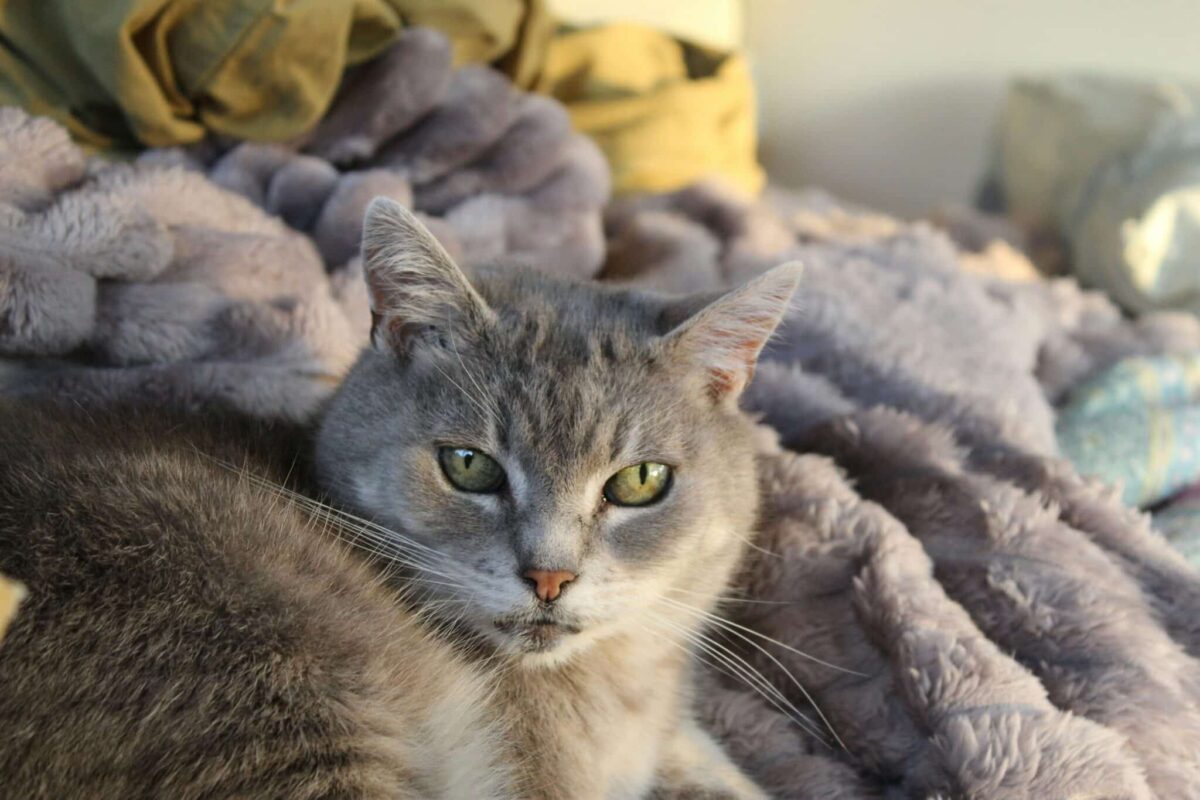
Cats frequently choose resting places that provide some degree of enclosure or physical support, and an untidy laundry pile can accidentally create an excellent nest. Fabric gathers around the body, allowing a cat to curl against soft edges rather than remaining completely exposed on a flat surface. That arrangement may feel especially comfortable for cats that enjoy baskets, boxes, blankets, or other snug sleeping locations. The appeal is partly physical and partly environmental, since protected resting spots can help cats relax while still allowing them to monitor nearby activity. Not every cat wants to disappear beneath a mountain of clothing, of course. Some simply settle on top. Either way, the shape and flexibility of piled laundry can turn ordinary clothing into an unexpectedly inviting feline retreat.
The Laundry Basket Feels Secure
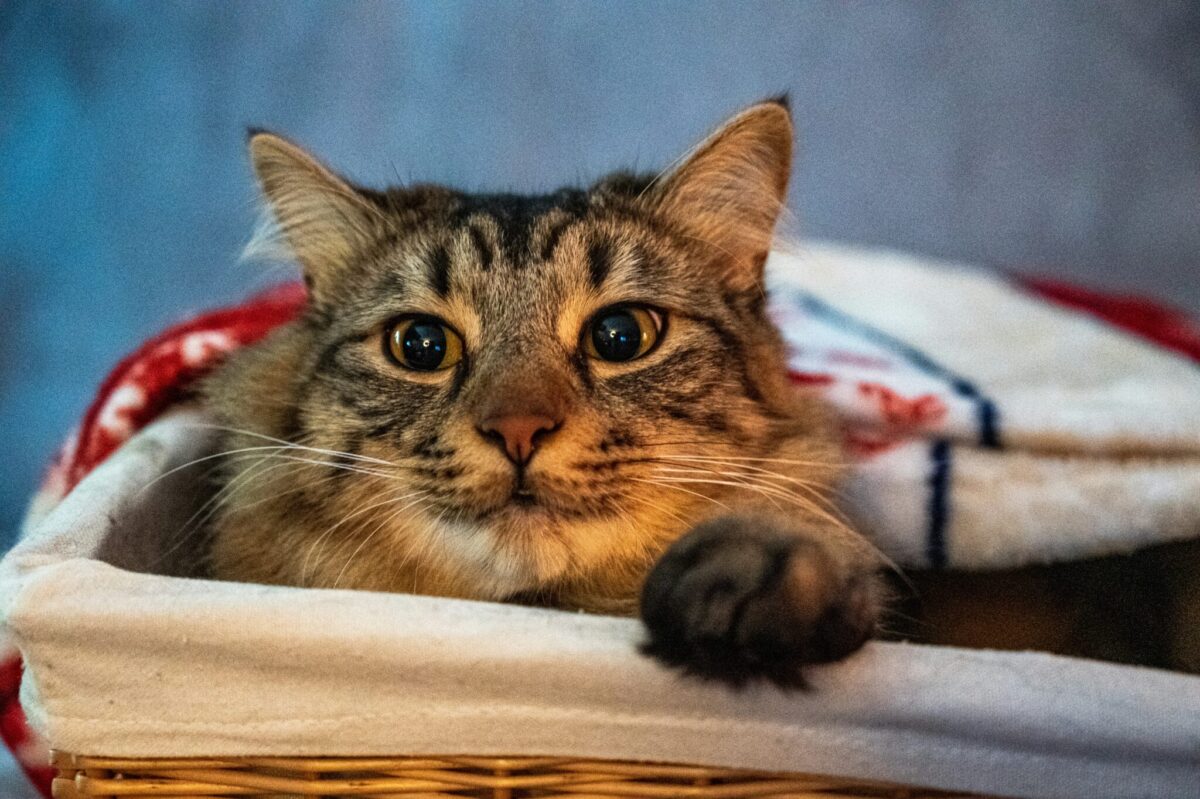
Sometimes the real attraction is not the laundry but the container holding it. Laundry baskets can resemble other enclosed spaces cats commonly investigate, particularly when high sides create a defined boundary around the body. A basket filled with clothing becomes even more appealing because it combines enclosure with a soft resting surface. Cats often seek places where they can relax without feeling completely exposed, especially during naps when awareness of the surrounding environment naturally decreases. An open basket can provide that sense of containment while still allowing a clear view of the room. Individual preferences matter, and confident cats may sleep almost anywhere. Still, when an empty basket receives little attention, but a basket full of clothing immediately gains an occupant, the added softness and familiar scents are probably strengthening its appeal.
Your Laundry Is Part of Their Territory
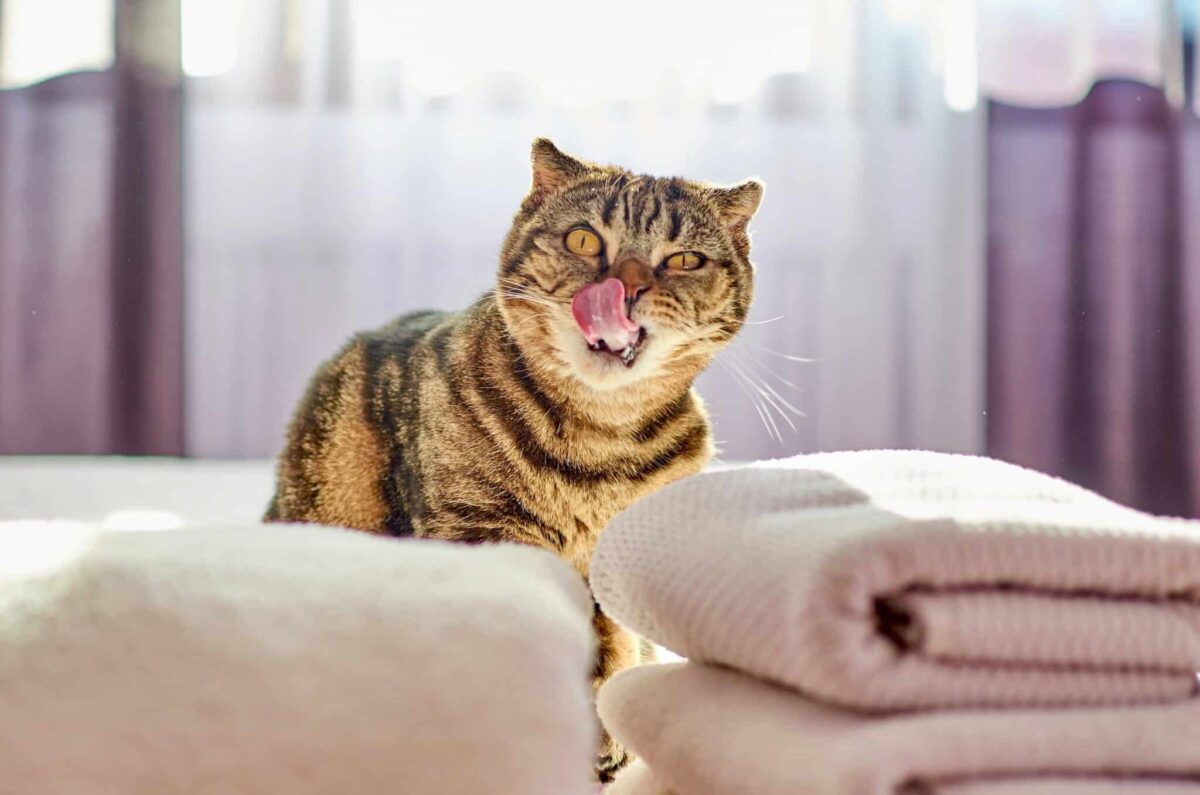
Clothing moves throughout a cat’s familiar environment, carrying scents between bedrooms, closets, furniture, laundry rooms, and the people who wear it. Because cats rely heavily on scent when navigating their surroundings, laundry naturally becomes part of the broader scent landscape of the home. A cat may rub their cheeks or body against clothes, leaving chemical signals from scent glands located around areas such as the face. This behavior can help blend familiar odors and make objects smell more consistent with the environment they know. It does not mean the cat is plotting ownership of every sweater in the closet. Scent marking is a normal part of feline communication and environmental familiarity. Laundry simply gives them another collection of household objects that can be investigated, rubbed, and incorporated into that familiar scent profile.
They May Associate Laundry With You
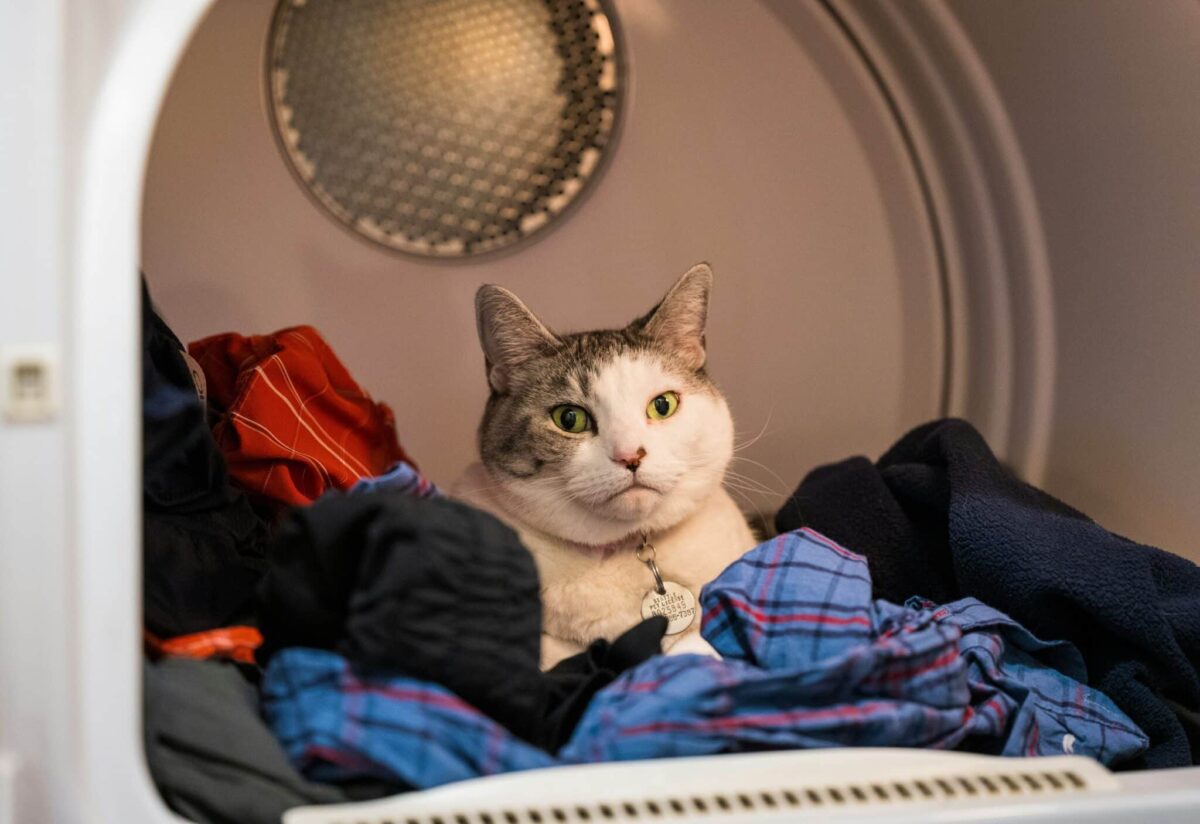
Cats are capable learners, and repeated experiences can create strong associations between particular objects and familiar people. Clothing is frequently handled, worn, folded, carried, and stored by the humans living in the home, making laundry closely connected with everyday household routines. A cat that regularly naps beside someone may also encounter their clothes on the bed or chair, gradually learning that those fabrics predict familiar smells, comfortable places, or social interaction. That association can make laundry attractive even when the person is elsewhere. This does not mean every cat lying on a shirt is making an emotional declaration. Familiarity, comfort, routine, and scent may all be involved simultaneously. Still, clothing connected with a trusted person can become another recognizable element within the cat’s safe and predictable environment.
Laundry Time Has Become an Interesting Routine
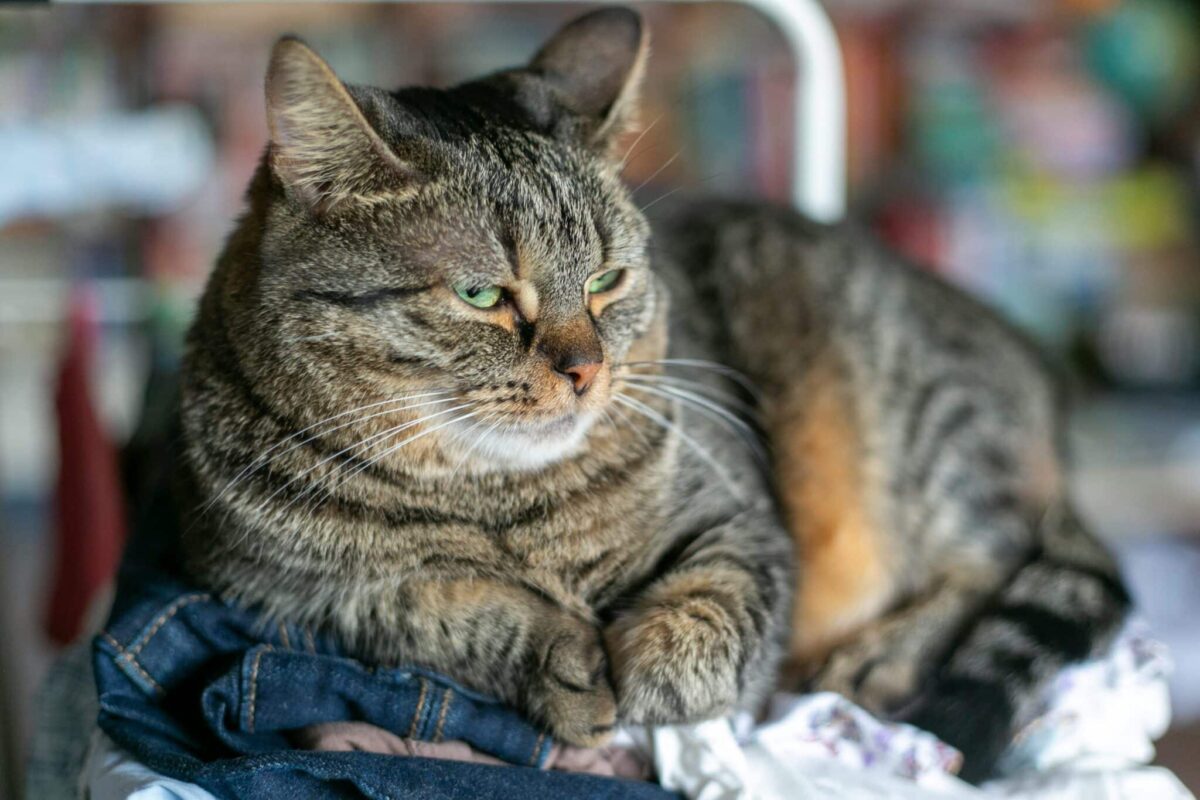
Cats are excellent observers of household patterns, including activities humans consider completely ordinary. Sorting, folding, carrying, and putting away laundry creates movement and changes to the environment, which can quickly attract a curious cat’s attention. A basket appears in a new location, fabric moves across the bed, closet doors open, and suddenly, an otherwise predictable room has become considerably more interesting. Repetition can strengthen that interest. If laundry day regularly provides opportunities to investigate piles, climb into baskets, receive attention, or chase moving fabric, the cat may begin appearing as soon as the familiar routine starts. Their enthusiasm is not necessarily about the clothes themselves. Sometimes laundry is appealing because it reliably creates activity, novelty, and opportunities for participation in whatever their human happens to be doing.
Moving Fabric Can Trigger Play
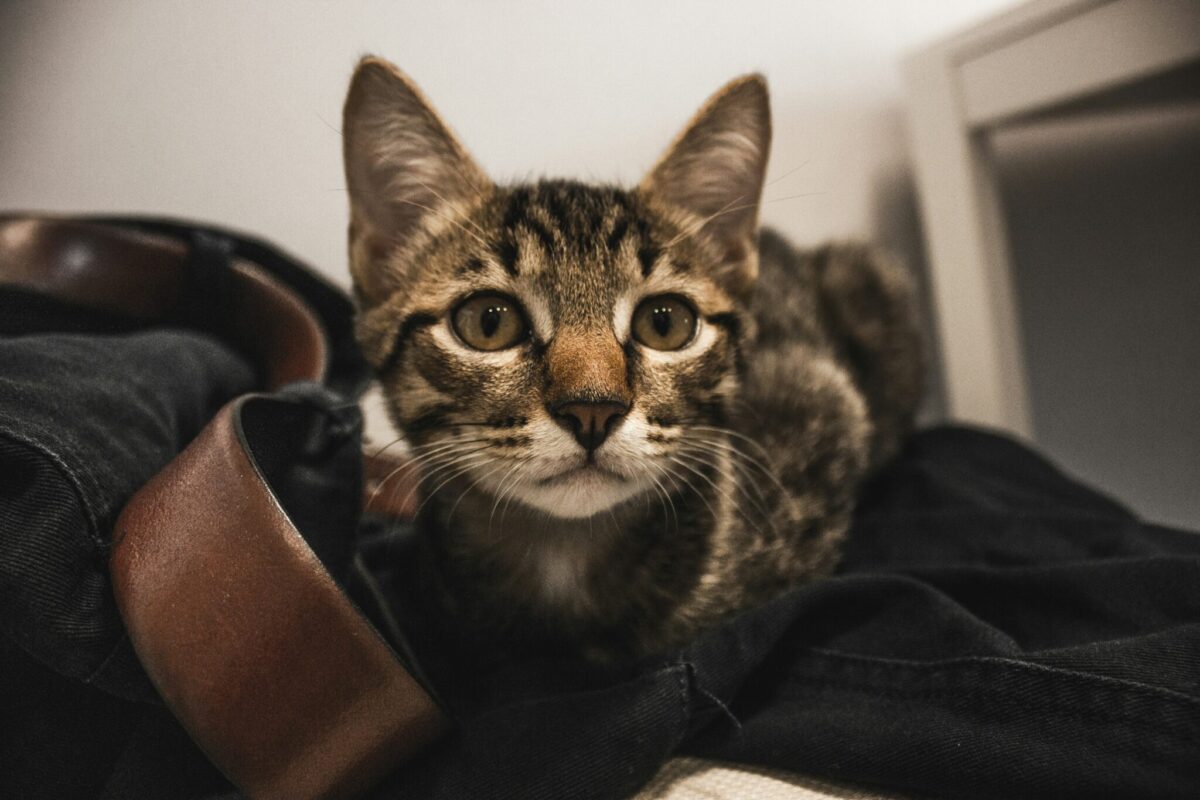
A dangling sleeve or shifting towel can become unexpectedly exciting to a cat whose attention is captured by movement. Feline play incorporates elements of predatory behavior, including watching, stalking, pouncing, grabbing, and batting at moving targets. Clothing being shaken out or folded can accidentally provide exactly those visual cues. A sock sliding across the bed may therefore receive considerably more attention than anyone intended. This is usually ordinary play behavior rather than evidence that the cat has developed a particular fascination with fashion. Safe alternatives such as wand toys can redirect energetic cats when their participation makes folding impossible. Loose strings, drawcords, elastic pieces, dryer sheets, and other potentially hazardous laundry items should also be kept inaccessible, since swallowing or becoming tangled in them can cause serious problems.
Your Reaction Can Make Laundry More Rewarding
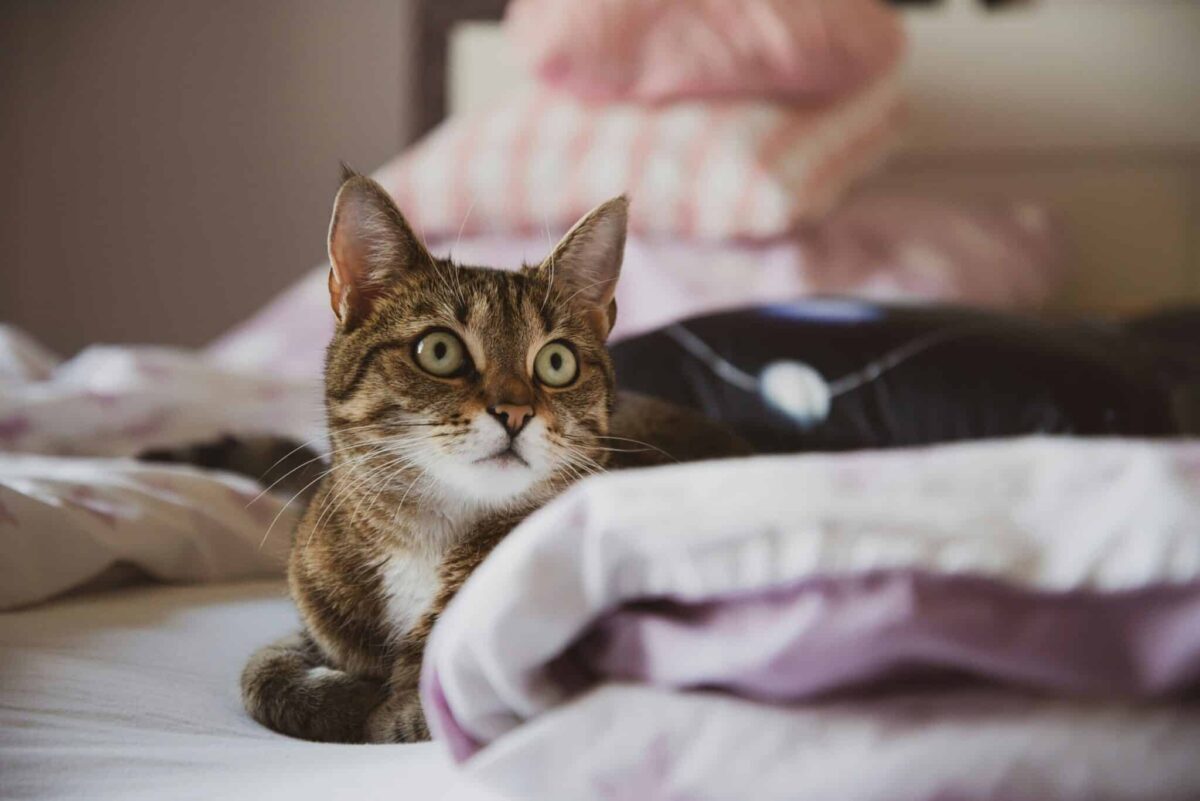
Cats can learn surprisingly quickly which behaviors produce attention. If climbing onto freshly folded clothes consistently results in talking, petting, laughing, moving the cat, or beginning a playful interaction, that response may make the behavior more likely to happen again. Even attention intended to discourage the habit can sometimes become rewarding for a socially motivated cat. The laundry then offers two benefits at once: a comfortable resting surface and a reliable way to get a human involved. This learned pattern does not require deliberate mischief. Cats repeat behaviors that produce outcomes they value, particularly when those outcomes occur consistently. Someone hoping to preserve neatly folded clothes may have better luck providing an appealing alternative resting place nearby and rewarding the cat for choosing it rather than turning every laundry invasion into an entertaining event.
It Has Simply Become Their Favorite Spot
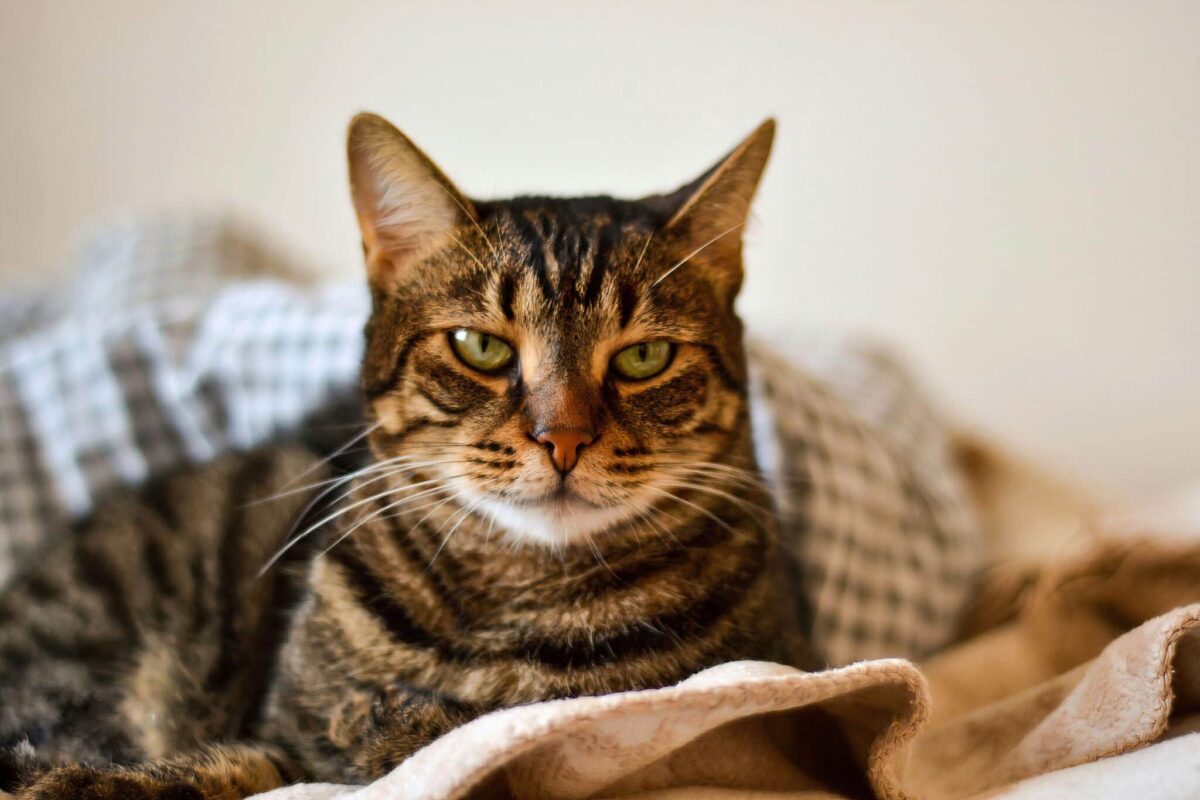
Sometimes a cat loves the laundry because repeated use has transformed it into a familiar resting place. Cats can develop strong preferences for specific sleeping locations and return to them when those places reliably provide comfort, security, warmth, or peace. If a pile of clothes regularly appears on the same bed, chair, or floor, choosing it can gradually become part of the cat’s routine. Familiar scents left behind by previous naps may strengthen that preference further. There does not always need to be a complicated explanation behind the behavior. A cat may simply have discovered that laundry is comfortable and continued making the same successful choice. Once that preference becomes established, convincing them that the carefully purchased cat bed nearby is technically more appropriate may prove considerably harder than expected.
The Laundry Has Officially Gained A Supervisor
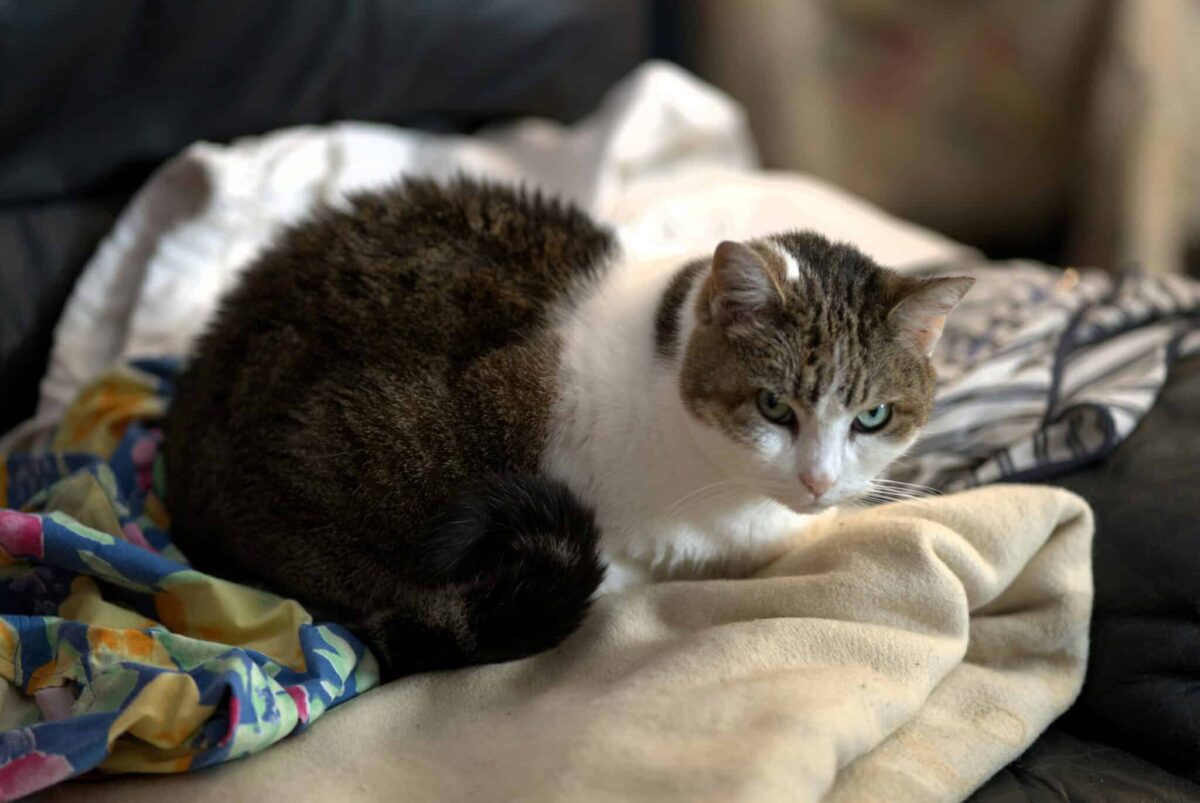
A cat’s fascination with laundry becomes less mysterious when clothing is viewed through their senses and priorities. Soft fabric offers comfort, familiar scents provide information, baskets create inviting resting spaces, and laundry routines bring movement and interaction. Different motivations can overlap, and each cat may develop specific preferences for shirts, towels, socks, or freshly folded piles. Keeping dangerous laundry products and loose items safely out of reach allows curiosity to remain harmless. If clean clothes repeatedly acquire a furry occupant, the household may have a dedicated quality-control inspector.
This content was created with AI assistance and edited by the iHeartCats team.