
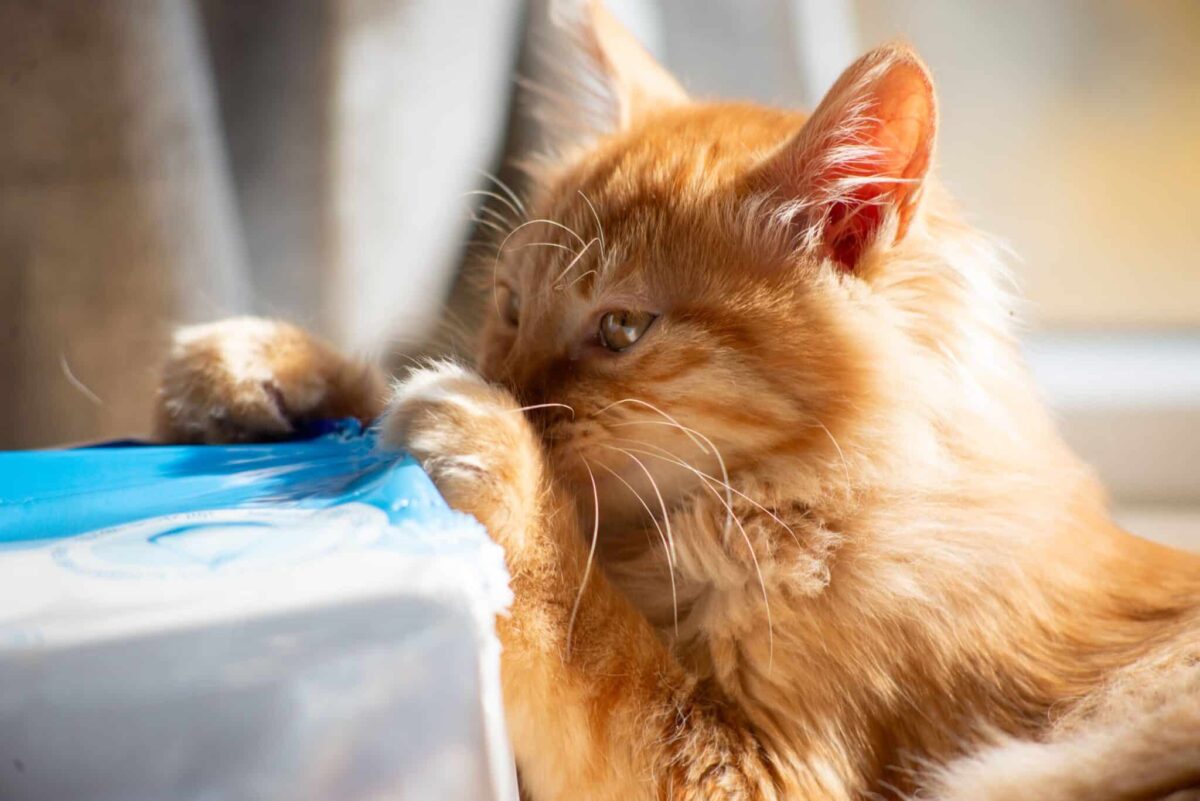
New packages, grocery bags, shoes, boxes, and freshly washed blankets can become irresistible to a curious cat. Sniffing, circling, pawing, staring, and climbing inside are common ways cats investigate unfamiliar objects. What looks like nosiness is often their way of gathering information about changes in their territory. Cats rely heavily on scent while noticing movement, texture, and sound. Individual personality matters too, but curiosity, instinct, routine, and sensory exploration can explain why some cats inspect nearly everything that enters the home.
They Notice Changes in Their Territory
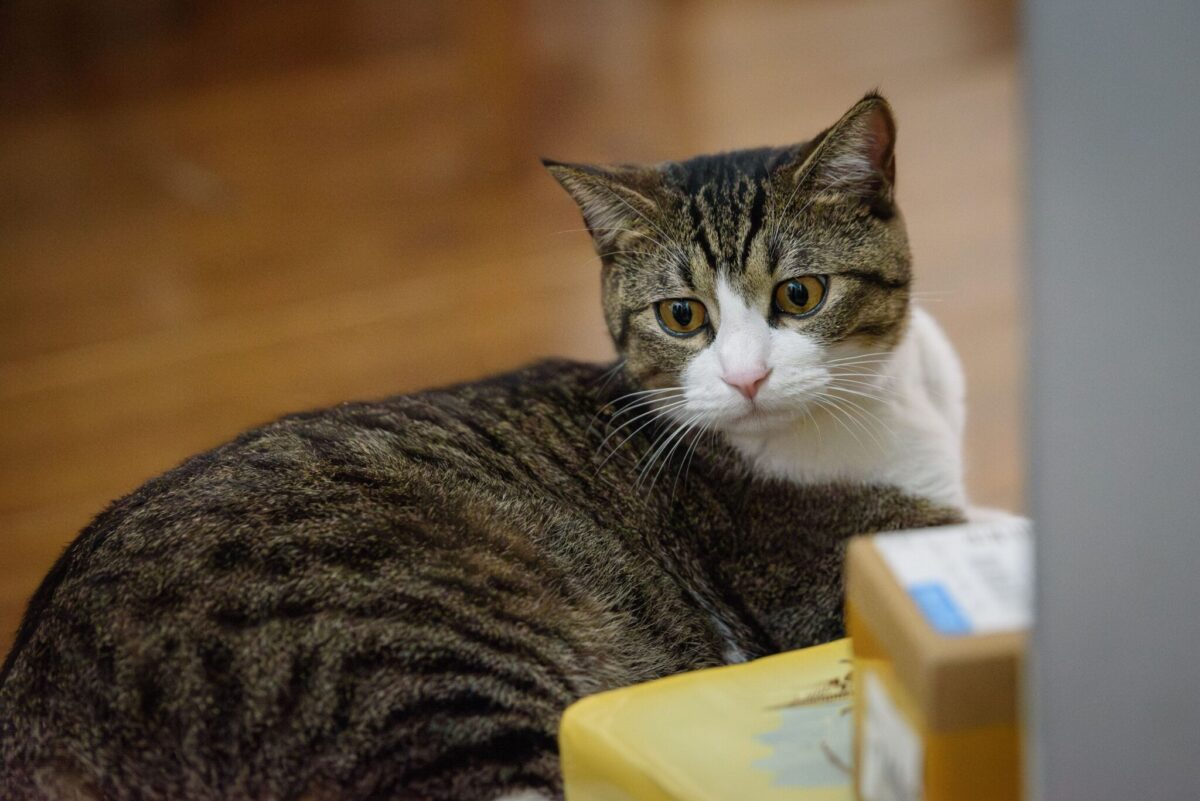
A cat’s home is filled with familiar sights and smells, so even a small change can attract attention. A new package or household item alters part of that familiar environment. Investigating allows a cat to gather information about what has appeared and whether it belongs there. Sniffing, walking around the object, and returning to it later can help them become familiar with the newcomer.
New Scents Give Them Information
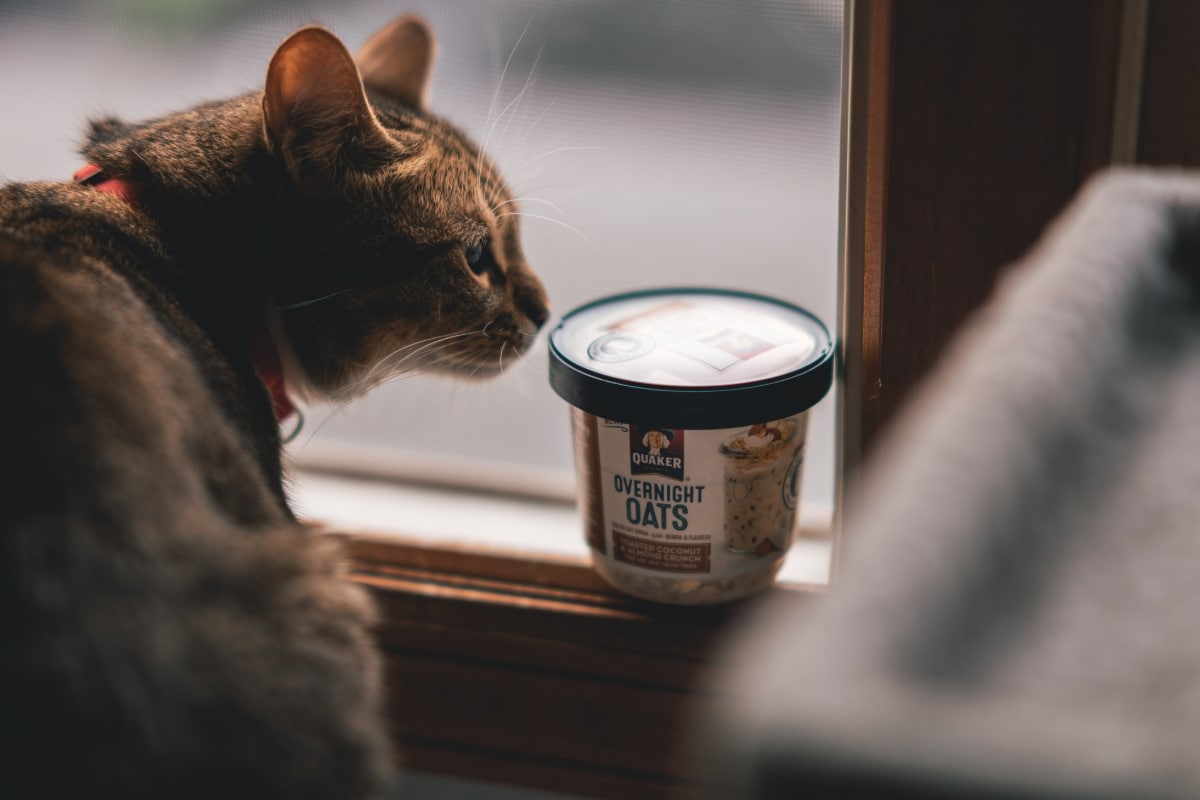
Smell is an important part of how cats understand their surroundings. A shopping bag can carry scents from stores, other people, animals, food, and outdoor environments. Shoes may bring home an entire collection of unfamiliar odors. When a cat carefully sniffs a new item, they are gathering information through a sensory system that is far more important to them than it is to humans.
They Want to Check for Anything Unfamiliar
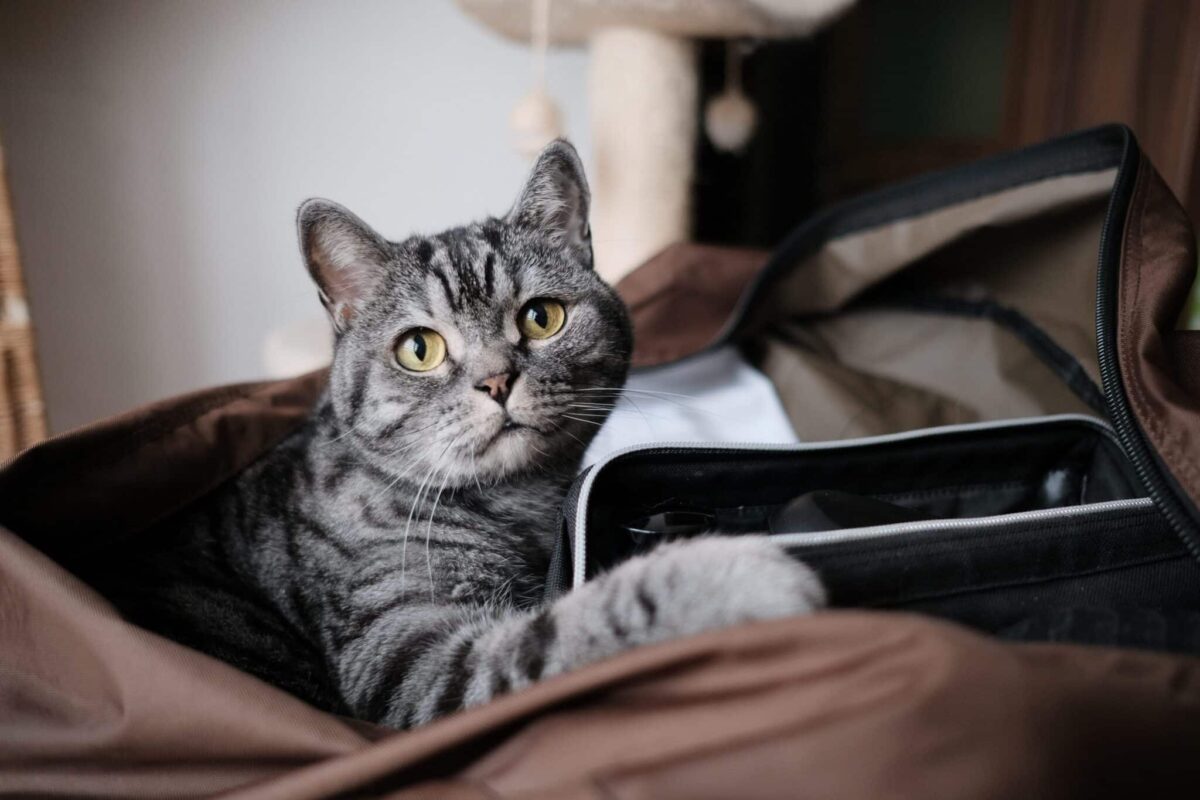
Not every new object immediately feels safe to a cat. Some cats approach confidently, while others watch from across the room before getting closer. Circling, sniffing, staring, and keeping a little distance can help them evaluate something unfamiliar. Once the object becomes predictable, their interest may disappear. This cautious inspection is one reason cats can spend several minutes investigating fewer new experiences than cats that regularly explore outdoors.
Curiosity Keeps Their Minds Busy
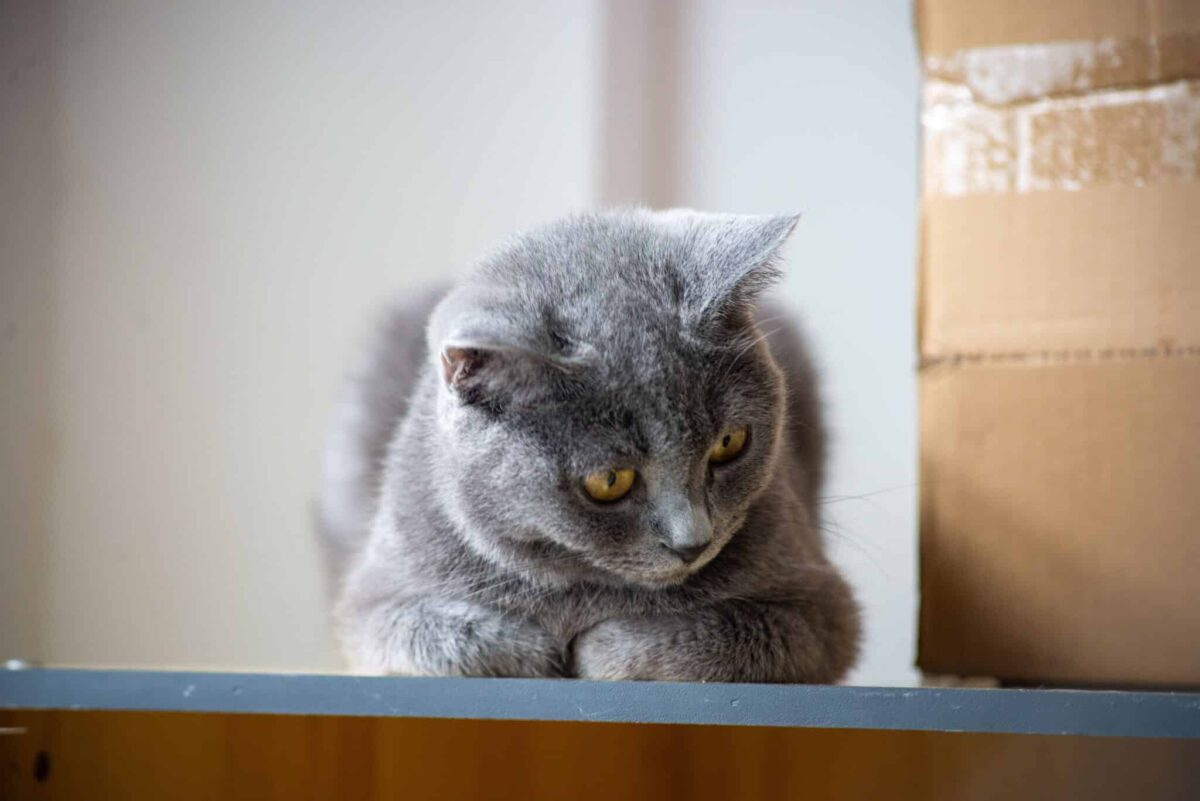
Indoor cats can encounter fewer new experiences than cats that regularly explore outdoors. A new box, paper bag, blanket, or piece of furniture provides fresh sensory information. Investigating these objects can offer mental stimulation without requiring complicated toys. For a curious cat, a cardboard box can become a hiding place, observation point, scratching opportunity, or temporary playground simply because it is different from what was there yesterday.
Their Hunting Instincts Notice Movement
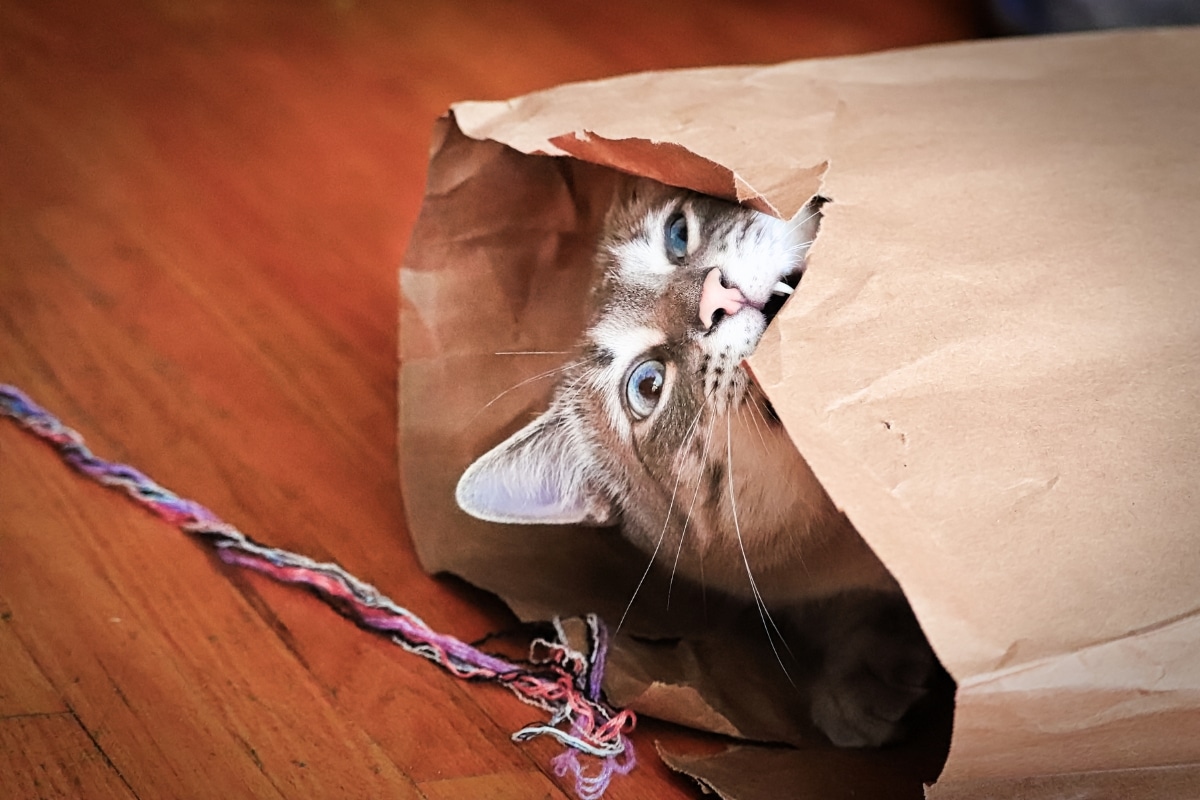
Some new arrivals make sounds or movements that immediately capture feline attention. Crinkling paper, rustling bags, shifting packaging, and dangling strings can resemble the unpredictable movement associated with prey. A cat may crouch, stare, paw, or pounce because the object has triggered natural hunting behaviors. Safe play with appropriate toys can provide an outlet for these instincts, especially when packaging contains strings or small pieces that could become hazardous.
They Are Mapping Their Familiar Environment
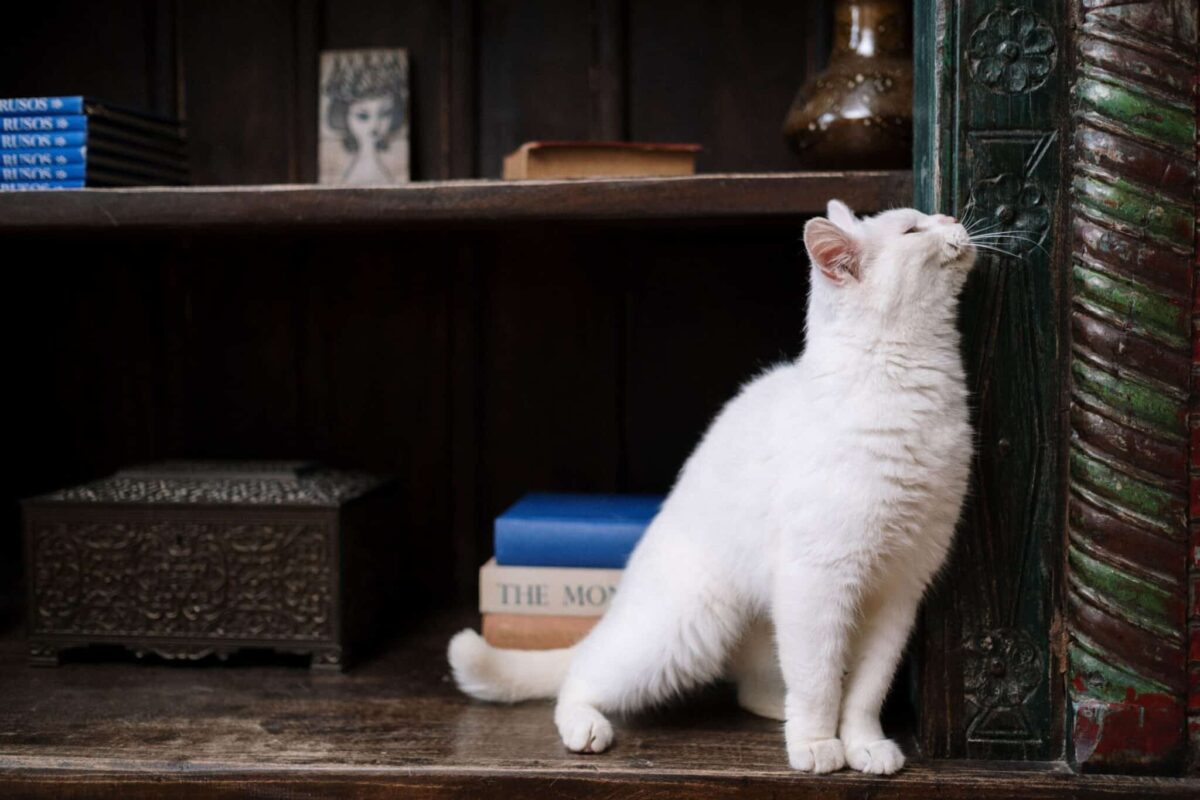
Cats pay attention to the layout and accessibility of their territory. A new chair, plant stand, suitcase, or storage container can change a familiar pathway or create a new surface to climb. Walking around and sniffing the object helps a cat understand how it fits into the environment. They may also discover new routes, hiding spots, or a favorite place they hadn’t considered before.
Familiar Human Scents Make Objects Interesting
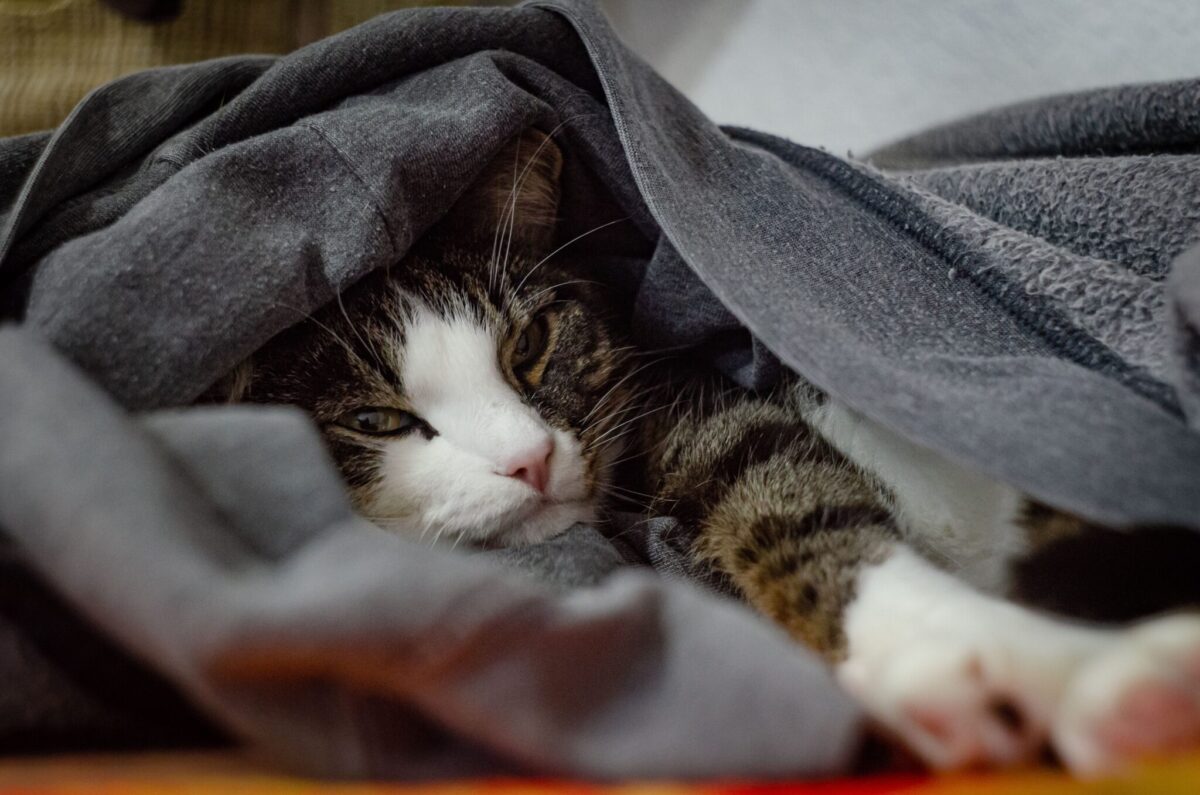
Clothing, bags, and personal belongings can carry familiar human scents along with odors from places visited during the day. A cat may investigate these items because they contain a mixture of recognizable and unfamiliar smells. This can be particularly noticeable when a person returns home carrying something new. The object itself may not be especially interesting, but the collection of scents attached to it can make investigation worthwhile.
They Have Learned That New Things Can Be Rewarding

A cat can learn from repeated experiences. If inspecting a package sometimes leads to a new toy, a treat, playtime, petting, or an interesting box to explore, they may become especially eager whenever another package arrives. The behavior can become part of a household routine. Even when nothing exciting is inside, the familiar sound of a delivery may still prompt a cat to come running for their customary inspection.
Some Cats Simply Have More Investigative Personalities
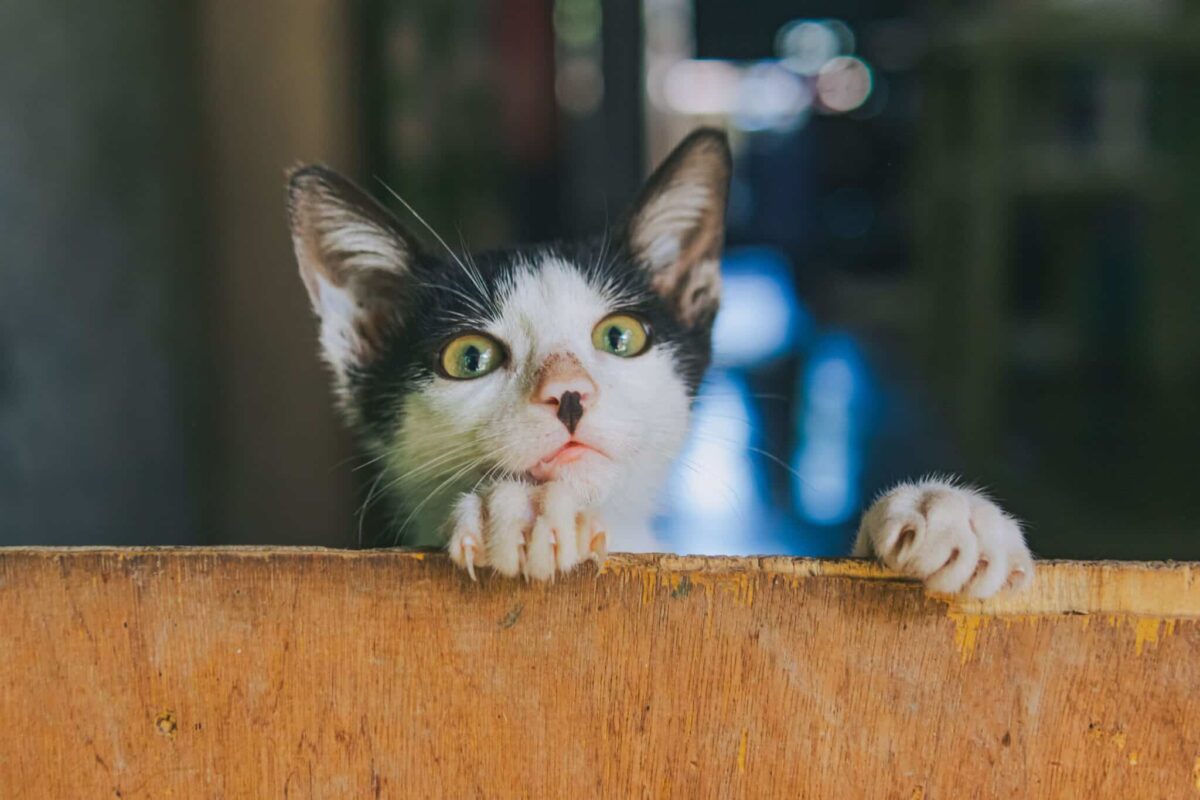
Personality can make a noticeable difference in how strongly a cat responds to unfamiliar objects. Bold, curious cats may rush toward something new, while cautious cats may observe from a distance or wait until the room is quiet. Age, previous experiences, and the home environment can also influence exploration. There is no single correct response. Some cats want to inspect every delivery immediately, while others prefer to let the mystery sit untouched until they decide it is safe.
Why Every New Arrival Gets a Cat Inspection
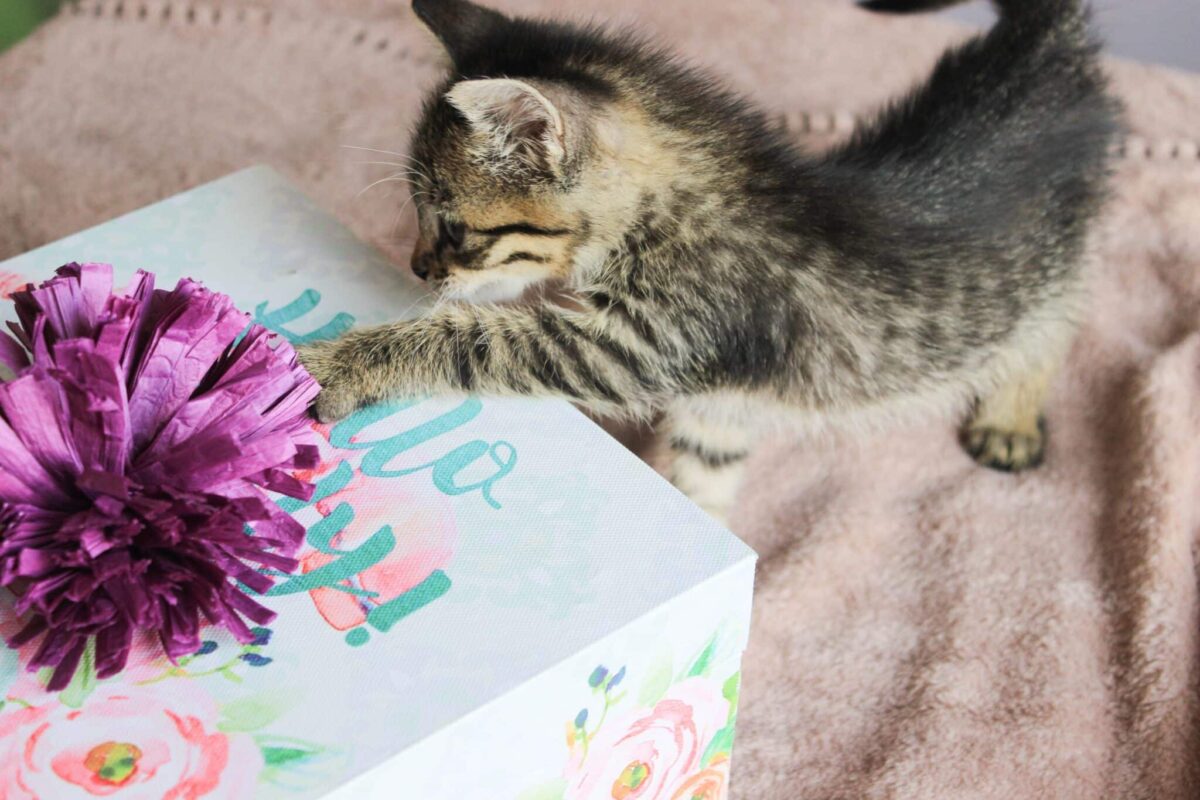
That determined inspection of every package or grocery bag is usually less mysterious than it looks. Cats use their senses and instincts to understand changes in a familiar environment, while new objects provide information worth investigating. Scent, territory, movement, curiosity, routine, and personality can all contribute to the behavior. Safe exploration also gives indoor cats valuable mental stimulation. Keeping strings, plastic, chemicals, toxic plants, and other hazards away from curious paws is important. Once safety is covered, harmless newcomers can offer cats choice, enrichment, and opportunities to explore.
This content was created with AI assistance and edited by the iHeartCats team.