
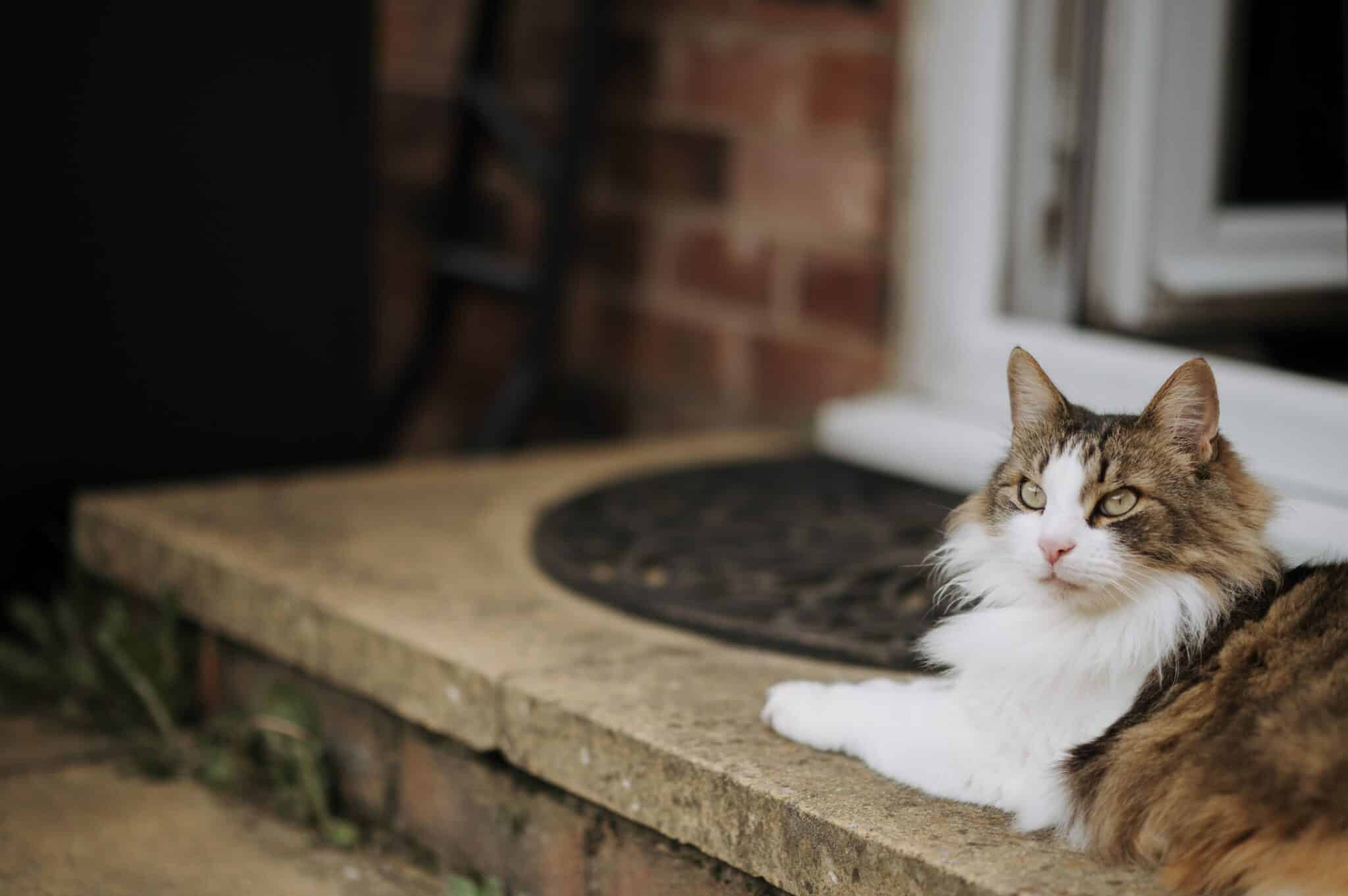
There is something special about coming home and finding a cat waiting by the door. Some appear when the lock turns, while others recognize familiar footsteps before anyone reaches the entrance. A greeting might include an enthusiastic meow, a raised tail, a gentle head bump, or an attempt to slip between someone’s feet. Although these moments feel like a celebration, cats have several reasons for this behavior. Their greetings can reflect social attachment, learned routines, curiosity, communication, and expectations about what happens when their favorite person returns home.
They Recognize Your Familiar Footsteps
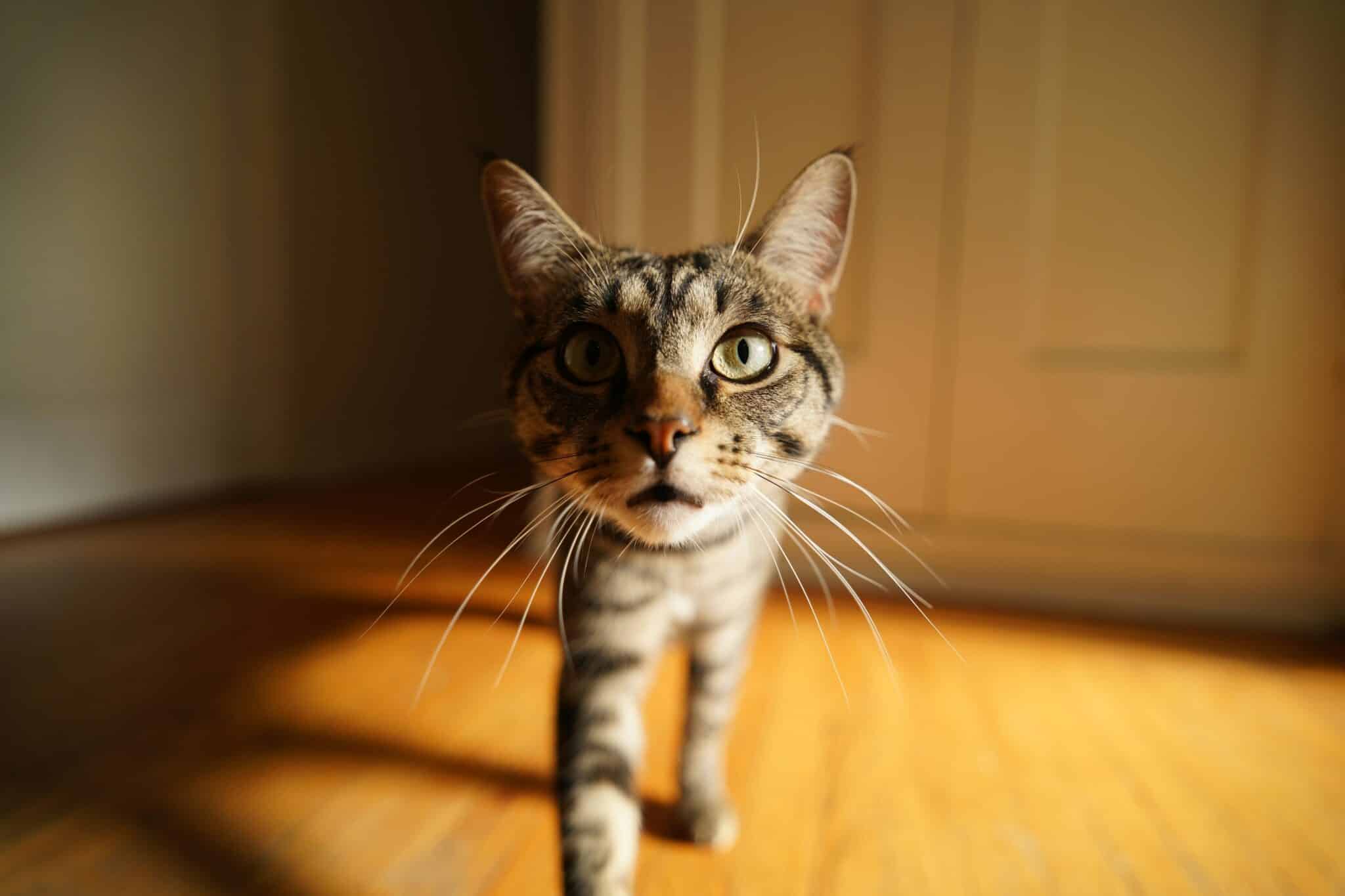
Cats have surprisingly attentive hearing, allowing them to recognize familiar sounds around the home. The rhythm of someone’s footsteps, the jingle of keys, or the familiar sound of a vehicle pulling into the driveway can become recognizable parts of their daily environment. Over time, a cat may learn to associate these sounds with the arrival of a particular person. Their appearance at the door can begin before the lock even turns because they have already recognized the familiar clues. This ability combines sensory awareness with learned associations, showing just how closely cats observe the sounds and patterns surrounding their everyday lives.
They Have Learned Your Daily Routine
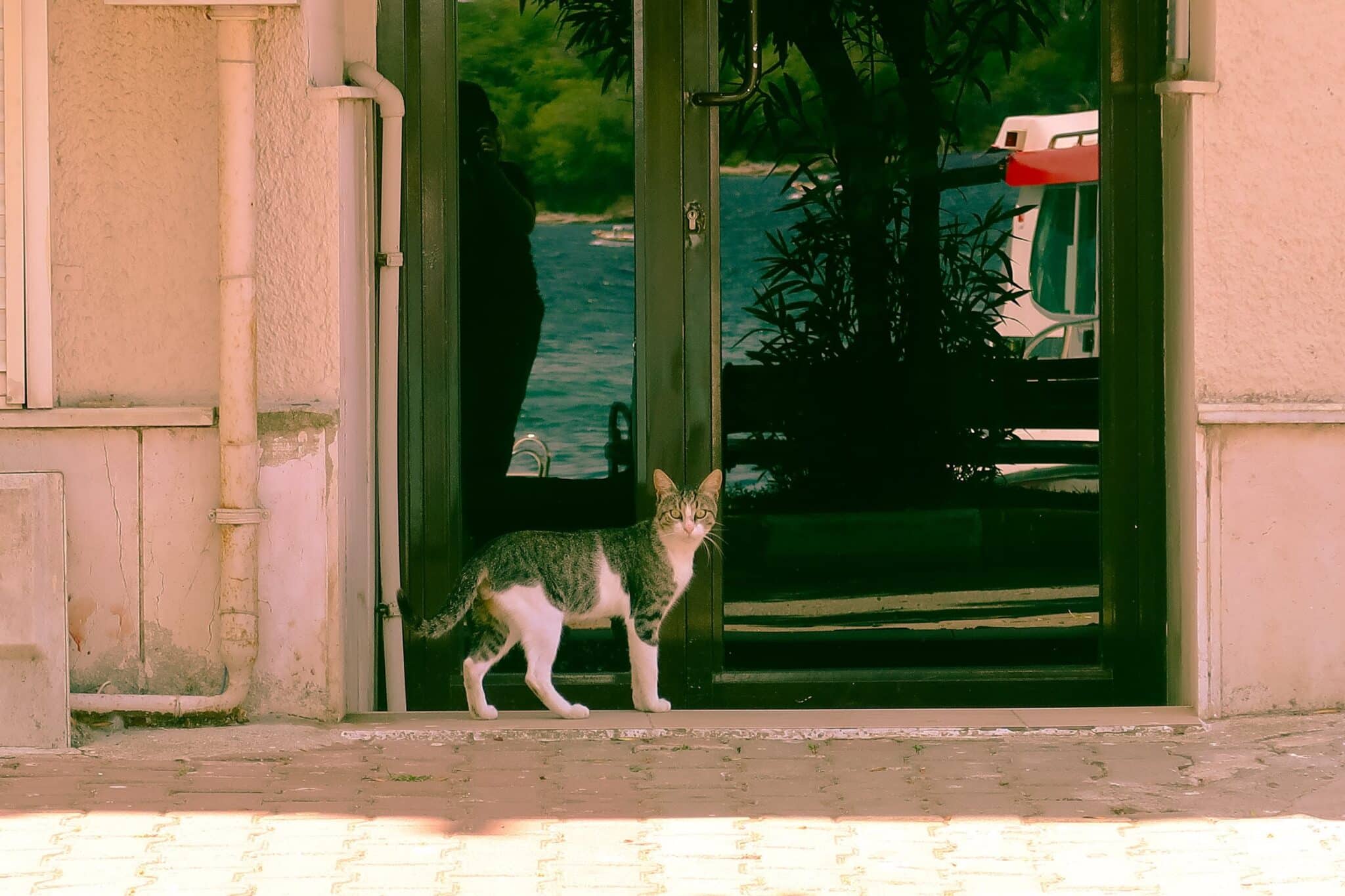
Cats are creatures of habit, and familiar schedules can become an important part of their daily lives. If someone regularly returns home around the same time, a cat may begin anticipating that arrival through repeated experience. They can learn patterns involving morning departures, afternoon quiet periods, and evening activity without understanding time in the human sense. Eventually, waiting near the entrance becomes part of their own routine. Some cats even appear at the door a few minutes before their person arrives. This predictable behavior reflects their ability to recognize environmental patterns and adjust their activities around the people and events that shape their household.
They Enjoy Reconnecting With Their Favorite Person
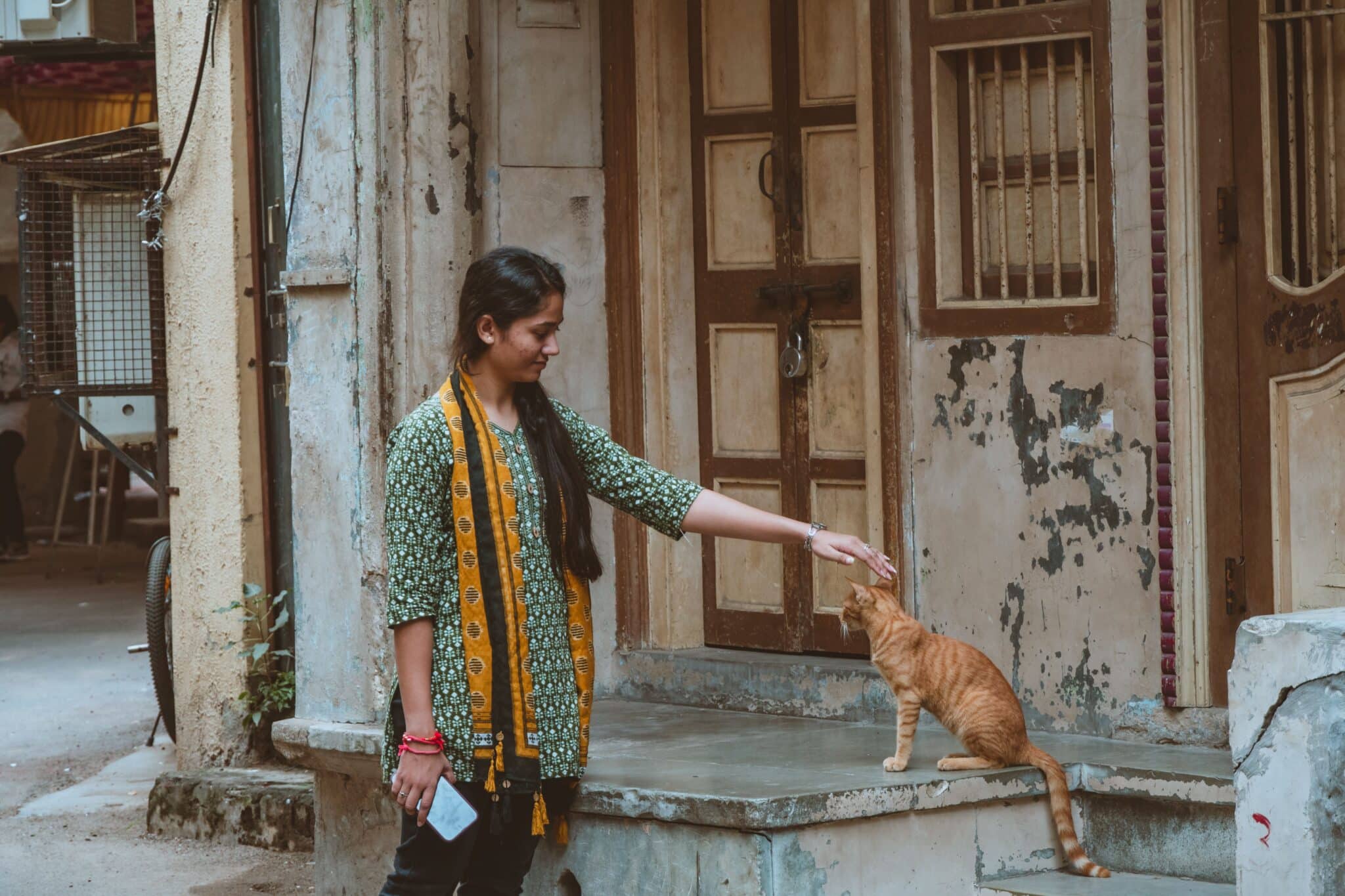
Although cats have independent reputations, many form strong social bonds with the people they live with. Greeting someone at the door can be one way of reconnecting after several hours apart. A cat may rub against their person’s legs, offer a gentle head bump, or stay close while they remove their shoes. These behaviors can communicate familiarity, social comfort, and positive interest in interaction. Research on cat-human relationships also suggests that many cats form attachment bonds with their caregivers. While every greeting does not automatically prove affection, a relaxed cat approaching willingly can certainly be enjoying the reunion.
They Expect Something Interesting to Happen
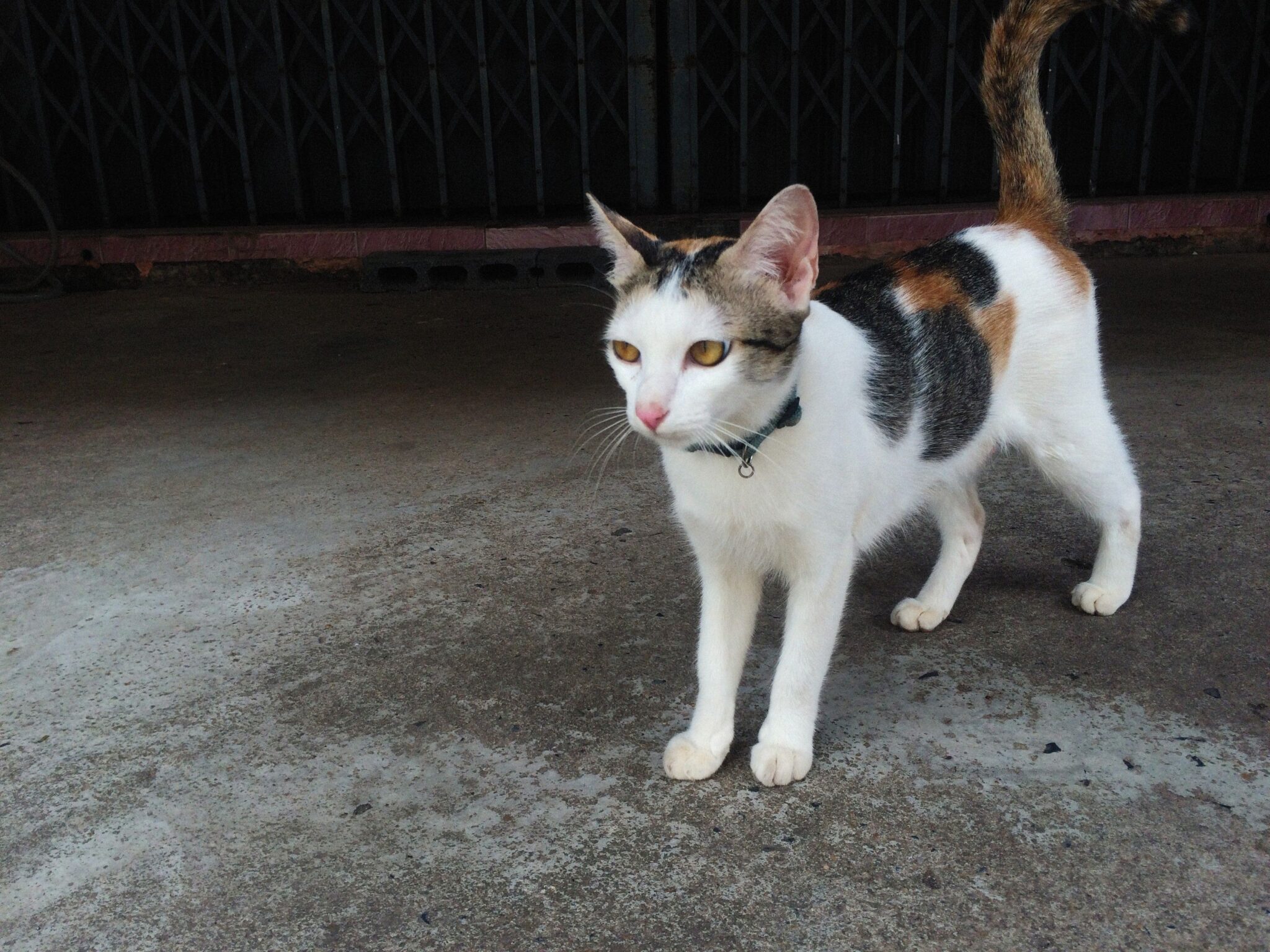
For some cats, the arrival of a familiar person signals that the household is about to become more interesting. Someone returning home may bring conversation, movement, toys, treats, or an opportunity for play. A cat that spends much of the day resting alone may become particularly enthusiastic when familiar activity resumes. They might weave between someone’s legs, follow them from room to room, or bring a favorite toy into the hallway. Their greeting can reflect excitement about the possibilities ahead rather than simply an emotional reunion. In a cat’s world, a returning human can represent a welcome change in an otherwise predictable afternoon.
They Want to Check Where You Have Been
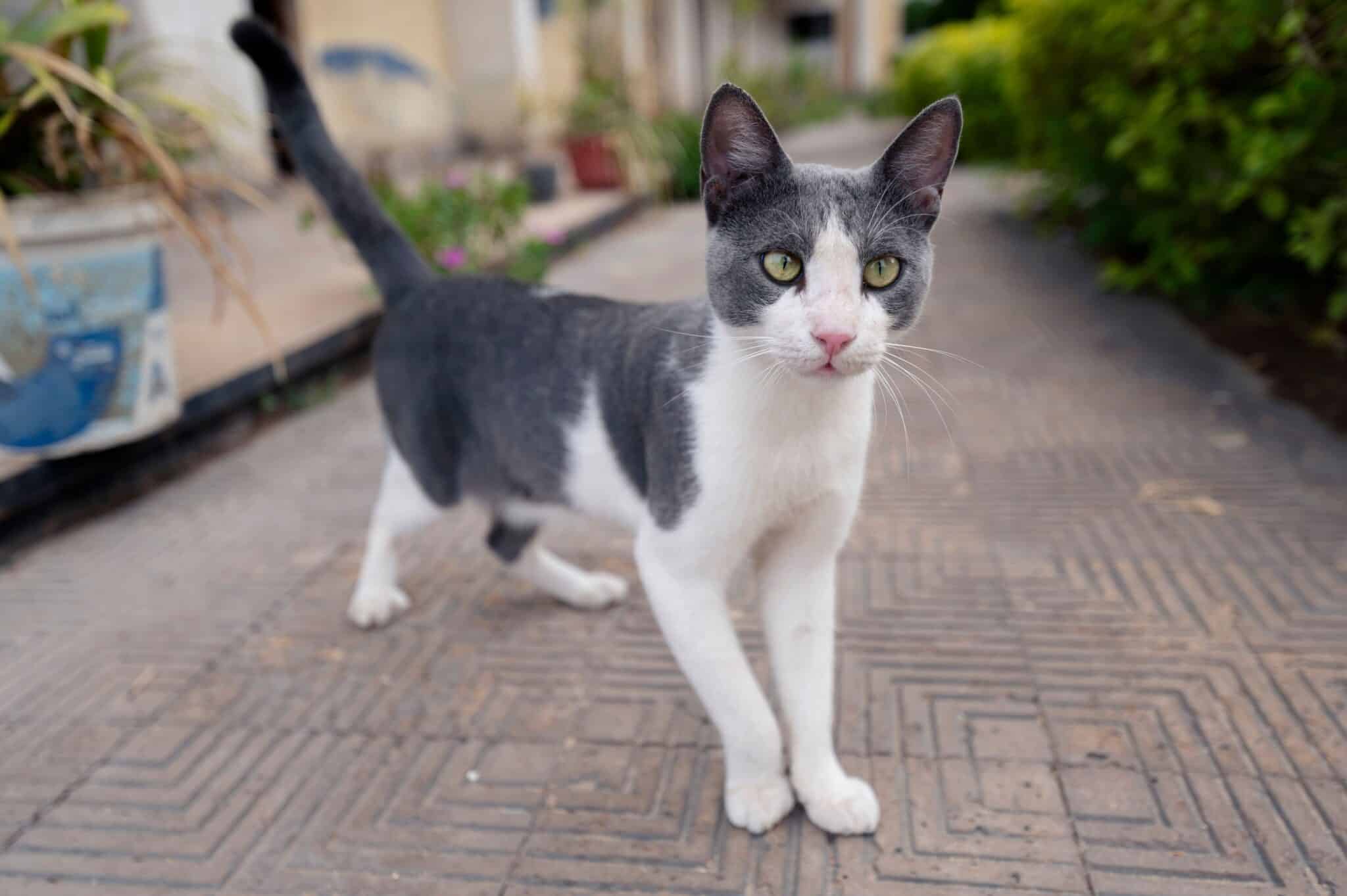
Cats gather information through their powerful sense of smell, and familiar people can return home carrying an assortment of interesting scents. Shoes, clothing, bags, and even exposed skin may contain unfamiliar smells picked up throughout the day. A curious cat might approach immediately to investigate these new additions to their environment. Sniffing someone’s shoes or rubbing against their trousers allows them to explore the changing scent landscape of the household. This behavior is not necessarily jealousy or suspicion. It is a natural expression of feline curiosity and their tendency to use scent as an important source of information about their surroundings.
They Want to Refresh Their Familiar Scent
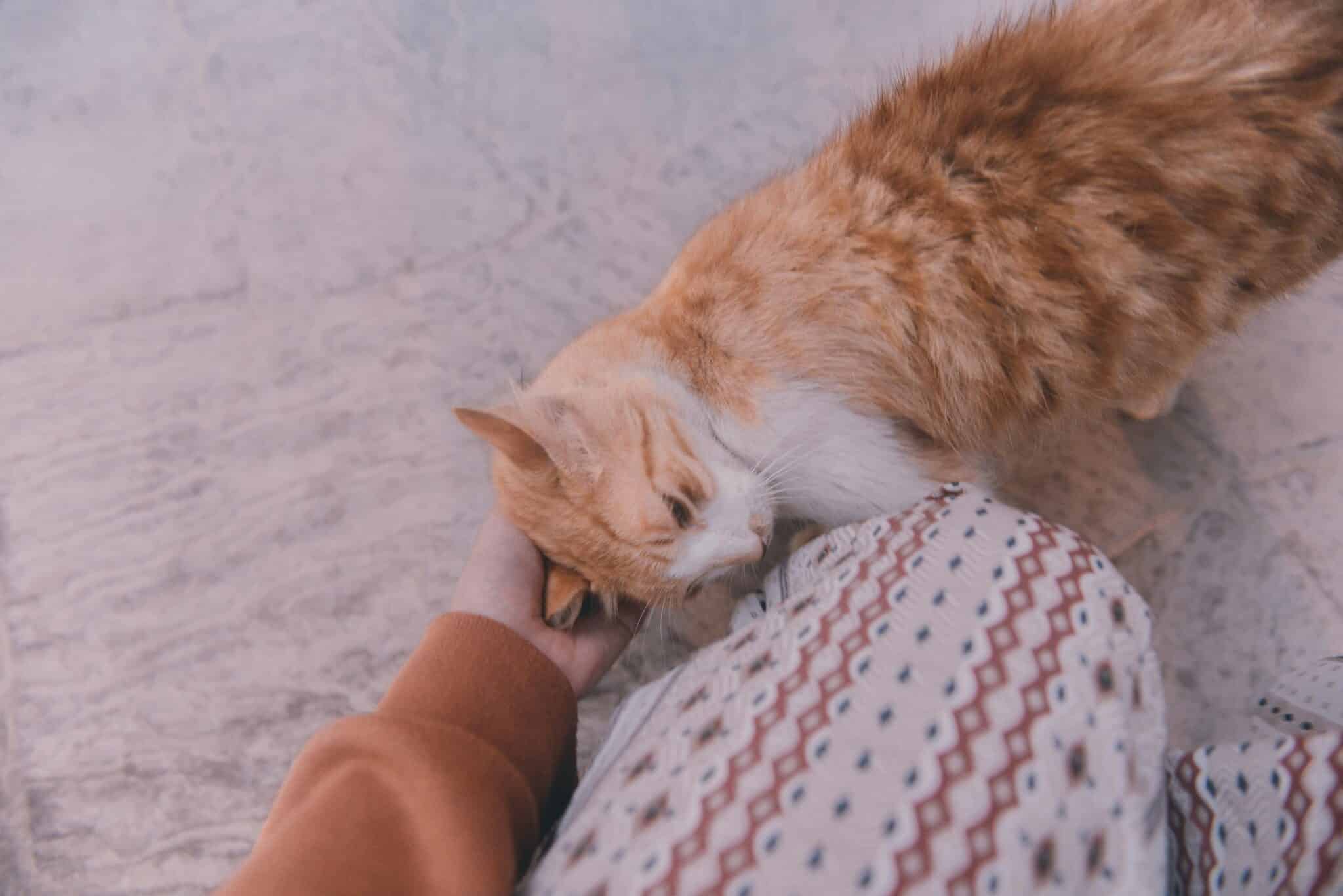
A greeting sometimes includes plenty of cheek rubbing, forehead nudging, and body contact. Cats have scent glands around their cheeks, chin, and other parts of their bodies, which they use during familiar social interactions. When a cat rubs against someone’s legs after they arrive home, they may be depositing their scent while also picking up familiar household smells. This behavior helps reinforce a recognizable scent environment. It can also be a comfortable form of social contact between a cat and a trusted person. Rather than simply marking ownership, these scent exchanges are part of the complicated ways cats interact with familiar individuals.
They Are Looking for Attention
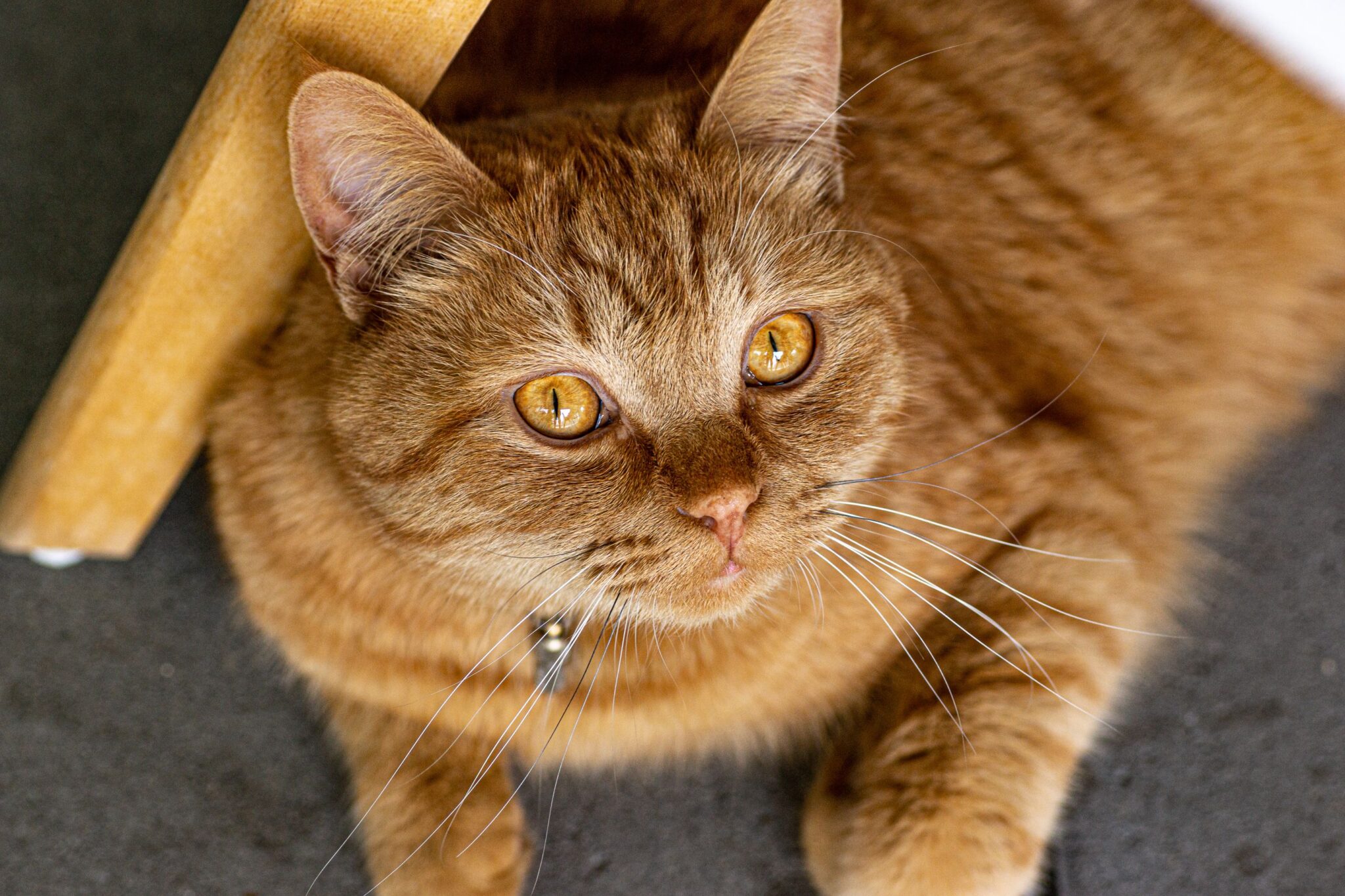
Some cats are particularly expressive when someone comes home. They may greet their person with repeated meows, chirps, trills, or a combination of sounds that makes the entrance feel like a full conversation. Domestic cats use vocal communication extensively with humans, and individual cats can develop distinctive sounds for requesting attention. If greeting someone leads to petting, talking, or playful interaction, they may learn that approaching the door is an effective way to start a social exchange. These greetings can become especially enthusiastic in cats that enjoy frequent companionship. Their vocal performance may simply be their preferred way of announcing that someone interesting has finally returned.
They Feel More Secure When You Are Home
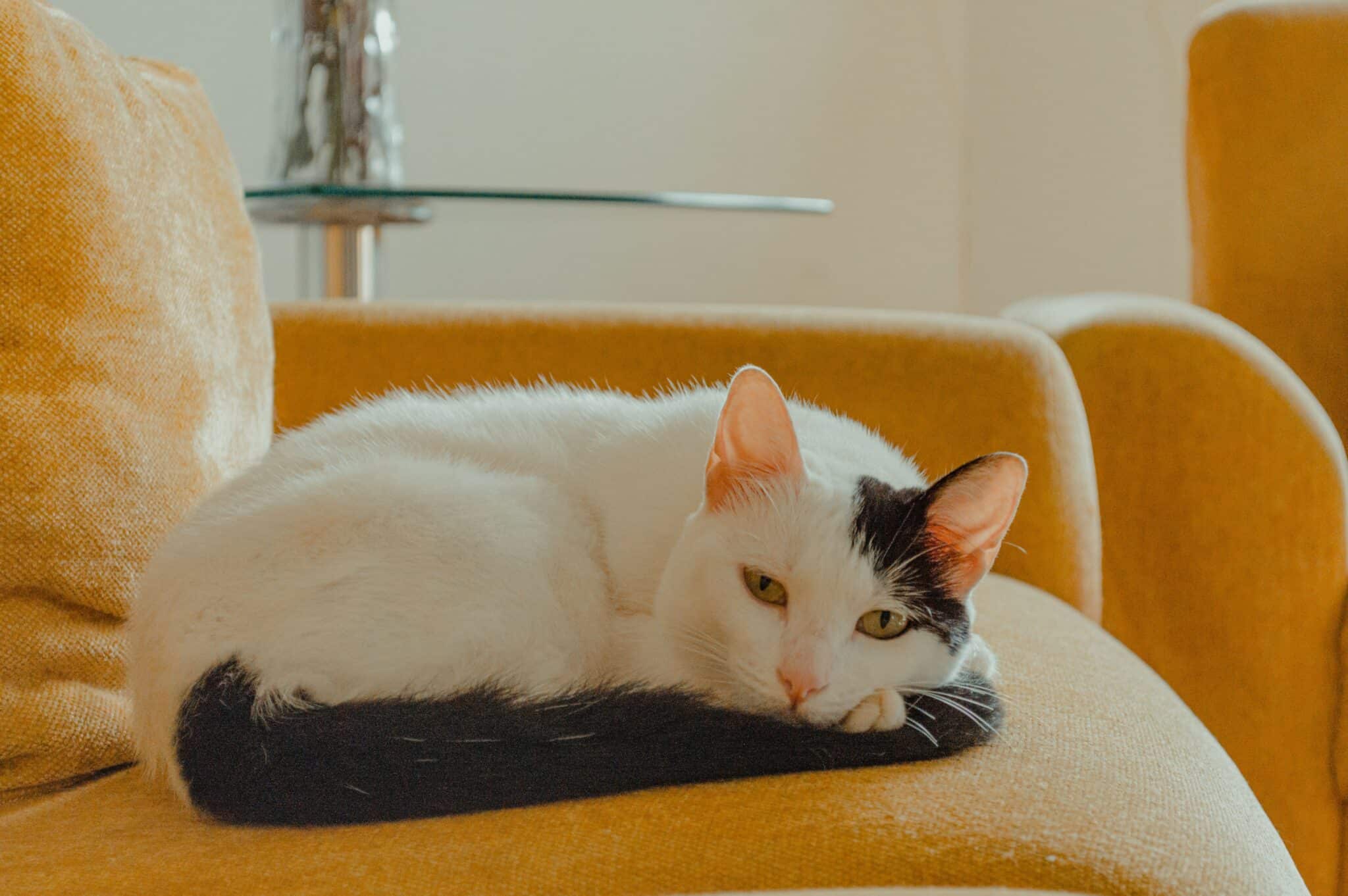
A familiar caregiver can provide cats with a sense of stability in their environment. Some cats become more relaxed when their favorite person returns because that person’s presence is associated with predictable routines, familiar sounds, and a comfortable home atmosphere. They may greet someone at the door and then settle nearby, resume exploring, or return to their usual sleeping spot. This behavior can reflect the security they experience through an established relationship. Cats vary considerably in their social needs, so some may seek immediate physical contact while others simply prefer having their trusted person back within sight. Both responses can be part of a comfortable social bond.
They Are Ready for Their Next Meal
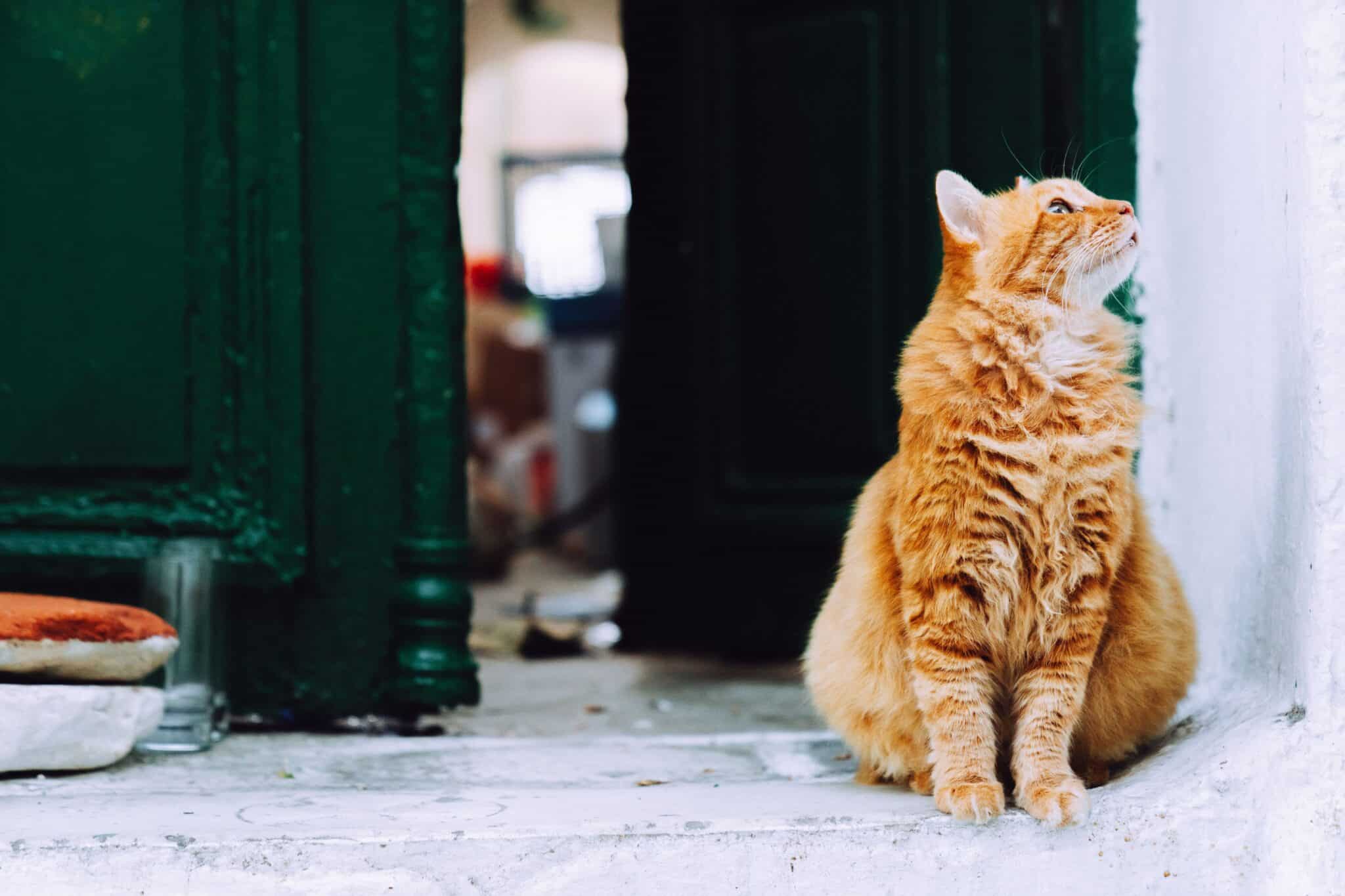
Food can be a powerful motivator, particularly when a cat has learned that someone’s arrival usually happens shortly before dinner. If their person regularly feeds them after coming home, the sound of the front door may trigger an enthusiastic greeting. Some cats head straight toward the kitchen, while others meow repeatedly or lead their human toward the food storage area. This behavior reflects learned associations between familiar events and rewarding outcomes. It does not mean every greeting is motivated by hunger, but food routines can certainly influence a cat’s enthusiasm. For particularly food-focused companions, a returning person may represent the most exciting part of the dinner schedule.
They Want to Play After a Quiet Day
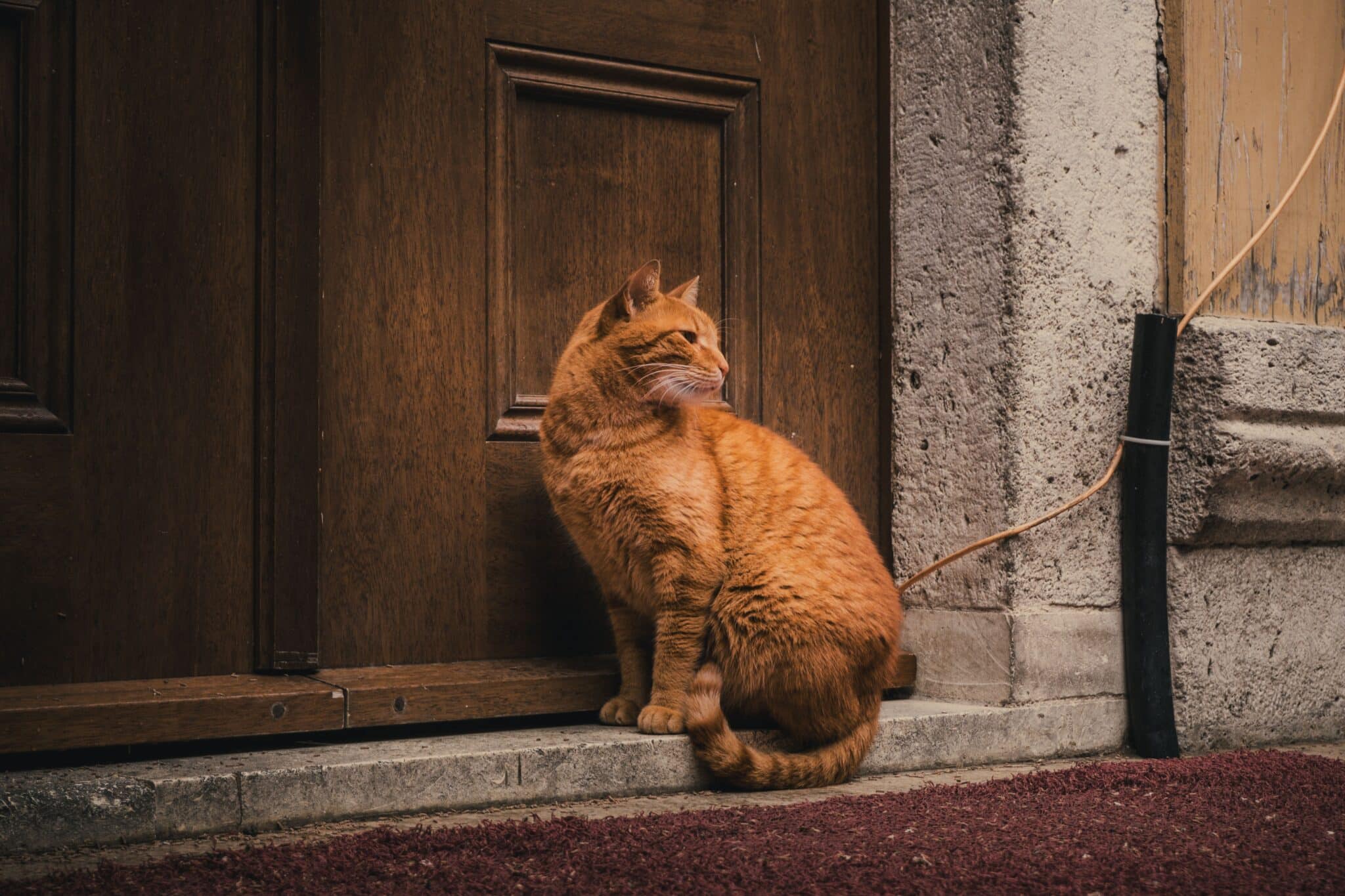
Cats spend considerable portions of their day resting, but many also have strong needs for physical activity and mental stimulation. When someone returns home, the arrival can signal an opportunity for interactive play. A cat may greet their person with a toy, bounce around their feet, or dart down the hallway as if inviting a game. This can be especially noticeable in younger cats and energetic individuals that enjoy chasing, pouncing, and exploring. Their enthusiasm may reflect pent-up playfulness rather than a specific greeting ritual. Regular interactive play sessions can help satisfy these instincts while providing an enjoyable way for cats and their people to reconnect.
They Simply Enjoy Being Part of the Household Activity
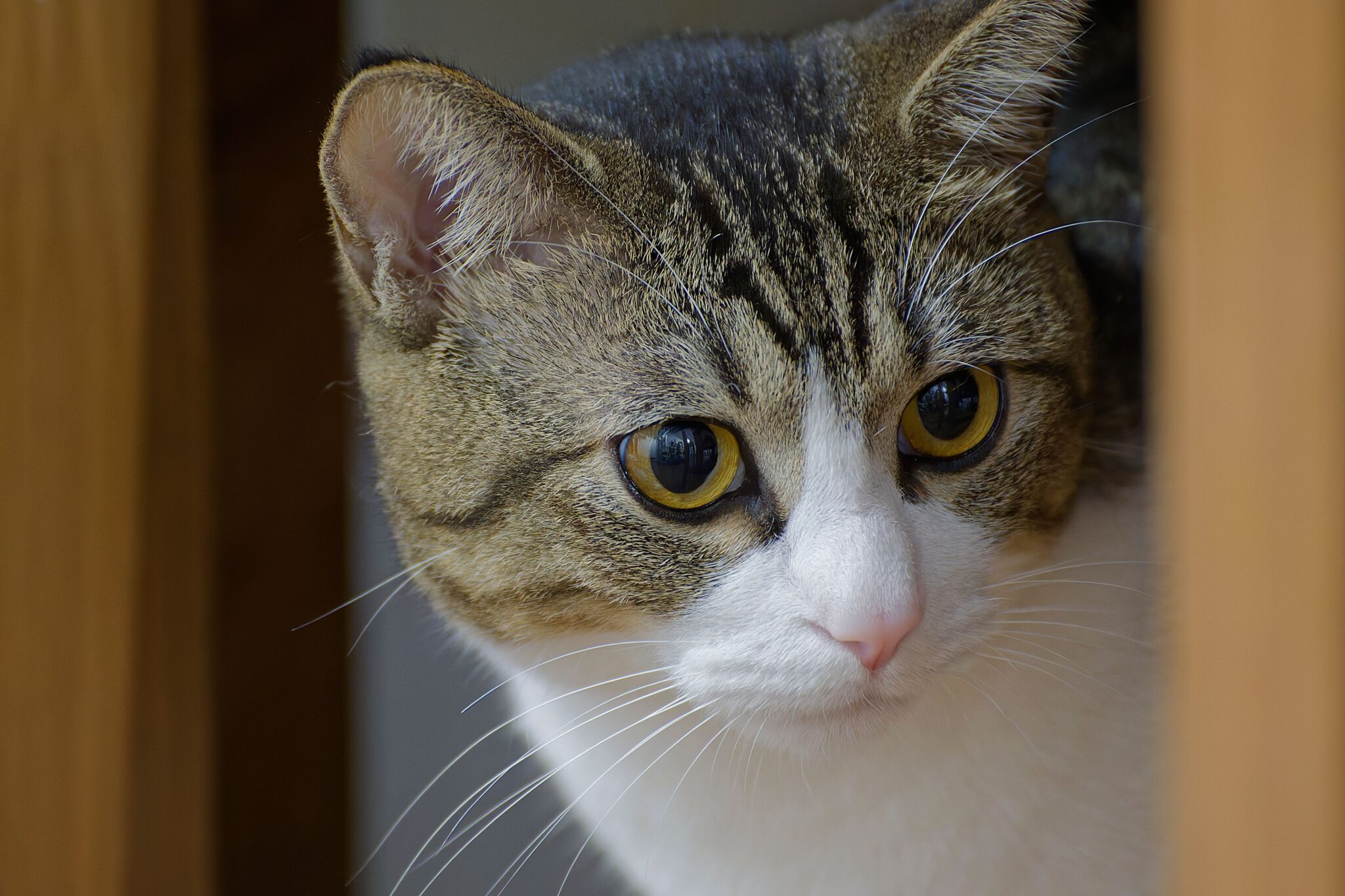
Some cats are naturally interested in everything happening around them. The front door is an especially interesting place because it connects the familiar indoor environment with the outside world. When someone arrives, new sounds, movements, smells, and opportunities for interaction make the entrance an exciting location. A socially curious cat may appear simply because they do not want to miss anything happening in their territory. They might watch someone unpack shopping bags, investigate a delivery, or follow everyone into the living room. Their greeting can reflect an interest in household activity and a preference for staying involved in the everyday happenings of their environment.
The Doorway Is Their Favorite Welcome Spot
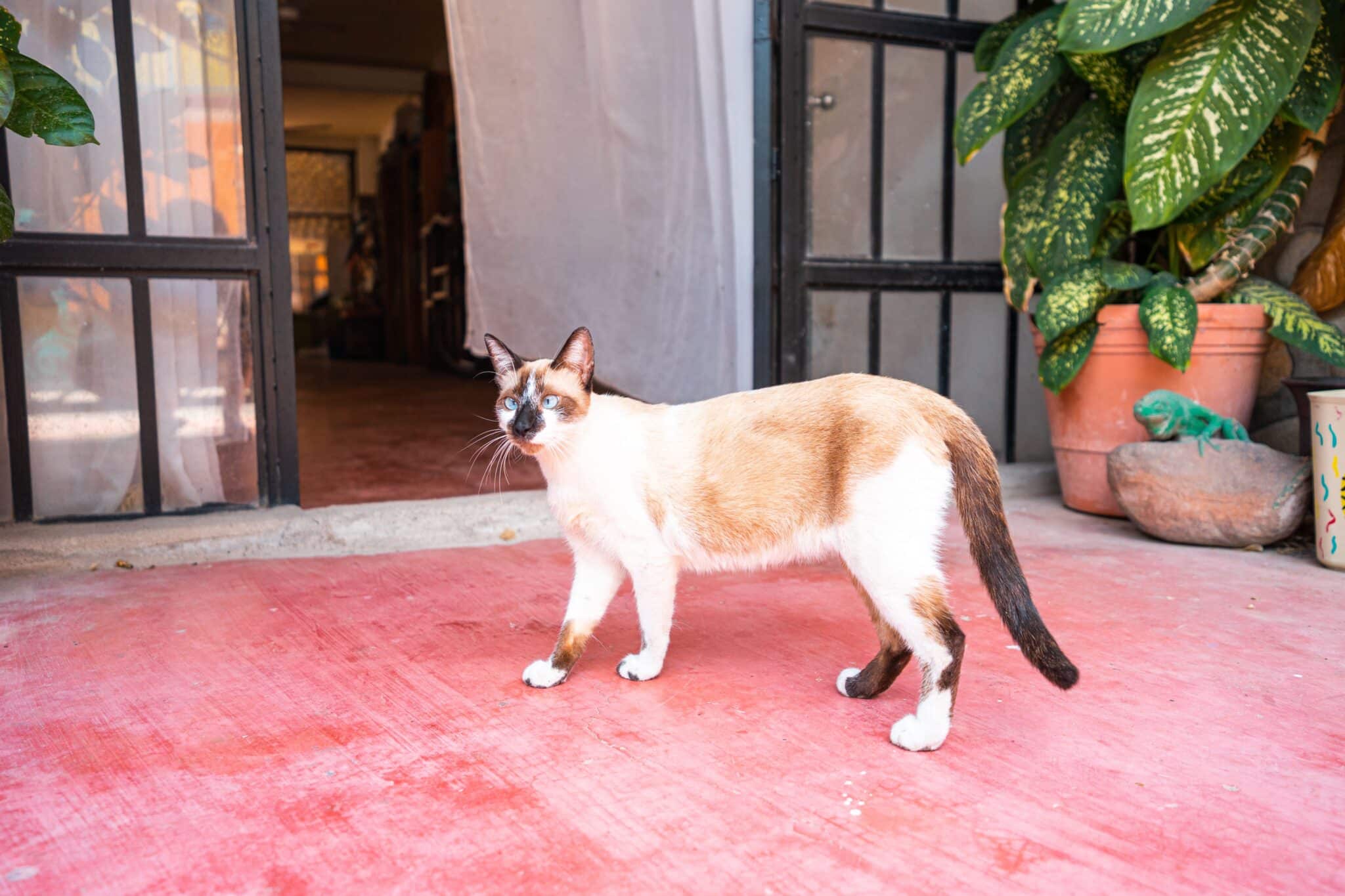
A cat waiting at the entrance may be responding to motivations such as familiar routines, social attachment, food expectations, and curiosity. Some greetings are affectionate, while others are practical, and many are a mix of both. Body language can reveal what a cat enjoys. A relaxed posture, upright tail, gentle rubbing, and comfortable approach suggest a positive interaction, while flattened ears or a tense body may signal discomfort. Whatever motivates the welcome, these rituals offer a glimpse into how cats learn, communicate, and build relationships with the people who share their homes.
This content was created with AI assistance and edited by the iHeartCats team.