
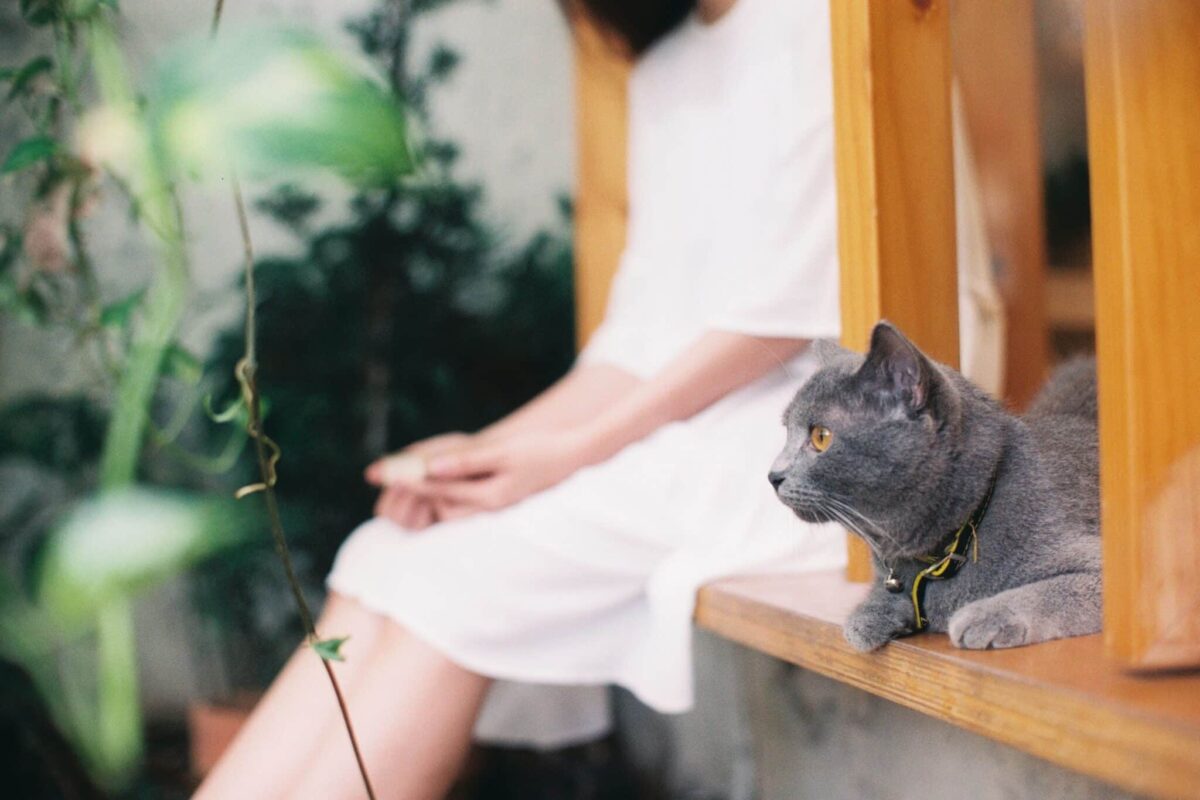
A cat catches your eye from across the room, lets their eyelids drift slowly closed, then opens them again as though nothing important happened. That tiny expression can be easy to miss, yet slow blinking has become one of the most recognizable parts of feline body language. Research suggests slow-blink interactions can be associated with positive communication between cats and humans, but context still matters. A relaxed blink can reflect comfort, trust, social connection, or simply a peaceful mood. Understanding the rest of a cat’s posture, surroundings, and usual personality helps reveal what those sleepy-looking eyes may be communicating.
They Feel Relaxed Around You
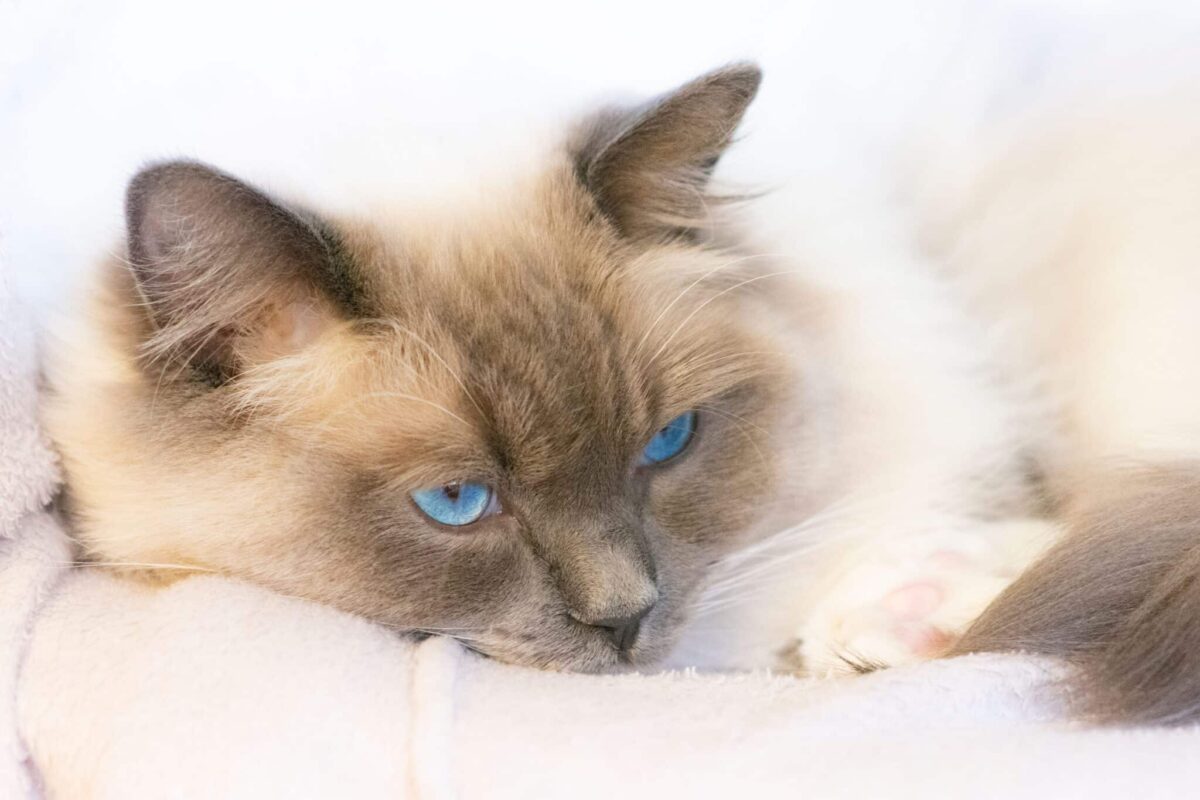
A slow blink commonly appears when a cat is physically relaxed and does not feel an immediate need to remain intensely alert. Their muscles may look loose, their ears may rest in a neutral position, and their eyes may gently narrow rather than stay wide and watchful. This matters because cats naturally use their senses to monitor their surroundings, particularly when something seems unfamiliar or potentially threatening. Allowing the eyes to close temporarily can therefore accompany a comfortable emotional state. When a cat lounges nearby and offers an unhurried blink, the entire posture may be saying more than the eyelids alone. Look at the complete body for clues, since relaxed blinking means something different from squinting accompanied by tension or discomfort.
They Trust You Enough to Lower Their Guard
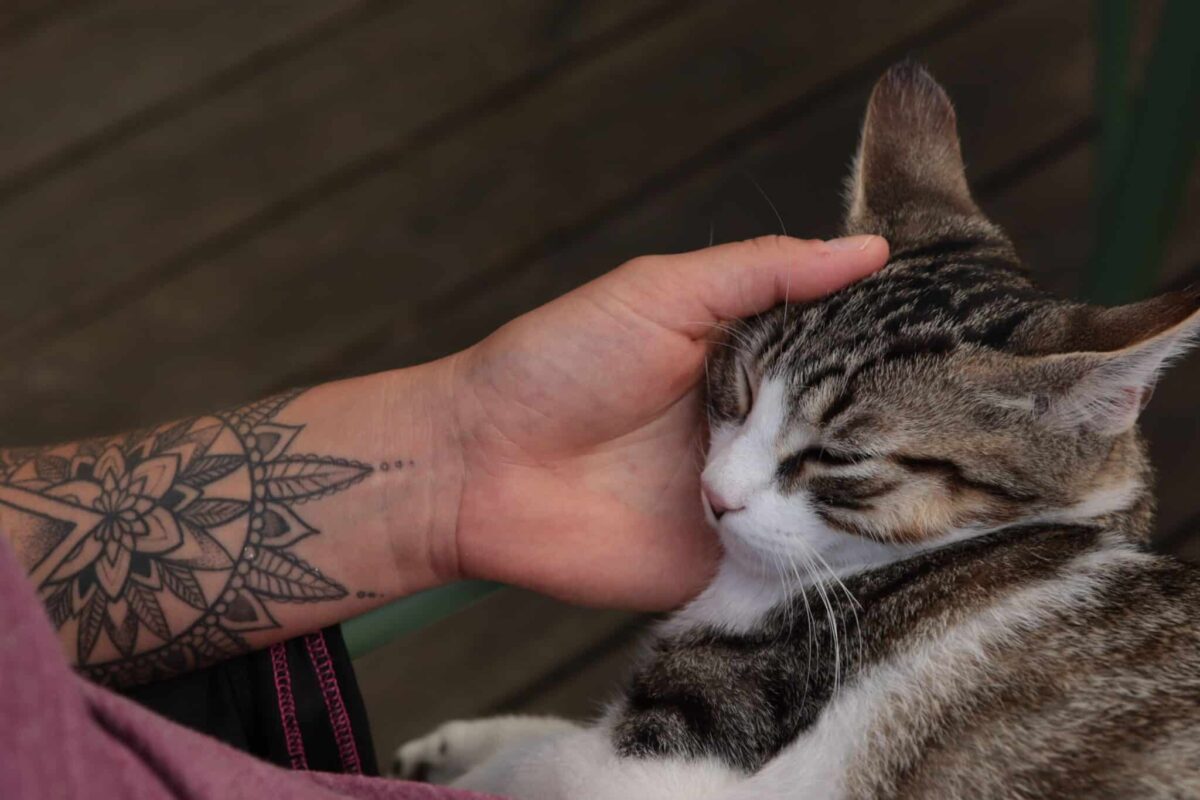
Keeping watch is an important survival instinct, so temporarily closing the eyes around another individual can occur when a cat feels relatively secure. A familiar human who consistently behaves gently, respects boundaries, and provides reliable care may become part of that safe social environment. Slow blinking can fit naturally into interactions where the cat does not feel pressured to monitor every movement. Trust develops through repeated experiences rather than a single magical eye gesture, however. A cat that willingly sleeps nearby, approaches comfortably, maintains relaxed body language, and regularly chooses social contact may provide additional clues that security has developed. The blink is best understood as one piece of a much larger relationship built through predictability and respectful interaction.
They Are Communicating Peaceful Intentions
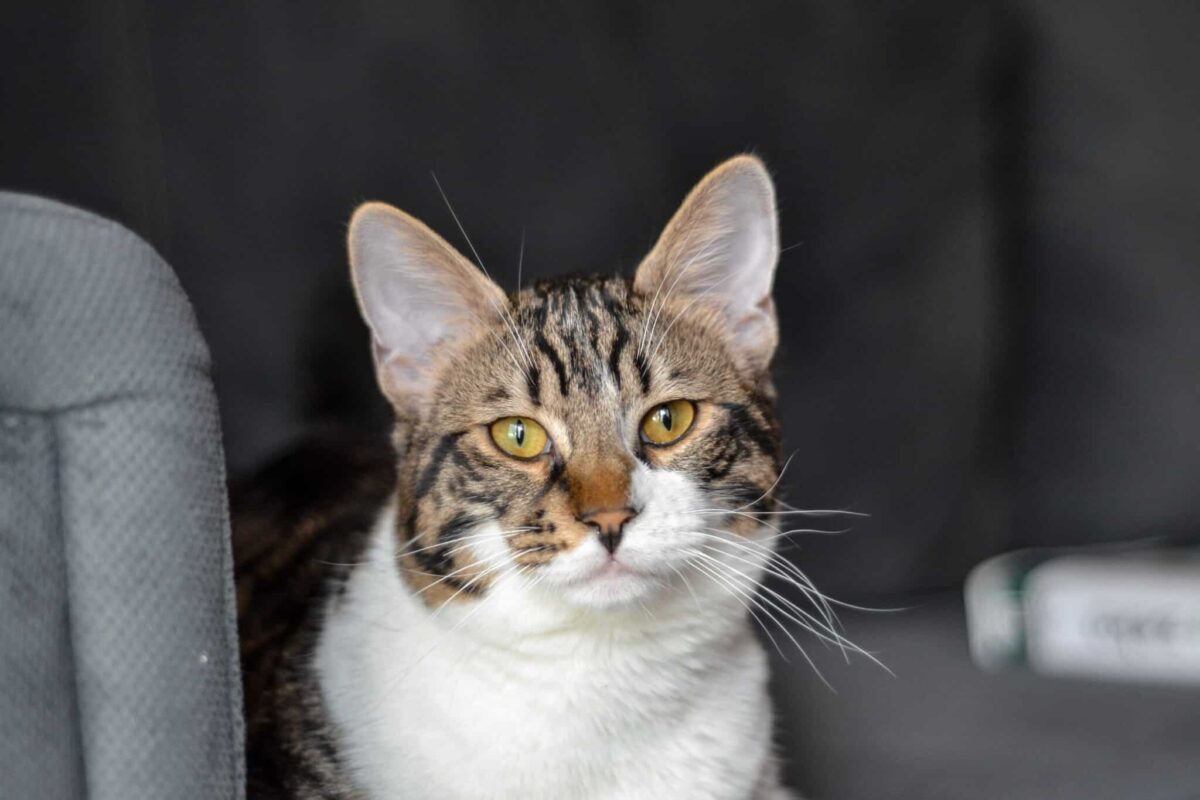
Direct staring can carry social intensity in feline communication, especially when paired with a rigid posture or other signs of tension. Softening the gaze creates a very different interaction. By narrowing or briefly closing their eyes, a relaxed cat may communicate in a way that lacks the confrontational quality of a hard stare. Humans can participate in this softer exchange too. Research examining cat-human slow blinking found that cats responded positively to slow-blink interactions and were more likely to approach an unfamiliar experimenter after such exchanges. That does not make every blink a carefully constructed sentence, but it does suggest that eye narrowing can play a meaningful role in positive communication. Context remains essential when interpreting what any particular cat intends.
They Are Responding to Your Slow Blink
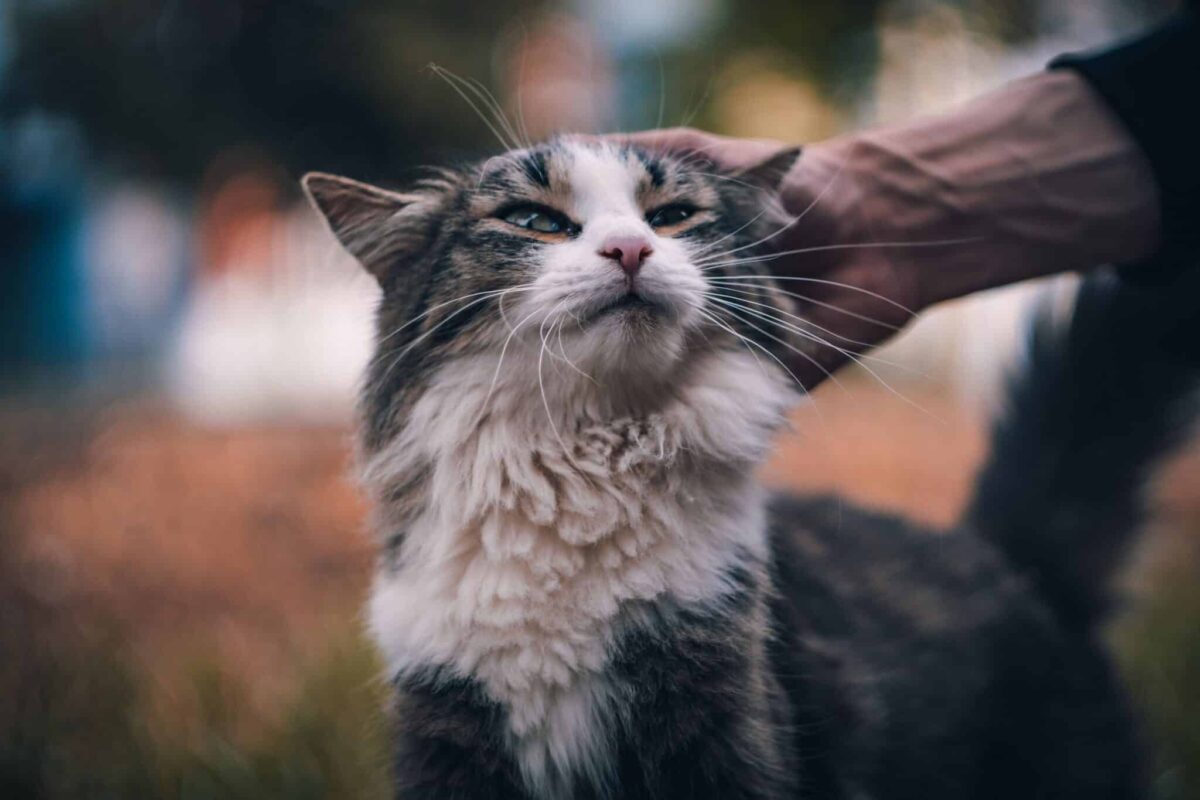
Try softly narrowing the eyes at a relaxed cat, closing them briefly, and opening them again without staring intensely. Some cats appear to answer with their own slow blink, creating a surprisingly quiet back-and-forth exchange. Experimental research has found that cats were more likely to narrow their eyes after humans performed slow-blink sequences, suggesting they can respond to this particular visual interaction. Familiarity, personality, attention, and mood can all influence the response, so silence from the other side should not be interpreted as rejection. A cat may simply be distracted, sleepy, uninterested, or communicating differently. When the exchange does happen naturally, it can become a gentle form of interaction that requires no touching, picking up, or interruption of the cat’s comfortable position.
They Associate You With Positive Experiences
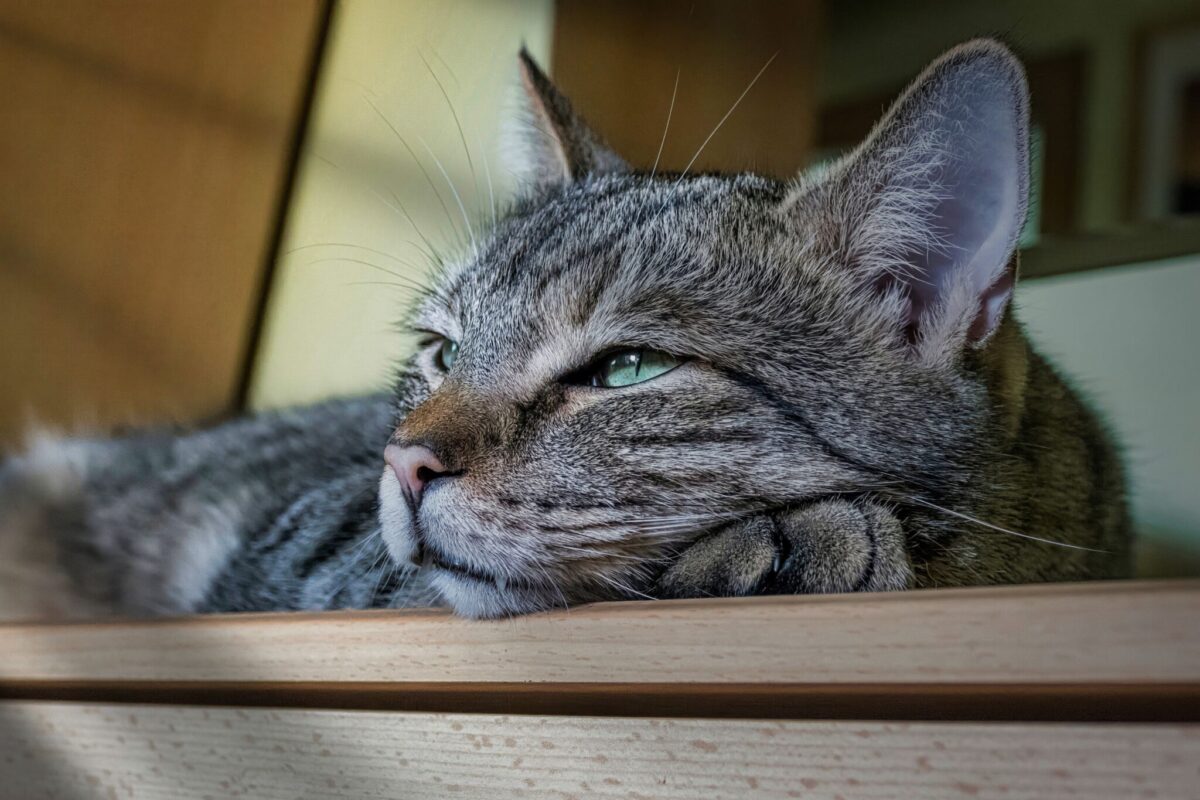
Relationships are shaped by repetition, and cats are excellent at learning associations. A person connected with meals, enjoyable play, comfortable companionship, gentle handling, and predictable routines can become a familiar source of positive experiences. Slow blinking around that person may occur as part of the relaxed emotional state those associations help create. This does not mean a cat consciously closes their eyes to deliver a thank-you note after dinner. Instead, their behavior can reflect how safe and comfortable they generally feel in that person’s presence. Cats also form different relationships with different household members, so one may slow blink frequently at a particular person while interacting differently with someone else. Those individual patterns can reveal how experience shapes feline social behavior over time.
They Want a Gentle Social Interaction
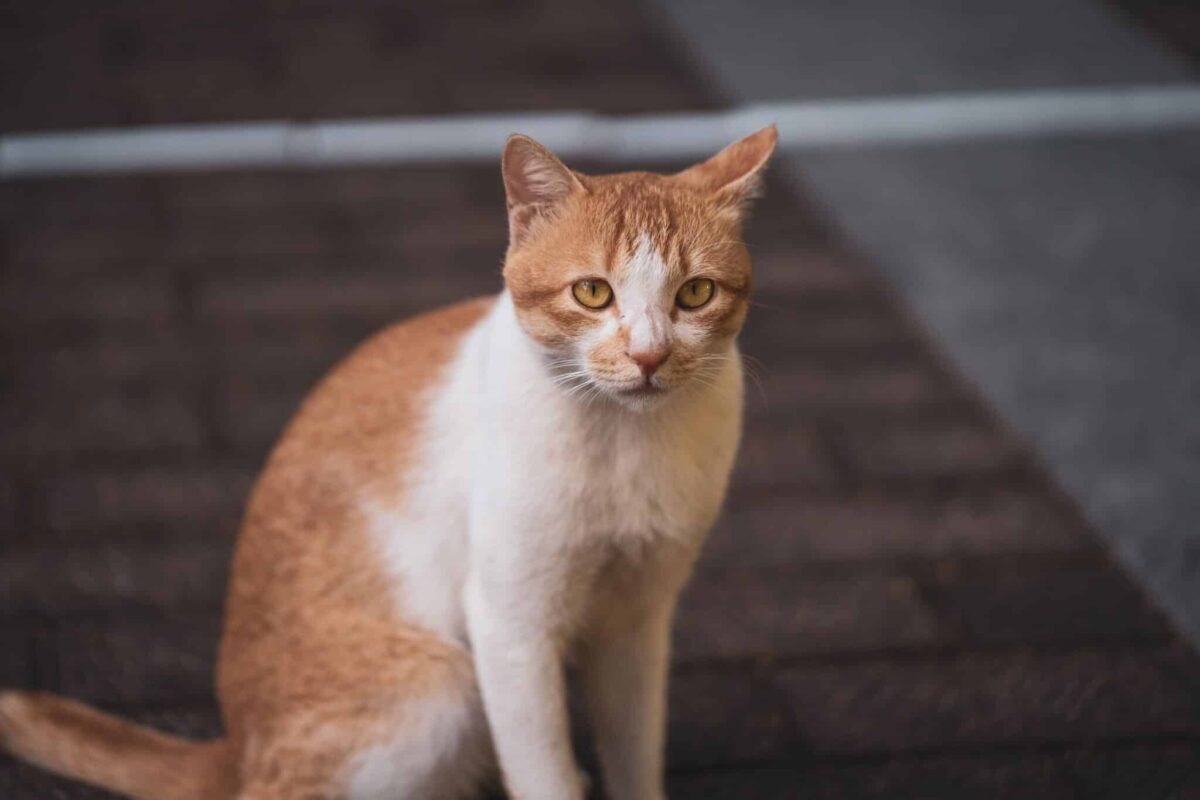
Not every social invitation begins with a meow, head bump, or dramatic leap into someone’s lap. For a cat that prefers subtle communication, soft eye contact and slow blinking may occur during calm social engagement. They might settle nearby, orient their body toward a familiar person, blink slowly, and remain available for interaction without immediately demanding physical contact. The appropriate response depends on that cat’s preferences. A returned slow blink, quiet conversation, or gently offered hand may be welcomed, while suddenly grabbing them could change the mood completely. Watching what happens afterward provides useful information. Approaching, rubbing against a hand, or remaining relaxed suggests continued interaction may be welcome, while turning away or leaving indicates that peaceful companionship was probably enough.
They Feel Safe in Their Surroundings
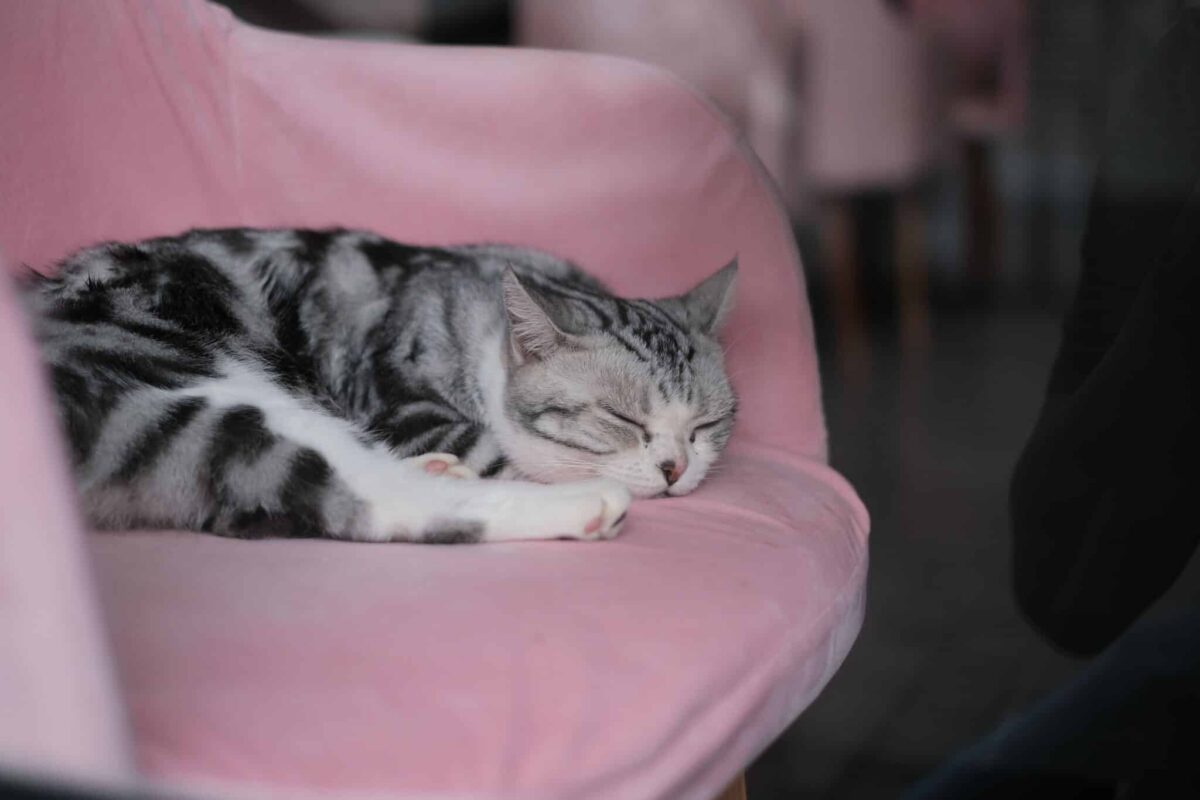
Sometimes the slow blink says as much about the room as it does about the person receiving it. Cats continuously gather information about their territory, and familiar surroundings can reduce the need for constant vigilance. A quiet resting area, predictable household activity, accessible resources, and reliable escape routes may all contribute to a sense of environmental security. When a cat feels settled in their territory, relaxed behaviors such as stretching out, grooming, sleeping deeply, and softly narrowing the eyes may become easier to display. A slow blink directed toward a human can occur within this broader state of comfort. Sudden household changes, unfamiliar visitors, loud noises, or conflict with another pet may temporarily alter those behaviors even when the cat’s relationship with their human remains strong.
They Are Settling Into a Sleepy Mood
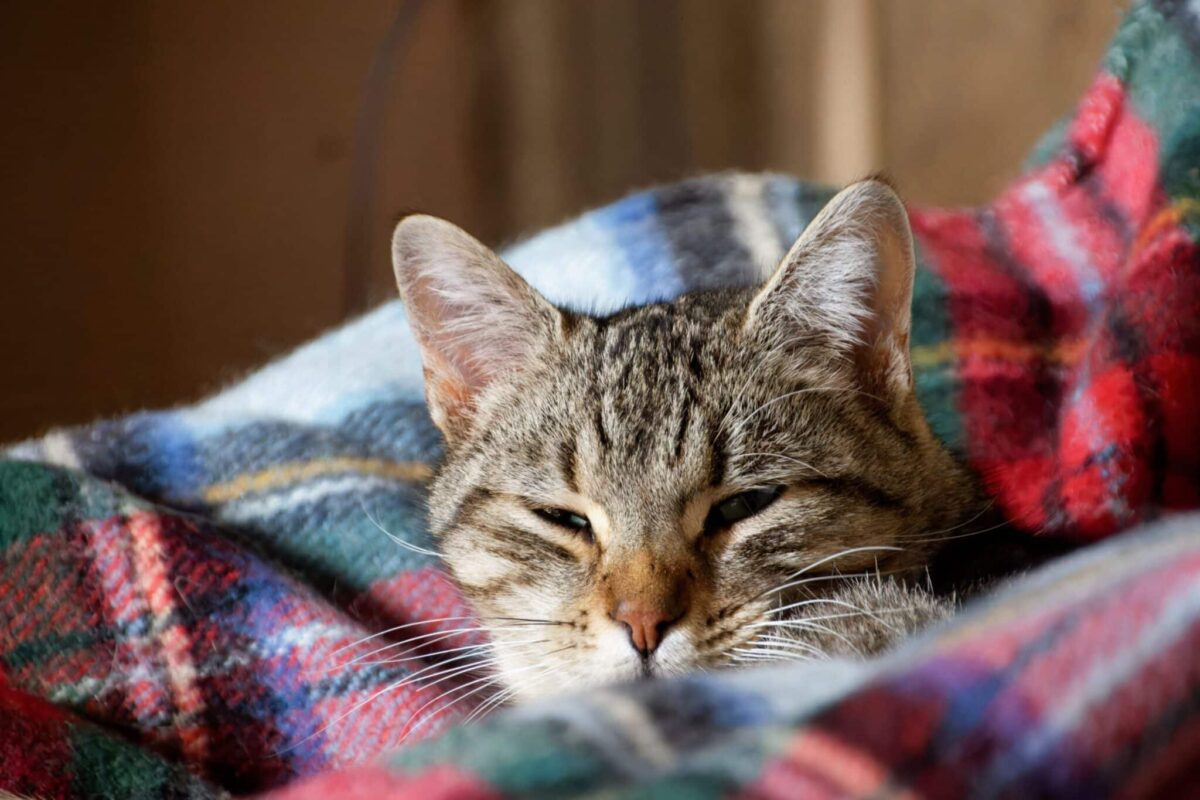
Occasionally, those dreamy eyes really do mean the obvious: someone is getting sleepy. Cats spend a substantial portion of their day resting, and their eyelids naturally become heavier as they transition toward a nap. A slow closure of the eyes while curled comfortably in a favorite resting place may therefore reflect drowsiness more than deliberate social communication. The surrounding behavior usually provides the clue. Kneading, settling into a tucked or curled position, relaxed muscles, and progressively longer periods with the eyes closed suggest sleep is winning the argument. A cat can still feel secure around the human nearby, but it is unnecessary to interpret every leisurely blink as a special message. Sometimes, a peaceful cat is simply preparing for another demanding appointment with their pillow.
They Have Learned the Interaction Gets a Positive Response
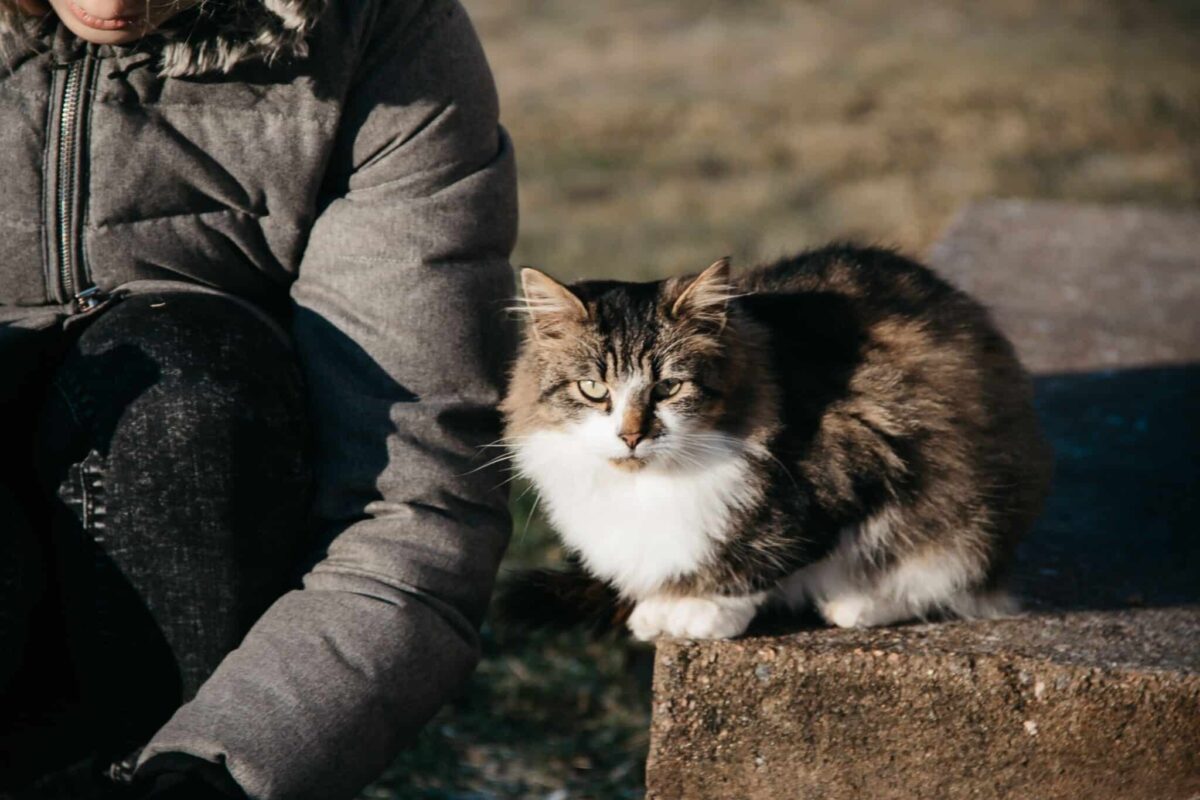
Cats are skilled observers of cause and effect, particularly when humans are involved. If a slow blink regularly earns soft conversation, gentle attention, or another pleasant response, a cat may learn that the interaction has predictable social consequences. Domestic cats adapt many behaviors through experience with individual people, including vocal signals and routines that reliably produce particular outcomes. Eye-based exchanges may also become part of those familiar patterns. This does not make the behavior insincere. Learned communication is still communication, and much of the relationship between cats and humans depends on both species figuring out which signals the other understands. A household can gradually develop its own tiny vocabulary of looks, sounds, gestures, and routines that make daily interactions remarkably efficient.
They Prefer Affection Without Being Touched
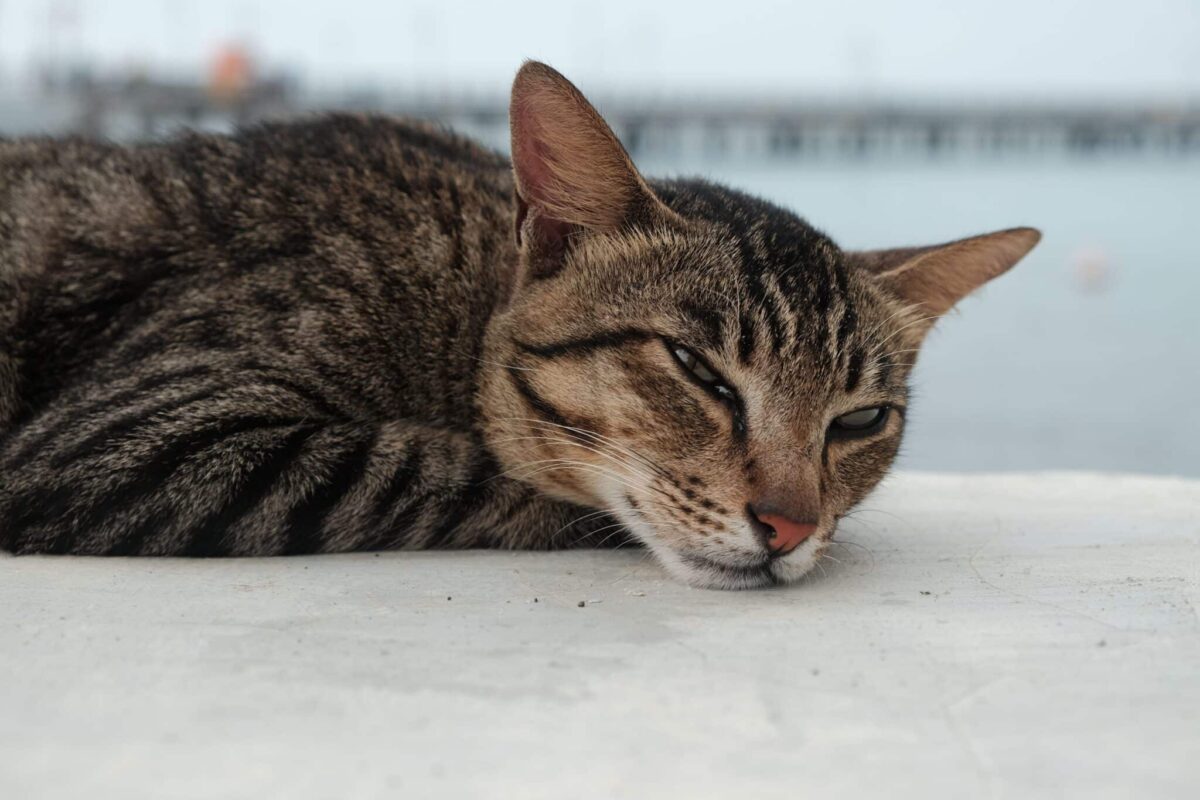
Some cats adore being held, while others would strongly prefer that everyone admire them without disturbing their fur. Slow blinking can suit cats that enjoy social connection but are selective about physical contact. A reserved cat may remain several feet away, watch a trusted person with soft eyes, and appear perfectly content sharing the same space. Recognizing that preference prevents affection from becoming a one-size-fits-all expectation. Personality, early socialization, previous experiences, and current mood can all influence how much a cat enjoys touching. Returning a slow blink can provide interaction without entering their personal space, making it particularly useful with cautious cats. Respecting this quieter communication style can help maintain trust and may eventually encourage more voluntary approaches on the cat’s terms.
They Are Showing Comfort Within Your Bond
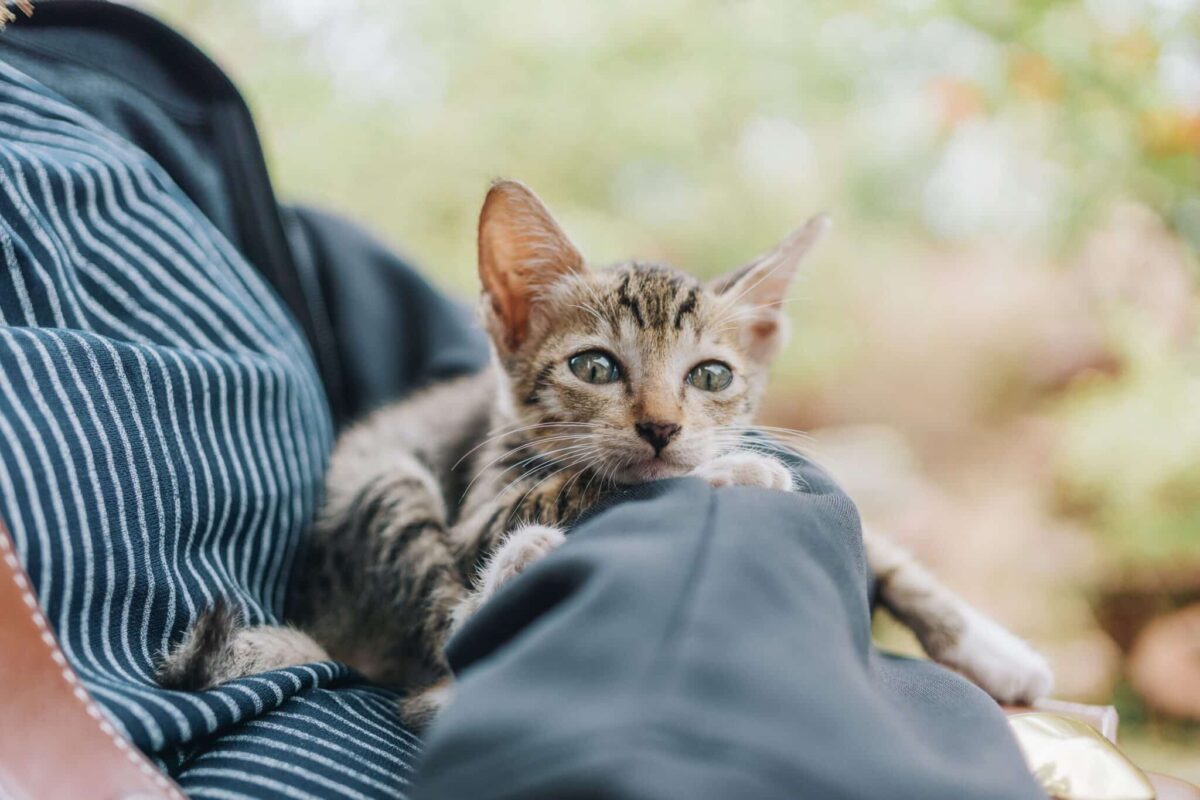
When slow blinking appears alongside voluntary closeness, relaxed posture, friendly approaches, and comfortable everyday interactions, it can be part of the positive social bond a cat shares with their human. Research supports the idea that slow eye narrowing plays a role in positive cat-human communication, although scientists cannot translate a blink into a single precise emotion such as love. That distinction matters because feline relationships are expressed through combinations of behavior rather than one universal signal. A cat that regularly chooses someone’s company and appears relaxed around them is providing a broader picture of social comfort. The slow blink can be one particularly charming detail within that picture, quietly reflecting an interaction in which the cat feels comfortable enough to soften their gaze.
The Blink That Says Plenty
A slow blink may last only a moment, but it can reveal something meaningful about a cat’s emotional state and social environment. Soft eyes make the most sense when considered alongside posture, location, routine, personality, and everything else happening at the time. Sometimes the blink accompanies trust and positive interaction, while another sleepy-eyed moment simply announces that a nap is seconds away. Learning those differences is part of becoming fluent in a particular cat’s communication style. When humans respond gently and respect the signals surrounding that tiny eye movement, the result can be a quiet exchange that feels surprisingly meaningful without requiring a single meow.
This content was created with AI assistance and edited by the iHeartCats team.