
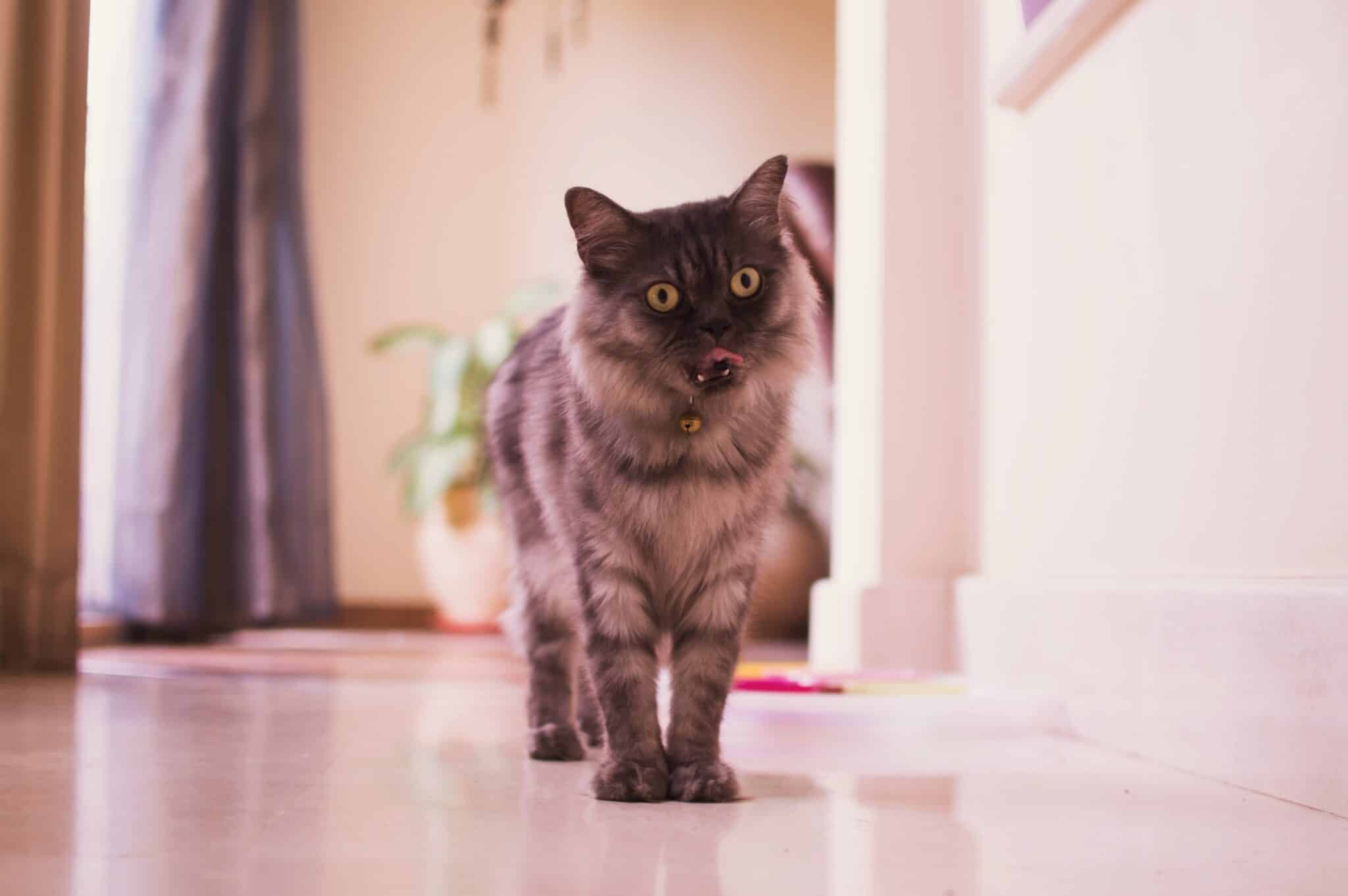
Does your cat follow you from room to room, wait outside the bathroom, or appear beside you when you finally relax? You might head to the kitchen for water, only to find a furry shadow trotting behind you. Even a quick hallway trip can become a little parade with your cat close behind. While this constant companionship may feel affectionate, cats have several reasons for keeping their favorite humans nearby. Curiosity, familiar routines, social bonds, and the promise of food or attention can all explain this common feline habit.
They Feel Attached to Their Favorite Person

Some cats form strong social bonds with the people who care for them, and following their favorite person can be one way of maintaining that connection. Your cat might trail behind you while you make breakfast, settle near your desk during work, or follow you into the bedroom when it is time to unwind. Being close allows them to participate in familiar household activities while staying near someone they trust. However, following does not automatically prove that a cat feels affection, since individual personalities vary and some cats prefer companionship from a comfortable distance. Look at the bigger picture, including relaxed body language, gentle head bumps, slow blinks, and choosing to rest near you. When these behaviors accompany following, they can suggest that your cat enjoys your company and feels comfortable around you.
They Expect Something Delicious

A cat that suddenly appears whenever someone walks toward the kitchen may have a very practical motivation: food. Cats are excellent at learning patterns, especially when those patterns lead to a rewarding meal or tasty treat. If opening a cupboard, reaching for a container, or walking toward the refrigerator has preceded feeding time, your cat may quickly connect those movements with something delicious. Over time, even ordinary trips into the kitchen can attract a hopeful little escort. Your cat might weave around your ankles, watch your hands closely, or head straight for the food bowl before you arrive. Predictable feeding schedules can strengthen this habit because cats learn when meals are likely to happen. Keeping feeding times consistent and avoiding treats every time your cat follows can help prevent persistent begging while still meeting their nutritional needs.
They Are Curious About Everything You Do

Curiosity is a powerful motivator for cats, which are naturally inclined to investigate changes in their surroundings. When you leave one room and enter another, you introduce new sounds, movements, smells, and opportunities to explore. Your cat may simply want to find out what is happening behind the next door or why you suddenly disappeared from view. This curiosity can turn everyday activities into fascinating events. Folding laundry might attract a cat interested in moving fabric, while unpacking groceries can provide an entire collection of unfamiliar scents to investigate. Even sitting down to read may prompt a visit if your cat wants to inspect the book or investigate your changing posture.
They Have Learned That Following Gets Attention
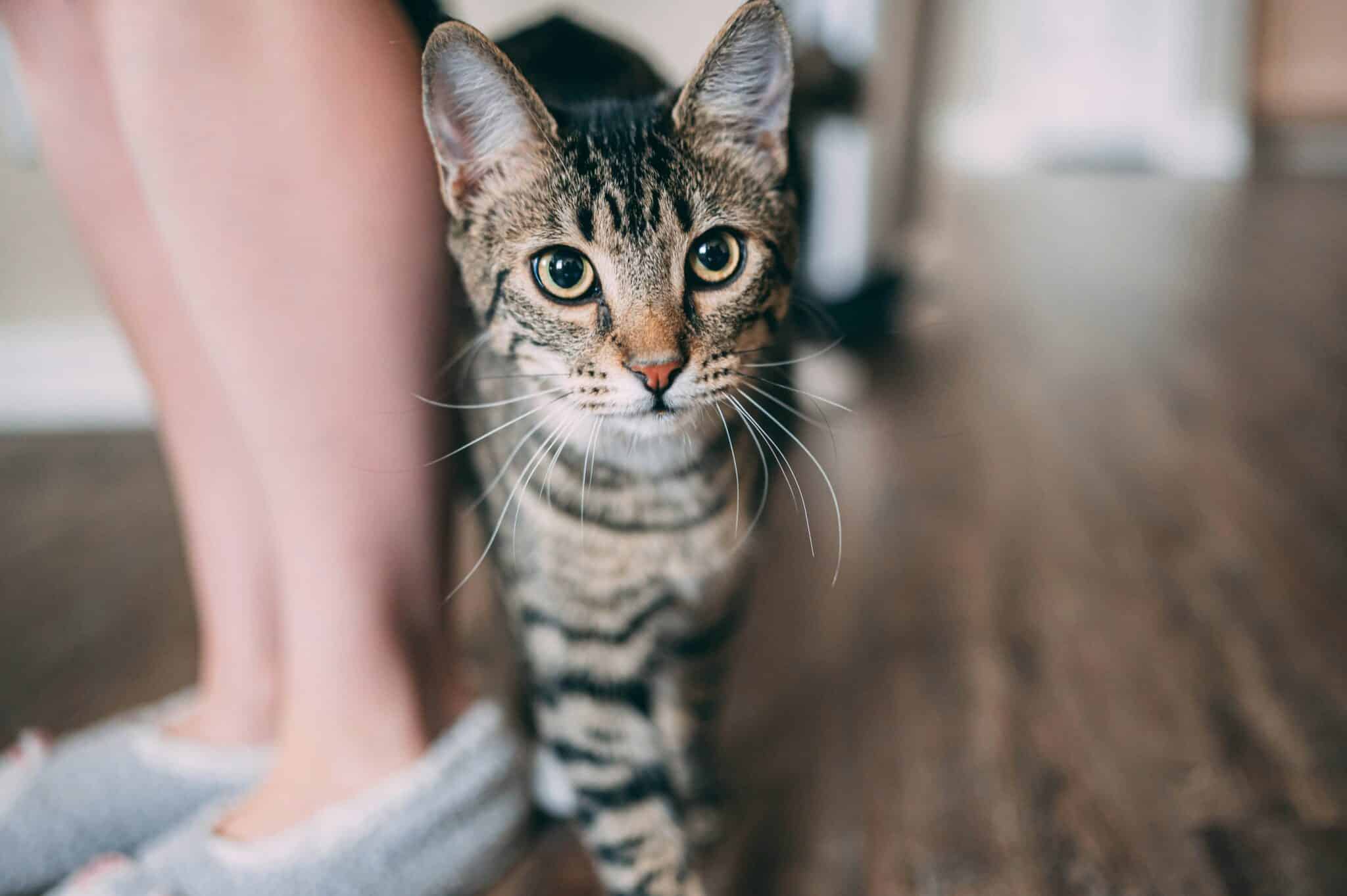
Cats learn through experience, and following a person can become a successful way to receive attention. Perhaps your cat trails behind you, and you respond with a cheerful greeting, a scratch behind the ears, or a few minutes of play. If these interactions happen regularly, your cat may learn that staying close increases the chances of receiving something enjoyable. Even negative reactions can sometimes reinforce a behavior if the cat finds the interaction rewarding. Talking to a persistent follower, picking them up, or repeatedly looking down at them may encourage the habit. This does not mean every following cat is deliberately demanding attention. It simply shows how everyday interactions can shape behavior. Offering affection and play at predictable times can help your cat feel socially satisfied without needing to follow every movement to get noticed.
They Find Your Presence Reassuring

Familiar people can provide cats with a sense of security, particularly in environments where routines and surroundings are predictable. Your presence may be reassuring because your voice, scent, and movements are well known. A cat that follows you during unfamiliar situations, such as when visitors arrive or household furniture changes, may be seeking the comfort of something familiar. This behavior can be especially noticeable in shy cats or those adjusting to a new home, as staying near a trusted person may help them explore their surroundings at their own pace. Still, there is a difference between comfortable companionship and distress. A cat that follows while remaining relaxed is behaving differently from one that cries constantly, hides when left alone, or seems unable to settle. Providing safe resting spots, hiding places, and a consistent routine can help cats feel secure even when you are busy.
They Want to Play With You
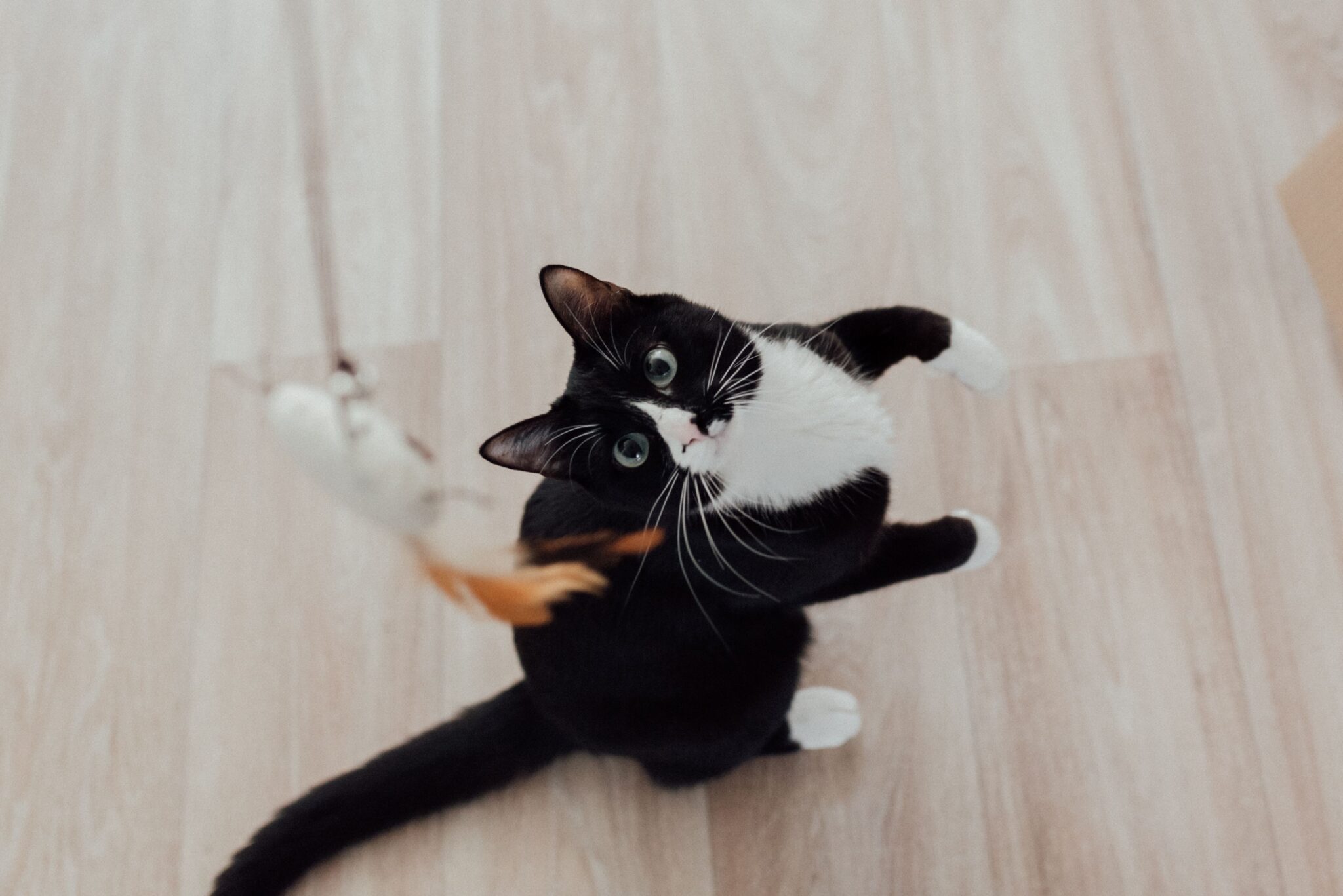
A cat with energy to spare may follow you because you represent a potential playmate. Your movements can trigger interest, particularly when your feet pass beneath a blanket, your hands handle an interesting object, or you walk past a favorite toy. Cats retain hunting instincts that encourage them to watch, stalk, chase, and pounce, and an active human can provide plenty of stimulation. You may notice your cat following closely before darting around a corner, crouching behind furniture, or making a playful leap toward your ankles. These actions can be part of an invitation to interact, although body language matters. A relaxed, playful cat generally appears engaged rather than fearful or tense. Short interactive play sessions using wand toys, toy mice, or other safe objects can help satisfy hunting needs and reduce unwanted chasing of moving feet.
They Want to Keep Track of Their Territory
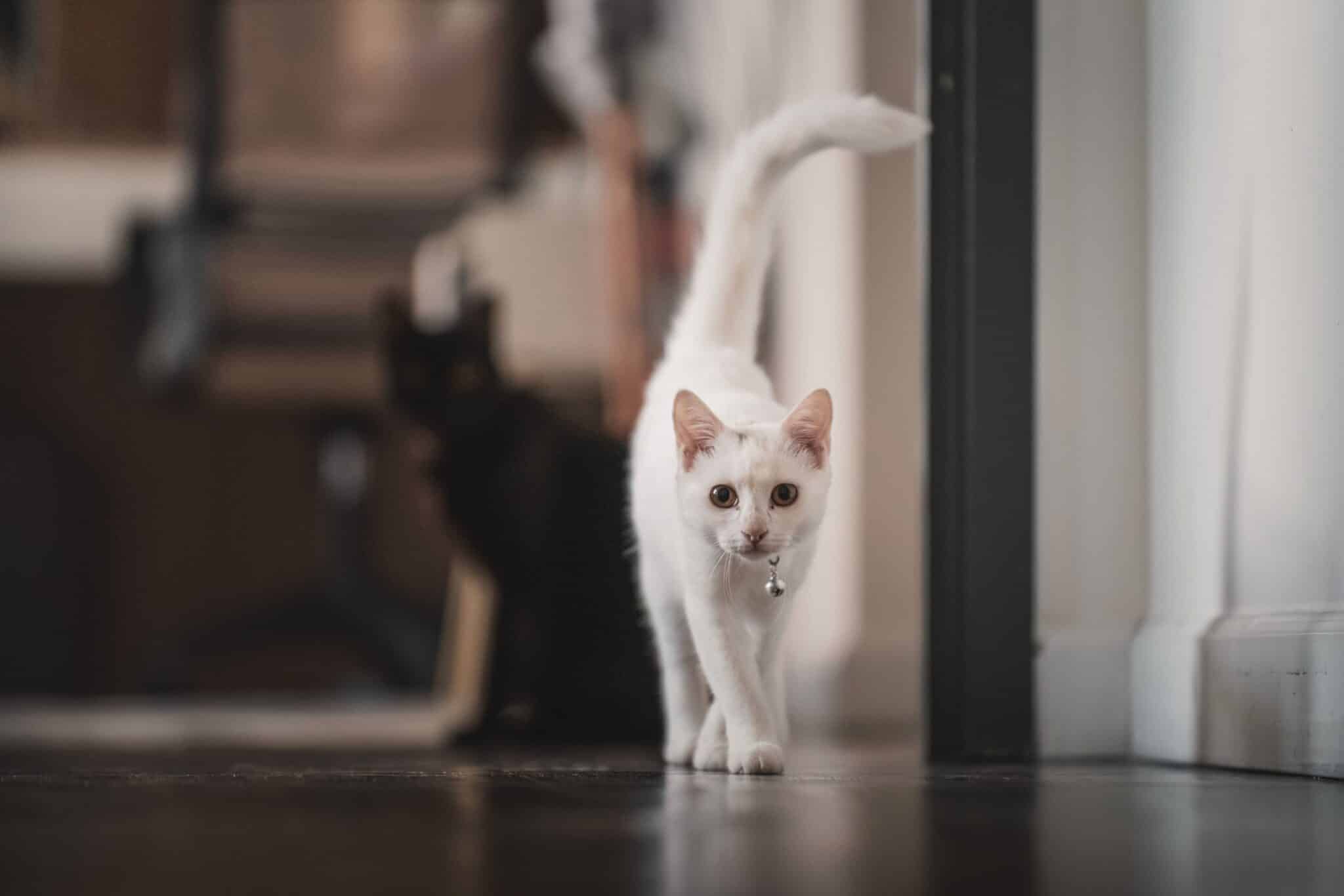
Cats pay close attention to their surroundings, including the spaces they regularly use for resting, eating, playing, and observing. In a shared home, your movements can change what is happening in those familiar areas. Following you may give your cat an opportunity to investigate rooms, monitor activity, and stay informed about changes in its environment. For example, a cat might accompany you into a room that is usually closed or investigate a hallway after hearing a door open. Your arrival can also introduce new scents on clothing, bags, or shoes. Cats rely heavily on smell when gathering information, so investigating areas you have visited may be an ordinary part of exploring their territory. This does not necessarily indicate possessiveness. More often, it reflects a natural interest in familiar spaces and the new information that comes with everyday household activity.
They Are Hoping for a Warm, Comfortable Spot
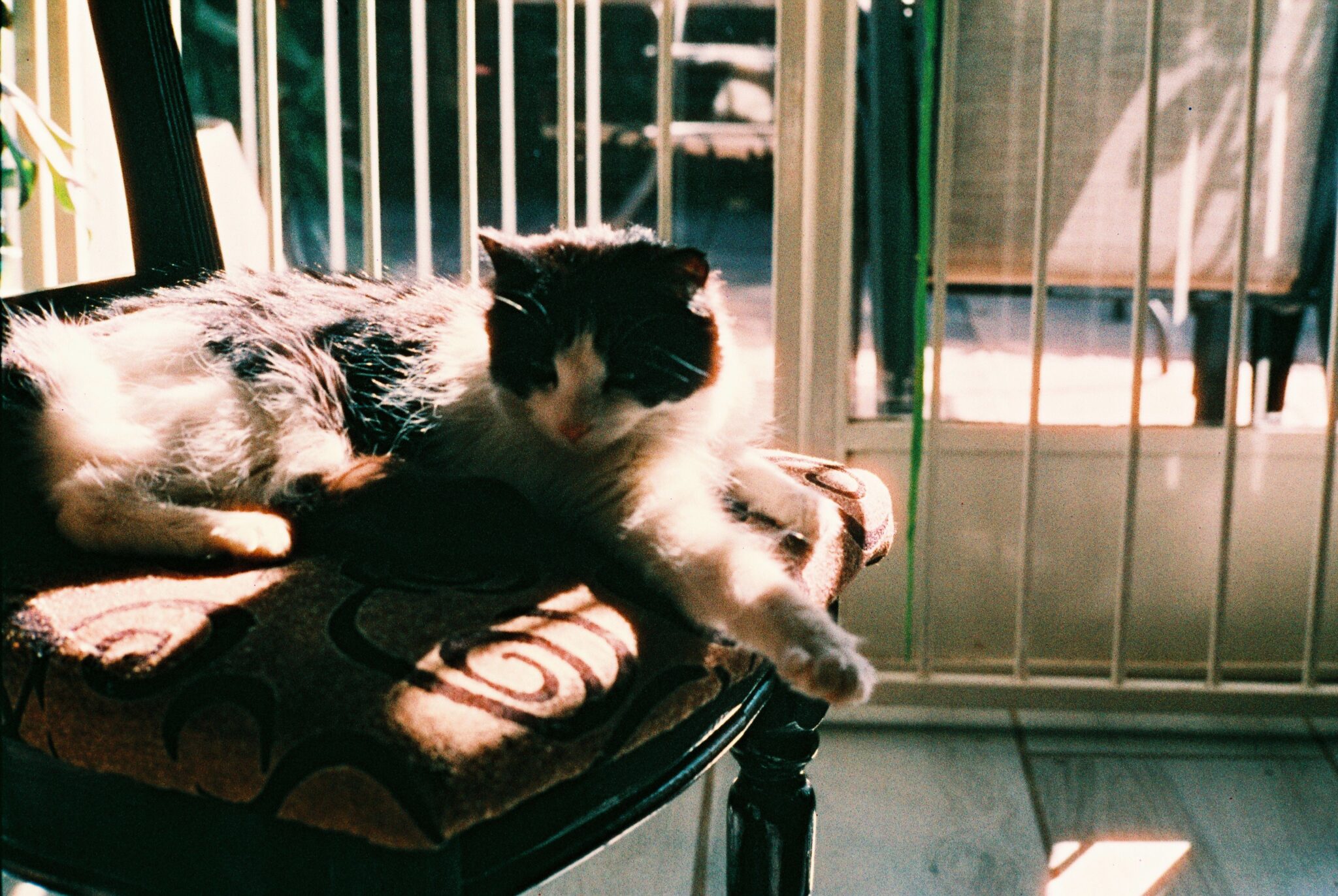
Cats appreciate comfortable places to rest, and humans can be excellent sources of warmth. A person sitting on a sofa, settling into bed, or working at a desk may create an inviting opportunity for a cat to curl up nearby. Following you from room to room can therefore be a practical strategy for finding the next comfortable resting place. Warmth is not the only attraction, since your chair may offer soft fabric, familiar scents, or a quiet location away from household activity. Some cats follow until you sit down, then immediately climb into your lap or settle against your legs, while others simply choose the cushion you have just vacated. These habits reflect individual preferences for comfort and security, rather than necessarily serving as a direct expression of affection. Providing several cozy beds and resting areas can give your cat comfortable alternatives throughout the home.
They Want Access to a Favorite Room
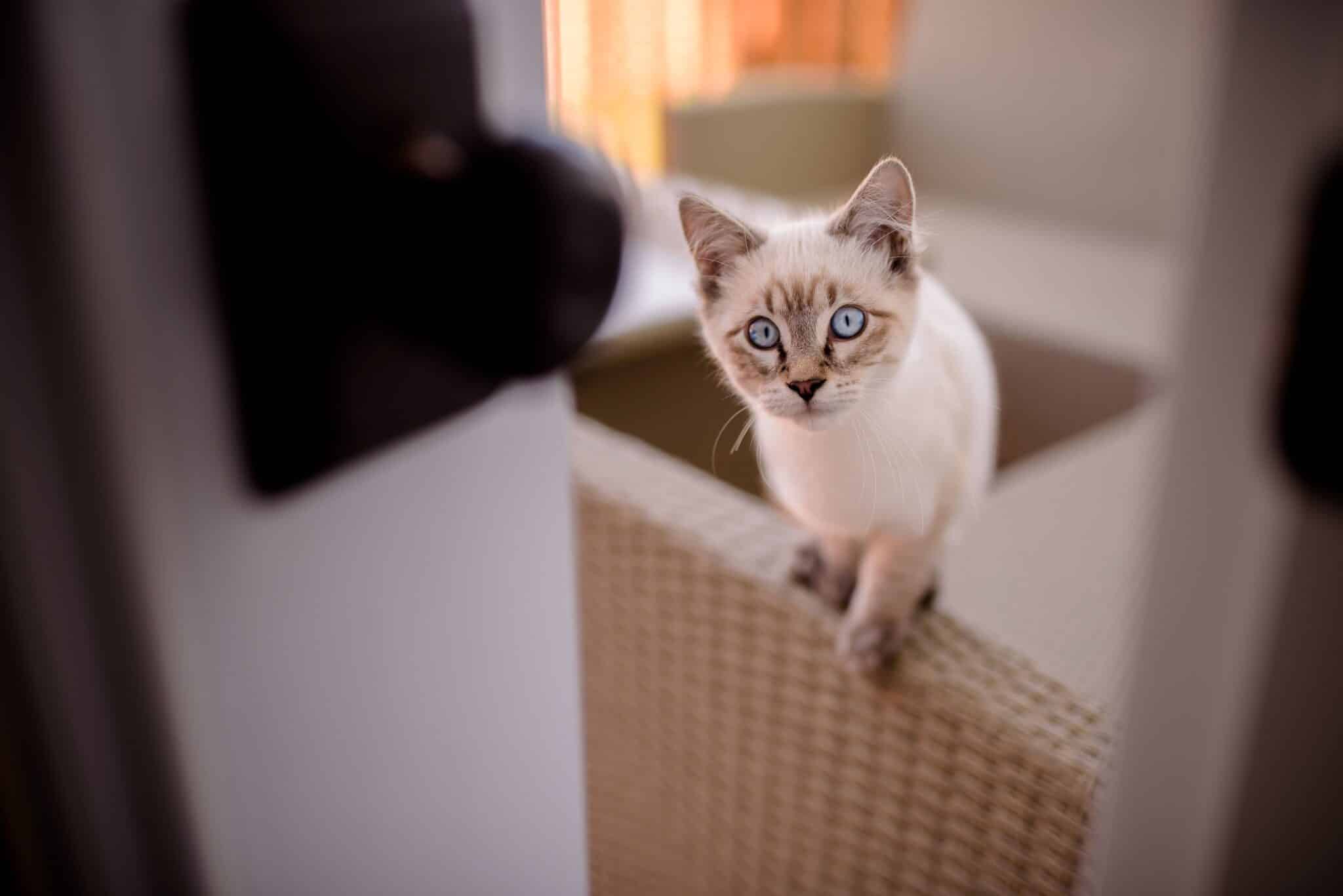
Closed doors can be surprisingly frustrating for curious cats. A room that is usually accessible may suddenly become an unexplored space when a door shuts, making your cat eager to follow you inside whenever the opportunity appears. Bathrooms, bedrooms, home offices, and laundry rooms can all attract attention simply because access changes throughout the day. Cats may also associate certain rooms with desirable resources, such as a sunny windowsill, a soft bed, a water bowl, or a favorite hiding place. Following you can be the easiest way to reach those locations. Some cats become especially persistent when they hear activity behind a closed door, while others quietly wait for someone to open it. If a room contains hazards, such as cleaning products, medications, or hot appliances, keeping it securely off-limits is more important than satisfying curiosity.
They Enjoy Familiar Routines
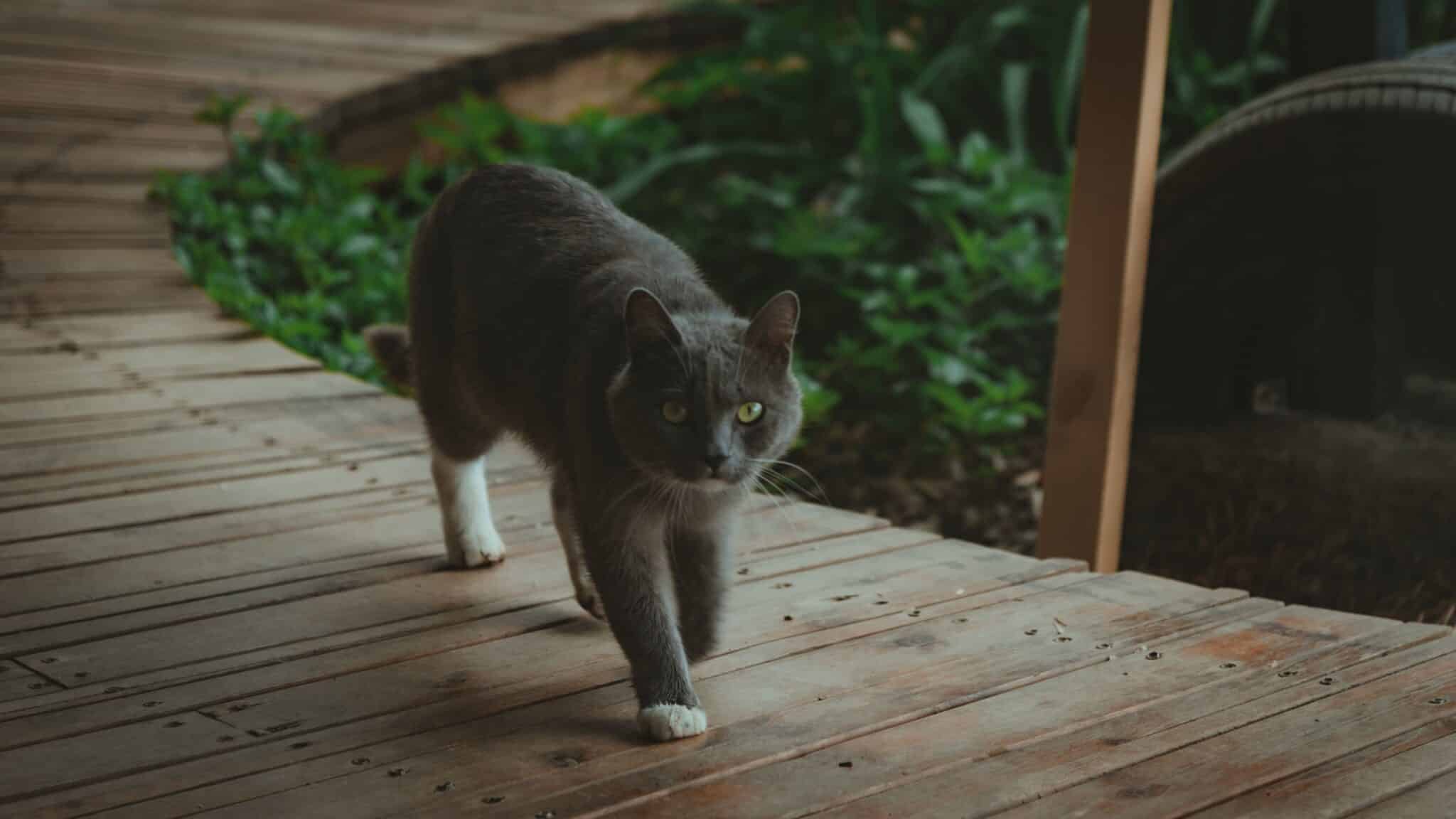
Cats often become comfortable with predictable daily patterns. They learn when people wake up, prepare meals, leave for work, return home, and settle down for the evening. Following you may be part of this learned routine, especially when your movements signal that something familiar is about to happen. A cat might accompany you to the bathroom every morning, wait outside the kitchen before breakfast, or follow you toward the bedroom at the usual bedtime. These repeated behaviors can develop because the sequence is predictable and rewarding. Familiar routines help cats anticipate changes in their environment and can contribute to a sense of stability. When schedules change, some cats respond by following more closely or vocalizing more frequently. Maintaining consistent feeding, play, and rest times can help your cat adjust when the household schedule becomes less predictable.
They May Be Feeling Lonely or Understimulated

Some cats follow their humans because they want more interaction than their current routine provides. This may happen when a cat spends long periods alone, has limited opportunities for play, or lacks enough environmental stimulation. Your presence offers social contact and interesting activity, making you a natural focus when you return home. A cat seeking interaction may follow closely, vocalize, bring toys, or repeatedly interrupt whatever you are doing. However, these behaviors do not automatically mean the cat is lonely, since some individuals are naturally social while others simply enjoy being involved in household activities. Enrichment can make a difference, including puzzle feeders, climbing structures, window perches, rotating toys, and regular interactive play. If the following becomes sudden, unusually intense, or accompanied by changes in appetite, sleep, or vocalization, a veterinary check can help rule out discomfort or other health concerns.
Why Your Cat Always Seems To Be One Step Behind
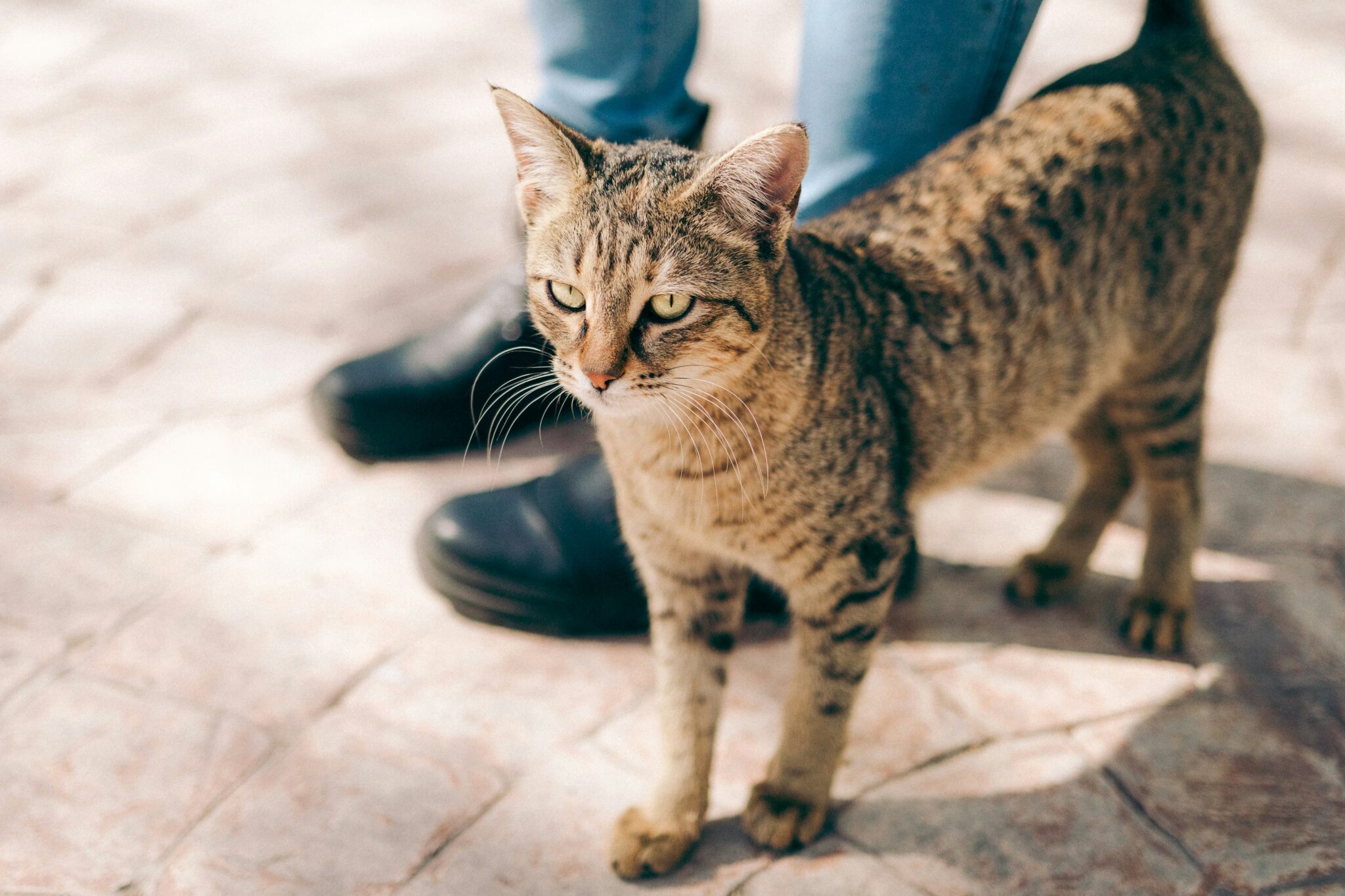
A cat following you from room to room may be showing affection, exploring its surroundings, anticipating a meal, or enjoying familiar company. The behavior can have different explanations depending on your cat’s personality, daily routine, and surroundings. Paying attention to body language and habits can help you understand what motivates your companion. There is no need to discourage relaxed following when it is safe and comfortable for both of you. Encourage play, exploration, and rest while allowing your cat to choose when to stay close and enjoy your company.
This content was created with AI assistance and edited by the iHeartCats team.