
Cats have spent years battling unfair stereotypes that paint them as distant, stubborn, and difficult to understand. While dogs are often celebrated for their loyalty and eagerness to please, cats are frequently judged by myths that have been repeated for generations without much scientific support. Modern research is revealing a very different picture. Experts now know that cats are intelligent, emotionally aware, and capable of forming meaningful relationships with both people and other animals. Understanding the truth behind these common misconceptions helps us appreciate just how remarkable our feline companions really are.

Much of the confusion comes from the fact that cats communicate differently than dogs. Their body language is subtle, their social behavior is unique, and many actions that people interpret as rude or unfriendly are actually normal feline responses. Animal behavior expert Zazie Todd has spent years studying these fascinating companions, helping cat owners better understand what their pets are really trying to say. Todd spoke to Bored Panda and revealed some of the most common misconceptions about cats, along with what science has revealed.
What Science Says About Common Cat Behaviors
Purring Does Not Always Mean Happiness
Most people associate a cat’s purr with comfort and contentment, and while that is often true, it is only part of the story. Cats also purr when they are frightened, injured, giving birth, or recovering from illness. Researchers believe purring can help cats soothe themselves during stressful situations. Some scientists even suggest that the vibrations may support healing, though more research is needed.
An Exposed Belly Is Usually a Sign of Trust
When a cat rolls onto its back, many people assume it wants a belly rub. In reality, exposing the stomach usually means the cat feels safe around you. Because the belly is one of the most vulnerable parts of its body, many cats prefer not to have it touched. Reaching in too quickly may result in playful grabbing or defensive swats.
Every cat is different, however. Some genuinely enjoy belly rubs, while others would rather you admire them from a respectful distance.
Cats Need Daily Mental Exercise
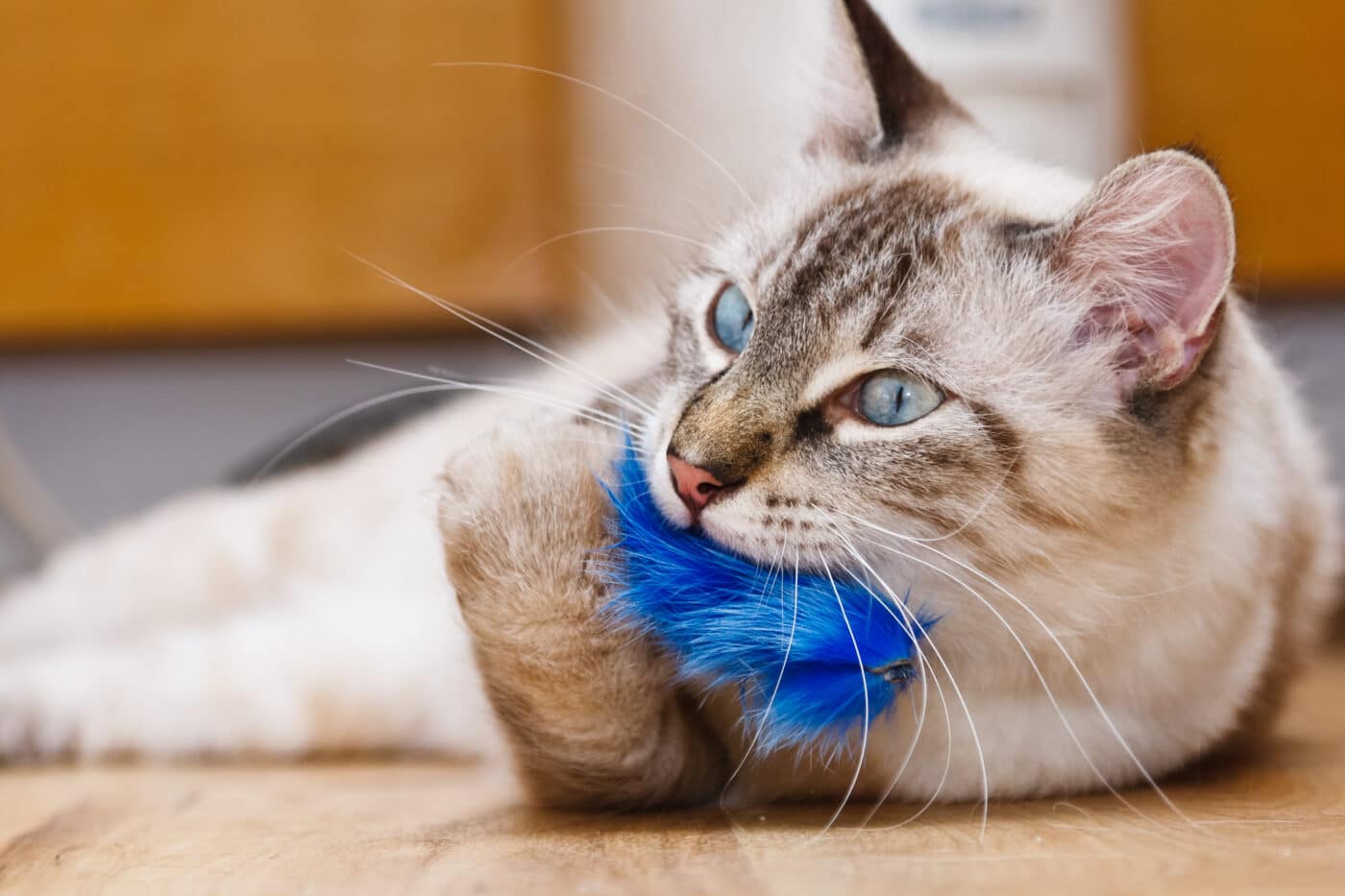
Indoor cats may not spend their days hunting mice, but their instincts remain just as strong. Interactive toys, climbing structures, scratching posts, puzzle feeders, and regular play sessions all help satisfy natural hunting behaviors while preventing boredom.
Positive reinforcement training is another excellent way to challenge a cat mentally. Many cats enjoy learning simple tricks, and training sessions strengthen the bond between cats and their people while building confidence.
Cats Can Feel Lonely
Cats are often thought of as independent animals that never miss company, but that is not always true. Many enjoy spending time with their families and can become lonely if left without stimulation or companionship for long periods.
Some cats also thrive with another feline friend. Bonded pairs or kittens adopted together often provide each other with companionship, although some adult cats still prefer being the only pet in the home.
Cats Are Surprisingly Easy to Train
Contrary to popular belief, cats are highly capable learners. Using treats, toys, affection, or praise as rewards, they can learn commands, tricks, and practical behaviors such as coming when called.
Experts also recommend helping cats develop positive associations with their carriers. Leaving the carrier available as part of the home instead of bringing it out only for veterinary visits can greatly reduce stress.
Indoor Cats Can Live Happy Lives
Many people assume cats must roam outdoors to stay happy. In reality, indoor living protects cats from traffic, predators, disease, and countless other dangers. The key is providing an enriching environment that includes climbing opportunities, scratching surfaces, hiding places, window views, and regular play.
When their physical and behavioral needs are met, indoor cats can enjoy long, healthy, and fulfilling lives.
Cats Do Not Hate People
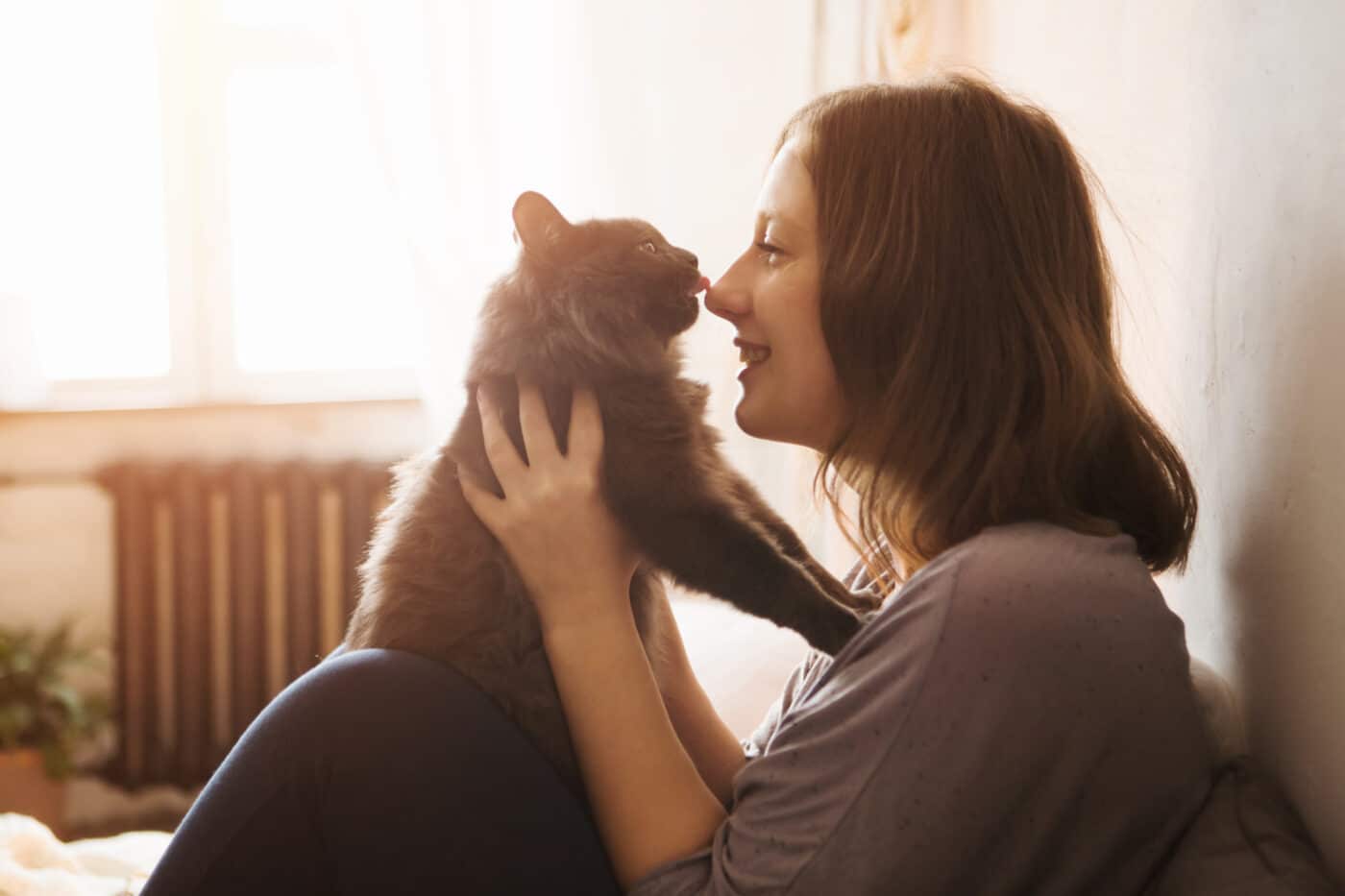
A cat avoiding contact or walking away does not necessarily dislike someone. More often, it is responding to stress, fear, or overstimulation. Cats value predictability and personal space, and respecting those boundaries helps build trust.
Learning feline body language allows people to recognize when a cat is comfortable and when it would prefer to be left alone.
Cats Recognize Their Names
Research suggests that many cats recognize not only their own names but also the names of other pets and even people living in the same household. Whether they choose to respond is another matter entirely.
Their selective reactions have helped fuel the myth that they ignore people, but often, they are simply deciding whether responding is worth the effort.
Cats Need Human Attention
While some cats are naturally more independent than others, most pet cats depend on their owners for much more than food and shelter. Daily interaction, grooming, playtime, veterinary care, and enrichment all contribute to their physical and emotional well-being.
Senior cats may require additional assistance with nail trimming, grooming, and more frequent health checks as they age.
Cats Form Deep Emotional Bonds
Cats may not always show affection in obvious ways, but they often build incredibly strong relationships with the people they trust. Following their owners from room to room, sleeping nearby, rubbing against them, or quietly sitting close are all signs of affection.
Early socialization also plays an important role. Kittens that experience positive interactions with people during their first weeks of life are generally more confident and friendly as adults.
Cats Are Not Always Solitary
Although wild cats are often portrayed as loners, many community cats live together in colonies where they cooperate, share space, and even help raise kittens.
Domestic cats vary widely. Some enjoy feline companionship, while others prefer having the household to themselves.
Scratching Is Completely Natural

Cats are not scratching furniture out of spite. Scratching keeps their claws healthy, stretches their muscles, and allows them to leave both visual and scent marks that help them feel secure.
Providing sturdy scratching posts that match a cat’s preferences can redirect this normal behavior away from household furniture.
Cats Are Crepuscular, Not Nocturnal
Cats are naturally most active around sunrise and sunset. However, they are remarkably adaptable and often adjust their routines to match the schedules of the people they live with.
Many pet cats become active whenever their favorite humans are home because social interaction is rewarding.
Cats Do Not Act Out of Revenge
When cats display behaviors such as scratching, biting, or avoiding the litter box, there is almost always an underlying cause. Medical issues, fear, anxiety, overstimulation, or unmet environmental needs are much more likely explanations than spite.
Understanding the reason behind the behavior allows owners to solve the problem while improving their cat’s wellbeing.
A Wagging Tail Is Not Always Friendly
Unlike dogs, a cat flicking or swishing its tail often signals excitement, irritation, or overstimulation rather than happiness. Watching the entire body language helps people recognize when a cat needs space before it becomes uncomfortable.
Cats Do Not Always Land Safely
Cats possess an impressive righting reflex that helps them rotate during a fall, but that does not guarantee a safe landing. Falls can still result in serious injuries, particularly from certain heights.
Protecting windows, balconies, and elevated areas remains important for every cat owner.
Cats and Dogs Can Become Great Friends
The idea that cats and dogs are natural enemies is another outdated stereotype. With proper introductions, patience, and supervision, many cats and dogs develop peaceful relationships and sometimes even close friendships.
Successful introductions happen gradually, giving both animals time to build confidence while ensuring the cat always has a safe place to retreat if needed.

Did You Know The Truth Behind These Cat Behaviors?
The more scientists learn about feline behavior, the clearer it becomes that cats have been misunderstood for far too long. They are intelligent, emotionally complex, adaptable animals capable of forming deep relationships with both people and other pets. By replacing myths with evidence, cat owners can better understand their companions, strengthen their bond, and provide happier, healthier lives for the cats who share their homes.
Want to see your cat featured on iHeartCats? Share your cute, amazing, heartwarming, or funny story, and we just might share it with our audience of more than 2 million animal lovers!