
For millions of cat owners, filling the food bowl is an ordinary act of care, often done with complete trust in the label on the package. But a new investigation into popular cat foods is raising difficult questions about what may be hiding alongside the ingredients owners intentionally choose. Testing commissioned by the nonprofit Clean Label Project reported detecting heavy metals, plastic-related chemicals, and other contaminants across a wide range of products, including wet, dry, air-dried, and freeze-dried foods. The findings do not establish that any individual food will make a cat sick, but they highlight concerns about repeated exposure over a lifetime.
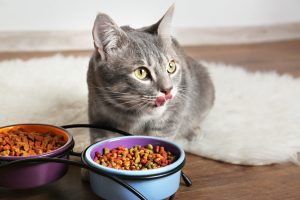
That distinction matters because many cats eat the same food day after day, sometimes for years. Molly Hamilton, executive director of the Clean Label Project, told CNN that this limited dietary variation could mean contaminants become a recurring source of exposure rather than an occasional one.
The investigation tested 100 top-selling cat foods from 62 brands for more than 122 contaminants. Researchers looked for substances including lead, arsenic, cadmium, mercury, pesticides, herbicides, and phthalates, which are chemicals commonly associated with plastics and some food contact materials. The results were widespread. Lead was detected in 99 percent of the samples, cadmium in 96 percent, and arsenic in 94 percent.
However, detecting a contaminant does not automatically mean a product is dangerous. The investigation compared contamination levels among products but did not determine whether a particular food would cause illness in a cat.
Different Foods Showed Different Contamination Patterns
The amount and type of contamination varied depending on the food format and protein source. Dry food, for example, contained roughly three times as much lead as wet or air-dried products in the investigation.
Fish and seafood-based foods stood out for different reasons. Mercury levels were approximately 18 times higher and cadmium levels about 2.5 times higher in fish or seafood-based foods compared with products using other proteins.
Among wet foods, seafood varieties contained nearly 28 times as much mercury as wet foods made with other meats, particularly poultry. This may reflect how mercury moves through aquatic ecosystems and accumulates in fish tissue over time.
Still, the findings do not mean every fish-based cat food contains high mercury levels. Hamilton emphasized that contamination varied among manufacturers and products, and several fish-based foods met the Clean Label Project’s certification requirements.
Poultry products presented another complicated picture. Nearly 85 percent of poultry-based foods met the organization’s purity standard, compared with 25.7 percent of fish and seafood products. However, poultry-based foods showed higher levels of lead and herbicides in some testing. The findings illustrate why simply choosing one protein over another may not eliminate every potential source of contamination.
Plants and Packaging Raised Additional Questions
Many commercial cat foods contain fruits, vegetables, grains, or other plant ingredients that contribute nutrients or serve a functional purpose in the recipe. The investigation found that foods containing more plant ingredients among the first 10 ingredients also tended to contain higher levels of glyphosate.
Glyphosate, one of the world’s most widely used herbicides, was detected in 37 percent of the tested products. The International Agency for Research on Cancer has classified glyphosate as probably carcinogenic to humans, while the U.S. Environmental Protection Agency has reached a different conclusion about its cancer risk.
According to the Clean Label Project, foods with two plant ingredients among the first 10 contained about 40 percent more glyphosate on average than comparable foods with one plant ingredient. Products with five plant ingredients contained nearly four times as much.
Researchers also reported detecting DEHP, a phthalate used in some plastics and food contact materials, in about half of the tested products. The highest levels appeared in canned and pouch foods.
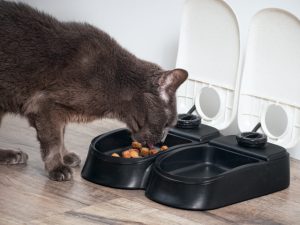
Ryan Babadi, science director at the nonprofit Toxic Free Future, said contamination could potentially occur during manufacturing through contact with materials such as PVC tubing or other processing equipment. He was not involved in conducting the investigation.
The testing also found some encouraging signs. Certain bisphenols, including BPA, appeared less frequently, suggesting that pet food can be manufactured and packaged while reducing exposure to some of these chemicals.
Pet Food Manufacturers Point to Existing Safety Controls
The Pet Food Institute, which represents pet food manufacturers, told CNN that manufacturers already use extensive food safety and quality assurance systems.
According to the organization, these measures can include ingredient specifications, supplier verification, testing protocols, traceability systems, and preventive controls intended to keep products safe, nutritious, and consistent. The institute said cat owners should remain confident that commercial foods are produced under established regulatory and quality standards.
The Clean Label Project investigation nevertheless raises a broader question about how contaminant levels are monitored, particularly because standards developed for animals do not always account specifically for the lifelong diets of household cats.
Heavy metals can occur naturally in soil, air, and water, while industrial activity, mining, agriculture, and manufacturing can increase environmental contamination. Chemicals may also enter ingredients or finished products at different stages of production.
The Investigation Has Important Limitations
The results should be viewed in context. Researchers tested only one batch of each product, which means the investigation could not determine whether contamination levels remain consistent across different production batches. That limitation makes it impossible to conclude from the report alone that a particular brand or recipe always contains the same contaminant levels.
The study also did not establish that any tested product would cause disease in cats. Finding a substance through laboratory testing and demonstrating that the amount present causes a specific health problem are separate questions.
This is especially important for owners who may feel alarmed after seeing high percentages associated with contaminants. The report provides information about what researchers detected and how products compared with one another, but it should not be interpreted as evidence that nearly every commercial cat food is toxic or unsafe.
What Cat Owners Can Take From the Findings
For owners concerned about repeated exposure, dietary variety may be worth discussing with a veterinarian, particularly when a cat eats seafood-based food primarily. Changing proteins occasionally could potentially reduce reliance on a single ingredient source, although any dietary changes should still meet a cat’s nutritional needs.
Ingredient labels may provide useful clues, but the investigation found they cannot reveal everything about contaminant exposure. In more than one-third of the tested foods, the first ingredient did not reliably predict which contaminant would appear at the highest level.
Even seemingly specific descriptions can leave unanswered questions. A label may identify salmon, for example, without explaining which portions of the fish were used. Different tissues and organs can accumulate environmental contaminants at different concentrations.
Manufacturing practices may therefore be just as important as the ingredient list. Owners who want more information can ask manufacturers whether finished foods are routinely screened for substances such as heavy metals, pesticides, and plastic-related chemicals, as well as how frequently those tests are performed.
For families who carefully choose food with their cat’s health in mind, the investigation offers both concern and perspective. It does not prove that commercial cat foods are causing widespread illness, nor does it identify one type of food as completely free from contaminants.
Instead, the findings underline the importance of continued testing, stronger transparency, and quality control throughout the pet food industry. Cats depend entirely on people for what goes into their bowls, making reliable information about the safety and quality of that food especially important throughout their lives.
This content was created with AI assistance and edited by the iHeartCats team.