
Cats that tolerate being left alone well include the Russian Blue, British Shorthair, Scottish Fold, Chartreux, and Maine Coon, breeds built for self-sufficiency that can comfortably handle a full workday alone with food, water, a clean litter box, and one enrichment toy or puzzle feeder. Most healthy adult cats can be left alone for up to 24 hours according to veterinary guidance, though kittens under six months shouldn’t go more than four to six hours without someone checking in. No cat, no matter how independent by nature, should go multiple days without a caretaker looking in on food, water, and litter.
Evidence-reviewed, not hands-on tested. That’s the standard for every hour-based recommendation and every breed fact in this piece, each one linked to its source below.
What Being Left Alone Actually Requires
So what does it actually take for a cat to do well without you for a full workday? Fresh water, a clean litter box, and access to food are the baseline. According to International Cat Care, most healthy adult cats can be left alone comfortably for up to 24 hours, provided the essentials are covered and someone can check in for anything longer.
Kittens are a different story. The ASPCA recommends that kittens under six months not go more than four to six hours without supervision, since they can’t yet regulate feeding schedules or bathroom habits the way an adult cat can.
One toy or puzzle feeder left out does more than you’d think. It gives a bored cat something to do besides scratching the couch, and it’s a small habit that pays off over a full workweek. Our guide to cat puzzle toys has options that work well for a solo afternoon.
And if separation itself seems to bother your cat, that’s worth watching closely. The Cornell Feline Health Center notes that some cats develop genuine separation-related distress regardless of breed, so temperament is a starting point, not a guarantee.
Best Cat Breeds for Being Left Alone at a Glance
*These figures reflect general veterinary guidance for healthy adult cats without underlying medical conditions, not breed-specific studies. No formal research measures exact safe alone-time by breed, so treat the tolerance column as a starting point shaped by temperament, and watch your own cat’s behavior rather than a chart.
Russian Blue
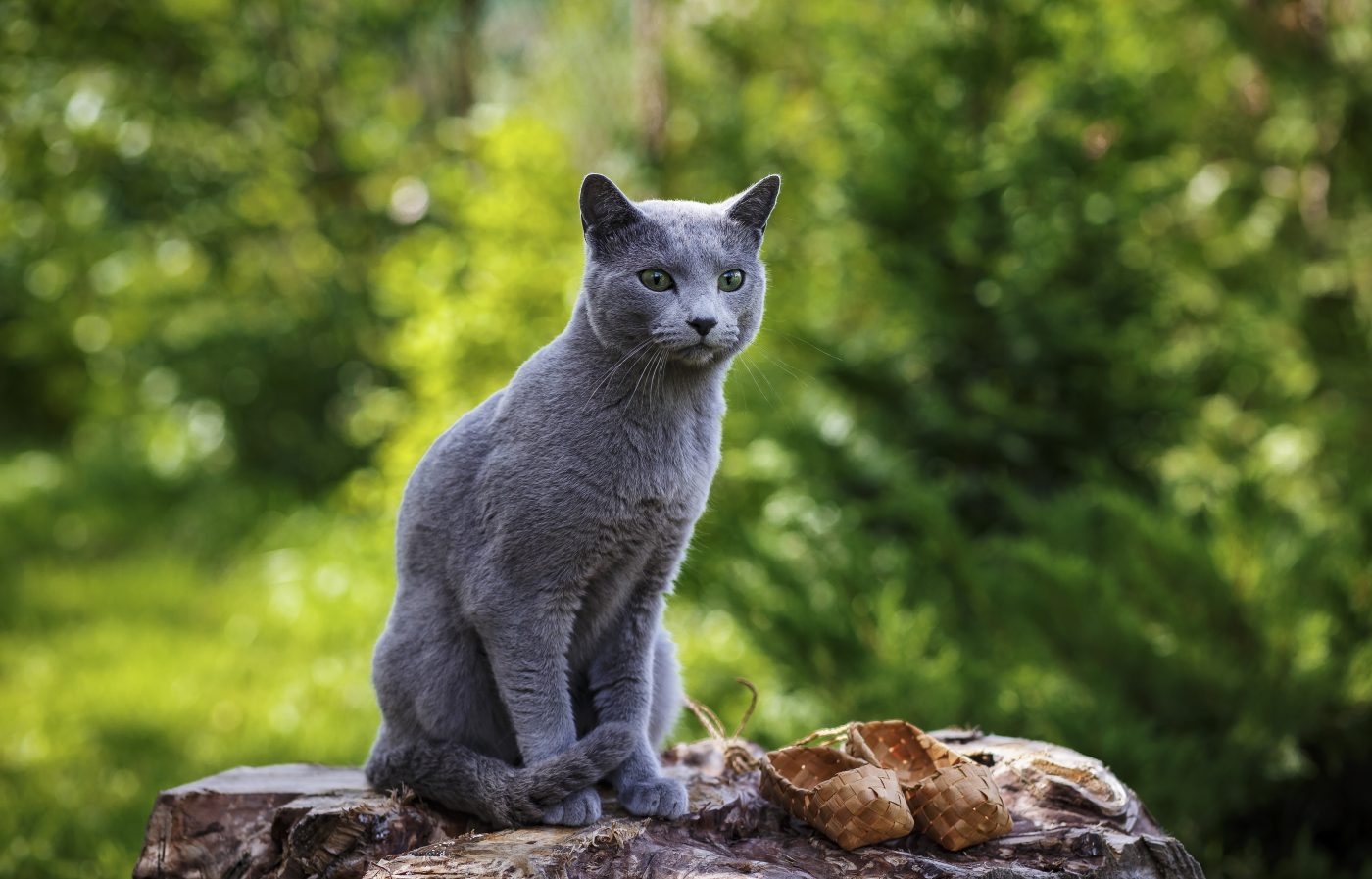
The Russian Blue forms close bonds with one or two people and is genuinely fine on its own the rest of the day. According to the Cat Fanciers’ Association, the breed is reserved with strangers but deeply attached to its household, and it tends to self-entertain rather than demand constant attention. That combination, selective closeness plus low neediness, is exactly why it lands near the top of any left alone list. A full workday with food, water, and a clean litter box is realistic for a healthy adult, in line with the general adult guidelines above.
Scottish Fold
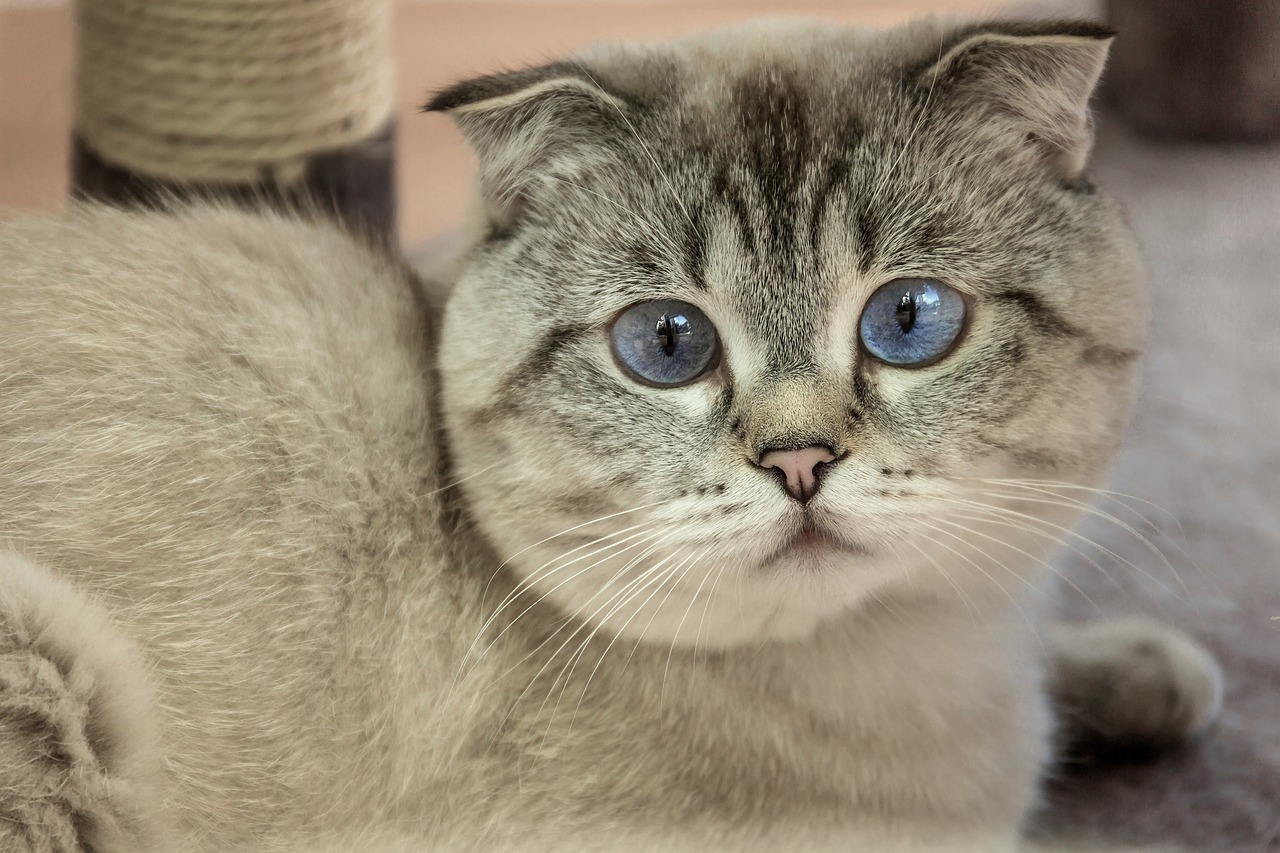
Scottish Folds are quiet, calm, and content to nap through most of a workday. The Cat Fanciers’ Association describes the breed’s temperament as sweet-natured and easygoing rather than demanding, which tracks with how well most Folds handle a standard workday alone. Give one a warm perch near a window and a puzzle feeder, and you’ll likely come home to a cat that’s barely noticed you left.
British Shorthair
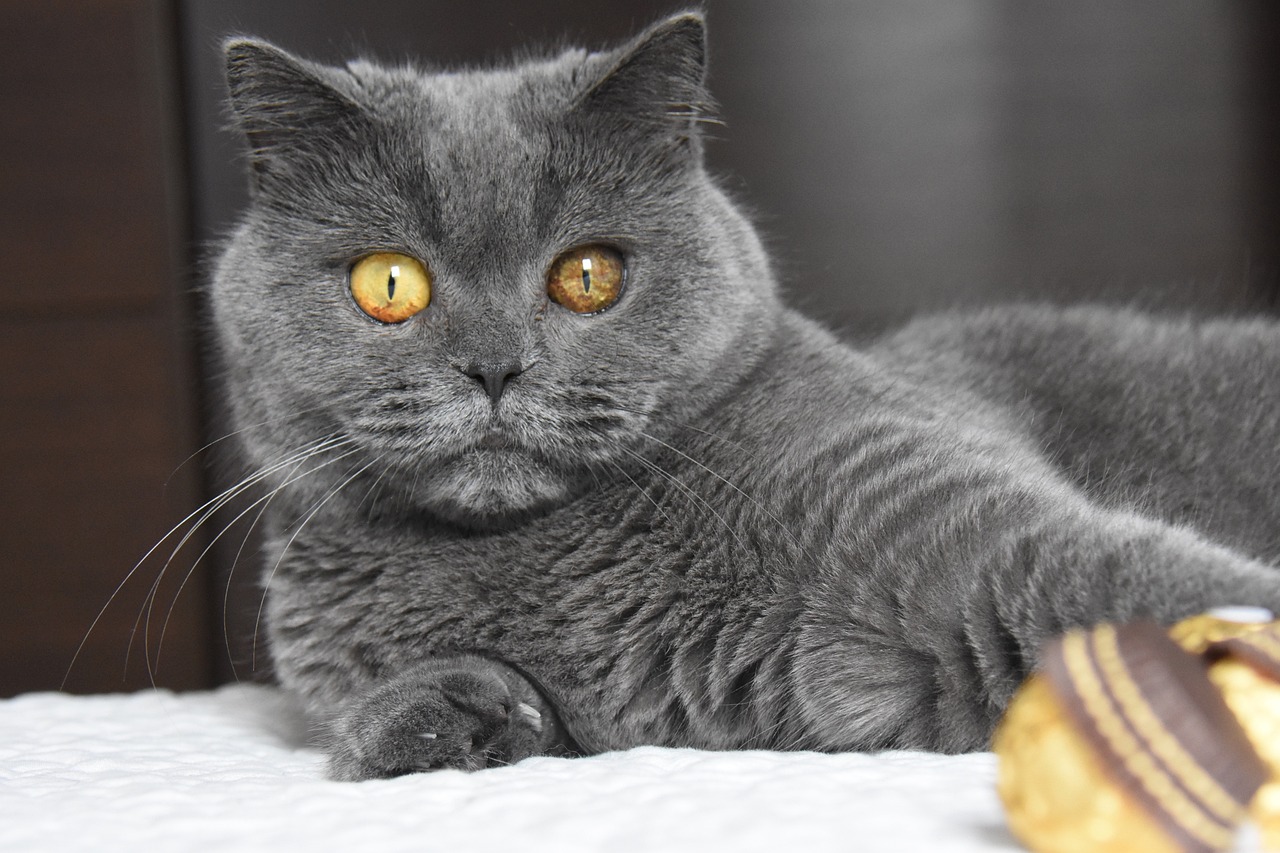
Built low to the ground and famously unbothered, the British Shorthair is one of the steadiest breeds for a full workday alone. The Cat Fanciers’ Association notes the breed’s easygoing, undemanding nature, and it rarely shows the vocal distress some other breeds do when their owner leaves. That doesn’t mean skip the litter box maintenance. It just means the temperament part of the equation is already working in your favor.
Norwegian Forest Cat

Norwegian Forest Cats were bred to be self-sufficient outdoor hunters in a cold climate, and that independence carries over indoors. The Cat Fanciers’ Association breed profile describes them as hardy and self-reliant, comfortable entertaining themselves for stretches at a time. A tall cat tree or a window perch goes a long way here since they still like to climb and survey their space even when you’re not around.
Bengal
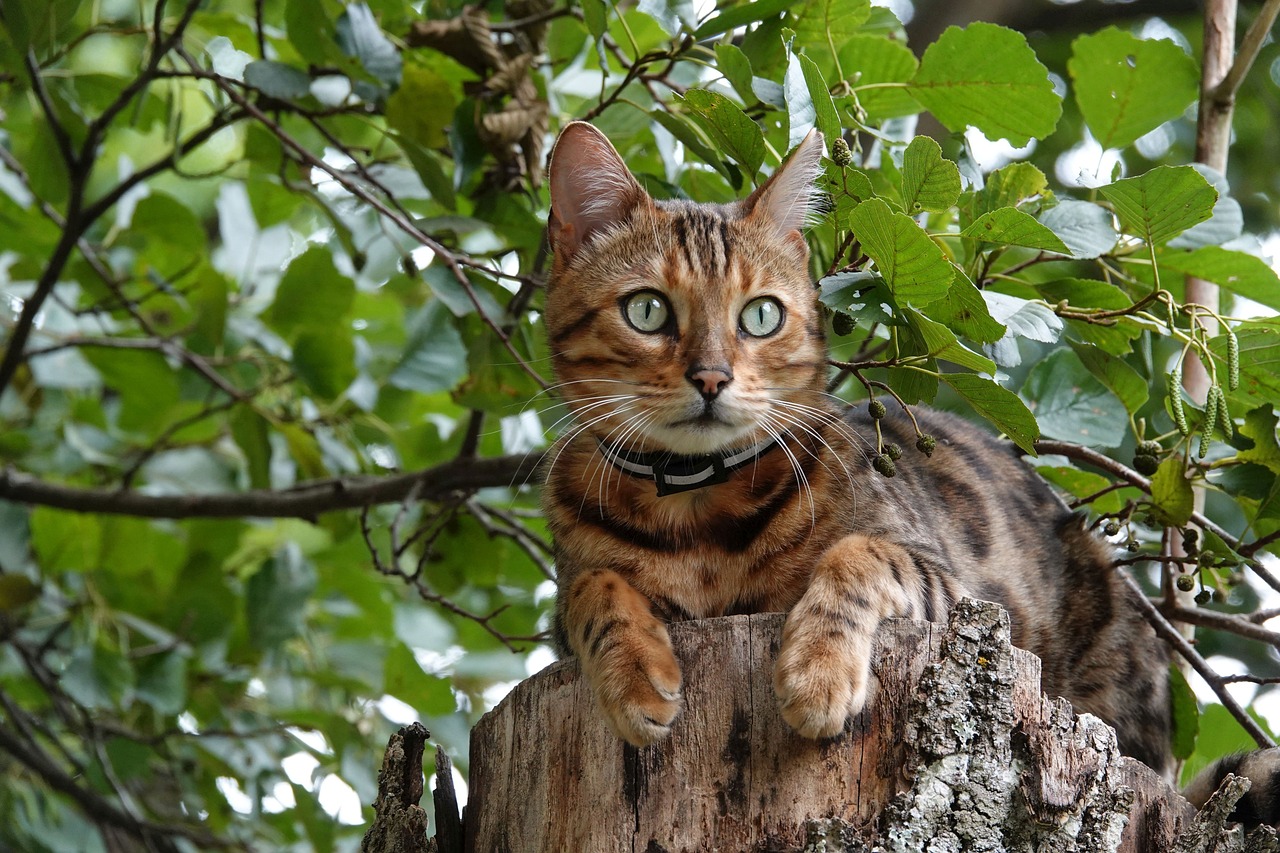
Here’s the thing about Bengals: they’re gorgeous, athletic, and genuinely not a great match for long stretches alone. PetMD describes the breed as high-energy and prone to boredom-driven destructiveness without daily interactive play, which is a different profile than the quietly self-sufficient breeds above. If you’re away most of a workday regularly, a Bengal is more likely to redecorate your shelves than nap through it. They can still work in a household with a second cat or a midday visitor, just don’t expect Russian Blue level solo tolerance.
Siamese
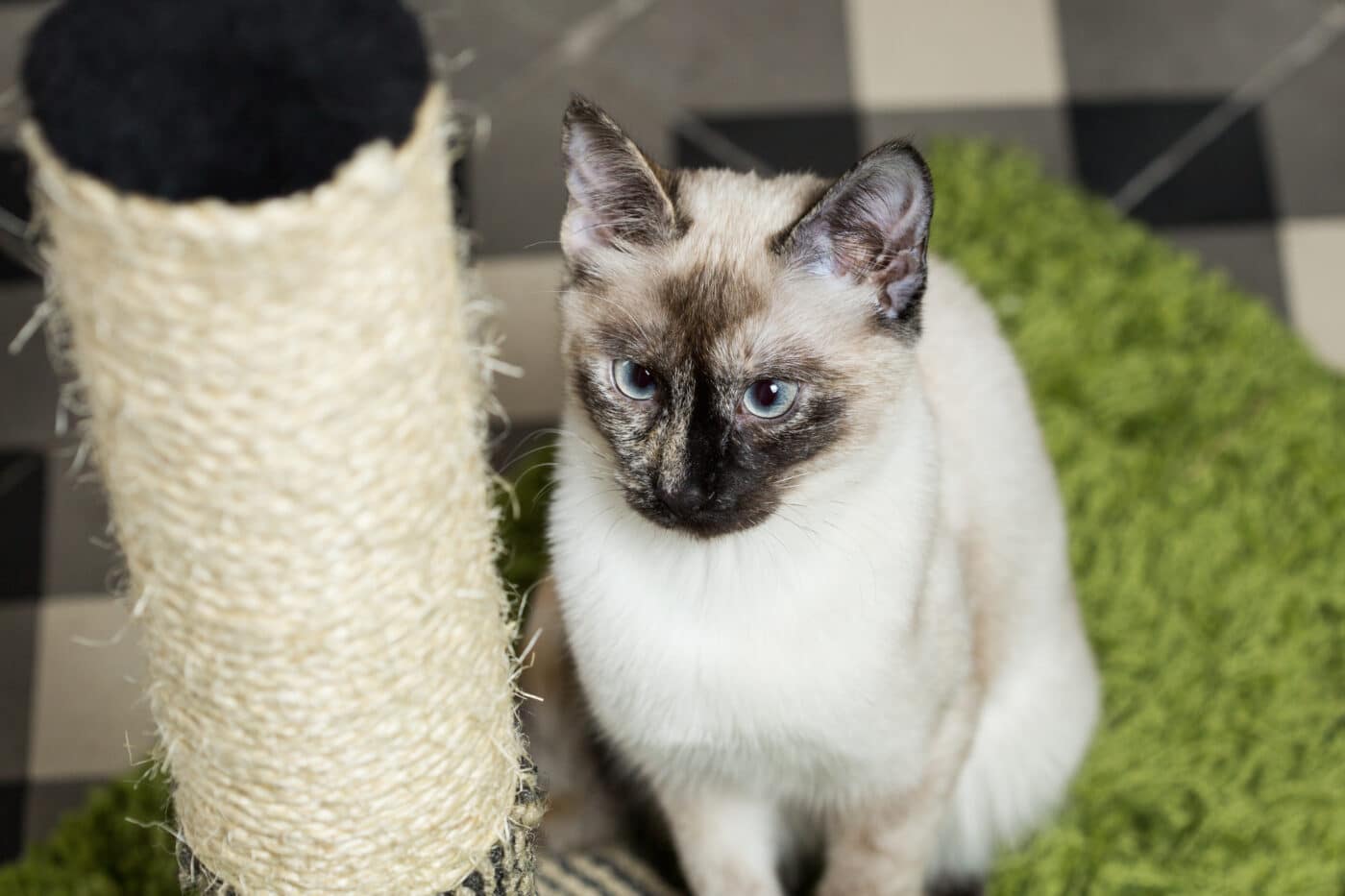
Siamese cats talk, a lot. They also bond hard with their people, and the Cat Fanciers’ Association breed standard describes them as extroverted and people-oriented rather than solitary. That’s not disqualifying, but it does mean a Siamese does best with shorter stretches alone rather than a full unattended workday, and it genuinely benefits from a companion cat or a midday check-in. Is a Siamese a bad choice for a busy household? Not necessarily, just plan around its social needs instead of against them.
Abyssinian
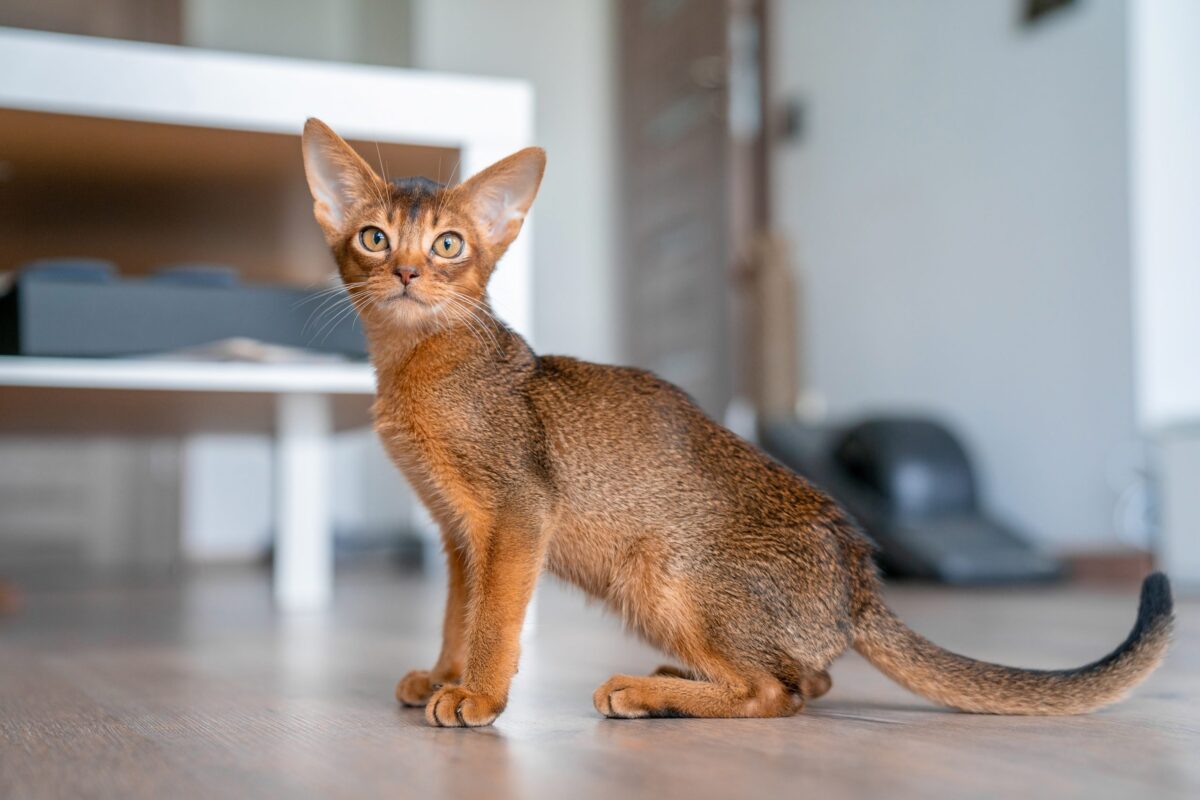
Abyssinians are busy cats. They’re climbers, chasers, and problem-solvers, and the Cat Fanciers’ Association notes their high activity level and curiosity as defining breed traits. Left alone without anything to do, that energy turns into trouble. Left alone with a puzzle feeder and a tall perch, most Abyssinians settle in nicely for a shorter stretch, though a companion cat or a midday visit still helps on longer days.
Maine Coon
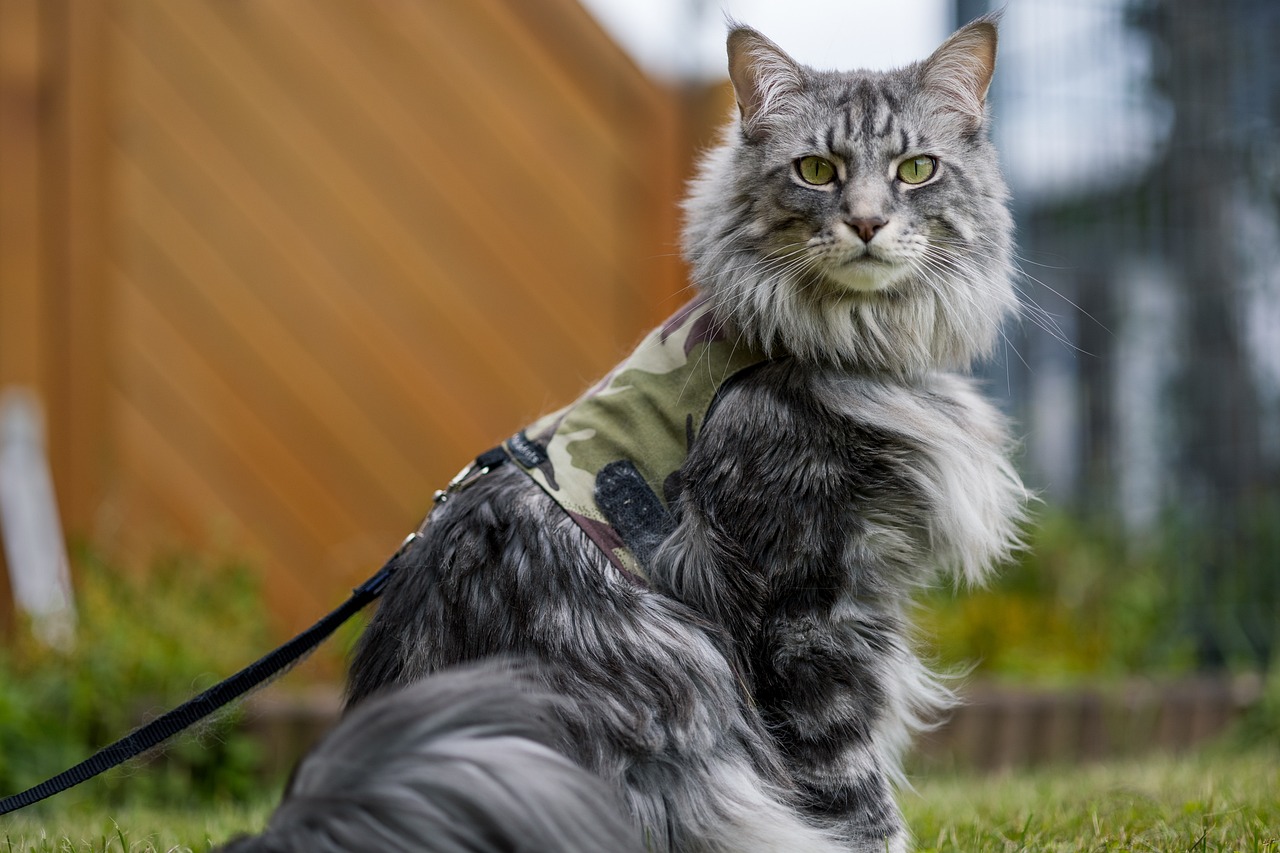
The Maine Coon is friendly without being needy, which is a useful combination for anyone working a standard office schedule. The Cat Fanciers’ Association describes the breed as gentle and sociable but not clingy, and most Maine Coons handle a full workday alone without issue as long as their considerable size doesn’t outgrow the litter box you’ve provided. They do enjoy company when you’re home, so this isn’t a breed to ignore entirely, just one that won’t fall apart over a workday.
Ragdoll
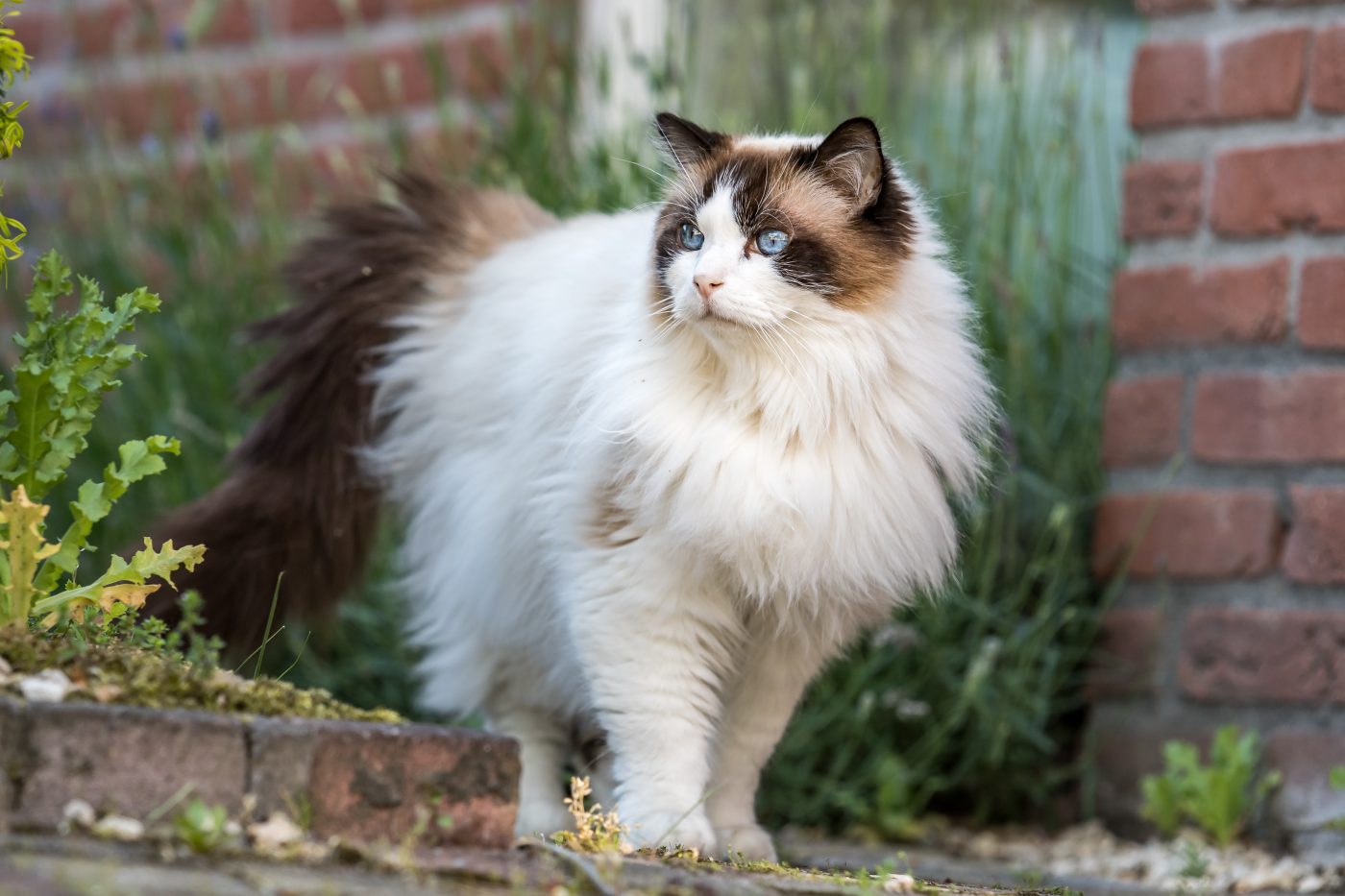
Ragdolls are famous for going limp when you pick them up, and that same laid-back quality comes with a real dependence on human company. VCA Animal Hospitals describes Ragdolls as extremely people-oriented and prone to following their owners from room to room, which is the opposite of what a left-alone-all-day household needs. If you already have a Ragdoll and a demanding job, a second cat or a midday pet sitter matters more here than it does for most breeds on this list. This one made the roster for independent cat breed searches, but it doesn’t belong on a left-alone recommendation without that caveat.
Chartreux
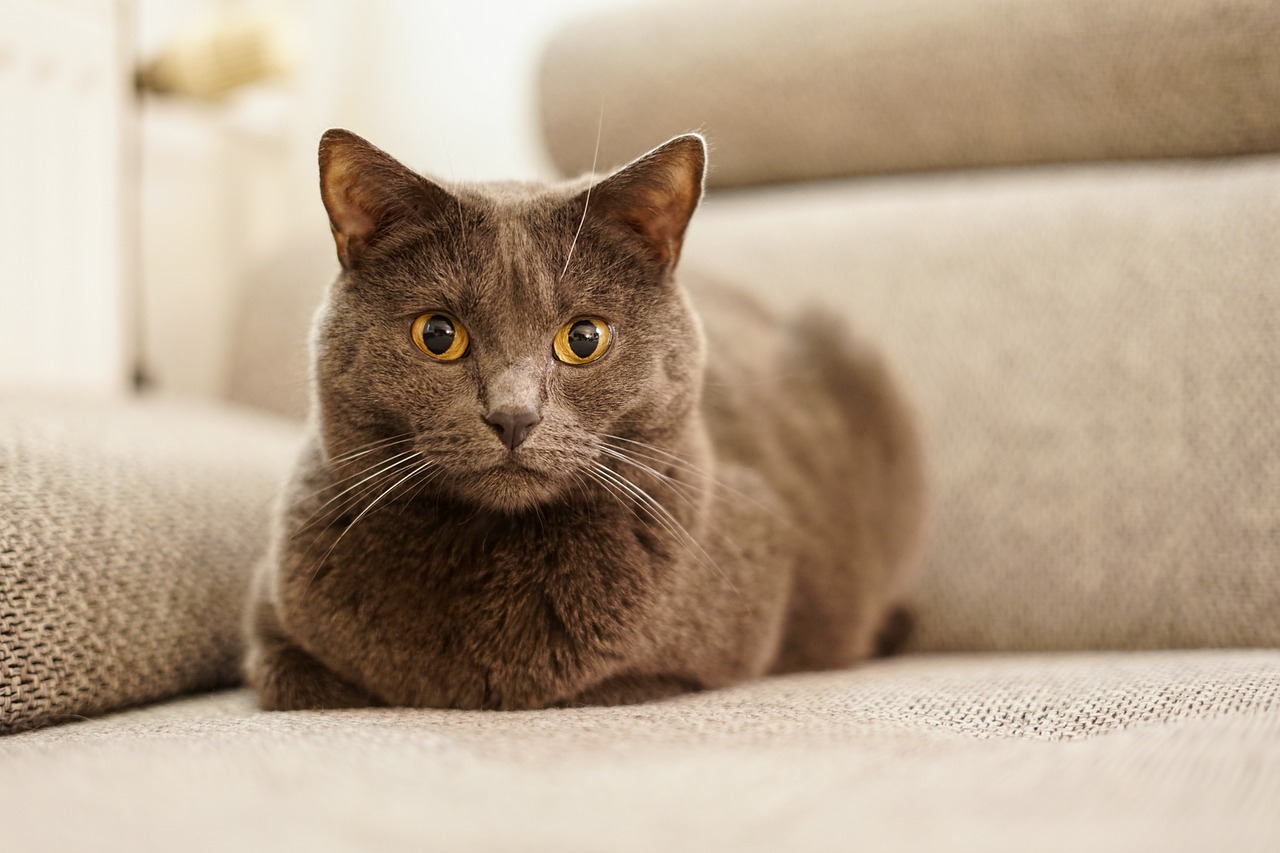
The Chartreux is a French breed, and the Cat Fanciers’ Association describes it as quiet, observant, and undemanding once past kittenhood. It’s affectionate without being vocal about it, and it tends to settle into a routine rather than protest changes to one. A full workday alone, with the basics covered, is realistic for a healthy adult Chartreux.
Turkish Van
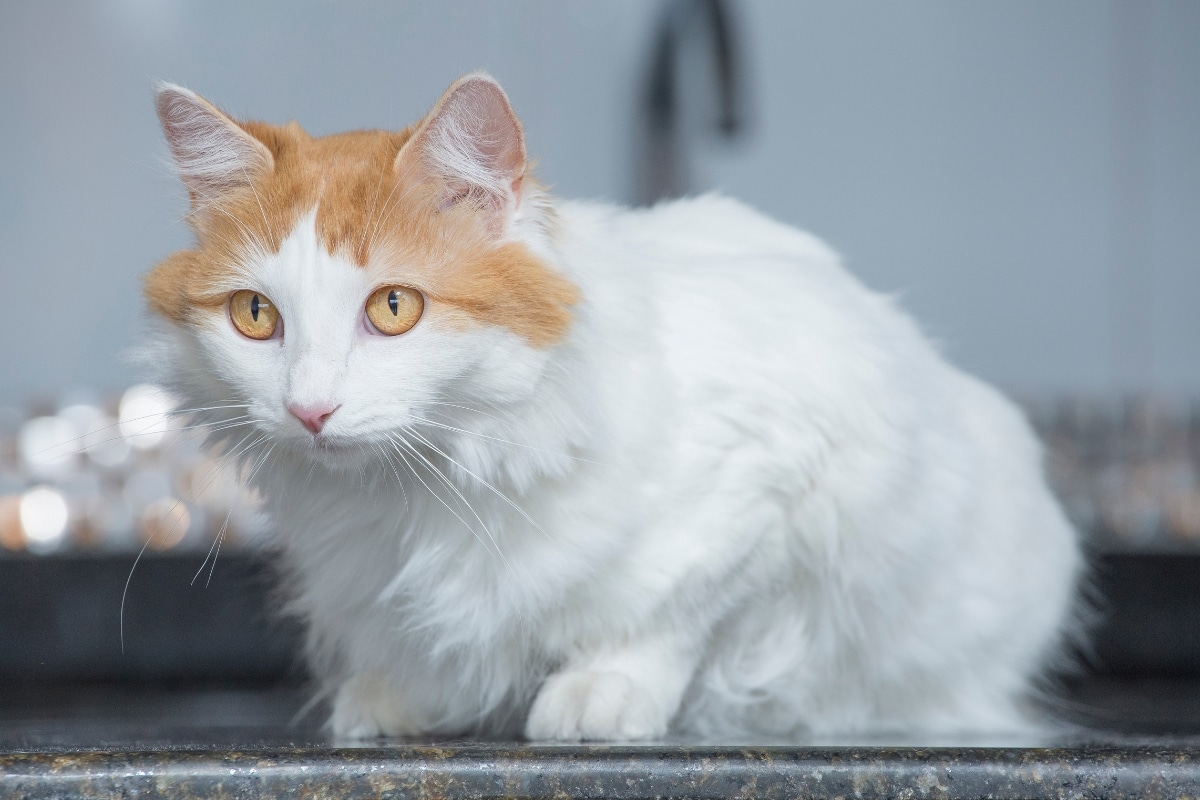
Turkish Vans are active and famously fond of water, but they’re also comfortable entertaining themselves. The Cat Fanciers’ Association notes the breed’s intelligence and independent streak, and most Vans do fine with a full workday alone if there’s something to climb or bat around. Leave a dripping faucet or a pet fountain running safely and you’ve basically built a Turkish Van amusement park.
Exotic Shorthair
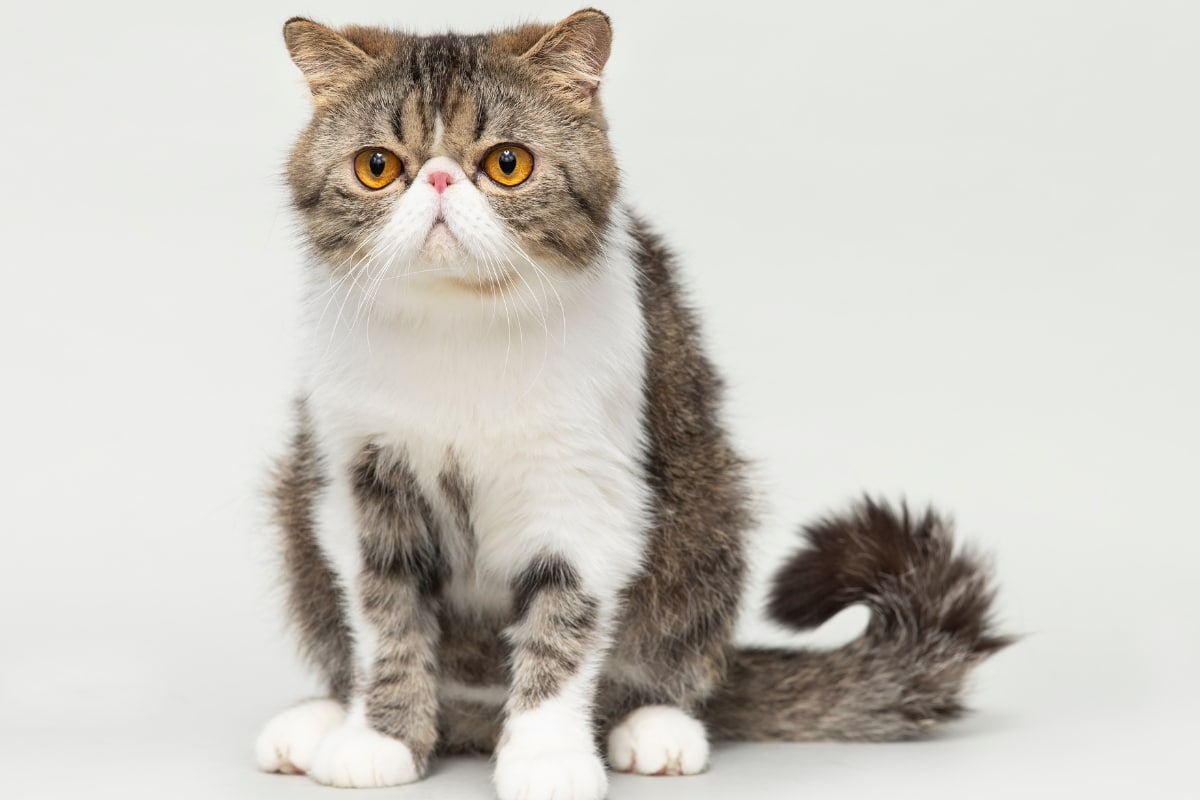
Exotic Shorthairs share the Persian’s calm temperament in a low-maintenance coat, and the Cat Fanciers’ Association describes the breed as sweet, quiet, and easygoing. They’re not big talkers and they don’t tend to pace or vocalize when you leave. A calm room, a soft bed, and a standard workday works well for most adults.
Japanese Bobtail
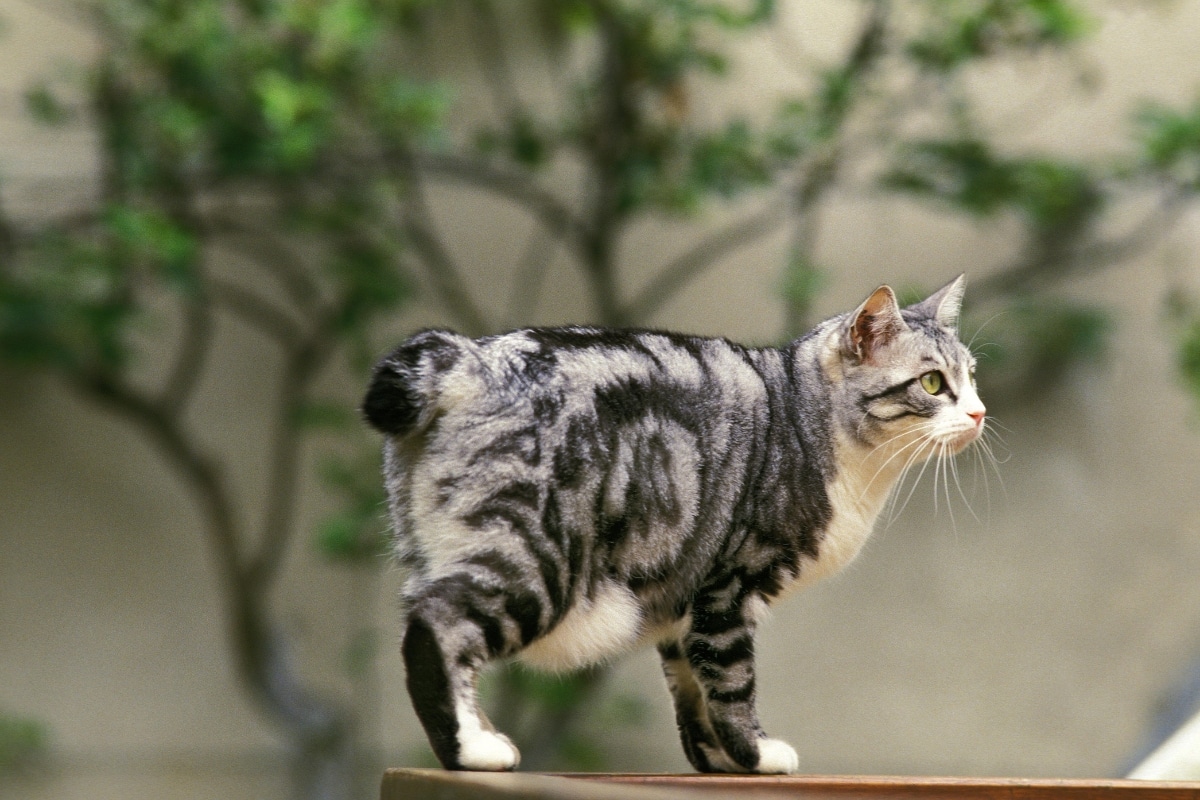
Japanese Bobtails are playful and curious, and the Cat Fanciers’ Association describes them as active and intelligent, the kind of cat that invents its own games. Give one a few toys to bat around and most Bobtails handle a standard workday without much fuss, though they do appreciate a burst of play the moment you’re home.
Sphynx
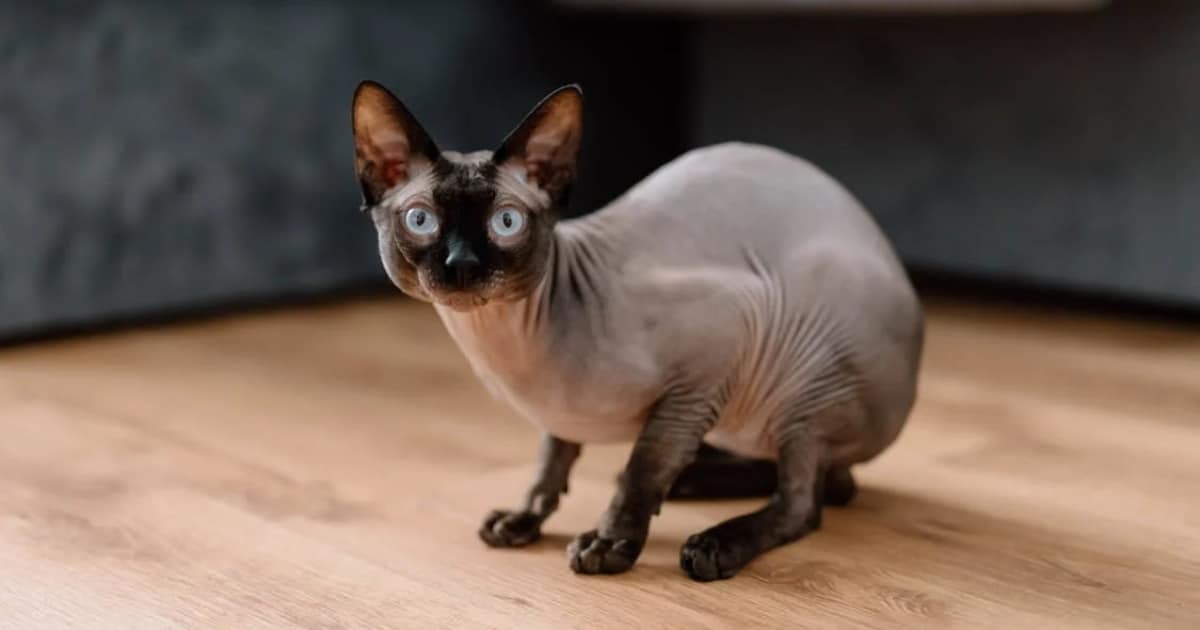
Sphynx cats are social, warm, literally, they run hotter than furred breeds, and genuinely attached to their people. VCA Animal Hospitals notes that Sphynx cats are prone to getting cold without a coat and need a stable, warm environment, which makes an all-day empty house a real risk in cooler weather, not just a personality mismatch. They also crave company more than most breeds on this list. A Sphynx can work for a left-alone household with a heated bed and a warm room, but it’s not the easy set-and-forget choice the rest of this list offers.
Oriental Shorthair
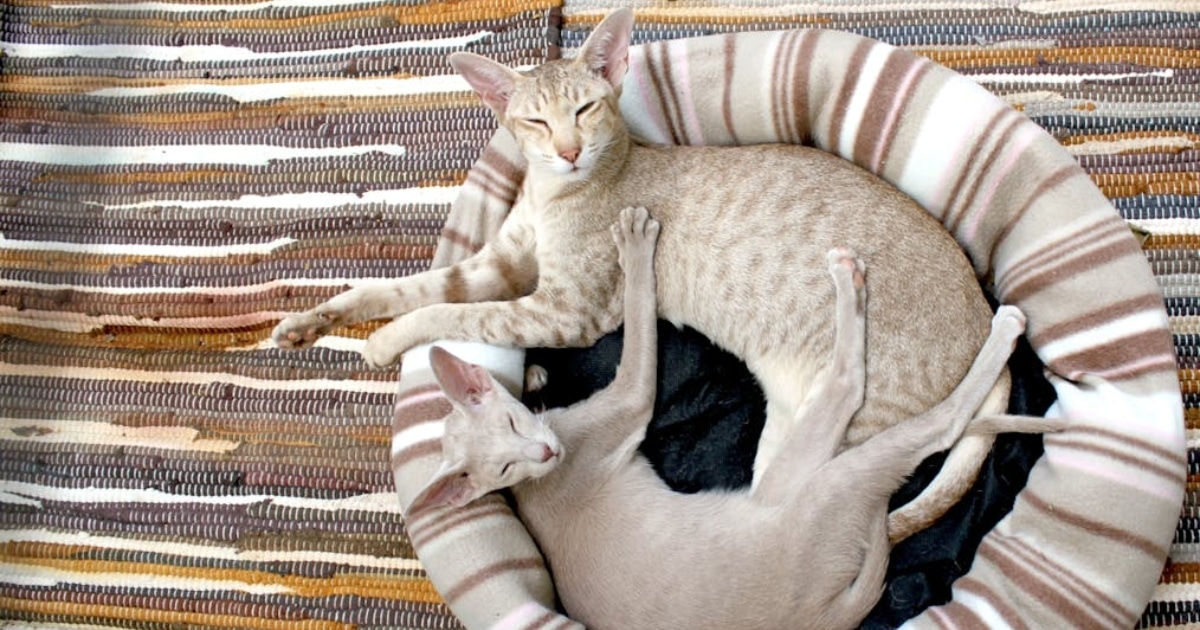
Oriental Shorthairs are Siamese relatives with the same sleek build and much of the same social drive. The Cat Fanciers’ Association describes them as intelligent, curious, and people-oriented, so like the Siamese, they do better with shorter stretches alone plus a companion or regular check-ins than with a full unattended workday.
Your Independent Feline Friend
So which breed actually fits your schedule? If you’re gone a full workday most days, the Russian Blue, British Shorthair, Scottish Fold, Chartreux, and Maine Coon are the safest bets here, and they overlap heavily with our list of cat breeds that are great for busy people. If you’re drawn to a Ragdoll, Bengal, or Sphynx for other reasons, plan around their real needs, a second cat, a midday visitor, or a warmer room, rather than assuming an independence the breed standards themselves don’t support.
None of this replaces watching your own cat. Some Maine Coons are velcro cats and some Russian Blues pace by the door. Check in on how your specific cat handles a normal workday before you commit to a longer one, and keep food, water, and a clean litter box non-negotiable no matter how independent the breed is on paper. Our piece on signs your cat feels safe at home is a good next read if you want to gauge how your own cat is really doing when you’re not there.
And if your cat seems to genuinely struggle with the empty house, a familiar-smelling blanket or an unworn shirt left on their favorite spot can help more than you’d expect. It’s a small thing, but our vet’s take on cats and their owner’s clothes explains why scent matters so much to them.