
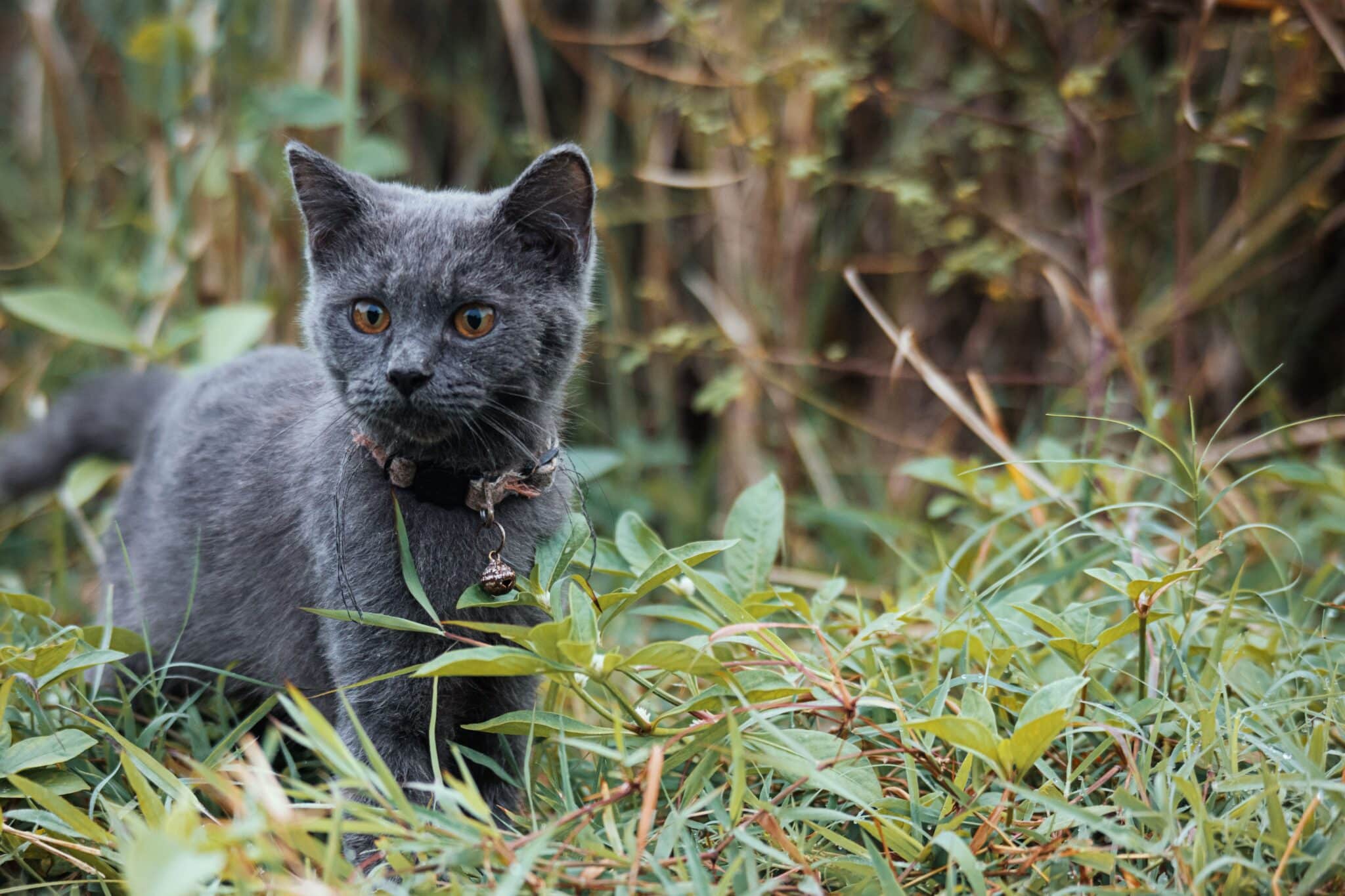
Some cats look as though they have wandered out of an enchanted forest, with tufted ears, fluffy tails, wild coats, and curious expressions. Their oversized paws and pointed ears evoke foxes, lynxes, and other woodland creatures. Certain breeds have rugged features, while others boast soft, fluffy appearances that make them look ready to curl up beneath a fern. Their personalities add to their appeal, combining curiosity, playfulness, and independence. These charming cats bring woodland magic into everyday life, delighting anyone who loves their enchanting appearance and feline charm.
Maine Coon
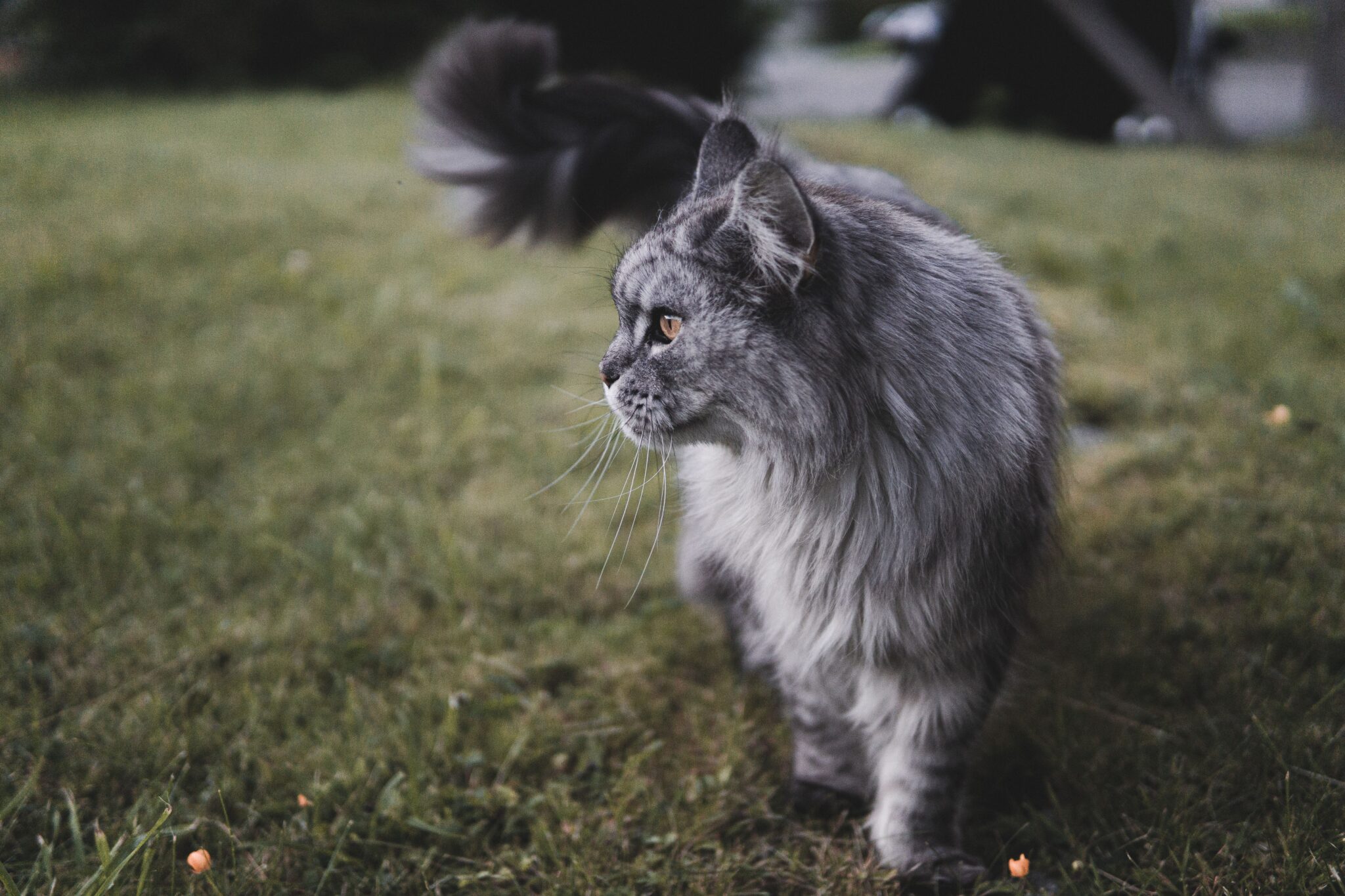
The Maine Coon could easily pass for a miniature forest guardian, thanks to its impressive size, shaggy coat, and expressive ears. Tufts often extend beyond the tips of the ears, while a full ruff frames the face like a mane. Its long, bushy tail and substantial paws add to the impression of a wild animal adapted to chilly woodland weather. These features developed in a breed associated with the cold winters of the northeastern United States, where a thick coat was useful. Despite the rugged appearance, Maine Coons are often sociable, playful, and interested in family activities. Many enjoy climbing, exploring, and watching the world from a high perch. Their individual personalities vary, but their combination of wilderness-inspired looks and friendly behavior makes them especially enchanting.
Norwegian Forest Cat
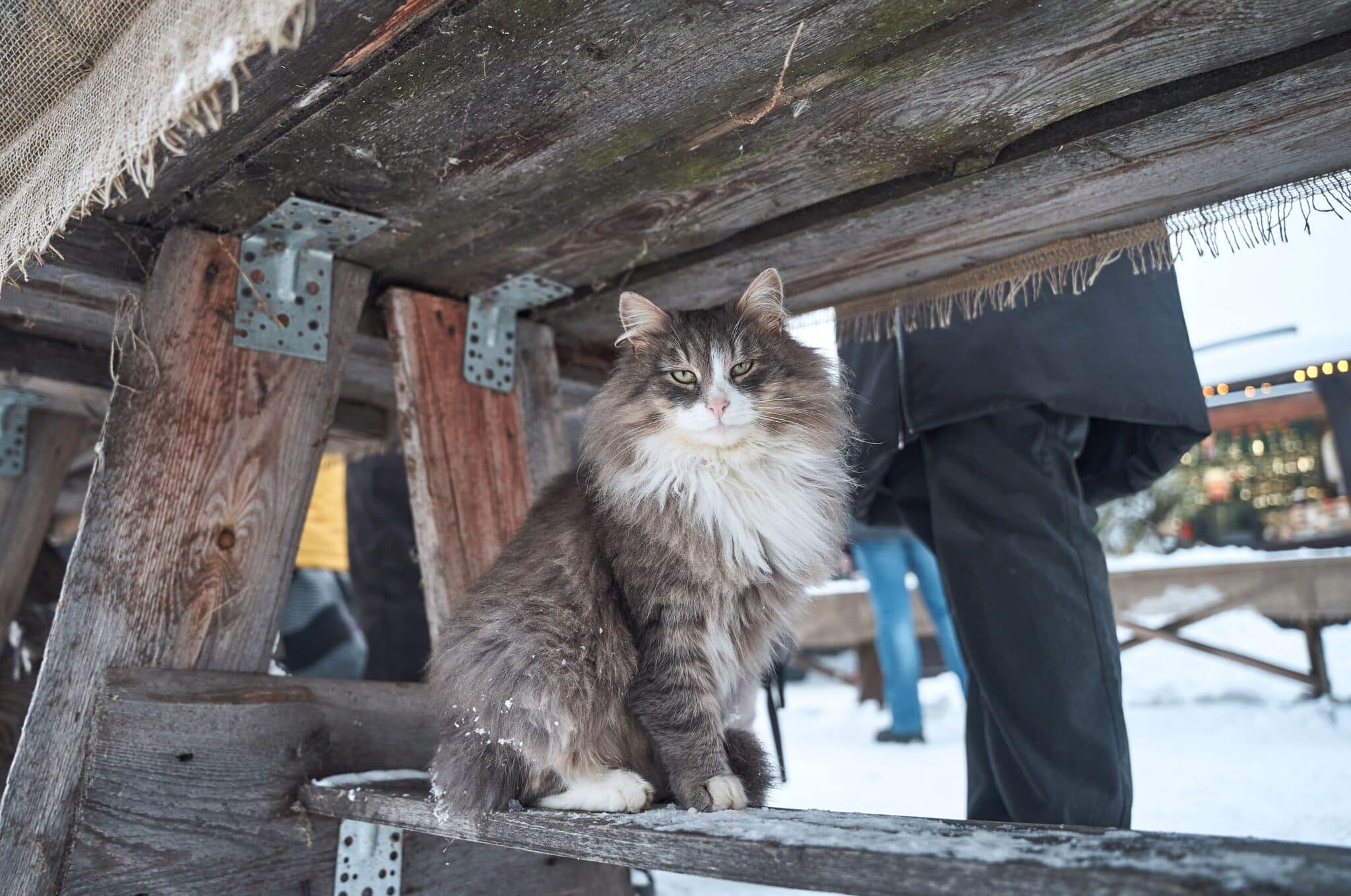
With its triangular face, alert ears, and thick double coat, the Norwegian Forest Cat looks perfectly suited to wandering through a misty forest. Its fluffy chest, feathered tail, and tufts between the toes contribute to its rugged appearance. These features are associated with its origins in Norway, where a coat capable of handling cold, damp weather was advantageous. The breed is also known for its climbing ability, supported by strong muscles and sturdy claws. At home, Norwegian Forest Cats often appreciate elevated resting places, scratching posts, and opportunities to investigate their surroundings. They may be affectionate without constantly demanding attention, making them appealing companions for people who enjoy a cat with an independent streak. Their wild woodland appearance comes with the familiar comforts and quirks of domestic feline life.
Siberian
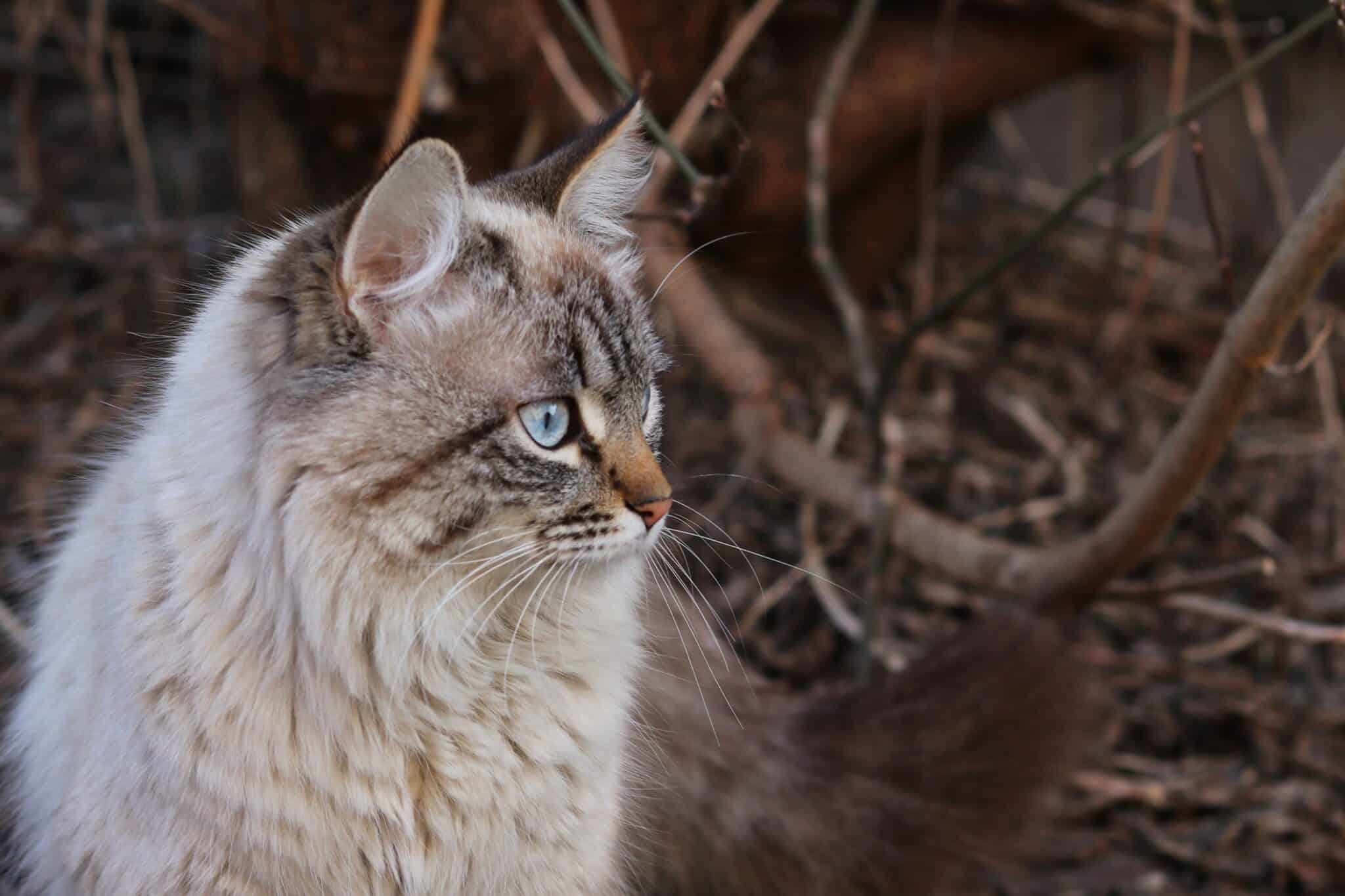
The Siberian has the look of a small animal built for snowy forests, complete with a dense coat, rounded paws, and a full tail that can wrap around its body. Its fur forms a thick outline around the neck and chest, while its rounded contours and expressive eyes give it a soft, almost storybook appearance. Originating in Russia, the breed developed a substantial coat that helps protect against cold conditions. Siberians are also muscular and athletic, often enjoying climbing, chasing toys, and investigating new spaces. Many form close bonds with their families, although their social preferences differ from cat to cat. Regular grooming helps manage shedding and tangles, especially during seasonal coat changes. With their combination of strength, fluffiness, and alert curiosity, Siberians look like woodland adventurers who have discovered the joys of a warm home.
American Bobtail
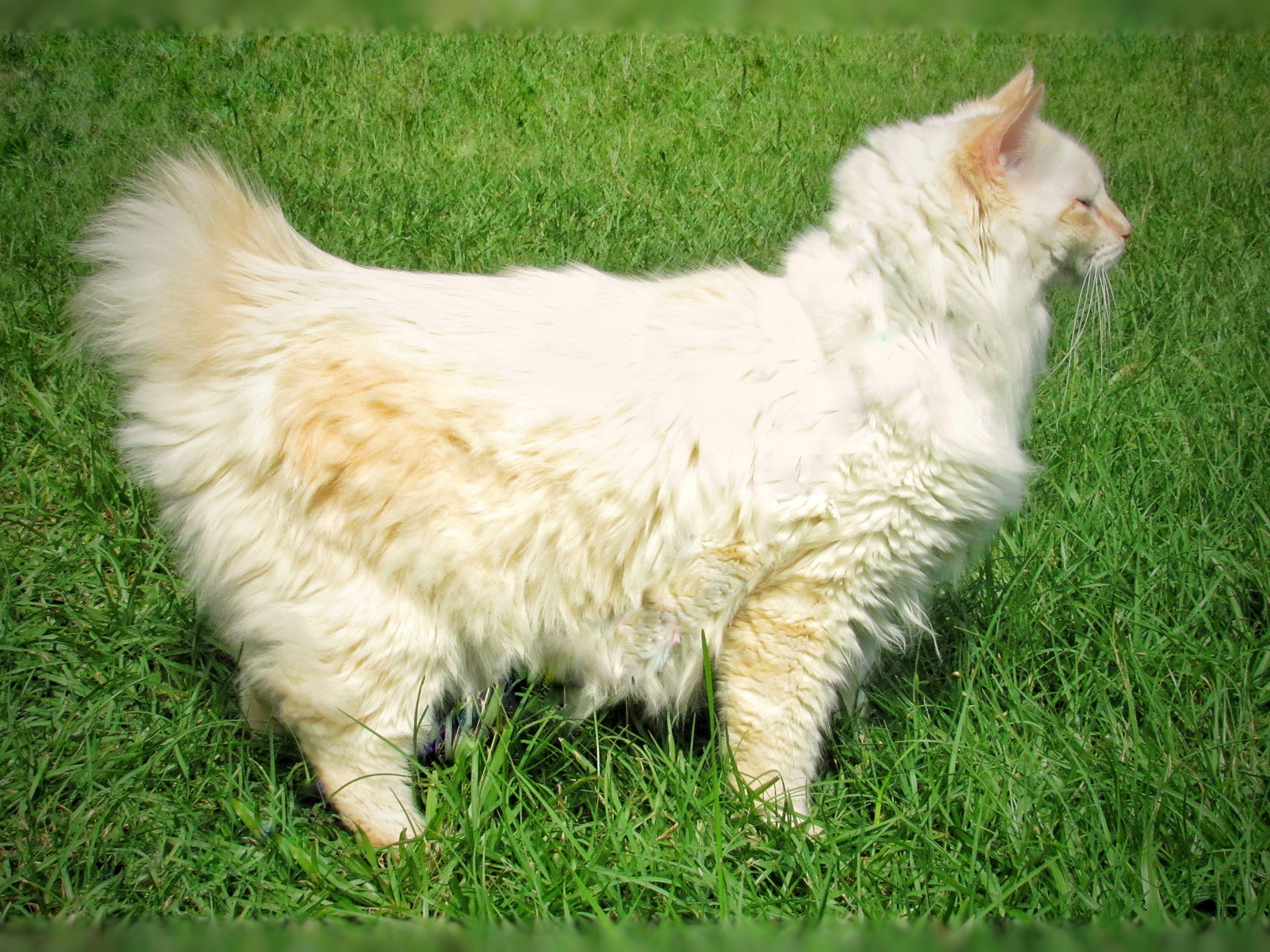
The American Bobtail resembles a compact wildcat, especially when its sturdy body, broad face, and distinctive short tail come together in one rugged silhouette. Its tail is naturally short rather than docked, and it may be straight, curved, or slightly kinked. Some American Bobtails have shaggy coats and noticeable ear furnishings that strengthen their woodland appearance. Their expressive eyes and powerful-looking legs can make them seem ready to explore a thicket or investigate a rustling leaf. Many enjoy interactive play and puzzles, and some develop a reputation for being adaptable, engaging companions. Coat length varies, so not every American Bobtail looks equally fluffy. Their personalities also differ, as with any breed. Still, the combination of a bobbed tail, sturdy frame, and inquisitive expression gives these cats a distinctly wild-inspired charm.
Somali
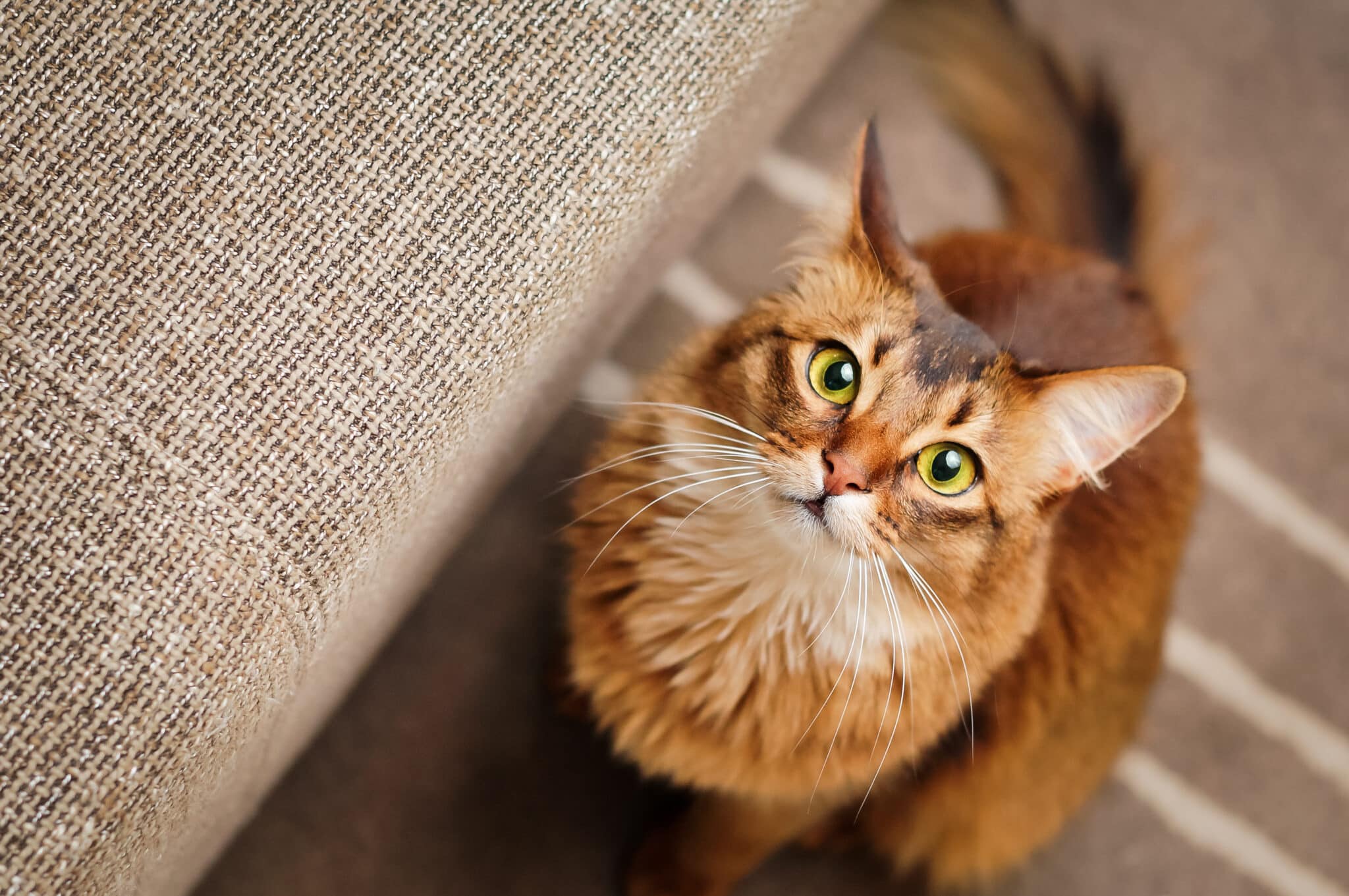
The Somali looks like a little fox that has wandered into the living room. Its large ears, almond-shaped eyes, and long, plumed tail create a striking silhouette, while its ticked coat gives the fur a rich, glowing appearance. Each hair typically contains bands of color, producing a layered look rather than the simple stripes or patches seen in many other cats. Somalis are closely related to Abyssinians and share their athletic build and lively curiosity. They often enjoy climbing, chasing moving toys, and investigating whatever catches their attention. Their playful energy can make them entertaining companions, though they generally benefit from regular interaction and enrichment. The coat is silky rather than heavily shaggy, but the bushy tail and alert, foxlike features make the Somali a natural fit for a woodland-inspired cat collection.
Turkish Van
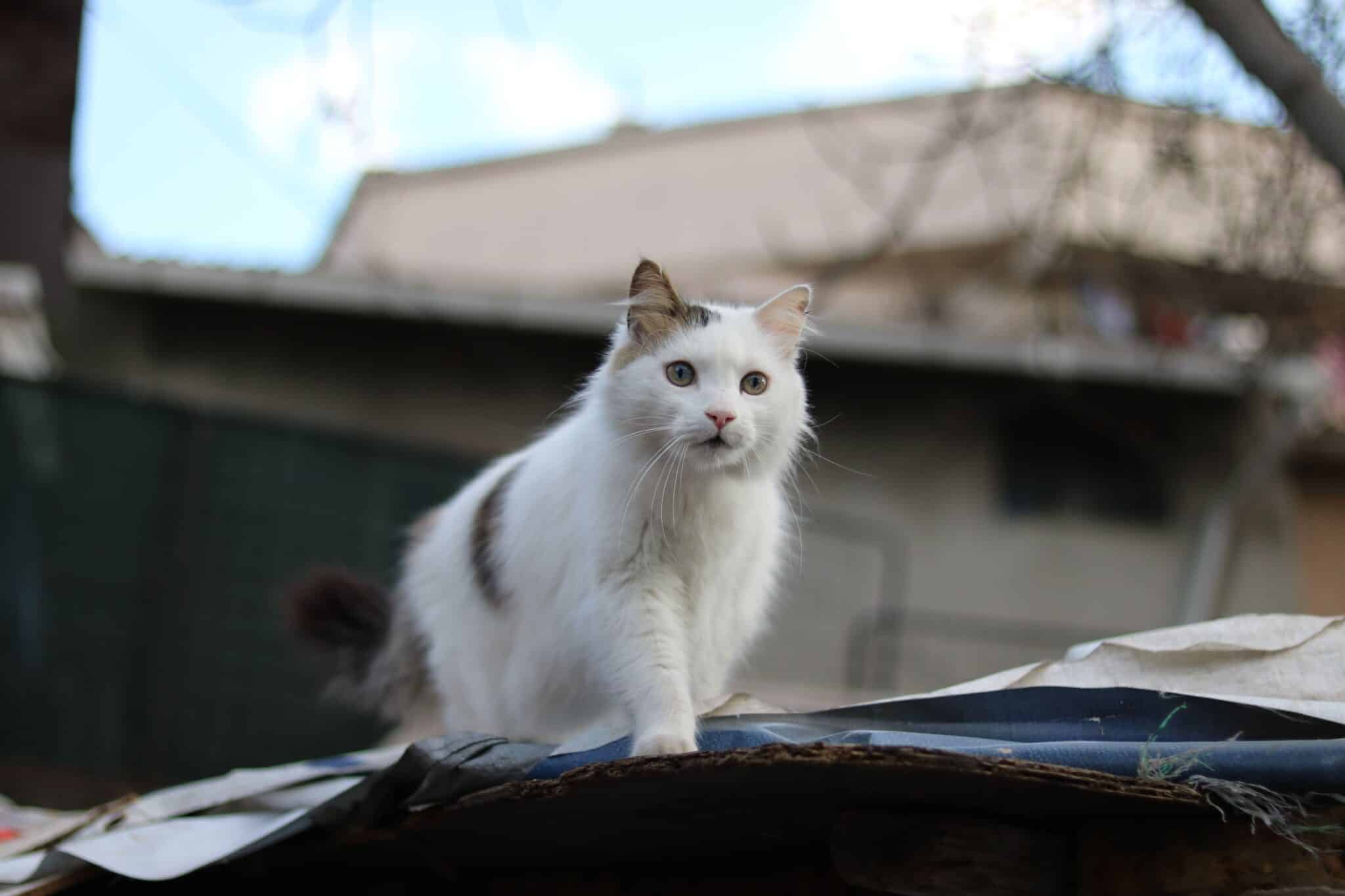
The Turkish Van has a distinctive appearance that can call to mind a pale woodland animal with a colored cap and a sweeping tail. Its mostly white, semi-longhaired coat is often marked with color on the head and tail, a pattern commonly called the Van pattern. The breed’s substantial body, strong legs, and plush tail give it a sturdy, outdoorsy look without the heavy ruff found on some forest-associated breeds. Turkish Vans are often active and curious, with many enjoying jumping, exploring, and interactive games. Some also show an unusual interest in water, although this is not true of every individual. Their coat is generally soft and lacks a dense woolly undercoat, so grooming needs can be more manageable than their fluffy appearance suggests. Their striking markings and energetic nature make them look like curious visitors from a hidden woodland pond
Chartreux
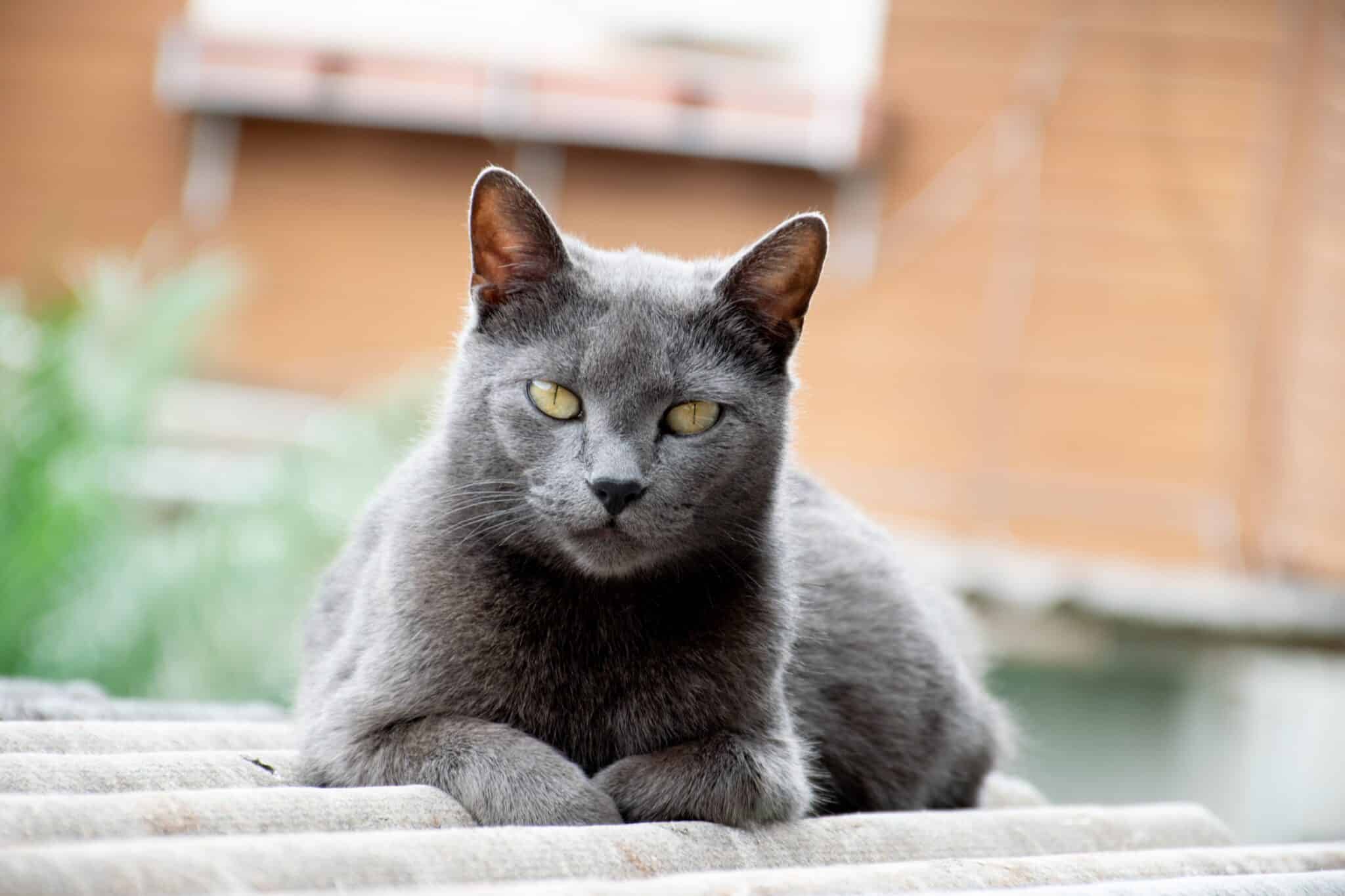
The Chartreux resembles a soft gray woodland animal, with a dense blue-gray coat, rounded cheeks, and copper or gold eyes that stand out against its fur. Its woolly coat has a slightly textured appearance, giving the cat a plush, sturdy outline rather than a sleek silhouette. The breed’s broad head and quiet, observant expression can make it look like a small creature patiently watching the forest from beneath a tree. Chartreux cats are often described as calm and adaptable, though many enjoy playful bursts of activity and interactive games. Their quiet nature does not mean they lack personality; some communicate through soft sounds and subtle body language. Regular brushing helps manage loose fur, particularly during shedding periods. With its muted coloring and plush build, the Chartreux has a gentle, moss-and-stone kind of woodland charm.
Egyptian Mau
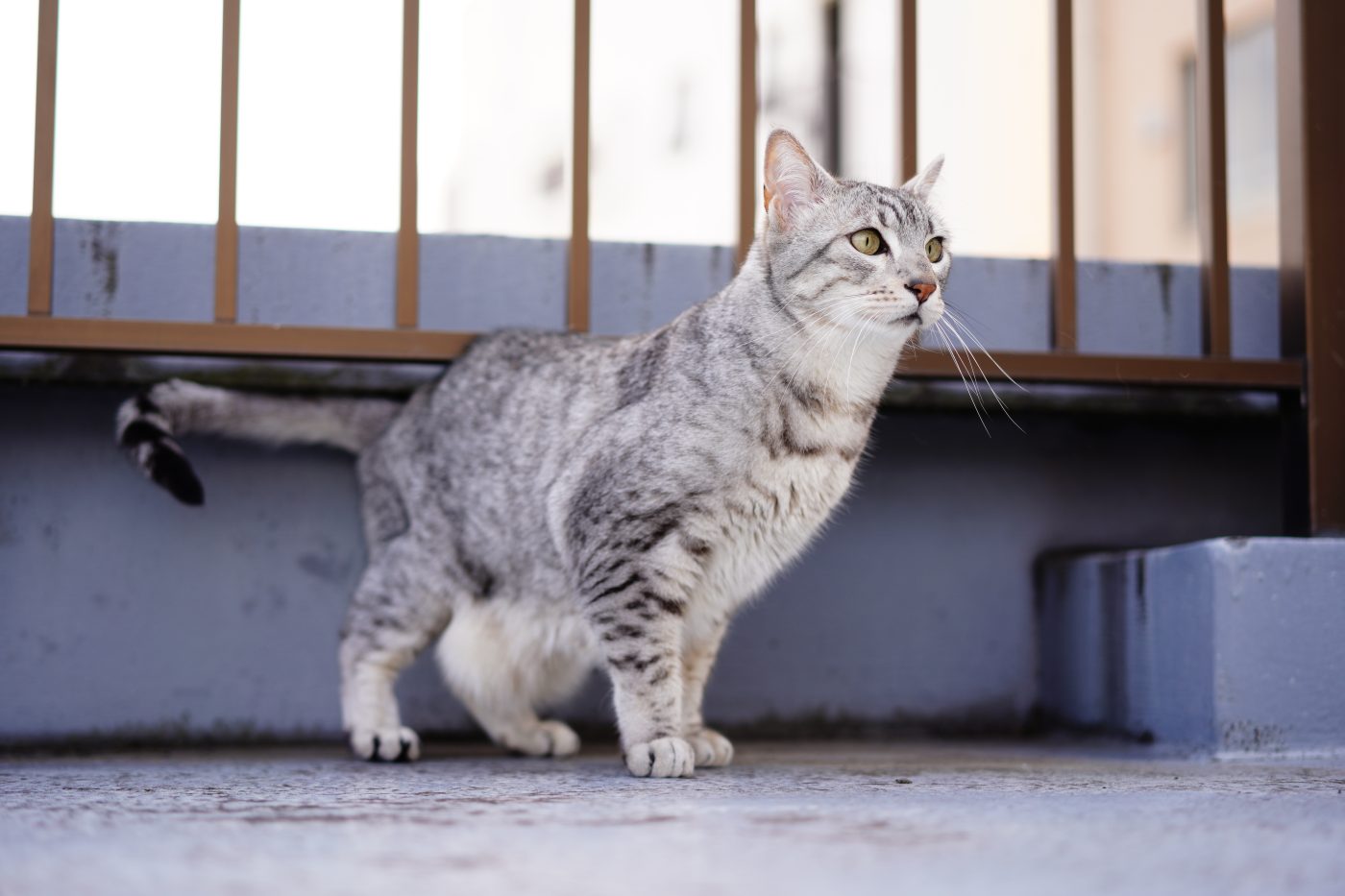
The Egyptian Mau looks like a small spotted wildcat, with a sleek body, large green eyes, and naturally occurring spots across its coat. Its hind legs are slightly longer than its front legs, contributing to a poised, athletic stance that seems ready for a sudden dash through the undergrowth. The coat’s spotted pattern is especially distinctive because the markings occur naturally rather than being created solely through selective tabby striping. Egyptian Maus are often fast, alert, and playful, and many enjoy activities that let them chase, leap, and investigate. Some can be cautious around unfamiliar people, while others are outgoing and social. Their short coat requires relatively little grooming, but their active minds need stimulation. With its striking spots and watchful expression, the Egyptian Mau resembles a tiny forest hunter, even though it is a fully domestic cat.
Persian
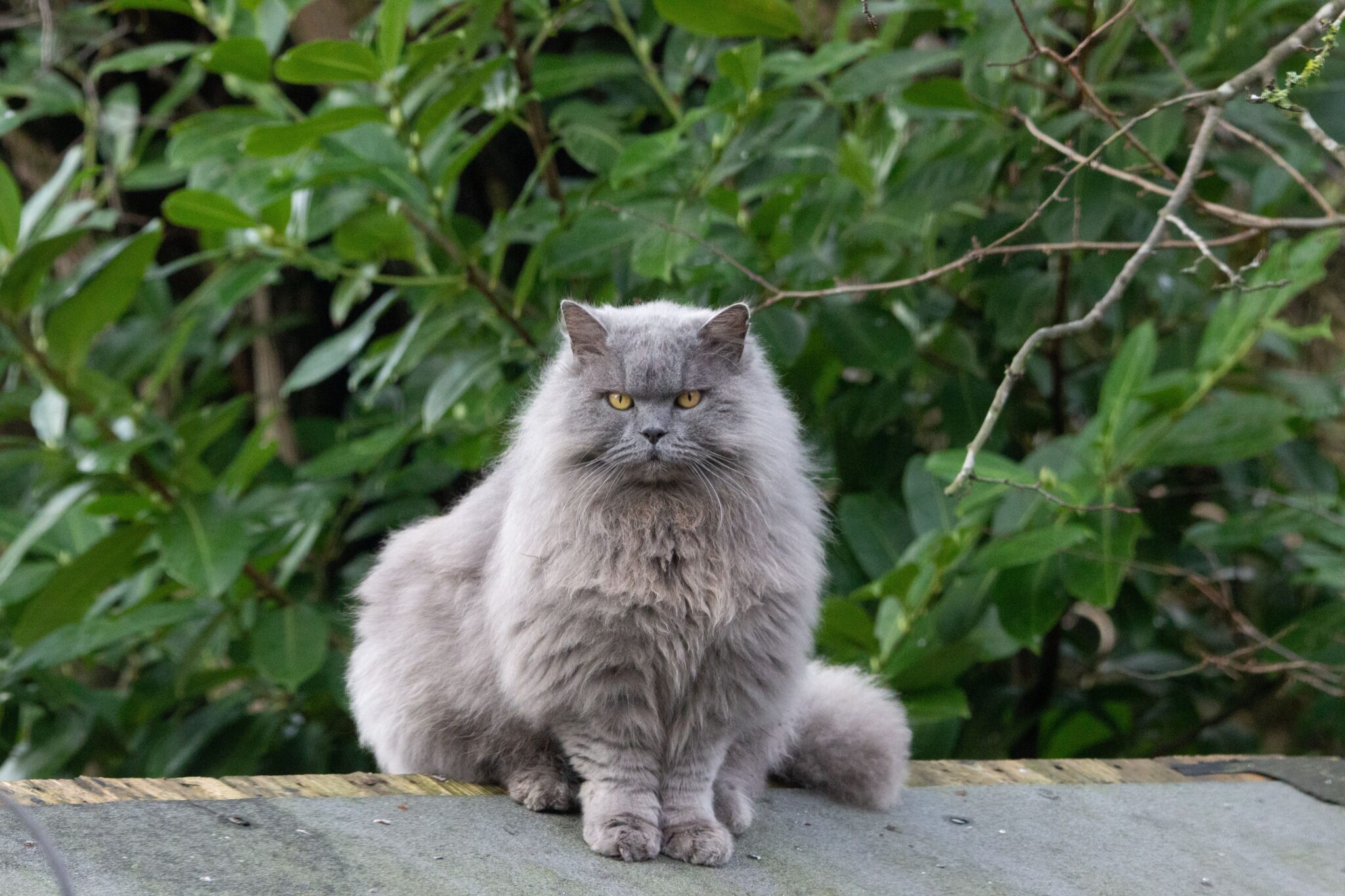
Persian cats have rounded faces, large expressive eyes, and luxurious coats that give them a soft, almost enchanted appearance. Their abundant fur creates a plush silhouette that can resemble a little creature resting beneath the ferns in a storybook forest. Although their appearance is more gentle than wild, their fluffy tails and full coats add to their woodland-inspired charm. Persians often enjoy peaceful surroundings and comfortable resting places, making them well-suited to quiet indoor environments. Their long fur requires regular grooming to prevent tangles and matting, while individual personalities range from affectionate to independent. With attentive care, these cats bring a dreamy, fairy-tale quality to everyday life.
Scottish Fold
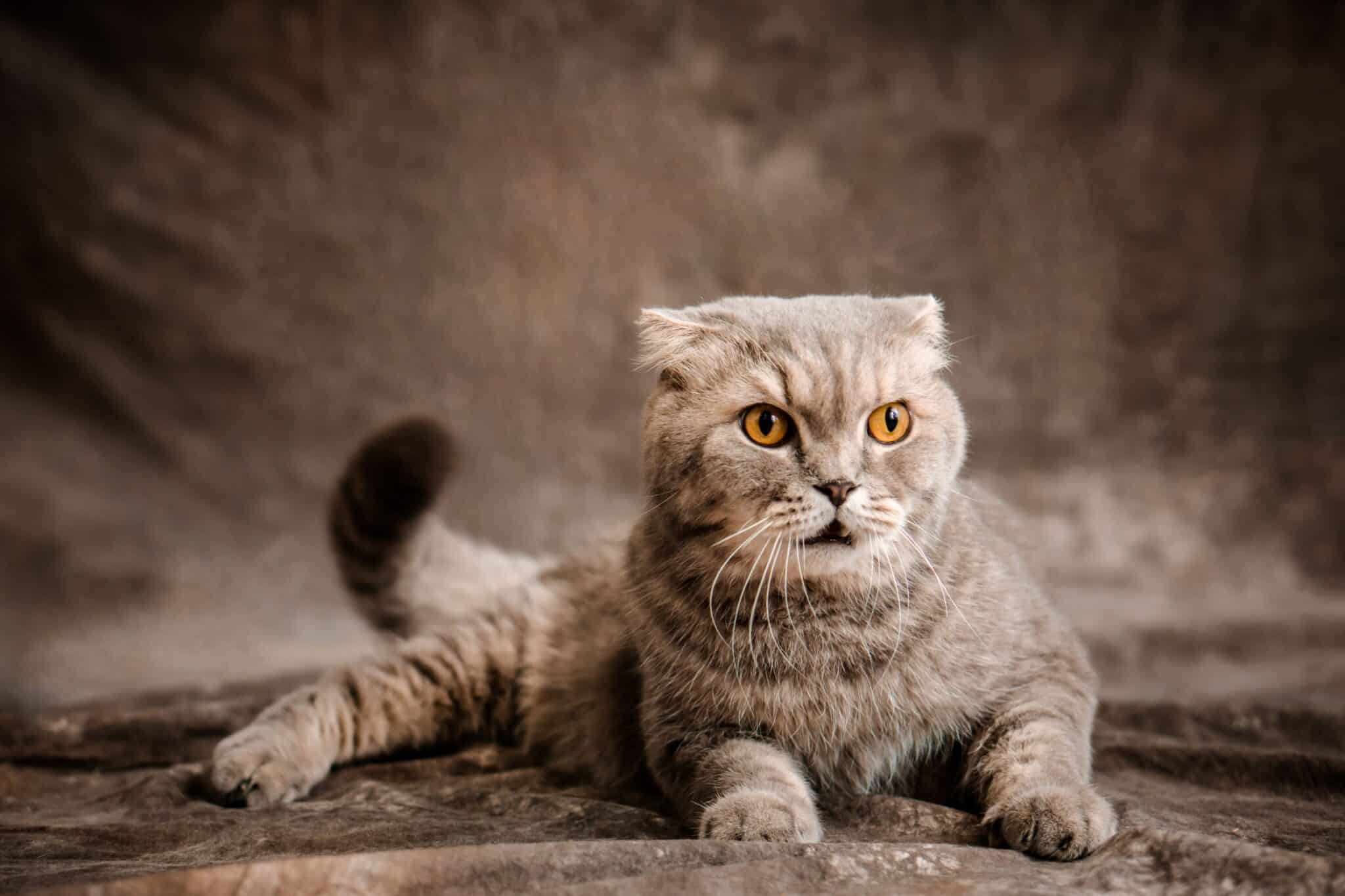
Scottish Fold cats have rounded faces, large eyes, and distinctive folded ears that give them an unusual, almost whimsical appearance. Their compact bodies and soft coats can make them look like little forest creatures peeking out from beneath a leafy branch. Their expressions often seem curious and thoughtful, adding to their storybook charm. Many enjoy spending time near familiar people, although personalities and activity levels vary. However, the gene responsible for folded ears is associated with abnormal cartilage development and painful joint disease. Anyone considering this breed should prioritize feline welfare and seek veterinary guidance. Their distinctive appearance should never outweigh their health and comfort.
Russian Blue
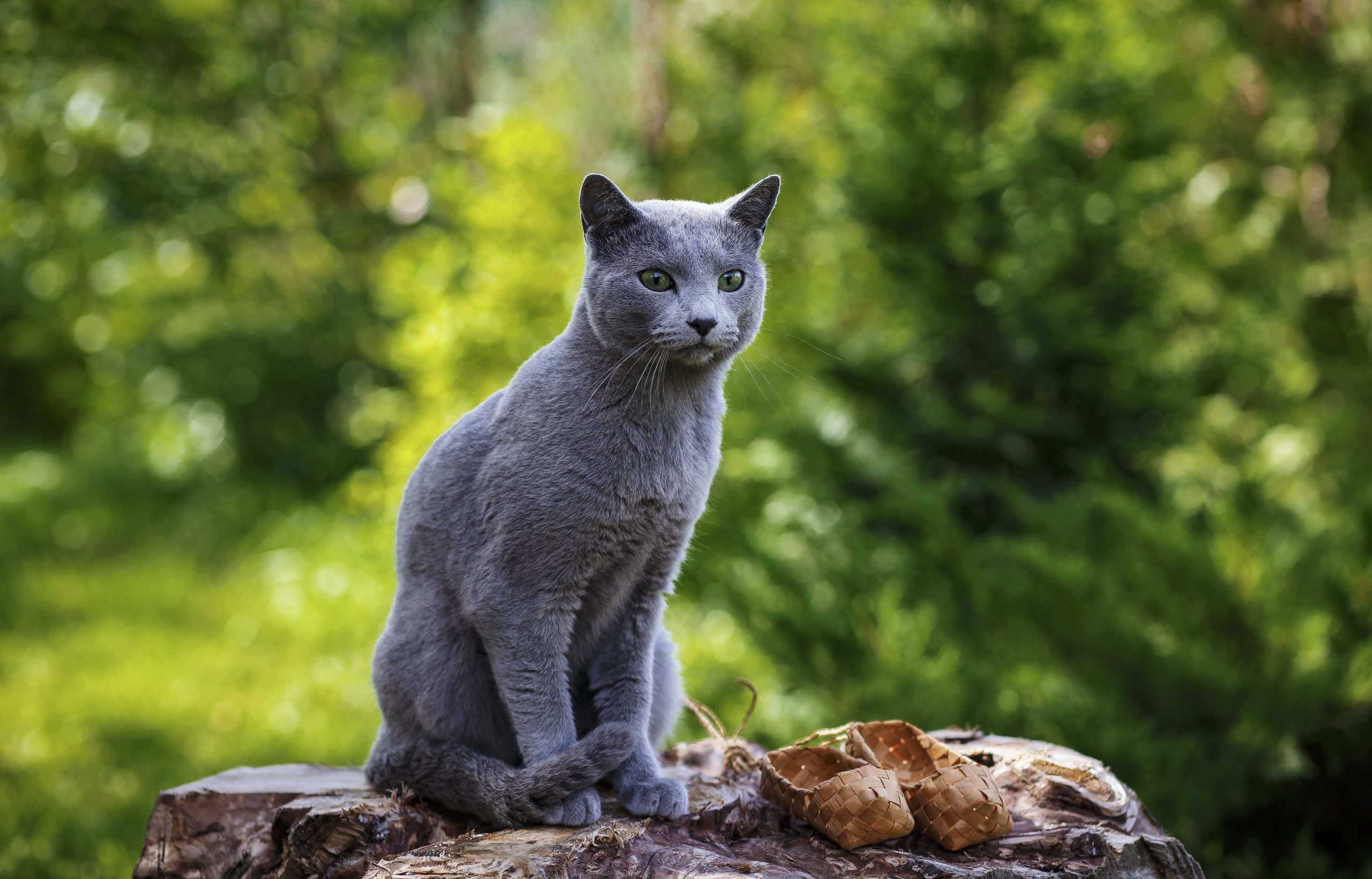
Russian Blue cats have sleek silver-blue coats, vivid green eyes, and elegant features that evoke the quiet mystery of a shaded woodland. Their cool-toned fur resembles the silvery light that filters through trees on a misty morning, while their alert expressions give them a watchful, almost magical appearance. Unlike fluffier forest-inspired breeds, Russian Blues have short, dense coats that create a smooth, refined silhouette. Many are reserved around strangers but develop close bonds with familiar companions. They often appreciate predictable routines, peaceful resting places, and opportunities for interactive play. Their understated beauty makes them a lovely choice for a woodland-themed cat collection.
Ragdoll
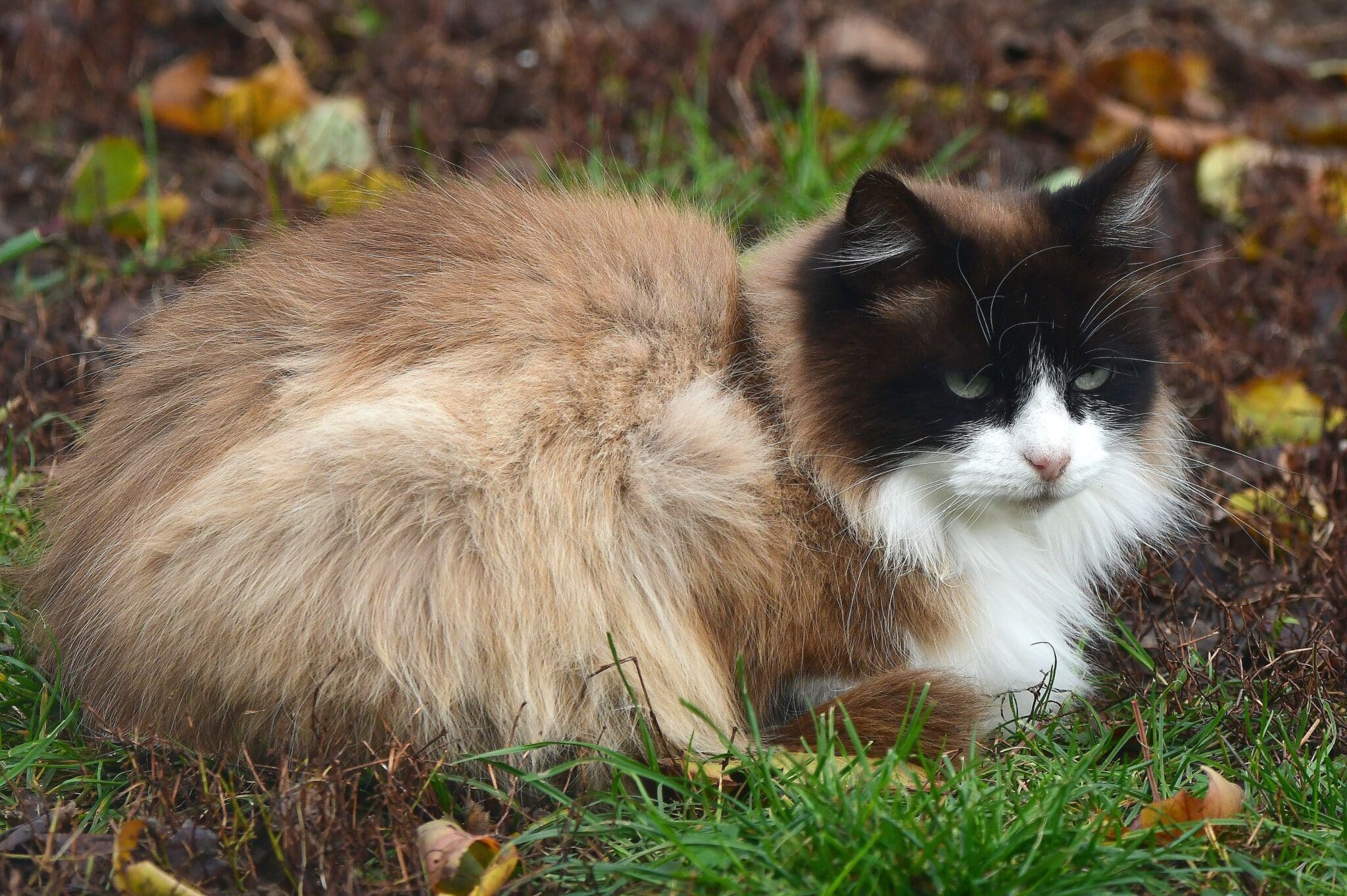
Ragdolls have striking blue eyes, soft semi-long coats, and gentle expressions that make them look like characters from an illustrated fairy tale. Their fluffy tails and color-point markings create a beautiful appearance reminiscent of a magical creature resting in a peaceful forest clearing. Many Ragdolls enjoy human companionship and may follow their favorite people around the home, although individual personalities differ. Their coats benefit from regular brushing to prevent tangles and remove loose fur. They also need daily play, enrichment, and comfortable resting places. With attentive care, a Ragdoll brings a gentle, dreamy quality to a home filled with woodland-inspired charm.
American Shorthair
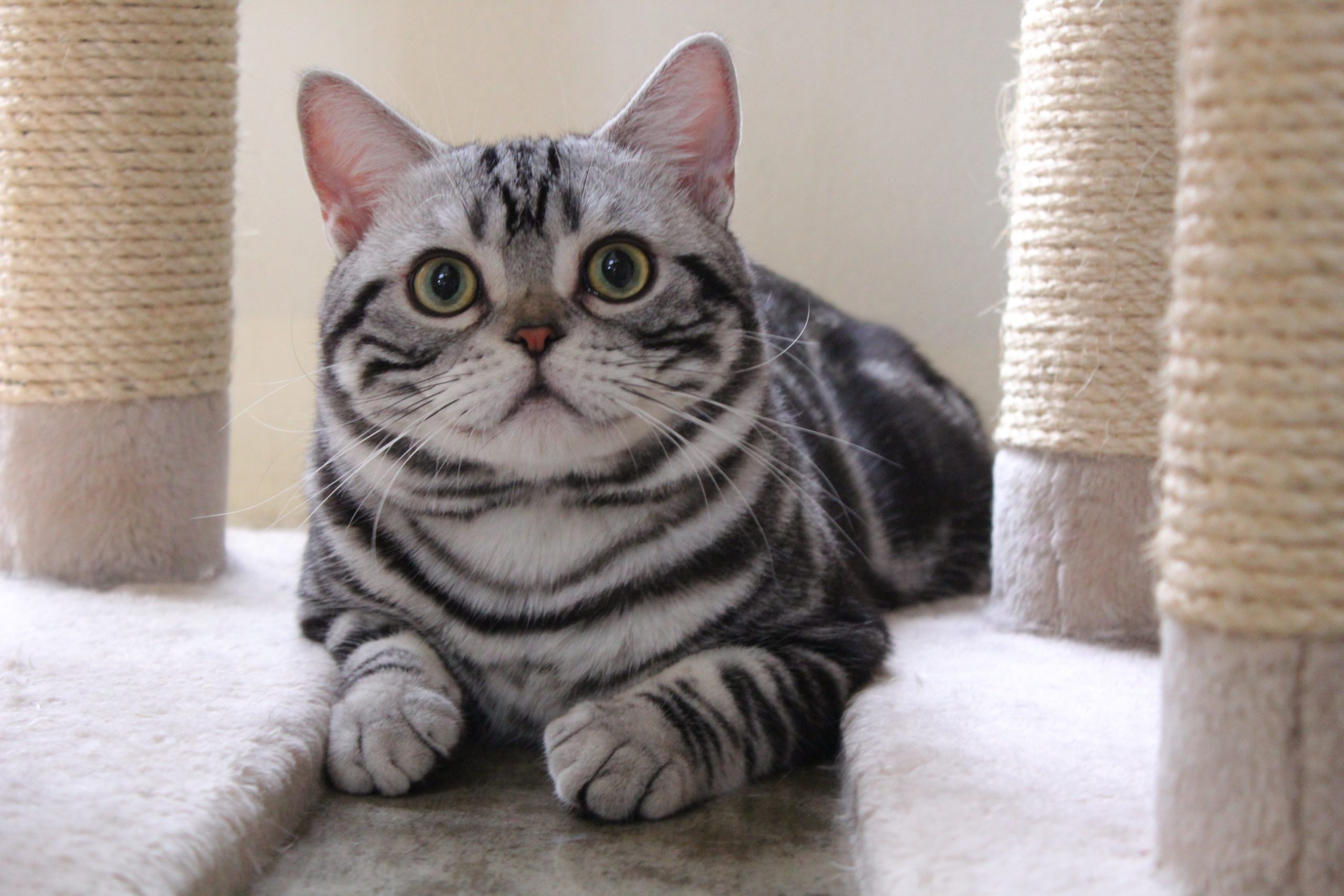
American Shorthair cats have classic faces, sturdy bodies, and familiar tabby patterns that bring to mind the friendly shop cat in a favorite novel. Their balanced appearance feels timeless rather than extravagant, making them a natural fit for a book-filled home. Individual personalities differ, but many appreciate a mix of companionship, independent exploration, and interactive play. Their short coats are relatively easy to maintain with occasional brushing. Providing scratching posts, toys, comfortable resting spots, and daily attention helps them stay engaged, whether they prefer curling up beside a reader or watching the world from a windowsill.
The Forest Is Full of Feline Charm
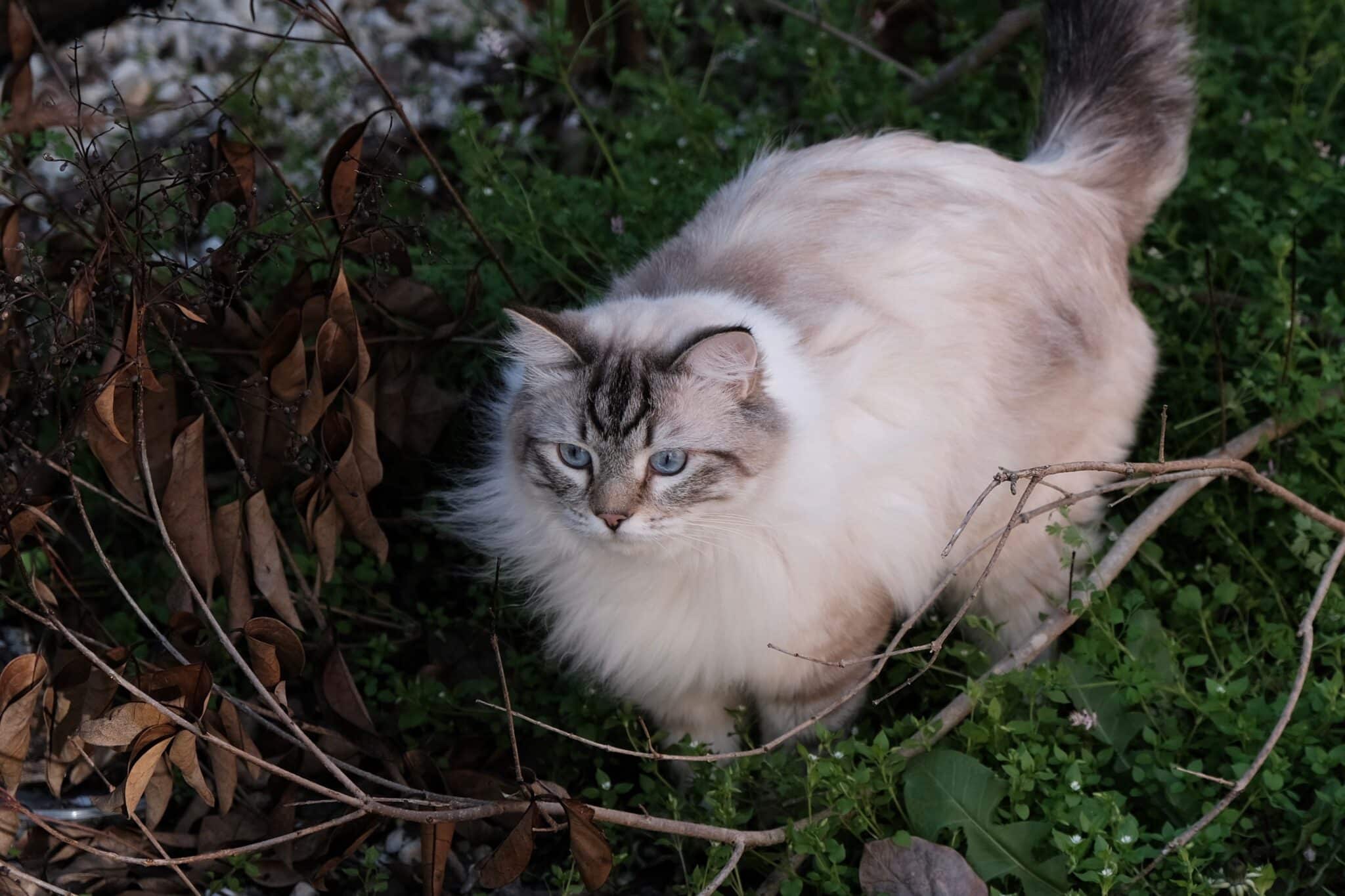
From shaggy cats with tufted ears to sleek, spotted companions with alert expressions, these breeds show how varied the woodland look can be. Some resemble tiny lynxes, others bring foxlike tails or soft, moss-colored coats, and a few have distinctive features that seem straight out of a fairy tale. Appearance is only part of their appeal, however. Each cat has individual needs, energy levels, and social preferences, so choosing a companion means looking beyond the forest-creature looks. With appropriate care, enrichment, and a safe place to explore, these cats can bring a little wild-inspired wonder into everyday home life.
This content was created with AI assistance and edited by the iHeartCats team.