
The best cat breeds for backpacking are leash-trainable, people-bonded, and physically hardy. Bengal, Abyssinian, Savannah, Turkish Van, and Siberian cats top the list. These breeds share three traits backpackers need: a strong bond to their owner so they don’t bolt in unfamiliar terrain, tolerance for harness and carrier use, and physical stamina for multi-hour hikes. Smaller, lighter breeds like the Abyssinian (6-10 lbs) travel easier than large breeds like the Maine Coon (10-25 lbs), which matters when you’re the one carrying the pack.
Methodology: Evidence-reviewed, not hands-on tested.
Backpacking with a cat isn’t just about personality. It’s about whether the cat will tolerate a harness, stay calm in a tent at 2 a.m., and not weigh you down on mile eight. Not every cat accepts a harness right away; vets recommend gradual conditioning before any outdoor walk. A strong bond to their owner also makes cats less reactive to stress in unfamiliar environments, which is exactly what you want from a cat sleeping in a tent instead of its own bed. Want more on why some cats attach harder to their people than others? Our piece on why cats like some humans and not others breaks that down. The table below lines up all 15 adventure-ready breeds by the factors that actually decide whether a cat belongs on your back or in your pack.
Here’s a closer look at each breed, with the backpacking-specific detail the chart above doesn’t have room for.
Bengal
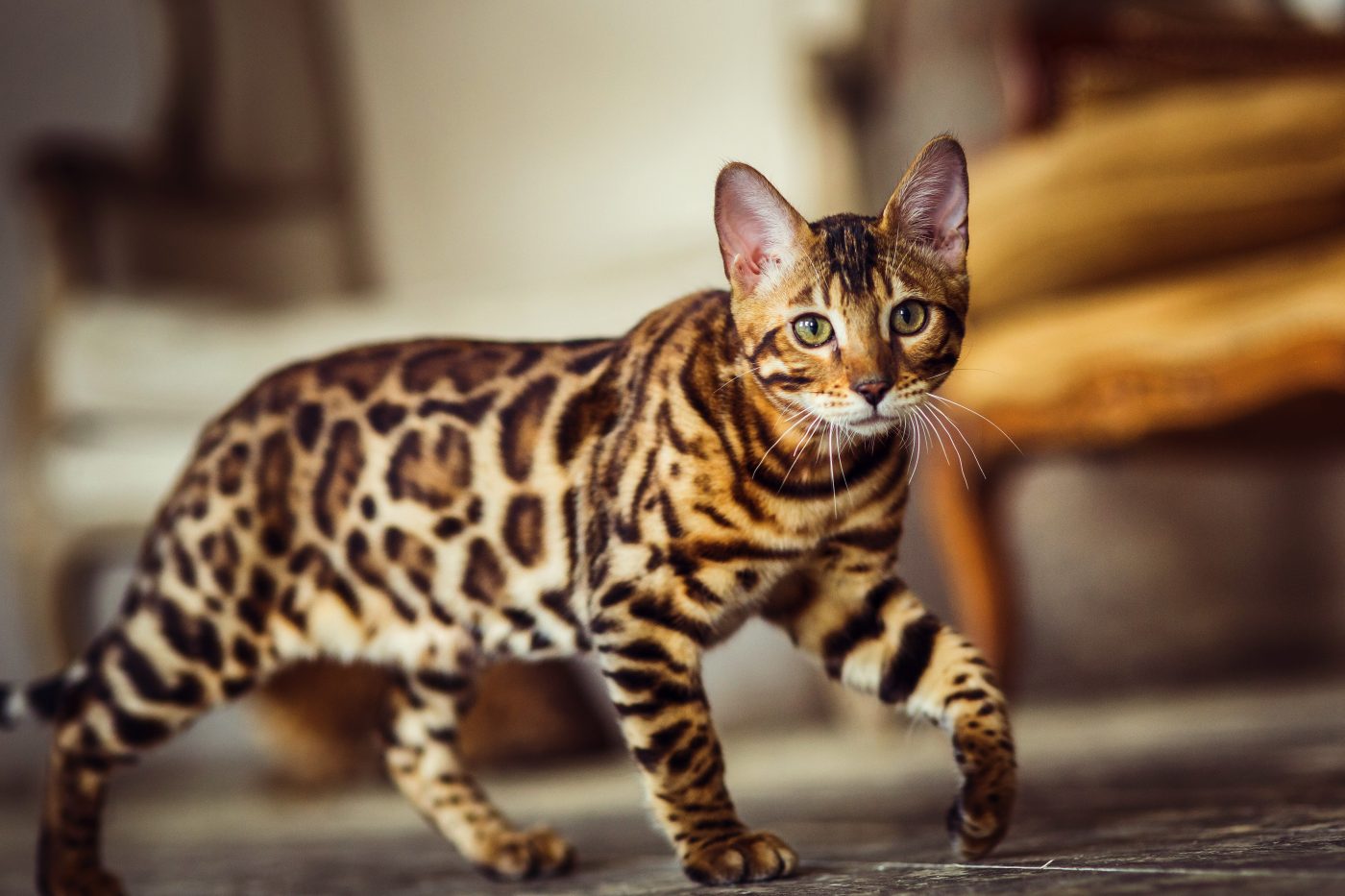
With their wild leopard-like appearance, Bengals are natural-born explorers. Highly energetic and intelligent, they love climbing, leaping, and playing interactive games, and that same drive makes them quick to pick up harness work. The breed’s profile describes an active, intelligent temperament that responds well to leash training, adult weight of 8 to 15 pounds, and a short coat suited to warm-to-temperate climates, light enough to carry in a sling carrier when a trail gets too rough for paws. If you want to see more cats that pull off a wild look without hybrid paperwork, check out our roundup of cat breeds that look like wild animals.
Abyssinian

Often called the “athletes” of the cat world, Abyssinians are sleek, agile, and curious by nature. They love heights, exploring every nook and cranny, and will happily follow you on new adventures. The breed is described as agile and highly trainable, averaging 6 to 10 pounds, with a short, close-lying coat suited to warm-to-temperate climates, which makes this one of the lightest and easiest cats to carry when the trail turns steep. Abyssinians are also champion climbers, so if that’s the trait you’re shopping for, our guide to cat breeds with remarkable climbing skills has more options.
Savannah
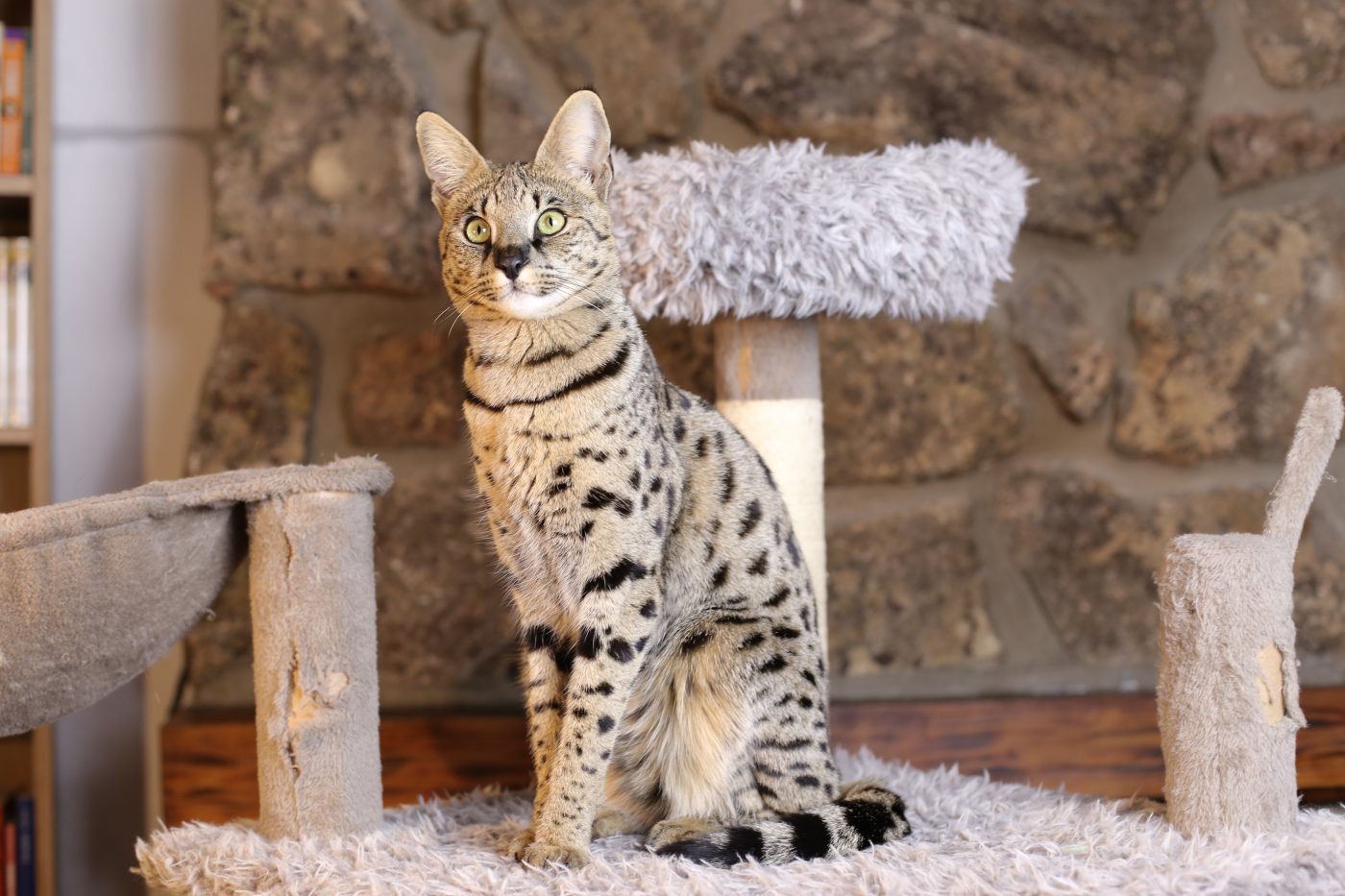
The Savannah cat is a hybrid of a domestic cat and a wild African serval, known for its exotic looks and wild spirit. They’re extremely active, love water, and the breed standard notes they take well to leash walks, carry a short coat suited to warm-to-temperate climates, with adult weight ranging from 12 to 25 pounds depending on filial generation, which matters a lot when you’re deciding how much cat you’ll actually be carrying. One thing to check before you book a trip: Savannah cats are restricted or banned in several states and countries depending on generation, so verify local law before you cross a state or national border with one.
Siamese
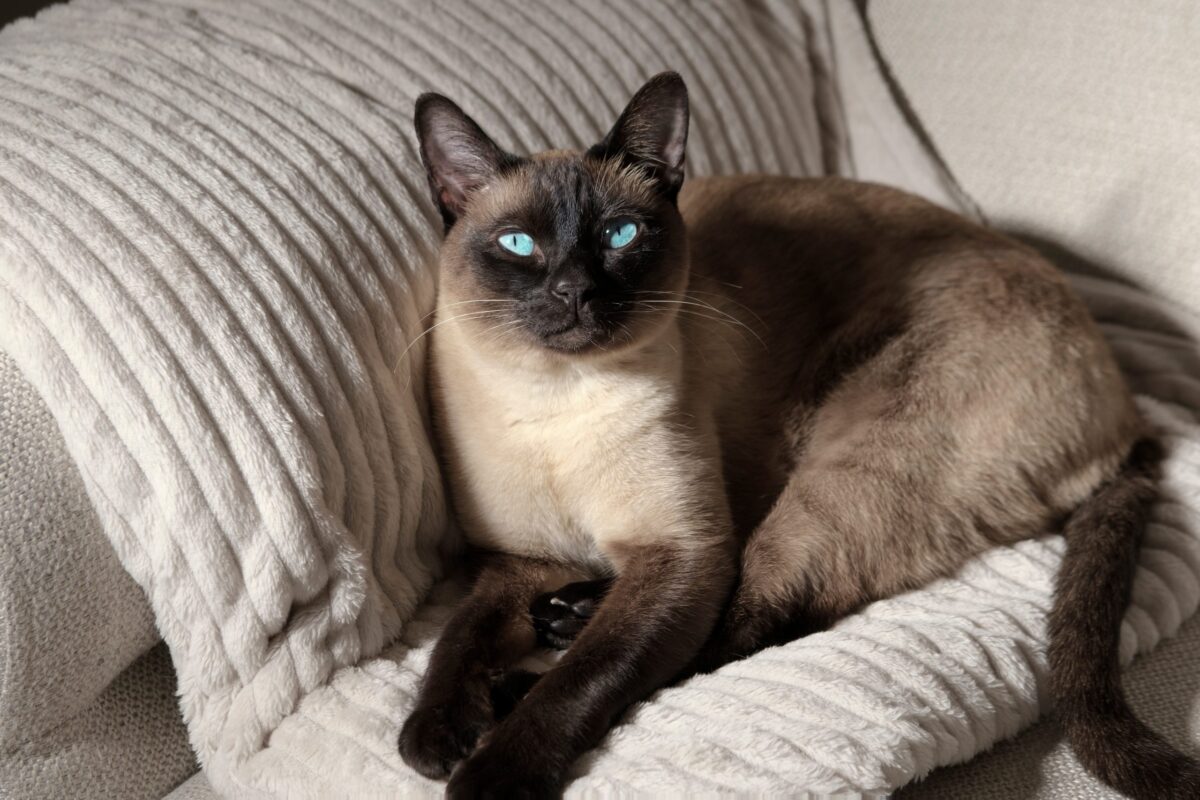
Siamese cats are vocal, intelligent, and full of personality. They form strong bonds with their humans and love participating in whatever’s happening around them, which is exactly the kind of attachment that keeps a cat calm in a tent instead of trying to escape it. The breed is described as moderately trainable on a harness, averaging 8 to 12 pounds, with a short coat suited to warm climates. Expect a lot of conversation along the trail: Siamese cats are among the most talkative breeds, so pack your patience along with your tent stakes.
Turkish Van
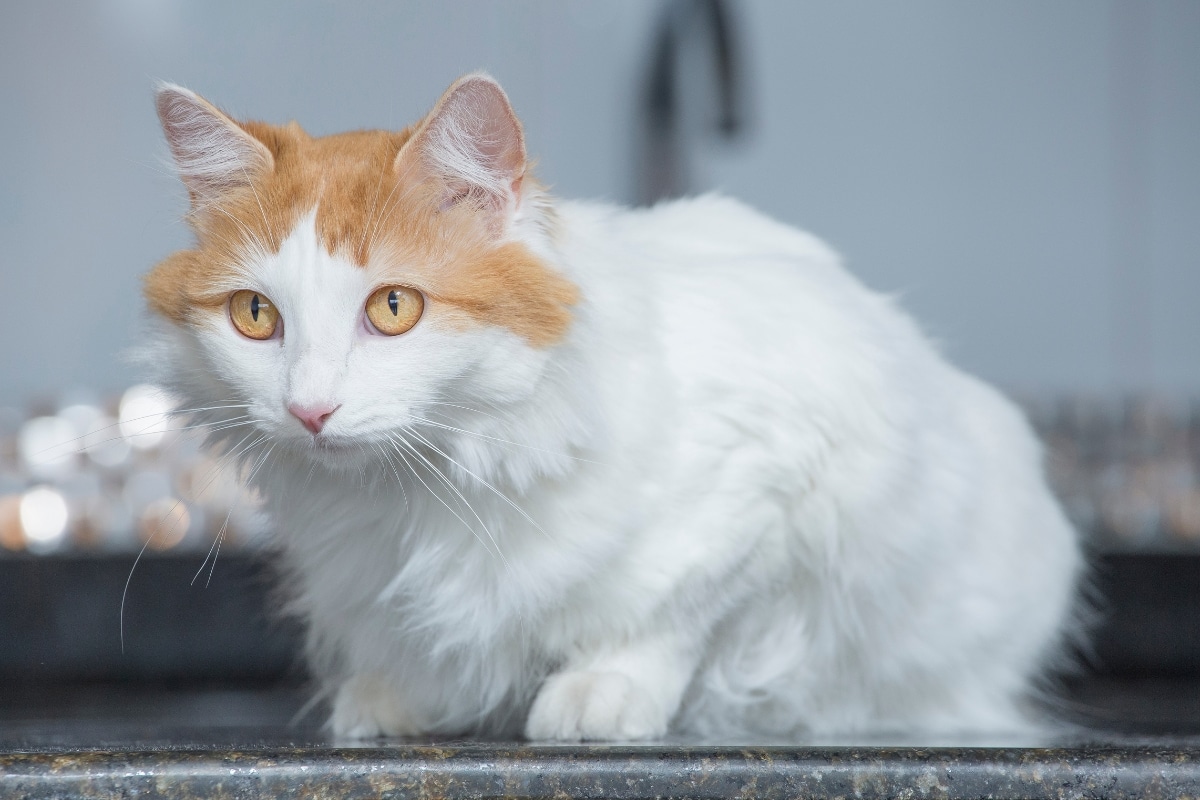
Nicknamed the “swimming cat,” Turkish Vans are one of the few cat breeds that actually love water. Athletic and adventurous, they’re happiest when climbing, jumping, or swimming, which makes them a natural fit for trails that cross creeks or lakes. Males can reach up to 20 pounds, with females closer to 7 to 12, the breed’s semi-long coat is naturally water-resistant, and its athletic, confident temperament makes it moderately to highly receptive to leash training. Their fearless nature makes them a good match for backpackers who don’t mind a cat that wants to wade in before you do.
Maine Coon
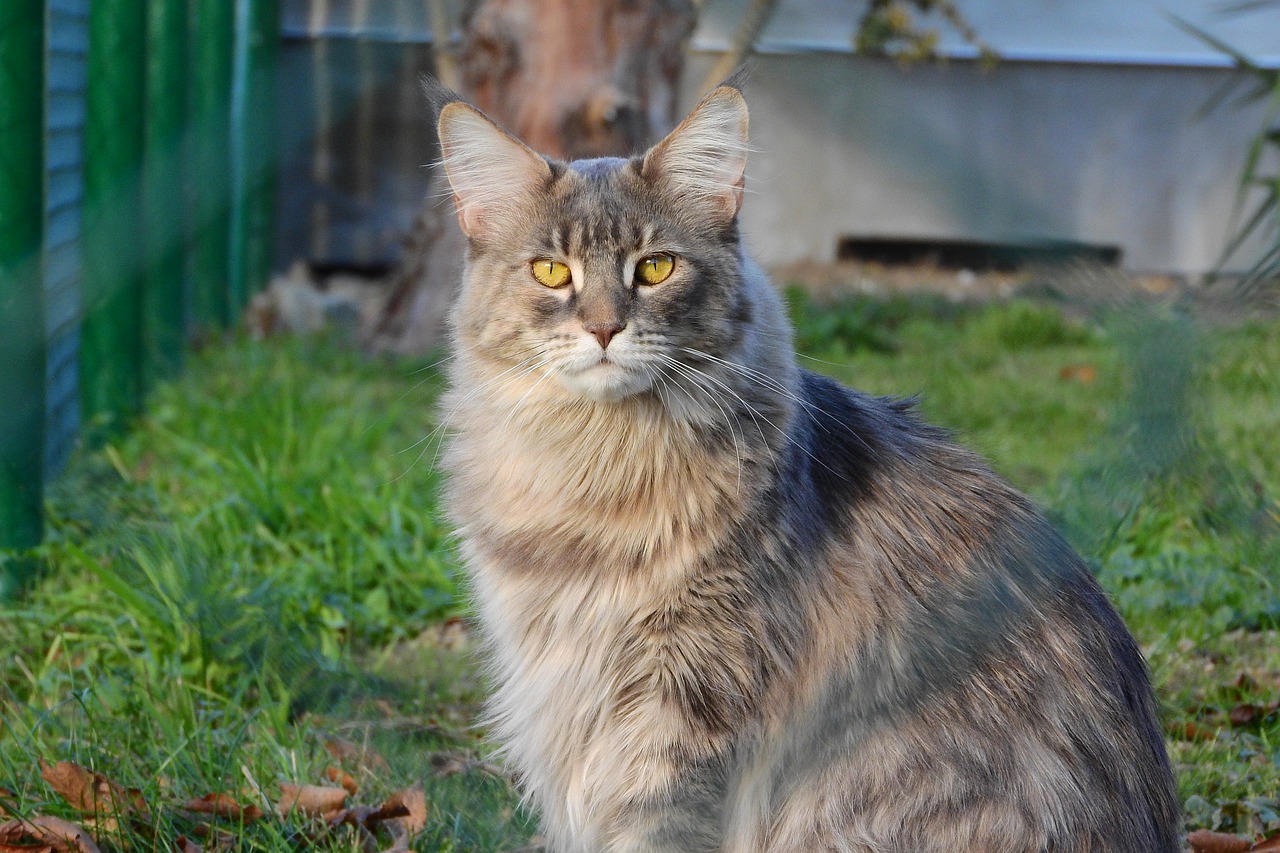
Maine Coons may be large, but their size doesn’t slow them down. These gentle giants love to climb, explore, and play, always seeking out new challenges. The catch for backpackers: the breed is moderately trainable on a leash, adults run 10 to 25 pounds, and they carry a thick, semi-long coat suited to cold climates, among the heaviest of any common breed, so a Maine Coon suits car-camping or short hikes better than a multi-day pack trip where you’re carrying the carrier yourself. They’re social and loyal, just plan your gear weight around them.
Norwegian Forest Cat

With a thick, water-resistant coat and strong, muscular build, the Norwegian Forest Cat was made for the outdoors. The breed’s double coat was developed to survive harsh Scandinavian winters, adults typically weigh 9 to 18 pounds, and the breed’s independent but adaptable temperament supports moderate leash training, which makes this one of the few cats genuinely built for cold-weather backpacking. Their adventurous nature pairs well with anyone who enjoys nature walks and hikes in climates where lighter-coated breeds would struggle.
Somali

Nicknamed the “fox cat” for their bushy tails and clever demeanor, Somalis are full of energy and mischief. Agile and curious, they love interactive toys and climbing adventures. The breed is moderately trainable on a harness, averaging 6 to 10 pounds, with a semi-long coat offering moderate cold tolerance, an easy carry for multi-hour hikes. They’re perfect companions for people who enjoy staying active and entertained on the trail.
Ocicat
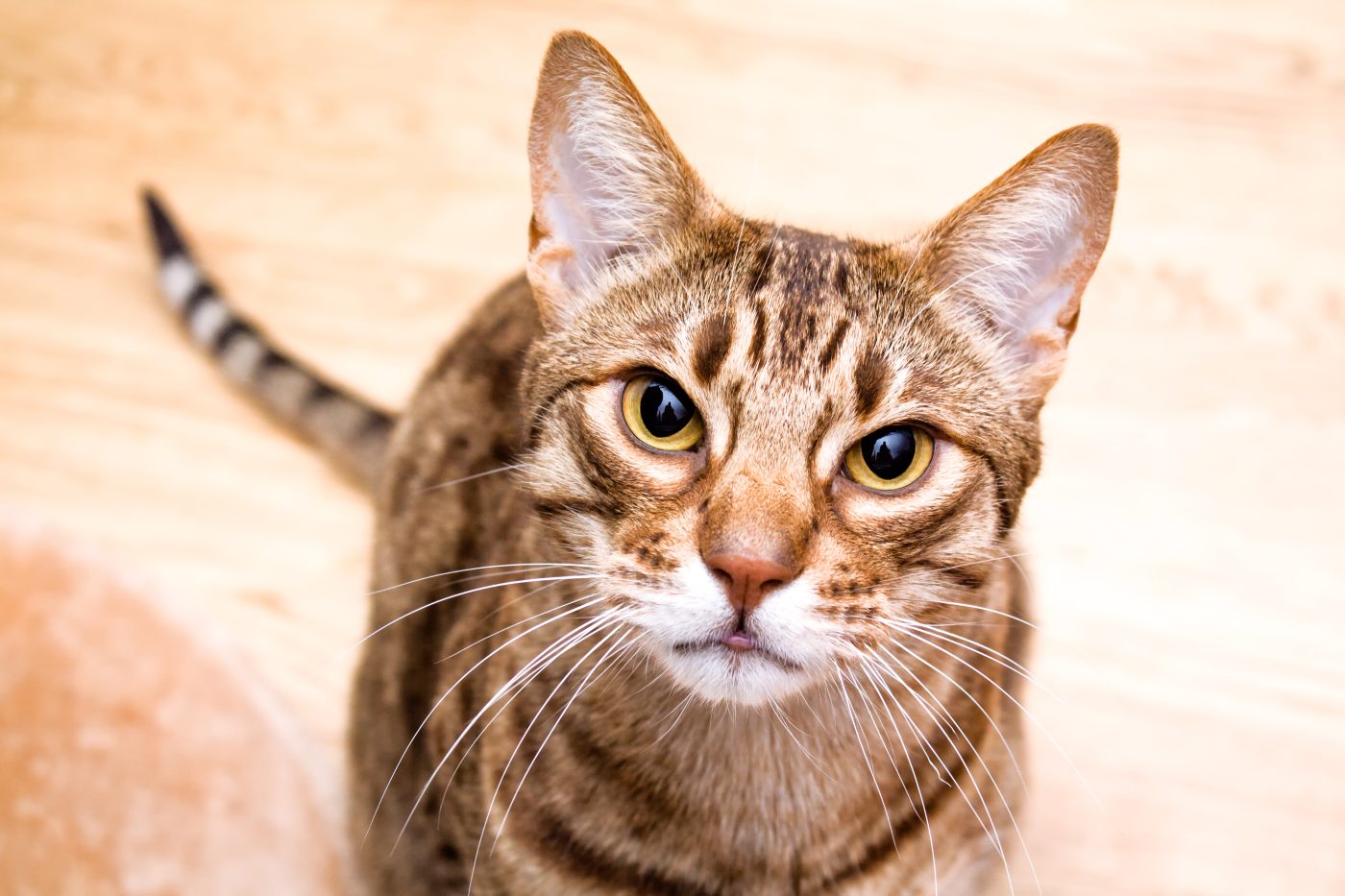
The Ocicat may look wild with its spotted coat, but it’s all domestic charm with a side of adventure. Friendly, outgoing, and highly active, these cats enjoy interactive play and exploring new environments. The breed adapts well to leash training, averages 6 to 14 pounds, and carries a short coat suited to warm-to-temperate climates, sitting comfortably in the middle of the pack for portability.
Egyptian Mau
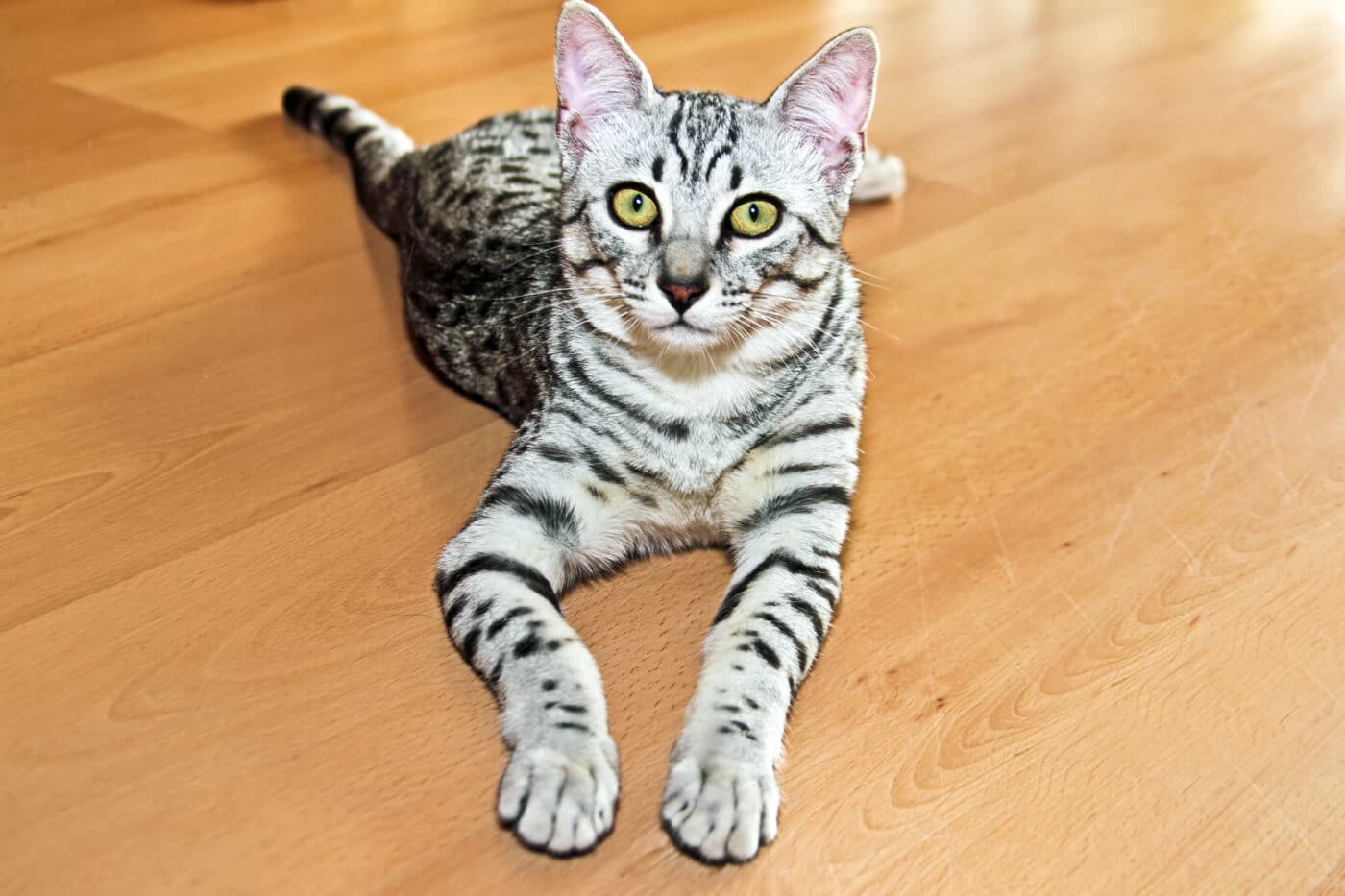
One of the fastest domestic cat breeds, the Egyptian Mau is built for speed and agility. Their natural curiosity keeps them constantly on the move, exploring every new sound and sight. The breed is moderately trainable on a harness, weighs 6 to 14 pounds, and carries a short coat suited to warm climates, built for warm-weather day hikes rather than cold overnight stays. With their striking spots and wild looks, they’re a good fit for adventurous owners who want a cat that keeps pace on the trail.
Japanese Bobtail
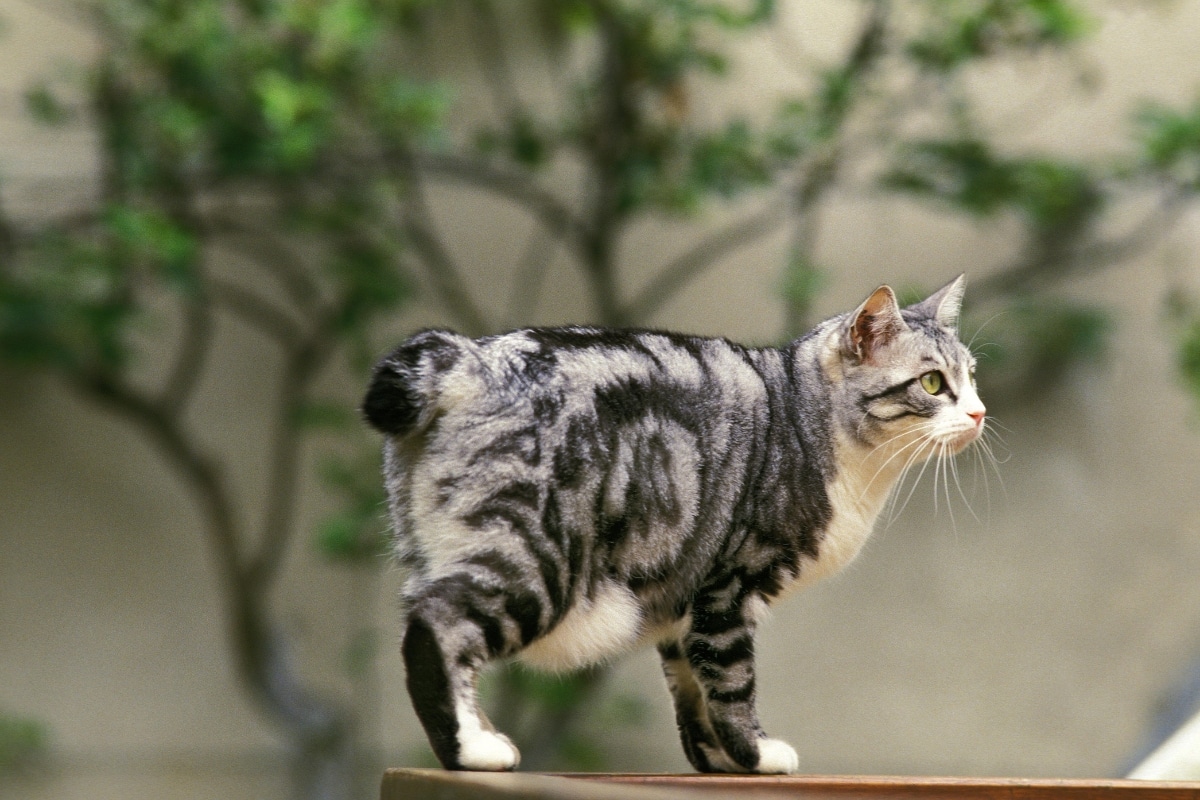
Known for their playful and curious nature, Japanese Bobtails love exploring and problem-solving. They’re highly intelligent and enjoy games that challenge their minds. The breed is moderately trainable on a leash, averages 6 to 10 pounds, and carries a short-to-medium coat with moderate temperature tolerance, not a cold-weather specialist. Their quirky personalities make them entertaining companions for thrill-seekers, though expect a chatty travel partner.
American Bobtail
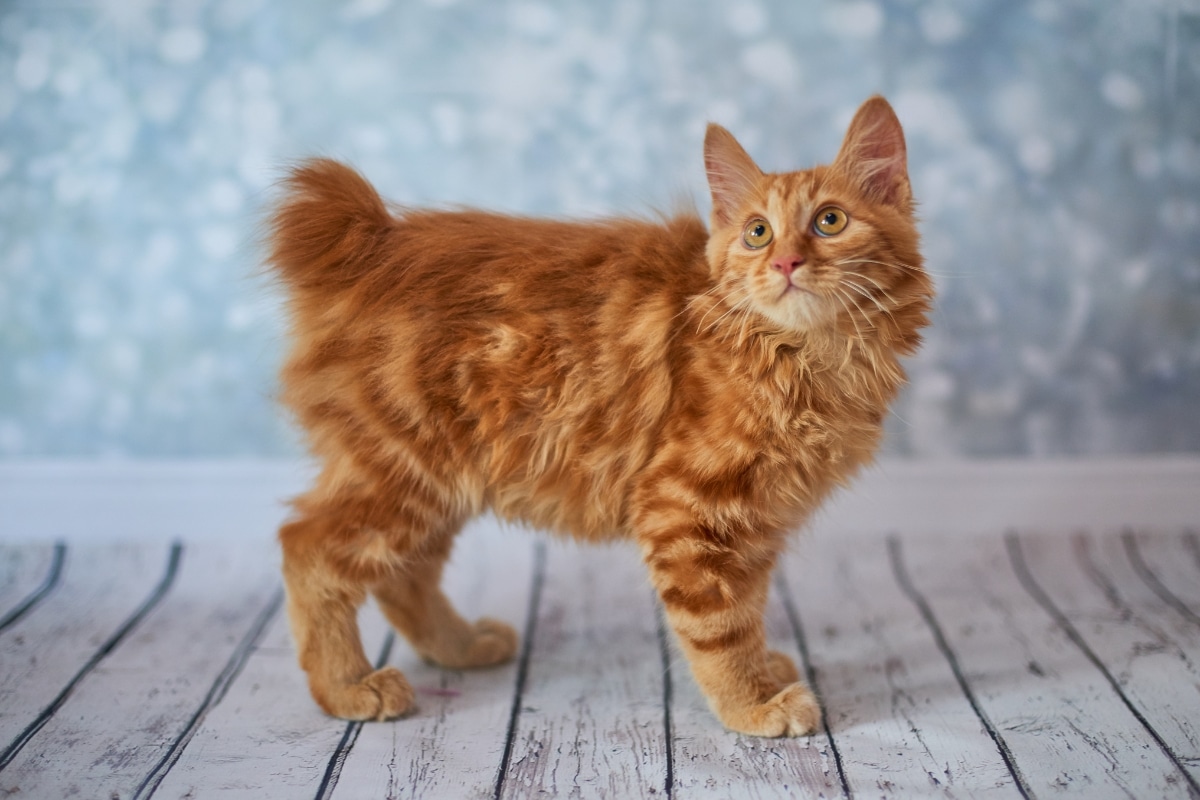
The American Bobtail has a dog-like personality and a genuine love of adventure. These cats easily adapt to new environments and are often seen riding along on road trips with their humans, which is the same temperament that makes them tolerant of hostels and campgrounds. The breed is highly adaptable and responds well to leash training, runs 7 to 16 pounds, and carries a medium coat with moderate cold tolerance. If frequent travel is your main use case rather than trail miles, our list of cat breeds for people who travel frequently digs into that angle further.
Siberian

Siberians are tough, adventurous, and love to explore the great outdoors. They carry a thick, water-resistant triple coat built for cold weather, typically weigh 8 to 17 pounds, and their confident, people-oriented temperament makes them highly receptive to leash and harness training, a solid mid-weight choice: light enough to carry short distances but hardy enough for genuine cold-weather treks. Their playful, fearless nature makes them ideal hiking buddies, especially on routes where a Bengal or Egyptian Mau would get cold fast.
Oriental Shorthair
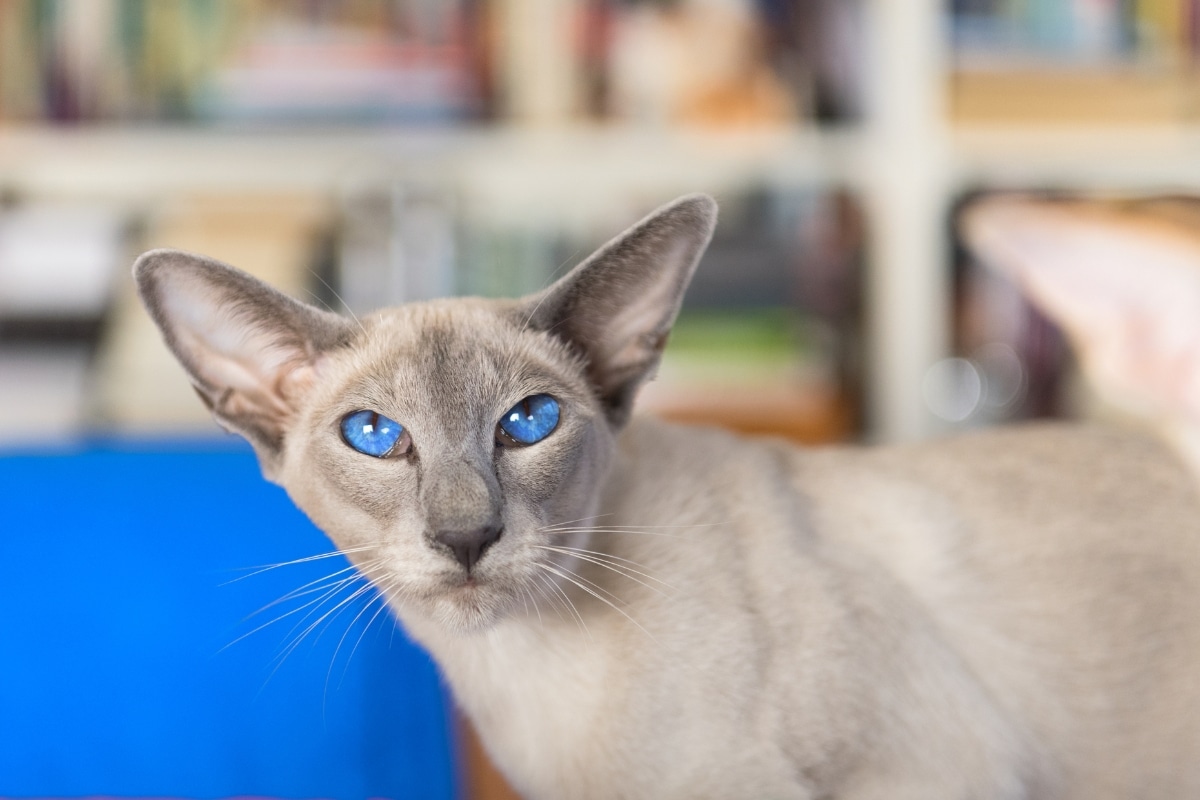
Elegant, sleek, and endlessly curious, Oriental Shorthairs love to be in the middle of the action. They crave interaction and enjoy exploring high shelves, windowsills, and wherever else their curiosity takes them. The breed is moderately trainable on a harness, averages 6 to 10 pounds, and has a very short coat suited to warm climates only, strictly a warm-weather trail companion. If your trips run cooler, our list of cat breeds that thrive in warm climates gives context on which breeds handle heat versus cold. Their adventurous side pairs with a deeply affectionate, vocal personality.
Chausie
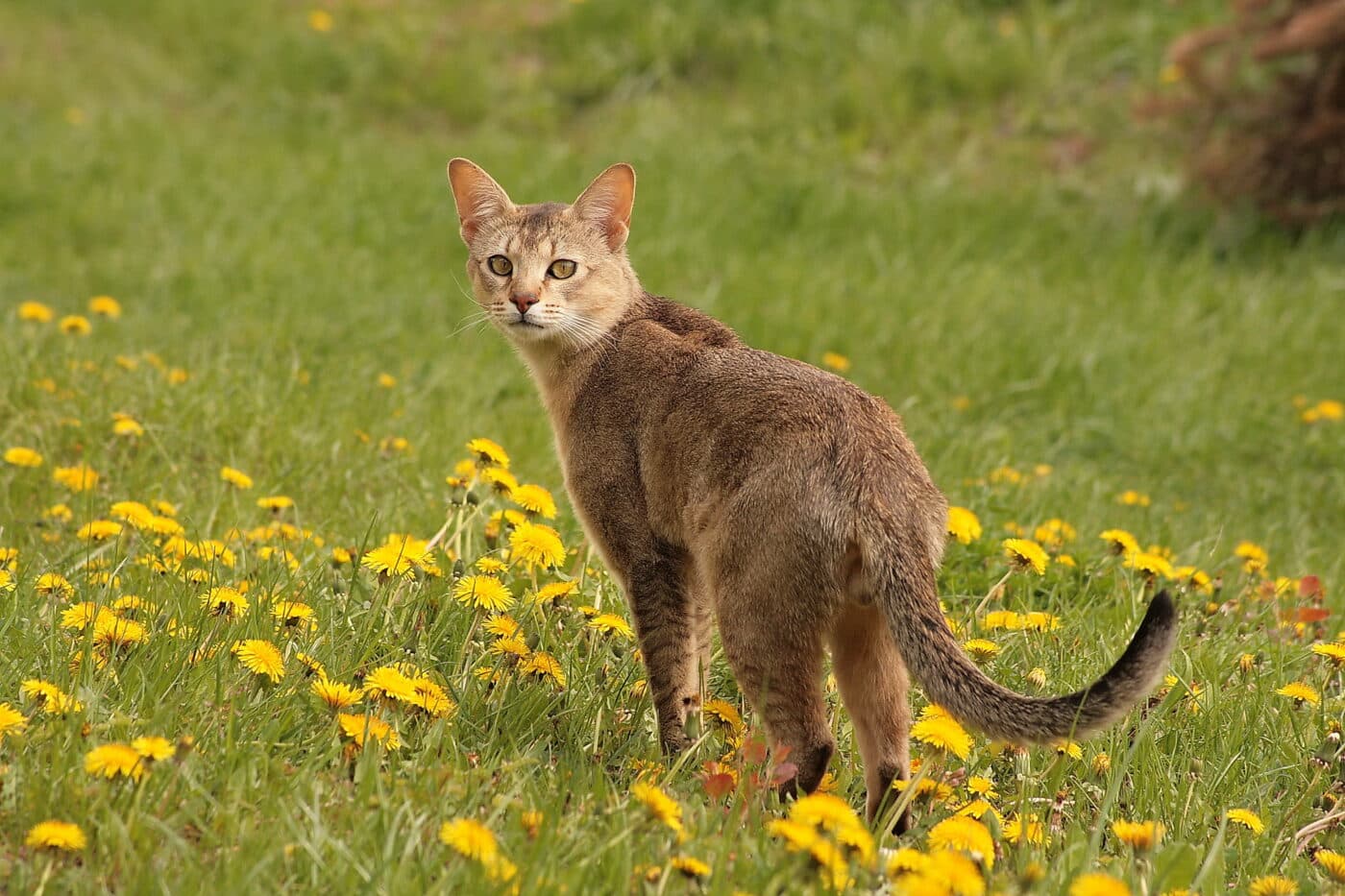
A hybrid breed with jungle cat roots, the Chausie is energetic, athletic, and highly intelligent. They love big spaces to run, jump, and play, making them better suited to homes with room to roam than cramped tents. The breed standard lists adult weight at 15 to 25 pounds, a short coat suited to warm-to-temperate climates, and an athletic temperament that is moderately to highly receptive to leash training, one of the heavier breeds here. Like the Savannah, hybrid ownership rules vary by state and country, so check local law before you plan a trip across jurisdictions.
Adventure Awaits with the Right Feline Companion
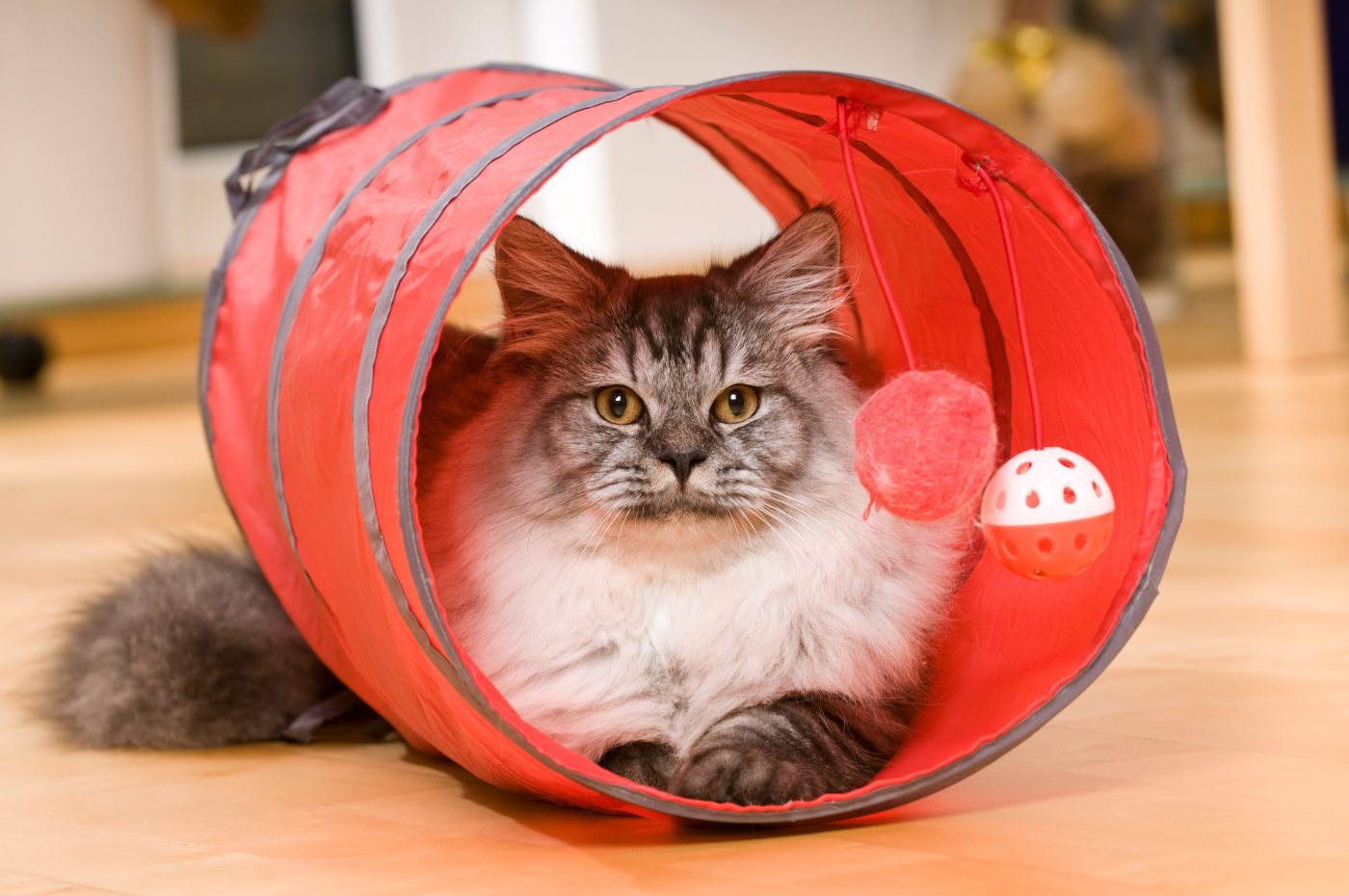
Choosing a cat with a sense of adventure means welcoming a playful, energetic, curious spirit into your life, and for backpackers specifically, it means picking a breed that bonds hard, tolerates a harness, and can handle the weight of the pack. Whether it’s a six-pound Abyssinian riding in a sling or a seventeen-pound Siberian trotting beside you on a cold-weather trail, the right match comes down to your route, your climate, and how much weight you want to carry.