
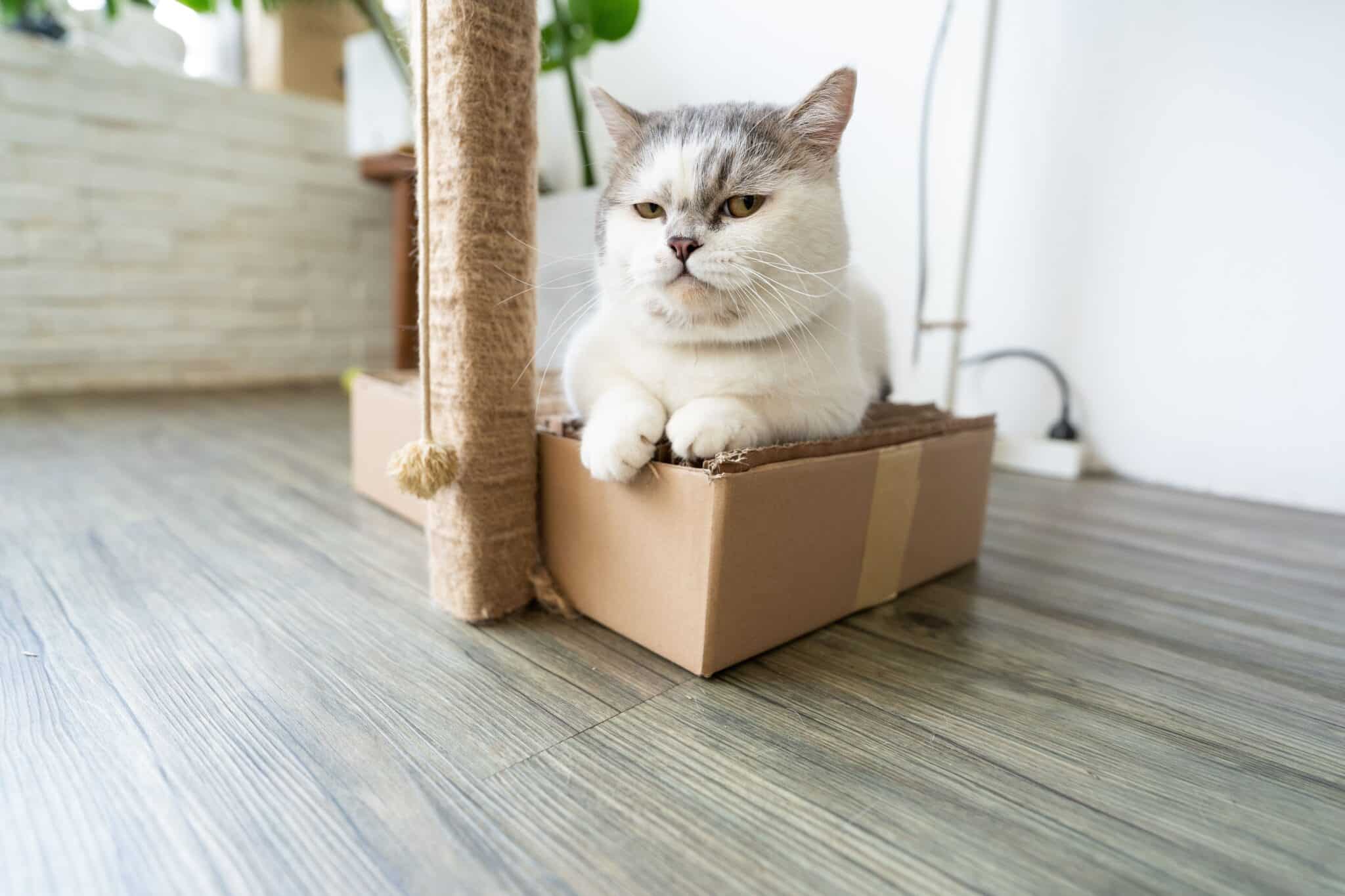
A simple cardboard box can become a castle, hiding spot, lookout tower, or cozy retreat in a cat’s eyes. While almost any cat enjoys a good box, some breeds make this habit especially entertaining. Curious explorers, clever problem-solvers, and energetic climbers often find endless fun in ordinary cardboard. From mischievous Bengals to laid-back Ragdolls, these playful felines love investigating deliveries, squeezing into tight spaces, and turning discarded boxes into personal playgrounds. Their amusing habits prove that sometimes, the simplest toys bring cats the greatest happiness.
Calico Cat
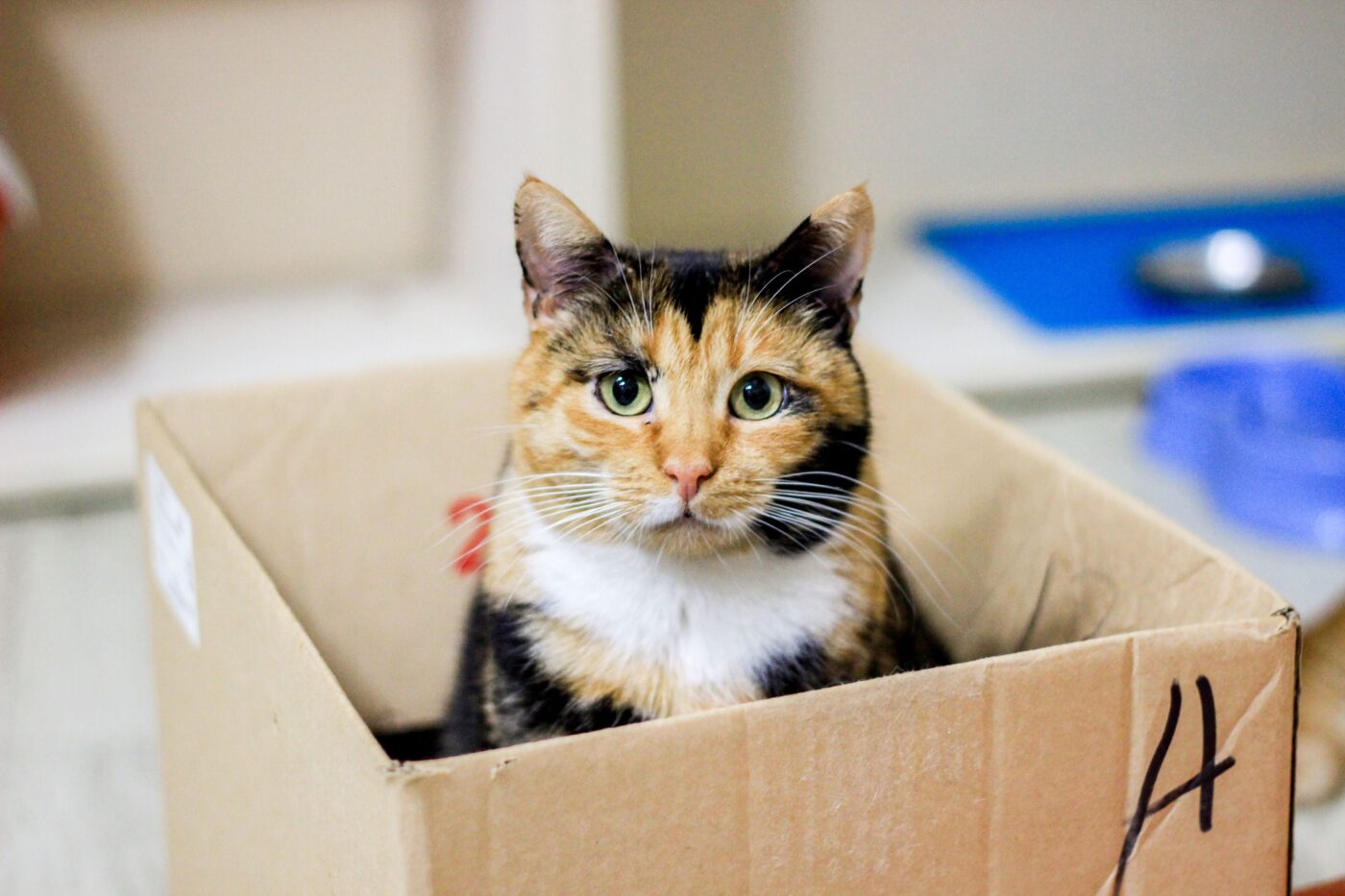
Calico cats are known for their beautiful patches of orange, black, and white fur, but their personalities can be just as captivating. Because calico is a coat pattern rather than a specific breed, these cats can have a wide range of temperaments, though they’re often known for their sassy demeanors. Some are playful explorers who eagerly investigate new deliveries, while others prefer turning a cardboard box into a quiet hiding place or cozy resting spot. A clean, sturdy box gives a curious calico a simple way to explore, play, and relax while enjoying its own little cardboard kingdom.
Maine Coon
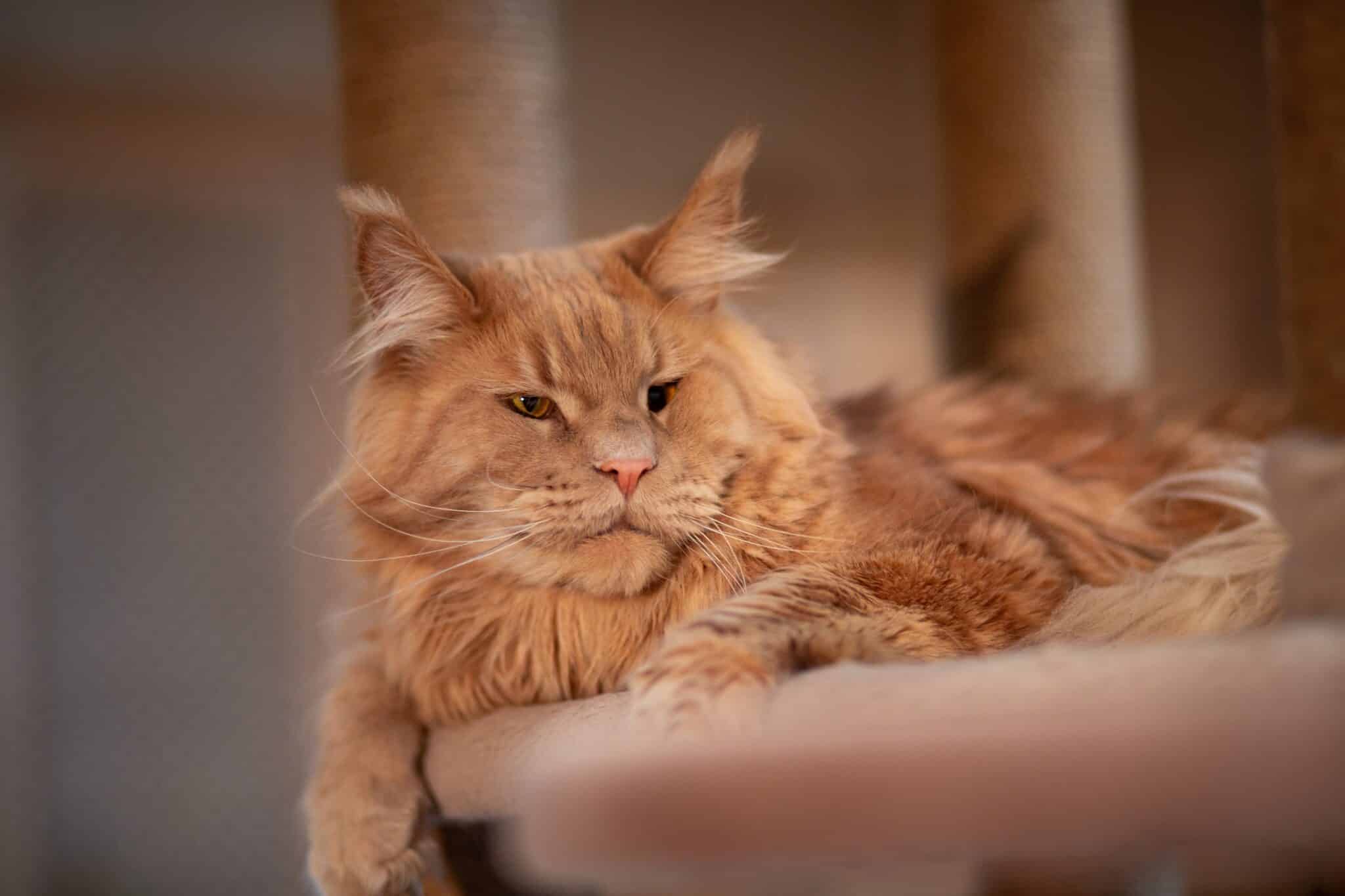
Maine Coons may be among the largest domestic cat breeds, but that does not stop them from investigating boxes with the enthusiasm of much smaller cats. Their curious, playful personalities make empty delivery boxes appealing places to explore, lounge, or supervise household activity. Because these cats have substantial frames and long, bushy tails, a box that looks enormous to a person may quickly prove too small for its new occupant. That rarely prevents a determined Maine Coon from attempting to settle inside, sometimes resulting in a magnificent, fluffy cat spilling over every edge. Their sociable nature can also make a box near family activity especially attractive, allowing them to enjoy a sheltered space without missing the action. Sturdy, spacious containers provide these gentle giants with room to play and relax comfortably.
Siamese
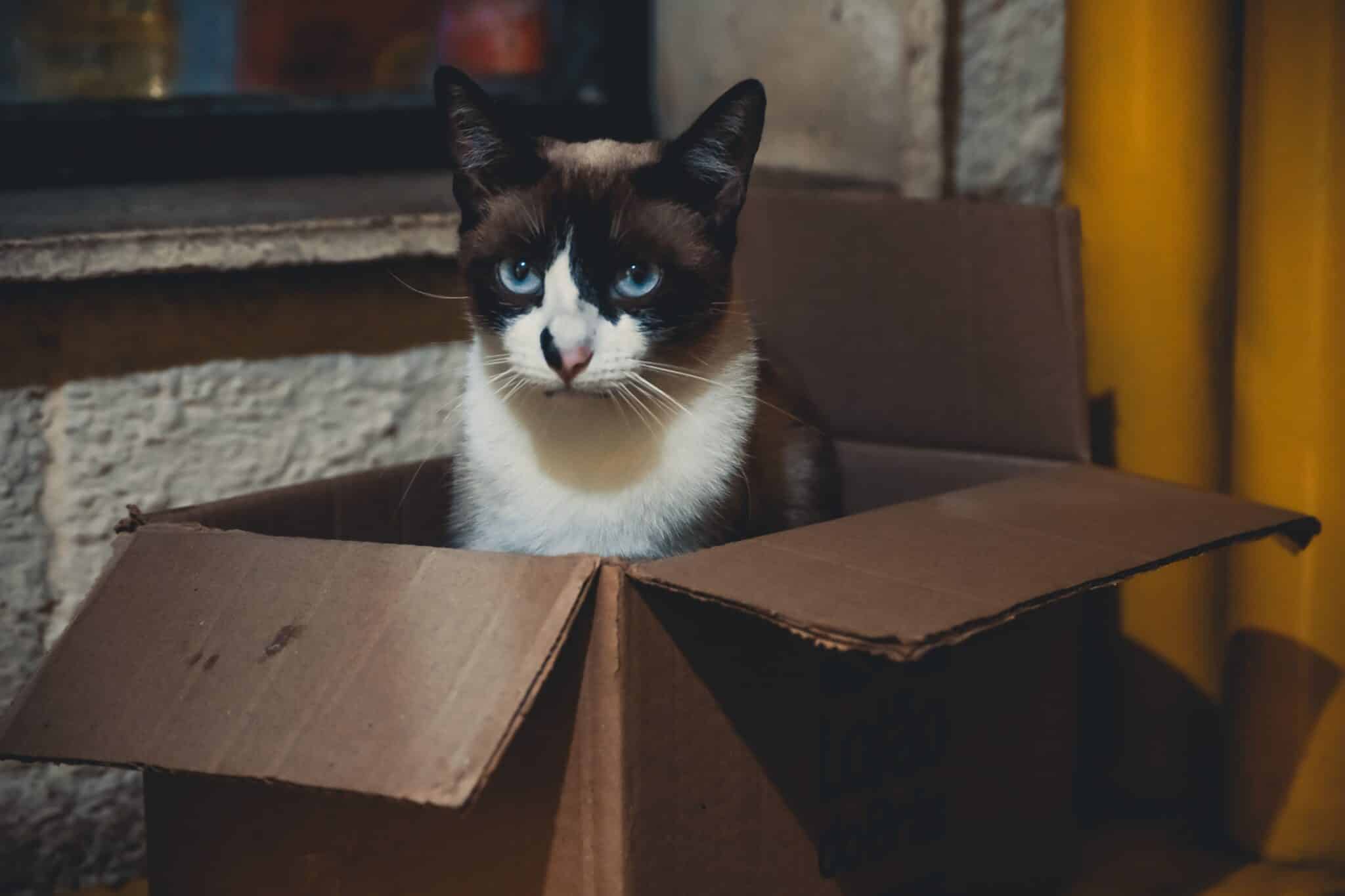
Siamese cats are known for their intelligence, social nature, and vocal personalities, making a cardboard box an entertaining place to investigate, start a game, or attract attention. A Siamese may climb inside, poke a paw through an opening, or announce the discovery with a series of distinctive meows. The box offers an interesting combination of privacy and participation because the cat can hide part of their body while keeping an eye on everything happening around them. Intelligent cats like the Siamese benefit from opportunities to explore and solve simple problems, so placing a toy beneath a loose sheet of paper can make the experience more engaging. Siamese cats also tend to enjoy interaction, making a supervised game of peekaboo particularly appealing. Their interest in a box may reflect curiosity and playfulness rather than a desire to nap.
Abyssinian
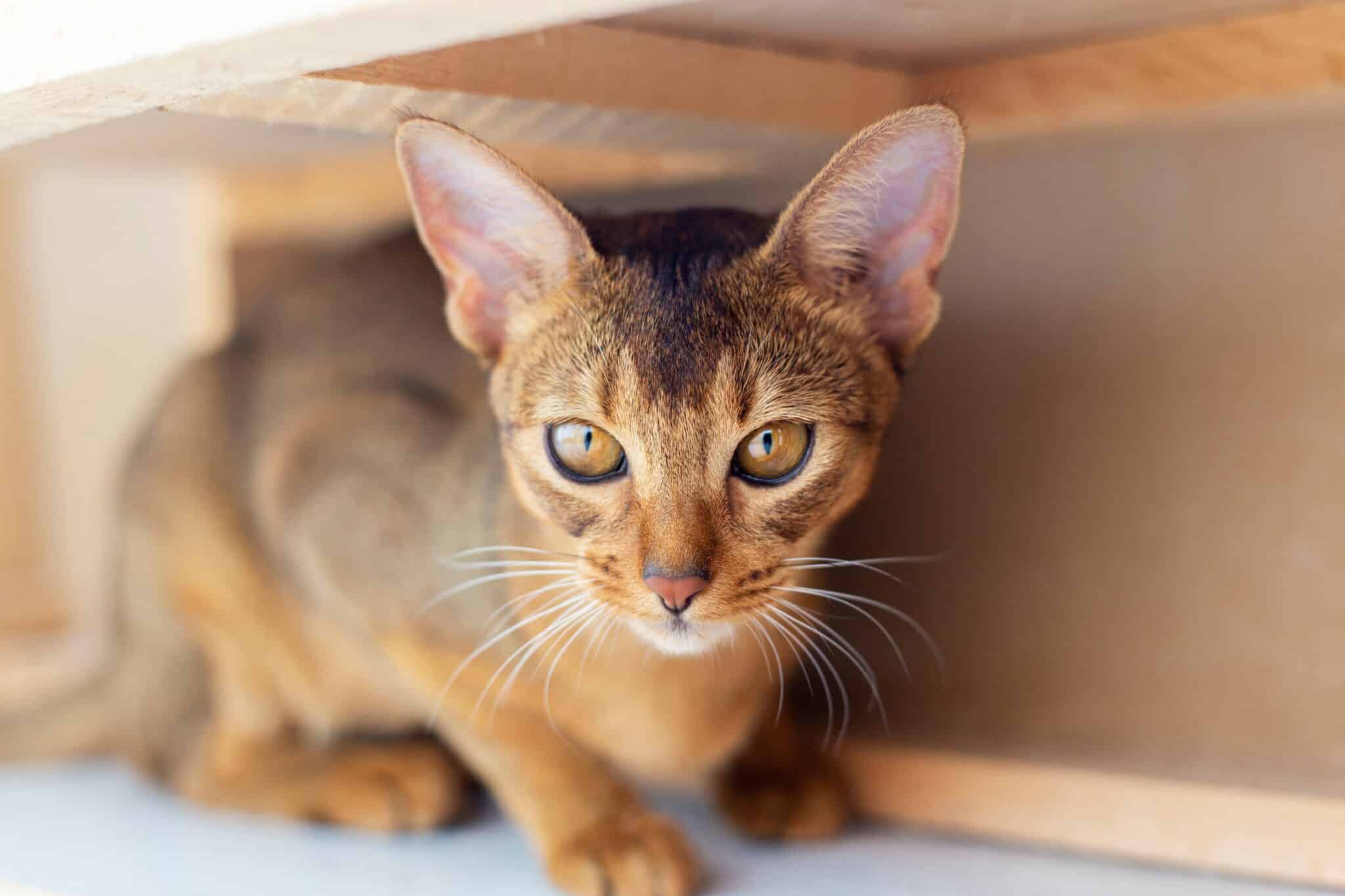
Abyssinians have a reputation for being active, inquisitive, and eager to investigate their surroundings, making an interesting cardboard box an appealing discovery. Rather than simply curling up inside, an Abyssinian may inspect the flaps, walk around the perimeter, climb onto the edge, and repeatedly jump in and out. Their athleticism and interest in movement can turn a plain shipping container into a miniature obstacle course. Novelty is particularly valuable for curious cats, so a box placed in a different room or presented with a safe toy may attract renewed attention. Rotating simple enrichment activities can help keep an active Abyssinian occupied without requiring elaborate equipment. For this breed, the real appeal may not be the box itself but everything it makes possible, from exploring unfamiliar textures to finding the perfect hiding spot for a surprise pounce.
Scottish Fold
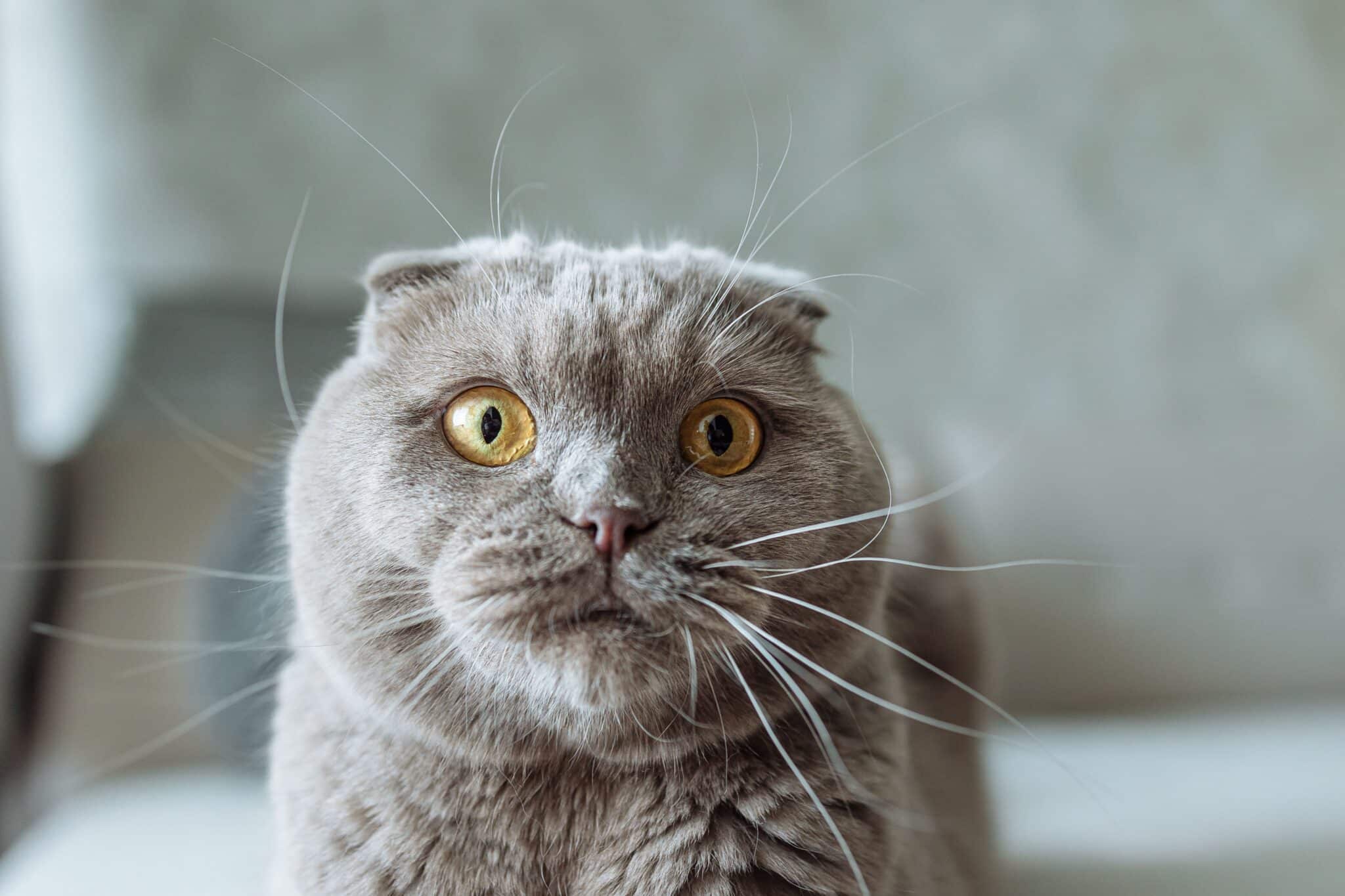
With their round faces, distinctive folded ears, and often calm, companionable personalities, Scottish Folds can look especially pleased when they discover a box that fits just right. Many enjoy spending time near their people, and a cardboard hideaway offers a comfortable spot from which to observe the household without being in the middle of every activity. The enclosed sides create a defined space that may feel more sheltered than an open bed, allowing a cat to tuck their paws underneath them and watch the world through a convenient opening. Scottish Folds vary in energy and playfulness, so some prefer a quiet retreat while others investigate every package. Their folded ears are associated with a genetic cartilage disorder that can affect the joints, making comfortable access especially important. A low, stable box is preferable to one that requires awkward climbing or jumping.
Sphynx
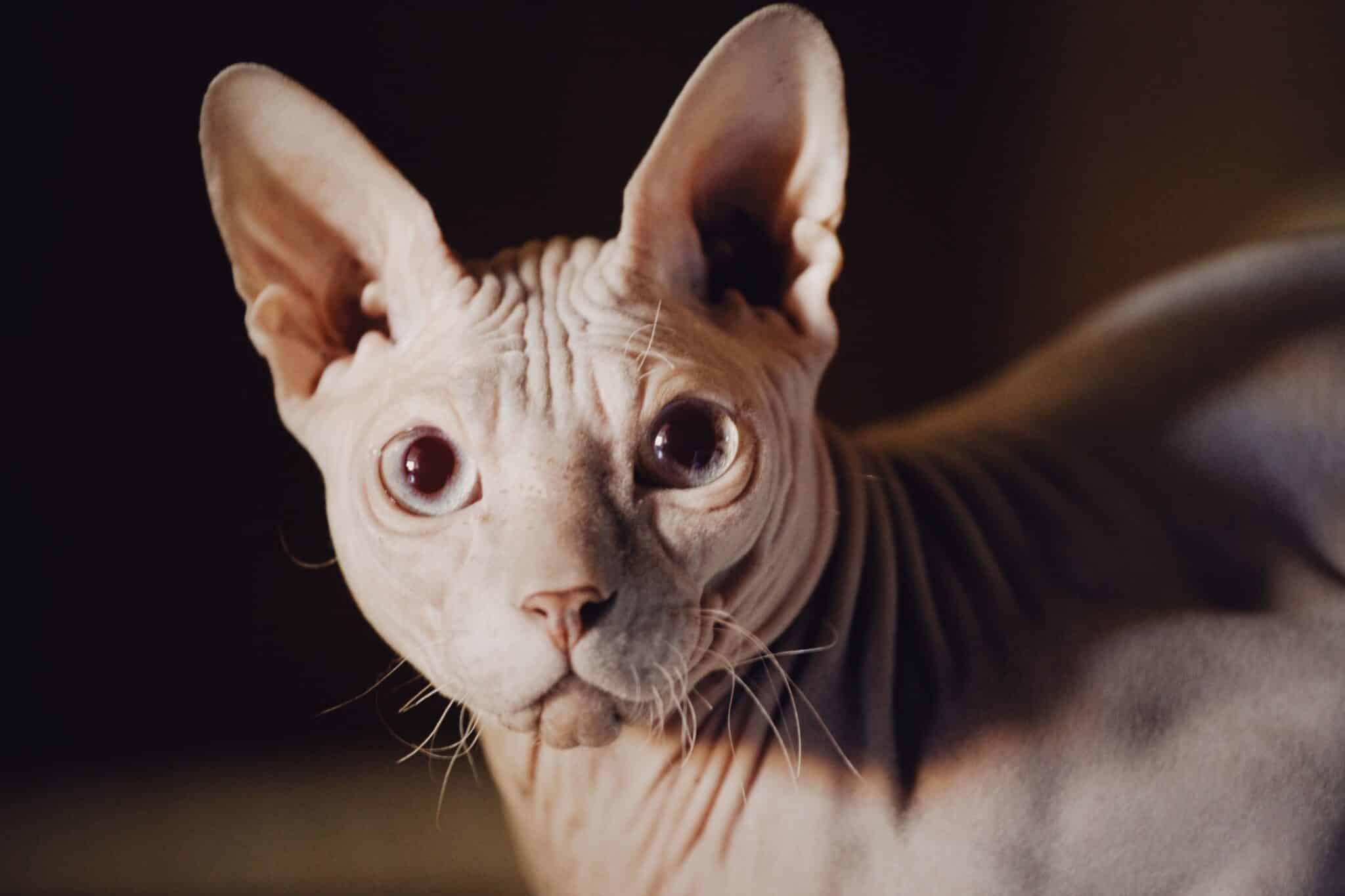
The Sphynx may look like an unlikely candidate for a fluffy box fortress, but this nearly hairless breed has good reason to appreciate a cozy enclosure. Sphynx cats are often affectionate, energetic, and people-oriented, and many enjoy finding warm places to settle between bursts of play. Cardboard can help create a snug resting area, especially when a box is lined with a soft, washable blanket and placed in a comfortably warm room. The enclosed sides also provide a curious cat with a place to retreat while staying close to household activity. Warmth is only part of the attraction, since Sphynx cats may also enjoy investigating unfamiliar objects with their paws and noses. Because they have less insulating fur, they need protection from temperature extremes, and their boxes should remain away from heaters that could cause burns or overheating.
Devon Rex
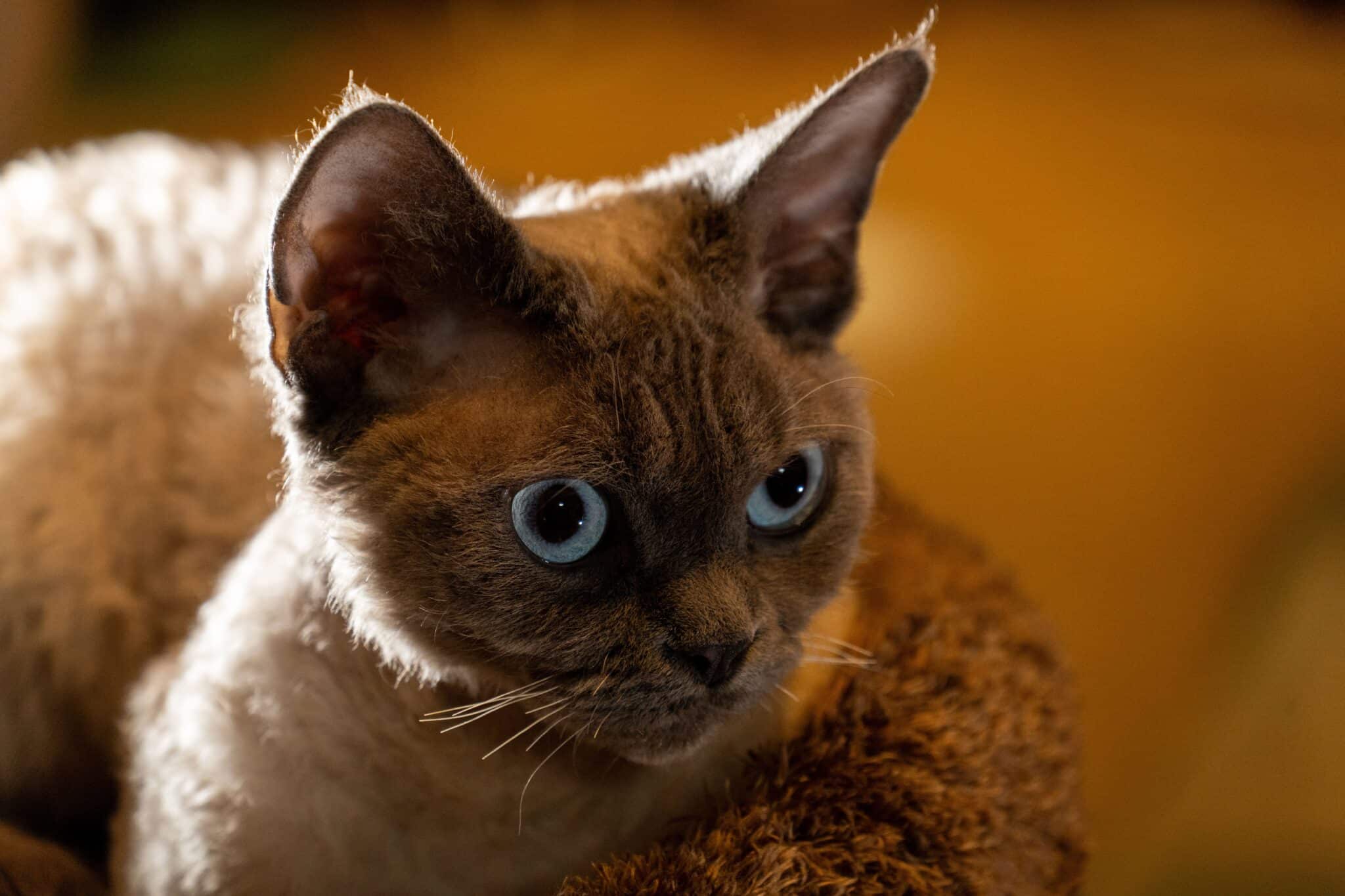
The Devon Rex looks like a little character from a fantasy story, and its playful personality can make a cardboard box an ideal stage for mischief. These cats are often energetic, people-focused, and eager to investigate unusual objects, while their nimble movements make ordinary packaging surprisingly entertaining. A Devon Rex may leap into a box, pop back out, and immediately return for another round, batting at the flaps or pouncing on rustling paper. Their small-to-medium build also allows them to explore compact spaces that larger cats may find less practical. Since Devon Rex cats benefit from interactive play and regular enrichment, a box can be a simple addition to a rotation of toys and climbing opportunities. It can also provide a warm resting nook between games, provided there are no sharp staples, dangling packing straps, or narrow openings that could trap a curious cat.
Burmese
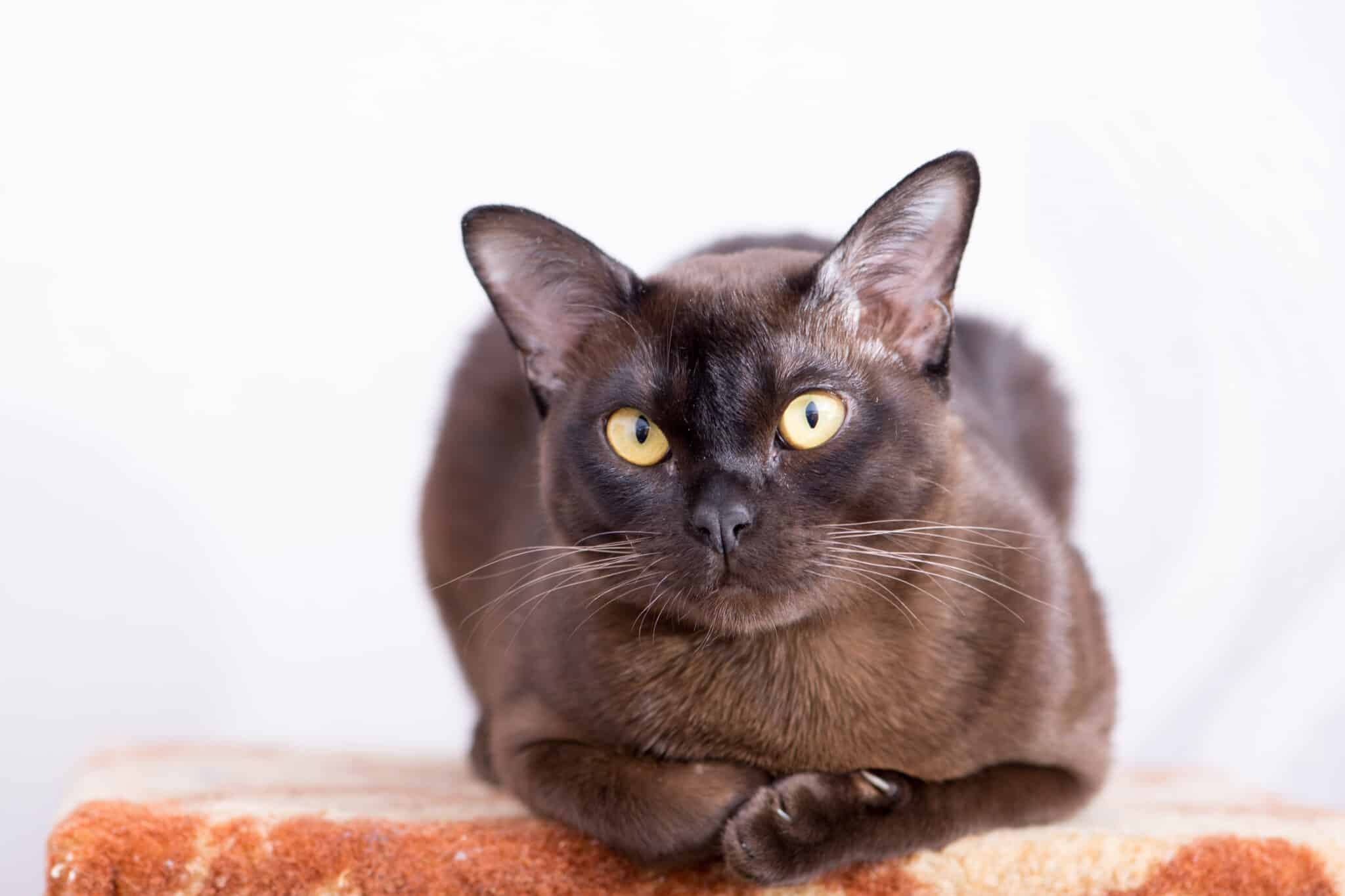
Burmese cats are often described as affectionate, playful, and strongly interested in their human companions, making a cardboard box an appealing place to participate in everyday life while maintaining a little personal space. Imagine unpacking groceries while a Burmese settles into the empty box nearby, watching hands move and listening to the crinkle of packaging. From this position, the cat can remain close enough to join the action without being directly involved. Many Burmese retain a playful attitude well into adulthood, so a ball rolled past the entrance can turn the container into an interactive game. Still, a cat who prefers simply sitting in the box is enjoying a perfectly valid alternative. Social interest does not mean constant demands for attention, and an enclosed space can offer a comfortable balance between companionship and independence.
Ragdoll
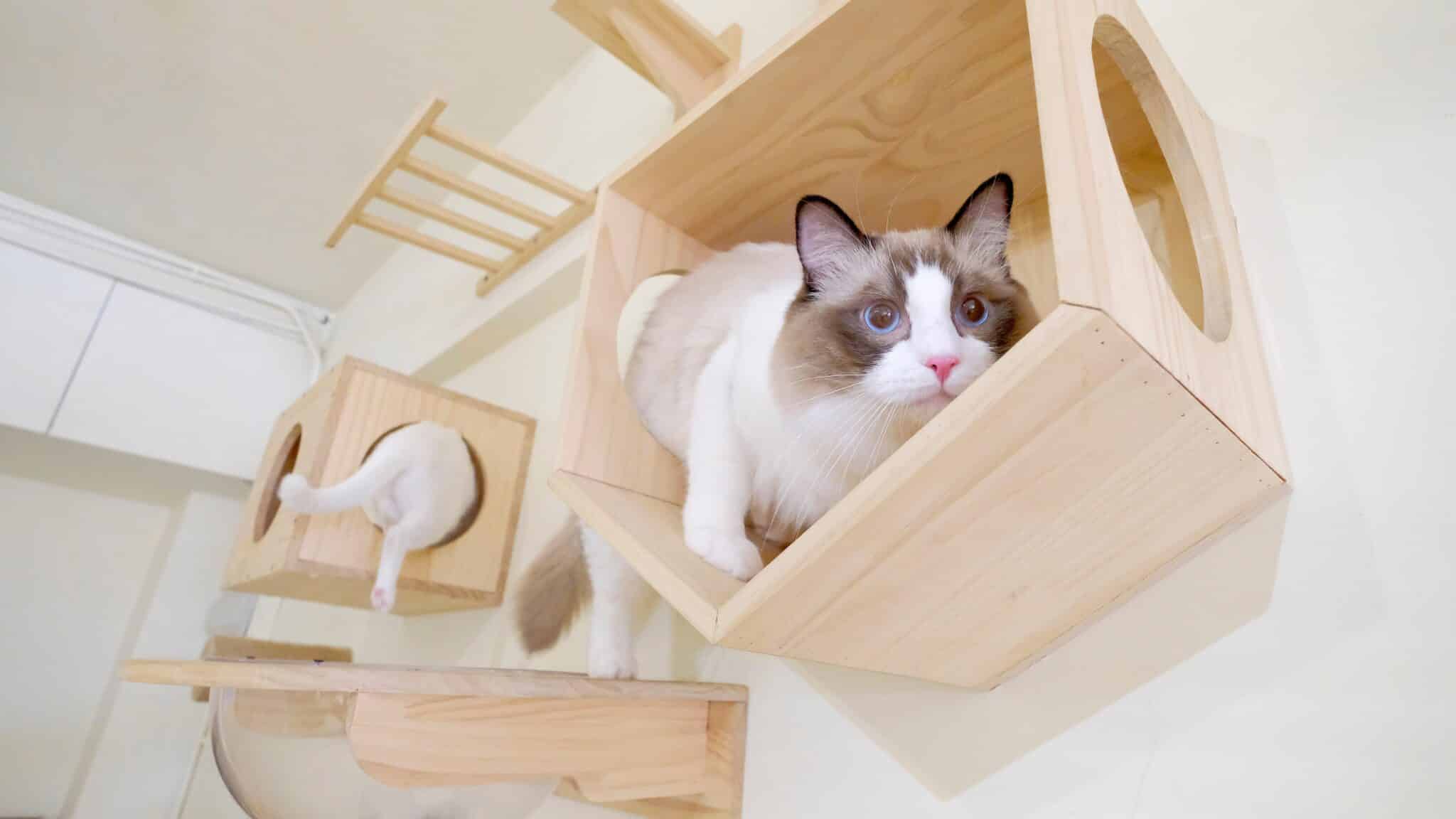
Ragdolls are known for their affectionate, generally relaxed temperaments, and some are quite happy to turn a roomy cardboard box into a personal lounge. Their plush coats and substantial bodies can make them look particularly comfortable when they stretch out in a container with enough space for their long legs. The appeal may be less about athletic exploration and more about finding a sheltered place to rest, since cardboard walls create a sense of enclosure while the open top allows a Ragdoll to observe nearby people. A box beside a sofa or in a favorite family room can provide a quiet retreat without separating the cat from the household. Ragdolls are not all sleepy loungers, however, and many enjoy games and curious investigations, particularly when young. A low, sturdy box with an easy entrance accommodates both relaxation and play for kittens of all breeds.
Cornish Rex
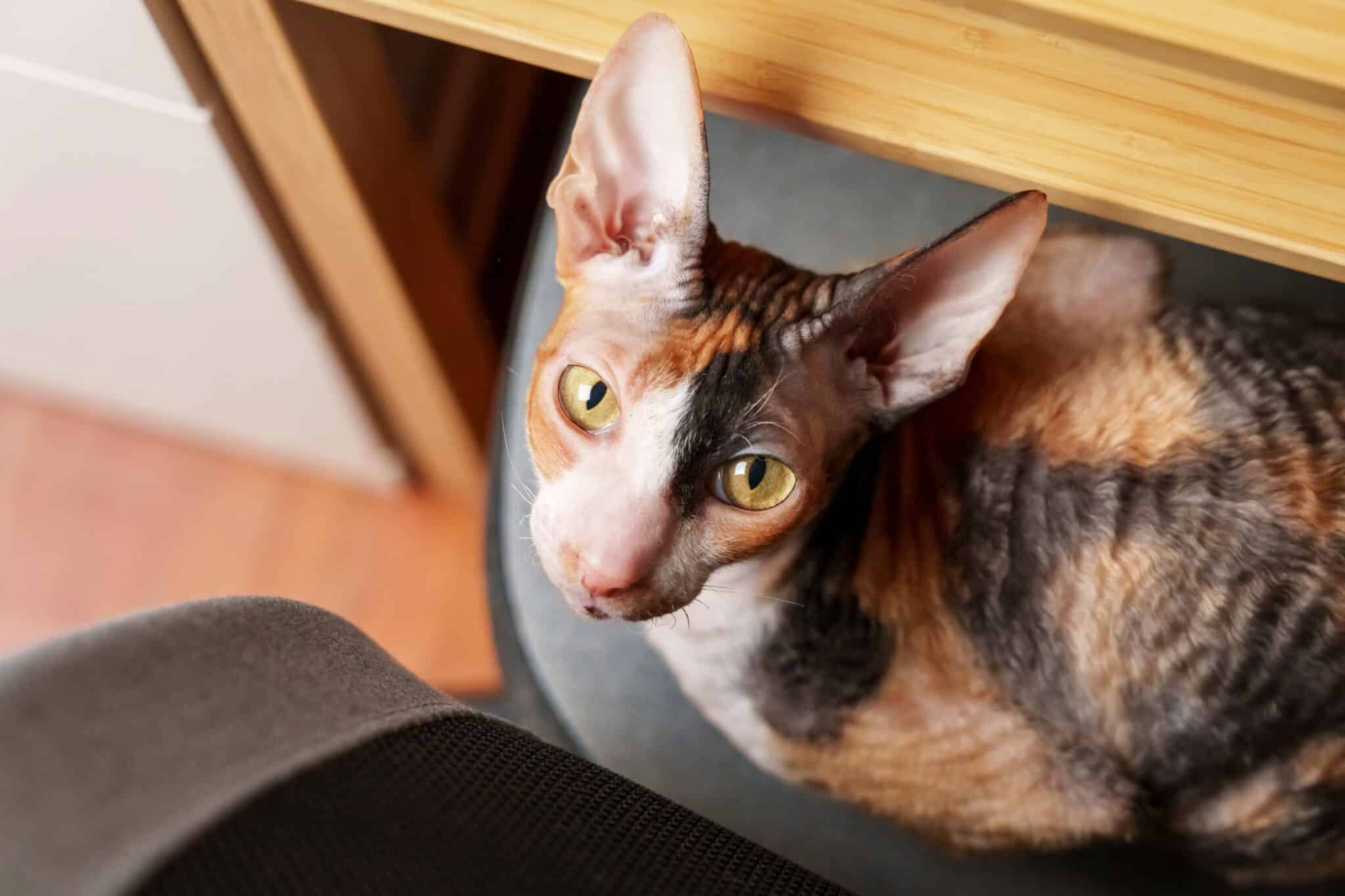
With their slender bodies, long legs, and distinctive wavy coats, Cornish Rex cats are often energetic little athletes. Many enjoy running, jumping, climbing, and investigating their surroundings, making a cardboard box an appealing addition to daily play. A Cornish Rex may use a box as a launch point for a pounce, a hiding place during a chase game, or a temporary shelter after a vigorous round of activity. Its sides provide cover while the cat watches a toy move past the opening, tapping into natural stalking and chasing behaviors. These cats can also be sensitive to cold because their short, fine coats provide limited insulation, so a box lined with a soft blanket may offer both entertainment and comfort. Keeping it in a cozy indoor location and ensuring the cat can leave easily makes this simple activity safer and more enjoyable.
British Shorthair
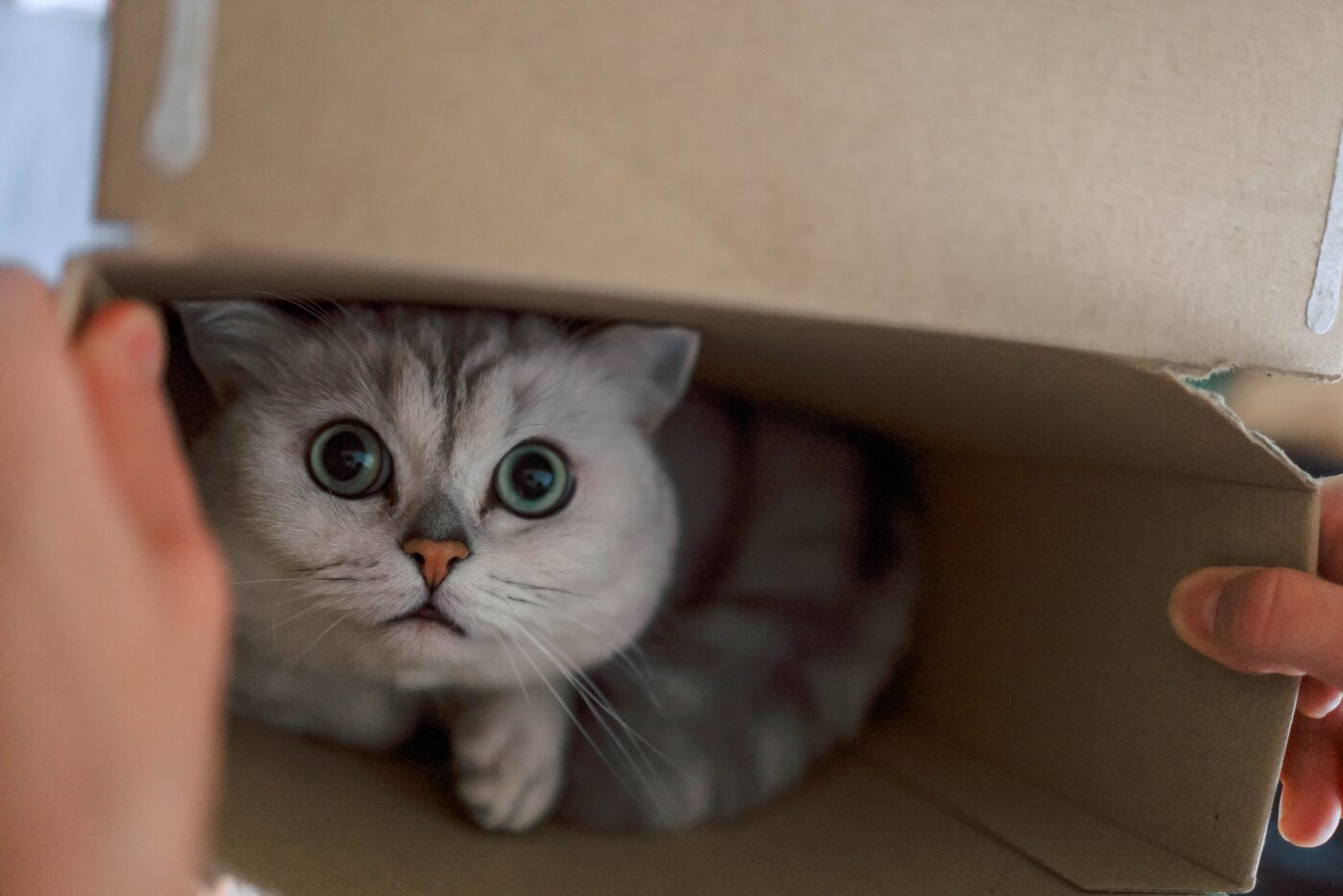
British Shorthairs are known for their plush coats, round faces, and generally easygoing personalities, making a cardboard box an appealing place to relax and observe their surroundings. Some enjoy investigating a new container before settling inside, while others prefer using it as a quiet retreat away from household activity. Their sturdy build makes a spacious, stable box especially important, allowing them to turn around and stretch comfortably. Although British Shorthairs are often less energetic than some adventurous breeds, a simple cardboard hideaway can still provide curiosity, comfort, and everyday enrichment.
Oriental Shorthair
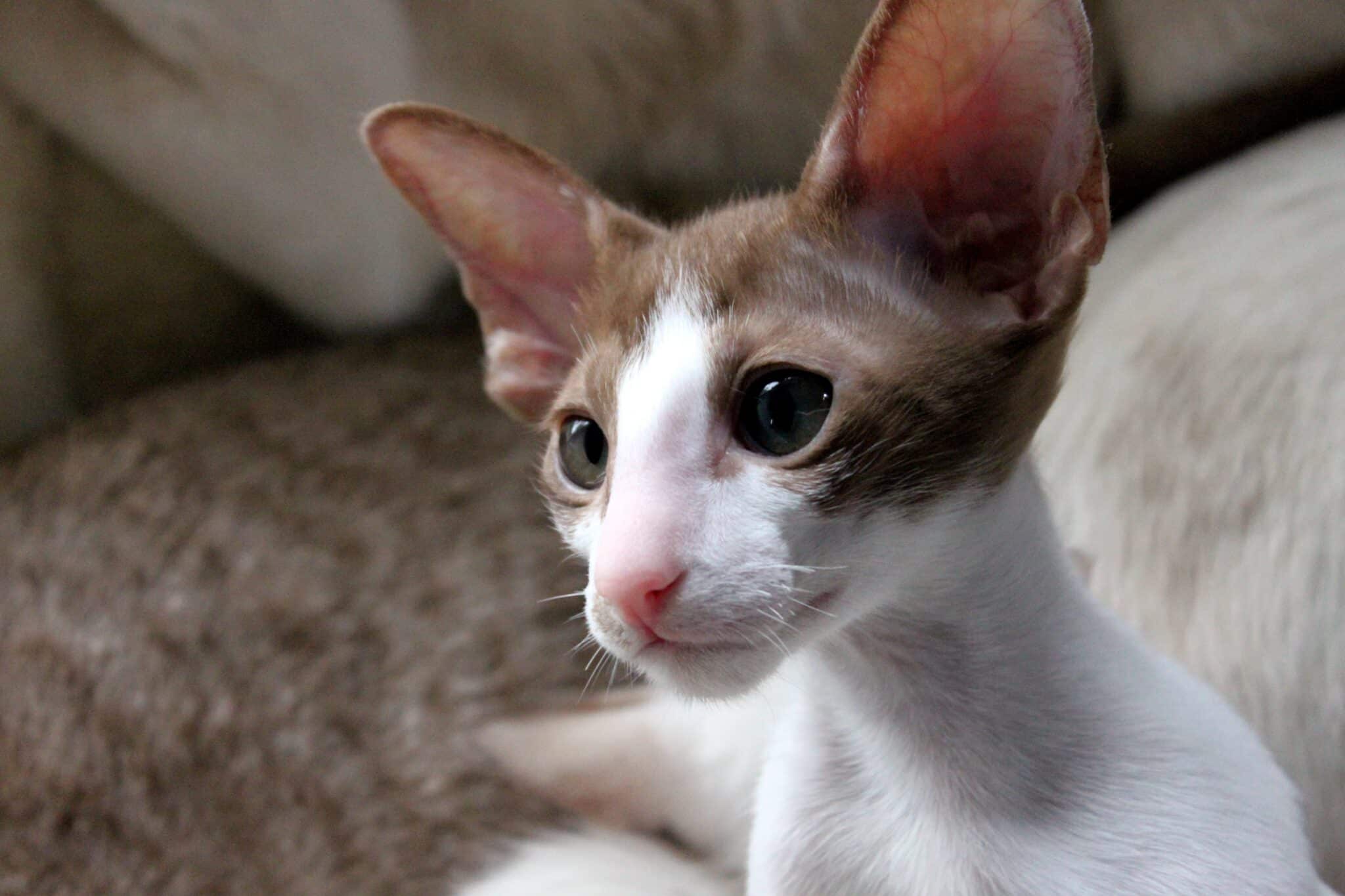
Oriental Shorthairs are intelligent, curious, and often highly social cats, so a new cardboard box can be difficult to ignore, especially when it arrives with unfamiliar smells, crinkly packaging, and plenty of edges to investigate. Rather than treating the box as a simple bed, an Oriental Shorthair may inspect the entrance, reach through a cutout, or settle inside while monitoring household activity. For a breed that often enjoys interaction and mental stimulation, the box can become a useful setting for games and discovery. Their social tendencies may make a box near a person’s desk or living room seating especially appealing because it provides a good view of the daily action. Interactive play can make the experience even more engaging, although every cat should be allowed to explore or relax in the box without being repeatedly disturbed.
American Shorthair
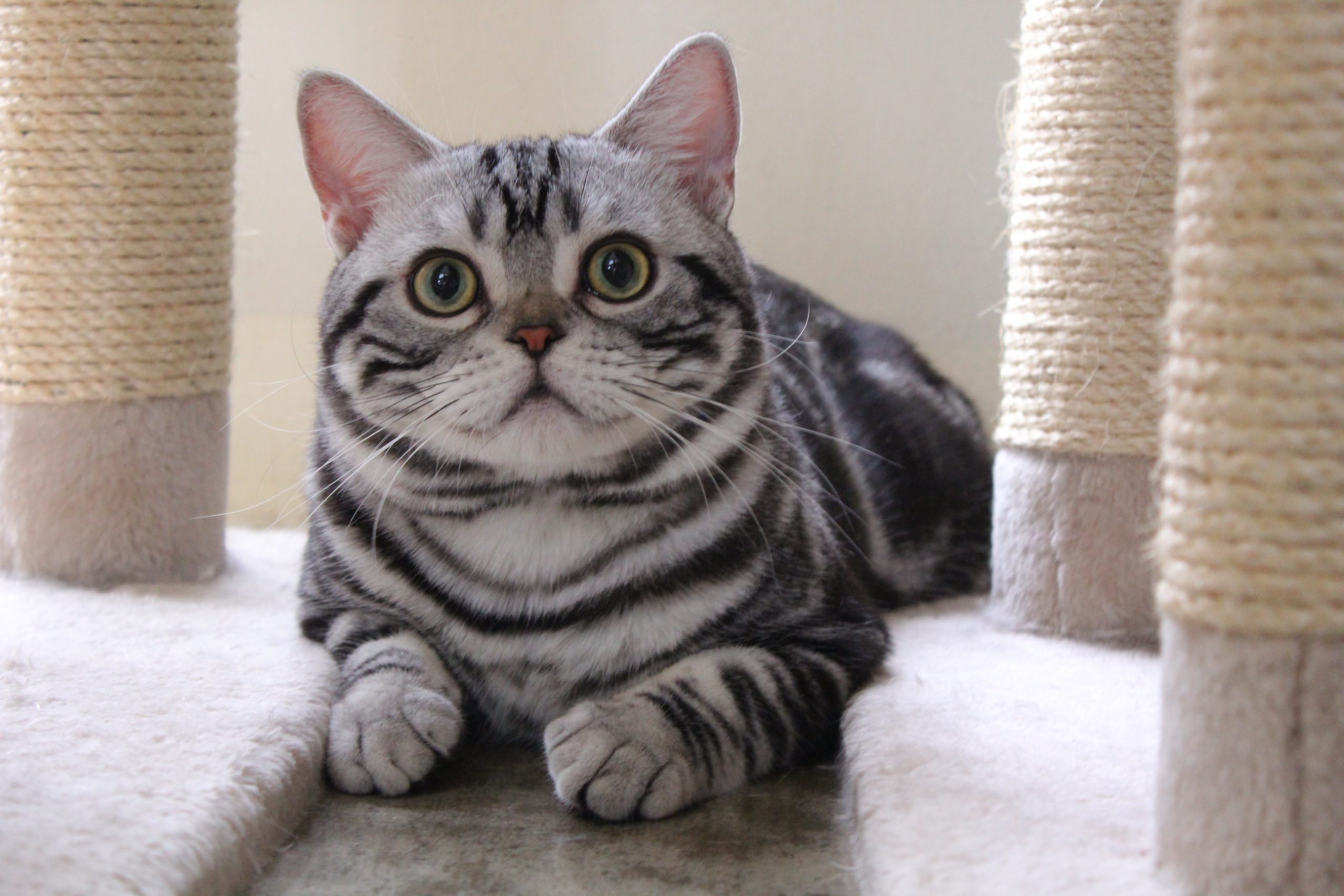
American Shorthairs are adaptable cats with a reputation for being balanced, easygoing companions, and many enjoy a mix of play, exploration, and relaxation. For one American Shorthair, a cardboard box may become a nap spot, while another may use it to hide while waiting for a toy to pass the entrance. The breed’s history as a working cat valued for hunting rodents also makes opportunities for stalking, investigating, and pouncing a natural fit. A box provides cover for these activities without requiring an elaborate play structure. Their adaptable nature means the experience can be tailored to individual preferences, whether that involves a roomy container with a soft blanket or a low box with safe openings. As with any breed, personality matters more than a label, and a cat who ignores the box may simply have other favorite ways to spend the day.
Why A Simple Cardboard Box Can Make A Cat So Happy
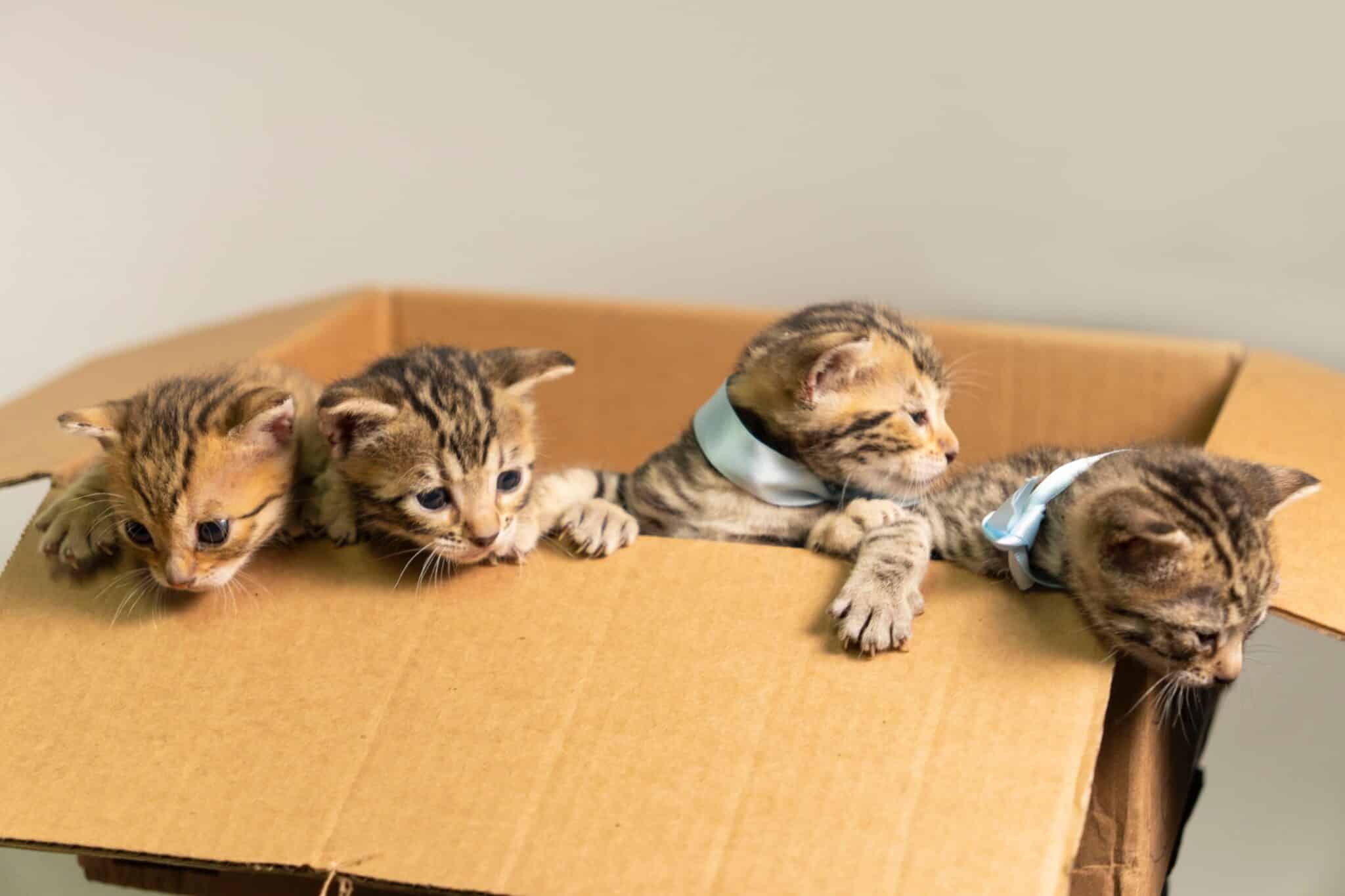
A cardboard box is inexpensive, easy to replace, and surprisingly rich in opportunities for feline enrichment. It provides a sheltered resting place, a hiding spot for pretend hunting, interesting textures to investigate, and new scents to explore. Breed tendencies may explain why some cats turn deliveries into adventures, but personality, age, experience, and environment matter too. A clean, sturdy box with an easy entrance can inspire hours of entertainment. Remove staples, tape, handles, and plastic packing materials, and discard damaged boxes to keep your curious feline safe during play.
This content was created with AI assistance and edited by the iHeartCats team.