
iHeartCats is reader-supported. When you buy via links on our site, we may earn an affiliate commission at no extra cost to you.
As cat parents become more mindful about providing nutrient-rich diets, dehydrated cat food has grown in popularity. Unlike traditional kibble or canned food, dehydrated cat food offers a way to serve real, whole-ingredient nutrition (see our picks for the best cat foods overall) without the hassle of preparing raw meals from scratch. This guide covers the best dehydrated cat foods on the market and helps you pick the right one for your cat’s needs and your lifestyle.
What Is Dehydrated Cat Food and How Does It Compare to Other Types?
Dehydrated cat food starts with real, whole ingredients like chicken, fish, or vegetables that have most of their moisture slowly removed at low temperatures. This is different from kibble, which is cooked at high heat and then extruded into pellets. The low-heat process helps dehydrated food hold onto more of its natural vitamins, minerals, and enzymes.
Compared to freeze-dried food, dehydrated cat food is processed at slightly higher temperatures but is typically more affordable. Freeze-dried food retains the most nutrients of any shelf-stable option, but dehydrated food comes in as a close second while being easier on the budget.
Wet or canned cat food is already hydrated and ready to serve, making it the most convenient option. However, canned food often contains more fillers, gums, and artificial thickeners. Dehydrated food gives you more control over what goes into your cat’s bowl since you add the water yourself and can see the real ingredients. Some owners also add goat’s milk supplements for extra nutrition.
Raw cat food is the least processed option, but it comes with food safety risks and requires careful handling and refrigeration. Dehydrated food bridges that gap: it delivers many of the same nutritional benefits as raw feeding, with the convenience and safety of a shelf-stable product. Just add warm water, wait a few minutes, and your cat has a meal that closely resembles a fresh, home-cooked diet.
Dehydrated vs. Other Cat Food Types
- Kibble: High-heat processed, longest shelf life, most affordable, but lowest nutrient retention
- Canned/Wet: Convenient, high moisture, but may contain fillers and gums
- Freeze-Dried: Highest nutrient retention, lightweight, but most expensive
- Dehydrated: Great nutrient retention, affordable, shelf-stable, just add water
- Raw: Least processed, but requires refrigeration and careful handling
Best Dehydrated Cat Foods for 2026
We tested and compared dozens of dehydrated cat food brands to find the ones that actually deliver on nutrition, ingredient quality, and taste. These top picks feature real protein sources, minimal processing, and formulas that cats of all ages can thrive on. Here are the best dehydrated cat foods worth your money right now.
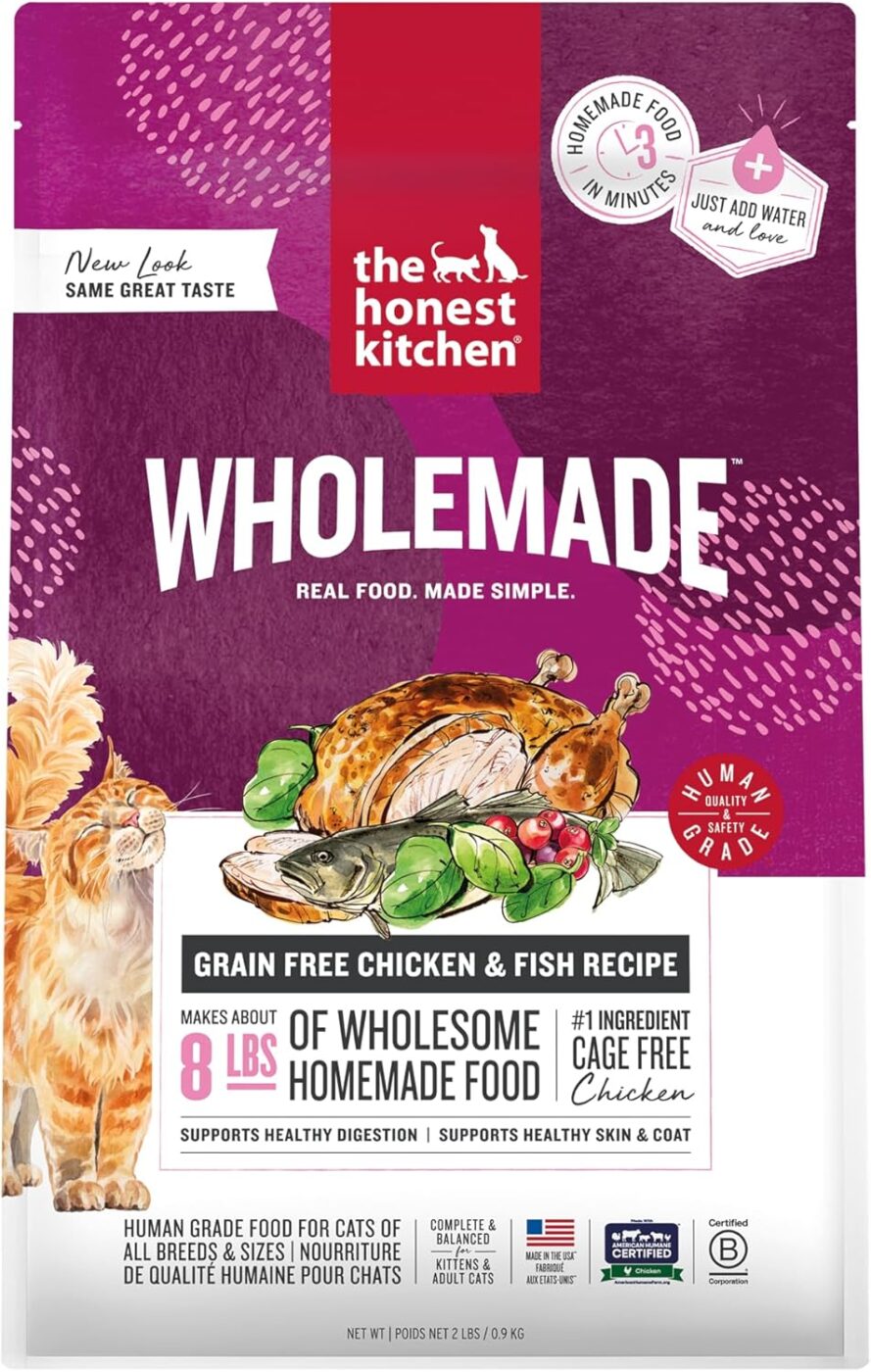
The Honest Kitchen Chicken & Fish
The Honest Kitchen Grain Free Chicken and Fish Cat Food is made with real whole food ingredients that are gently dehydrated to lock in taste and nutrients. It packs protein from free-range chicken and wild-caught white fish, giving cats a meal that is both filling and nutritious. There are no artificial preservatives, fillers, or GMO ingredients, and everything is made in the USA with trusted sources.
Best For: Cats of all life stages looking for high-quality, natural nutrition

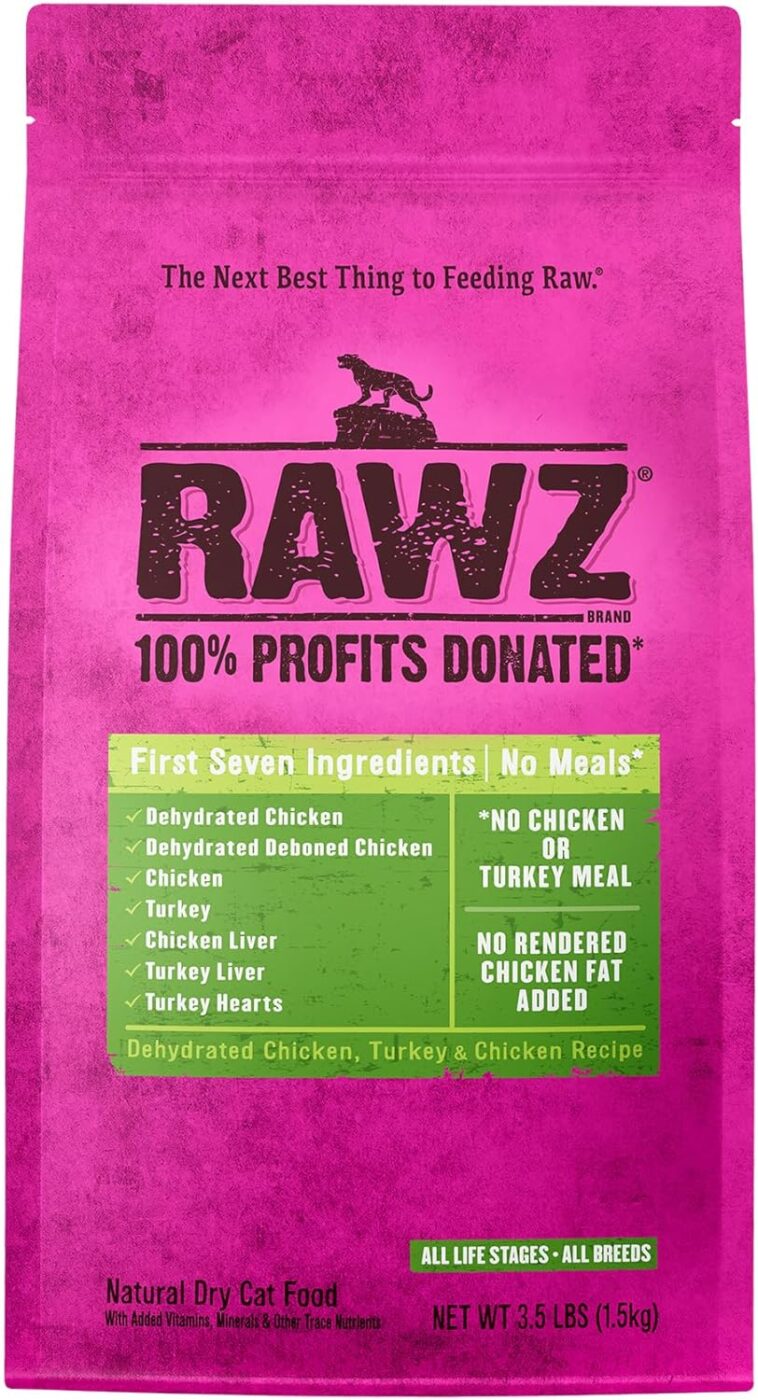
Rawz Chicken & Turkey
Rawz Meal Free Dry Cat Food uses dehydrated chicken as its main protein source and is nutritionally complete for cats of all ages. It skips gums, additives, and rendered ingredients entirely. The food is cooked in smaller batches at lower temperatures, resulting in highly digestible protein with reduced carbohydrates. A solid pick for cat owners who want clean ingredients without the premium price tag.
Best For: Budget-conscious cat owners looking for additive-free cat food
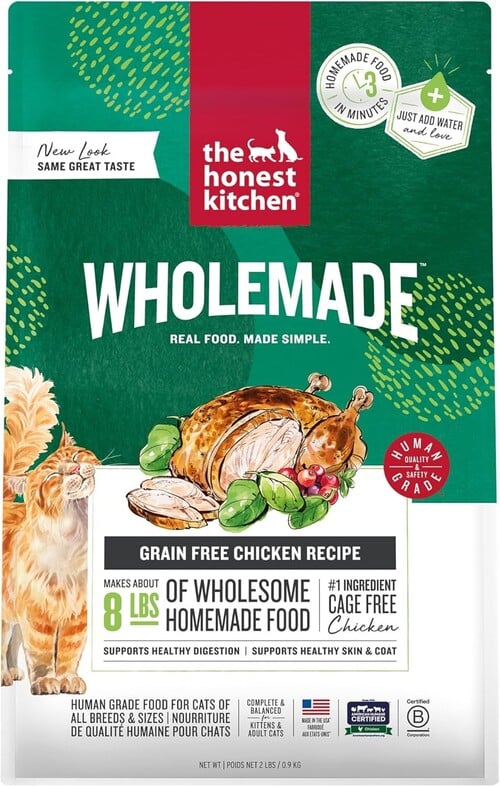
The Honest Kitchen Grain Free Chicken
This grain-free recipe from The Honest Kitchen features human-grade dehydrated chicken as the star ingredient. Every batch is made in a human food facility, which means it meets a higher safety and quality standard than most pet foods on the shelf. It rehydrates quickly with warm water and works as a complete meal or a nutritious topper for cats who need a little extra encouragement at mealtime.
Best For: Cat owners who want human-grade quality and simple, clean ingredients
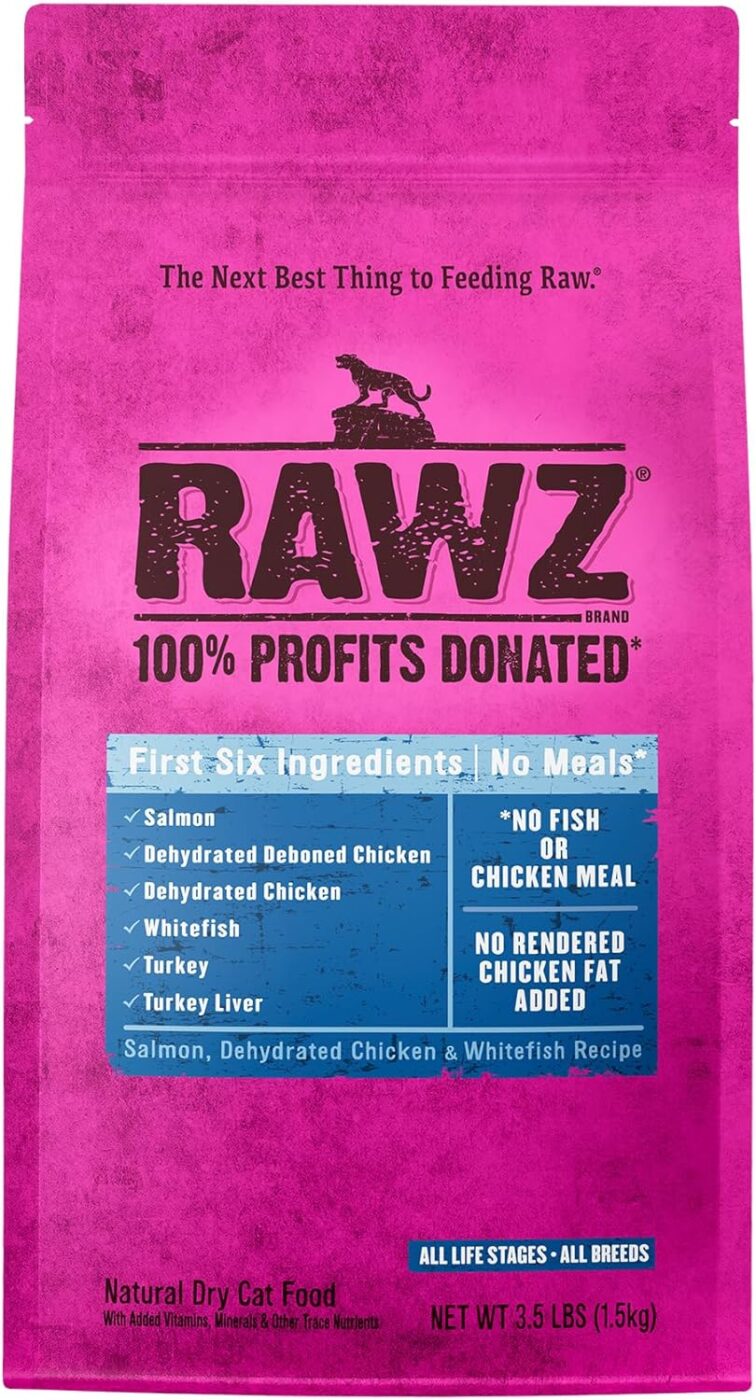
Rawz Salmon, Chicken & Whitefish
This grain-free and potato-free recipe from Rawz combines dehydrated salmon, chicken, and whitefish for a high-protein meal cats love. The multi-protein formula provides variety and essential amino acids from different animal sources. It is a strong choice for cats that thrive on protein-rich diets or for owners rotating between different protein sources to keep mealtime interesting.
Best For: Cats who need a high-protein, multi-source diet
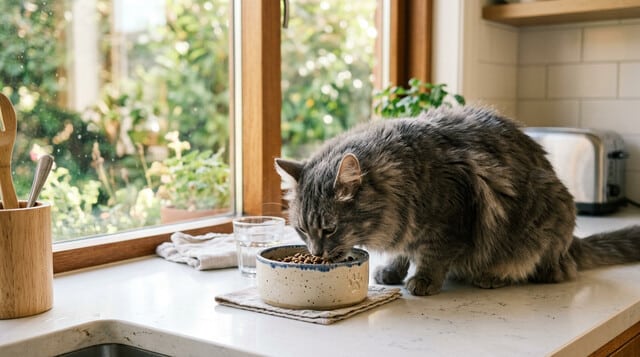
What Should I Look For When Choosing a Dehydrated Cat Food?
When choosing a dehydrated cat food, there are several factors worth checking before you buy:
- Quality of Ingredients: Protein should be the first ingredient, and it should come from a named source like chicken, beef, or fish rather than a generic “meat” label.
- Nutritional Balance: Make sure the food meets AAFCO guidelines for a complete and balanced diet, with appropriate levels of protein, fat, carbohydrates, vitamins, and minerals.
- No Fillers or Additives: Avoid products with corn, wheat, soy, artificial preservatives, colors, or flavors. These add little nutritional value.
- Ease of Preparation: Dehydrated food needs rehydration. Check the instructions to make sure the process fits into your daily routine.
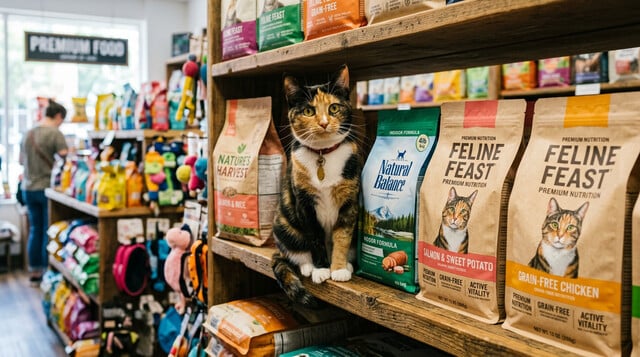
- Brand Reputation: Research the brand, read reviews, and consult your vet for recommendations that match your cat’s health needs. If convenience matters, a cat food subscription service can simplify things further.
Always talk to your veterinarian before making big changes to your cat’s diet, especially if they have specific health concerns.
Benefits and Downsides of Dehydrated Cat Foods
Like any feeding option, dehydrated cat food has trade-offs worth knowing about:
Benefits:
- Better Nutrient Retention: Low-heat dehydration preserves more natural vitamins and enzymes compared to the high-heat process used for kibble.
- Long Shelf Life: Dehydrated foods stay fresh for months without refrigeration, making storage simple.
- Lightweight and Portable: Great for travel or smaller living spaces where storage matters.
- Minimal Processing: Fewer processing steps mean more of the original flavor and nutrition stay intact.
Downsides:
- Higher Cost: Quality ingredients and specialized processing push the price above standard kibble or canned food.
- Prep Time: You need to add water and wait for the food to rehydrate before serving.
- Texture Adjustment: Some cats may not take to the rehydrated texture right away, especially if they are used to kibble or wet food.
- Caloric Density: With water removed, dehydrated food packs more calories per scoop. Follow feeding guidelines closely to avoid overfeeding.
Check with your vet to figure out whether dehydrated food is the right fit for your cat’s health and lifestyle.
Frequently Asked Questions About Dehydrated Cat Foods
1. What is dehydrated cat food?
Dehydrated cat food is made by removing most of the moisture from real ingredients at low temperatures. This preserves nutrients while creating a shelf-stable product. You add water before serving to rehydrate it into a meal.
2. Is dehydrated cat food better than kibble?
Dehydrated food generally retains more nutrients and uses fewer fillers than kibble. It costs more and takes a few minutes to prepare, but many cat owners consider it a healthier everyday option.
3. How long does dehydrated cat food last?
Most brands stay fresh for up to a year when stored sealed in a cool, dry place. Always check the expiration date on the packaging.
4. Do I need to add water to dehydrated cat food?
Yes. Follow the instructions on the package, which typically involve adding warm water and letting the food soak for a few minutes.
5. Is dehydrated cat food grain-free?
Some are and some are not. Read the ingredient list if grain-free matters for your cat’s diet.
6. Is dehydrated food suitable for all life stages?
Not all formulas work for every age. Some target kittens, adults, or seniors specifically. Check the label and ask your vet.
7. Can I mix dehydrated food with kibble or wet food?
Yes, many owners use it as a topper or mix it in. Just adjust portions so your cat does not eat too much overall.
8. Is dehydrated food good for cats with food sensitivities?
Often yes, since it tends to feature simple, recognizable ingredients. Read the full ingredient list and check with your vet to be safe.
9. How do I switch my cat to dehydrated food?
Transition gradually over 7-10 days. Start by mixing a small amount of rehydrated food with the current food, and slowly increase the new food’s share.
10. How should I store opened dehydrated cat food?
Keep it in a cool, dry place in a sealed container. Some brands suggest refrigeration after opening, so check the package.
Feeding Your Cat the Good Stuff
Picking the right food for your cat can make a real difference in their energy, coat quality, and long-term health. Dehydrated cat food gives you a way to serve whole-ingredient meals without the complexity of raw feeding or the compromises that come with heavily processed options. Every cat is different, so talk to your vet about what fits best, and do not be afraid to try a few options until you find the one your cat actually looks forward to eating.