
Omega-3 fatty acids don’t get nearly enough credit for what they do inside a cat’s body. These essential nutrients play a role in everything from how shiny your cat’s coat looks to how well her joints hold up as she ages. The tricky part? Cats can’t produce omega-3s on their own. They have to get them through food or supplements.
Two types matter most: EPA (eicosapentaenoic acid) and DHA (docosahexaenoic acid). Both come primarily from marine sources like fish oil or krill oil, and both have strong anti-inflammatory properties that support multiple body systems at once. If your cat isn’t getting enough of them, you might notice dry skin, a dull coat, stiff joints, or digestive issues that seem to linger.
Here’s what the science actually says about how omega-3s help cats stay healthier, and why so many veterinarians recommend them.
How Omega-3 Fatty Acids Support Your Cat’s Skin and Coat
Dry, flaky skin and a dull coat are some of the earliest signs that a cat isn’t getting enough omega-3s. EPA and DHA work at the cellular level to reduce the inflammatory response that triggers itching, redness, and hot spots. Cats with allergic dermatitis or seasonal skin flare-ups often show noticeable improvement when omega-3 intake goes up.
Beyond calming irritated skin, these fatty acids strengthen the lipid barrier that keeps moisture locked in. A stronger barrier means less flaking, less scratching, and a coat that actually has some shine to it. Many cat owners notice reduced shedding too, which can mean fewer hairballs around the house.
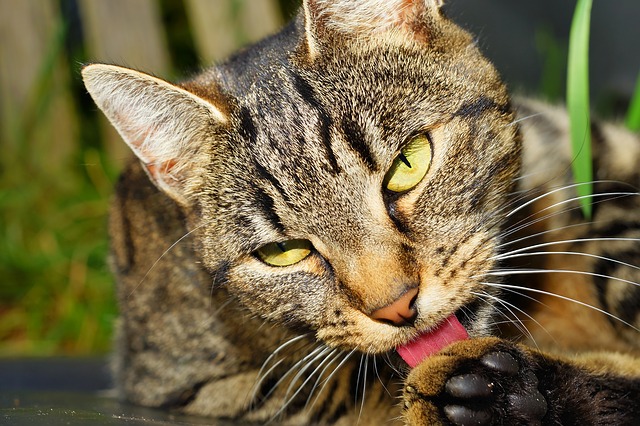
A 2021 systematic review in In Vivo evaluated all randomized controlled trials on EPA/DHA supplementation in companion animals and confirmed that cats with allergic dermatitis showed measurable improvements in skin and coat condition within four to six weeks of consistent supplementation. That timeline lines up with what most vets report seeing in practice.
The Connection Between Omega-3s and Feline Heart Health
Heart disease in cats is more common than a lot of people realize. Hypertrophic cardiomyopathy (HCM) alone affects roughly 1 in 7 cats, and chronic inflammation makes it worse. Omega-3 fatty acids help by reducing inflammatory markers in cardiac tissue.
EPA and DHA have been shown to lower triglyceride levels, reduce the risk of arrhythmias, and help maintain healthy blood pressure. For cats already diagnosed with heart conditions, omega-3 supplementation is often part of the management plan recommended by veterinary cardiologists.

Omega-3s and Heart Health: Key Facts
- HCM affects approximately 1 in 7 cats
- EPA/DHA can lower triglycerides by up to 25% in supplemented cats
- Omega-3s reduce pro-inflammatory cytokines linked to cardiac remodeling
- Veterinary cardiologists often include omega-3s in heart disease management plans
Joint Support: Why Senior Cats Especially Benefit
Osteoarthritis is quietly one of the most underdiagnosed conditions in cats. Studies suggest that up to 90% of cats over age 12 show radiographic evidence of joint disease, but cats are notoriously good at hiding pain. You might notice subtle changes first: reluctance to jump onto the bed, hesitation at the stairs, or sleeping more than usual.
Omega-3s don’t reverse joint damage, but they do reduce the inflammatory cascade that makes arthritis painful. A 2024 randomized controlled trial published in Animals studied 30 cats with naturally occurring osteoarthritis over 13 weeks. Cats fed an EPA/DHA-enriched diet showed significant improvements in pain scores, mobility, and daily activity levels compared to the placebo group, with benefits appearing as early as week four.

The results aren’t instant. Most vets say it takes around six to eight weeks of daily supplementation before you’ll see a real difference in how your cat moves. But for a lot of senior cats, the improvement is clear: they’re more willing to play, more active throughout the day, and more comfortable settling into their favorite spots.
Omega-3s and Your Cat’s Digestive System
Inflammatory Bowel Disease (IBD) is one of the most frustrating conditions for both cats and their owners. Chronic vomiting, diarrhea, weight loss, poor appetite. It cycles. The underlying issue is an overactive immune response in the gut lining, and that’s exactly where omega-3s can help.
EPA and DHA work to reduce the production of pro-inflammatory eicosanoids in the gastrointestinal tract. Think of it this way: omega-6 fatty acids (which most cats get plenty of through standard diets) tend to promote inflammation, while omega-3s act as a counterbalance. Getting the ratio right matters.
Cats with IBD symptoms often benefit from a combination of dietary changes and omega-3 supplementation. It won’t replace veterinary treatment for severe cases, but it can reduce the frequency and intensity of flare-ups. Some cats with mild IBD respond to omega-3 supplementation alone, without requiring stronger medications.
How Omega-3s Strengthen Your Cat’s Immune System
Your cat’s immune system is a balancing act. Too weak and she’s vulnerable to infections. Too aggressive and you get autoimmune problems. Omega-3 fatty acids help modulate that balance by influencing how immune cells communicate and respond to threats.
This matters especially for rescued cats or shelter cats who may have been exposed to upper respiratory infections, feline herpesvirus, or other pathogens before arriving in your home. A well-supported immune system can mean faster recovery and fewer recurring infections.

As cats age, their immune function naturally declines. Omega-3 supplementation can help counteract some of that decline, keeping senior cats more resilient against common illnesses. A 2024 review in the Journal of Animal Science confirmed that balancing the n-6 to n-3 fatty acid ratio in feline diets directly modulates immune cell membrane composition, improving inflammatory response regulation and supporting stronger immune defense in both young and aging cats.
The Role of Omega-3s in Cellular Health
Every cell in your cat’s body has a membrane, and the composition of that membrane directly affects how well the cell functions. Omega-3 fatty acids get incorporated into cell membranes throughout the body, making them more fluid and better at transporting nutrients in and waste products out.
This isn’t something you can see with your eyes, but it has downstream effects on nearly every system. Better cellular function means better organ function, better tissue repair, and a stronger foundation for overall health. It’s the kind of benefit that shows up not as one dramatic improvement but as a cat who just seems healthier and more energetic over time.
Fish Oil vs. Krill Oil: What’s the Difference?
- Fish oil: Triglyceride-bound omega-3s, widely available, can have a fishy taste cats sometimes resist
- Krill oil: Phospholipid-bound omega-3s, often absorbed more efficiently, contains natural astaxanthin (an antioxidant)
- Algae oil: Plant-based DHA source, less common for cats, lower EPA content
- Your vet can help determine which source works best for your cat’s specific needs
Brain Health, Vision, and Cognitive Function in Cats
DHA is a major structural component of the brain and retina. During kittenhood, adequate DHA intake supports proper development of the cerebral cortex and visual system. But the benefits don’t stop there. Adult and senior cats need DHA too, and there’s growing evidence that ongoing supplementation helps maintain cognitive sharpness.
If you’ve ever noticed an older cat seeming confused, yowling at night for no apparent reason, or forgetting where the litter box is, cognitive dysfunction syndrome (CDS) may be developing. DHA-rich diets have been associated with slower cognitive decline in aging cats, though it’s not a cure for CDS.
For kittens, pregnant queens, and nursing mothers, DHA is especially important. Kittens born to queens with adequate DHA intake tend to have better visual acuity and faster learning ability compared to those without.
Kidney Health: An Emerging Area of Research
Chronic kidney disease (CKD) is the leading cause of death in older cats. While omega-3s can’t prevent kidney disease, research suggests they may slow its progression. A 2022 pilot study published in the Journal of Feline Medicine and Surgery found that cats with early-stage CKD who received DHA-enriched fish oil showed significant decreases in proteinuria and tubular injury markers, suggesting that omega-3 supplementation may help protect remaining kidney function.
The mechanism is straightforward: omega-3s reduce inflammation in the kidneys, which slows the damage to nephrons (the kidney’s filtering units). Many kidney-support cat foods already include elevated omega-3 levels for exactly this reason.
If your cat has been diagnosed with early CKD, ask your vet whether omega-3 supplementation makes sense as part of the management plan. It’s one of the few nutritional interventions with solid evidence behind it for feline kidney disease.
How to Tell If Your Cat Needs More Omega-3s
Not every cat needs supplementation. If your cat eats a high-quality commercial diet that includes marine-based omega-3 sources, she may already be getting enough. But some signs suggest a deficiency or imbalance:
- Dry, flaky, or itchy skin
- A dull, lackluster coat
- Excessive shedding or frequent hairballs
- Stiff movement, especially in the morning or after naps
- Recurring digestive issues (vomiting, loose stools)
- Slow wound healing
- Frequent minor infections
If you notice two or more of these, it’s worth talking to your vet about whether omega-3 supplementation could help. A simple dietary history review can often identify whether the issue is an omega-3 deficiency or something else.
Omega-3 Dosing Guidelines for Cats
- General wellness: 30-50 mg combined EPA/DHA per pound of body weight daily
- Inflammatory conditions: 50-75 mg per pound (under vet guidance)
- CKD support: Dose varies; always consult your vet for kidney patients
- Start low and increase gradually to avoid GI upset
- Store fish/krill oil away from heat and light to prevent rancidity
What Veterinarians Say About Omega-3s for Cats
Veterinary nutritionists generally agree that most cats benefit from additional omega-3s beyond what’s in standard commercial food. The processing methods used to manufacture kibble and many canned foods involve high heat, which degrades omega-3 fatty acids. So even if the label lists omega-3 sources, the actual bioavailable amount after processing can be significantly lower than expected.
Dr. Lisa Freeman, a veterinary nutritionist at Tufts University, has noted that the ratio of omega-6 to omega-3 in a cat’s diet is just as important as the total amount. Most commercial cat foods are heavy on omega-6 (from poultry fat and vegetable oils) and low on omega-3, creating an imbalance that promotes inflammation.
The ideal omega-6 to omega-3 ratio for cats falls somewhere between 5:1 and 10:1, though some veterinary dermatologists recommend going even lower for cats with skin conditions. Adding a marine-sourced omega-3 supplement is one of the easiest ways to bring that ratio into a healthier range.
Frequently Asked Questions
Can cats get omega-3s from plant sources like flaxseed?
Cats can’t efficiently convert the ALA (alpha-linolenic acid) found in plant sources into the EPA and DHA their bodies actually need. While flaxseed oil has benefits for humans, it’s not an effective omega-3 source for cats. Stick with marine-based sources like fish oil or krill oil for the best results.
Is it possible to give a cat too much omega-3?
Yes, though toxicity is rare at normal supplementation levels. Very high doses can interfere with blood clotting and cause GI upset. Follow your vet’s dosing guidelines and don’t stack multiple supplements that contain omega-3s without checking the total.
How long does it take to see results from omega-3 supplementation?
Most changes become visible in four to eight weeks. Skin and coat improvements tend to show up first, while joint mobility changes may take six to eight weeks. Consistency matters more than dosage increases.
Are omega-3 supplements safe for kittens?
Yes, in age-appropriate doses. DHA is actually critical for kitten brain and eye development. Many kitten-specific foods already include added DHA, but if you’re feeding a homemade diet, talk to your vet about supplementation.
What’s the difference between fish oil and krill oil for cats?
Both provide EPA and DHA. Krill oil’s omega-3s are bound to phospholipids, which some research suggests are absorbed more efficiently. Krill oil also contains astaxanthin, a natural antioxidant. Fish oil is typically cheaper and more widely available. Either can be effective.
Can omega-3s help with a cat’s bad breath?
Indirectly, yes. If bad breath is caused by gum inflammation (gingivitis), omega-3s can help reduce that inflammation over time. But persistent bad breath in cats should always be evaluated by a vet, as it can indicate dental disease or other health issues.

Giving Your Cat a Healthier Foundation
Omega-3 fatty acids aren’t a magic fix, and they won’t replace proper veterinary care. But the evidence for their benefits is strong across multiple body systems, from skin and joints to hearts and kidneys. For most cats, getting more omega-3s into their diet is one of the simplest nutritional upgrades you can make.
Talk to your vet before starting any supplement, especially if your cat takes medications or has an existing health condition. They can recommend the right source, the right dose, and the right form based on your cat’s specific needs.
Small changes in nutrition can make a real difference over months and years. Your cat might not thank you out loud for it, but you’ll see it in her coat, her energy, and the way she still leaps onto the windowsill at 15 years old.