
Cat breeds show a striking variety of fur patterns, and spots and stripes are some of the most eye-catching. Some of these patterns come from genuine breed traits, passed down through careful breeding or wild-cat ancestry. Others are just the tabby gene showing up in an ordinary house cat. This article breaks down which spotted and striped cats are true breeds, and which ones are simply wearing one of nature’s most common coat patterns.
1. Bengal
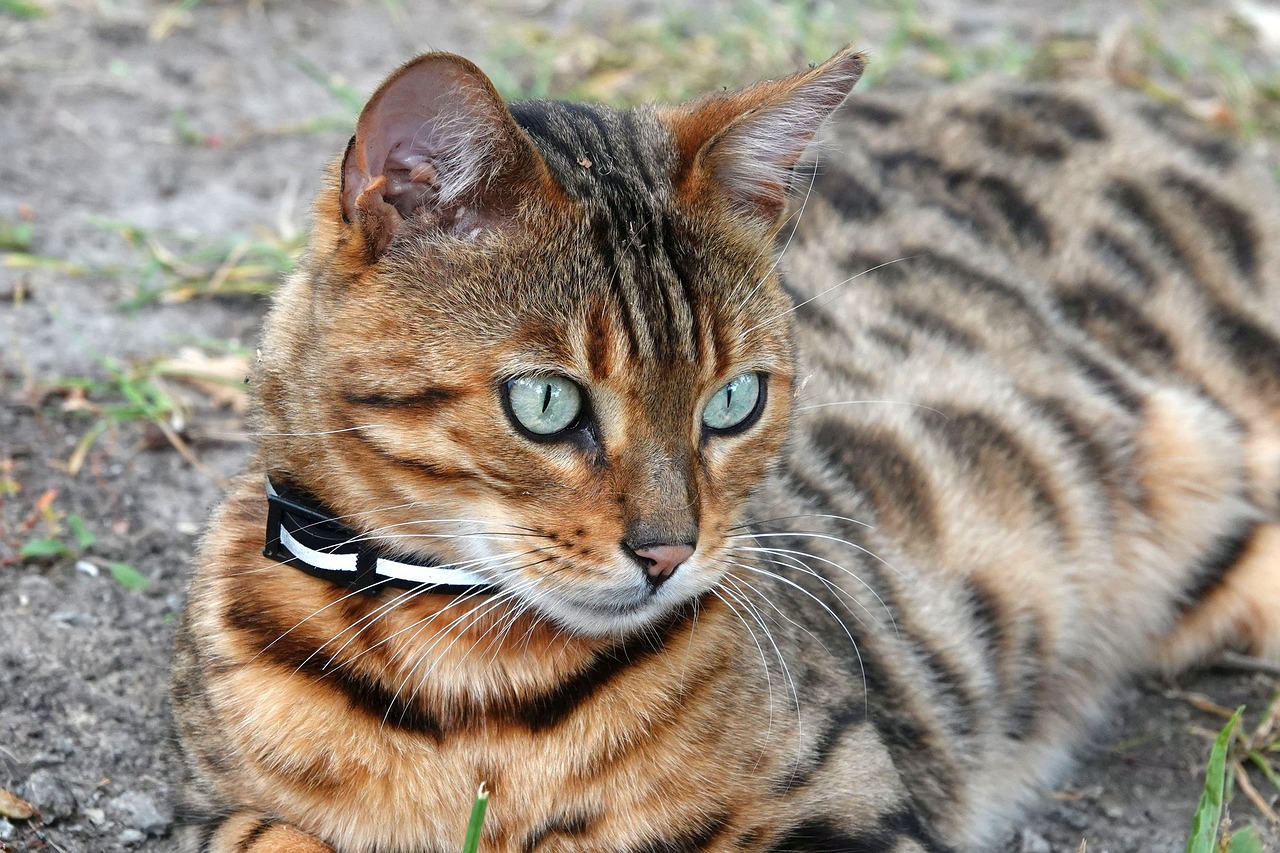
Bengals are famed for their leopard-like appearance, featuring bold spots and rosettes that mimic those of wild cats. This breed’s stunning coat results from careful breeding, which includes crossing domestic cats with the Asian leopard cat, giving them a distinctly rugged look, a hybrid lineage documented in the TICA Bengal breed standard.
2. Ocicat
The Ocicat looks like it should have wild-cat ancestry, but it doesn’t. Breeders created the Ocicat in the 1960s by crossing Abyssinian, Siamese, and American Shorthair cats, aiming for the spotted look of a wild ocelot without any actual wild genes, according to the CFA Ocicat breed profile. Its coat carries true spots from nose to tail, and it comes in several coat colors recognized by the breed standard. Both the CFA and TICA recognize the Ocicat as a distinct breed. If you love the wild-cat look without the wild genes, our list of cat breeds that look like wild animals covers a few more like it.
3. Egyptian Mau
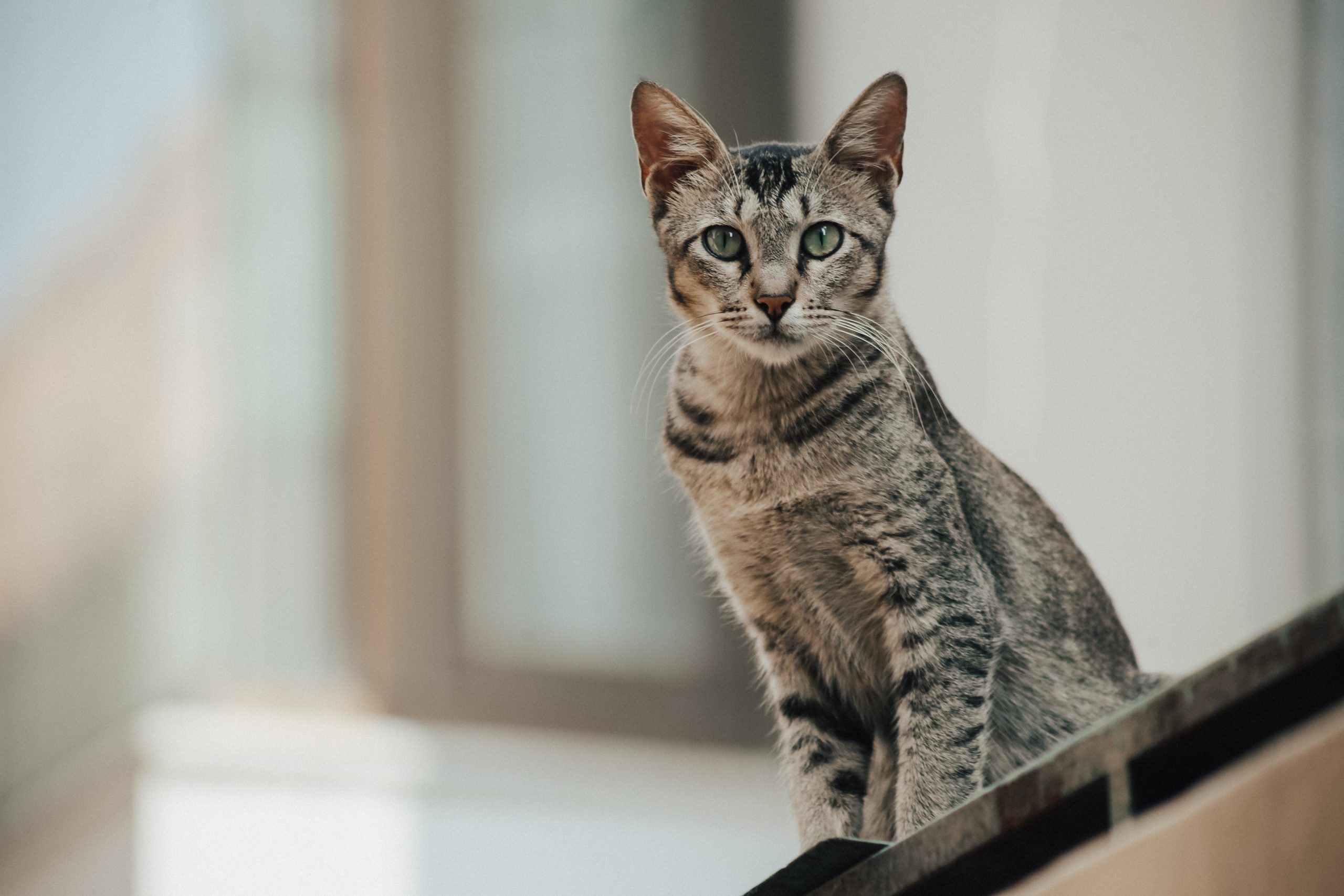
The Egyptian Mau is the only naturally spotted domestic cat breed, according to the CFA Egyptian Mau breed profile, meaning its spots are a genuine breed trait rather than a tabby pattern showing up on a cat of mixed heritage. Their spots appear not only on their coat but also on their skin underneath, and no two Egyptian Maus share the exact same pattern. This breed is celebrated for its striking, naturally occurring spotted pattern, unique to each cat.
4. Tabby Patterns Explained (Not a Breed)
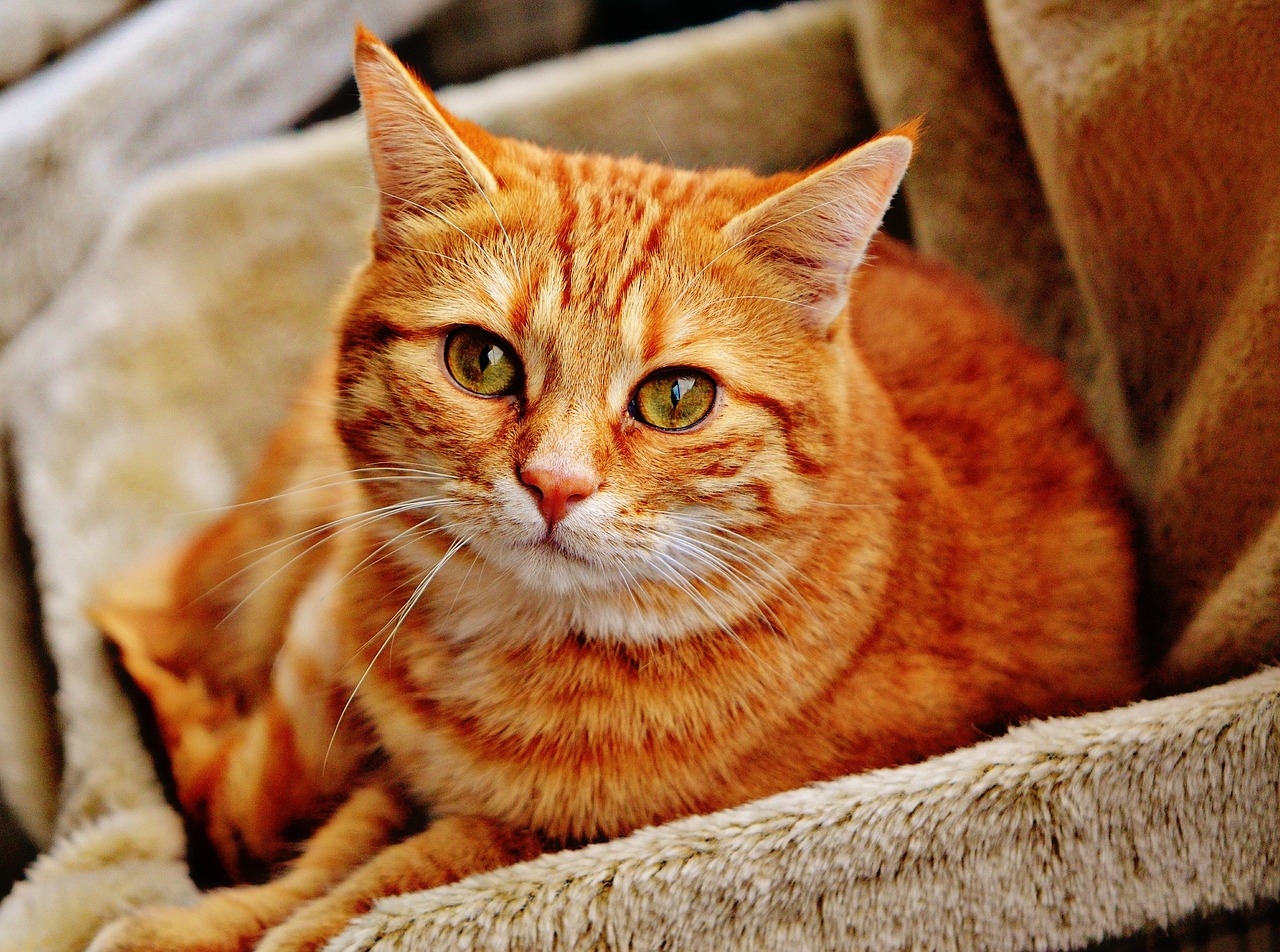
Tabby isn’t a breed. It’s a pattern caused by the agouti gene, and it shows up in nearly every breed as well as plenty of mixed breed cats. That classic “M” marking on the forehead is the giveaway, and there are four tabby patterns recognized by the Cornell Feline Health Center: classic, mackerel, spotted, and ticked. So if you’ve ever wondered what a spotted cat is called, the honest answer depends on whether you mean a genuine breed like the Egyptian Mau or a spotted tabby that just carries the gene.
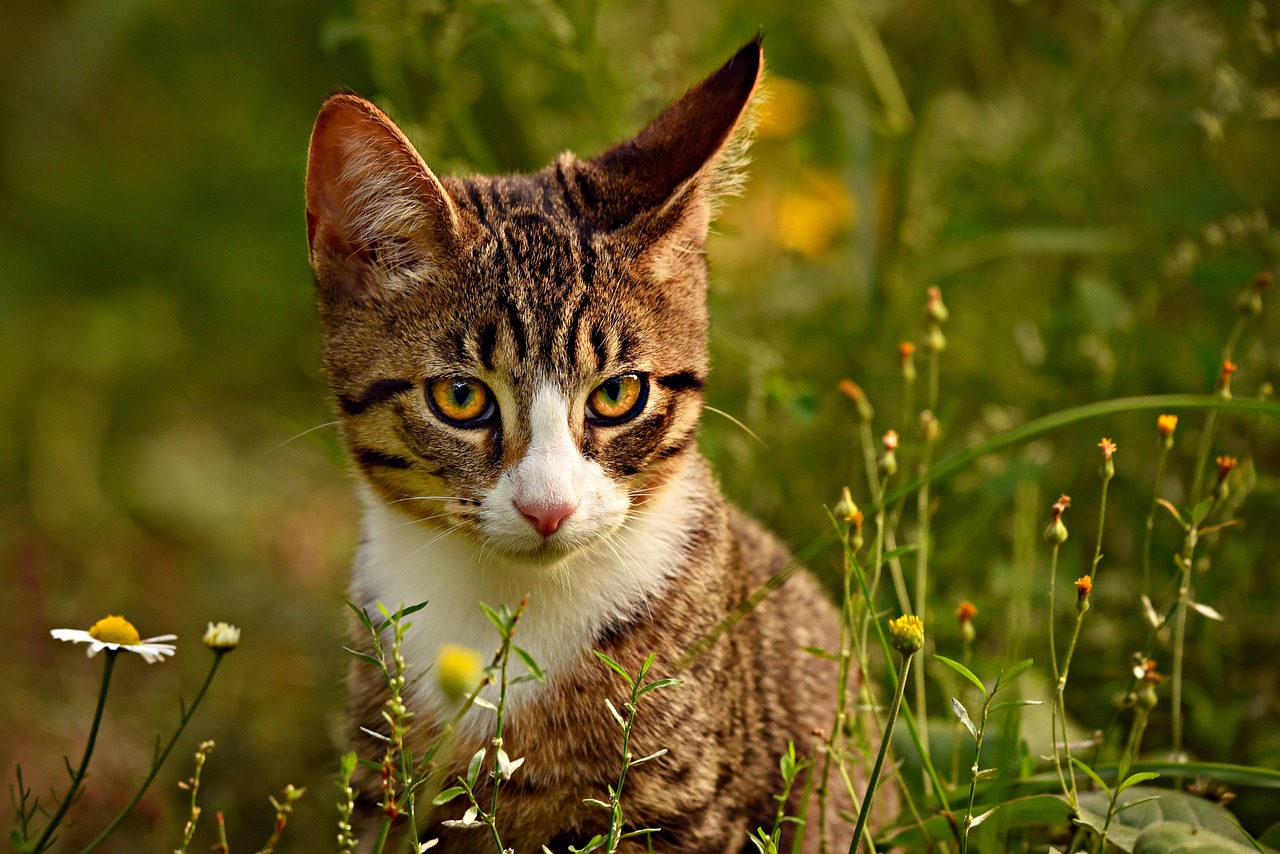
The mackerel tabby is one of those four patterns, named for the narrow, parallel stripes that run down the body and resemble fish bones. You’ll see it on mixed breed cats constantly, and on purebreds like the Maine Coon and Norwegian Forest Cat too. Curious about other coat genetics quirks? Take a look at these rare cat coat colors next.
5. Norwegian Forest Cat
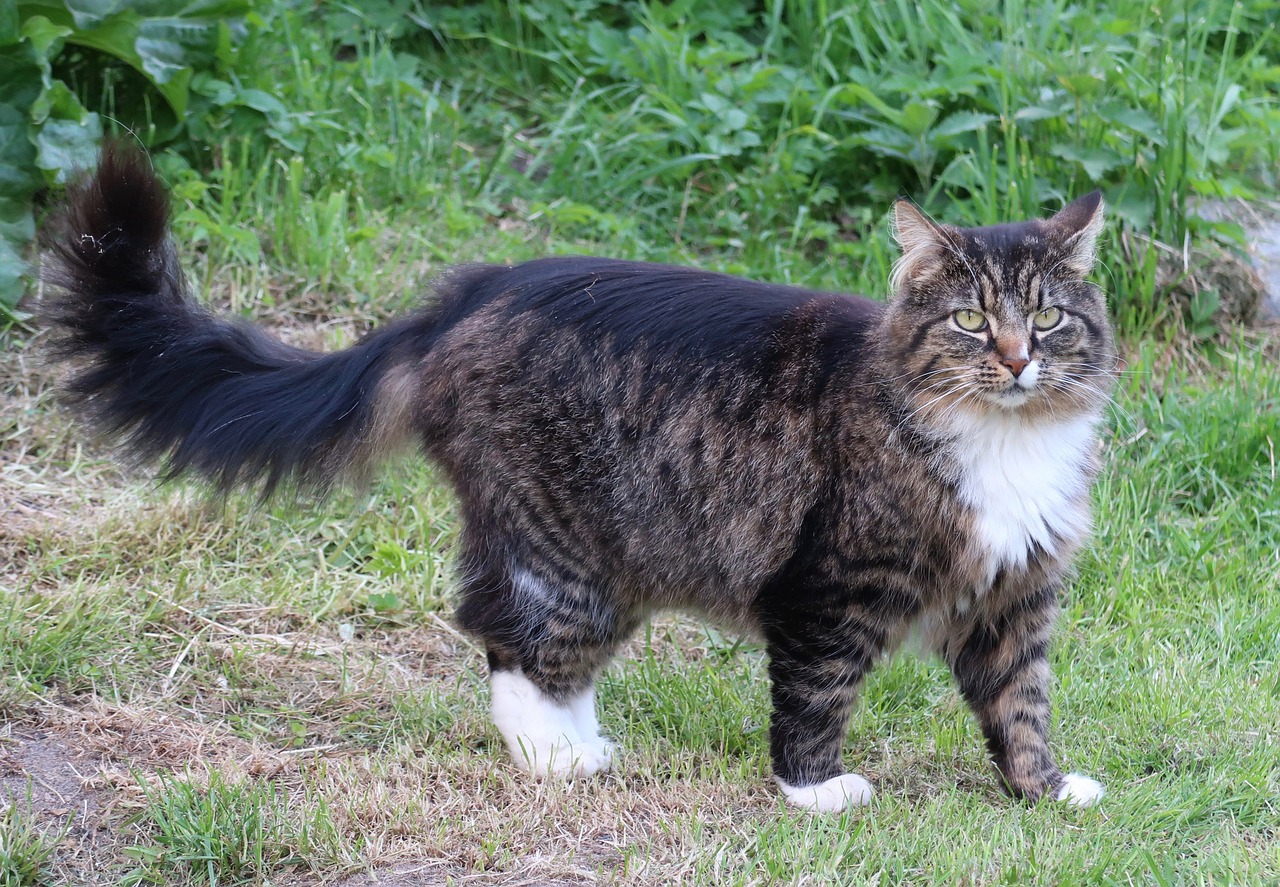
Norwegian Forest Cats may have a mackerel or spotted tabby pattern amidst their long, luxurious coats. These patterns work well with their thick fur, enhancing their natural, forest-dwelling appearance, and if you love a coat you can practically bury your hands in, our list of cat breeds with the softest fur is worth a look too.
6. Maine Coon
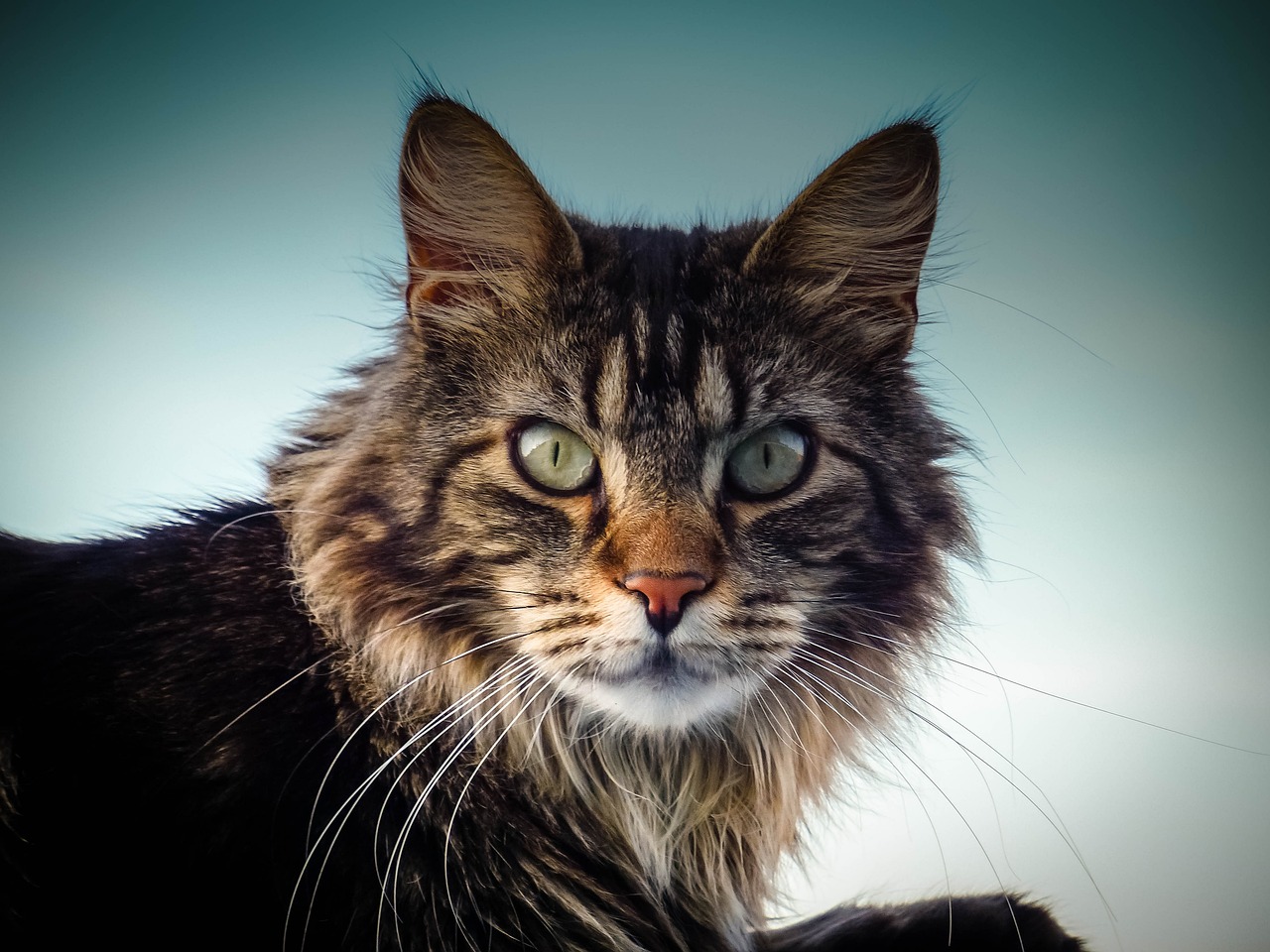
Maine Coons, one of the giant domesticated cat breeds, can have a variety of coat patterns, including stripes and spots. These patterns enhance the breed’s majestic and wild appearance, adding to their allure.
7. Toyger
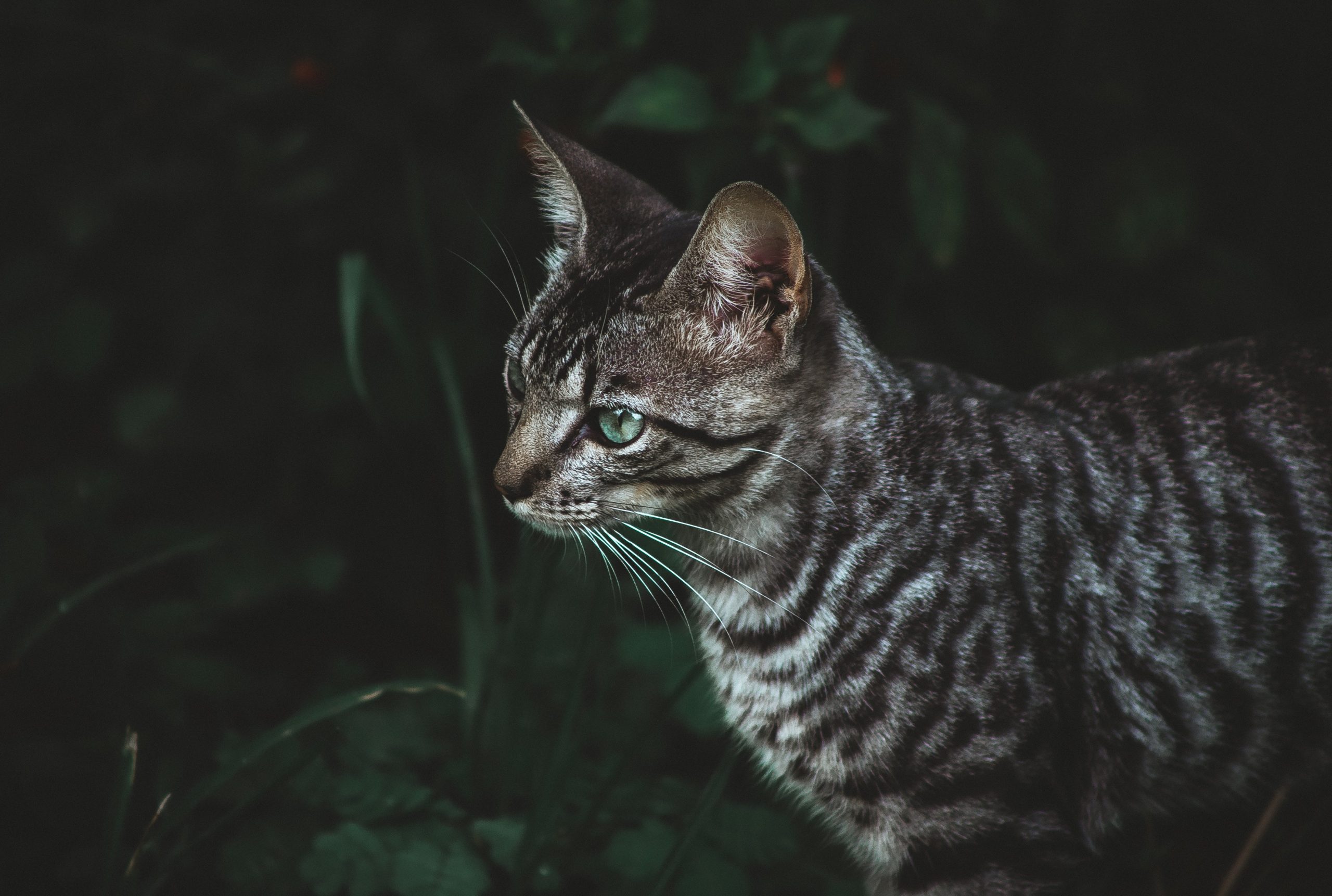
The Toyger is a breed designed to resemble a tiny tiger with bold stripes and an orange coat. This breed was developed by breeding domestic cats that naturally had striped patterns to emphasize and perfect this tiger-like appearance, a program documented in the TICA Toyger breed profile.
8. Abyssinian
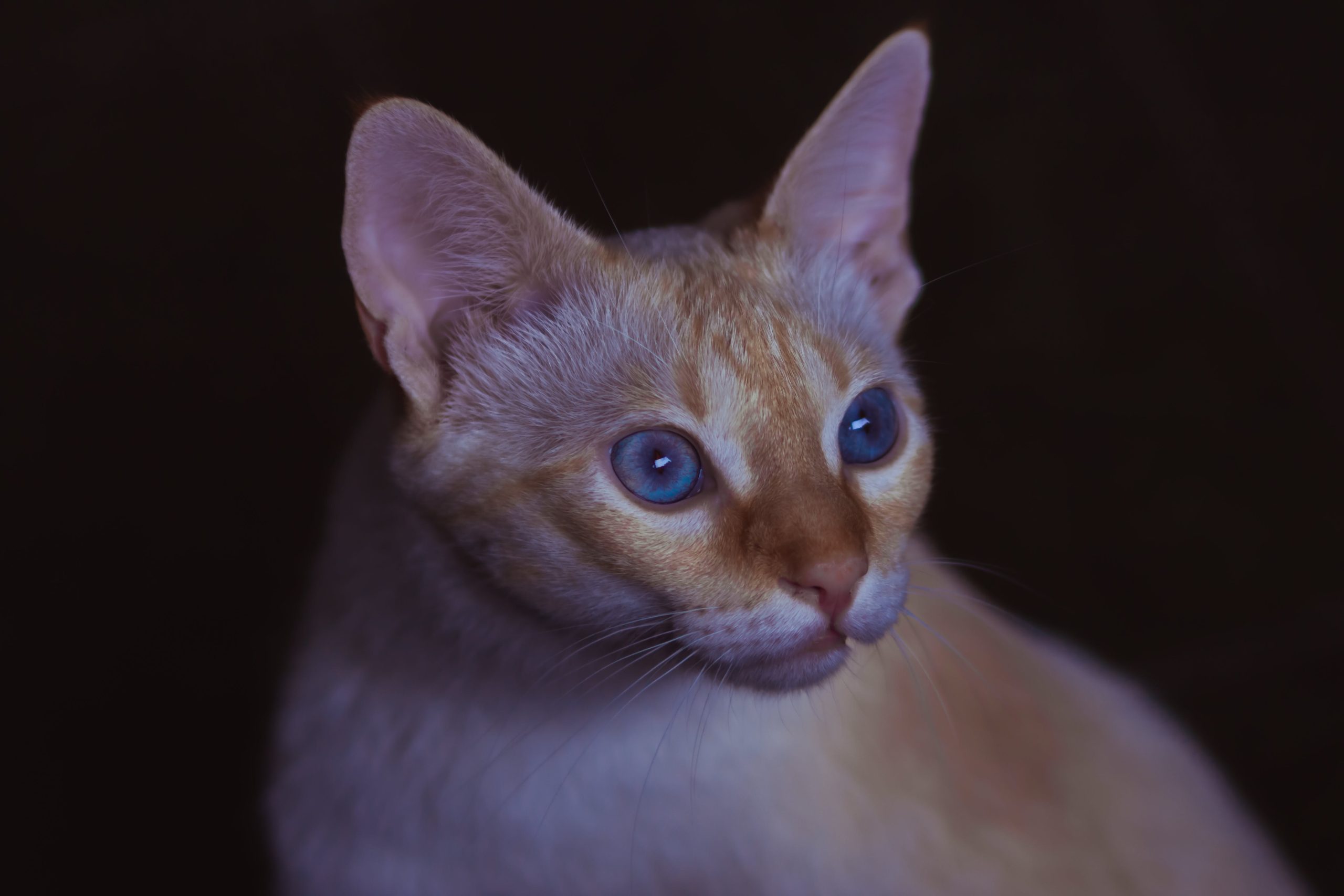
While Abyssinians are primarily known for their ticked or agouti coat, some exhibit a subtle spotted or striped pattern. These muted patterns add depth and complexity to their beautiful, warm-colored skin.
9. Scottish Fold
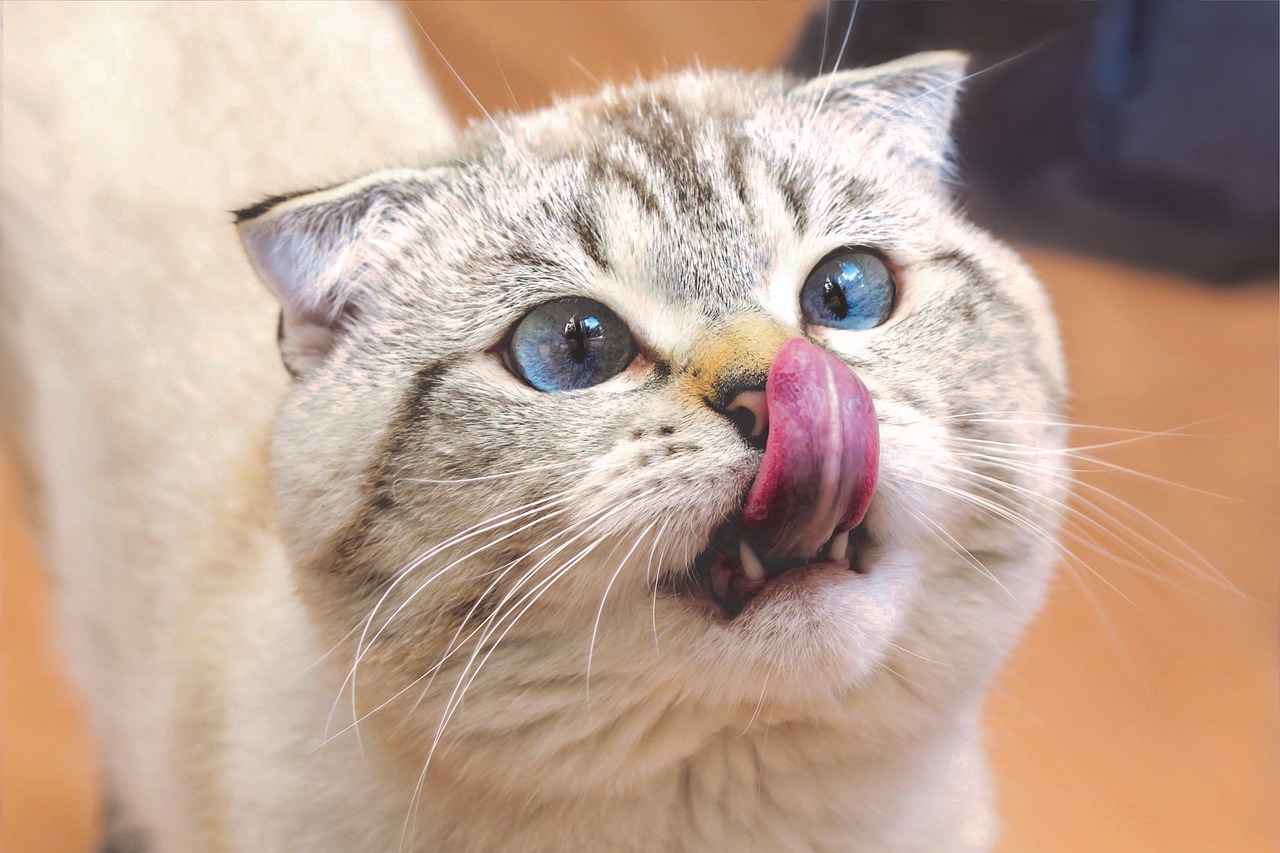
Scottish Folds can have a variety of coat colors and patterns, including stripes and spots. Combined with their unique folded ears, these patterns make them charming and distinctive.
10. Savannah
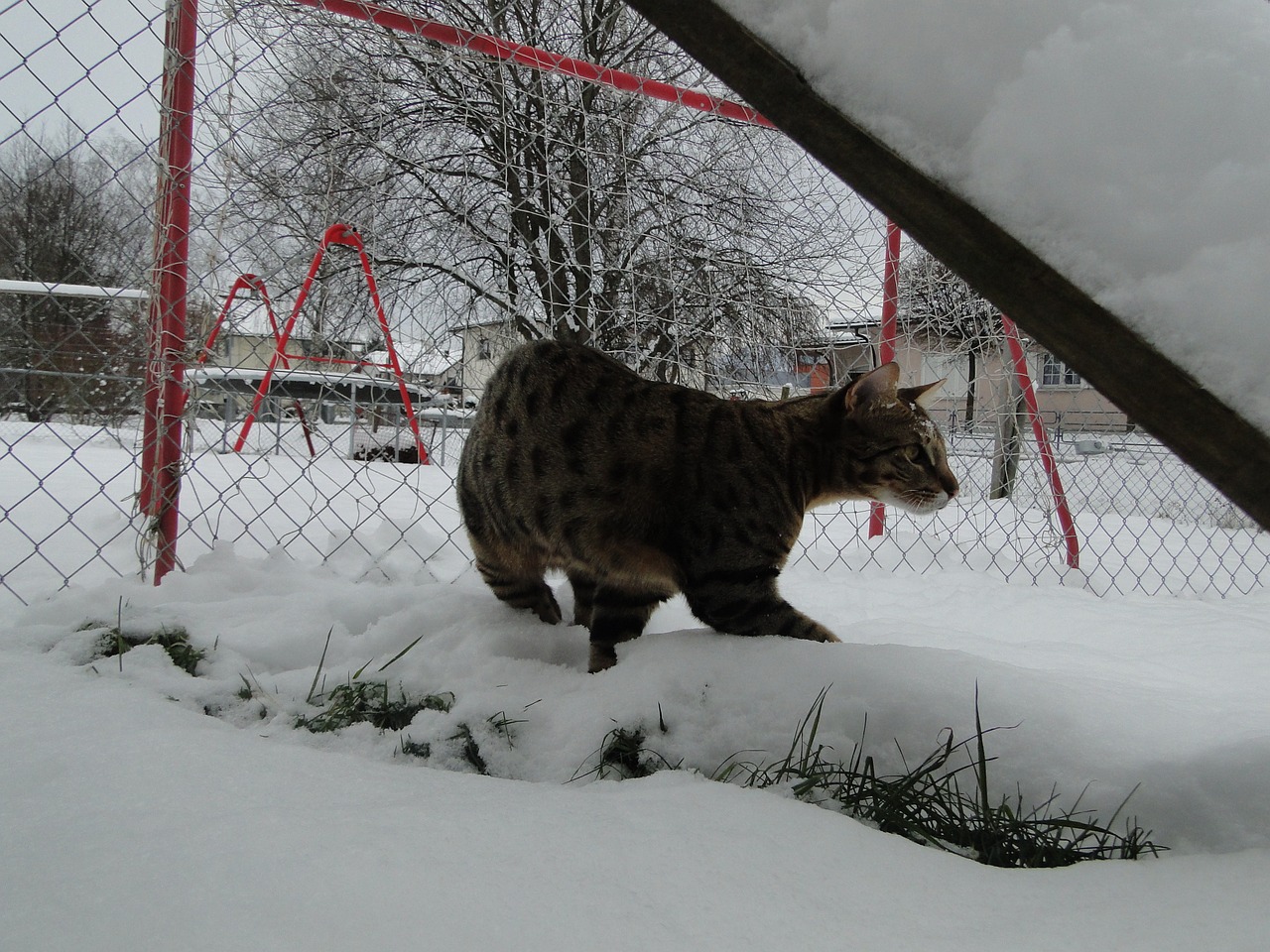
Savannah cats, bred by crossing domestic cats with the serval, a wild African cat, have striking spotted coats, with hybrid generations labeled F1 through F4 depending on how many generations separate a cat from its serval ancestor, per the TICA Savannah breed standard. Their wild-cat instincts show up in more than just their coat too, as our guide to cat breeds with remarkable hunting skills covers. Their large, well-defined spots and long, lean bodies give them an exotic and captivating appearance.
Final Whisker of Wonder
From fierce tiger stripes to delicate speckles, the world of spotted and striped cats is as rich in history as it is in beauty. These captivating patterns aren’t just about looks-they’re a glimpse into each breed’s wild ancestry and the artistry of genetics. Whether you’re drawn to the dramatic rosettes of a Bengal or the understated elegance of an Abyssinian, there’s something undeniably enchanting about a cat dressed in nature’s finest designs. So next time you spot a tabby’s “M” or admire a Toyger’s bold bands, take a moment to appreciate the living artwork curled up at your feet.