
iHeartCats is reader-supported. When you buy via links on our site, we may earn an affiliate commission at no extra cost to you.
Fish oil is one of the most recommended supplements for cats, and for good reason. The Omega-3 fatty acids EPA and DHA found in high-quality fish oil support your cat’s skin and coat health, reduce joint inflammation, promote heart function, and can even support cognitive health in senior cats. The tricky part is choosing the right one. Not all fish oils are equal in purity, concentration, or palatability, and what works for one cat might not suit another.
We reviewed the top-rated fish oil supplements on the market, looking at ingredient quality, Omega-3 concentration, ease of use, and real-world cat acceptance. Here are the six best options.
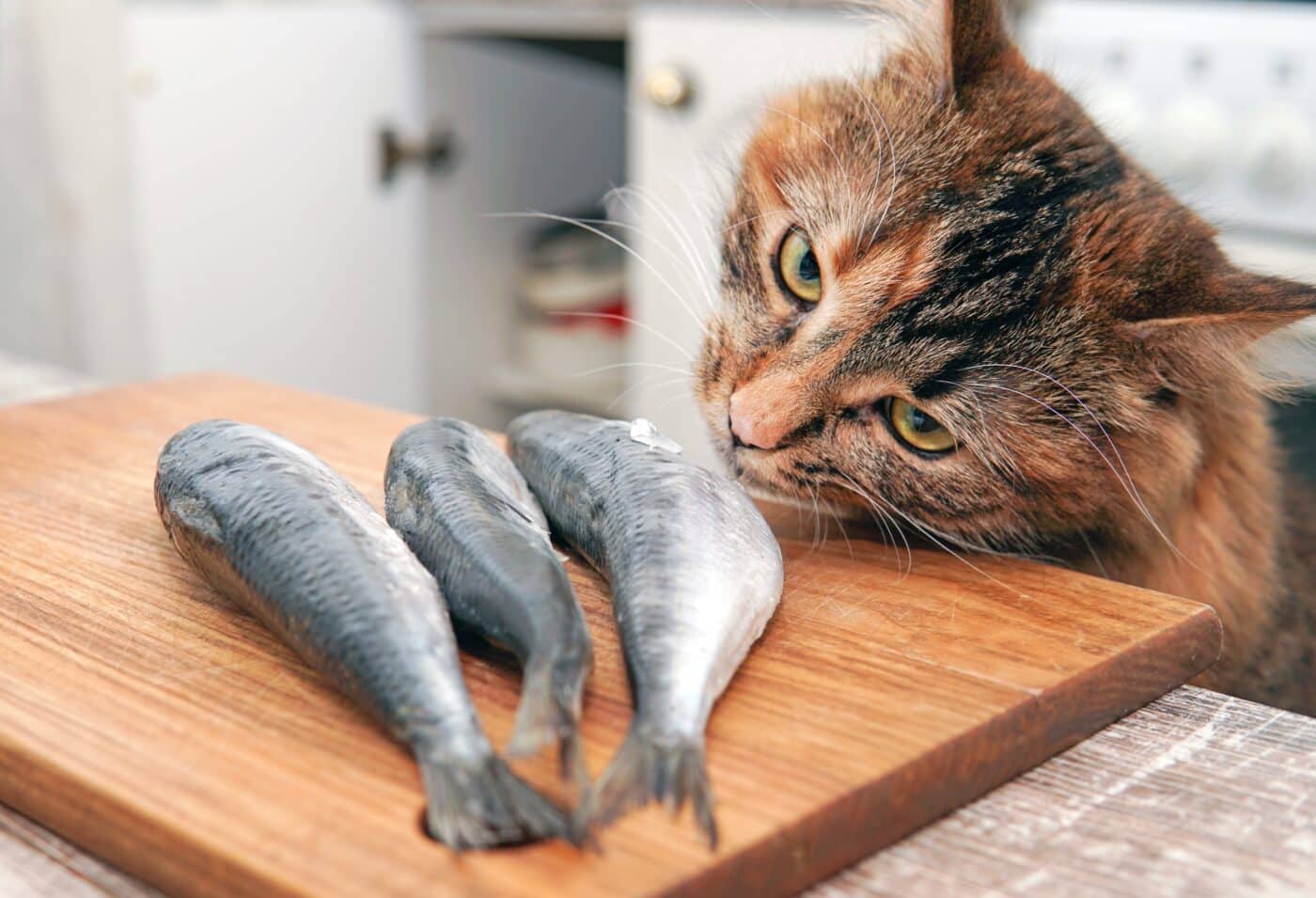
Quick Facts: Fish Oil Benefits for Cats
- Skin and coat: Omega-3s reduce dryness, itching, and shedding, leaving your cat’s coat visibly shinier within weeks.
- Joint health: EPA and DHA have anti-inflammatory properties that can ease stiffness in arthritic and senior cats.
- Heart support: Regular Omega-3 supplementation is linked to healthier heart rhythm and cardiovascular function in cats.
- Brain and eye development: DHA is essential for kittens’ neurological and visual development.
- Kidney health: Studies suggest Omega-3s may help slow the progression of chronic kidney disease in cats.
- Dosage tip: Most vets recommend starting with a low dose (about 20 mg of EPA/DHA per pound of body weight) and increasing gradually.
Our Top Picks: Best Fish Oil Supplements for Cats
#1 – Nutramax Welactin Omega 3 Fish Oil
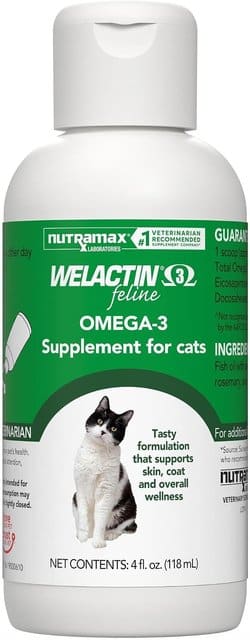
If you want a vet-recommended fish oil your cat will actually eat, the Nutramax Welactin Omega 3 Fish Oil is worth a look. It’s a concentrated liquid formula with a natural fish flavor that makes it easy to add to food, and it’s designed specifically for cats with EPA and DHA to support skin, coat, heart, and joint health. Nutramax is a trusted brand with decades of veterinary use behind it, so you’re getting quality you can count on.
Key Features:
- Concentrated Omega-3 liquid formula (EPA and DHA)
- Veterinarian recommended
- Designed specifically for cats
- Easy to add to food with a pump dispenser
- Natural fish flavor for easy acceptance
Pros
- Vet-recommended formula
- Concentrated dose in small amount
- Easy pump dispenser
- Cat-specific formulation
Cons
- Smaller bottle size than some competitors
- May not suit cats sensitive to fish flavors

#2 – Vital Pets Salmon Oil
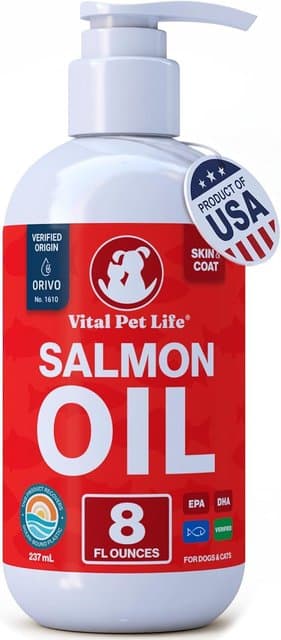
The Vital Pets Salmon Oil is a straightforward, single-ingredient supplement made from wild-caught salmon that works for both dogs and cats. It delivers Omega-3, Omega-6, and Omega-9 fatty acids to support a healthy coat, reduce shedding, and promote skin comfort. The liquid format makes it simple to drizzle over your cat’s food at mealtime.
Key Features:
- Wild-caught salmon as the sole ingredient
- Omega-3, Omega-6, and Omega-9 fatty acids
- Supports skin, coat, and immune health
- Liquid formula for easy food topping
- No artificial additives or preservatives
Pros
- Single-ingredient transparency
- Works for both cats and dogs
- Easy to mix into food
- Reduces shedding
Cons
- Fish smell may be strong for some owners
- Requires refrigeration after opening
#3 – Nordic Naturals Omega-3 Fish Oil for Cats
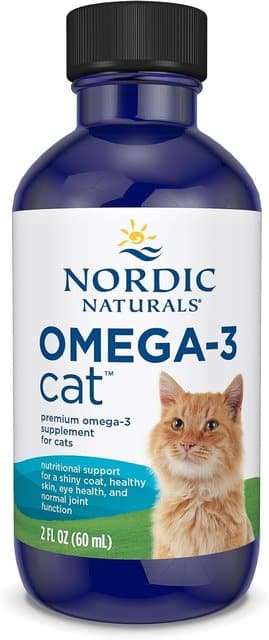
Nordic Naturals brings the same high-quality fish oil it uses in its human supplements to a cat-specific formula. Made from wild-caught fish and third-party tested for purity, this Omega-3 supplement supports heart, skin, coat, immune, and joint health without any artificial additives. It comes in a small, easy-to-manage bottle that’s a good fit for single-cat households.
Key Features:
- Non-GMO, gluten-free, dairy-free formula
- Third-party tested for purity and freshness
- Wild-caught fish source
- Supports heart, skin, coat, immune, and joint health
- No artificial additives or preservatives
Pros
- Third-party purity tested
- Trusted human-grade fish oil brand
- No artificial additives
- Cat-specific formula
Cons
- Smaller bottle (2 oz) may not last long for daily use
- Higher price per ounce than some alternatives
#4 – Pet Honesty Vet Recommended Salmon Oil
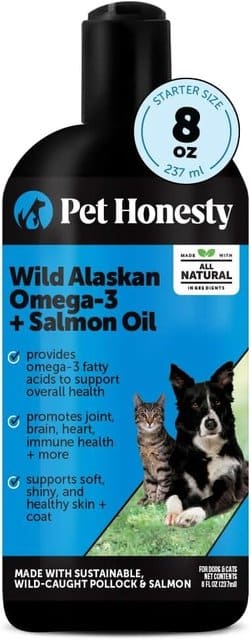
Pet Honesty’s Salmon Oil is a vet-recommended formula made from wild Alaskan salmon, designed to support a shiny coat, healthy skin, and comfortable joints in cats. It pours easily over food and is free from artificial preservatives, so you know exactly what you are giving your cat. The 8 oz size offers good value for daily supplementation.
Key Features:
- Wild Alaskan salmon source
- Vet recommended
- Supports coat, skin, joint, and immune health
- Free from artificial preservatives
- Easy pour-over liquid format
Pros
- Vet recommended
- Wild Alaskan salmon source
- No artificial preservatives
- Good value per ounce
Cons
- Bottle cap can drip if not tightened
- Fish scent is noticeable
#5 – Zesty Paws Salmon Oil
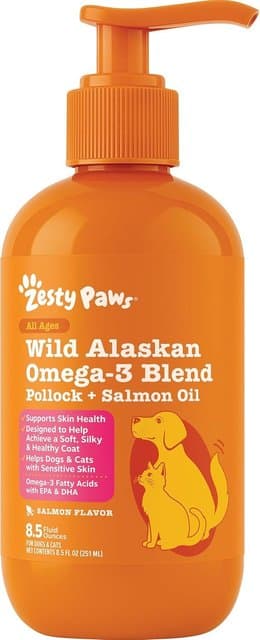
Zesty Paws Salmon Oil is a popular choice for cat owners who want a well-rounded Omega-3 supplement with broad health benefits. It is made from wild Alaskan pollock and salmon, delivering EPA and DHA to support skin hydration, coat shine, joint flexibility, and immune function. The pump bottle makes daily dosing quick and mess-free.
Key Features:
- Wild Alaskan pollock and salmon blend
- EPA and DHA for complete Omega-3 support
- Supports skin, coat, joints, and immune health
- Pump bottle for easy, mess-free dispensing
- No artificial preservatives or fillers
Pros
- Popular and well-reviewed
- Easy pump dispenser
- Broad health support
- Cats tend to enjoy the flavor
Cons
- Pump can clog over time
- Contains both pollock and salmon (not single-source)
#6 – Native Pet Omega 3 Fish Oil
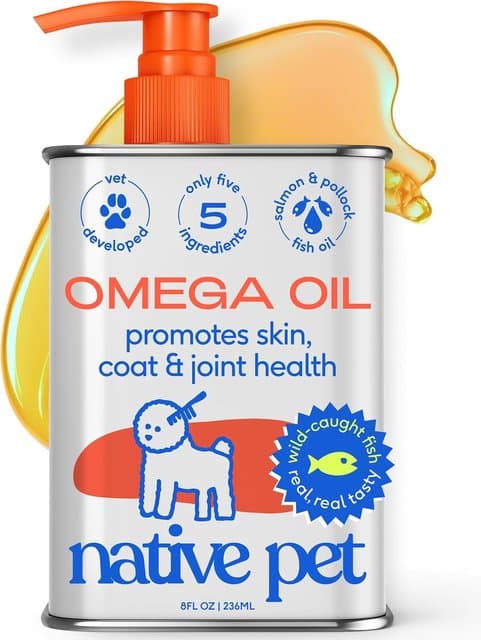
Native Pet Omega 3 Fish Oil is a clean, minimal-ingredient supplement that sources its Omega-3s from wild-caught fish to support skin, coat, and joint health in cats. The formula is free from fillers, artificial ingredients, and unnecessary additives, and it mixes easily into wet or dry food. It’s a good pick for pet owners who prioritize ingredient transparency.
Key Features:
- Wild-caught fish source
- Clean formula with no fillers or artificial ingredients
- Supports skin, coat, and joint health
- Mixes easily into wet or dry food
- Suitable for cats and dogs
Pros
- Clean ingredient list
- Easy to mix into food
- No artificial additives
- Transparent sourcing
Cons
- May not have as strong a fish flavor as some cats prefer
- Smaller bottle
What Are The Benefits of Omega-3 Fish Oil for Cats?
Omega-3 fatty acids, particularly those found in fish oil, have been recognized as essential dietary components that can significantly improve the health of your cat. They’re not produced by the cat’s body, so they must be acquired through diet or supplements. Here are some of the primary benefits of Omega-3 fish oil for cats:
1. Skin and Coat Health: Omega-3 fatty acids play a vital role in maintaining the health of your cat’s skin and coat. They help reduce inflammation that can lead to skin diseases and allergies, and they promote the health of the skin barrier, which can keep your cat’s coat shiny and healthy.
2. Joint Health: Omega-3 fatty acids, particularly EPA (Eicosapentaenoic acid), are known to reduce inflammation in the joints. This can be particularly beneficial for older cats or those with arthritis, as it can reduce joint pain and improve mobility.
3. Cardiovascular Health: These fatty acids have shown benefits for the cardiovascular system. They can lower triglyceride levels, reduce the risk of heart disease, and improve overall cardiovascular health. Cats with heart issues might benefit from a diet supplemented with fish oil.
4. Cognitive Function: Omega-3 fatty acids, particularly DHA (Docosahexaenoic acid), play a crucial role in brain health and function. Supplementing with fish oil can support brain development in kittens and help maintain cognitive function in older cats.
5. Kidney Health: In cats with kidney disease, Omega-3 fatty acids can reduce protein loss in the urine and slow the progression of the disease, improving the quality of life.
6. Immune System Support: Omega-3s support a healthy immune system by reducing inflammation and oxidative stress, which can help your cat fight off illness and disease more effectively.
7. Eye Development and Health: DHA is an essential component of the retina, and adequate intake can support eye development in kittens and maintain eye health in adult cats.
It’s important to remember that while Omega-3 fish oil supplements can be incredibly beneficial, they should be used as a part of a balanced diet and not as a replacement for other nutrients. Also, it’s always recommended to consult with your vet before starting any new supplement regimen. The vet can provide appropriate dosage based on your cat’s weight, age, and health condition, ensuring that your pet gets all the benefits of Omega-3 fish oil safely.
What Should I Consider When Choosing an Omega-3 Fish Oil for My Cat?

Choosing the right Omega-3 fish oil product for your cat is not as straightforward as picking the first bottle off the shelf. Several factors come into play to ensure the product you select offers the most benefit. Here are key considerations:
1. Source of Omega-3s: The two most beneficial types of Omega-3 fatty acids for cats are EPA and DHA, primarily found in cold-water fish like salmon, sardines, and mackerel. Therefore, it’s advisable to choose fish oil products sourced from these fish.
2. Purity and Quality: The product should be free of contaminants like heavy metals, PCBs, and other toxins that can be found in fish. Look for products that have been molecularly distilled or have a certificate of analysis indicating purity.
3. Formulation: Fish oil supplements for cats come in various forms such as liquids, soft gels, or chewables. Cats can be picky eaters, so choose a format that’s easiest for your cat to consume. Liquids can be mixed with food, while chewables might be treated as treats.
4. Concentration of Omega-3s: Not all fish oil products have the same concentration of Omega-3s. Check the label to see how much EPA and DHA are in each serving. Higher concentrations mean your cat can get the required dosage with less product, which can be especially useful for cats that don’t like the taste of fish oil.
5. Packaging: Fish oil can go rancid if exposed to light, heat, or air. Look for products in dark bottles or opaque packaging and store them as directed to maintain their freshness.
6. Brand Reputation: Go for brands with a good reputation for quality and safety. Brands that specialize in pet supplements or have veterinary endorsements can often be a safer bet.
7. Flavor: While some cats might like the natural fish flavor of these supplements, others might find it off-putting. Some brands offer flavored options, like chicken or beef, which can make administration easier.
8. Price: While price should not be the primary determining factor, it’s important to find a product that fits your budget, especially if your cat will be taking it long term.
Remember to always consult with your vet before starting any new supplement. They can guide you in choosing the right product based on your cat’s specific needs and conditions, and also help determine the right dosage. This way, you can ensure your cat reaps the full benefits of Omega-3 fish oil safely and effectively.
FAQs about Fish Oil for Cats
1. Is fish oil safe for cats?
Yes, fish oil is generally safe for cats when given in appropriate amounts. However, it’s essential to consult your vet to determine the correct dosage based on your cat’s size, diet, and overall health.
2. How much fish oil should I give my cat?
The dosage varies depending on your cat’s weight and the concentration of Omega-3s in the supplement. Always consult with a vet to determine the most appropriate dosage for your cat.
3. Can I give my cat human fish oil supplements?
While the fish oil itself is the same, supplements designed for humans may contain higher concentrations that can be harmful to cats. Always use pet-specific supplements or consult your vet before giving human supplements to your cat.
4. Can fish oil help my cat’s coat look healthier?
Absolutely. Omega-3 fatty acids, found in fish oil, contribute to a healthier, shinier coat by nourishing the skin and reducing inflammation that can lead to dryness and itching.
5. How can fish oil benefit a senior cat?
Omega-3 fatty acids can help reduce inflammation in joints, potentially alleviating symptoms of arthritis common in older cats. They also support brain function, heart health, and kidney health, all beneficial for aging felines.
6. Can fish oil cause diarrhea in cats?
While generally safe, some cats may experience side effects like diarrhea or vomiting from fish oil supplements, especially if introduced too quickly or given in excessive amounts. Always start with small doses and observe your cat’s reaction.
7. Is fish oil beneficial for kittens?
Yes, Omega-3 fatty acids like DHA are crucial for kittens’ brain and eye development. However, be sure to consult with a vet to determine an appropriate dosage.
8. Does fish oil have an expiry date?
Yes, fish oil can go rancid over time, which can be harmful. Always check the expiry date and follow storage instructions to keep the oil fresh.
9. What’s the difference between fish oil and salmon oil for cats?
Both types can provide Omega-3 fatty acids, but they may differ in concentration and purity. Salmon oil comes exclusively from salmon, while fish oil can come from various types of fish.
10. Can fish oil supplements replace a balanced diet for my cat?
No, fish oil supplements should be used as an addition to a balanced, complete diet. They’re intended to supplement your cat’s diet, not replace meals. Always consult with a vet before making any significant changes to your cat’s diet.

Give Your Cat the Omega-3 Support She Deserves
Selecting the right fish oil supplement is crucial for your cat’s overall health. From skin and coat enhancement to cardiovascular and joint support, these Omega-3 rich products deliver tangible benefits. In this review, we’ve navigated through the crowded market, providing a complete guide to the top fish oil supplements for cats. While all options listed are beneficial, your final choice should consider your cat’s unique health needs and preferences. Remember, introducing any supplement should always be done gradually and under veterinary guidance. Here’s to a happier, healthier feline companion!